
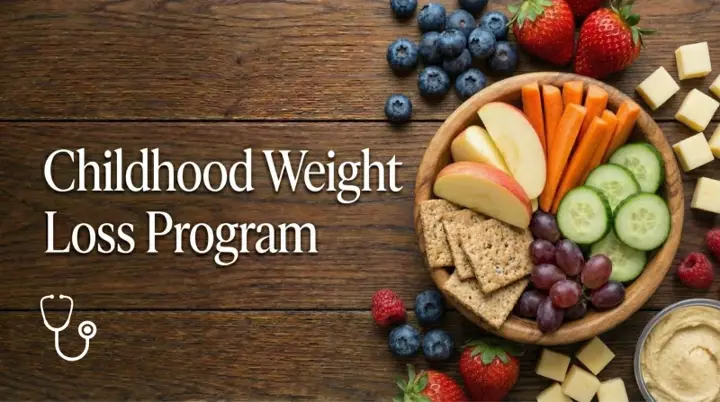
Childhood Weight Loss Program
Childhood obesity is not just about appearance. It increases the risk of early insulin resistance, fatty liver, vitamin deficiencies, hormonal imbalance, low confidence, and long-term metabolic disease. If you are searching for a childhood weight loss program in Delhi that is medically safe and growth focused, this program is designed specifically for children and adolescents.
 Book a consultation
Childhood Weight Loss Program in Delhi
Childhood obesity is not just about appearance. It increases the risk of early insulin resistance, fatty liver, vitamin deficiencies, hormonal imbalance, low confidence, and long-term metabolic disease. If you are searching for a childhood weight loss program in Delhi that is medically safe and growth focused, this program is designed specifically for children and adolescents.
Children are not small adults. Their nutrition plan cannot be a reduced version of an adult diet. Growth, brain development, bone health, and puberty timing must be protected. This is a doctor supervised childhood obesity management program focused on fat reduction while preserving height growth and lean muscle.
Why Early Intervention Matters
Excess weight in childhood increases the likelihood of adult obesity, type 2 diabetes, hypertension, fatty liver, and PCOD in girls. Many children already show early signs such as acanthosis nigricans, elevated triglycerides, or borderline blood sugar levels.
Early correction improves long-term outcomes and reduces the need for aggressive medical intervention later.
How the Childhood Weight Loss Program Works
The program begins with a detailed assessment of growth charts, body mass index percentile, dietary habits, sleep pattern, screen time exposure, physical activity level, and family history. If indicated, lab evaluation such as fasting glucose, lipid profile, vitamin D, liver enzymes, or insulin levels may be reviewed.
The focus is not starvation. The goal is structured nutrition. Ultra-processed snacks, sugary beverages, and excess refined carbohydrates are gradually reduced. Balanced meals with adequate protein, fiber, healthy fats, and micronutrients are structured.
Portion education is taught to both parents and child. Family involvement is essential because children eat what is available at home. School tiffin planning, festive eating strategies, and restaurant guidance are included.
Physical activity is optimized in an age-appropriate way. The aim is at least 60 minutes of active play or structured activity daily. Resistance-based activities are encouraged safely to preserve muscle mass.
Sleep correction is emphasized because poor sleep increases appetite hormones and worsens insulin resistance. Screen time boundaries are discussed realistically.
What Makes This Program Different
- Doctor supervised and growth monitored
- No crash dieting or calorie starvation
- Focus on fat reduction, not weight obsession
- Parent and family education included
- Screen time and lifestyle correction integrated
- Lab guided approach if metabolic risk is present
Who Should Consider This Program?
- Children with overweight or obesity percentile
- Early insulin resistance signs
- Fatty liver detected on ultrasound
- PCOD risk in adolescent girls
- Low stamina and reduced physical activity
- Emotional eating or excessive junk food intake
Expected Outcomes
With structured intervention, children may experience gradual fat reduction, improved stamina, better concentration, improved lab markers, and enhanced confidence. Height growth is preserved while body composition improves.
The goal is not rapid weight loss. The goal is metabolic correction, sustainable habits, and long-term health protection.
Frequently Asked Questions
1) Is dieting safe for children?
Crash dieting is unsafe. Structured, balanced nutrition supervised by a doctor is safe and growth supportive.
2) Will my child feel restricted?
The program focuses on balance, not complete elimination. Occasional treats are managed, not banned.
3) How fast will weight reduce?
Gradual fat reduction is expected. Rapid weight loss is avoided to protect growth and hormonal balance.
4) Is lab testing mandatory?
Not always. Testing is guided by clinical assessment and risk factors.
5) Is online consultation available?
Yes. Both in-clinic and online consultations are available for families seeking structured guidance.
Disclaimer: Childhood weight management requires individualized evaluation. Rapid weight loss approaches are not recommended for growing children.
Book a consultationShare this programme