
GERD Diet Plan
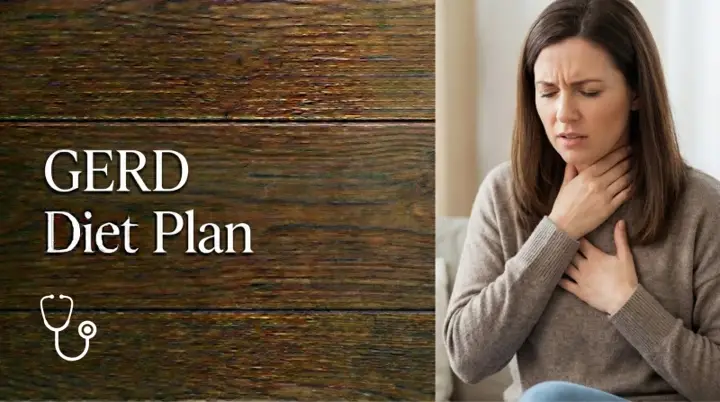
Persistent acidity, heartburn, throat irritation, bloating, or a sour taste in the mouth may indicate Gastroesophageal Reflux Disease (GERD). If you are searching for a GERD Diet Plan in Delhi , the focus should be on correcting dietary triggers, improving meal timing, reducing abdominal pressure, and protecting the esophagus.
 Book a consultation
GERD Diet Plan in Delhi
Persistent acidity, heartburn, throat irritation, bloating, or a sour taste in the mouth may indicate Gastroesophageal Reflux Disease (GERD). If you are searching for a GERD Diet Plan in Delhi , the focus should be on correcting dietary triggers, improving meal timing, reducing abdominal pressure, and protecting the esophagus.
GERD occurs when stomach acid flows back into the esophagus due to a weak lower esophageal sphincter, increased abdominal pressure, delayed gastric emptying, or poor meal timing. This is a doctor supervised GERD diet and lifestyle program designed to reduce reflux episodes safely and sustainably.
Why Diet Matters in GERD
Large meals, excess refined carbohydrates, spicy food, fried items, caffeine, late-night eating, alcohol, and obesity can worsen reflux symptoms. Simply taking acid suppressing medication without addressing triggers often leads to recurring symptoms.
The goal of this plan is not extreme restriction, but structured trigger identification and long-term digestive stability.
How the GERD Diet Plan Works
The program begins with a detailed assessment of symptom frequency, trigger foods, meal timing, portion size, body weight, stress levels, sleep posture, and medication history.
Portion control is optimized. Overeating stretches the stomach and increases reflux risk. Smaller, balanced meals are structured through the day.
Trigger foods are identified individually. Not every patient reacts to the same foods. Common triggers such as excess caffeine, carbonated drinks, high-fat meals, chocolate, and very spicy food are reviewed carefully.
Late-night eating is corrected. A minimum gap of two to three hours between dinner and bedtime is encouraged.
Weight reduction is integrated if overweight. Even modest fat loss reduces abdominal pressure and reflux frequency.
Stress management and sleep posture guidance are included because stress increases acid production, and improper posture worsens symptoms.
What Makes This GERD Plan Different
- Doctor supervised and symptom guided
- Personalized trigger identification
- Structured portion and meal timing correction
- Weight management integration if required
- Stress and sleep posture guidance
- No unnecessary extreme elimination diets
Who Should Consider This Program?
- Frequent heartburn or acid reflux
- Night-time reflux symptoms
- Chronic throat irritation or cough linked to reflux
- Bloating and upper abdominal discomfort
- Overweight individuals with reflux symptoms
Expected Outcomes
With consistent adherence, patients may notice reduced heartburn episodes, improved digestion, less bloating, better sleep quality, and reduced dependence on acid suppressing medications under medical supervision.
Long-term improvement depends on sustained lifestyle changes, not short-term medication alone.
Frequently Asked Questions
1) Should I completely avoid spicy food?
Not necessarily. Tolerance varies between individuals. Trigger identification is personalized.
2) Is milk helpful for acidity?
Milk may provide temporary relief, but it can sometimes increase acid production later.
3) Does weight loss help GERD?
Yes. Reducing abdominal fat can significantly decrease reflux frequency.
4) Can stress worsen reflux?
Yes. Stress can increase acid production and worsen digestive symptoms.
5) Is online consultation available?
Yes. Both in-clinic and online consultations are available.
Disclaimer: Persistent GERD symptoms require medical evaluation. Diet supports reflux control but does not replace prescribed therapy when indicated.
Book a consultationShare this programme