
Subtotal ₹0.00



 Watch on YouTube

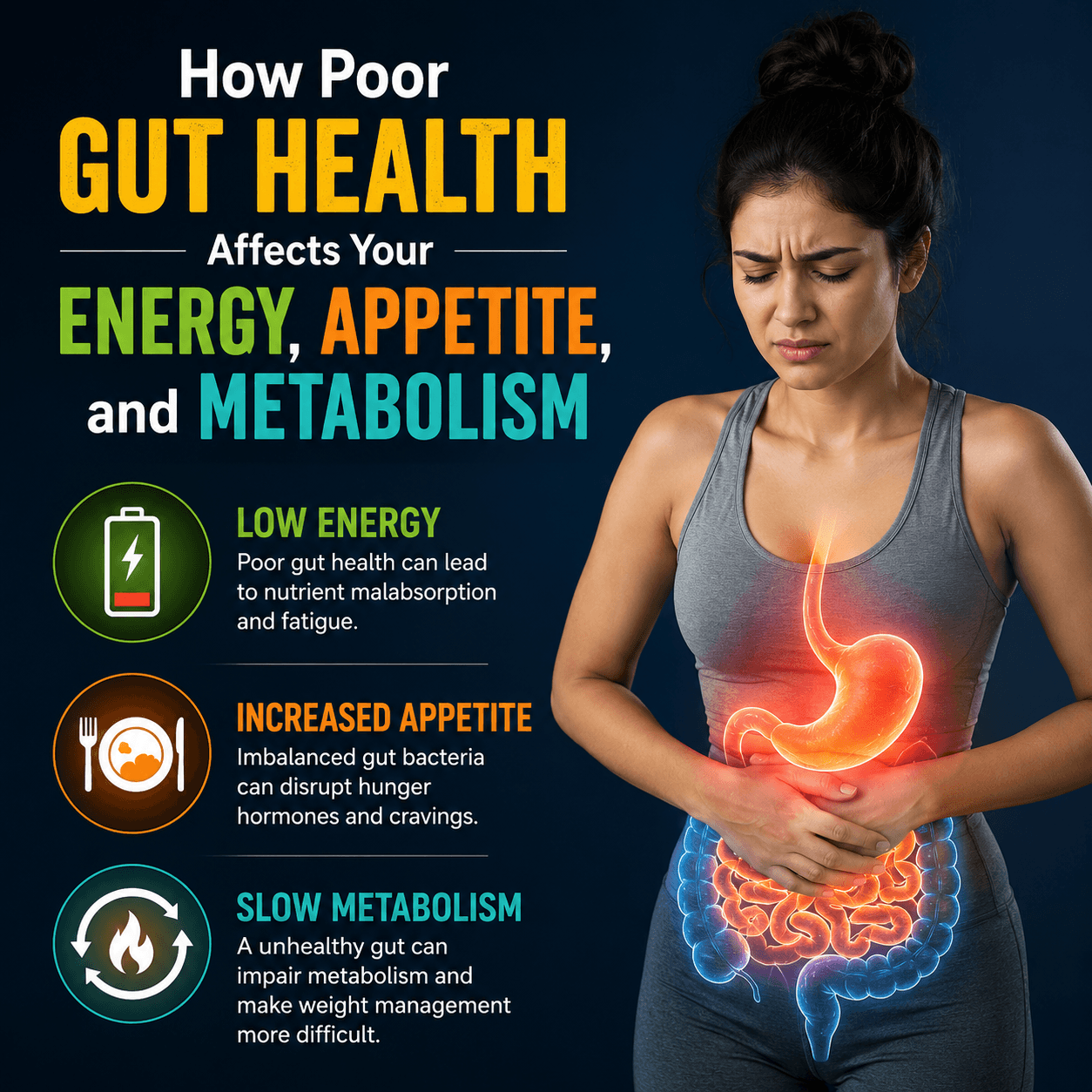
How Poor Gut Health Affects Energy, Appetite, and Metabolism
Poor Gut Health: 7 Effects on Energy and Metabolism
When people think about gut health, they usually think only about digestion. Symptoms such as acidity, bloating, gas, constipation, or irregular bowel movements are often considered the primary signs of digestive problems.
However, modern research has revealed that the gut influences far more than digestion alone. The health of the digestive system is closely connected to energy levels, appetite regulation, metabolism, immune function, inflammation, and even mental wellbeing. This is why understanding poor gut health has become increasingly important in lifestyle medicine and preventive healthcare.
In clinical practice, I frequently see individuals struggling with persistent fatigue, cravings, abdominal discomfort, weight gain, and metabolic problems where underlying gut health may be playing a significant role.

Many people focus entirely on calories, exercise, or supplements while overlooking one of the body’s most important metabolic systems: the gut.
What Does Gut Health Actually Mean?
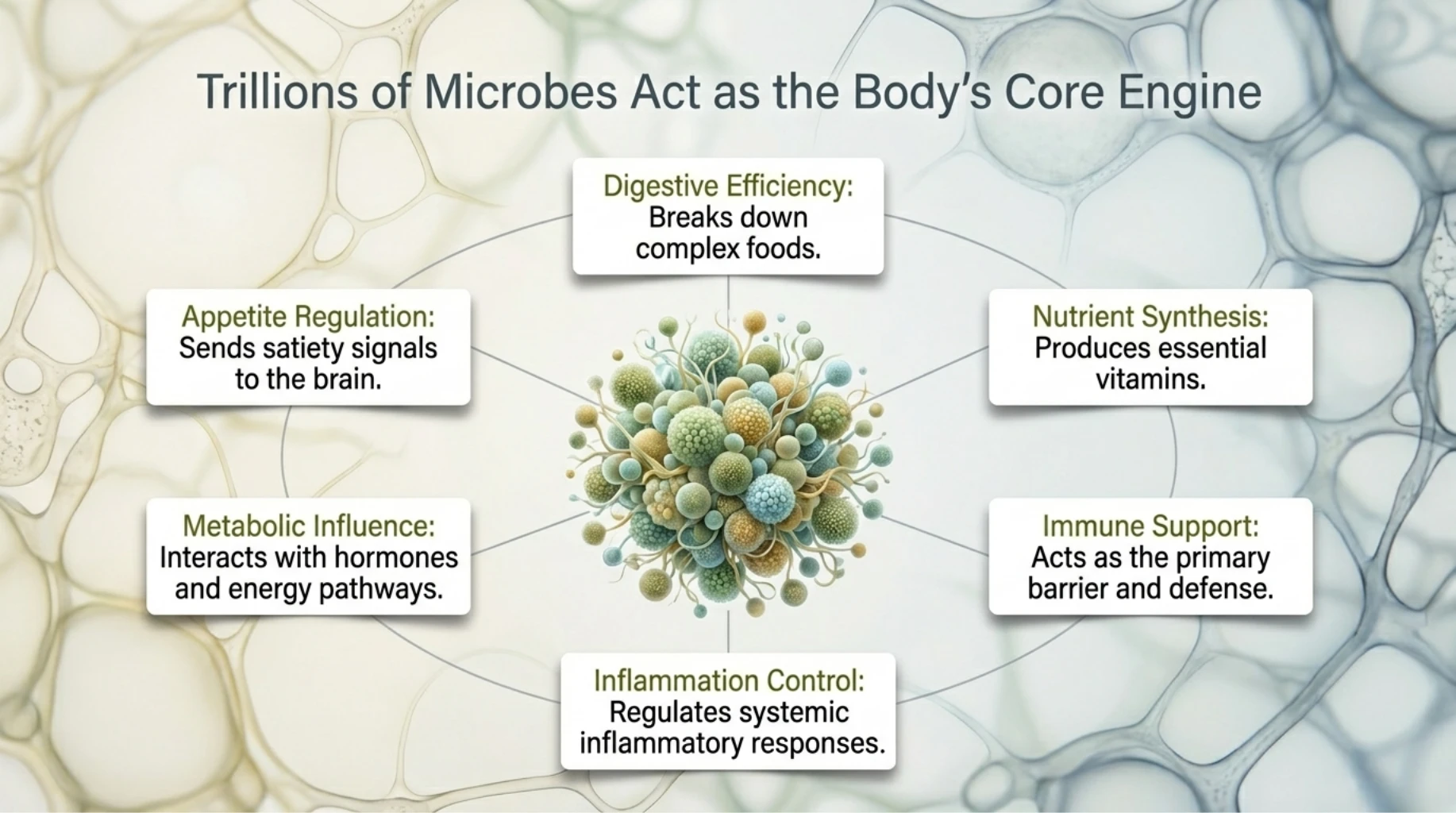
Gut health refers to the overall health and functioning of the digestive system, particularly the balance of microorganisms that naturally live inside the intestines. These microorganisms, collectively known as the gut microbiome, include trillions of bacteria and other microbes that perform important functions for human health.
A healthy gut microbiome helps:
- Digest food efficiently
- Produce certain vitamins
- Support immune function
- Regulate inflammation
- Influence metabolism
- Support appetite control
When this balance becomes disturbed, digestive symptoms and broader metabolic problems may gradually develop. This is one reason why poor gut health can affect much more than digestion alone.
Why Gut Health Influences Energy Levels
Many individuals are surprised to learn that gut health and energy levels are closely connected. The digestive system is responsible for breaking down food, absorbing nutrients, and delivering those nutrients to the body for energy production.
When gut function becomes impaired, several problems may occur:
- Poor nutrient absorption
- Digestive inefficiency
- Chronic inflammation
- Reduced metabolic efficiency
Over time, these factors may contribute to persistent tiredness and reduced energy levels even when calorie intake appears adequate. Many individuals experiencing fatigue focus only on sleep while overlooking the potential contribution of poor gut health.
Hidden Effect 1: Poor Gut Health May Increase Chronic Inflammation
One of the most important connections between gut health and metabolism involves inflammation. A healthy gut helps maintain an effective barrier between the digestive tract and the rest of the body.
When gut health becomes compromised, inflammatory activity may increase.
Chronic low-grade inflammation has been associated with:
- Insulin resistance
- Fatigue
- Weight gain
- Poor metabolic health
- Cardiovascular risk
Although inflammation is a complex process with many contributing factors, gut health plays an important role in maintaining metabolic balance. This is one major reason why poor gut health can affect energy, appetite, and metabolism simultaneously.
Hidden Effect 2: Gut Health Influences Appetite Regulation
Many people think appetite is controlled only by willpower or calorie intake. In reality, appetite is regulated through complex interactions involving hormones, the brain, digestion, and the gut microbiome.
Poor gut health may influence:
- Hunger signaling
- Satiety regulation
- Food cravings
- Eating behavior
As a result, some individuals may experience stronger cravings, difficulty feeling satisfied after meals, or a tendency toward overeating. This connection helps explain why improving gut health often supports healthier eating patterns over time.
Hidden Effect 3: Digestive Problems Reduce Nutritional Efficiency
Even when food quality is reasonably good, digestive problems may affect how effectively nutrients are utilized.
Persistent digestive discomfort may be associated with:
- Bloating
- Gas formation
- Indigestion
- Irregular bowel habits
- Poor digestive comfort
When digestion becomes less efficient, overall wellbeing, energy levels, and recovery may gradually decline. This is another reason why poor gut health can affect much more than the digestive system itself.
Why Gut Problems Often Develop Gradually
One of the biggest challenges with gut health is that problems often develop slowly rather than suddenly.
Many individuals normalize symptoms such as:
- Frequent bloating
- Acidity
- Gas formation
- Irregular bowel movements
- Digestive discomfort after meals
because these complaints have become increasingly common in modern lifestyles. However, persistent digestive symptoms may indicate underlying lifestyle patterns that are also affecting metabolic health and energy regulation.
Hidden Effect 4: Poor Gut Health Can Slow Metabolic Efficiency
Metabolism is often discussed only in terms of calories, exercise, and body weight. However, the digestive system plays an important role in metabolic regulation as well. The gut microbiome interacts continuously with hormones, nutrient absorption, inflammation, and energy utilization pathways.
When gut health becomes compromised, metabolic efficiency may gradually decline through several mechanisms:
- Increased inflammation
- Poor nutrient utilization
- Disrupted appetite regulation
- Reduced insulin sensitivity
Over time, these changes may contribute to weight gain, fatigue, and metabolic dysfunction even before major disease becomes obvious. This is one reason why poor gut health can influence metabolism much more than most people realize.
Hidden Effect 5: Gut Health Influences Food Cravings
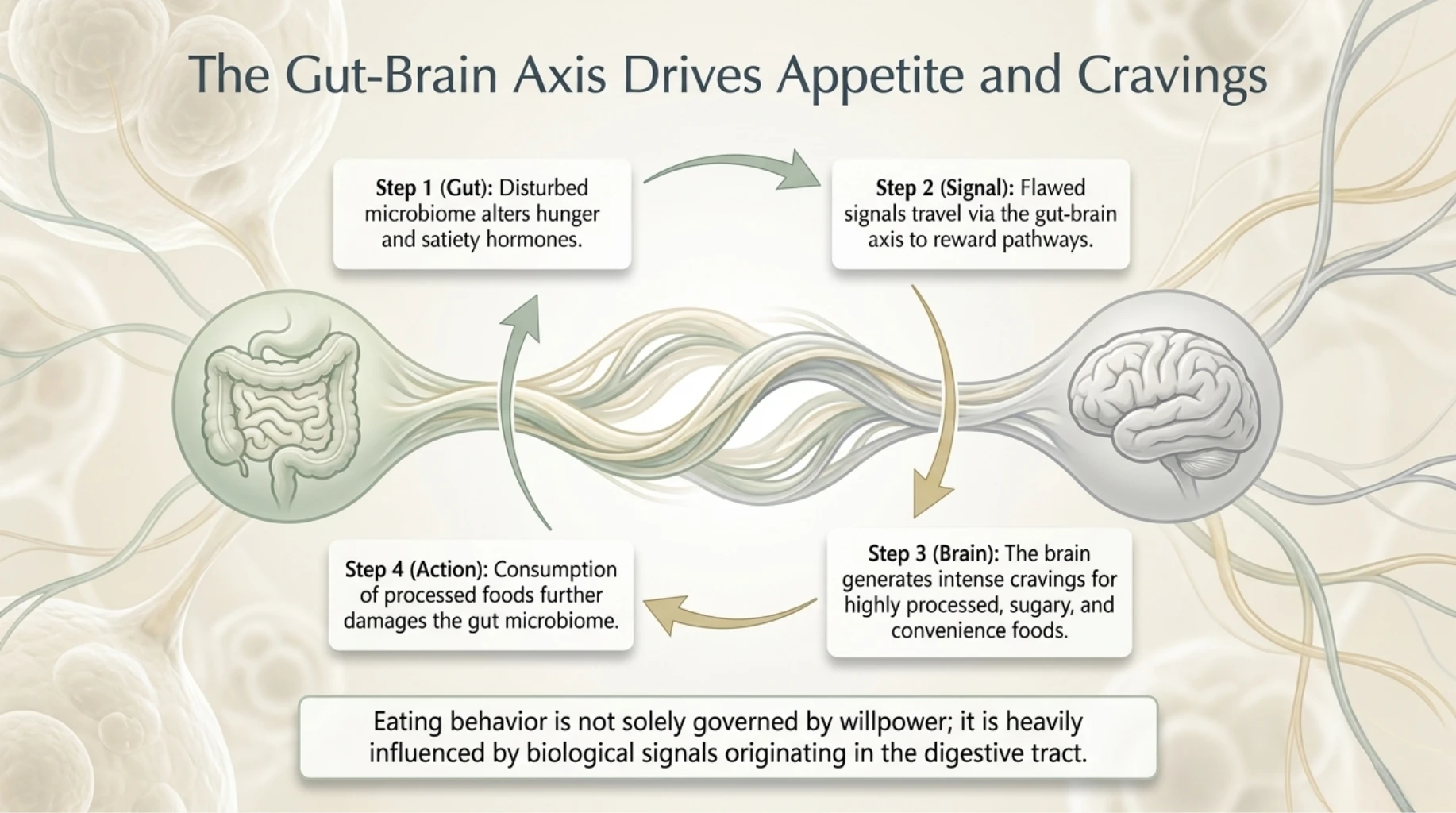
Many individuals blame themselves for cravings without understanding that biological factors also influence eating behavior. The gut and the brain communicate continuously through what is often called the gut-brain axis.
This communication system affects:
- Hunger signals
- Satiety signals
- Food preferences
- Reward pathways
- Eating behavior
When gut health is disturbed, cravings for highly processed foods, sugary foods, and convenience foods may become stronger. This does not mean gut health is the only factor affecting cravings, but it is one important contributor that is often overlooked.
This helps explain why some individuals struggle with appetite control despite making genuine efforts to improve their eating habits.
Hidden Effect 6: Poor Gut Health May Affect Insulin Sensitivity
Insulin sensitivity is one of the most important components of metabolic health. Research increasingly suggests that gut health and insulin regulation are closely connected.
Poor gut health may contribute to:
- Higher inflammatory activity
- Poor glucose regulation
- Reduced metabolic flexibility
- Worsening insulin resistance
Over time, these changes may increase the risk of:
- Prediabetes
- Type 2 diabetes
- Abdominal obesity
- Fatty liver disease
This is another major reason why poor gut health can affect energy, appetite, and metabolism simultaneously.
Hidden Effect 7: Gut Health Influences Mental Wellbeing
The digestive system and the brain communicate continuously through complex hormonal, immune, and nervous system pathways. Many individuals notice that digestive symptoms worsen during periods of stress, anxiety, or emotional overload.
At the same time, poor digestive health may contribute to:
- Mental fatigue
- Reduced concentration
- Brain fog
- Lower overall wellbeing
Although mental health is influenced by many factors, gut health is increasingly recognized as an important contributor to overall wellbeing. This highlights why digestive health should not be viewed as an isolated system.
Why Modern Lifestyles Commonly Damage Gut Health
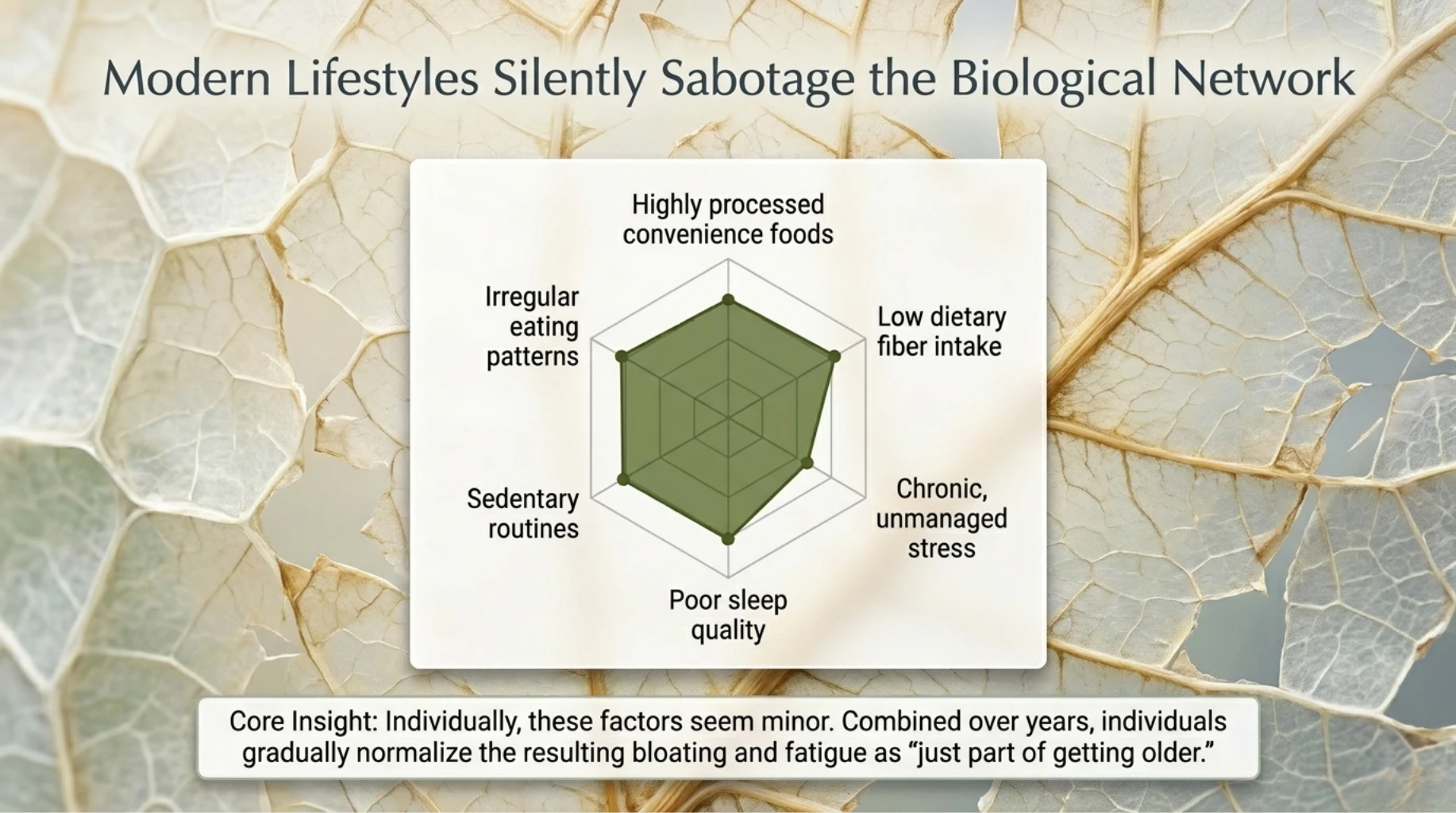
Several aspects of modern living may negatively influence the gut microbiome over time.
Common contributors include:
- Highly processed foods
- Low fiber intake
- Chronic stress
- Poor sleep quality
- Sedentary lifestyles
- Irregular eating patterns
Individually, these factors may seem minor. However, when combined for years, they can gradually affect digestive and metabolic health. This helps explain why digestive complaints have become increasingly common among urban adults and working professionals.
Why Bloating and Fatigue Often Occur Together
Many patients are surprised when bloating and fatigue appear at the same time.
However, both symptoms may share common underlying contributors such as:
- Poor dietary quality
- Stress overload
- Poor sleep
- Digestive inefficiency
- Metabolic dysfunction
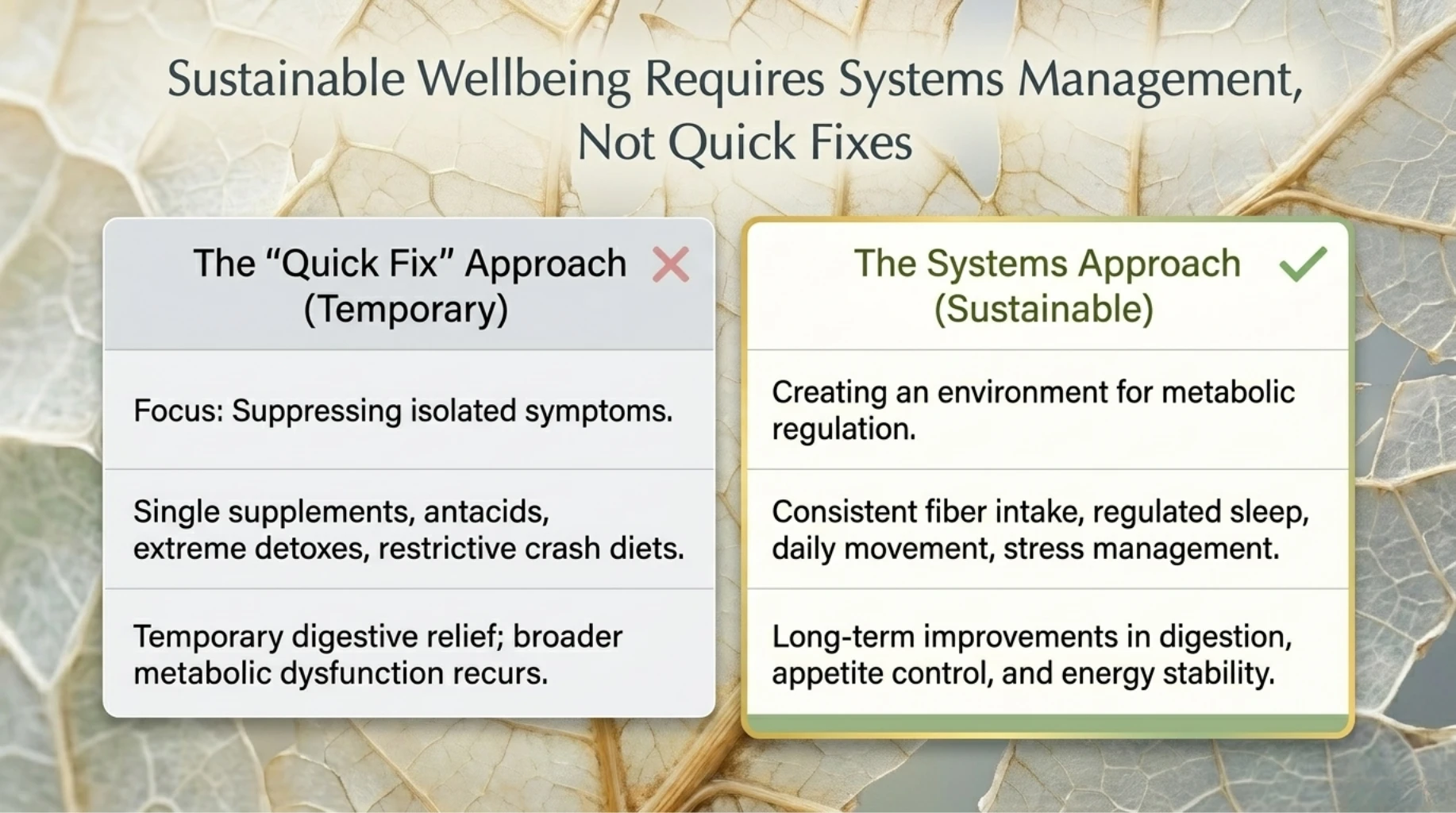
This is why treating symptoms individually often produces only temporary relief while the broader lifestyle imbalance continues. A more comprehensive approach that addresses sleep, stress, movement, nutrition, and digestive health usually provides better long-term outcomes.
Why Temporary Digestive Relief Is Not Enough
Many individuals repeatedly depend on symptom-relief measures for acidity, bloating, or digestive discomfort without correcting the underlying lifestyle factors driving those symptoms.
While symptom management may sometimes be necessary, sustainable improvement usually requires addressing:
- Food quality
- Meal timing
- Physical activity
- Stress management
- Sleep quality
Without these changes, digestive symptoms and metabolic dysfunction often continue to recur.
How to Improve Gut Health Naturally
The good news is that gut health is highly responsive to lifestyle changes. Unlike many factors that are difficult to modify, the digestive system often improves significantly when daily habits become healthier and more consistent.
The goal is not achieving a “perfect gut.” The goal is creating an environment that supports healthier digestion, better metabolic regulation, improved appetite control, and more stable energy levels.
This is where understanding poor gut health becomes practically useful because it helps identify habits that support long-term digestive and metabolic wellbeing.
Increase Fiber Intake Consistently
One of the most effective ways to support gut health is increasing dietary fiber. Fiber acts as a food source for beneficial gut bacteria and supports healthy digestive function.
Good sources include:
- Vegetables
- Fruits
- Legumes
- Whole grains
- Nuts and seeds
Many urban diets are heavily processed and relatively low in fiber, which may negatively affect gut microbiome diversity over time. Increasing fiber gradually and consistently often improves digestive comfort and bowel regularity.
Reduce Excess Processed Foods
Highly processed foods often replace nutrient-dense foods in modern diets.
Frequent intake of:
- Packaged snacks
- Sugary beverages
- Fast food
- Ultra-processed convenience foods
may negatively influence both digestive and metabolic health when consumed regularly. Replacing some of these foods with minimally processed whole foods often supports better digestive function and metabolic balance.
Maintain More Consistent Meal Timing
The digestive system functions more efficiently when eating patterns remain relatively structured.
Many individuals with digestive complaints commonly experience:
- Skipping meals
- Very late dinners
- Frequent snacking
- Long fasting gaps followed by overeating
These habits may disturb digestive rhythm and appetite regulation. Maintaining more consistent meal timing often improves digestive comfort and metabolic stability.
Manage Stress More Effectively
Stress and gut health are closely connected.
Many individuals notice worsening:
- Bloating
- Acidity
- Digestive discomfort
- Bowel irregularity
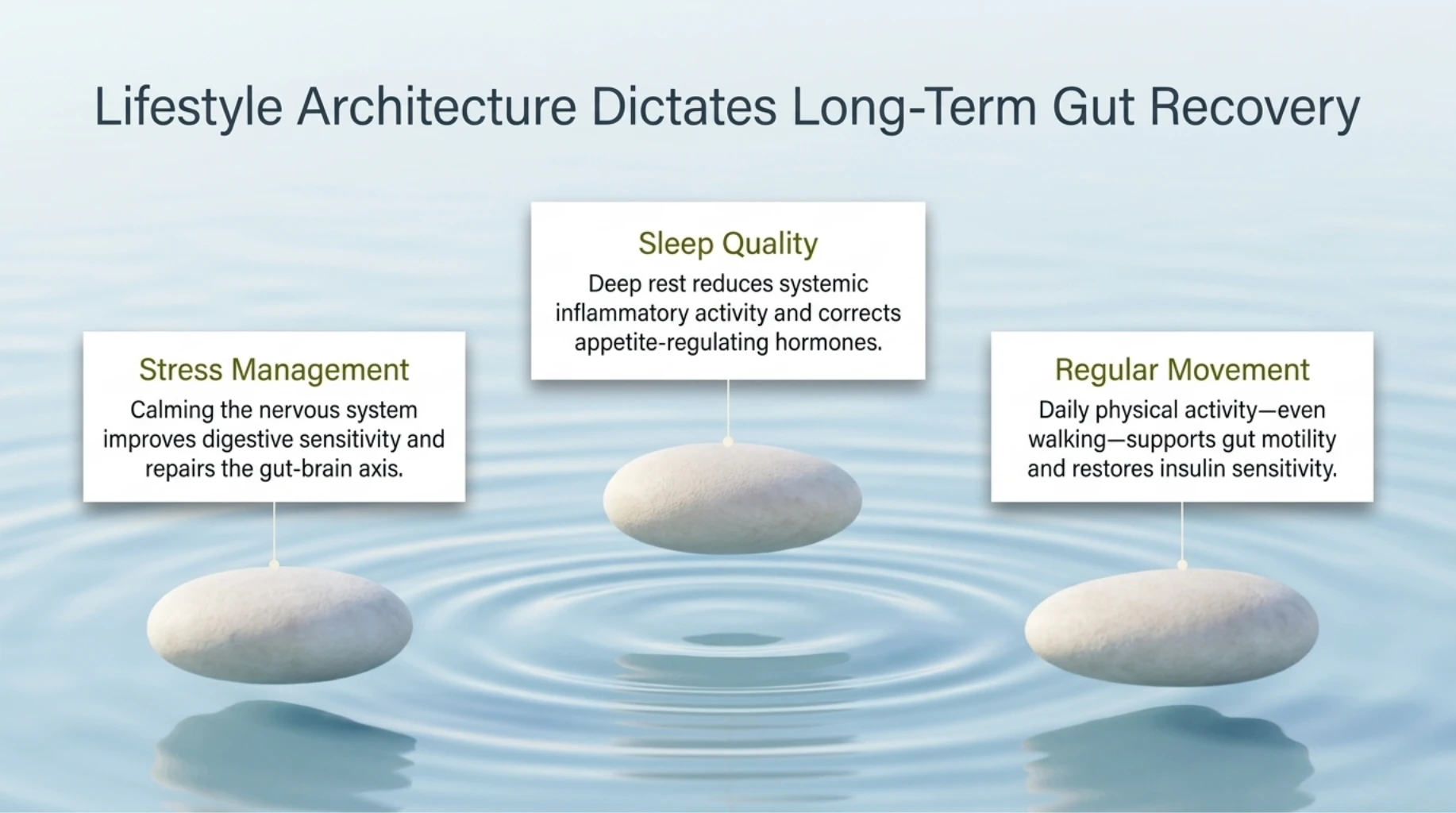
during stressful periods. Chronic stress affects the gut-brain axis and may alter digestion, appetite regulation, and digestive sensitivity.
Helpful stress-management strategies include:
- Regular physical activity
- Adequate sleep
- Outdoor movement
- Improved work-life balance
- Reducing continuous mental overload
Reducing stress often improves digestive symptoms even before major dietary changes occur.
Sleep Quality Supports Gut Health
Sleep and gut health influence each other continuously.
Poor sleep may contribute to:
- Digestive discomfort
- Cravings
- Appetite imbalance
- Metabolic dysfunction
- Inflammatory activity
Maintaining healthier sleep habits helps support both digestive and metabolic recovery. This is one reason why lifestyle medicine often addresses sleep and digestion together rather than separately.
Regular Physical Activity Benefits the Gut
Physical movement affects far more than body weight and fitness.
Regular activity helps:
- Support gut motility
- Improve insulin sensitivity
- Reduce inflammation
- Improve metabolic flexibility
- Support overall digestive health
Even simple habits such as daily walking can contribute positively to long-term digestive wellbeing. This is particularly important for sedentary office workers who spend most of the day sitting.
Avoid Chasing Quick Fixes
Many individuals search for a single supplement, detox, or miracle solution to “fix” gut health. However, sustainable digestive improvement usually comes from consistent lifestyle habits rather than short-term interventions.
Long-term gut health depends largely on:
- Food quality
- Fiber intake
- Stress management
- Sleep quality
- Physical activity
- Metabolic health
Small improvements in these areas often produce larger long-term benefits than temporary restrictive approaches.
Why Gut Health Should Be Viewed as Part of Metabolic Health
Many people separate digestive health from metabolic health, but in reality the two are closely connected.
Poor gut health may coexist with:
- Insulin resistance
- Abdominal obesity
- Fatty liver disease
- Chronic fatigue
- Appetite dysregulation
This is why improving digestive health often supports broader improvements in overall wellbeing, energy levels, and metabolic function.
Consistency Matters More Than Perfection
Gut health improves through repeated healthy habits practiced consistently over time. Most people do not need extreme diets or highly restrictive eating plans. Instead, they benefit more from sustainable improvements that can be maintained for months and years.
Small consistent changes often produce meaningful long-term improvements in digestion, appetite control, energy regulation, and metabolic health.
You can explore a structured lifestyle approach here:
Lifestyle Modification Program
Key Take-Home Messages
- Poor gut health can affect energy, appetite regulation, metabolism, and overall wellbeing
- The gut microbiome plays an important role in metabolic and digestive health
- Stress, poor sleep, processed foods, and low fiber intake commonly disrupt gut health
- Regular physical activity and consistent eating habits support digestive function
- Long-term gut health improvement depends on sustainable lifestyle habits rather than quick fixes
Final Thoughts
Understanding poor gut health helps explain why digestive symptoms often extend far beyond the digestive system itself.
The gut influences appetite regulation, energy production, metabolic health, inflammation, and overall wellbeing. When digestive health becomes compromised, many seemingly unrelated symptoms may gradually appear.
The earlier healthy lifestyle habits become part of daily life, the greater the long-term benefits for digestion, metabolism, and overall health.
If you want a personalized digestive and metabolic health assessment, you can book a consultation here:
Book an Appointment
Disclaimer: This article is for educational purposes only and should not replace medical advice. Individual treatment should be based on clinical evaluation.


