

Many health concerns do not require you to identify the correct specialist before seeking help. Fever, fatigue, abnormal blood sugar, high blood pressure, digestive symptoms, thyroid reports and recurring pain can often be evaluated first by a doctor in Dwarka Sector 6 who can review the complete clinical picture.
A general physician or family physician does more than treat a single symptom. Primary care includes health promotion, disease prevention, initial diagnosis, treatment, follow-up and coordination with specialist services when needed. This broad approach is useful when several concerns overlap—for example, weight gain with thyroid symptoms, fatty liver with prediabetes, or dizziness in a person taking blood-pressure medicines.

At Diet Plus Minus, Dr. Pankaj Kumar evaluates common adult health problems in the context of symptoms, previous reports, current medicines, lifestyle and long-term health risks. This page explains ten concerns you can discuss during a general medical consultation and the warning signs that may require more urgent care.
What Can You Discuss With a General Doctor?
You can consult a general doctor for new symptoms, recurring health problems, abnormal blood reports and ongoing conditions that need regular monitoring.
Common reasons include fever, cough, diabetes, high blood pressure, thyroid symptoms, acidity, headache, body pain, weight concerns and medication review. The doctor can perform an initial assessment, recommend appropriate tests, start or adjust suitable treatment and arrange specialist referral when the problem falls outside routine primary care. Comprehensive primary care is intended to support prevention, early diagnosis, treatment and coordination across different levels of the health system.
What Can a Doctor in Dwarka Sector 6 Help With?
A doctor in Dwarka Sector 6 can be the first point of contact when you are unwell but are unsure which organ or condition is responsible. Symptoms such as fatigue, dizziness, appetite change, abdominal discomfort or weakness can arise from several different causes and may require a broad assessment rather than one isolated test.
The consultation may include:
- A detailed symptom history
- Blood pressure, pulse and temperature assessment
- Review of previous prescriptions and reports
- Examination relevant to the complaint
- Selection of necessary blood or imaging tests
- Advice on food, activity, sleep and risk reduction
- Treatment of suitable primary-care conditions
- Referral when specialist or hospital evaluation is required
The purpose is not to order every available investigation. Tests should be selected according to the likely causes, symptom duration, examination findings, age, medicines and existing medical conditions.
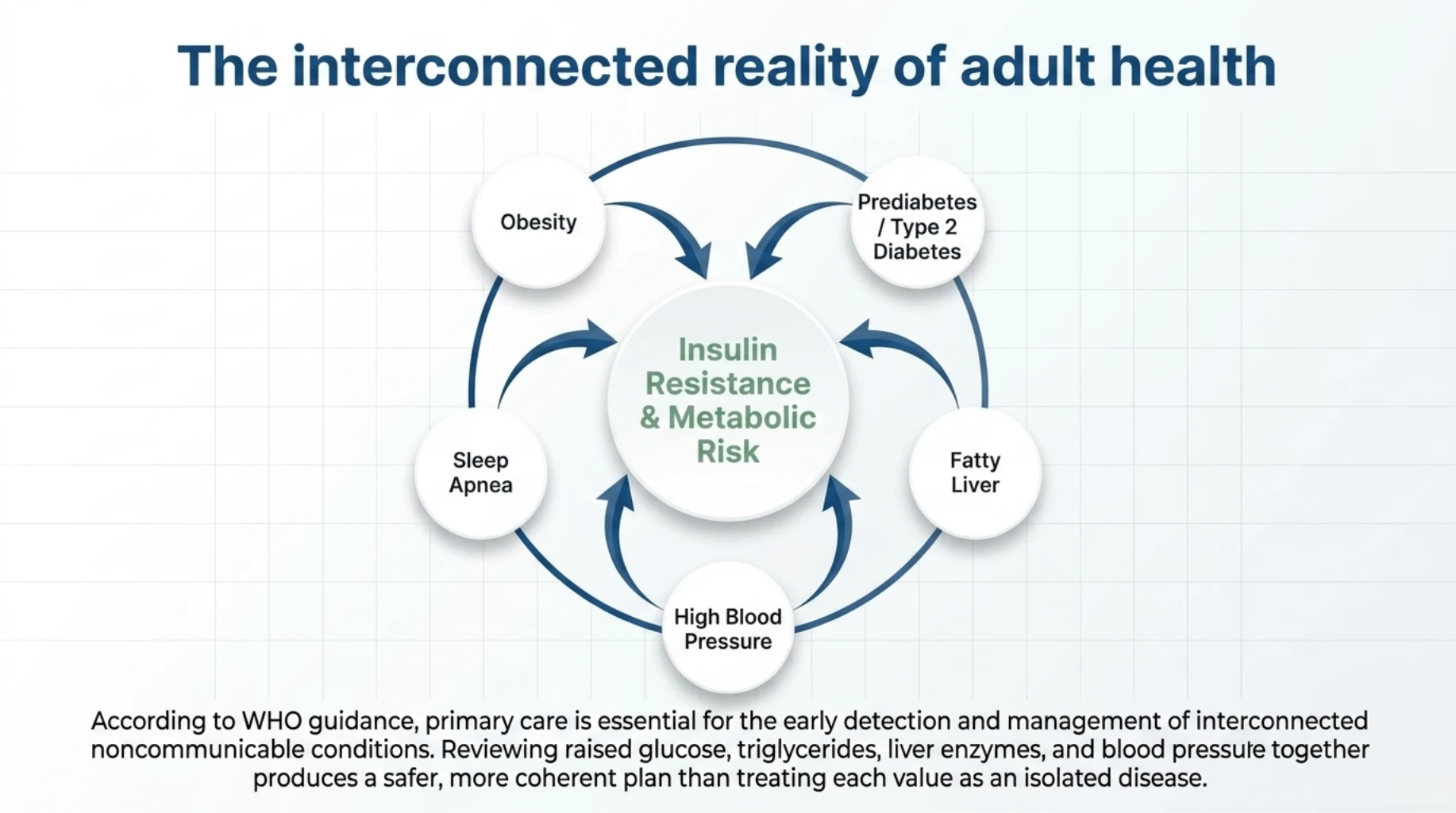
A general medical consultation is also useful when several reports are abnormal at the same time. Raised glucose, triglycerides, liver enzymes and blood pressure may be related through insulin resistance and metabolic risk. Reviewing them together can produce a more coherent plan than treating each value as a separate problem.
What to Bring When Visiting a Doctor in Dwarka Sector 6
Bring any recent and previous blood reports, scans, discharge summaries and prescriptions available to you. Older reports can be useful because trends often provide more information than a single result.
Also bring or prepare:
- Names or photographs of current medicines
- Details of medicine allergies
- Home blood-pressure or glucose readings
- Approximate date when symptoms started
- Information about recent travel or infection
- A brief description of sleep, appetite and bowel habits
- Details of supplements or herbal products
- Relevant family history
Do not stop prescribed medicines before the consultation unless you have been specifically advised to do so.
1. Fever, Cough and Common Infections
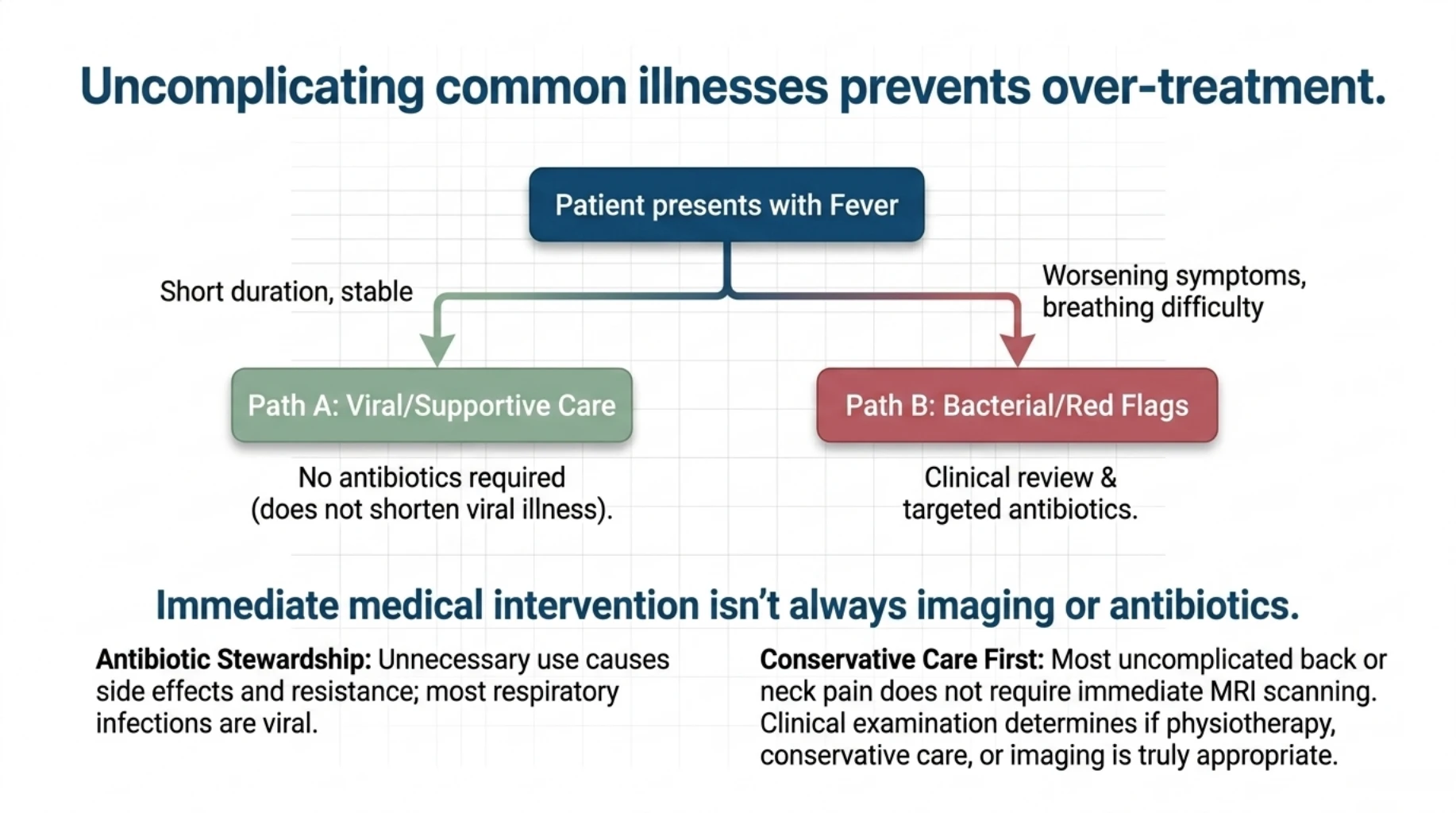
Fever, sore throat, cough, nasal congestion and body aches are frequent reasons to consult a general doctor. Many respiratory infections are viral and improve with supportive care, but symptoms can sometimes indicate pneumonia, influenza, asthma aggravation or another condition requiring closer assessment.
The consultation may review:
- Duration and pattern of fever
- Severity of cough
- Breathing difficulty or wheezing
- Chest pain
- Sputum color or blood
- Recent travel or infectious exposure
- Existing diabetes, lung disease or reduced immunity
- Medicines already taken
Antibiotics are not required for every fever, cold or sore throat. They treat bacterial infections and do not shorten most viral illnesses. Unnecessary use can cause side effects and contribute to antibiotic resistance.
Medical review becomes more important when fever persists, symptoms are worsening, breathing becomes difficult, the person feels markedly unwell or cough continues for several weeks. NHS guidance advises assessment when a respiratory infection worsens, fever remains high for more than three days, blood appears in sputum or cough persists for more than three weeks.
Urgent assessment is required for severe breathing difficulty, confusion, blue lips, fainting, severe chest pain or inability to maintain hydration.
2. Diabetes, Prediabetes and High Blood Sugar
You can discuss newly detected high glucose, prediabetes, established diabetes or unexplained symptoms such as excessive thirst, frequent urination, blurred vision, recurrent infections or unintended weight loss.
Prediabetes and type 2 diabetes may remain silent for a long time. A person can feel healthy while fasting glucose or HbA1c gradually rises, which is why risk-based testing is more reliable than waiting for symptoms.
A diabetes-related consultation may include:
- Fasting and post-meal glucose review
- HbA1c interpretation
- Current medicine assessment
- Hypoglycemia history
- Blood-pressure and cholesterol review
- Kidney and urine-albumin reports
- Liver health and fatty-liver risk
- Weight and waist circumference
- Diet, activity, sleep and meal timing
An HbA1c result must be interpreted in context. The commonly used diagnostic ranges are below 5.7% for normal, 5.7–6.4% for prediabetes and 6.5% or above for diabetes, although confirmation and clinical interpretation may be required.
Do not change diabetes tablets or insulin solely because of one unusual home reading. Acute illness, missed meals, stress, incorrect testing technique and medication timing can all influence glucose results.
Seek prompt care for persistent vomiting, confusion, severe weakness, dehydration, breathing difficulty or very high glucose during illness.
3. High Blood Pressure and Cardiovascular Risk
High blood pressure usually causes no obvious symptoms. A person may feel completely normal while blood pressure remains elevated, which is why proper measurement and follow-up matter. Untreated hypertension increases the risk of heart disease, stroke and kidney problems.
You can consult a general doctor when:
- Clinic or home readings are repeatedly high
- Your readings vary widely
- You have started a new blood-pressure medicine
- Side effects are suspected
- You have diabetes, kidney disease or high cholesterol
- Headache or dizziness is recurring
- You need advice on home monitoring
One isolated high reading does not always confirm hypertension. Anxiety, pain, caffeine, recent exercise, an incorrect cuff size and poor measurement technique can temporarily raise the result.
The doctor may review several readings, check how blood pressure is being measured and assess cardiovascular risks such as smoking, abdominal obesity, diabetes, cholesterol and family history. Kidney function, electrolytes, ECG or other investigations may be recommended according to the clinical situation.
Do not stop treatment because a few readings have improved. Blood pressure may be controlled because the medicine and lifestyle plan are working.
Very high blood pressure accompanied by chest pain, severe breathing difficulty, weakness on one side, confusion, fainting or sudden visual disturbance requires urgent medical attention.

4. Thyroid Symptoms and Abnormal TSH Reports
Thyroid concerns commonly arise after an abnormal TSH result or symptoms such as fatigue, weight change, constipation, heat or cold intolerance, palpitations, menstrual changes or hair thinning.
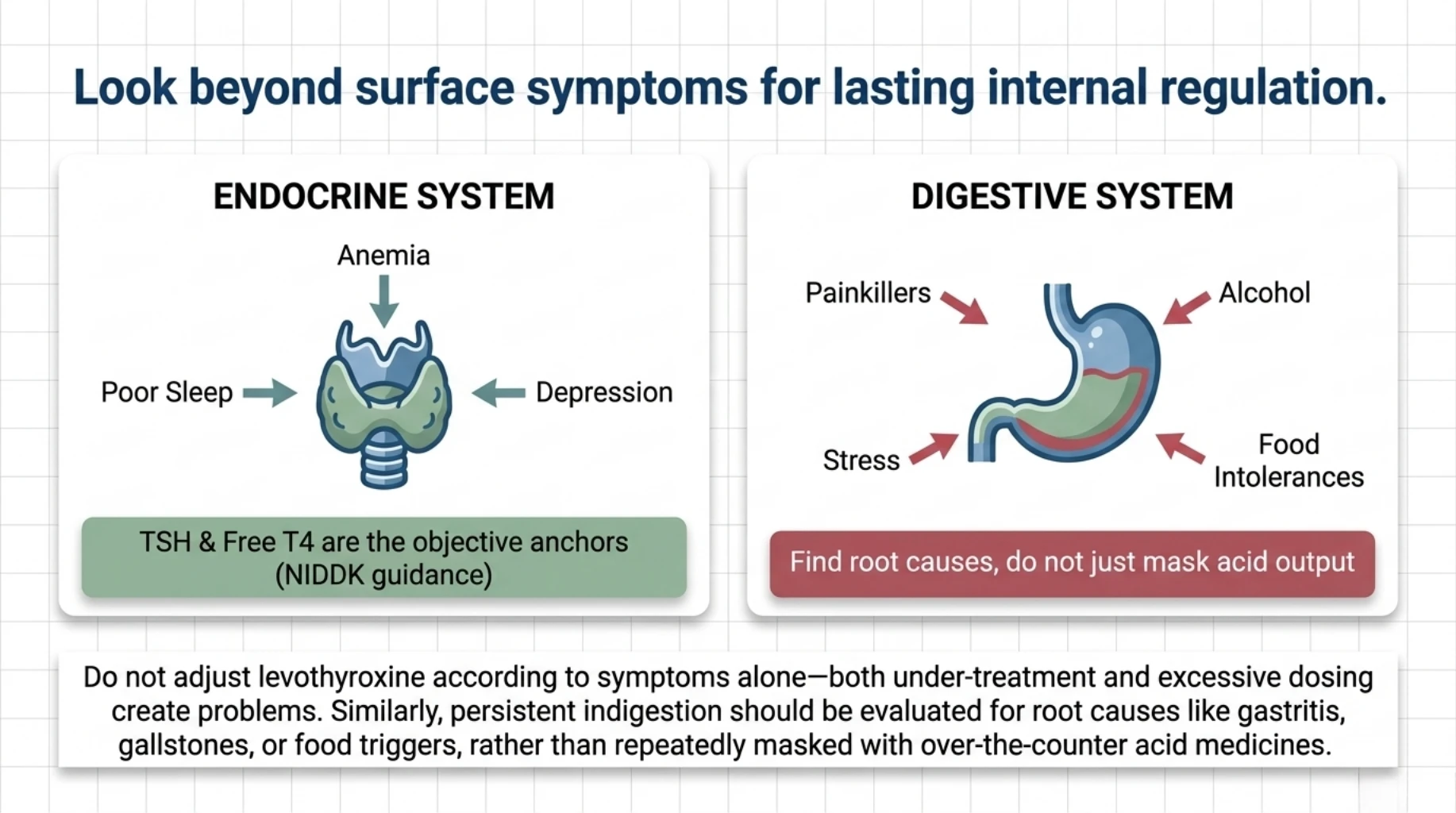
These symptoms are not specific to thyroid disease. Fatigue and weight gain, for example, can also occur with poor sleep, anemia, depression, inactivity or medication effects. Diagnosis therefore depends on appropriate thyroid blood tests rather than symptoms alone.
TSH is usually the first test used to assess thyroid function. Free T4 and additional tests may be needed depending on the TSH result, pregnancy status, symptoms and current thyroid treatment. NIDDK guidance describes TSH and T4 as central tests for identifying and clarifying thyroid dysfunction.
A consultation may address:
- Newly raised or low TSH
- Levothyroxine dose review
- Correct medicine timing
- Persistent symptoms despite treatment
- Thyroid concerns during pregnancy planning
- Palpitations or suspected hyperthyroidism
- Neck swelling or a thyroid nodule
Hypothyroidism can cause fatigue, cold intolerance, constipation, dry skin, weight gain and menstrual changes, but the presentation varies between individuals.
Do not adjust levothyroxine according to symptoms alone. Both under-treatment and excessive dosing can create problems, and TSH should generally be reviewed after an appropriate interval following a dose change.
5. Acidity, Bloating and Digestive Problems
Acidity, heartburn, gas, bloating, constipation and indigestion are common, but repeated symptoms should not always be managed through indefinite self-medication.
A doctor may review:
- Relationship between symptoms and meals
- Frequency of heartburn
- Abdominal pain location
- Bowel frequency and stool pattern
- Nausea or vomiting
- Recent weight loss
- Painkiller use
- Alcohol and smoking
- Food triggers
- Current antacids or acid-suppressing medicines
Digestive symptoms may be related to reflux, gastritis, constipation, food intolerance, irritable bowel syndrome, medicines or dietary patterns. Occasionally, persistent symptoms require investigation for ulcer disease, gallbladder problems, liver disease or another condition.
Medical review is advised when heartburn occurs most days, pharmacy treatment is not helping, food feels stuck while swallowing, vomiting is frequent or weight is falling without explanation.
Black stools, vomiting blood, severe persistent abdominal pain, repeated vomiting, fainting or significant dehydration require urgent assessment. Persistent indigestion or recurring abdominal pain should also be evaluated rather than repeatedly treated with over-the-counter acid medicines.

Written by Dr. Pankaj Kumar
General & Lifestyle Physician in Dwarka Sector 6, New Delhi · MBBS, DNB (Family Medicine), DNHE · 16 years of experience.
About the doctor →Book a consultation → Beyond Blood Sugar
 The 90-Day Prediabetes Turnaround
 The Indian Diabetes Diet Reset
 Eat to Beat Gout
 Why Is My Hair Falling?
 The 30-Day Inflammation Reset