
Subtotal ₹0.00



 Watch on YouTube


How Low-Grade Inflammation Affects Metabolic Health
How Low-Grade Inflammation Affects Metabolic Health
When most people hear the word inflammation, they think about visible swelling, pain, redness, or injury. However, one of the most important forms of inflammation affecting modern health is often invisible.
This type of inflammation is called low-grade inflammation, and unlike acute inflammation caused by infection or injury, it develops slowly and may persist for months or even years without obvious symptoms.
In recent years, researchers have increasingly recognized that low-grade inflammation plays an important role in many metabolic disorders, including obesity, insulin resistance, fatty liver disease, type 2 diabetes, hypertension, and cardiovascular disease.
Understanding how low-grade inflammation affects metabolic health is becoming increasingly important because many individuals develop metabolic dysfunction long before major symptoms appear.

In clinical practice, I often see patients struggling with abdominal obesity, fatigue, fatty liver, rising blood sugar levels, and metabolic syndrome where chronic inflammation may be contributing quietly in the background.
What Is Low-Grade Inflammation?
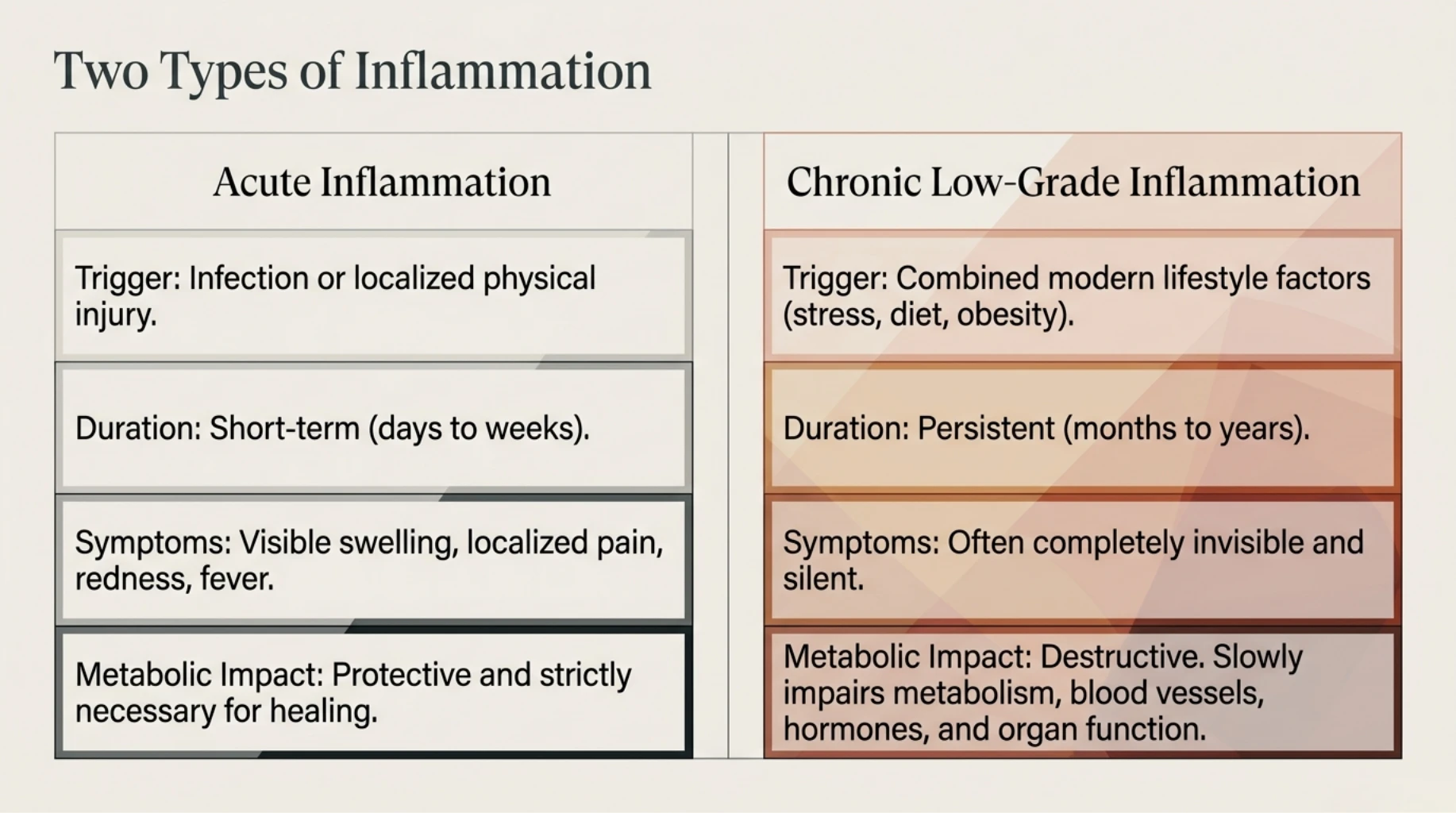
Inflammation is a natural biological process that helps the body respond to injury, infection, or harmful stimuli. In the short term, inflammation is protective and necessary for healing.
Problems arise when inflammatory activity remains persistently elevated for prolonged periods without a clear acute trigger. This persistent state is often referred to as low-grade inflammation or chronic low-grade inflammation.
Unlike acute inflammation, it may not produce obvious symptoms such as pain or fever. Instead, it quietly affects metabolism, blood vessels, hormones, and organ function over time. This silent nature is one reason why low-grade inflammation often goes unnoticed for years.
Why Low-Grade Inflammation Has Become More Common
Modern lifestyles expose the body to several factors that may promote chronic inflammatory activity.
Common contributors include:
- Abdominal obesity
- Poor sleep quality
- Chronic stress
- Sedentary lifestyles
- Highly processed diets
- Poor metabolic health
Individually, these factors may seem relatively harmless. However, when combined over many years, they may gradually increase inflammatory burden throughout the body. This is one reason why low-grade inflammation is increasingly discussed in metabolic medicine today.
Hidden Effect 1: Low-Grade Inflammation Worsens Insulin Resistance
One of the most important metabolic consequences of chronic inflammation is its effect on insulin sensitivity. Insulin helps glucose move from the bloodstream into cells where it can be used for energy.
When inflammatory activity remains elevated for prolonged periods, insulin signaling may become less efficient.
Over time, this contributes to:
- Higher fasting blood sugar
- Prediabetes
- Type 2 diabetes
- Abdominal obesity
Many individuals develop insulin resistance gradually and silently, often years before diabetes is diagnosed. This is one of the strongest scientific explanations for how low-grade inflammation affects metabolic health.
Hidden Effect 2: Inflammation Promotes Abdominal Fat Accumulation
Body fat is not simply a passive storage tissue. Visceral fat, the fat stored around abdominal organs, is metabolically active and produces various inflammatory substances.
As visceral fat increases:
- Inflammatory activity rises
- Insulin resistance worsens
- Metabolic dysfunction increases
This creates a vicious cycle where abdominal obesity promotes inflammation, and inflammation further promotes metabolic dysfunction. This helps explain why waist circumference often becomes a more important metabolic marker than body weight alone.
Hidden Effect 3: Fatty Liver Disease Is Closely Linked to Inflammation
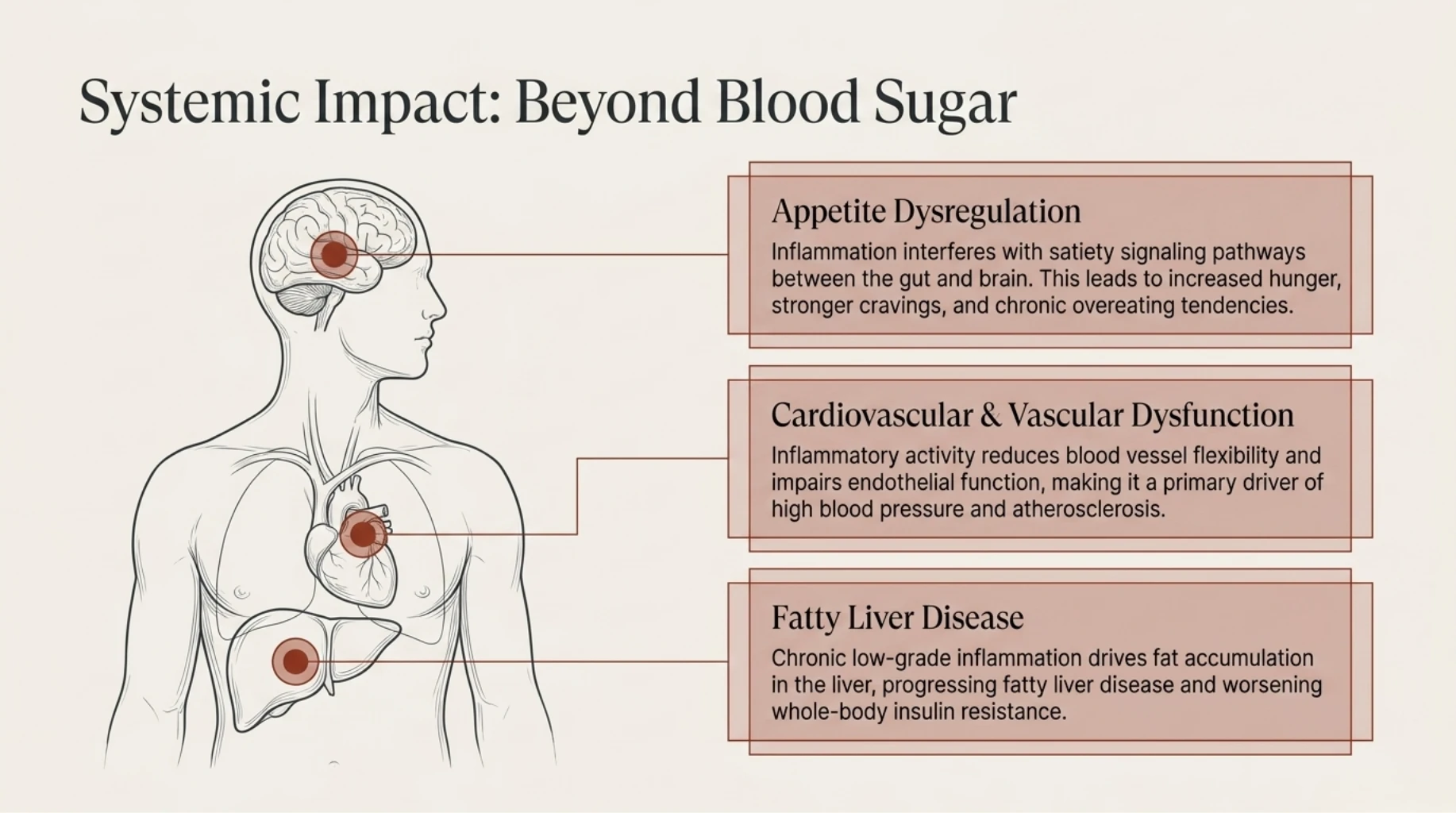
Fatty liver disease has become increasingly common among urban adults and working professionals. While excess fat accumulation in the liver is an important part of the condition, inflammatory activity also plays a significant role.
Chronic low-grade inflammation may contribute to:
- Fat accumulation in the liver
- Worsening insulin resistance
- Progression of fatty liver disease
- Metabolic syndrome development
This is one reason why fatty liver should be viewed as a metabolic condition rather than simply a liver problem.
Why Low-Grade Inflammation Often Produces No Obvious Symptoms
One of the biggest challenges with chronic inflammation is that it rarely causes dramatic symptoms initially. Many individuals continue functioning normally while low-grade inflammation gradually affects metabolism over time.
Possible indirect signs may include:
- Fatigue
- Abdominal obesity
- Poor metabolic health
- Insulin resistance
- Reduced energy levels
Because these symptoms develop gradually, they are often attributed to aging, stress, or busy lifestyles rather than underlying metabolic dysfunction. Understanding how low-grade inflammation affects metabolic health helps identify these warning patterns much earlier.
Hidden Effect 4: Low-Grade Inflammation Can Increase Blood Pressure
Blood pressure regulation depends on healthy blood vessels, balanced hormone activity, proper kidney function, and a well-regulated nervous system. Chronic low-grade inflammation may gradually affect these systems and contribute to vascular dysfunction over time.
Inflammatory activity can influence:
- Blood vessel flexibility
- Endothelial function
- Stress hormone regulation
- Cardiovascular efficiency
As these changes accumulate, blood pressure regulation may become less efficient. This is one reason why hypertension frequently coexists with obesity, insulin resistance, fatty liver disease, and other metabolic disorders.
Many individuals with metabolic syndrome show evidence of both low-grade inflammation and elevated cardiovascular risk.

Hidden Effect 5: Inflammation Affects Energy Levels
Many people associate inflammation only with pain or swelling, but chronic inflammatory activity may also affect how energetic a person feels.
When inflammatory signals remain persistently elevated, the body may experience:
- Reduced metabolic efficiency
- Poor energy utilization
- Mental fatigue
- Reduced physical stamina
This does not mean inflammation is the sole cause of fatigue, but it may contribute significantly when combined with poor sleep, obesity, stress, and metabolic dysfunction.
Many individuals experiencing chronic tiredness focus only on sleep duration while overlooking the broader metabolic factors influencing energy regulation. This is another reason why low-grade inflammation affects metabolic health beyond laboratory numbers alone.
Hidden Effect 6: Appetite Regulation May Become Disturbed
Appetite is regulated through a complex interaction between hormones, the brain, metabolism, and digestive health. Chronic inflammation may interfere with some of these signaling pathways.
Over time, this may contribute to:
- Increased hunger
- Stronger cravings
- Difficulty feeling satisfied after meals
- Overeating tendencies
When appetite regulation becomes less efficient, maintaining a healthy body weight becomes more difficult. This further contributes to abdominal obesity and worsening metabolic dysfunction.
The result is a cycle where obesity promotes inflammation, and inflammation makes weight management more challenging.
Hidden Effect 7: Low-Grade Inflammation Increases Cardiovascular Risk
One of the most important reasons chronic inflammation receives so much attention in medical research is its relationship with cardiovascular health.
Inflammatory activity may contribute to:
- Blood vessel dysfunction
- Atherosclerosis progression
- Higher cardiovascular risk
- Metabolic syndrome development
Although cardiovascular disease has multiple causes, chronic inflammation is increasingly recognized as an important contributor. This helps explain why metabolic disorders often cluster together rather than occurring independently.
Why Modern Lifestyle Diseases Frequently Occur Together
Many patients are surprised when they develop multiple metabolic conditions at the same time.
For example:
- Fatty liver
- Prediabetes
- Abdominal obesity
- High blood pressure
- Abnormal cholesterol levels
often appear together rather than separately.
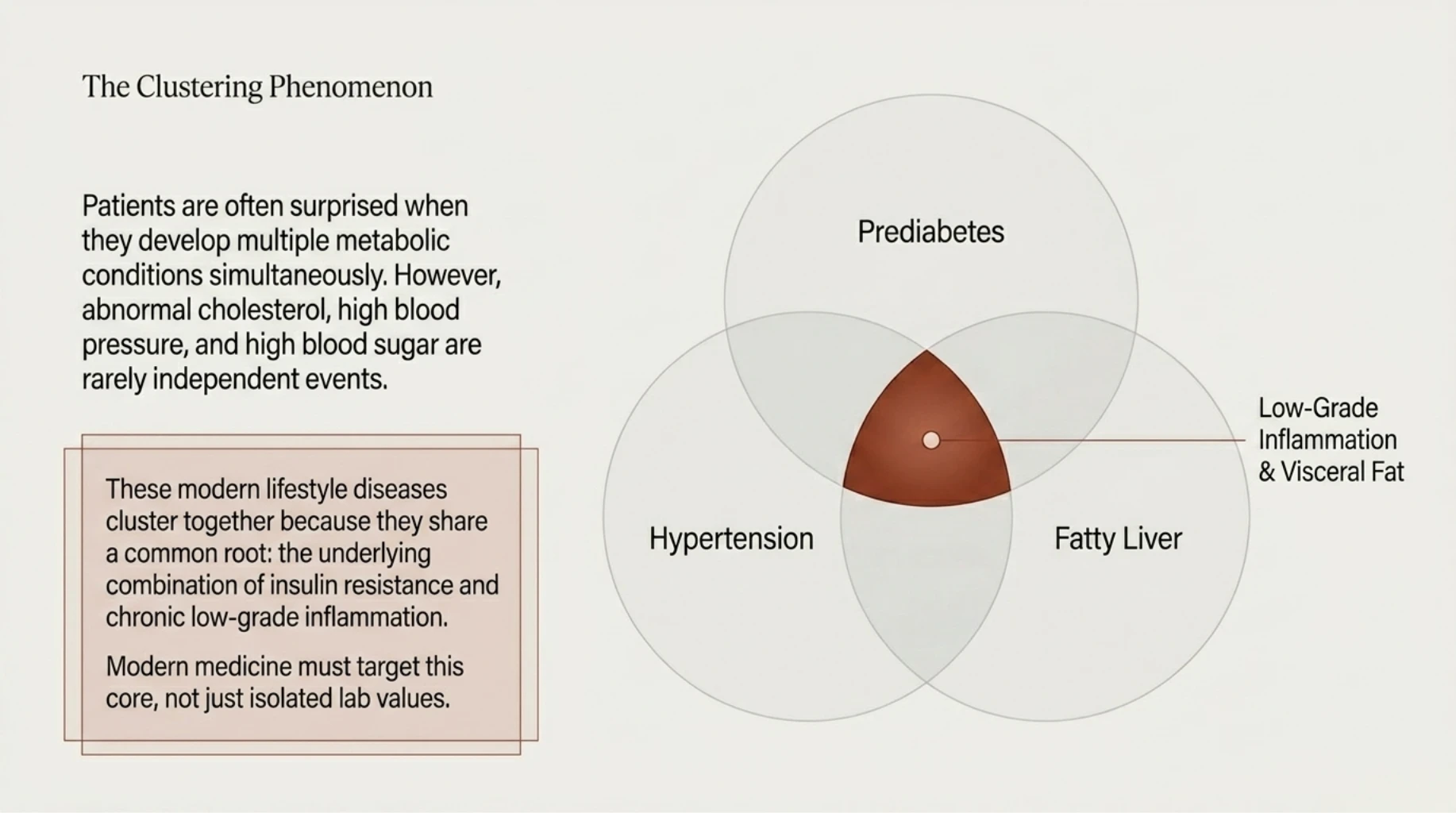
One reason is that these conditions share several underlying drivers, including:
- Insulin resistance
- Visceral fat accumulation
- Sedentary lifestyle
- Poor sleep
- Low-grade inflammation
This is why modern lifestyle medicine increasingly focuses on addressing root causes rather than treating each abnormal laboratory value in isolation.
Why Chronic Inflammation Often Goes Undetected
Unlike acute infections or injuries, low-grade inflammation usually does not produce dramatic warning signs. Many individuals continue their normal routines while inflammatory activity quietly affects metabolic pathways for years.
By the time obvious metabolic problems develop, the inflammatory process may have been present for a long time. This is why preventive health evaluation and early lifestyle correction become extremely important.
The Gut, Sleep, Stress, and Inflammation Connection
One of the most fascinating aspects of metabolic medicine is how interconnected these systems are. Poor sleep may increase inflammatory activity.
Chronic stress may increase inflammatory activity. Poor gut health may influence inflammatory signaling.
Physical inactivity may worsen inflammatory burden. As these factors interact, metabolic health gradually deteriorates.
This helps explain why long-term improvement often requires addressing multiple lifestyle factors simultaneously rather than focusing on only one issue.
How to Reduce Low-Grade Inflammation Naturally
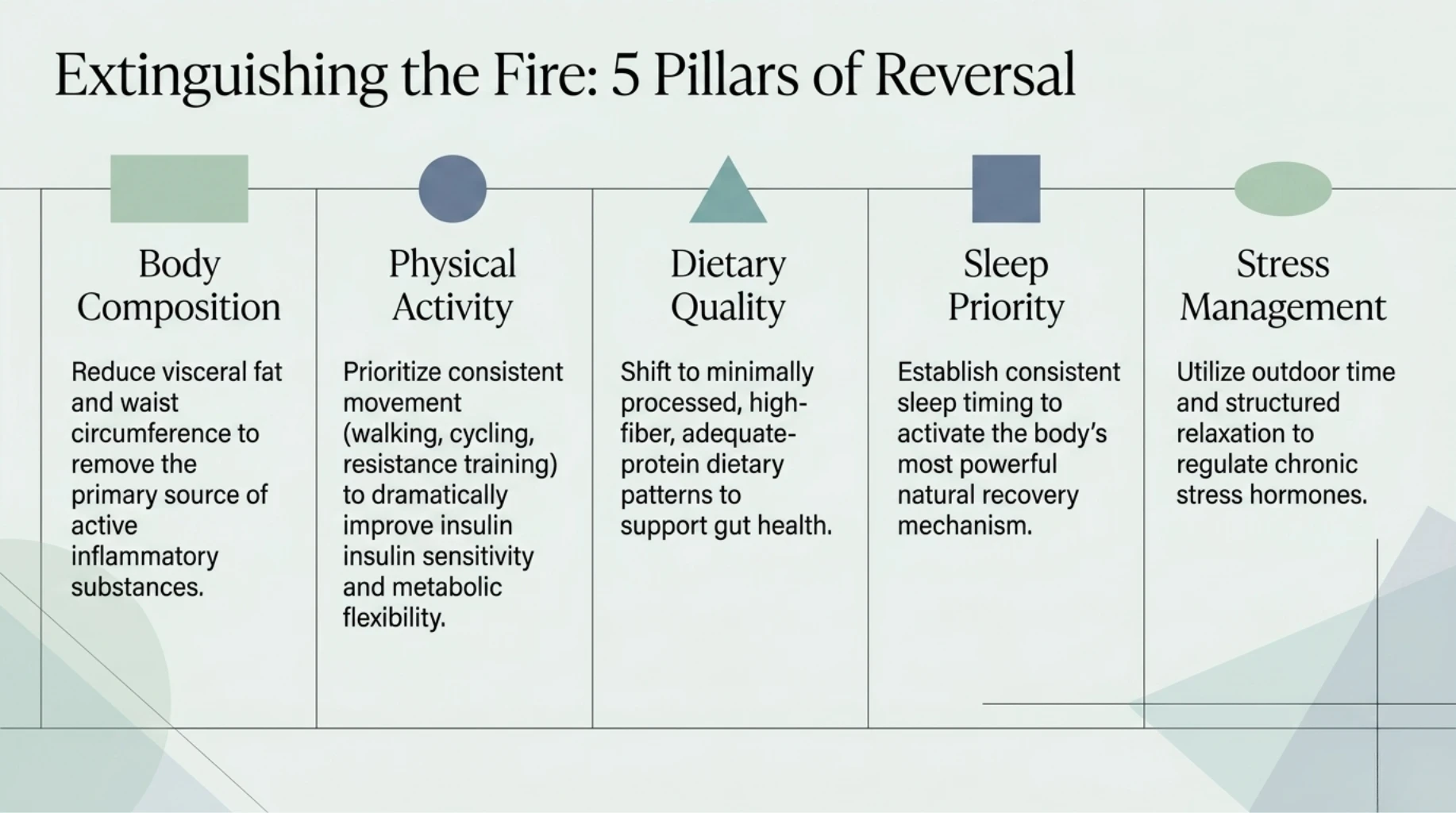
The encouraging news is that low-grade inflammation is highly influenced by lifestyle choices. While some factors such as age and genetics cannot be changed, many of the most important drivers of chronic inflammation are modifiable.
The goal is not eliminating inflammation completely because inflammation is a normal and necessary biological process. Instead, the objective is reducing persistent unnecessary inflammatory activity that contributes to metabolic dysfunction.
Understanding low-grade inflammation helps individuals focus on the root causes of metabolic disease rather than only treating symptoms.
Reduce Abdominal Fat and Improve Body Composition
One of the most effective ways to reduce inflammatory burden is improving body composition, particularly reducing excess visceral fat. Visceral fat is metabolically active and continuously releases inflammatory substances into the body.
Even modest reductions in waist circumference may improve:
- Insulin sensitivity
- Blood sugar regulation
- Blood pressure control
- Metabolic health
This is why waist size often provides valuable information about metabolic risk.
Increase Physical Activity Consistently
Regular physical activity is one of the most powerful tools for improving metabolic health and reducing chronic inflammation.
Exercise helps:
- Improve insulin sensitivity
- Reduce visceral fat
- Enhance cardiovascular fitness
- Improve metabolic flexibility
- Support healthy body composition
The greatest benefits usually come from consistency rather than intensity. Simple activities such as walking, cycling, swimming, and resistance training can significantly improve metabolic health when practiced regularly.
Improve Dietary Quality
Food choices influence inflammatory activity throughout the body. A dietary pattern centered around minimally processed foods generally supports better metabolic health than one dominated by ultra-processed foods.
Helpful dietary habits include:
- Increasing vegetable intake
- Eating adequate protein
- Including healthy fats
- Increasing fiber-rich foods
- Reducing highly processed foods
- Limiting sugary beverages
The focus should be on long-term dietary patterns rather than temporary restrictive diets.
Prioritize Sleep Quality
Sleep is one of the most powerful recovery mechanisms available to the human body.
Poor sleep is strongly associated with:
- Higher inflammatory activity
- Insulin resistance
- Appetite dysregulation
- Weight gain
- Poor metabolic health
Healthy sleep habits include:
- Consistent sleep timing
- Reducing late-night screen exposure
- Avoiding heavy late-night meals
- Creating a regular sleep routine
Improving sleep quality often produces benefits far beyond energy levels alone.
Manage Chronic Stress More Effectively
Stress and inflammation are closely linked. While occasional stress is normal, chronic psychological stress may contribute to persistent inflammatory activity.
Helpful stress-management strategies include:
- Regular physical activity
- Adequate sleep
- Outdoor activities
- Structured relaxation time
- Improved work-life balance
Reducing chronic stress often improves metabolic health and overall wellbeing simultaneously.
Support Gut Health
The digestive system plays an important role in immune regulation and inflammatory balance. Poor gut health may contribute to increased inflammatory signaling in some individuals.
Supporting gut health includes:
- Increasing dietary fiber
- Eating a variety of plant foods
- Reducing excessive processed foods
- Maintaining regular meal patterns
- Supporting healthy digestion
This is one reason why digestive health and metabolic health are so closely connected.
Focus on Long-Term Lifestyle Patterns
Many people search for a single supplement, detox, or quick solution to reduce inflammation. However, low-grade inflammation is usually driven by long-term lifestyle patterns rather than a single factor.
The most effective approach generally involves:
- Regular movement
- Healthy eating patterns
- Good sleep quality
- Stress management
- Weight management
Small sustainable improvements maintained consistently often produce far greater benefits than short-term intensive interventions.
Why Prevention Is Better Than Waiting for Disease
One of the challenges with low-grade inflammation is that it often causes damage quietly before obvious disease develops. By the time diabetes, hypertension, fatty liver disease, or cardiovascular disease becomes apparent, inflammatory processes may have been active for many years.
This is why preventive lifestyle measures should begin long before major health problems appear.
Low-Grade Inflammation Is a Metabolic Health Signal
Rather than viewing inflammation as a separate condition, it is often more useful to view it as a signal that metabolic systems may be under stress.
When combined with abdominal obesity, poor sleep, stress overload, inactivity, and poor dietary habits, inflammation becomes part of a broader pattern of metabolic dysfunction. Addressing these underlying drivers often improves multiple health markers simultaneously.
You can explore a structured lifestyle approach here:
Lifestyle Modification Program
Key Take-Home Messages
- Low-grade inflammation often develops silently and may contribute to metabolic disease progression
- Chronic inflammation is closely linked to insulin resistance, abdominal obesity, fatty liver, and cardiovascular risk
- Poor sleep, chronic stress, inactivity, and unhealthy dietary patterns commonly increase inflammatory burden
- Reducing visceral fat and improving metabolic health can lower chronic inflammatory activity
- Long-term lifestyle changes are the most effective strategy for managing low-grade inflammation
Final Thoughts
Understanding low-grade inflammation helps explain why many modern lifestyle diseases are closely connected rather than occurring independently.
Inflammation, insulin resistance, abdominal obesity, fatty liver disease, hypertension, and cardiovascular risk often share common root causes. This is why addressing lifestyle factors can produce improvements across multiple health conditions simultaneously.
The earlier healthy habits become part of daily life, the greater the opportunity to protect metabolic health and reduce long-term disease risk.
If you want a personalized metabolic health assessment, you can book a consultation here:
Book an Appointment
Disclaimer: This article is for educational purposes only and should not replace medical advice. Individual treatment should be based on clinical evaluation.


