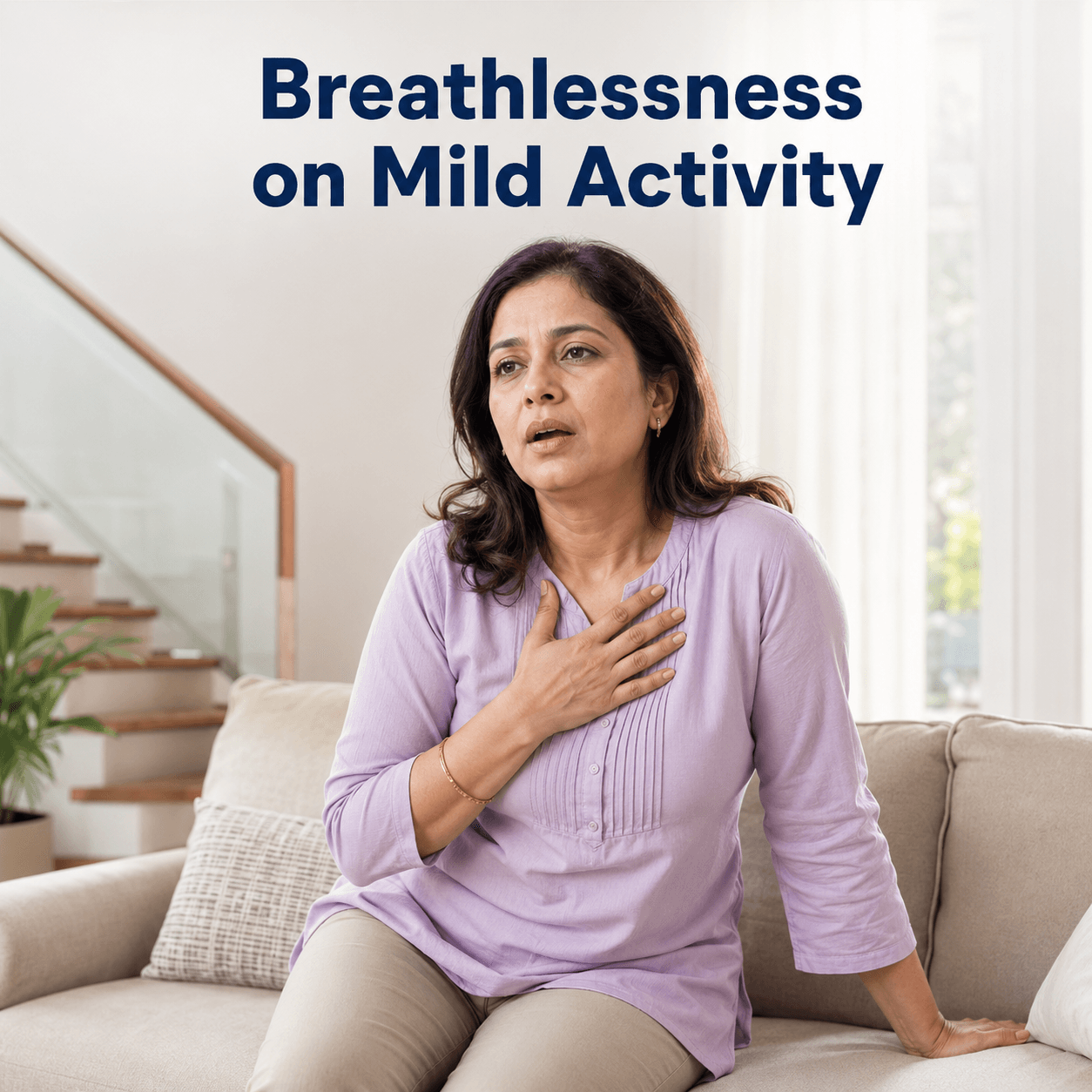
Feeling slightly out of breath after running, climbing several flights of stairs or performing unfamiliar strenuous exercise can be normal. However, breathlessness on mild activity—such as walking a short distance, bathing, dressing, carrying light groceries or climbing one flight of stairs—deserves attention when it is new, worsening or out of proportion to the effort involved.
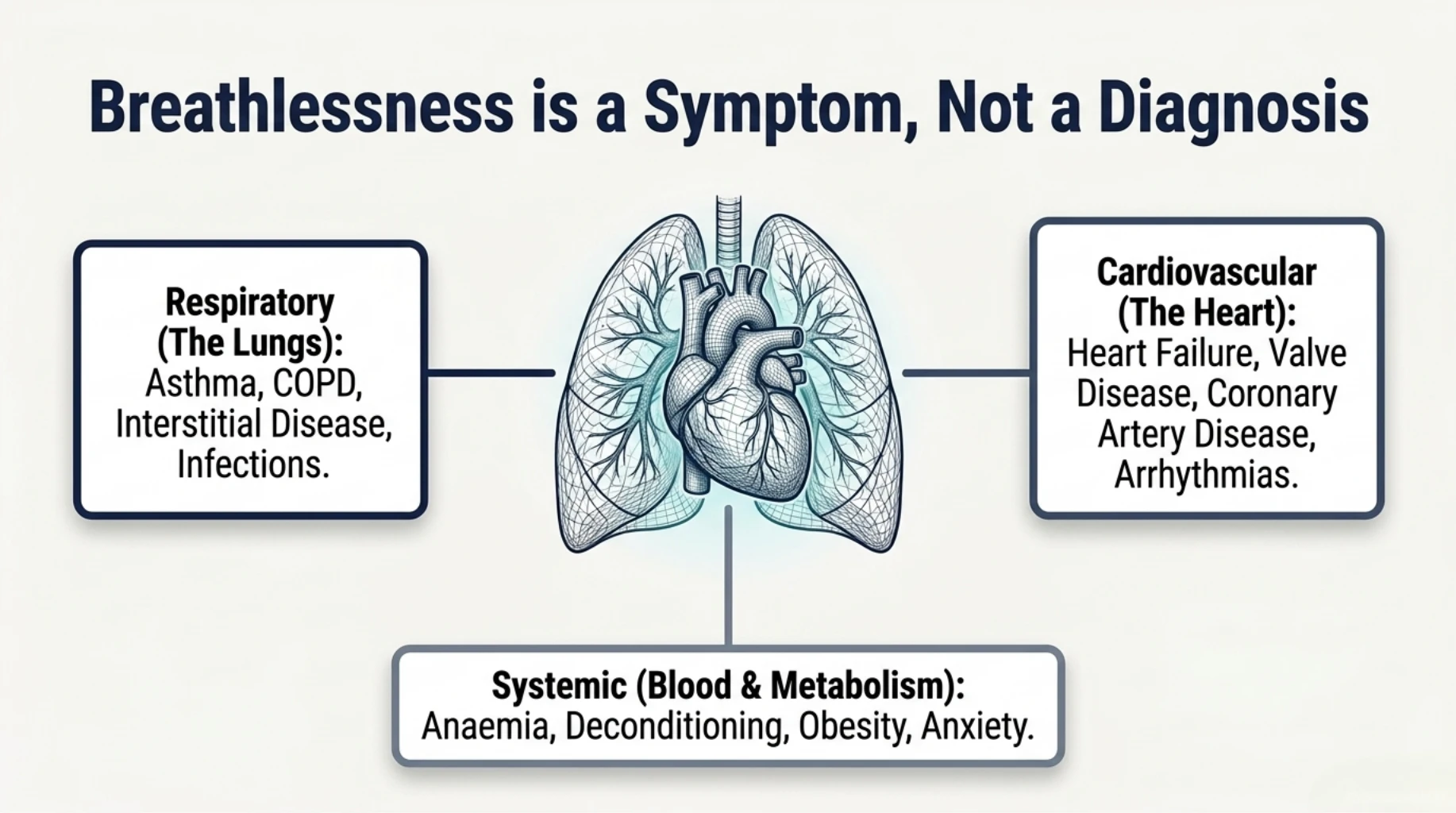
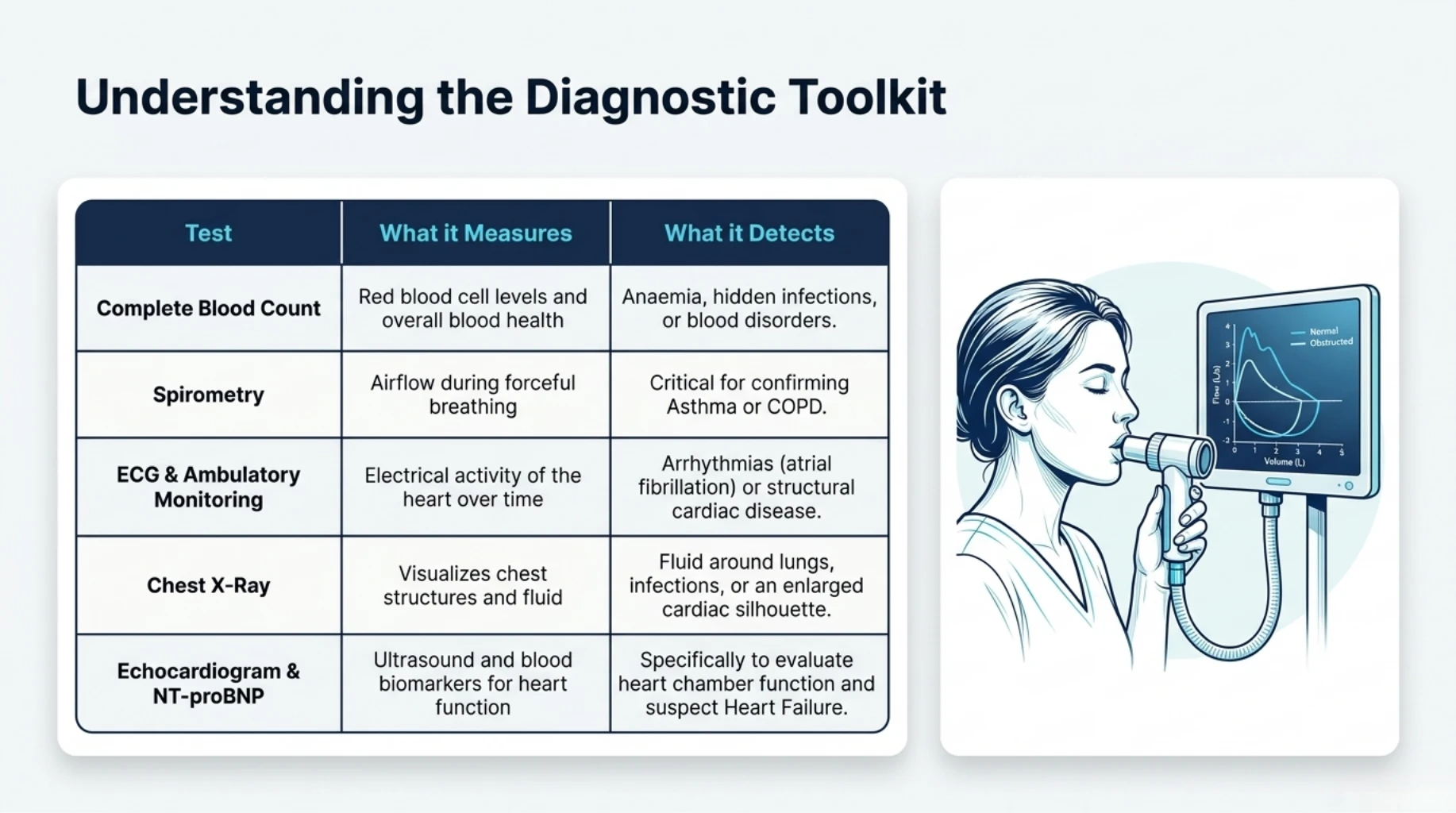
Breathlessness is not a diagnosis by itself. It can arise from heart or lung disease, anemia, excess weight, physical deconditioning, an irregular heartbeat, recent infection, medication effects or several conditions occurring together. A structured assessment is often needed because symptoms alone may not reliably identify the cause. Contemporary reviews recommend combining the history and examination with appropriate blood tests, lung-function testing, cardiac assessment and imaging when indicated.
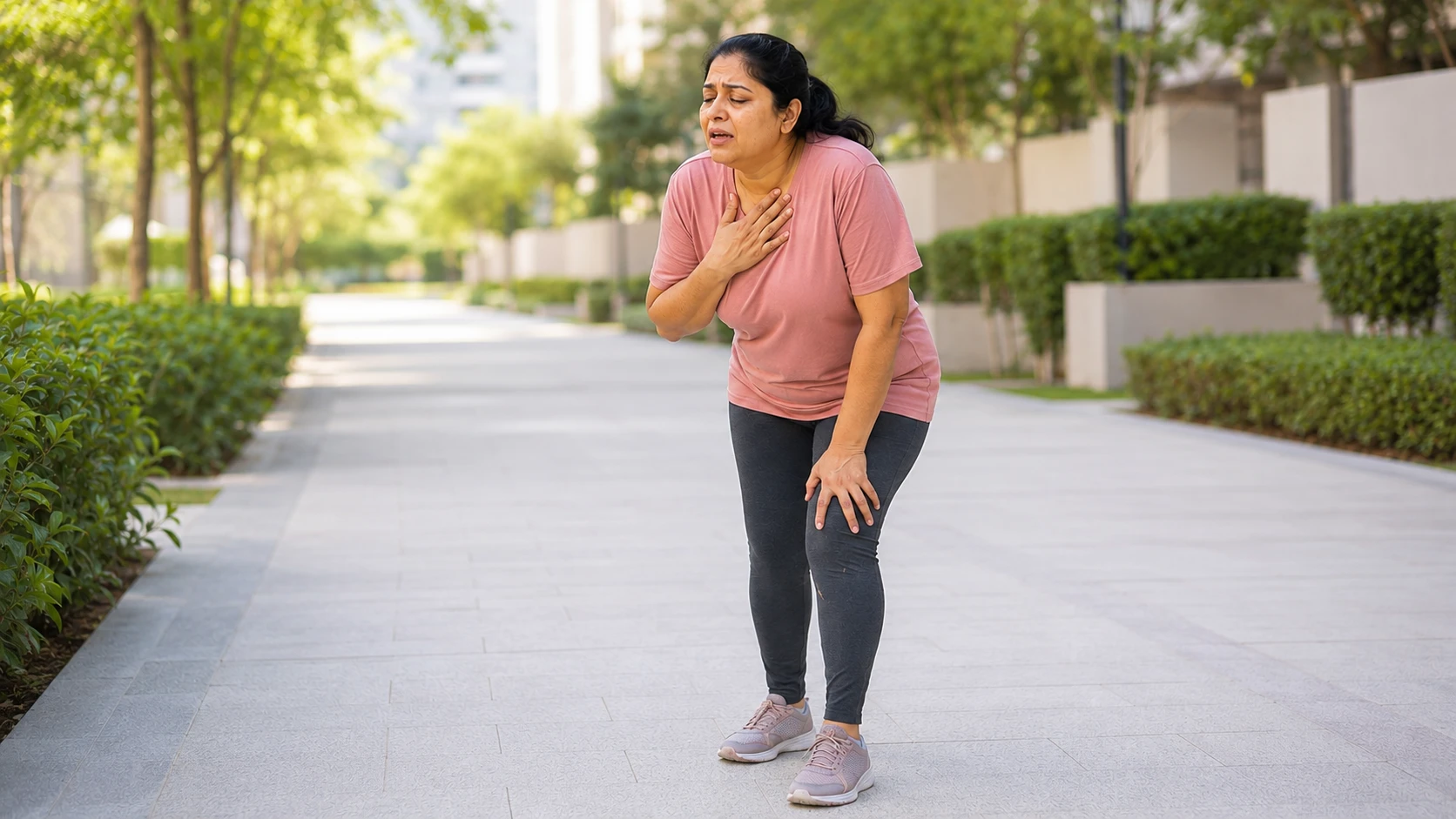
This article explains when shortness of breath may require emergency care, which common causes should be considered and when to arrange a medical consultation.
When Should Mild-Activity Breathlessness Be Checked?
Arrange a medical assessment when breathlessness is new, gradually worsening, limiting ordinary activities or occurring with cough, wheezing, palpitations, ankle swelling, marked fatigue or reduced exercise capacity.
Seek urgent help when breathing becomes suddenly or severely difficult, particularly with chest pressure, fainting, confusion, blue or grey lips, coughing up blood or pain and swelling in one leg. These features may indicate a serious heart, lung or circulation problem.
What Does Breathlessness on Mild Activity Mean?
Breathlessness is the uncomfortable sensation that breathing requires more effort or that you cannot get enough air. Different people describe it as chest tightness, air hunger, rapid breathing, an inability to take a satisfying breath or the need to stop frequently while walking.
“Mild activity” depends partly on a person’s usual fitness and health. Walking 500 meters may feel easy to one person and demanding to another. The important comparison is often with your own previous capacity.
Examples that may indicate a meaningful change include:
- stopping during a short walk that was previously comfortable
- becoming breathless while dressing or bathing
- needing to pause after climbing one flight of stairs
- slowing down markedly compared with people of a similar age
- being unable to talk comfortably while walking at an ordinary pace
- avoiding activity because of anticipated breathing difficulty
The pattern is clinically useful. Sudden breathlessness suggests a different group of causes from symptoms that have developed gradually over months. Breathlessness occurring only during exercise also requires a different assessment from breathlessness at rest or while lying flat. A systematic history is therefore central to deciding which investigations are appropriate.
Breathlessness on Mild Activity Versus Normal Exertion
Normal exertional breathlessness should improve relatively quickly after the activity stops. It should also be reasonably proportional to the effort and consistent with the person’s current fitness.
Breathlessness on mild activity becomes more concerning when:
- it has appeared without a clear explanation
- ordinary activity now causes substantially more breathlessness
- the distance you can walk is progressively decreasing
- recovery takes much longer than before
- symptoms occur with chest discomfort, wheezing or palpitations
- you become breathless when lying flat
- you wake at night feeling short of breath
- ankle swelling or rapid weight gain is also present
A gradual reduction in activity can hide the problem. Someone may unconsciously stop taking stairs, walk more slowly or ask others to complete household tasks. Because the person has adapted their routine, they may report that the symptom is “stable” even though their functional capacity has declined.
When Breathlessness on Mild Activity Needs Urgent Care
Not every episode requires an emergency visit, but certain combinations should not wait for a routine appointment.
Seek emergency medical care when there is:
- severe breathing difficulty or inability to speak in full sentences
- sudden chest tightness, heaviness or pressure
- chest pain spreading to the arm, back, neck or jaw
- blue, grey or markedly pale lips or skin
- fainting, collapse or new confusion
- sudden breathlessness after prolonged immobility, surgery or a long journey
- coughing up blood
- rapid worsening over minutes or hours
- severe breathlessness with one-sided leg pain or swelling
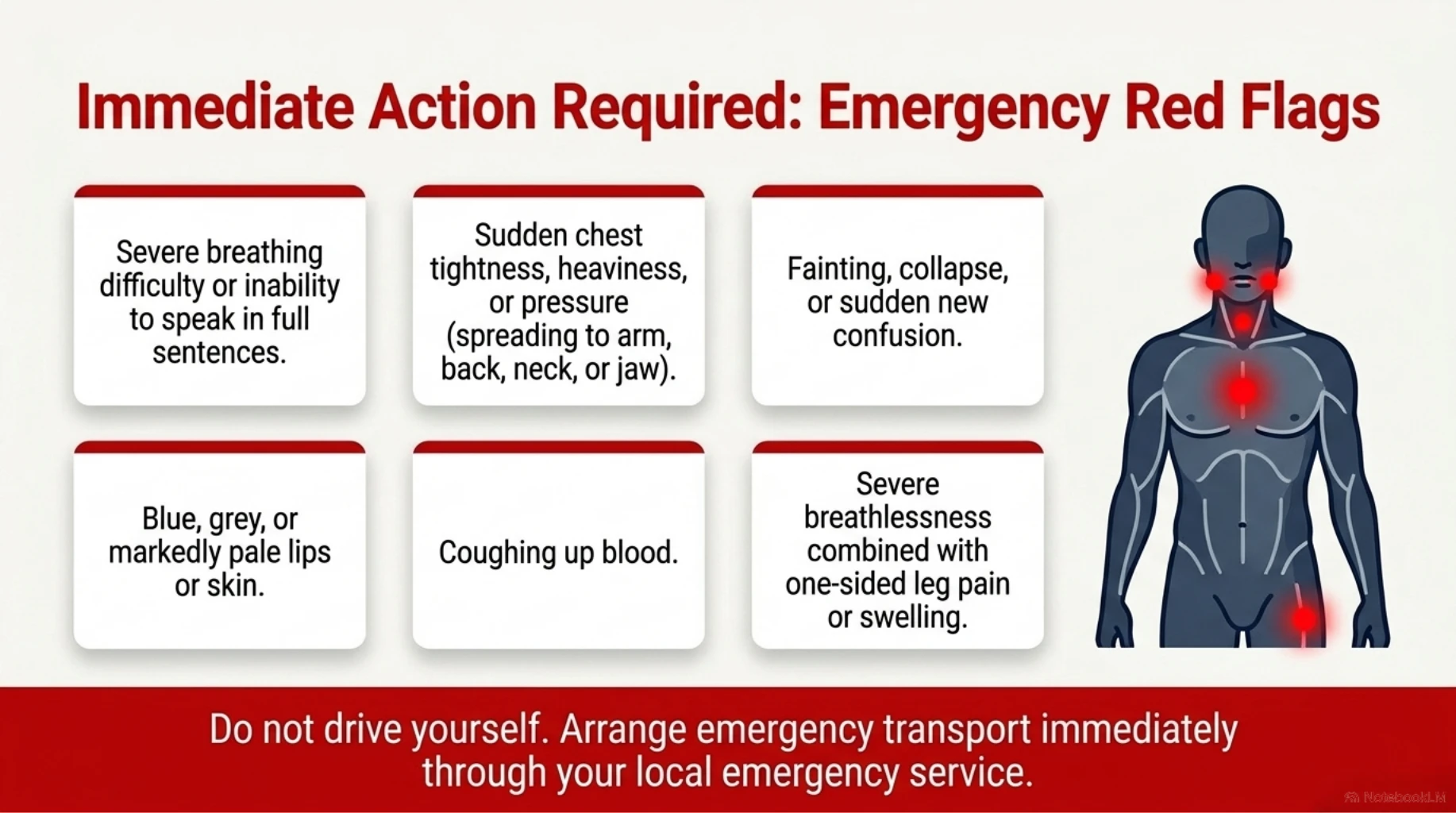
Official emergency guidance identifies severe breathing difficulty, heavy or tight chest discomfort, radiating pain, color change and sudden confusion as reasons for immediate emergency assessment.
Do not drive yourself when symptoms are severe. Arrange emergency transport through the appropriate local emergency service.
Breathlessness on Mild Activity With Chest Pain or Fainting
Breathlessness on mild activity accompanied by chest pressure may be a presentation of reduced blood flow to the heart, even when the pain is not dramatic. Some people—particularly older adults and those with diabetes—may describe pressure, unusual fatigue, sweating or breathlessness rather than classic severe chest pain.
Breathlessness with fainting or near-fainting also needs timely assessment. Possible causes include an abnormal heart rhythm, significant valve disease, reduced cardiac output or a problem affecting the pulmonary circulation.
These symptoms cannot be safely distinguished through an online checklist. The timing, pulse, blood pressure, oxygen level, ECG and clinical examination may all influence the urgency of further testing.
Common Causes of Breathlessness While Walking
The possible causes range from reversible problems to significant heart or lung disease. More than one condition may be present—for example, anemia and low fitness, or obesity and asthma.
Common categories include:
- anemia
- asthma
- chronic obstructive pulmonary disease
- heart failure or heart-valve disease
- coronary artery disease
- abnormal heart rhythm
- obesity and physical deconditioning
- recent respiratory infection
- interstitial lung disease
- pulmonary hypertension
- anxiety or dysfunctional breathing
- medicine-related effects
A careful assessment is important because treating only the most obvious explanation may leave another condition undiagnosed. Modern diagnostic frameworks for persistent breathlessness use staged evaluation, beginning with clinical assessment and common tests before progressing to specialized cardiac, respiratory or exercise testing when necessary.
Anemia and Reduced Oxygen-Carrying Capacity
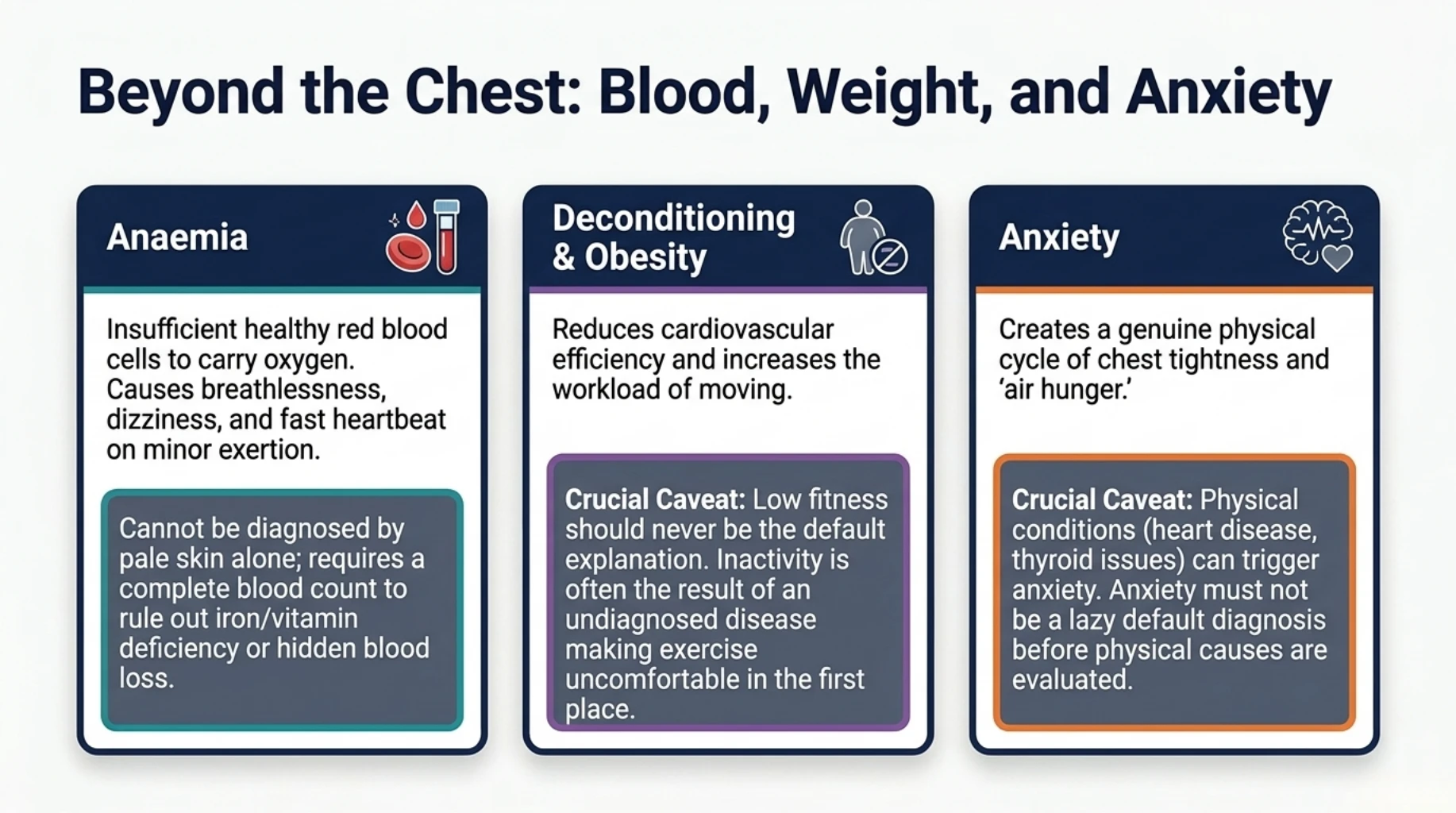
Anemia means there is insufficient hemoglobin or an inadequate number of healthy red blood cells to carry oxygen effectively. A person may become breathless, tired, weak, dizzy or aware of a faster heartbeat during relatively minor activity.
Possible contributors include iron deficiency, vitamin deficiency, chronic kidney disease, chronic inflammation or blood loss. Heavy menstrual bleeding and gastrointestinal blood loss are important possibilities that should not be treated with iron tablets indefinitely without identifying the cause.
Anemia cannot be diagnosed from symptoms or pale skin alone. A complete blood count is usually the starting point, followed by additional tests guided by the results and clinical history.
Asthma, COPD and Other Lung Conditions
Asthma may cause variable episodes of breathlessness, wheezing, cough or chest tightness. Symptoms may worsen during exercise, at night, after viral illness or with exposure to allergens, smoke, cold air and pollution. Current GINA guidance recommends confirming asthma through a compatible symptom pattern and evidence of variable expiratory airflow limitation rather than prescribing long-term inhalers from symptoms alone.
COPD more commonly causes persistent and progressively worsening exertional breathlessness, often with chronic cough or sputum. Cigarette smoking is an important risk factor, but exposure to biomass fuel, occupational dust or fumes may also matter. The diagnosis requires post-bronchodilator spirometry rather than an X-ray or symptoms alone.
Other lung causes include post-infectious changes, bronchiectasis, interstitial lung disease and abnormalities of the pulmonary circulation. Persistent dry cough, reduced oxygen during exertion, crackling sounds on examination or abnormal imaging may influence the next investigation.
Heart Conditions That Cause Exertional Breathlessness
The heart must increase its output during walking or climbing stairs. When it cannot meet the body’s increased demand, breathlessness may appear before symptoms occur at rest.
Heart-related possibilities include:
- heart failure
- coronary artery disease
- valve disease
- cardiomyopathy
- atrial fibrillation or another rhythm disturbance
- uncontrolled high blood pressure
Features suggesting heart failure can include breathlessness during exertion, reduced exercise capacity, ankle swelling, rapid fluid-related weight gain, difficulty breathing when lying flat and waking at night short of breath. Diagnosis requires more than symptoms; clinical findings, natriuretic-peptide testing and echocardiography may be used in the appropriate setting.
Palpitations may suggest an abnormal rhythm, but some arrhythmias are intermittent and may not appear on a brief clinic ECG. The doctor may recommend longer rhythm monitoring when the history raises concern.
Can Low Fitness or Excess Weight Cause Breathlessness?
Yes. Physical deconditioning reduces the efficiency of the muscles and cardiovascular system, so an activity that was once comfortable may require greater effort. Excess body weight also increases the work required for walking, stair climbing and breathing.
However, low fitness and weight should not automatically be accepted as the complete explanation. A person may have reduced activity because an undiagnosed heart, lung or blood disorder made exercise uncomfortable in the first place.
The pattern matters. Deconditioning often develops after prolonged inactivity, illness, surgery or a sedentary period. It generally does not explain sudden severe symptoms, fainting, chest pressure, coughing blood or rapidly progressive breathlessness.
Obesity can also coexist with asthma, sleep apnea, heart failure, fatty liver, diabetes and anemia. A useful medical review therefore considers the complete clinical picture rather than advising the person to “just exercise more.”
Why Breathlessness Should Not Automatically Be Labelled Anxiety
Anxiety and dysfunctional breathing can cause genuine breathlessness, chest tightness, tingling, sighing and a sense of being unable to take a complete breath. These symptoms are not imaginary.
At the same time, anxiety should not become the default diagnosis before common physical causes have been considered. Heart disease, asthma, anemia and thyroid problems may produce sensations that trigger anxiety, creating a cycle in which the physical and emotional symptoms amplify each other.
A clinician may consider anxiety more strongly when the pattern, examination and appropriate investigations do not identify another sufficient explanation. Even then, treatment should address the symptom respectfully rather than dismissing it.
Related reading and care options

Written by Dr. Pankaj Kumar
General & Lifestyle Physician in Dwarka Sector 6, New Delhi · MBBS, DNB (Family Medicine), DNHE · 16 years of experience.
About the doctor →Book a consultation → Beyond Blood Sugar
 The 90-Day Prediabetes Turnaround
 The Indian Diabetes Diet Reset
 Eat to Beat Gout
 Why Is My Hair Falling?
 The 30-Day Inflammation Reset