

Many people view dark neck pigmentation and acne as purely cosmetic concerns. A dark patch around the neck is often blamed on poor hygiene, while acne is commonly considered a normal part of adolescence or adulthood.
Although these explanations may sometimes be true, there are situations where these visible skin changes may indicate deeper health issues that deserve attention.
In clinical practice, it is not uncommon to see individuals struggling with stubborn neck pigmentation, recurrent acne, weight gain, irregular periods, fatigue, or difficulty losing weight. Often, these symptoms are interconnected rather than isolated problems.
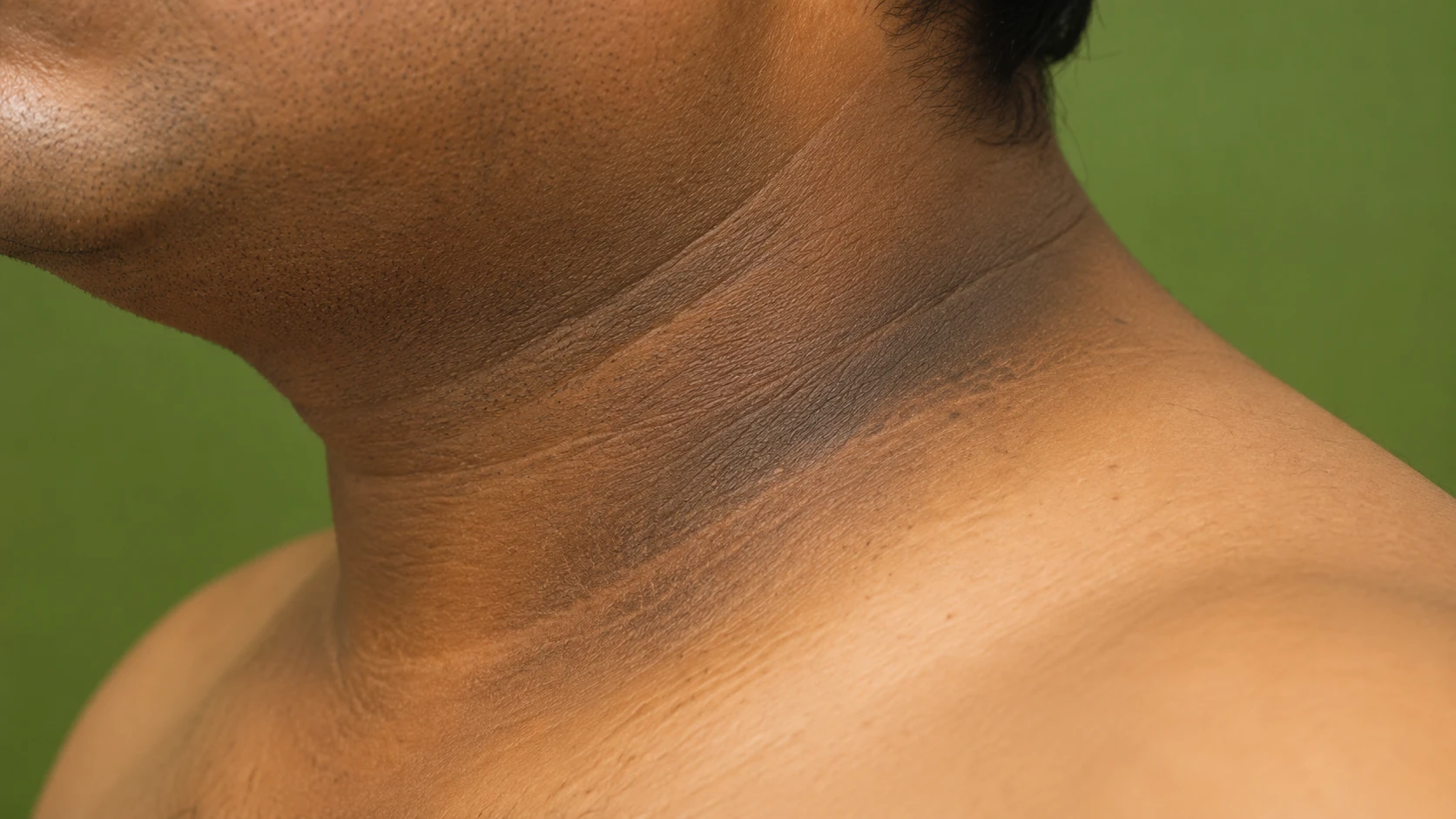
This is why understanding dark neck pigmentation is important. In some individuals, it may serve as an early warning sign of insulin resistance, hormonal imbalance, metabolic dysfunction, or conditions such as polycystic ovary syndrome (PCOS).
The skin frequently reflects what is happening inside the body. Sometimes, visible skin changes appear years before more serious metabolic problems become obvious.
What Is Dark Neck Pigmentation?
Dark neck pigmentation refers to the development of darker, thicker, and sometimes velvety-looking skin around the neck.
This condition is commonly known as acanthosis nigricans.
The pigmentation most often appears:
- At the back of the neck
- Along skin folds
- In the armpits
- Around the groin region
- Sometimes around elbows or knuckles
Many individuals repeatedly scrub these areas, assuming the discoloration is caused by dirt or inadequate cleaning.
However, in many cases, the pigmentation originates from changes occurring beneath the skin rather than on its surface.
Why Dark Neck Pigmentation Is Often Linked to Insulin Resistance
One of the strongest associations between dark neck pigmentation and metabolic health involves insulin resistance.
Insulin is a hormone that helps move glucose from the bloodstream into cells where it can be used for energy.

When the body becomes less responsive to insulin, the pancreas often compensates by producing higher amounts of insulin.
Persistently elevated insulin levels may stimulate skin cells and contribute to the development of acanthosis nigricans. As a result, dark neck pigmentation may appear years before diabetes is diagnosed.
This makes it an important clinical clue that should not always be dismissed as a cosmetic issue.
Why Acne May Sometimes Reflect Internal Imbalance
Acne develops when hair follicles become blocked with oil, dead skin cells, and inflammatory material.
While acne is influenced by genetics, skincare habits, and environmental factors, hormones often play a major role as well. Many adults continue experiencing acne long after adolescence.
Persistent or recurrent acne may sometimes be associated with:
- Hormonal imbalance
- Insulin resistance
- PCOS
- Stress-related hormonal changes
- Metabolic dysfunction
This does not mean every individual with acne has an underlying medical condition. However, when acne occurs alongside other symptoms, it may provide valuable information about overall health.
When Dark Neck Pigmentation and Acne Occur Together
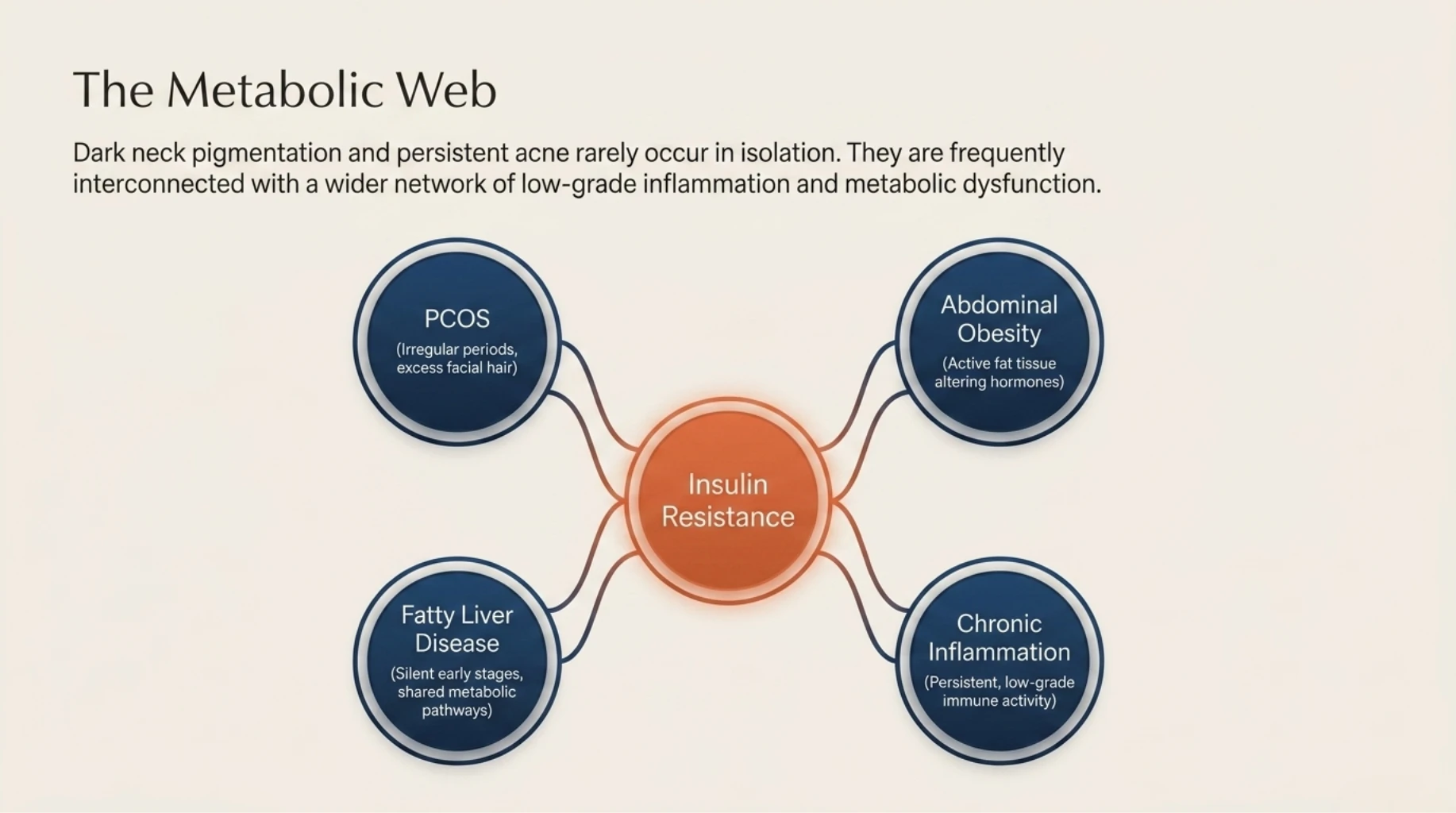
The combination of dark neck pigmentation and acne often attracts clinical attention because both conditions may share common underlying drivers. One important example is insulin resistance.
Elevated insulin levels can influence:
- Skin pigmentation
- Oil gland activity
- Hormonal balance
- Inflammatory pathways
As a result, some individuals develop both acanthosis nigricans and acne at the same time.
This is particularly common among individuals who also have:
- Abdominal obesity
- Difficulty losing weight
- Family history of diabetes
- Prediabetes
- PCOS
Why PCOS Is Frequently Associated With These Skin Changes
Polycystic ovary syndrome is one of the most common hormonal disorders affecting women of reproductive age.
Many women with PCOS experience:
- Acne
- Irregular periods
- Weight gain
- Dark neck pigmentation
- Excess facial hair growth
Insulin resistance plays a significant role in many cases of PCOS, which helps explain why skin changes are frequently observed.
For some women, skin symptoms become the first visible sign that prompts further evaluation.
Why These Signs Often Appear Before Serious Disease Develops
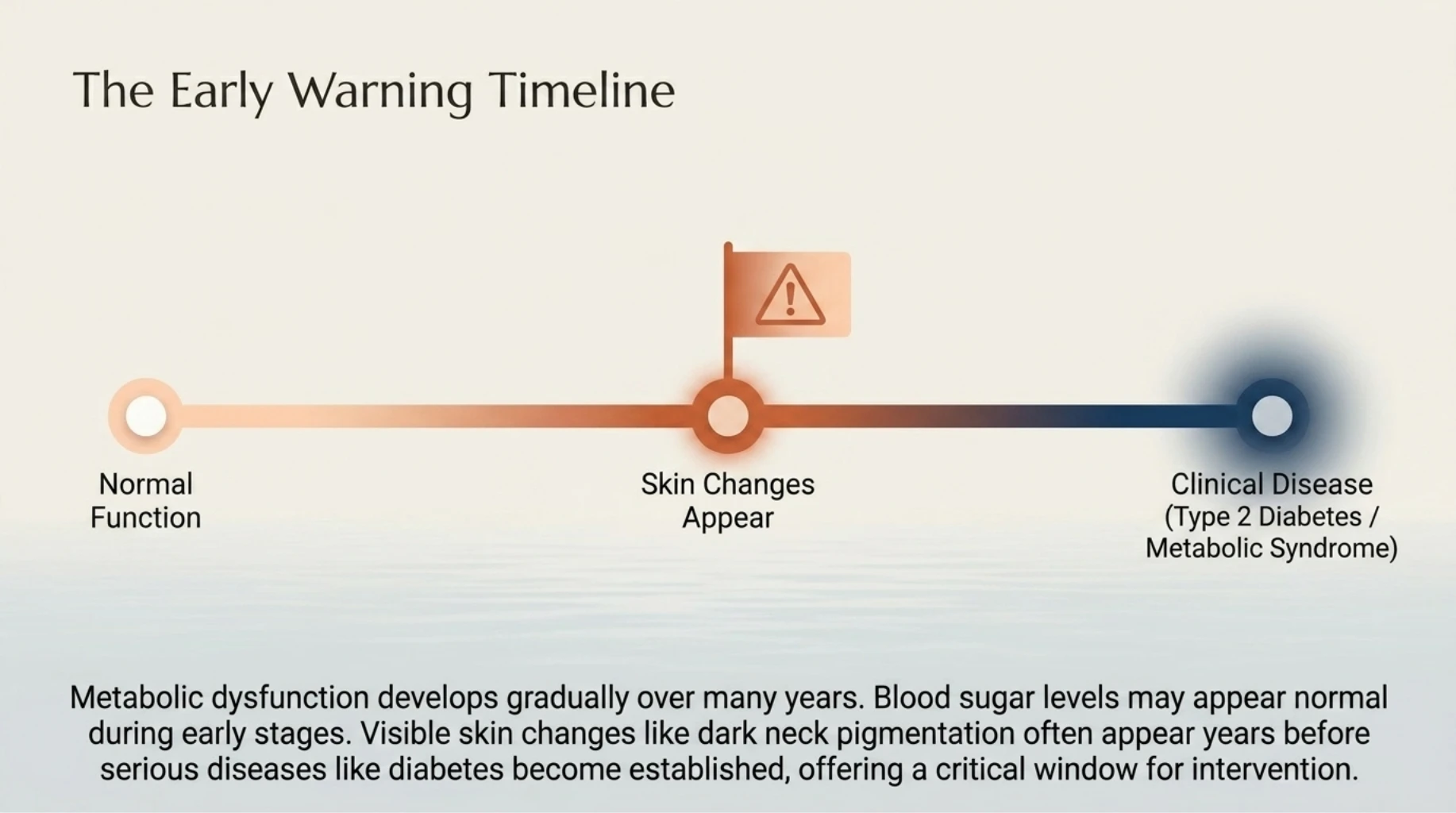
One of the most important reasons not to ignore dark neck pigmentation and acne is that they may appear relatively early in the disease process.
Insulin resistance, metabolic dysfunction, and hormonal imbalance often develop gradually over many years.
During the early stages, blood sugar levels may still appear normal, and major symptoms may be absent.
However, the skin may already be showing visible clues that the body’s metabolic systems are under stress.
Recognizing these warning signs early provides an opportunity to identify problems before conditions such as diabetes, fatty liver disease, or metabolic syndrome become established.
How Obesity Contributes to Dark Neck Pigmentation and Acne
One of the most important risk factors associated with dark neck pigmentation is excess body fat, particularly abdominal obesity.
Fat tissue is not simply a storage site for calories. It is metabolically active and influences hormones, inflammation, and insulin sensitivity throughout the body.
As body fat increases, especially around the abdomen, the likelihood of developing insulin resistance often rises.
This can contribute to:
- Dark neck pigmentation
- Acne
- Weight gain
- Fatty liver disease
- Prediabetes
This is one reason why acanthosis nigricans is frequently seen in individuals struggling with obesity and metabolic dysfunction.
The Connection Between Fatty Liver and Skin Changes
Many people are surprised to learn that fatty liver disease and skin changes may sometimes be linked through common metabolic pathways.
Both conditions are frequently associated with:
- Insulin resistance
- Abdominal obesity
- Poor dietary patterns
- Sedentary lifestyle
- Low physical activity
Fatty liver often develops silently and may produce no obvious symptoms during the early stages. Meanwhile, visible signs such as dark neck pigmentation may already be present.
This is one reason why clinicians often consider metabolic evaluation when acanthosis nigricans is observed.
Why Chronic Inflammation May Play a Role
Modern metabolic disorders are frequently associated with low-grade inflammation. Unlike the inflammation seen with infections or injuries, this type of inflammation develops gradually and may persist for years.
Chronic inflammatory activity may influence:
- Insulin sensitivity
- Hormonal balance
- Skin health
- Metabolic function
Acne itself has a significant inflammatory component, while insulin resistance and obesity are also closely linked with inflammatory pathways.
This helps explain why skin changes and metabolic disorders often occur together.
How Poor Sleep Can Worsen Skin and Metabolic Health
Sleep is often overlooked when discussing acne and dark neck pigmentation. However, poor sleep affects multiple systems involved in metabolic health.
Inadequate sleep may contribute to:
- Worsening insulin resistance
- Higher stress hormone levels
- Increased appetite
- Weight gain
- Poor skin recovery
Over time, these effects may indirectly worsen both metabolic dysfunction and skin-related symptoms.
This is why sleep should be considered an important component of overall health rather than simply a period of rest.
Why Modern Diets May Contribute to These Problems
Dietary patterns have changed dramatically over the past few decades.
Many people now consume:
- Highly processed foods
- Sugary beverages
- Frequent snacks
- Refined carbohydrates
- Low-fiber meals
These habits may contribute to repeated blood sugar spikes, elevated insulin levels, and worsening insulin resistance over time.
As insulin resistance progresses, the risk of developing both metabolic and skin-related manifestations may increase.
This is one reason why lifestyle modification often becomes an important part of managing these conditions.
Why Adolescents and Young Adults Should Not Ignore These Signs
Many teenagers and young adults assume that acne and dark skin around the neck are temporary cosmetic issues that will eventually disappear on their own.
While that may happen in some cases, persistent symptoms deserve attention, particularly when they occur alongside:
- Rapid weight gain
- Family history of diabetes
- Irregular menstrual cycles
- Increasing waist circumference
- Difficulty losing weight
Early evaluation may help identify insulin resistance or hormonal imbalance before more significant health problems develop.
Why Family History Matters
Genetics influence the risk of metabolic disorders.
Individuals with a family history of:
- Type 2 diabetes
- Obesity
- PCOS
- Metabolic syndrome
may have a greater tendency to develop insulin resistance.
When dark neck pigmentation and acne occur in the presence of a strong family history, it becomes even more important to pay attention to overall metabolic health.
Why Cosmetic Treatments Alone May Not Be Enough
Many people focus entirely on creams, face washes, skin-lightening products, or cosmetic procedures.
While dermatological treatment may improve appearance, addressing only the skin without evaluating underlying metabolic factors may limit long-term success.
If insulin resistance, obesity, PCOS, or metabolic dysfunction is contributing to the problem, improvement often requires a broader approach.
This is why understanding the underlying cause becomes more important than simply treating the visible symptom.
The Skin Often Reflects Internal Health
The skin is the largest organ in the body and frequently provides visible clues about internal health.
Dark neck pigmentation and acne do not automatically indicate serious disease. However, they may sometimes serve as early warning signs that deserve attention, particularly when accompanied by other metabolic symptoms.
Recognizing these signals early may help prevent future complications and encourage healthier lifestyle choices.
What Should You Do If You Have Dark Neck Pigmentation and Acne?
The most important step is understanding that these skin changes should not always be viewed as cosmetic concerns alone.
While some individuals may develop acne or pigmentation for reasons unrelated to metabolic health, persistent symptoms deserve proper evaluation, especially when they occur alongside weight gain, irregular periods, abdominal obesity, or a family history of diabetes.
The goal is not creating fear. The goal is identifying potentially reversible metabolic and hormonal problems early, when lifestyle changes are often most effective.
Focus on the Underlying Cause Rather Than the Skin Alone
Many people spend months or years trying different creams, soaps, face washes, and cosmetic treatments without investigating why the problem developed in the first place.
If insulin resistance or hormonal imbalance is contributing to the skin changes, improving metabolic health often becomes an important part of long-term improvement.
This is why treatment should focus not only on appearance but also on the factors that may be driving the condition internally.
Weight Management Can Improve Metabolic Health
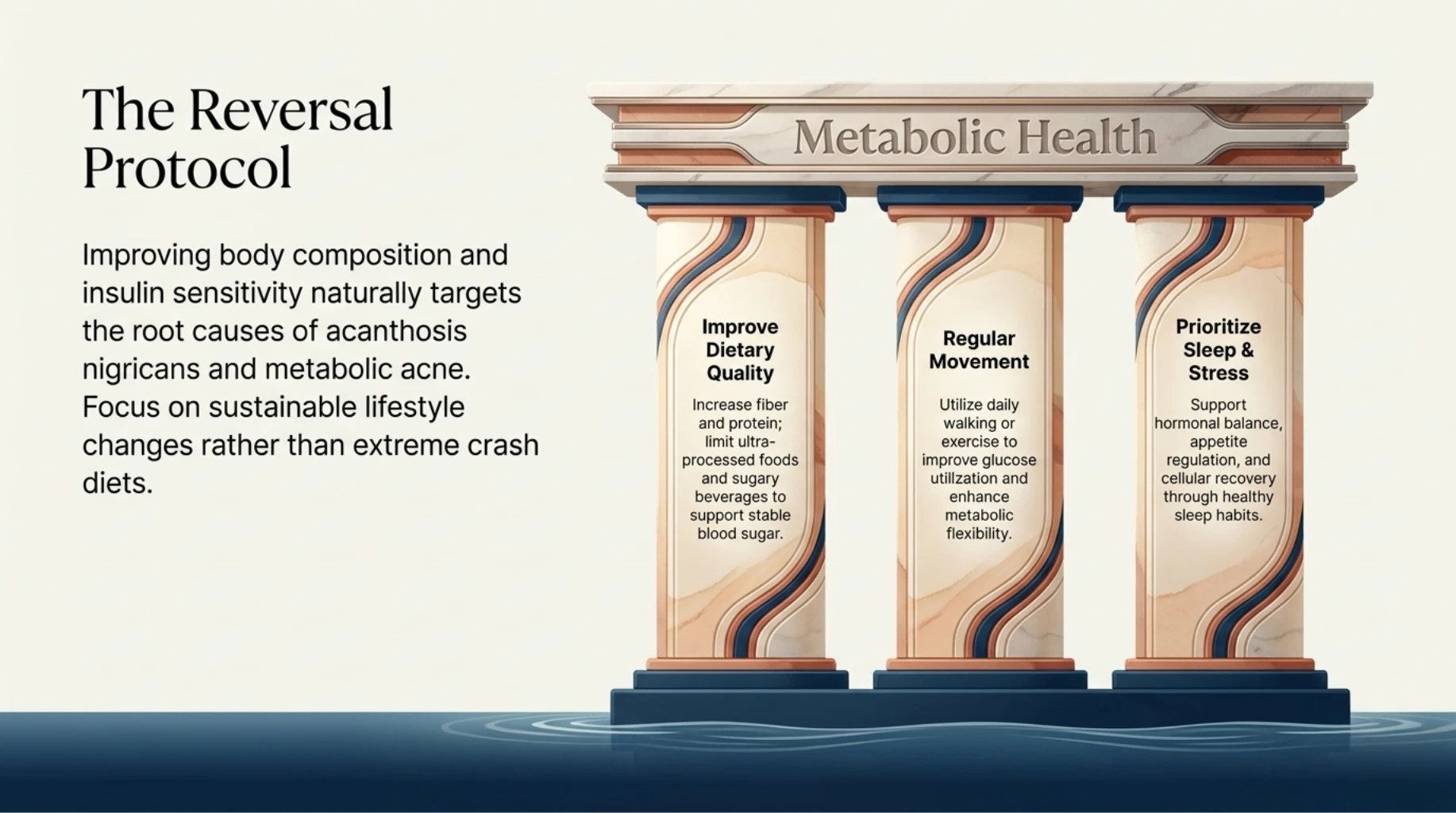
For individuals who are overweight or have abdominal obesity, improving body composition can have a significant impact on insulin sensitivity.
As insulin resistance improves, many people notice gradual improvement in:
- Dark neck pigmentation
- Acne severity
- Energy levels
- Metabolic health markers
The focus should not be on crash dieting or extreme calorie restriction. Sustainable lifestyle changes are generally more effective for long-term health.
Improve Dietary Quality
Diet plays a major role in metabolic health. A dietary pattern that supports stable blood sugar and insulin regulation may help improve overall metabolic function.
Helpful dietary habits include:
- Increasing vegetable intake
- Improving protein intake
- Reducing sugary beverages
- Limiting ultra-processed foods
- Increasing fiber-rich foods
These changes support insulin sensitivity, appetite control, and long-term metabolic wellbeing.
Regular Physical Activity Matters
Physical activity is one of the most effective ways to improve insulin sensitivity.
Regular movement helps:
- Improve glucose utilization
- Reduce insulin resistance
- Support weight management
- Improve cardiovascular health
- Enhance metabolic flexibility
Even simple activities such as daily walking can contribute positively when practiced consistently. This is particularly important for individuals with sedentary work routines.
Prioritize Sleep and Stress Management
Poor sleep and chronic stress can worsen hormonal balance and metabolic health.
Both factors may indirectly influence:
- Insulin sensitivity
- Appetite regulation
- Weight management
- Skin health
Healthy sleep habits and effective stress management are therefore important parts of a comprehensive lifestyle approach.
Many individuals focus entirely on diet while overlooking these equally important contributors.
When Should You Seek Medical Evaluation?
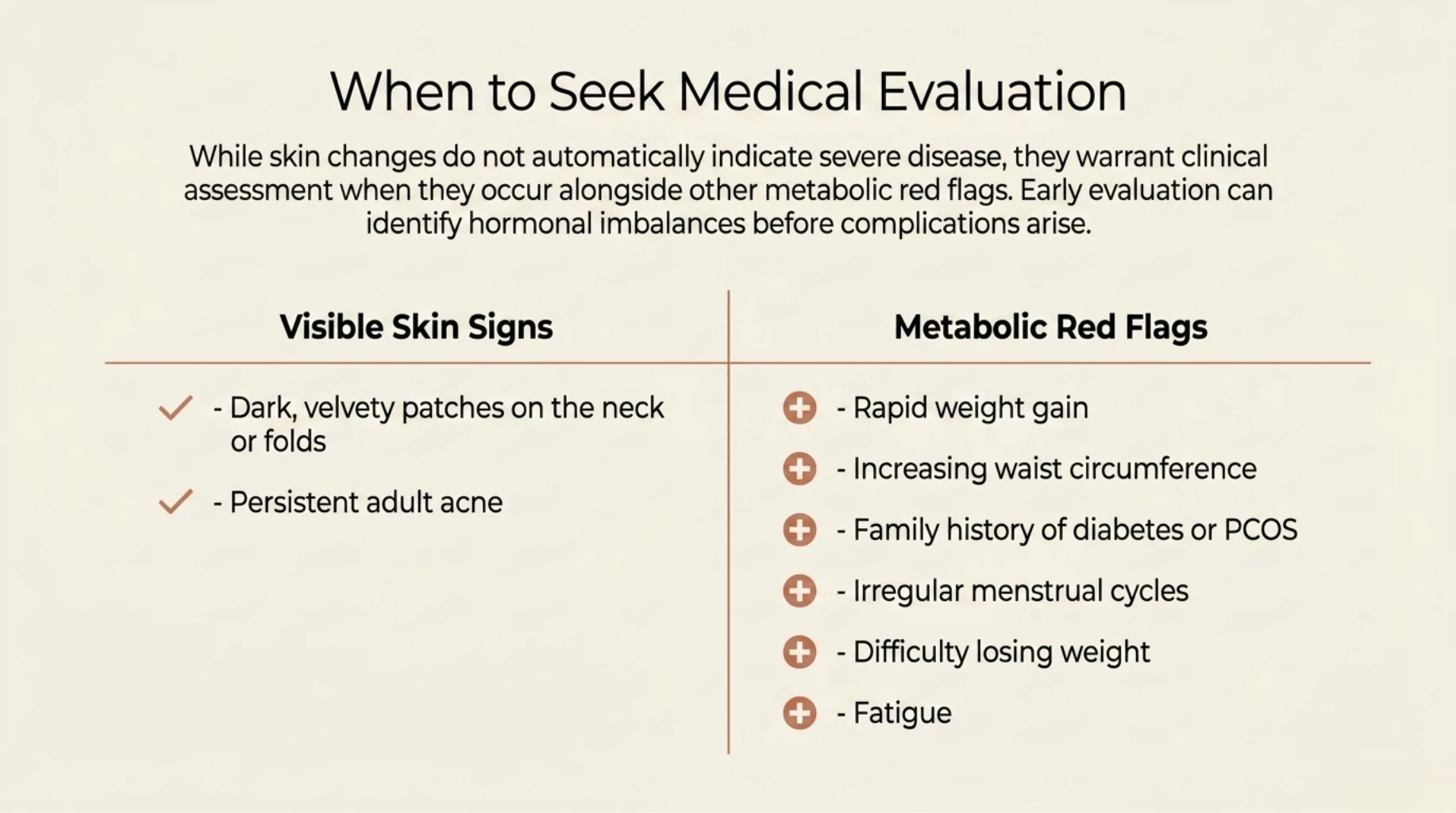
Medical assessment may be particularly helpful when dark neck pigmentation or acne occur alongside:
- Rapid weight gain
- Difficulty losing weight
- Family history of diabetes
- Prediabetes
- Irregular menstrual cycles
- Excess facial hair growth
- Fatty liver disease
In such situations, further evaluation may help identify metabolic or hormonal factors that deserve attention. Early identification often provides more opportunities for prevention and lifestyle intervention.
Why Early Action Is Better Than Waiting
Insulin resistance and metabolic dysfunction often develop gradually over many years. By the time diabetes or other complications become obvious, underlying metabolic problems may have been present for a long time.
Dark neck pigmentation and acne can sometimes act as early warning signs that appear before serious disease develops.
Recognizing these signs early allows individuals to take action before metabolic health deteriorates further.
Healthy Skin Often Reflects Better Metabolic Health
Although skin health is influenced by many factors, improvements in metabolic health often produce benefits that extend beyond laboratory reports.
Better insulin sensitivity, improved nutrition, regular activity, and healthier sleep patterns may contribute to:
- Better energy levels
- Improved weight management
- Healthier skin
- Improved metabolic markers
- Better overall wellbeing
This is why lifestyle medicine frequently focuses on the entire individual rather than treating isolated symptoms alone.
Dark Neck Pigmentation Is Often a Metabolic Clue
One of the most important messages for patients is that dark neck pigmentation should not automatically be dismissed as a cosmetic issue or poor hygiene.
In many cases, it may represent a visible clue that insulin levels are elevated and metabolic systems are under strain.
When combined with acne, obesity, PCOS, or a family history of diabetes, the likelihood of underlying metabolic dysfunction becomes even more relevant.
This is why early awareness and timely evaluation can make a meaningful difference.
You can explore a structured lifestyle approach here:
Lifestyle Modification Program
Key Take-Home Messages
- Dark neck pigmentation may sometimes be a sign of insulin resistance rather than a hygiene problem
- Acne and acanthosis nigricans can share common metabolic and hormonal drivers
- PCOS, obesity, fatty liver disease, and insulin resistance are frequently associated with these skin changes
- Lifestyle modification can help improve the underlying metabolic factors contributing to the problem
- Early recognition provides an opportunity to prevent future metabolic complications
Final Thoughts
Understanding dark neck pigmentation helps reveal an important principle in medicine: the skin often reflects what is happening inside the body.
While dark neck pigmentation and acne are not always signs of serious disease, they should not be ignored when they persist or occur alongside other metabolic symptoms. In many cases, these visible changes provide an opportunity to identify insulin resistance, hormonal imbalance, or metabolic dysfunction at an early stage.
The earlier these issues are recognized, the greater the opportunity to improve long-term health through appropriate lifestyle changes and medical guidance.
If you want a personalized metabolic health assessment, you can book a consultation here:
Book an Appointment
Disclaimer: This article is for educational purposes only and should not replace medical advice. Individual treatment should be based on clinical evaluation.

Written by Dr. Pankaj Kumar
General & Lifestyle Physician in Dwarka Sector 6, New Delhi · MBBS, DNB (Family Medicine), DNHE · 16 years of experience.
About the doctor →Book a consultation → Beyond Blood Sugar
 The 90-Day Prediabetes Turnaround
 The Indian Diabetes Diet Reset
 Eat to Beat Gout
 Why Is My Hair Falling?
 The 30-Day Inflammation Reset