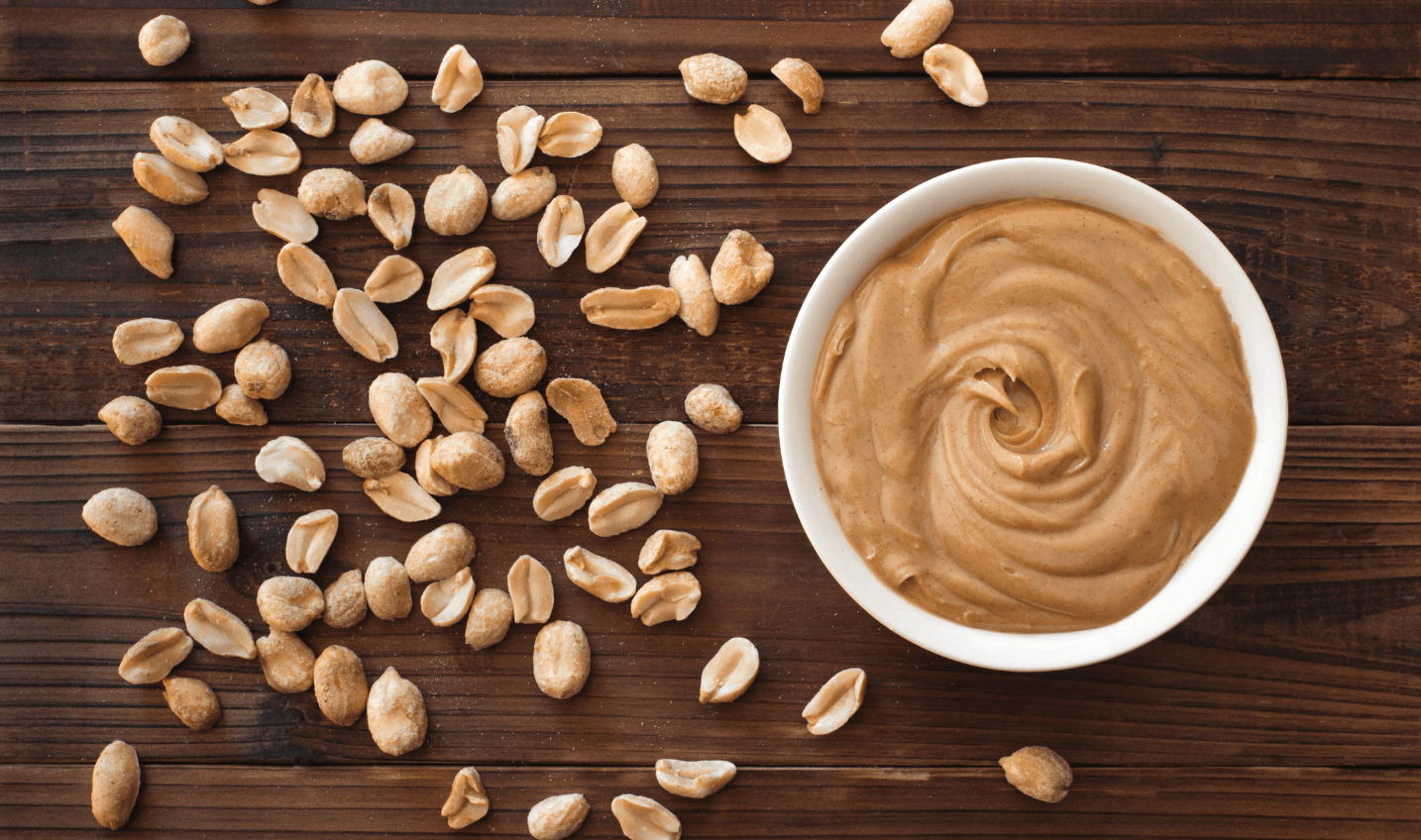
Peanut butter benefits are mainly nutritional: it provides fat, some protein and fibre, and can make meals more satisfying. It is not the healthiest spread for everyone, a weight-loss treatment or a way to prevent diabetes by itself. The ingredients, portion and the food it replaces matter.
Peanut Butter Benefits in a Balanced Diet
Peanut Butter Benefits: Unsaturated Fats
Peanuts contain predominantly unsaturated fats. Replacing some saturated-fat-rich foods with suitable unsaturated-fat sources can support a heart-healthy dietary pattern. Adding peanut butter on top of an already energy-rich diet is different from making a substitution.
A Useful Contribution of Protein
Peanut butter can add protein to toast, porridge or a snack. However, it is also energy dense and should not be treated as a lean protein equivalent to pulses, tofu, curd, eggs or other protein-rich foods. It works best as one component of a varied diet.
Fibre and Micronutrients
Peanuts contribute fibre and nutrients including vitamin E, magnesium and niacin. Exact amounts vary by product. These nutrients have normal roles in the body, but their presence does not prove that eating a spoonful treats constipation, improves memory or boosts immunity.
How Much Peanut Butter Is Suitable?
Use the labelled serving size as a starting point, then consider your overall meal and energy needs. Measuring a spoonful can be helpful because heaped spoons quickly increase the portion. No fixed amount is ideal for every adult.
For a practical breakfast, spread a modest amount on whole-grain toast and add fruit or another food that suits your plan. It can also flavour a yoghurt-based dip or savoury sauce. Mixing it into a large sweetened shake can add substantial energy without much meal volume.
Can People With Diabetes Eat Peanut Butter?
Often yes, if there is no relevant allergy and the portion fits the individual eating plan. Check added sugar and total carbohydrate on the label. The bread, biscuits, jam or sweetened drink eaten alongside it may contribute more carbohydrate than the spread itself. Peanut butter does not cancel the carbohydrate in the rest of a meal or replace diabetes treatment.
Does Peanut Butter Help With Weight Loss?
Some people find it satisfying, but it does not burn fat. A portion can fit a weight-management plan if it replaces another food or meets a planned nutritional need. Frequent unmeasured spoonfuls may make it harder to maintain an appropriate energy intake. Choose an approach you can sustain rather than adding a food because it is labelled a superfood.
What to Check on the Jar
Compare ingredients, added sugar, sodium and serving size. A product containing mainly peanuts is different from a sweetened dessert spread. Follow storage advice and discard a product that is mouldy, rancid or damaged.
Peanut Allergy Is an Important Exception
People with peanut allergy should avoid peanut butter and follow their allergy plan. Difficulty breathing, throat or tongue swelling, fainting or rapidly worsening symptoms after eating require emergency care. Use prescribed adrenaline as directed and seek immediate medical help; do not rely on an antihistamine for severe symptoms.
Whole nuts and thick spoonfuls of nut butter can be choking hazards for young children. Child feeding and allergy introduction need age-appropriate advice.
Book a consultation for advice that considers your diabetes, weight goals, allergies and usual meals.
References
WHO: Healthy diet, current fact sheet; ICMR–NIN Dietary Guidelines for Indians, 2024; NHS: Food allergy.
Dr. Pankaj Kumar, General & Lifestyle Physician. General education; not an individual medical or dietary prescription.

Written by Dr. Pankaj Kumar
General & Lifestyle Physician in Dwarka Sector 6, New Delhi · MBBS, DNB (Family Medicine), DNHE · 16 years of experience.
About the doctor →Book a consultation → Beyond Blood Sugar
 The 90-Day Prediabetes Turnaround
 The Indian Diabetes Diet Reset
 Eat to Beat Gout
 Why Is My Hair Falling?
 The 30-Day Inflammation Reset