Why Technology-Driven Nutrition Matters Now
Nutrition is no longer just about what we eat — it’s increasingly about what we measure. In the past decade, wearable sensors, continuous glucose monitors, and AI-based diet trackers have turned our meals into data points. This evolution reflects a global hunger for personalization. After years of one-size-fits-all diet advice, people now expect feedback that fits their metabolism, lifestyle, and goals.
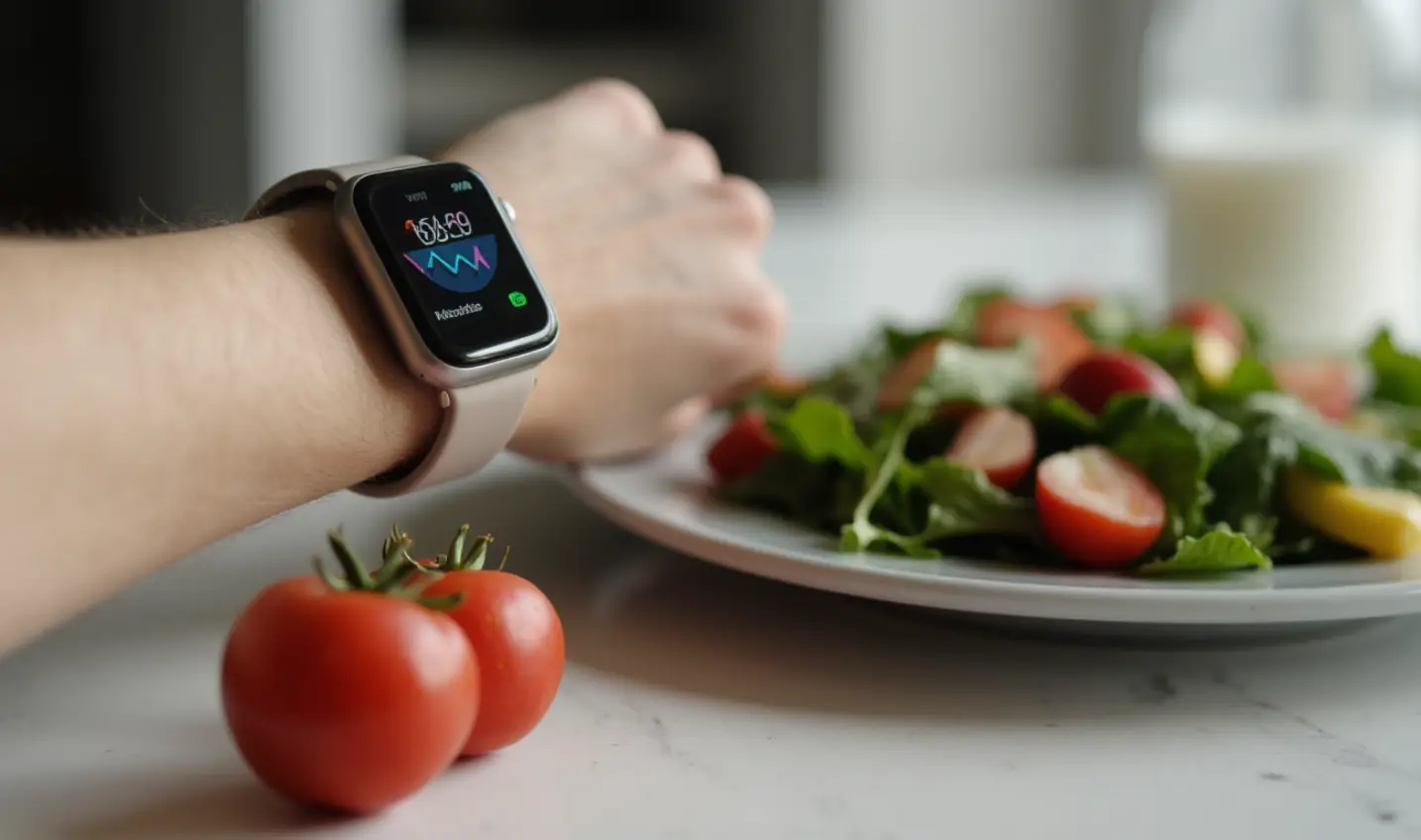
What’s remarkable is how accessible these tools have become. Smartwatches track heart rate, sleep, and activity. Apps translate photos of food into calorie and nutrient data. Even home-use breath analyzers estimate fat versus carbohydrate burning. For busy professionals, students, or parents balancing hybrid work, this technology turns self-care into something measurable — and sometimes even fun.
Why now? Post-pandemic, health awareness surged while wearable ownership doubled in several markets. At the same time, artificial intelligence matured enough to interpret millions of user data points. Together, these forces are redefining nutrition from a static prescription into a dynamic, adaptive relationship with food. That’s why the conversation about “nutrition and technology” matters more than ever.
The Science of Personalized Nutrition — Explained Simply
Every individual metabolizes nutrients differently. The same bowl of oatmeal can raise one person’s blood sugar modestly but spike another’s sharply. Traditional nutrition science focused on population averages; technology now lets us see individual patterns in real time. The principle is straightforward: if we can measure physiological responses — like glucose, sleep, or heart-rate variability — we can fine-tune diet choices to support stable energy and long-term health.
Artificial intelligence serves as the brain behind this shift. AI algorithms learn from vast datasets linking food intake, biometrics, and lifestyle behaviors. By recognizing patterns, they predict how a certain meal might affect your body before you even eat it. For example, machine-learning models can analyze how combinations of macronutrients influence post-meal glucose curves, adjusting advice accordingly.
Continuous glucose monitoring (CGM) is a good illustration. Tiny sensors measure glucose levels every few minutes, revealing how stress, sleep, and meal timing interact. Similar progress is happening in lipid and microbiome analytics. Devices such as Lumen use breath acetone to estimate whether you’re burning fat or carbs. Together, these innovations create a personalized metabolic fingerprint — a foundation for truly individualized nutrition.
Still, technology doesn’t replace basic science. Caloric balance, fiber intake, hydration, and micronutrient diversity remain central. The real advance lies in merging those fundamentals with continuous feedback, helping people connect daily behaviors to real outcomes they can see and feel.
What New Research Shows About AI and Nutrition Wearables
Evidence for personalised nutrition varies by programme and outcome. An 18-week randomized trial published in Nature Medicine in 2024 reported improvements in triglycerides, while insulin and glucose did not differ between groups (Nature Medicine 2024). Another study from Cell Metabolism found that digital feedback loops — where users received real-time meal insights — encouraged sustained weight-management behaviors (Cell Metabolism 2024).
In March 2025, researchers introduced MealMeter, an AI system that uses optical sensors and accelerometers to estimate portion size and macronutrient content from a smartwatch (arXiv 2025). Early trials show accuracy within 10 percent of laboratory standards, suggesting we’re approaching a world where simply eating in front of your smartwatch logs your nutrition automatically.
Wearables are also expanding beyond metabolism. Devices like WHOOP and Oura correlate diet quality with recovery, readiness, and sleep scores. Integrated platforms now cross-analyze movement, stress, and food logs to highlight how late-night meals or caffeine affect circadian rhythm. In essence, technology is teaching us to listen to the body’s data language.
However, not all evidence is glowing. Some trials reveal that initial enthusiasm can fade, and not everyone benefits equally. Data overload, privacy concerns, and algorithmic bias remain valid challenges. Regulators are now focusing on transparency — requiring AI models in health apps to disclose data sources and accuracy metrics. As these guardrails strengthen, the future of digital nutrition looks both promising and responsibly grounded.
What Nutrition Tech Means for Everyday Life
Let me bring this down to earth. Data helps close the gap between what we intend to eat and what we actually do. When your watch or app shows a restless night, a skipped walk, and a sharper glucose rise after your usual lunch, the pattern becomes obvious. Therefore, you can adjust: add a short walk, bring fiber forward, or shift dinner earlier. Studies continue to show that later eating relates to poorer glucose tolerance and lower insulin sensitivity, especially when calories cluster after evening hours (Díaz-Rizzolo 2024; Vahlhaus 2025).
Crucially, technology works best when it translates complex physiology into a simple nudge at the right moment. AI-enabled platforms combining CGM, sleep, and activity have shown improvements in time-in-range glucose and small but meaningful weight changes over a few weeks, especially when engagement stays high (NPJ Digital Medicine 2025). Likewise, early crossover trials of time-restricted eating — often discovered by people through wearables and app prompts — suggest benefits for glycemic control in at-risk adults (Rovira-Llopis 2023; Weng 2025).
However, balance matters. Over-tracking can trigger anxiety or lead to micromanaging every bite. Instead, I encourage you to treat the data like a mirror: look for trends, not perfection. Use technology to reinforce basics — fiber-rich meals, protein pacing, hydration, earlier dinners, regular movement, and adequate sleep — while staying flexible and self-compassionate.
How to Use Wearables and AI Without the Overwhelm
Below is a practical, device-agnostic guide. I’ll name examples for clarity, though similar features exist across brands. Consider what you need feedback on most — glucose swings, meal timing, recovery, or nutrition logging — and then choose the smallest toolset that answers those questions.
| Tool Category (Examples) | Best For | What It Does Well | Watch-outs |
|---|---|---|---|
| CGM-linked platforms (e.g., Levels, January AI, Zoe) | Understanding post-meal glucose patterns, time-in-range | Shows hidden spikes; connects meals, sleep, and activity; adaptive AI tips; early evidence for better glycemic metrics with engaged use (Veluvali 2025) | May overemphasize glucose for people without diabetes; sensor cost; data overwhelm; mixed views on benefit magnitude |
| Recovery wearables (e.g., WHOOP, Oura) | Linking meal timing, alcohol, and caffeine to sleep and readiness | Useful trends on HRV, sleep stages, and circadian rhythm; supports behavior change via daily scores | Proprietary algorithms; not a medical device; avoid obsessing over single-day scores |
| AI food logging & photo apps | Friction-light tracking for portions and macros | Faster capture than manual logs; emerging systems fuse sensors to estimate macronutrients (MealMeter 2025) | Accuracy varies by cuisine/lighting; still improving; check against labels/recipes periodically |
| Breath-based metabolism devices (e.g., Lumen) | Learning fuel usage (fat vs. carb) and timing workouts/meals | Promotes metabolic awareness; pairs nicely with recovery data | Day-to-day variability; focus on long-term trends, not single readings |
| Coaching & telehealth platforms | Accountability and personalized plans | Bridge between data and action; aligns tech with your goals; can support weight and glycemic control (Jain 2022) | Quality varies; ensure evidence-based guidance and clear data policies |
Dr. Pankaj’s 3-Step System to Integrate Nutrition Tech (Without Burnout)
- Define one outcome for 14 days. For example: “Reduce post-dinner glucose spikes” or “Improve morning energy.” Narrow goals prevent dashboard fatigue.
- Pick the minimum viable tool. Start with what you already have (phone + watch). Add a CGM or photo-based logging only if your question truly requires it. Evidence favors better outcomes when engagement is consistent rather than maximal (NPJ Digital Medicine 2025).
- Review weekly, not hourly. Look for two or three repeat patterns. Then change one lever — earlier dinner, more pre-meal fiber, or a 10-minute post-meal walk. Re-evaluate after two weeks and iterate.
Quick Pattern-Spotting Prompts
- Meal timing: Do late dinners correspond to higher next-morning glucose or lower readiness? Evidence links later caloric midpoint with lower insulin sensitivity (Vahlhaus 2025).
- Fiber first: When you move vegetables or pulses to the front of a meal, do your CGM curves flatten? Pair with a short walk to test synergy.
- Sleep linkage: Does inadequate sleep amplify glucose variability the next day? Use recovery scores as a nudge to prioritize wind-down routines.
Special Populations: Tailoring Tech Wisely
Personalization isn’t only about algorithms; it’s also about context. Different groups benefit from different signals and levels of support. I’ll outline practical, safe ways to adapt the tools — and, just as importantly, where to proceed cautiously.
People with Prediabetes or Type 2 Diabetes
When supervised, CGM plus AI analytics can highlight post-meal excursions, improve time-in-range, and guide food/activity choices. Reviews suggest promise for AI-assisted CGM in prediabetes management, though larger randomized trials are still needed (Ji 2025). Additionally, real-world AI-enhanced digital programs report TIR gains and small weight reductions over about one month (Veluvali 2025). Always coordinate changes with your clinician, especially if you use glucose-lowering medications.
Athletes and Highly Active Individuals
For performance, the winning combo is usually recovery wearable + simple fueling plan. Track HRV, sleep debt, and training load to time carbohydrates and total energy. Although HRV is not a diagnosis, it can guide adjustments to training stress and nutrition periodization. Pair with occasional CGM or post-training glucose checks if you struggle with energy dips during long sessions.
Older Adults
Because sarcopenia risk increases with age, prioritize protein distribution and resistance exercise. Use wearables to nudge daily step counts and bedtime regularity. If trying time-restricted eating, ensure total protein and calories remain sufficient; monitor energy and mood carefully. A weekly coach or clinician check-in often helps translate data into safe, sustainable action.
Women with PCOS
Women with PCOS may experience higher post-prandial glucose and insulin responses. Here, CGM-guided experiments — such as earlier dinners, fiber-forward meals, and walking after eating — can be insightful. Combine these with stress-sleep tracking, since poor sleep may worsen insulin resistance. Track trends across cycles to personalize expectations.
Vegetarians, Vegans, and Culturally Diverse Eaters
AI food-recognition models still underperform on regional recipes and mixed dishes. Therefore, cross-check app estimates with recipe calculators for dals, curries, stuffed flatbreads, fermented foods, or grain bowls. Over time, your personal database improves the AI’s guesses. Keep an eye on iron, B12, and omega-3s; schedule reminders for labs and supplement adherence when needed.
Budget, Access, and Data-Rights Considerations
Not everyone needs a subscription or the latest sensor. You can start with free logging, a step counter, and mindful meal timing. If you choose a paid platform, look for transparent accuracy claims, clear data-export options, and strong privacy policies. Also, be aware that some personalized programs remain debated in the media and academia regarding efficacy and over-personalization — so keep a healthy skepticism and stick to approaches with peer-reviewed support (discussion of Zoe, 2024).
When to Seek Professional Guidance
If you have diabetes, cardiovascular disease, disordered eating, pregnancy, unexplained weight changes, or take medications that affect glucose or blood pressure, discuss any tech-driven diet changes with your healthcare team first. Technology can augment care, but your safety comes first.
Common Mistakes and How to Fix Them
Even the most advanced nutrition technology can backfire if we misinterpret the data or become overly attached to daily fluctuations. I’ve seen patients feel discouraged when their watch gives them a low “recovery score” or when their glucose spikes after an occasional treat. These tools are meant to illuminate, not to judge. Let’s look at the most common pitfalls — and practical ways to fix them.
1. Tracking Everything, All the Time
Over-monitoring can lead to “data fatigue,” where the numbers overshadow real life. Instead of constant tracking, schedule periodic check-ins — perhaps two weeks of CGM or app logging every few months. This pattern gives you insight without burnout. Research on digital fatigue suggests that rotating engagement improves adherence and mental well-being (Koivumäki 2023).
2. Expecting AI to Replace Professional Guidance
Artificial intelligence predicts responses; it doesn’t diagnose or prescribe. Apps may flag that a meal triggers a glucose rise but cannot consider hormonal changes, medications, or complex health conditions. If your readings look unusual or if you feel unwell, seek a healthcare provider rather than an algorithmic explanation. Remember, AI can guide habits, but only humans provide context.
3. Misreading “Bad” Numbers
A spike in glucose after fruit or a poor sleep score after a stressful week isn’t failure — it’s feedback. Instead of reacting emotionally, use those readings to explore what’s modifiable. Perhaps hydration, earlier dinners, or short post-meal walks can normalize patterns. The goal is long-term stability, not one perfect day of data.
4. Ignoring Emotional Health
Technology-based self-tracking can stir anxiety in sensitive users. If you notice obsessive checking or guilt-driven behavior, pause for a few days and shift toward mindful, intuitive eating practices. Studies suggest that integrating mindfulness with tech improves sustainable adherence and reduces stress-related eating (Dalen 2023).
5. Forgetting the Basics
Even in this high-tech era, timeless habits still matter most — balanced meals, moderate activity, quality sleep, and human connection. Use technology to reinforce those basics, not replace them.
Five Key Take-Home Insights
- Personalized nutrition works best when grounded in simplicity. Track one or two meaningful metrics, not everything at once.
- Data is only as powerful as interpretation. Seek patterns, not perfection — and use professional guidance for medical concerns.
- Behavior change thrives on feedback loops. The earlier and clearer the nudge, the more likely healthy habits stick.
- Balance AI with intuition. Listen to your body’s hunger, energy, and mood alongside your dashboard.
- Technology is a tool, not a test. Let it empower curiosity and compassion, not competition or guilt.
Closing Reflections: Merging Wisdom and Innovation
As I look across these emerging tools, I’m reminded that technology’s greatest strength lies in making us more aware. Wearables and AI apps can reveal how food, movement, and rest truly interact — yet they can’t replicate the wisdom of mindful attention. When we combine real-time feedback with self-awareness, we get the best of both worlds: data that informs, and intuition that guides.
In the coming years, precision nutrition will likely merge genomic, microbiome, and metabolic data into one platform. But for now, even small steps — such as using a watch to remind you to move, or tracking meals for a week — can offer meaningful insight. Remember, your body is already a sophisticated system. Technology simply helps you listen more closely.
If this inspires you, begin with curiosity. Choose one metric, observe without judgment, and notice what improves your energy, focus, and mood. If you ever feel unsure, reach out to a healthcare professional who understands both lifestyle and digital health. I’m confident that as we learn to use these tools wisely, they’ll help us nourish both our biology and our sense of balance.
This page is informational and not a substitute for individual medical advice.

Written by Dr. Pankaj Kumar
General & Lifestyle Physician in Dwarka Sector 6, New Delhi · MBBS, DNB (Family Medicine), DNHE · 16 years of experience.
About the doctor →Book a consultation → Beyond Blood Sugar
 The 90-Day Prediabetes Turnaround
 The Indian Diabetes Diet Reset
 Eat to Beat Gout
 Why Is My Hair Falling?
 The 30-Day Inflammation Reset