A report mentioning “fatty liver,” “hepatic steatosis” or “increased liver echogenicity” is often discovered unexpectedly during an abdominal ultrasound. Many people have no pain, digestive complaint or other obvious symptom. A fatty liver consultation in Dwarka can help determine whether the finding requires routine metabolic follow-up, additional blood tests or a more detailed assessment of liver fibrosis.
An ultrasound finding should not automatically cause alarm. However, it should not be dismissed simply because the report says “mild fatty liver” or because the person feels well. The degree of liver fat seen on ultrasound does not reliably reveal whether inflammation or scarring is present.

Current European liver, diabetes and obesity guidelines recommend fibrosis-risk assessment in people with radiological signs of liver fat, especially when diabetes, obesity, abnormal liver enzymes or additional cardiometabolic risk factors are present. The purpose of follow-up is therefore not merely to repeat the scan. It is to identify the likely cause, assess the risk of progressive liver disease and address associated metabolic problems.
Does Fatty Liver on Ultrasound Need Follow-Up?
Yes. Fatty liver found on ultrasound generally deserves a clinical review, even when it is described as mild. The type and urgency of follow-up depend on liver enzymes, platelet count, diabetes status, waist circumference, cholesterol, alcohol intake, medicines and other potential causes of liver disease.
Many people need only structured metabolic assessment and non-invasive fibrosis-risk testing. Others may require elastography, further liver investigations or referral, depending on the initial findings.
What Does Fatty Liver on an Ultrasound Mean?
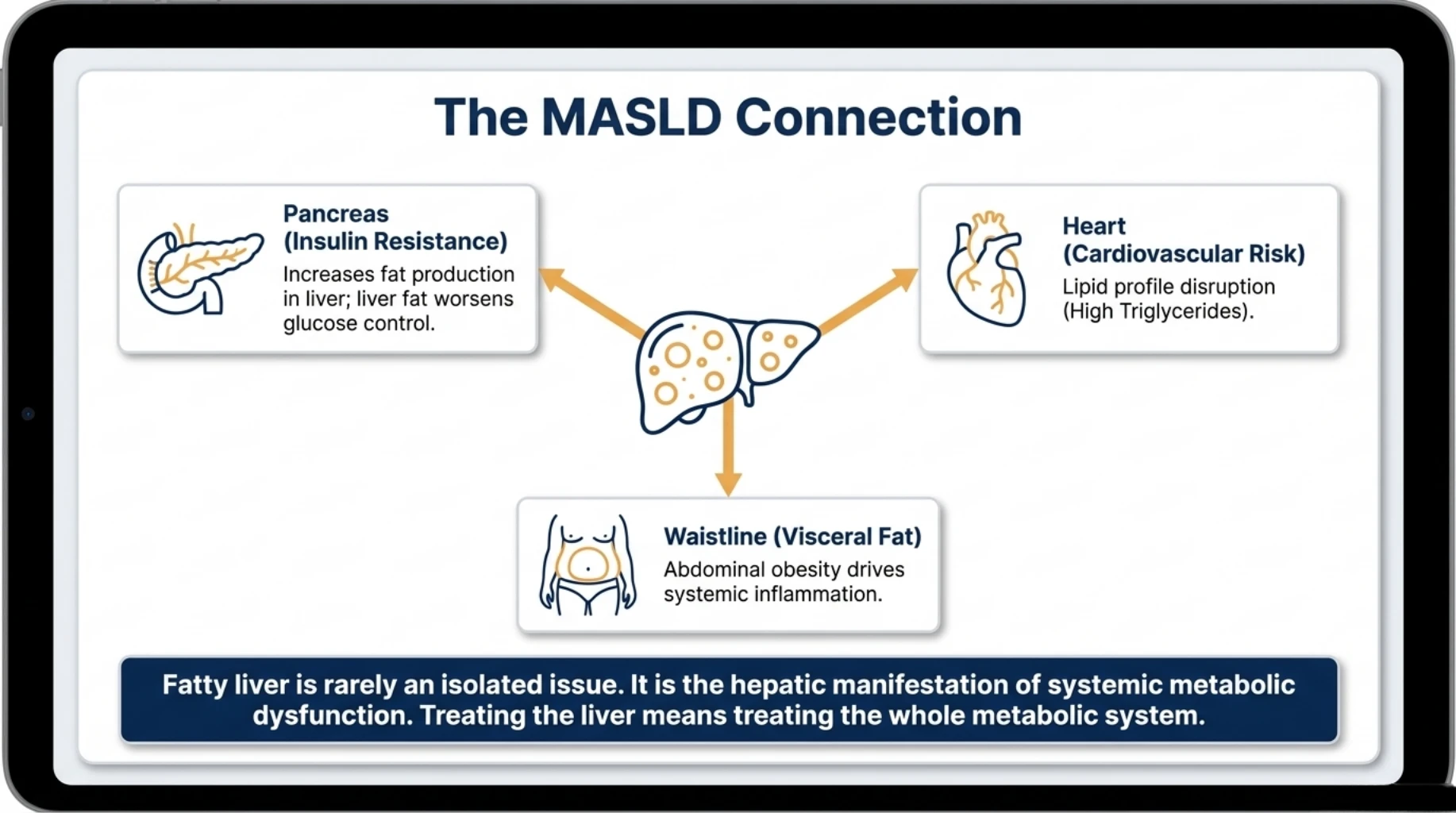
Fatty liver means that excess fat has accumulated inside liver cells. The broader medical term is steatosis liver disease. When liver fat occurs with at least one cardiometabolic risk factor, the condition may be classified as metabolic dysfunction-associated steatosis liver disease, or MASLD.
An ultrasound report may use phrases such as:
- increased hepatic echogenicity
- bright liver
- mild fatty infiltration
- diffuse hepatic steatosis
- grade 1, grade 2 or grade 3 fatty liver
These descriptions refer to the appearance of the liver on the scan. They do not identify the cause or show the complete severity of the condition.
A proper assessment should consider blood sugar, body composition, waist circumference, triglycerides, blood pressure, alcohol exposure and current medicines. Viral hepatitis and less common liver disorders may also need consideration when the history, examination or laboratory findings suggest them.
The clinically important question is not only how much fat is visible. It is whether the person has significant liver fibrosis and which modifiable factors are driving the problem. Fibrosis is more closely associated with future liver-related complications than ultrasound grading alone.
Does Grade 1 Fatty Liver Need Follow-Up?
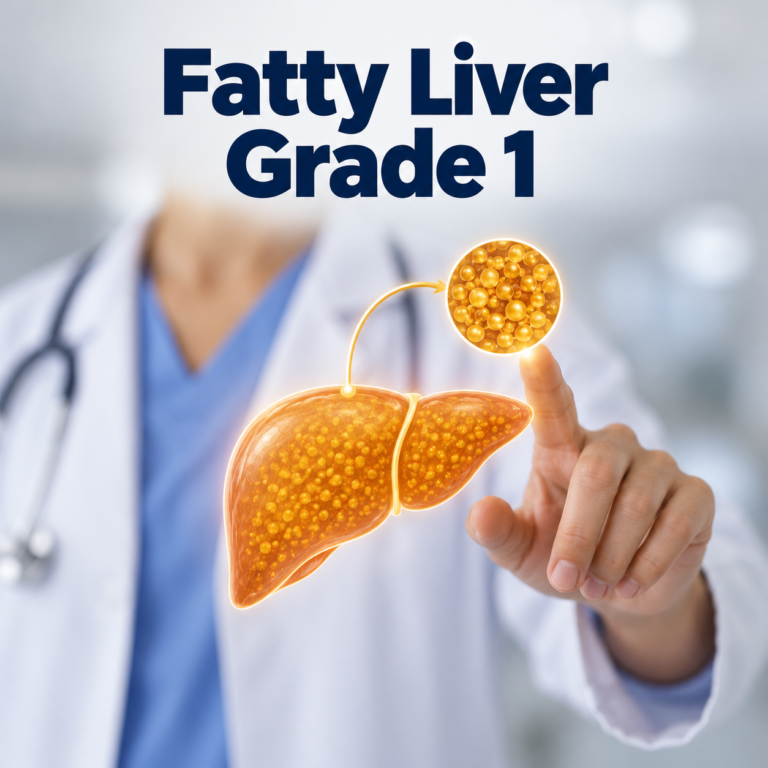
Grade 1 fatty liver usually refers to a mild increase in liver brightness on ultrasound. It does not mean that the liver is failing, and it does not necessarily indicate advanced disease.
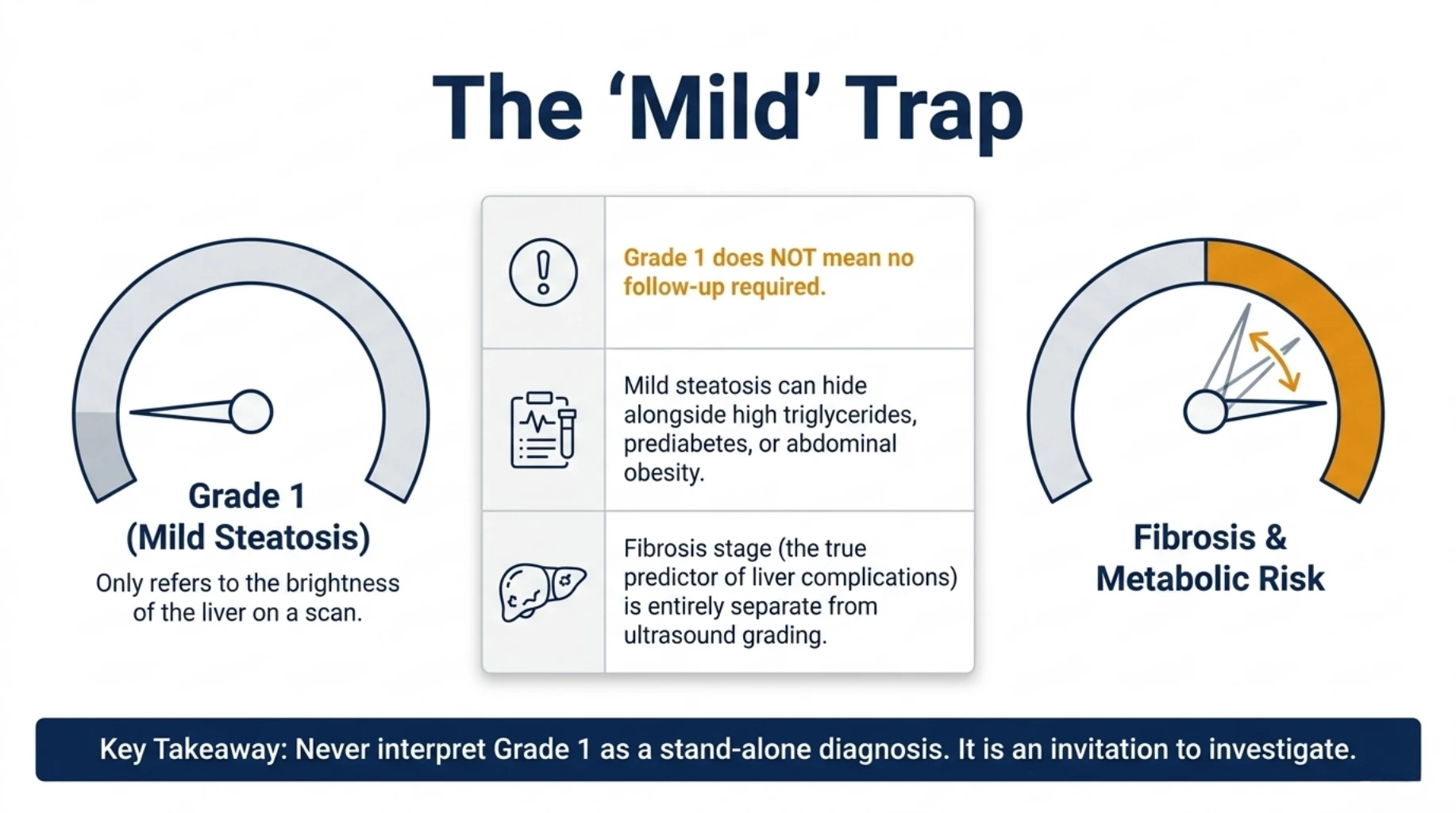
However, “grade 1” should not be interpreted as “no follow-up required.” A person with mild steatosis may still have diabetes, prediabetes, high triglycerides, abdominal obesity or another risk factor that needs attention. Conversely, ultrasound grading does not reliably determine the stage of fibrosis.
Follow-up commonly begins with a review of liver enzymes, platelet count and metabolic risk factors. A non-invasive score such as FIB-4 may then be used to estimate whether advanced fibrosis is unlikely or whether additional testing is appropriate. The result should be interpreted clinically rather than used as a stand-alone diagnosis.
What an Ultrasound Can and Cannot Show
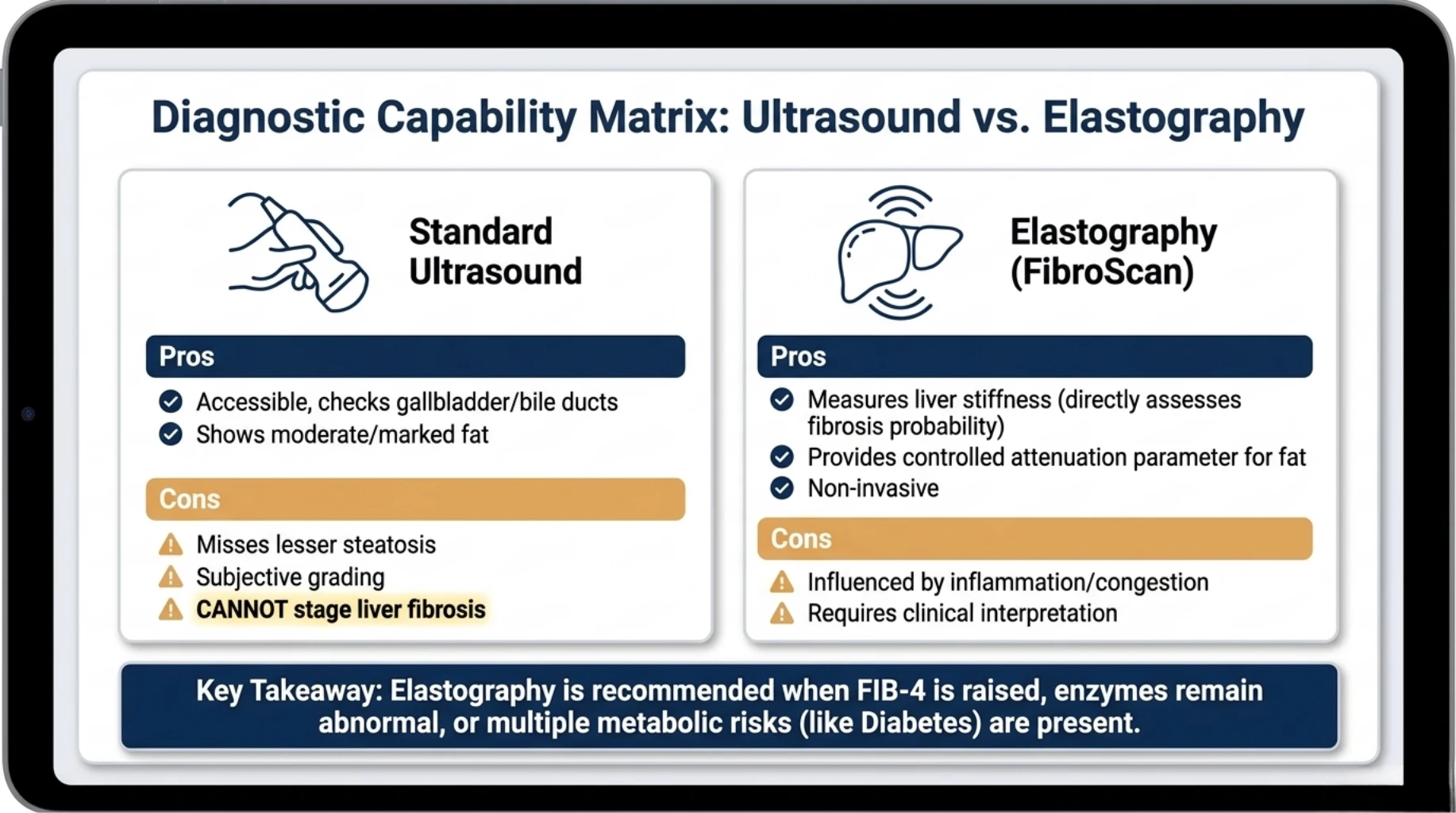
Ultrasound is widely used because it is accessible and can suggest moderate or marked liver fat. It can also provide information about the liver’s appearance, gallbladder, bile ducts and other abdominal organs.
However, a routine ultrasound has important limitations. It may miss lesser degrees of steatosis, particularly in some people with obesity, and its grading is partly subjective. More importantly, it cannot reliably distinguish simple fat accumulation from steatohepatitis or accurately stage liver fibrosis.
A report that says “mild fatty liver” therefore does not prove that fibrosis is absent. Similarly, a later ultrasound that appears improved does not always confirm that all metabolic or fibrosis risk has resolved.
AASLD guidance notes that conventional ultrasound lacks sufficient sensitivity for lesser degrees of steatosis and that the absence of detectable steatosis does not exclude steatohepatitis or fibrosis. Clinical risk assessment and suitable non-invasive tests are more informative than repeatedly comparing ultrasound grades alone.
When is a fatty liver consultation in Dwarka needed?
A fatty liver consultation in Dwarka is appropriate after an ultrasound first reports hepatic steatosis, particularly when the finding has never been medically reviewed. It is also useful when previous advice was limited to “lose weight” without assessing fibrosis risk or associated metabolic conditions.
Arrange follow-up when:
- liver enzymes are raised
- diabetes or prediabetes is present
- waist circumference or body weight is increasing
- triglycerides are high
- blood pressure is elevated
- platelet count is low
- fatty liver persists on repeated imaging
- alcohol intake may be contributing
- medicines or supplements could affect the liver
- there is a family or personal history of liver disease
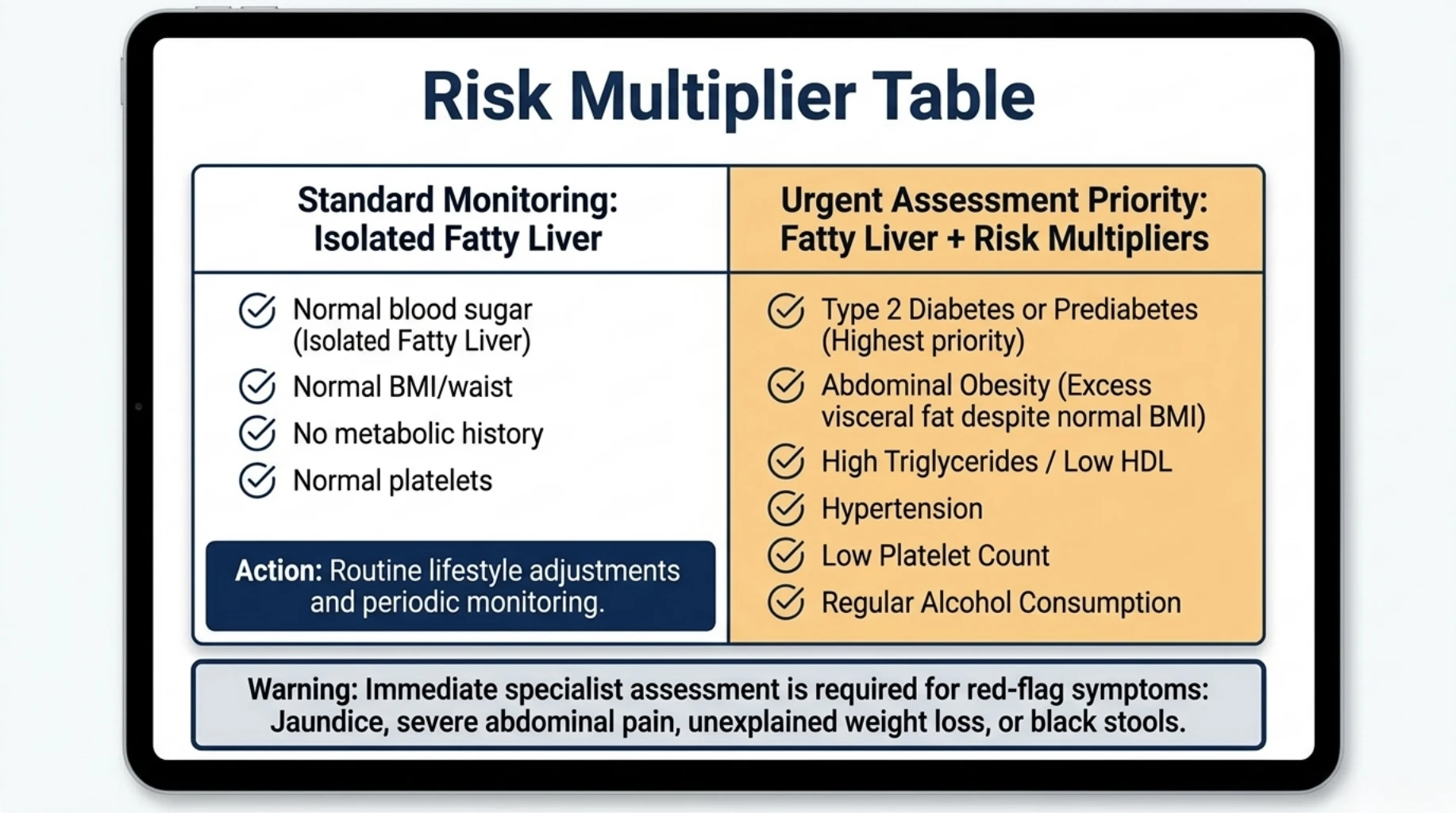
People with type 2 diabetes or obesity plus additional metabolic risk factors are particularly important to assess because their risk of progressive MASLD and liver fibrosis is higher.
Urgent assessment is required for jaundice, abdominal swelling, vomiting blood, black stools, confusion, severe persistent abdominal pain or marked unexplained weight loss. These features are not typical of uncomplicated mild fatty liver.
Why Normal Liver Enzymes Do Not Always Rule Out Risk
ALT and AST are useful parts of a liver assessment, but normal results do not prove that the liver is free from fibrosis. Some people with clinically important steatosis liver disease can have enzymes within the laboratory reference range.
Liver enzymes may also fluctuate. A single normal report should therefore be interpreted alongside platelet count, age, metabolic risk factors, imaging findings and previous results.
The opposite is also important: raised ALT or AST does not automatically mean fatty liver is the only explanation. Alcohol, viral hepatitis, medicines, strenuous exercise and other liver or muscle conditions can affect these values.
This is why follow-up should not depend on one number alone. Current guidelines recommend combining clinical assessment with non-invasive blood-based and imaging-based tests when fibrosis risk needs clarification.
Risk Factors That Make Follow-Up More Important
Not every person with fatty liver has the same probability of progression. Follow-up becomes more important when several metabolic or liver-related risk factors occur together.
Relevant factors include:
- type 2 diabetes
- prediabetes or insulin resistance
- abdominal obesity
- high triglycerides
- low HDL cholesterol
- high blood pressure
- obstructive sleep apnea
- increasing age
- regular alcohol consumption
- persistently abnormal liver enzymes
- a high or indeterminate non-invasive fibrosis score
The presence of these factors does not prove that advanced fibrosis is present. It helps determine who may benefit from closer monitoring, elastography or specialist review.
Current MASLD guidance particularly prioritizes case-finding in people with type 2 diabetes and in people with obesity plus additional metabolic risks.
Diabetes, Prediabetes and Abdominal Obesity
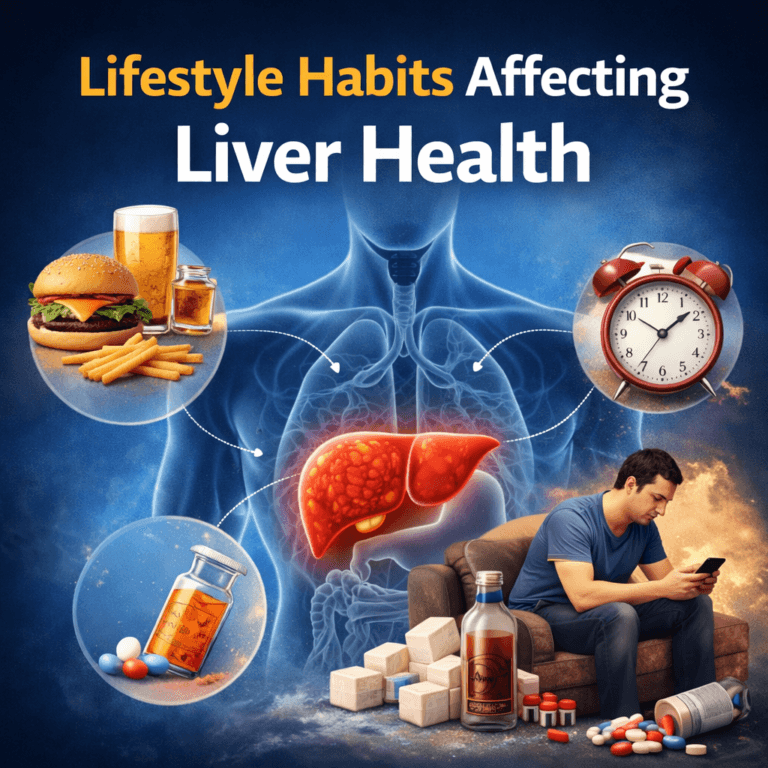
Type 2 diabetes is one of the most important risk factors for progressive fatty liver disease. Insulin resistance can increase the delivery and production of fat within the liver, while liver fat can make glucose regulation more difficult.
Prediabetes also deserves attention. It may indicate that the same metabolic processes contributing to liver fat are already affecting blood glucose.
Body weight alone does not tell the full story. An Indian adult may have a BMI that does not appear very high while carrying excess visceral fat around the abdominal organs. Waist circumference, weight trend and body composition can therefore provide useful information alongside BMI.
A consultation may include review of fasting glucose, HbA1c, blood pressure, triglycerides and HDL cholesterol. Where appropriate, the article can internally link to diabetes consultation in Dwarka and an educational page on prediabetes symptoms.
Alcohol, Medicines and Other Possible Causes
The presence of obesity or diabetes should not lead to an automatic assumption that every fatty-liver finding is purely metabolic. Alcohol intake must be discussed honestly and quantified because metabolic risk and alcohol-related liver injury can coexist.
Prescription medicines, over-the-counter products and supplements should also be reviewed. Certain drugs can contribute to liver fat or abnormal liver tests, although prescribed treatment should never be stopped without medical advice.
Depending on the clinical history, a doctor may consider viral hepatitis, thyroid dysfunction, rapid weight loss, malnutrition or less common metabolic and autoimmune conditions. Extensive testing is not required for every patient, but alternative causes should be investigated when the presentation is atypical.
A safe assessment identifies the most likely explanation without blaming the patient or relying on assumptions.
What Happens During a Fatty Liver Consultation?
The consultation begins with the ultrasound report, but it should not end there. The doctor may review why the scan was performed, whether liver fat was seen previously and whether symptoms or abnormal blood tests are present.
The assessment usually includes:
- weight and waist trend
- blood-pressure history
- diabetes and cholesterol results
- alcohol intake
- prescribed medicines and supplements
- diet and physical activity
- sleep and possible sleep apnea
- family and personal history of liver disease
Previous liver enzymes and platelet counts are useful because trends can be more informative than one isolated result. The doctor may also examine for abdominal obesity, liver enlargement or signs suggesting more advanced liver disease.
The goal of a fatty liver consultation in Dwarka is to classify risk and create an appropriate follow-up plan. It is not to promise a rapid cure or prescribe unnecessary liver tonics.
What to bring to a fatty liver consultation in Dwarka
Bring the original ultrasound report and, where available, previous abdominal scans. Also carry recent and older blood reports, including:
- ALT, AST and other liver tests
- complete blood count with platelet count
- fasting glucose and HbA1c
- lipid profile
- thyroid tests where previously performed
- kidney-function results
Prepare a list or photographs of all medicines, vitamins, herbal products and gym supplements. It is also helpful to estimate usual weekly alcohol intake and note recent weight changes.
These details allow the consultation to focus on whether routine monitoring is sufficient or whether fibrosis assessment and additional investigations are needed.
Which Tests May Be Needed After an Ultrasound?
Not everyone with fatty liver needs an extensive panel of investigations. The tests should be selected according to age, symptoms, metabolic risk, liver-enzyme results, alcohol exposure, medicines and previous reports.
The initial objective is to answer three questions:
- Is the ultrasound finding likely to be metabolically related?
- Is another liver condition possible?
- Is there a meaningful risk of liver fibrosis?
A routine assessment may include liver enzymes, platelet count, blood sugar, HbA1c, cholesterol and triglycerides. Kidney function, thyroid testing and viral-hepatitis screening may be considered when clinically appropriate.
The consultation may also review blood pressure, waist circumference, weight trend and features of insulin resistance. These factors matter because metabolic fatty liver often occurs alongside diabetes, prediabetes, obesity, high triglycerides and hypertension.
Tests should not be ordered only to create a large package. Each investigation should help confirm the likely cause, assess fibrosis risk or guide treatment.
Blood Tests Used in Fatty Liver Assessment
Commonly reviewed blood tests may include:
- ALT and AST
- Bilirubin
- Alkaline phosphatase
- Gamma-glutamyl transferase
- Albumin
- Complete blood count with platelet count
- Fasting glucose and HbA1c
- Lipid profile
- Kidney-function tests
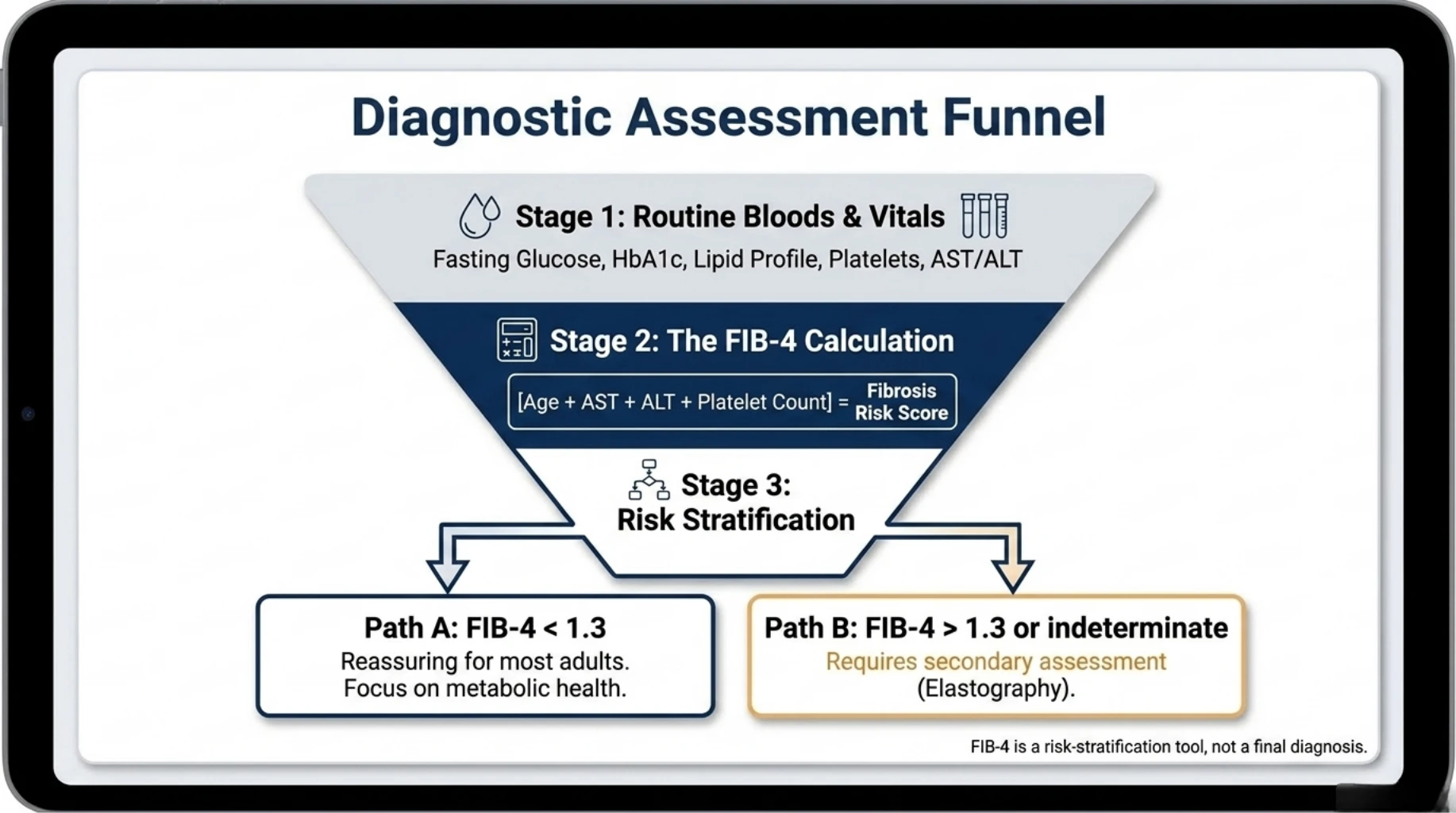
ALT and AST provide useful information, but they cannot independently confirm or exclude liver fibrosis. Platelet count is particularly relevant because it is used with age, AST and ALT to calculate the FIB-4 score.
Additional investigations may be considered when liver enzymes are persistently raised, the presentation is unusual or another cause is suspected. These may include hepatitis B or C testing and selected autoimmune, iron or other metabolic investigations.
The decision should reflect the individual history. A person with mild fatty liver, normal metabolic results and low fibrosis risk may need fewer tests than someone with diabetes, raised enzymes, a low platelet count or a family history of liver disease.
How FIB-4 Helps Estimate Fibrosis Risk
FIB-4 is a non-invasive calculation based on:
- Age
- AST
- ALT
- Platelet count
It is commonly used as a first assessment to identify people who are unlikely to have advanced fibrosis and those who need a second-stage test. Current liver guidelines recommend non-invasive fibrosis assessment for people with fatty liver on imaging, particularly when diabetes, obesity or additional metabolic risks are present. (Journal of Hepatology)
A FIB-4 result below 1.3 is generally considered reassuring in many adults assessed in primary care. A result of 1.3 or higher may lead to secondary assessment with elastography or another validated test. Different interpretation is required in adults over 65, and FIB-4 is less accurate in younger adults and during acute illness. (PubMed Central (PMC))
FIB-4 is a risk-stratification tool, not a diagnosis. A high result does not automatically prove cirrhosis, while a low result does not remove the need to manage diabetes, obesity, alcohol exposure or other metabolic risks.
When FibroScan or Elastography May Be Recommended
FibroScan is one form of vibration-controlled transient elastography. It estimates liver stiffness, which can help assess the probability of fibrosis. It can also provide a controlled attenuation parameter related to liver fat.
Elastography may be considered when:
- FIB-4 is indeterminate or raised
- Liver enzymes remain abnormal
- Type 2 diabetes is present
- Several metabolic risk factors occur together
- Platelet count is reduced
- Previous imaging raises concern about chronic liver disease
- The clinical assessment and ultrasound findings do not agree
FibroScan is non-invasive and usually does not require sedation. However, it is not perfect. Liver stiffness can be influenced by inflammation, congestion and technical factors, so the result must be interpreted alongside blood tests and clinical findings.
A liver biopsy is not routinely required for everyone with ultrasound-detected fatty liver. It may be considered by a specialist when non-invasive results are unclear, another diagnosis is suspected or determining the exact stage would change treatment. (Journal of Hepatology)
How a Fatty Liver Consultation in Dwarka Guides Follow-Up
A fatty liver consultation in Dwarka should produce a clear follow-up plan rather than a vague instruction to repeat the ultrasound after a few months.
Follow-up may involve:
- Reviewing liver enzymes and platelet count
- Calculating or repeating FIB-4
- Monitoring blood sugar and HbA1c
- Managing triglycerides and cholesterol
- Reviewing weight and waist circumference
- Assessing blood pressure
- Checking progress with food and physical activity
- Arranging elastography when indicated
- Referring for specialist assessment when risk is higher
The interval depends on the initial fibrosis assessment and ongoing risk factors. Someone with low fibrosis risk and few metabolic concerns may need less frequent reassessment. A person with prediabetes, type 2 diabetes, obesity or several cardiometabolic risks may require closer monitoring.
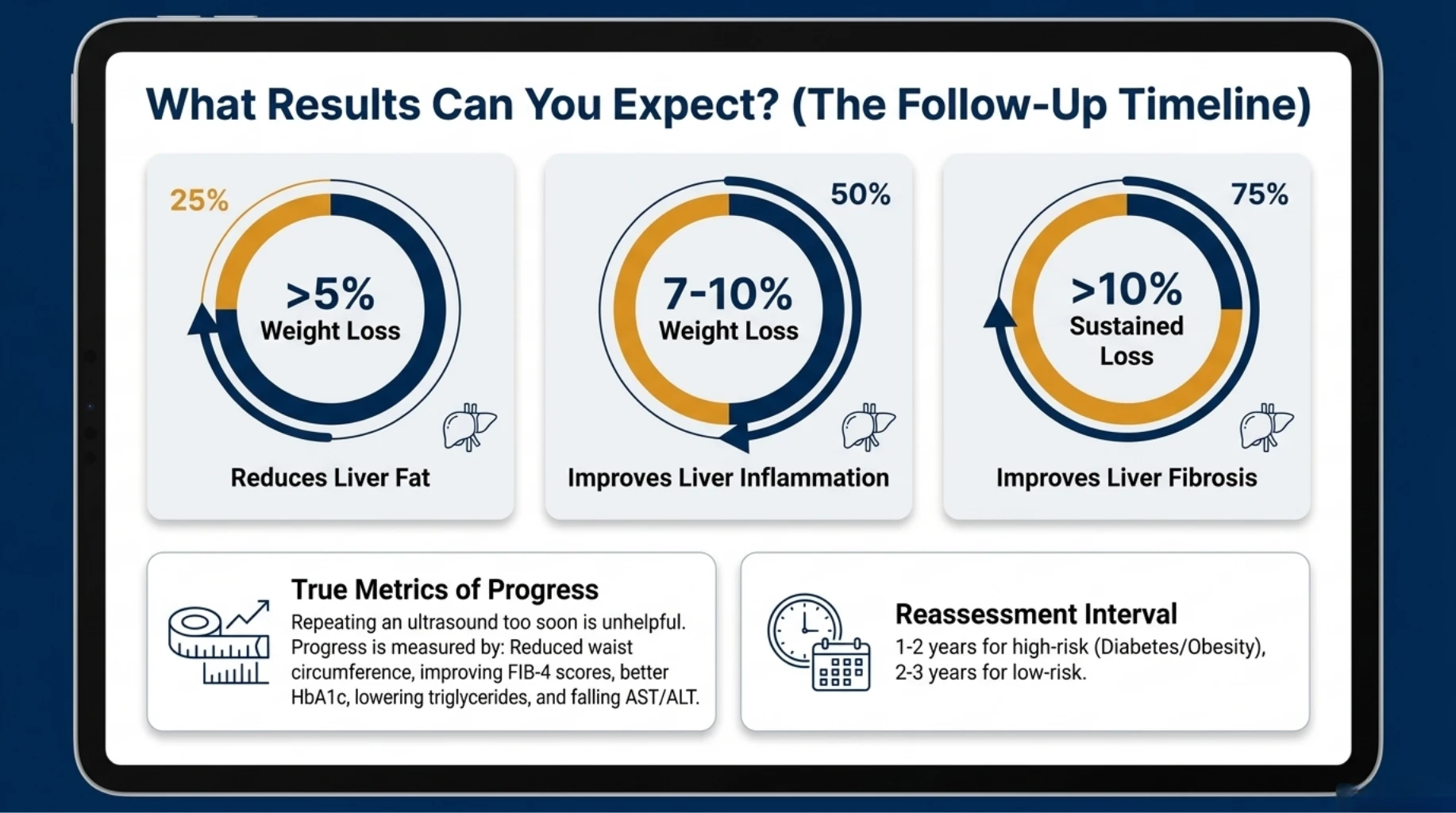
AASLD guidance suggests periodic reassessment every two to three years in some lower-risk individuals and approximately every one to two years when prediabetes, type 2 diabetes or multiple metabolic risks are present. The appropriate interval should still be individualized. (PubMed Central (PMC))
What to Expect After a Fatty Liver Consultation in Dwarka
The next step is not always another scan. The follow-up plan may priorities improving metabolic health and repeating selected blood-based fibrosis assessments.
Ultrasound appearance can change with liver fat, but repeatedly comparing “grade 1” and “grade 2” does not reliably show whether fibrosis has improved. Liver enzymes may improve before the ultrasound changes, and normal enzymes do not guarantee that fibrosis is absent.
Progress should therefore be assessed through a combination of:
- Weight and waist trend
- Liver-enzyme pattern
- Platelet count
- FIB-4 or another fibrosis test
- Glucose control
- Lipid profile
- Blood pressure
- Physical activity
- Alcohol intake
- Elastography where indicated
The aim is to reduce both liver-related risk and the wider risk of diabetes and cardiovascular disease.
Fatty Liver Treatment in Dwarka: Practical Priorities
Treatment should address the cause and associated metabolic risks. There is no single standard diet chart or medicine that suits every person with fatty liver.
The main priorities may include:
- Sustainable weight reduction when required
- Improved food quality
- Smaller portions of energy-dense foods
- Adequate protein
- Regular aerobic activity
- Strength training
- Reduced sitting time
- Better diabetes and triglyceride control
- Alcohol assessment
- Treatment of associated blood pressure or cholesterol problems
Lifestyle intervention remains a central part of MASLD management, but it should be realistic. Severe diets that cause repeated hunger, muscle loss and rapid regain are unlikely to provide durable benefit.
Weight-Loss Targets for Fatty Liver
For people with overweight or obesity, even modest weight reduction can reduce liver fat. Greater sustained weight loss may be needed to improve liver inflammation or fibrosis.
Current European guidance advises aiming for:
- More than 5% weight loss to reduce liver fat
- Approximately 7–10% to improve liver inflammation
- More than 10% where the goal includes improvement in fibrosis
These are general clinical targets, not guaranteed outcomes. The appropriate goal depends on starting weight, muscle mass, age, medical conditions and ability to maintain the change. (Journal of Hepatology)
Weight loss should focus mainly on reducing excess fat while protecting muscle. A falling scale weight is not necessarily beneficial when severe restriction also causes weakness, poor protein intake or significant muscle loss.
People who are not overweight may still benefit from improving diet quality, building muscle, reducing abdominal fat and increasing physical activity.
Building a Practical Indian Eating Pattern
Fatty liver management does not require imported foods, expensive detox products or complete avoidance of every carbohydrate.
A practical Indian meal can be built around:
- Non-starchy vegetables
- Dal, beans or another protein source
- Controlled portions of rice, roti or other cereals
- Curd where suitable
- Whole fruit instead of juice
- Limited added sugar and sugary beverages
Vegetarian protein options may include dal, rajma, Chana, soy foods, tofu, besan, curd and paneer in suitable portions. Non-vegetarian options may include eggs, fish, chicken or lean meat according to preference.
Common problems that may need correction include:
- Large rice or roti portions
- Several carbohydrate foods in one meal
- Frequent sweets and sweetened drinks
- Fruit juice and sugarcane juice
- Biscuits, Namkeen and bakery foods
- Excess cooking oil, ghee or fried foods
- Low protein intake
- Very little vegetable intake
- Frequent alcohol consumption
ICMR-NIN’s Dietary Guidelines for Indians emphasize dietary variety, pulses, vegetables, fruits, healthy weight maintenance and limiting highly processed foods, added sugar and excess fat. (ICMR National Institute of Nutrition)
Physical Activity and Muscle Health
Exercise can improve metabolic health and reduce liver fat even before major weight loss occurs.
A suitable programme may combine:
- Brisk walking, cycling or another aerobic activity
- Strength training two or more times per week
- Short walks after meals
- Movement breaks during desk work
- Gradual improvement in fitness
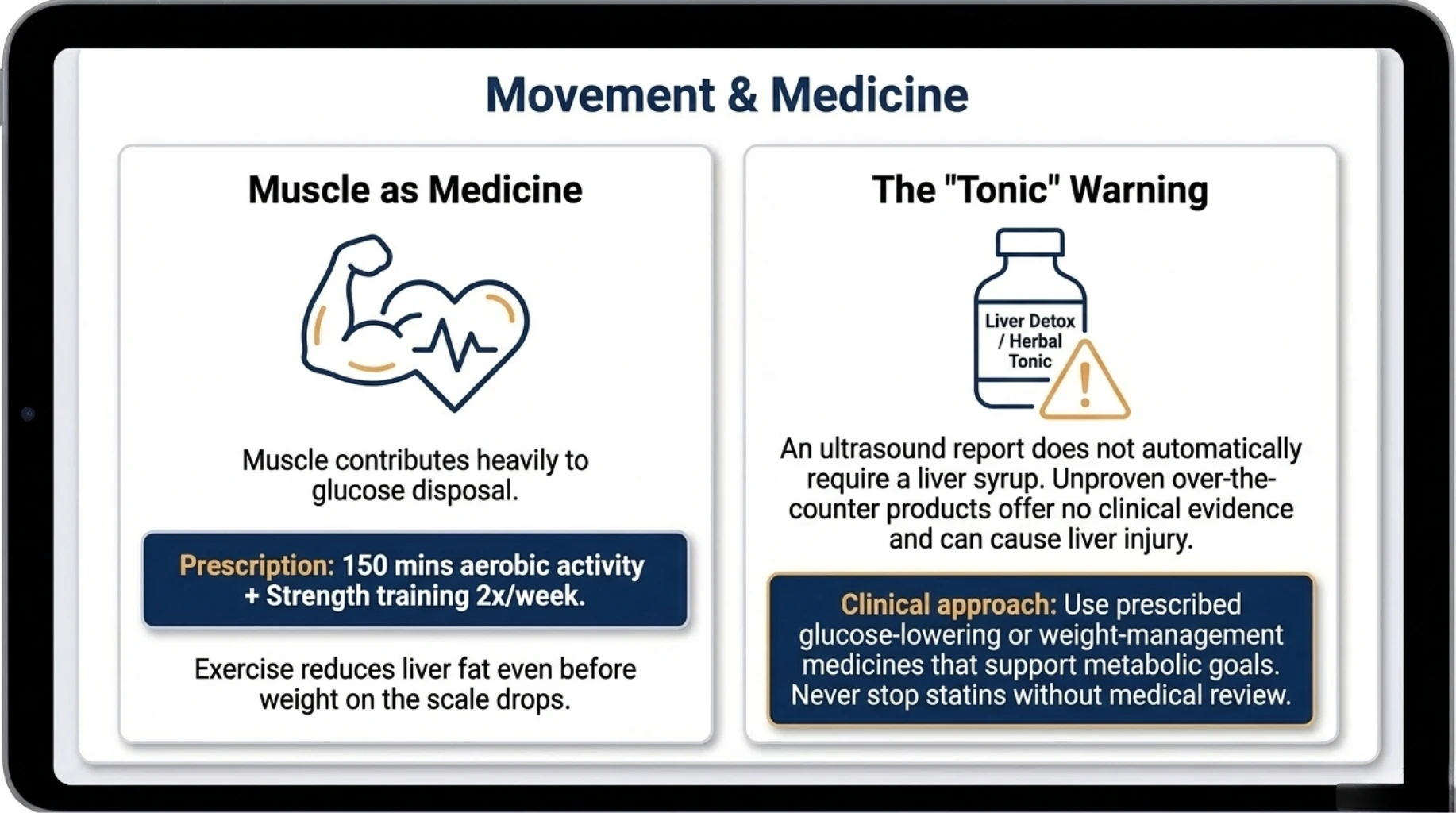
Many adults can work towards at least 150 minutes of moderate-intensity activity per week. The plan should be modified for age, joint problems, heart disease, poor fitness or other medical concerns.
Strength training is particularly useful because muscle contributes to glucose disposal and metabolic health. Walking alone is beneficial, but it may not provide enough stimulus to preserve or build muscle.
People who are currently inactive should begin gradually rather than starting with an exhausting routine that cannot be sustained.
Alcohol and Fatty Liver
Alcohol intake should be discussed accurately rather than described only as “occasional.” The type of drink, quantity per occasion and frequency all matter.
Metabolic risk and alcohol exposure can coexist and may jointly increase liver risk. A person should not assume that fatty liver is entirely metabolic simply because diabetes or obesity is present.
People with advanced fibrosis or cirrhosis should avoid alcohol. For others, advice should be individualized according to fibrosis risk, liver enzymes, medicines and overall health. (Journal of Hepatology)
Medicines, Supplements and “Liver Tonics”
An ultrasound report of fatty liver does not automatically require a liver tonic, herbal syrup or dietary supplement.
Many over-the-counter products are promoted for liver cleansing or detoxification, but they may have limited clinical evidence. Some herbal, bodybuilding or weight-loss supplements can themselves cause liver injury.
Treatment should focus on:
- The underlying metabolic cause
- Fibrosis risk
- Diabetes or prediabetes
- Weight management
- Cholesterol and triglycerides
- Blood pressure
- Alcohol exposure
- Clinically indicated medicines
People with type 2 diabetes, obesity and MASLD may benefit from selecting glucose-lowering or weight-management medicines that also support relevant metabolic goals. These decisions depend on the person’s diabetes control, weight, kidney function, cardiovascular risk and fibrosis assessment. They should not be based solely on an ultrasound report. (Diabetes Journals)
Specialist-directed treatment may be considered for selected people with confirmed MASH and clinically important fibrosis. This is different from prescribing a routine supplement to everyone with grade 1 fatty liver.
Do not stop statins, diabetes medicines or other prescribed treatment without medical review.
What Results Can You Expect?
No responsible fatty-liver programme should guarantee a normal ultrasound, complete reversal or a particular amount of weight loss.
Results depend on:
- The stage of liver disease
- Fibrosis risk
- Presence of diabetes
- Starting weight and waist circumference
- Alcohol exposure
- Food pattern
- Physical activity
- Medicines
- Sleep
- Ability to maintain changes
Useful progress may include:
- Reduced waist circumference
- Sustainable weight loss
- Improved ALT and AST
- Better HbA1c or fasting glucose
- Lower triglycerides
- Improved blood pressure
- Better physical fitness
- Reduced fibrosis risk on follow-up testing
- Greater confidence in managing meals and activity
An improved liver-enzyme report is encouraging, but it should be interpreted alongside the overall metabolic and fibrosis assessment. Similarly, an ultrasound that continues to mention fatty liver does not necessarily mean that all treatment efforts have failed.
When Specialist Referral May Be Appropriate
A gastroenterology or hepatology referral may be advised when:
- FIB-4 or elastography suggests significant fibrosis
- Liver enzymes remain raised for more than six months
- Platelet count is low
- Imaging suggests cirrhosis or portal hypertension
- Another liver disease is suspected
- The diagnosis remains uncertain
- Specialist-directed MASH treatment is being considered
- There are signs of impaired liver function
Urgent assessment is required for:
- Jaundice
- Abdominal swelling
- Vomiting blood
- Black stools
- Confusion or unusual drowsiness
- Severe persistent abdominal pain
- Marked unexplained weight loss
Current guidance recommends direct specialist assessment when non-invasive tests indicate increased fibrosis risk or when aminotransferases remain persistently abnormal. (PubMed Central (PMC))
Referral is a part of responsible care. It does not mean that every person with ultrasound-detected fatty liver has advanced disease.
Why Consult Dr. Pankaj Kumar for Fatty Liver Follow-Up?
Dr. Pankaj Kumar is an MBBS and DNB Family Medicine physician trained at Sir Ganga Ram Hospital. As a General & Lifestyle Physician with a special interest in diabetes, he evaluates fatty liver within the wider context of metabolic health.
The consultation may include:
- Ultrasound-report review
- Liver-enzyme interpretation
- Fibrosis-risk assessment
- Diabetes and prediabetes screening
- Cholesterol and triglyceride review
- Weight and waist assessment
- Blood-pressure review
- Medicines and supplement review
- Practical Indian nutrition guidance
- Physical-activity planning
- Follow-up and referral decisions
The objective is not simply to label the ultrasound as grade 1, grade 2 or grade 3. It is to identify the factors driving liver fat and determine whether clinically important fibrosis is likely.
Referral When Specialized Liver Care Is Required
Referral may be arranged when the evaluation suggests:
- Significant or advanced fibrosis
- Suspected cirrhosis
- Persistently abnormal liver enzymes
- Viral, autoimmune or another non-metabolic liver disease
- Uncertain diagnosis
- Need for liver biopsy
- Need for specialist-directed MASH treatment
- Complications of chronic liver disease
Book a Fatty Liver Consultation in Dwarka
An ultrasound report should lead to an appropriate risk assessment—not panic, neglect or repeated scans without a clear plan.
Consult Dr. Pankaj Kumar for a structured review that may include:
- Ultrasound interpretation
- Liver and metabolic blood tests
- FIB-4 assessment
- FibroScan or referral guidance when indicated
- Diabetes and cholesterol evaluation
- Weight and waist management
- Practical food and exercise planning
- Individual follow-up recommendations
Dr. Pankaj Kumar
MBBS, DNB Family Medicine, Sir Ganga Ram Hospital
General & Lifestyle Physician
Special interest in Diabetes
Diet Plus Minus
13A, Pocket-2, Sector-6, Doctors Lane
Dwarka, New Delhi – 110075
India
Book an Appointment with Dr. Pankaj Kumar
Frequently Asked Questions About Fatty Liver Consultation in Dwarka
Does Grade 1 Fatty Liver Need Treatment?
Grade 1 fatty liver usually indicates mild steatosis on ultrasound. It often requires management of weight, food quality, physical activity, blood sugar and cholesterol rather than an immediate liver-specific medicine.
It should still be reviewed because ultrasound grade cannot reliably determine fibrosis.
Is Fatty Liver Dangerous?
Fatty liver does not cause serious liver complications in every person. The risk is higher when inflammation and fibrosis develop, particularly in people with type 2 diabetes, obesity or multiple metabolic risks.
This is why fibrosis assessment is more useful than relying only on ultrasound grade.
Can Fatty Liver Occur With Normal Liver Enzymes?
Yes. Normal ALT and AST do not completely exclude steatohepatitis or fibrosis. Liver enzymes should be interpreted with platelet count, FIB-4, metabolic risk factors and elastography where appropriate. (PubMed Central (PMC))
Is FibroScan Required for Everyone With Fatty Liver?
No. FibroScan is more useful when the initial assessment suggests indeterminate or increased fibrosis risk. A person with a low-risk blood-based assessment may not need immediate elastography.
Can Fatty Liver Be Reversed?
Liver fat can decrease with sustained weight management, improved diet, physical activity and control of associated metabolic conditions. However, the word “reversal” should not be used as a guarantee.
Improvement in established fibrosis usually requires greater and sustained metabolic change and should be monitored appropriately.
How Much Weight Should I Lose?
For people with overweight or obesity, losing more than 5% of body weight may reduce liver fat. Approximately 7–10% may provide greater benefit for liver inflammation, while larger sustained losses may be needed to improve fibrosis. (Journal of Hepatology)
The target should be individualized and should protect muscle and nutritional adequacy.
Should I Stop Eating Rice or Roti?
Usually not. Portion size, meal balance and total energy intake matter more than permanently banning one traditional food.
Rice or roti can often be combined with vegetables and a suitable protein source in controlled portions.
Is Fruit Safe With Fatty Liver?
Whole fruit can generally be included in an appropriate diet. Fruit juice, sweetened beverages and very large fruit portions are different because they can provide a concentrated carbohydrate load with less satiety.
Are Jaggery and Honey Better Than Sugar?
Jaggery and honey still provide sugar and calories. They should not be used freely as treatments or harmless replacements for white sugar.
Can I Take a Liver Tonic?
Do not start a liver tonic or herbal supplement only because an ultrasound reports fatty liver. Many products have limited evidence, and some supplements can cause liver injury.
Does Fatty Liver Cause Pain?
Most people with uncomplicated fatty liver have no symptoms. Some report a vague heaviness or discomfort in the right upper abdomen, but this is not specific and other causes may need assessment.
Severe or persistent pain should not automatically be attributed to fatty liver.
How Often Should Fatty Liver Be Checked?
The interval depends on fibrosis risk, diabetes, obesity, liver enzymes and other metabolic factors. Some lower-risk individuals may be reassessed every two to three years, while people with diabetes or multiple risks may need assessment approximately every one to two years. (PubMed Central (PMC))
Do I Need Another Ultrasound After Six Months?
Not automatically. Follow-up may be better guided by weight, waist circumference, liver enzymes, platelet count, FIB-4 and elastography when indicated.
Repeating an ultrasound without addressing metabolic and fibrosis risk may provide limited additional information.
Conclusion: Arrange the Right Fatty Liver Follow-Up
An incidental ultrasound finding should not be ignored, but it should not automatically create fear. Most people do not need repeated scans, unproven liver tonics or an extreme detox diet.
A fatty liver consultation in Dwarka can help clarify why liver fat has developed, whether fibrosis assessment is required and which metabolic risks need treatment. The review may include liver enzymes, platelet count, FIB-4, blood sugar, cholesterol, weight, waist circumference, alcohol intake and current medicines.
The appropriate plan may involve structured lifestyle changes, periodic monitoring, elastography or specialist referral. The goal is not merely to make the words “fatty liver” disappear from an ultrasound report. It is to reduce liver fibrosis risk while improving diabetes risk, cardiovascular health, fitness and long-term metabolic health.
Author Box
Dr. Pankaj Kumar
MBBS, DNB Family Medicine, Sir Ganga Ram Hospital
General & Lifestyle Physician
Special interest in Diabetes
Dr. Pankaj Kumar provides general medical and lifestyle-based care at Diet Plus Minus in Dwarka, New Delhi. His approach includes evaluation of fatty liver, diabetes risk, obesity, blood pressure, cholesterol and related metabolic-health concerns.
Medical Disclaimer
This page provides general educational information and does not replace an individual medical consultation, examination, diagnosis or treatment plan.
Fatty liver management varies according to the likely cause, liver-enzyme results, fibrosis risk, alcohol intake, medicines, diabetes, body weight and other medical conditions. Do not start or stop medicines, supplements or alcohol abruptly based only on this page.
Seek urgent medical attention for jaundice, abdominal swelling, vomiting blood, black stools, confusion, severe abdominal pain, marked dehydration or another acute medical concern.
References
- Tacke F, et al. EASL–EASD–EASO Clinical Practice Guidelines on the management of metabolic dysfunction-associated steatosis liver disease. Journal of Hepatology. 2024. (Journal of Hepatology)
- Rinella ME, et al. AASLD Practice Guidance on the clinical assessment and management of nonalcoholic fatty liver disease. Hepatology. 2023. (PubMed Central (PMC))
- American Diabetes Association. Metabolic Dysfunction–Associated Steatosis Liver Disease in People With Diabetes: The Need for Screening and Early Intervention. Diabetes Care. 2025. (Diabetes Journals)
- American Diabetes Association Professional Practice Committee. Comprehensive Medical Evaluation and Assessment of Comorbidities: Standards of Care in Diabetes—2026. Diabetes Care. 2026. (Diabetes Journals)
- ICMR–National Institute of Nutrition. Dietary Guidelines for Indians 2024. Hyderabad: ICMR-NIN; 2024. (ICMR National Institute of Nutrition)

Written by Dr. Pankaj Kumar
General & Lifestyle Physician in Dwarka Sector 6, New Delhi · MBBS, DNB (Family Medicine), DNHE · 16 years of experience.
About the doctor →Book a consultation → Beyond Blood Sugar
 The 90-Day Prediabetes Turnaround
 The Indian Diabetes Diet Reset
 Eat to Beat Gout
 Why Is My Hair Falling?
 The 30-Day Inflammation Reset