Why Small Habits Matter More Than Big Decisions
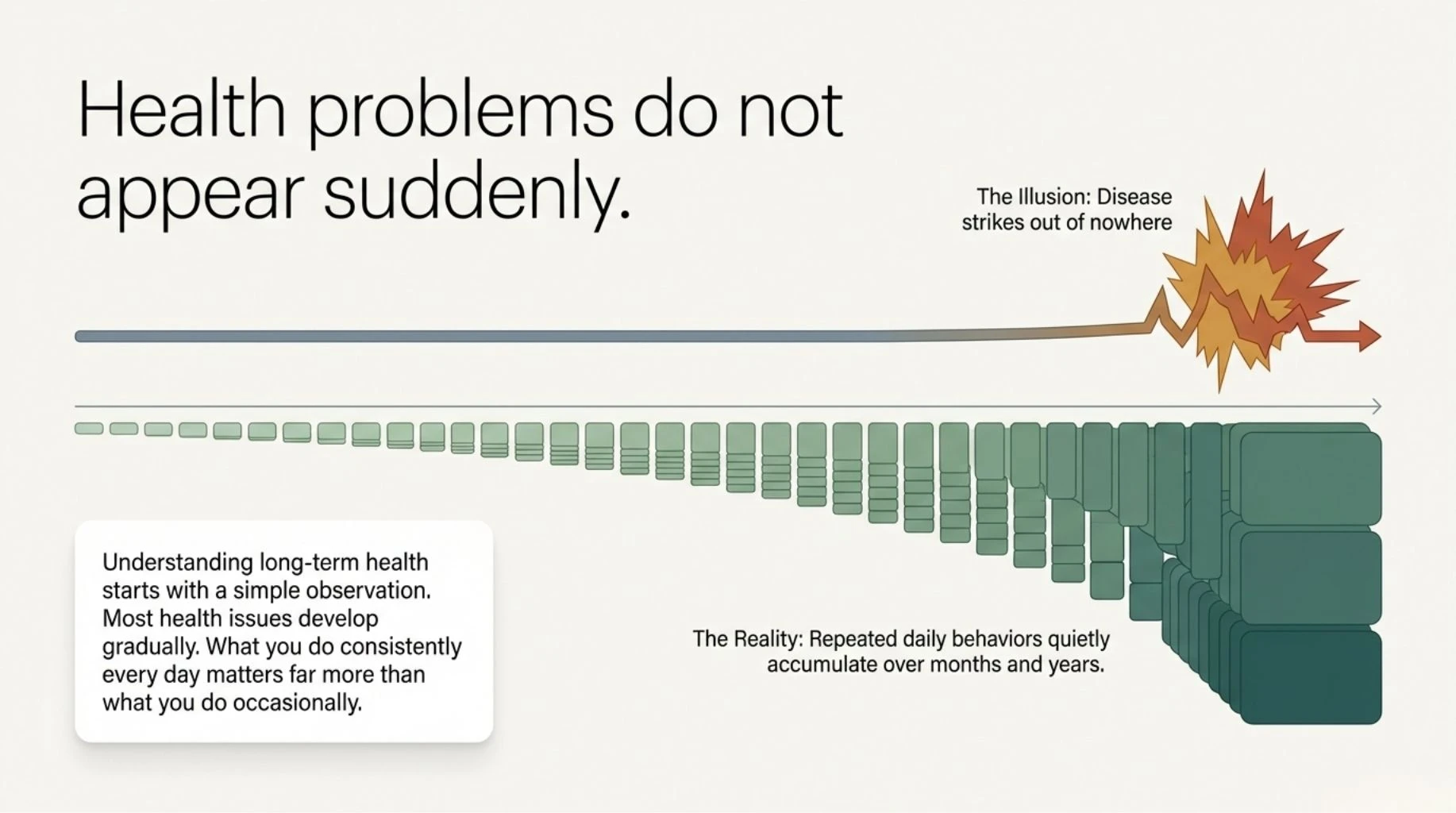
Understanding how small habits affect long term health starts with a simple observation. Most health problems do not appear suddenly. They develop gradually over time through repeated daily behaviors.
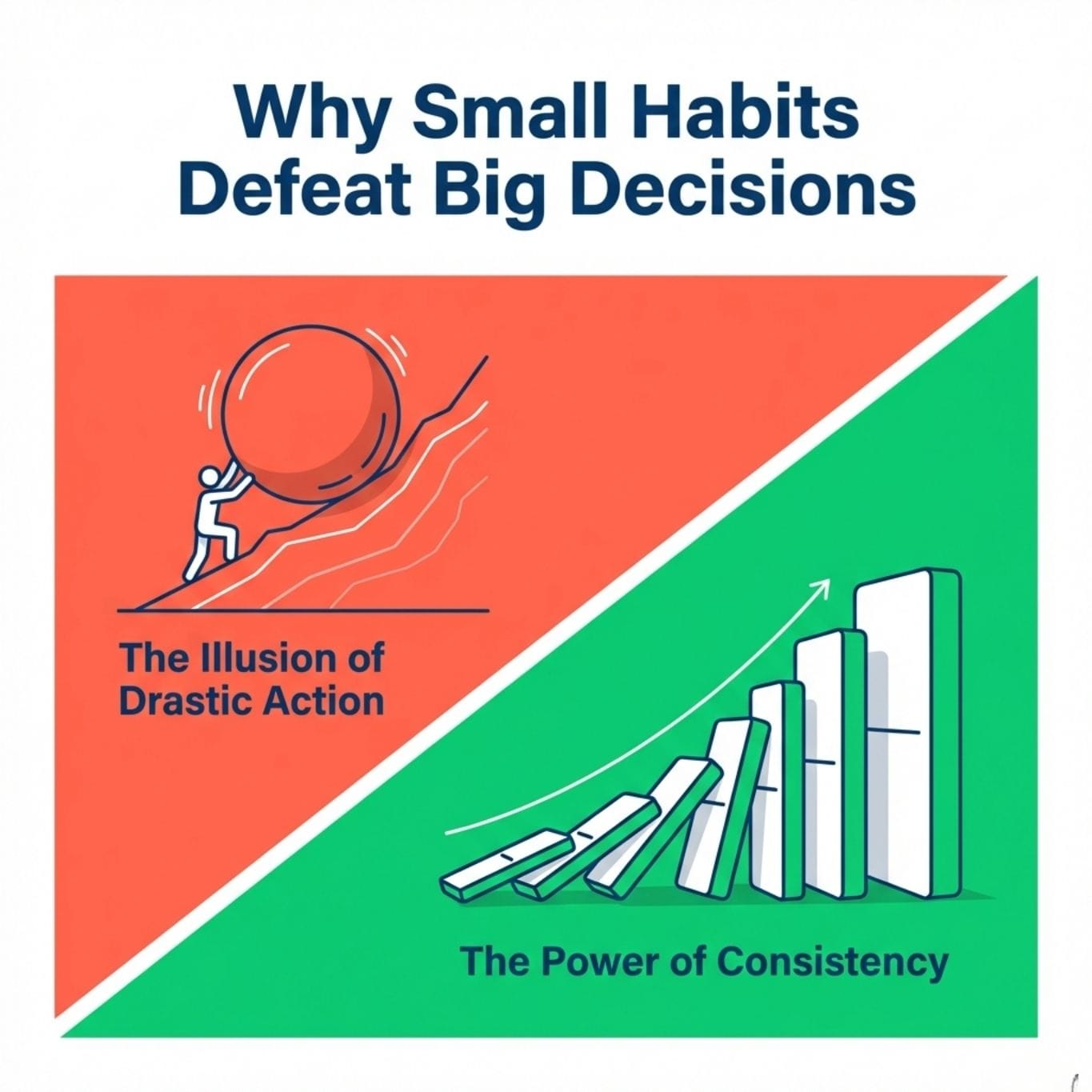
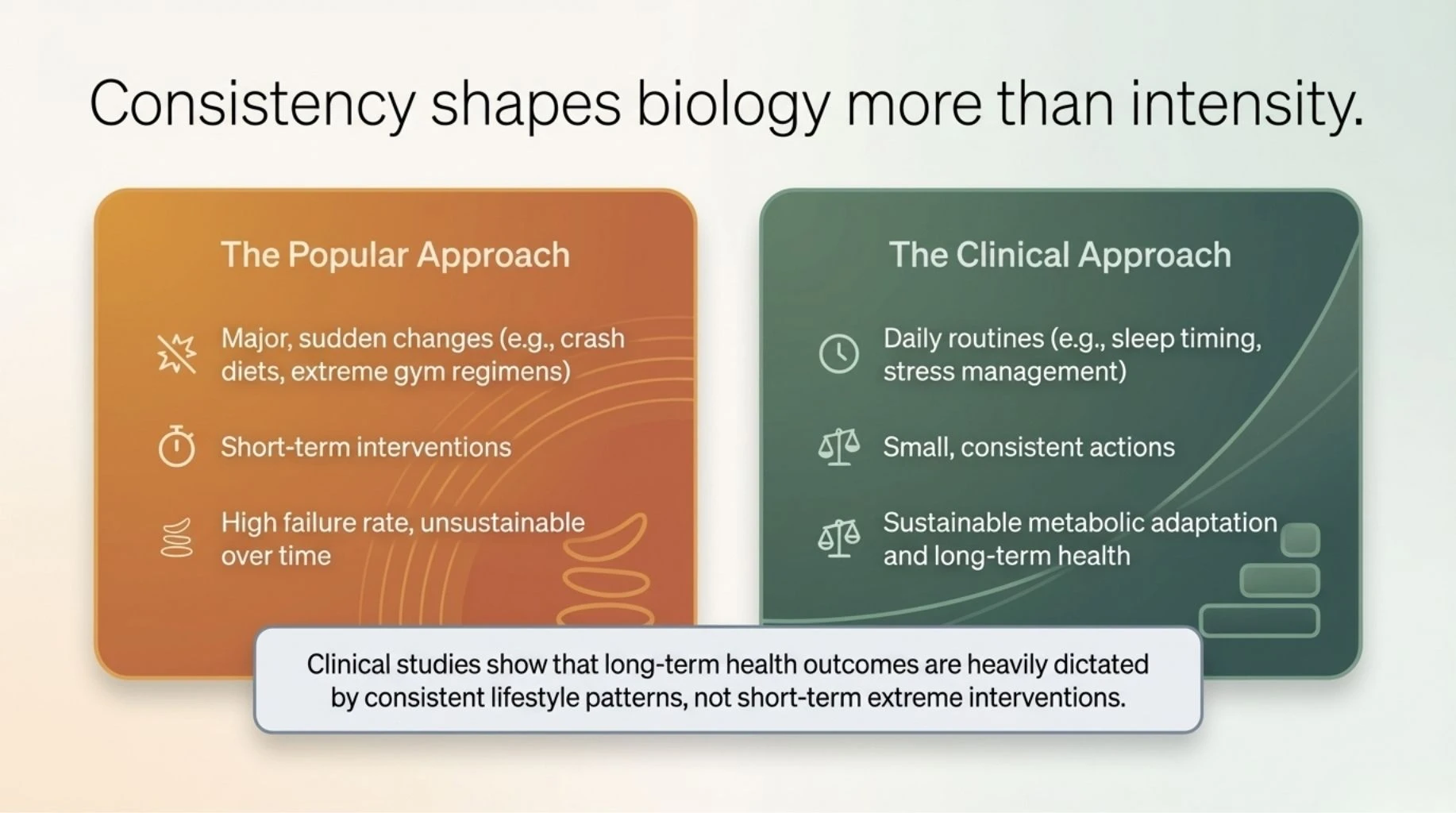
People often focus on major changes like starting a diet or joining a gym. However, what matters more is what you do consistently every day.
Small actions like how you sleep, what you eat, how often you move, and how you manage stress accumulate over time. These repeated behaviors slowly shape your metabolism and overall health.
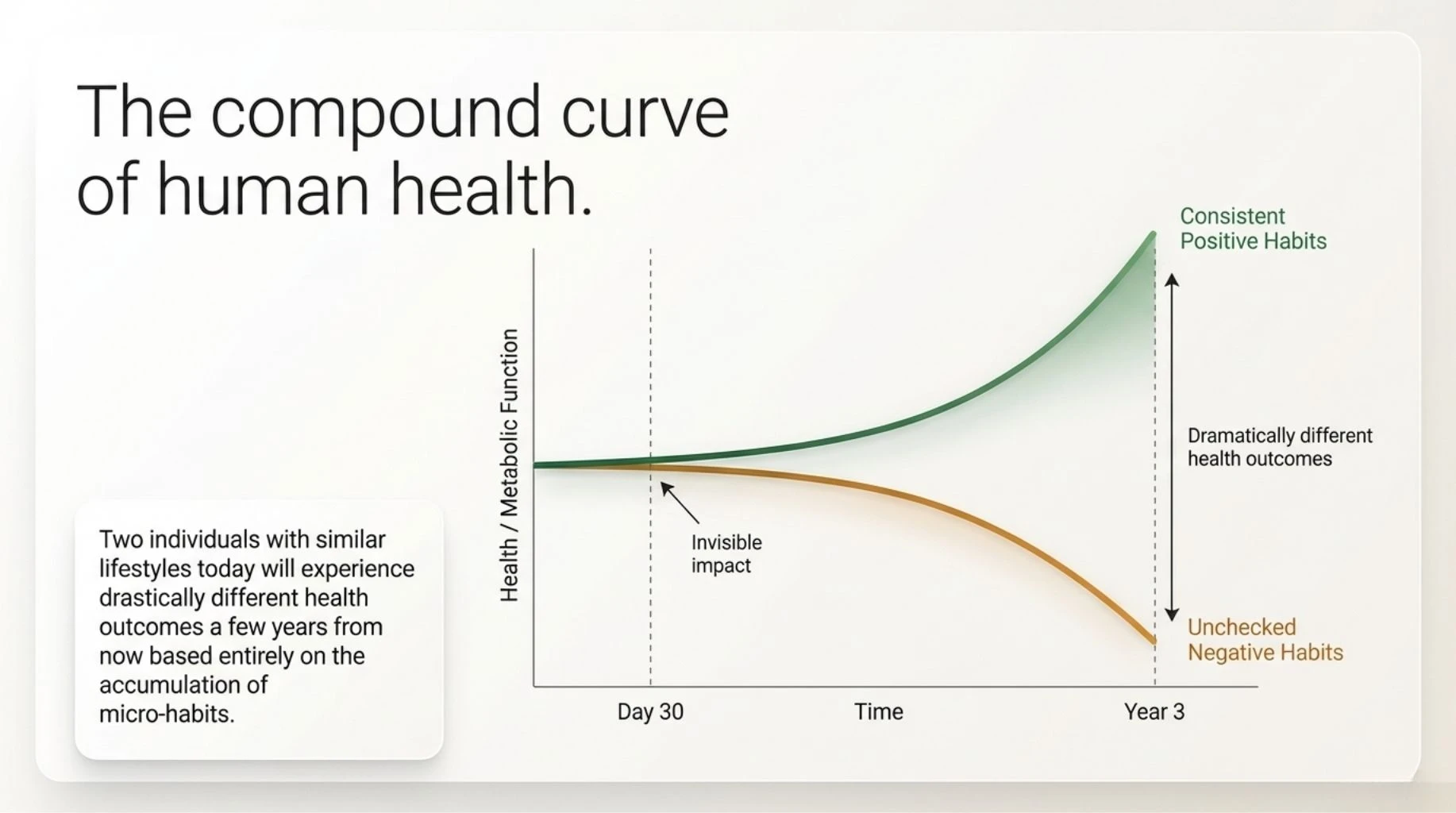
This is why two individuals with similar lifestyles today may have very different health outcomes after a few years. For a deeper understanding of structured lifestyle approaches, you can explore: About Dr. Pankaj Kumar.
The key point is that small habits are not insignificant. They are cumulative.
The Science Behind Habit Accumulation
To understand how small habits affect long term health, it is important to look at how the body responds to repeated behavior. The human body adapts continuously. Every repeated action sends signals that influence metabolism, hormone levels, and energy balance.
For example:
- Repeated overeating increases fat storage signals
- Regular physical activity improves insulin sensitivity
- Consistent sleep regulates hormonal balance
A study shows that long-term health outcomes are strongly influenced by consistent lifestyle patterns rather than short-term interventions. This explains why short-term changes often fail, while consistent small habits lead to sustainable results.
Daily Habits That Gradually Shape Your Health
To truly understand how small habits affect long term health, it helps to look at everyday behaviors that seem minor but have a significant cumulative effect.
These habits are often overlooked because their impact is not immediate. However, over months and years, they influence metabolism and disease risk.
- Sleep timing: Irregular sleep disrupts hormonal balance
- Eating patterns: Frequent snacking or late meals affect metabolism
- Physical activity: Low daily movement reduces calorie expenditure
- Stress management: Chronic stress alters hormone levels
A study highlights that consistent lifestyle behaviors play a critical role in determining long-term health outcomes.
How Small Habits Affect Metabolism Over Time
The reason how small habits affect long term health is so important lies in how these habits influence metabolism. Metabolism is not fixed. It adapts based on daily behavior.
For example:
- Repeated inactivity lowers metabolic rate
- Frequent high-calorie intake increases fat storage
- Poor sleep reduces insulin sensitivity
Over time, these small changes accumulate and lead to metabolic imbalance. A study confirms that long-term lifestyle patterns significantly affect metabolic health and disease risk.
Why People Ignore Small Habits
Despite understanding how small habits affect long term health, many people still ignore them. This happens for several reasons:
- The effects are not immediate
- There is no visible feedback in the short term
- People underestimate cumulative impact
- Focus is often on quick results rather than consistency
This leads to a common pattern where small unhealthy habits continue unchecked until noticeable health issues appear.
A study highlights that behavioral patterns are a major determinant of long-term disease risk.
Small Habits vs Long-Term Outcomes
| Daily Habit | Short-Term Effect | Long-Term Outcome |
|---|---|---|
| Late sleeping | Mild fatigue | Hormonal imbalance |
| Low activity | Low energy use | Weight gain |
| Frequent snacking | Extra calories | Metabolic dysfunction |
This table clearly shows how small daily behaviors translate into long-term health outcomes.
What I Recommend in Clinical Practice
Understanding how small habits affect long term health is only useful if you apply it practically. In clinical practice, long-term improvement does not come from drastic changes but from consistent, sustainable habits.
- Fix your sleep timing: Go to bed and wake up at consistent times
- Maintain regular meal patterns: Avoid frequent snacking and late-night eating
- Increase daily movement: Focus on activity throughout the day, not just workouts
- Manage stress actively: Include relaxation or breathing techniques
- Prioritize protein and balanced meals: Support metabolic health
- Stay consistent: Small improvements daily are more effective than occasional big efforts
- Track your habits: Awareness improves adherence
- Adjust gradually: Avoid extreme changes that are hard to sustain
For personalized guidance: Consultation Link.
Warning Signs That Your Habits Are Affecting Your Health
Even before major disease develops, small habit-related changes often show early warning signs:
- Persistent fatigue or low energy
- Gradual weight gain, especially around the abdomen
- Irregular sleep patterns
- Frequent cravings for sugary or processed foods
- Reduced focus and productivity
A clinical reference highlights that early lifestyle-related changes can progress to chronic disease if not addressed.
Key Takeaway
How small habits affect long term health is not about dramatic changes but about consistency. Small daily actions, whether positive or negative, accumulate over time and shape metabolism, energy levels, and disease risk. Focusing on simple, sustainable habits can create lasting health improvements.
References
- Lifestyle patterns and health outcomes
- Behavioral habits and long-term health
- Metabolic effects of lifestyle patterns
- Habit-based disease risk
- Clinical overview of lifestyle factors
Take the Next Step
This information is for educational purposes only and should not replace professional medical advice. Always consult a qualified doctor for personalized care.

Written by Dr. Pankaj Kumar
General & Lifestyle Physician in Dwarka Sector 6, New Delhi · MBBS, DNB (Family Medicine), DNHE · 16 years of experience.
About the doctor →Book a consultation → Beyond Blood Sugar
 The 90-Day Prediabetes Turnaround
 The Indian Diabetes Diet Reset
 Eat to Beat Gout
 Why Is My Hair Falling?
 The 30-Day Inflammation Reset