
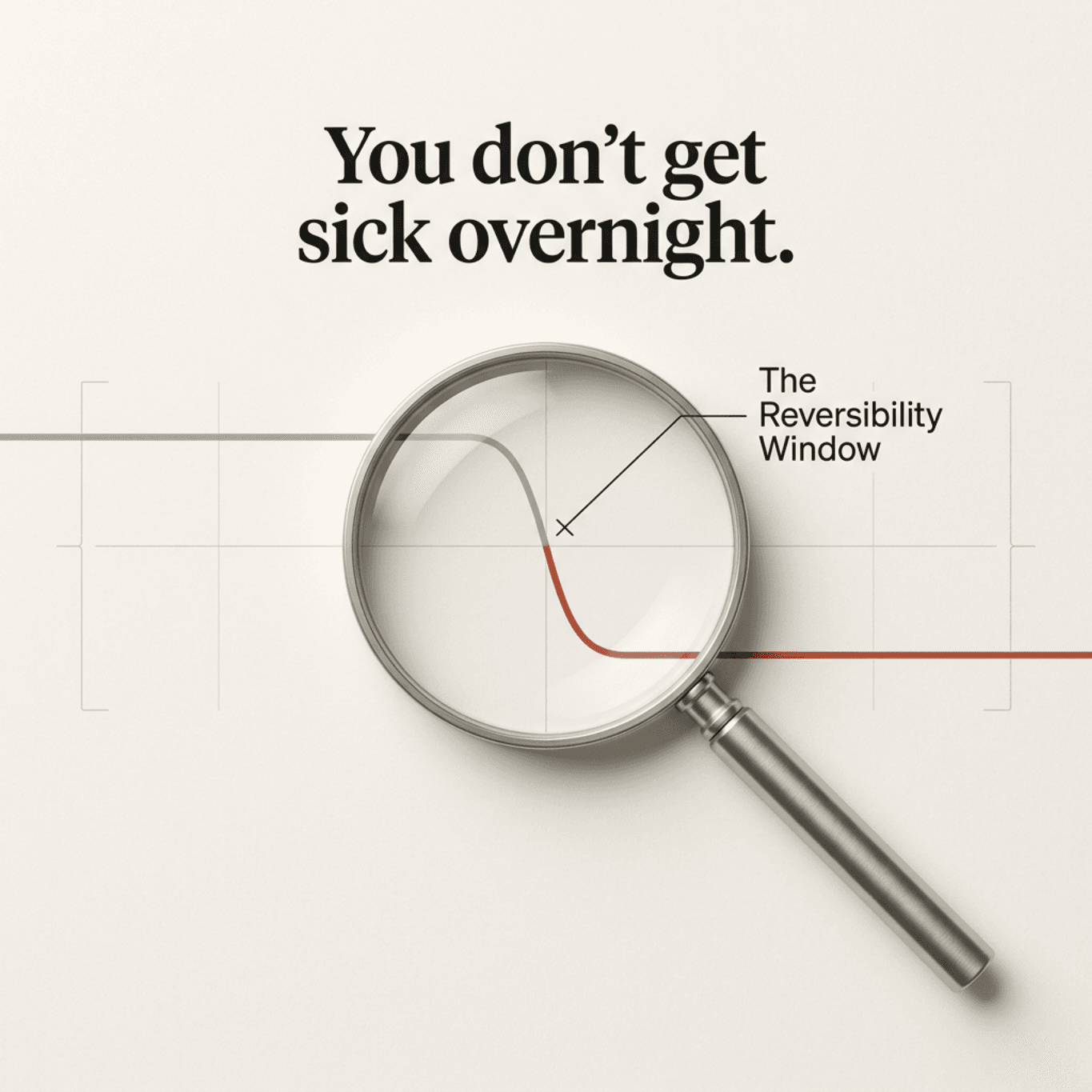
Why Chronic Diseases Are Becoming More Common
Understanding how to prevent chronic diseases early has become essential today. Conditions like diabetes, obesity, fatty liver, and hypertension are increasing rapidly, even in younger individuals.
One important reason is that these diseases do not appear suddenly. They develop gradually over time through small, repeated lifestyle patterns. Modern routines involve long sitting hours, irregular eating patterns, poor sleep, and high stress. These factors slowly disrupt metabolic balance.
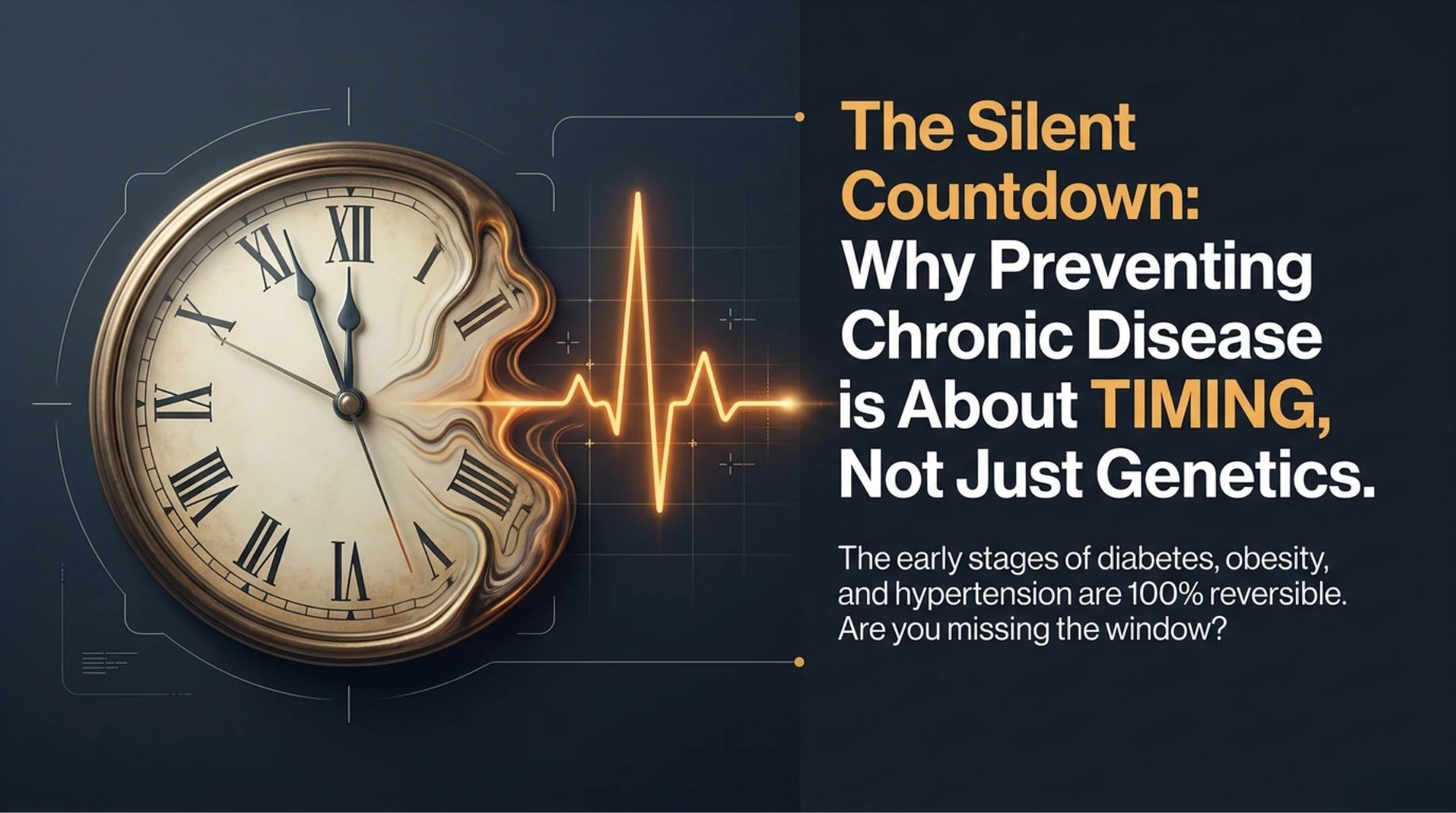
By the time symptoms appear, the disease may already be established. To understand structured prevention approaches, you can explore: About Dr. Pankaj Kumar.
How Chronic Diseases Develop Gradually
To fully understand how to prevent chronic diseases early, it is important to know how these conditions develop. Most chronic diseases begin with small metabolic changes:
- Gradual increase in blood sugar levels
- Slow accumulation of body fat
- Early hormonal imbalance
- Reduced insulin sensitivity
These changes often occur without noticeable symptoms. A study highlights that chronic diseases develop over years through gradual metabolic dysfunction. This slow progression is why early prevention is possible.
Why Early Stages of Chronic Diseases Are Often Reversible
A key reason how to prevent chronic diseases early is so effective lies in the reversibility of early-stage changes. In the initial phase, the body is still able to compensate and correct imbalances. Metabolic changes such as mild insulin resistance or early fat accumulation can often be reversed with proper lifestyle modification.
At this stage:
- Cells still respond to insulin effectively
- Hormonal systems can be rebalanced
- Fat accumulation can be reduced
A study confirms that early intervention significantly improves outcomes and can delay or prevent progression of chronic diseases.
Lifestyle Factors That Influence Disease Prevention
Understanding how to prevent chronic diseases early requires focusing on key lifestyle factors that influence metabolism. These factors are simple but powerful when applied consistently:
- Nutrition: Balanced meals with controlled calorie intake
- Physical activity: Regular movement throughout the day
- Sleep: Consistent and adequate sleep patterns
- Stress management: Reducing chronic stress levels
A study highlights that lifestyle modification plays a central role in preventing chronic metabolic diseases.
Real-Life Missed Opportunities for Early Prevention
In real life, many people miss the chance to apply how to prevent chronic diseases early because early signs are ignored. Common patterns include:
- Ignoring mild weight gain
- Dismissing fatigue as routine stress
- Skipping regular health checkups
- Continuing unhealthy habits without correction
These missed opportunities allow the disease to progress silently. A study emphasizes that early recognition of lifestyle-related changes can prevent disease progression.
Early Stage vs Late Stage Disease
| Stage | Condition | Outcome |
|---|---|---|
| Early Stage | Mild imbalance | Reversible |
| Late Stage | Established disease | Long-term management |
This clearly shows why early action plays a critical role in long-term health outcomes.
What I Recommend in Clinical Practice
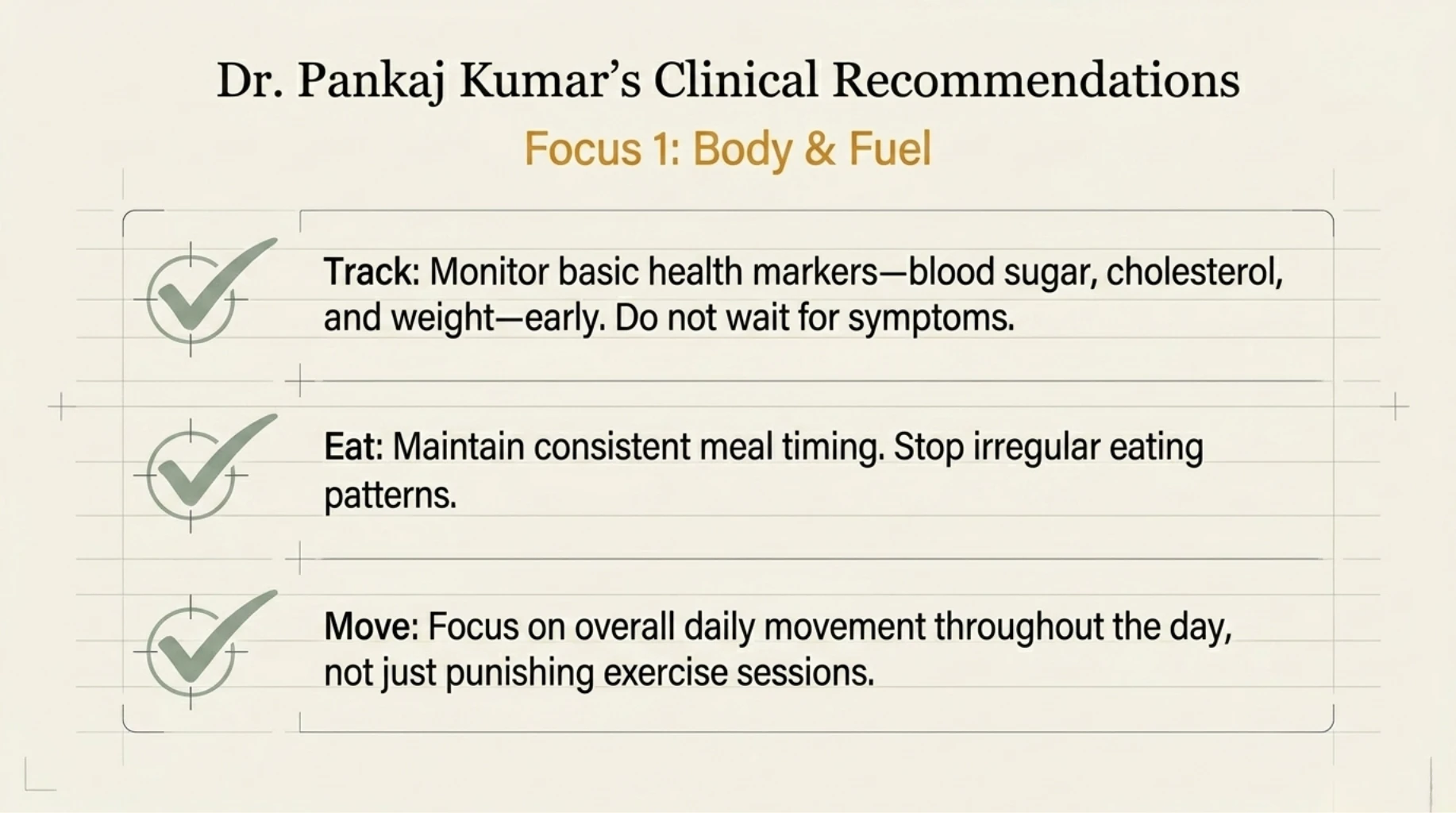
Understanding how to prevent chronic diseases early becomes meaningful only when applied consistently. In clinical practice, prevention is not about extreme changes but about building sustainable routines.
- Start early: Do not wait for symptoms to appear
- Track basic health markers: Blood sugar, cholesterol, and weight
- Maintain consistent meal timing: Avoid irregular eating patterns
- Increase daily movement: Focus on overall activity, not just exercise sessions
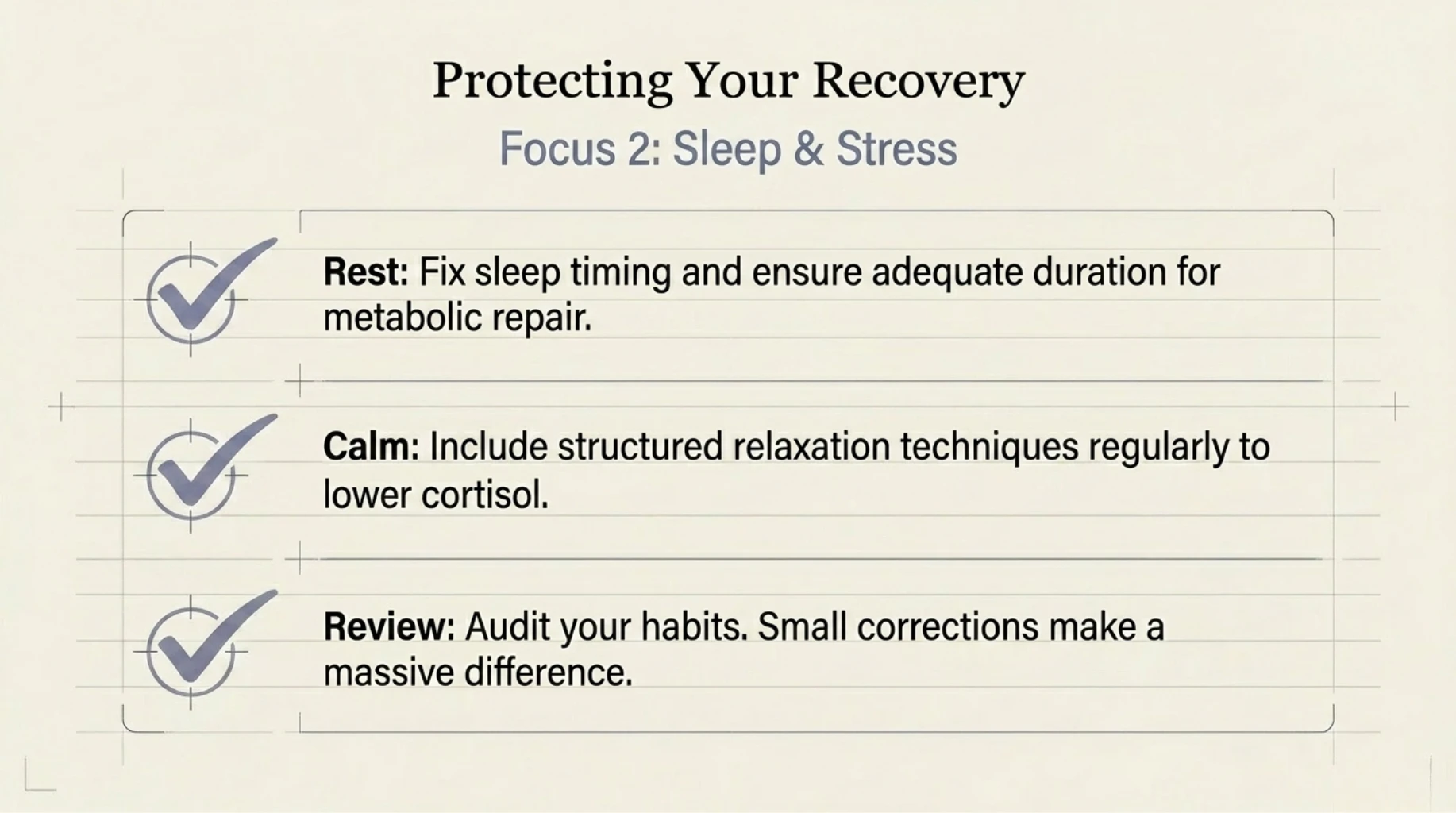
- Improve sleep quality: Fix sleep timing and duration
- Manage stress: Include relaxation techniques regularly
- Review your habits: Small corrections make a big difference
- Stay consistent: Long-term adherence is more important than short-term intensity
For personalized consultation: Consultation Link.
Warning Signs That Should Not Be Ignored
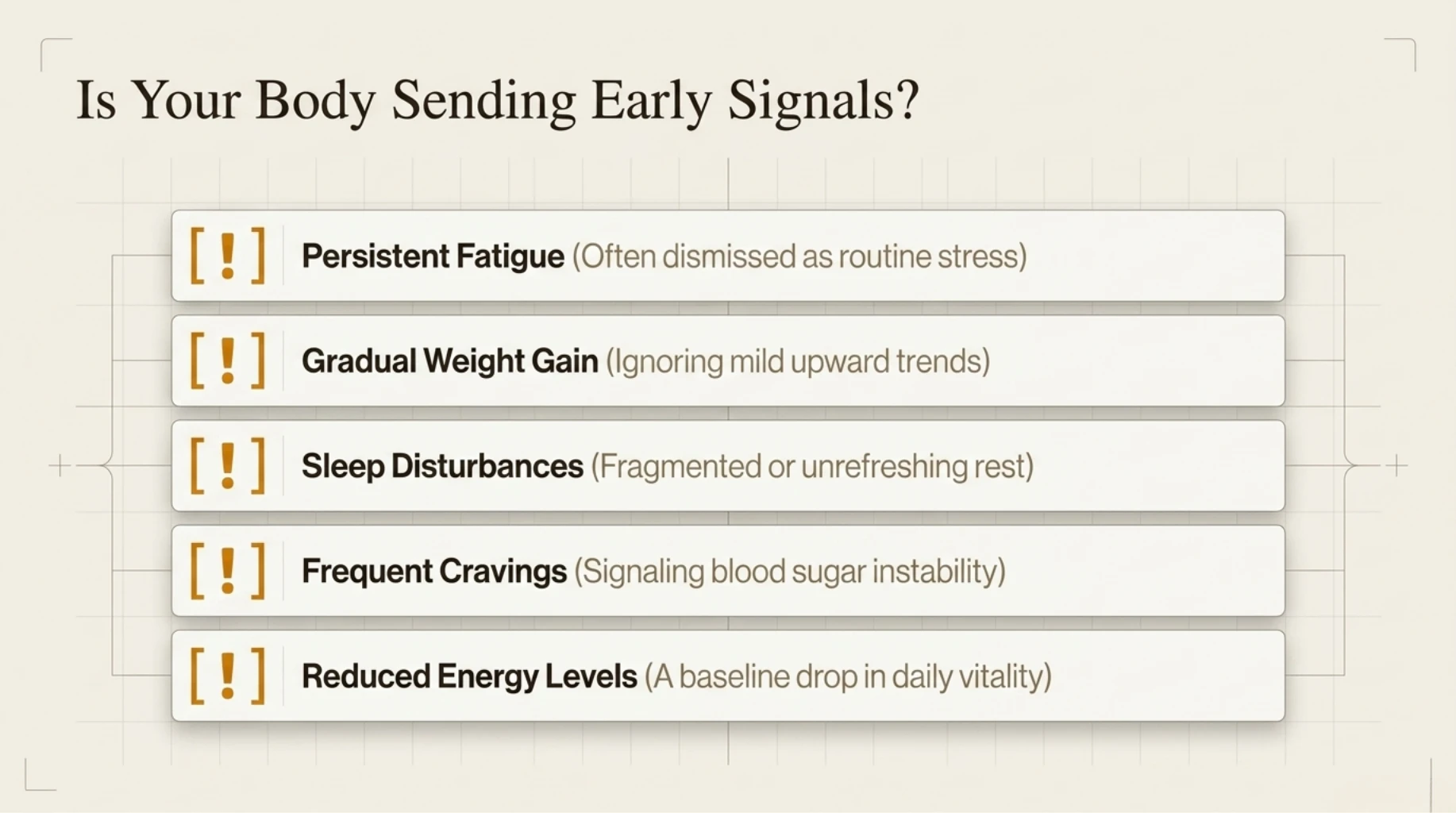
Even while focusing on prevention, certain signs indicate early imbalance and should not be ignored:
- Persistent fatigue
- Gradual weight gain
- Sleep disturbances
- Frequent cravings
- Reduced energy levels
A clinical reference highlights that early detection of metabolic imbalance improves long-term outcomes.
Key Takeaway
How to prevent chronic diseases early depends on timing and consistency. Most chronic conditions develop gradually and can be reversed or delayed if addressed early. Small, sustained lifestyle changes are the most effective way to protect long-term health.
References
- Chronic disease development study
- Early intervention benefits
- Lifestyle modification evidence
- Early prevention insights
- Clinical overview reference
Take the Next Step
This information is for educational purposes only and should not replace professional medical advice. Always consult a qualified doctor for personalized care.

Written by Dr. Pankaj Kumar
General & Lifestyle Physician in Dwarka Sector 6, New Delhi · MBBS, DNB (Family Medicine), DNHE · 16 years of experience.
About the doctor →Book a consultation → Beyond Blood Sugar
 The 90-Day Prediabetes Turnaround
 The Indian Diabetes Diet Reset
 Eat to Beat Gout
 Why Is My Hair Falling?
 The 30-Day Inflammation Reset