
Have you ever finished a meal, felt satisfied for a short period, and then found yourself feeling hungry again much sooner than expected?
Many people assume this happens simply because they did not eat enough food. While insufficient calorie intake can sometimes be a reason, persistent hunger is often influenced by several other factors including food quality, blood sugar regulation, sleep, stress, metabolic health, and eating habits.
Understanding why you feel hungry soon after eating is important because frequent hunger may not always reflect a true energy requirement. In many cases, it may indicate that appetite-regulating systems are not functioning optimally.

In clinical practice, I frequently see individuals who struggle with constant hunger despite eating regular meals. Many of them are surprised to discover that the problem is not simply about quantity of food but also about how their body processes, utilizes, and responds to what they eat.
How Hunger Is Normally Regulated
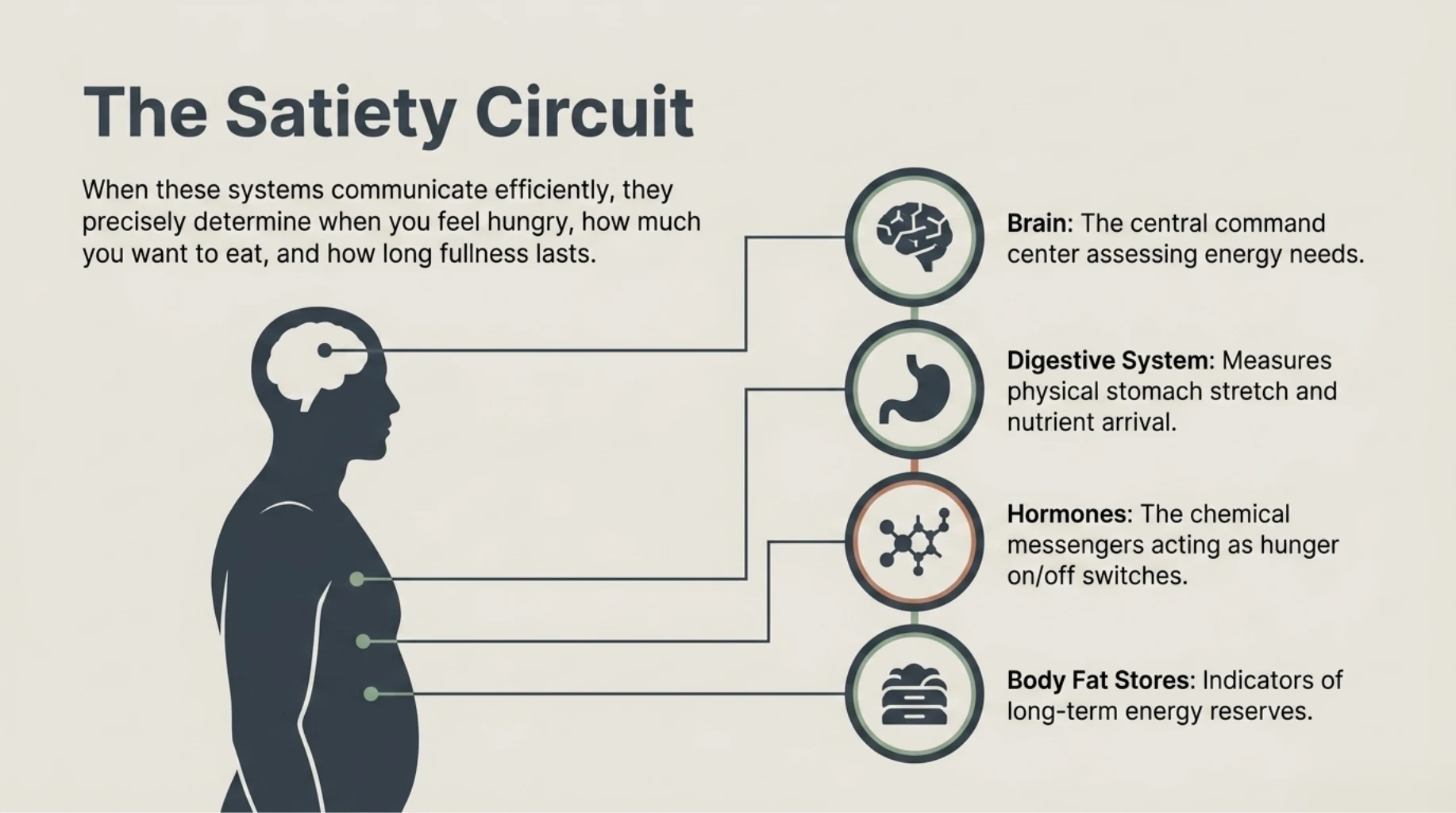
Hunger is controlled through a complex interaction between the brain, digestive system, hormones, blood sugar regulation, and body fat stores.
Several systems continuously communicate to determine:
- When you feel hungry
- When you feel satisfied
- How much food you want to eat
- How long fullness lasts after a meal
When these systems function efficiently, appetite remains relatively balanced.
However, modern lifestyles often disrupt these regulatory mechanisms, making persistent hunger increasingly common.
Hidden Reason 1: Your Meal May Be Low in Protein
Protein is one of the most important nutrients for satiety. Compared with refined carbohydrates, protein generally helps people feel fuller for longer periods after eating.
Many modern meals contain:
- Refined carbohydrates
- Sugary foods
- Processed snacks
- Low-quality convenience foods
while providing relatively little protein. As a result, the meal may deliver calories without creating lasting satiety.
Many individuals who feel hungry soon after eating notice significant improvement when meals contain adequate protein sources such as pulses, dairy products, eggs, fish, chicken, soy products, or other protein-rich foods.
Hidden Reason 2: Refined Carbohydrates Cause Rapid Hunger Return
Foods made primarily from refined carbohydrates are often digested quickly.
Examples include:
- Sugary snacks
- Sweet beverages
- Bakery products
- Refined flour-based foods
- Highly processed breakfast cereals
These foods may produce a rapid rise in blood sugar followed by a relatively quick decline.
When this happens, many individuals experience:
- Early return of hunger
- Food cravings
- Low energy
- Desire for more snacks
This cycle can contribute to overeating and weight gain over time. This is one of the most common explanations for why people feel hungry soon after eating.
Hidden Reason 3: Fiber Intake May Be Too Low
Fiber plays a major role in appetite regulation. Foods rich in fiber generally take longer to digest and often promote a greater feeling of fullness.
Unfortunately, many modern diets are relatively low in fiber because they contain limited amounts of:
- Vegetables
- Fruits
- Legumes
- Whole grains
- Nuts and seeds
Low-fiber meals may leave individuals feeling less satisfied despite adequate calorie intake. This is another reason why hunger may return surprisingly quickly after eating.
Why Hunger Is Not Always a Sign of Energy Deficiency
Many people assume that feeling hungry automatically means the body requires more calories. However, appetite is influenced by much more than energy needs alone.
Hormones, sleep quality, stress levels, food composition, insulin sensitivity, and eating patterns all influence hunger signals.
As a result, individuals may feel hungry even when their energy requirements have already been met. This helps explain why some people continue struggling with hunger despite eating relatively large meals.
Why Modern Lifestyles Make Hunger Harder to Control
Several aspects of modern living make appetite regulation more challenging:
- Processed foods
- Poor sleep quality
- Stress overload
- Sedentary lifestyles
- Irregular meal timing
- Frequent snacking
These factors often interact with one another, making hunger regulation increasingly difficult.
Understanding why you feel hungry soon after eating is the first step toward identifying the habits that may be driving persistent appetite and cravings.
Hidden Reason 4: Poor Sleep Can Increase Hunger Significantly
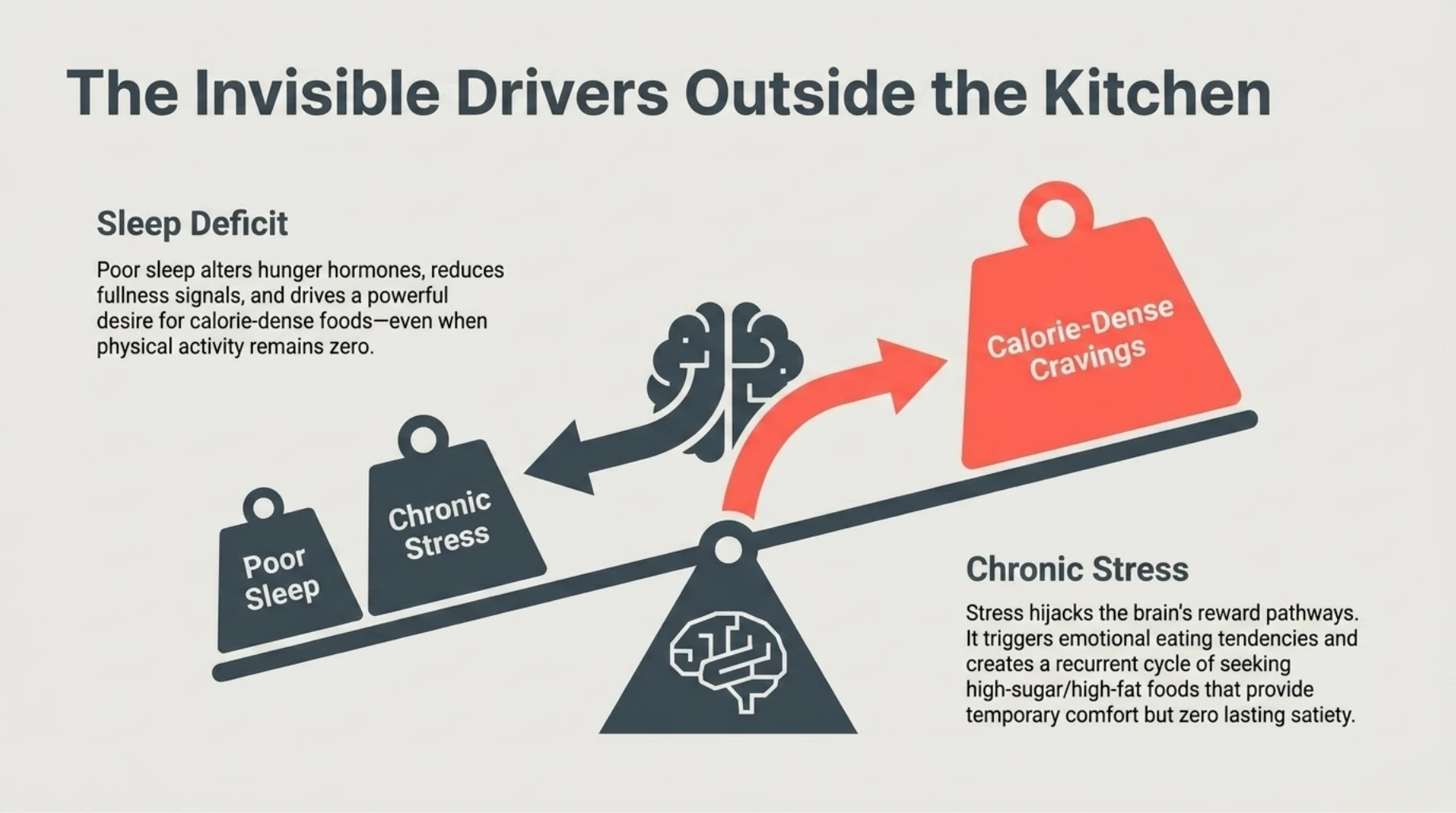
One of the most overlooked causes of persistent hunger is poor sleep quality. Many people focus entirely on diet while ignoring the powerful effect that sleep has on appetite regulation.
Sleep influences several hormones involved in hunger and satiety. When sleep becomes inadequate or poor in quality, the body often experiences:
- Increased hunger signals
- Stronger cravings
- Reduced satiety
- Greater desire for calorie-dense foods
This is why many individuals notice that they feel hungrier after a poor night’s sleep even when their physical activity level has not increased.
Over time, chronic sleep disturbance can make appetite control much more difficult. This is another important reason why people feel hungry soon after eating.
Hidden Reason 5: Chronic Stress Can Trigger Appetite Changes
The relationship between stress and hunger is highly individual. Some people eat less during stressful periods, while others experience significantly increased appetite.
Chronic stress may affect:
- Appetite-regulating hormones
- Food cravings
- Emotional eating tendencies
- Reward pathways in the brain
As a result, many individuals develop stronger cravings for foods that are high in sugar, fat, or refined carbohydrates.
These foods often provide temporary comfort but rarely produce long-lasting satiety. This can create a cycle of frequent eating followed by recurrent hunger.
Hidden Reason 6: Insulin Resistance May Affect Hunger Signals
Insulin resistance is commonly associated with prediabetes, abdominal obesity, and metabolic syndrome. However, many people do not realize that it may also influence appetite regulation.
When insulin sensitivity declines:
- Blood sugar regulation becomes less efficient
- Energy utilization may become impaired
- Cravings may increase
- Hunger may return sooner
Many individuals with insulin resistance report:
- Frequent snacking
- Strong carbohydrate cravings
- Difficulty staying satisfied between meals
- Weight gain despite repeated dieting attempts
This helps explain why appetite control often becomes easier when overall metabolic health improves.
Hidden Reason 7: Poor Gut Health May Influence Hunger
The digestive system and the brain communicate continuously through what is often called the gut-brain axis.
Gut health influences:
- Appetite regulation
- Satiety signaling
- Food cravings
- Metabolic health
When gut health becomes compromised, some individuals may notice changes in hunger patterns and digestive comfort.
Although appetite is influenced by many factors, gut health is increasingly recognized as an important contributor to long-term appetite regulation.
Emotional Eating Can Be Mistaken for Hunger
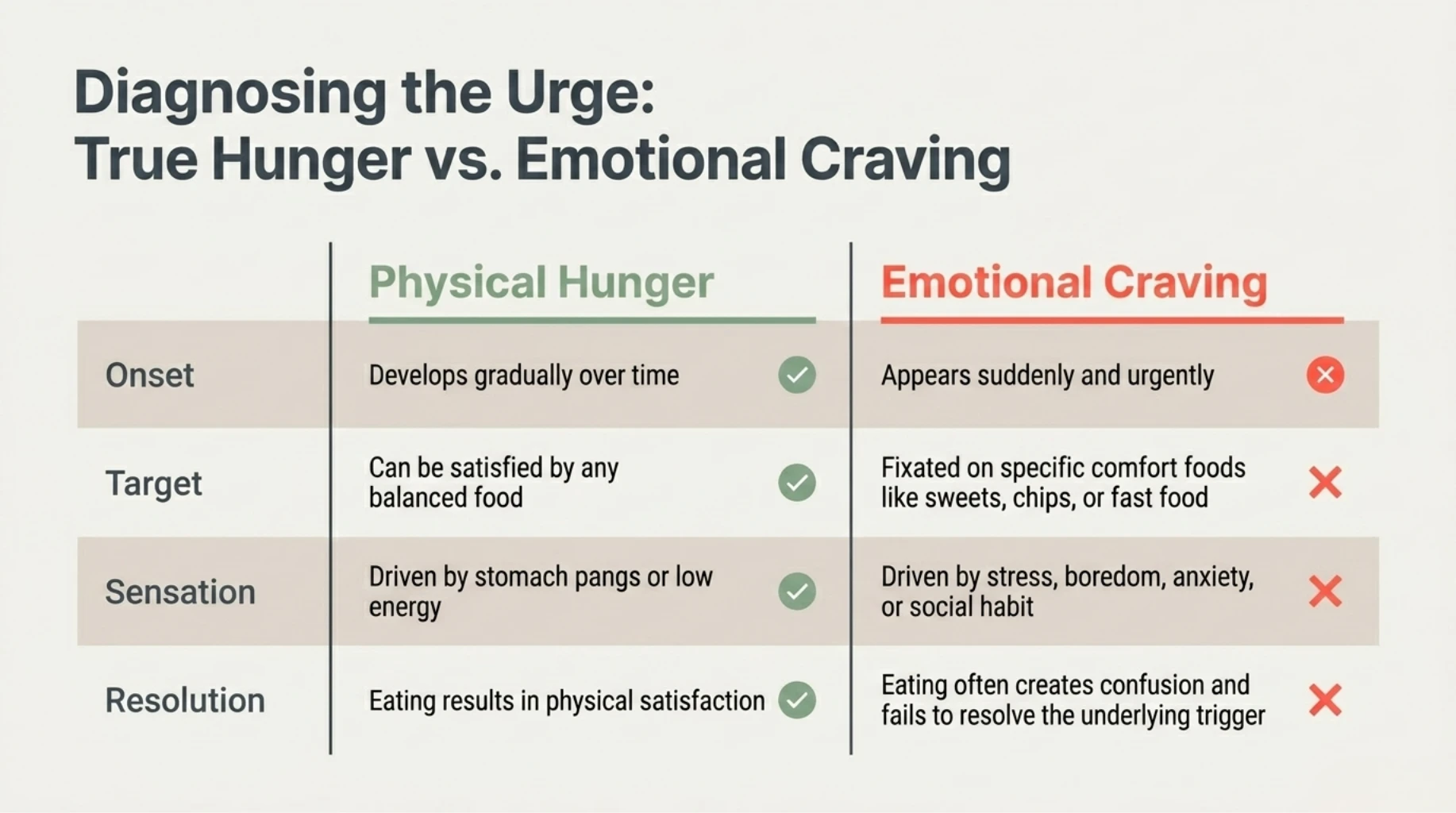
Not all eating is driven by physiological hunger.
Many people eat because of:
- Stress
- Boredom
- Anxiety
- Habit
- Social situations
Emotional eating often creates confusion because it can feel similar to physical hunger. However, emotional hunger tends to appear suddenly and often focuses on specific comfort foods rather than balanced meals.
Learning to recognize the difference between true hunger and emotional eating can significantly improve appetite control.
Why Liquid Calories Often Fail to Satisfy Hunger
Many modern diets contain a substantial amount of calories from beverages.
Examples include:
- Sugary drinks
- Sweetened coffee beverages
- Fruit juices
- Energy drinks
- Milkshake-style drinks
As a result, individuals may consume large amounts of energy while still feeling hungry relatively soon afterward. This contributes to both persistent hunger and excess calorie intake.
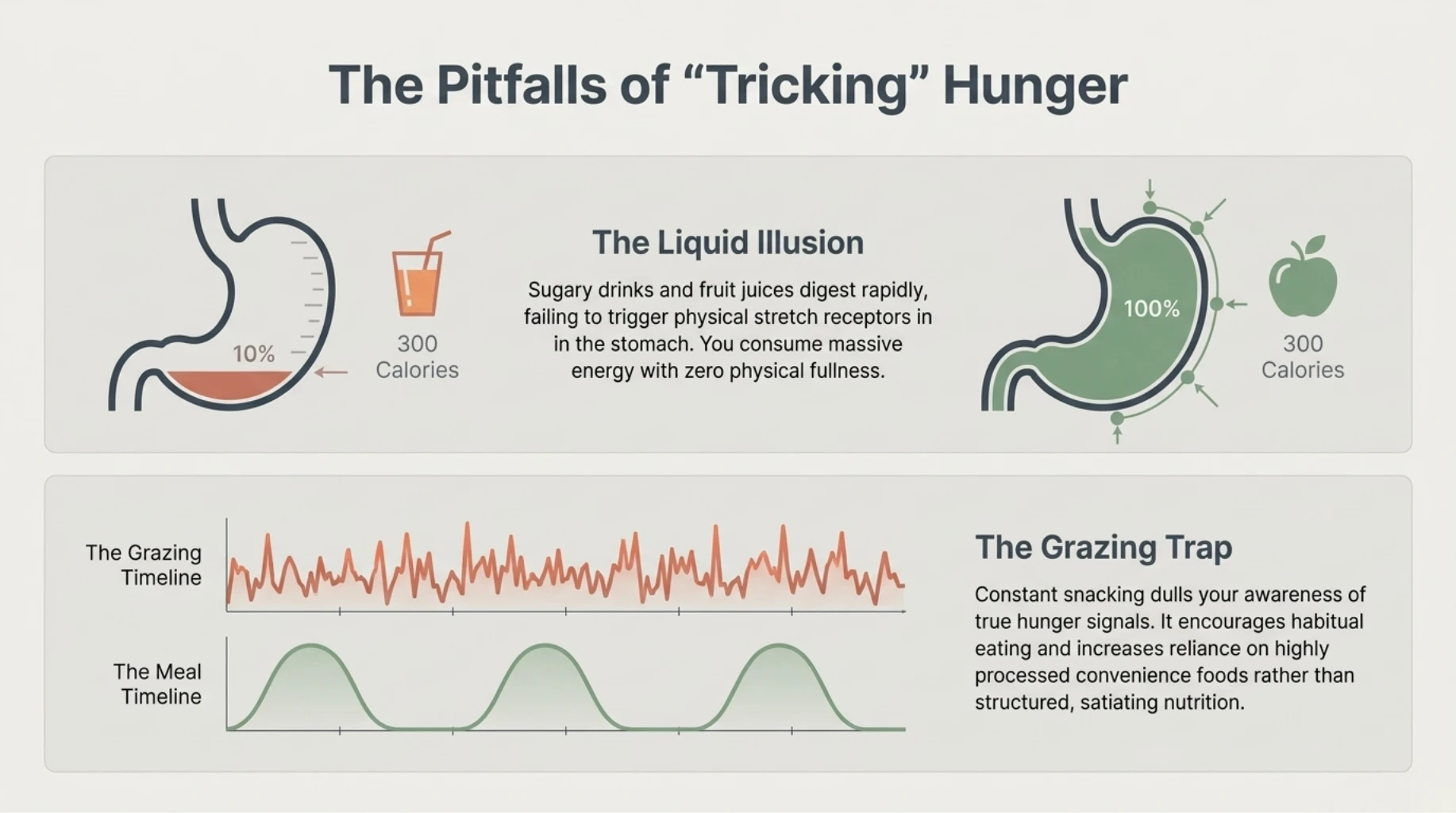
Why Frequent Snacking Can Sometimes Increase Hunger
Many people believe eating frequently automatically improves appetite control. However, constant grazing throughout the day may sometimes make hunger regulation more difficult.
Frequent snacking may:
- Encourage habitual eating
- Reduce awareness of true hunger signals
- Promote excess calorie intake
- Increase reliance on processed snack foods
For some individuals, structured meals with balanced nutrition provide better satiety than continuous snacking.
Why Persistent Hunger Should Not Always Be Ignored
Occasional increased hunger is normal during periods of growth, increased physical activity, illness recovery, or significant lifestyle change.
However, persistent hunger despite regular eating may sometimes reflect:
- Poor dietary quality
- Sleep problems
- Stress overload
- Insulin resistance
- Metabolic dysfunction
- Lifestyle imbalance
This is why understanding the cause of hunger is often more important than simply trying to suppress it.
How to Stay Full Longer and Reduce Frequent Hunger
The good news is that persistent hunger often improves significantly when the factors driving appetite dysregulation are addressed.
The goal is not eliminating hunger completely. Hunger is a normal biological signal. The objective is improving appetite regulation so that meals provide lasting satiety and energy rather than triggering repeated cravings shortly afterward.
Understanding why you feel hungry soon after eating helps identify the habits that may be disrupting normal hunger signals.
Prioritize Protein at Every Meal
Protein is one of the most effective nutrients for promoting satiety. Compared with many highly processed foods, protein-rich meals generally help people feel fuller for longer periods.
Good protein sources include:
- Eggs
- Fish
- Chicken
- Curd and Greek yogurt
- Paneer
- Soy products
- Pulses and legumes
Many individuals who struggle with persistent hunger discover that their meals contain plenty of calories but insufficient protein. Improving protein intake often reduces hunger significantly.
Increase Fiber Intake
Fiber slows digestion and contributes to a greater feeling of fullness after meals. A high-fiber meal generally remains satisfying for longer than a low-fiber meal with similar calories.
Helpful fiber-rich foods include:
- Vegetables
- Fruits
- Beans
- Lentils
- Whole grains
- Nuts and seeds
Increasing fiber intake gradually often improves appetite control and digestive health simultaneously.
Reduce Refined Carbohydrates and Sugary Foods
Highly processed foods frequently create a cycle of temporary satisfaction followed by early hunger return.
Examples include:
- Sugary beverages
- Bakery products
- Candies
- Refined snack foods
- Highly processed breakfast cereals
Replacing these foods with more balanced meals often helps stabilize appetite and energy levels throughout the day. This is particularly important for individuals who experience strong cravings between meals.
Improve Sleep Quality
Sleep and appetite are closely connected. Poor sleep often increases hunger and cravings even when calorie needs have not changed.
Helpful sleep-supportive habits include:
- Maintaining consistent sleep timing
- Reducing late-night screen exposure
- Avoiding heavy meals immediately before bed
- Creating a regular bedtime routine
Many individuals notice better appetite control after improving sleep quality.
Manage Stress More Effectively
Stress frequently drives overeating and emotional eating. When stress remains elevated for prolonged periods, many people find themselves reaching for convenient comfort foods even when they are not physically hungry.
Helpful stress-management strategies include:
- Regular physical activity
- Outdoor movement
- Adequate sleep
- Improved work-life balance
- Structured relaxation time
Reducing stress often improves both appetite regulation and food choices.
Stay Physically Active
Physical activity helps regulate metabolism, insulin sensitivity, appetite signals, and overall energy balance.
Regular movement supports:
- Blood sugar stability
- Metabolic health
- Weight management
- Appetite regulation
Even simple habits such as daily walking may help improve hunger control over time.
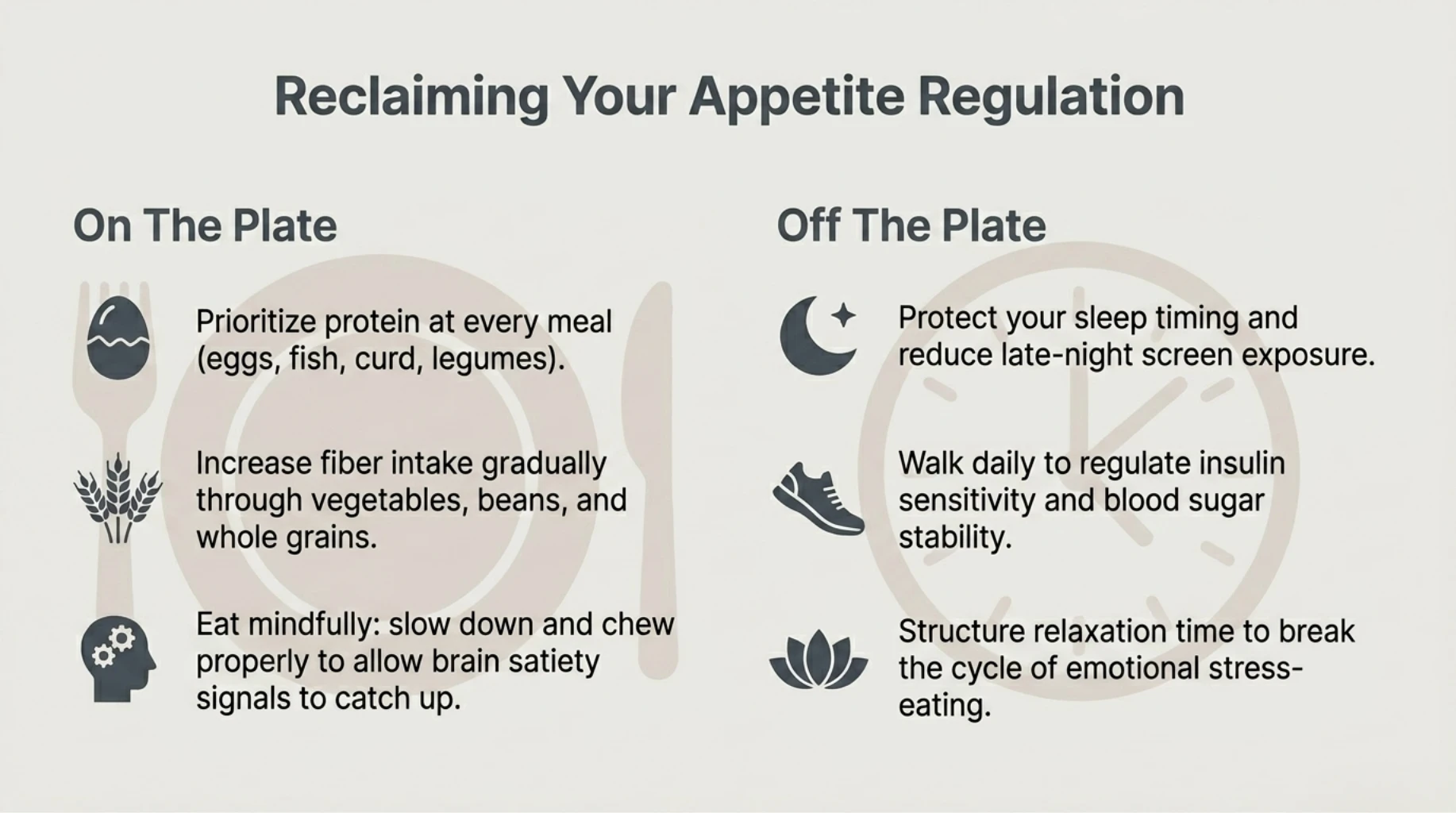
Eat Mindfully Rather Than Quickly
Fast eating often reduces awareness of satiety signals. The brain requires time to process signals indicating fullness.
When meals are eaten very quickly:
- Overeating becomes easier
- Satisfaction may feel incomplete
- Hunger may return sooner
Slowing down meals, chewing properly, and minimizing distractions while eating may improve satiety significantly.
Recognize the Difference Between Hunger and Cravings
One of the most useful skills for appetite management is learning to distinguish physical hunger from cravings. True hunger usually develops gradually and can be satisfied with a variety of foods.
Cravings often appear suddenly and tend to focus on specific foods such as sweets, chips, desserts, or fast food. Recognizing this difference helps reduce unnecessary eating and improves long-term appetite control.
Focus on Long-Term Habits Rather Than Quick Fixes
Many appetite-control supplements, detoxes, and restrictive diets promise rapid results.
However, lasting appetite regulation usually depends on:
- Balanced nutrition
- Adequate protein
- Sufficient fiber
- Healthy sleep
- Stress management
- Regular physical activity
Small sustainable improvements often produce much better long-term results than temporary restrictive approaches.
You can explore a structured lifestyle approach here:
Lifestyle Modification Program
Meal Type vs Hunger Response
| Meal Type | Effect on Hunger | Outcome |
|---|---|---|
| High Sugar Meal | Quick spike and drop | Early hunger |
| Balanced Meal | Stable glucose levels | Sustained fullness |
This comparison highlights why meal quality matters more than quantity alone.
Key Take-Home Messages
- Feeling hungry soon after eating is not always caused by insufficient food intake
- Low protein and low fiber meals commonly reduce satiety
- Poor sleep, chronic stress, and insulin resistance can increase hunger signals
- Gut health and appetite regulation are closely connected
- Long-term appetite control depends on overall lifestyle and metabolic health
Final Thoughts
Understanding why you feel hungry soon after eating helps explain that appetite is influenced by much more than willpower or calorie intake alone.
Food quality, sleep, stress, gut health, insulin sensitivity, and lifestyle habits all contribute to hunger regulation. When these systems become imbalanced, persistent hunger and cravings often become more common.
The earlier healthy eating and lifestyle habits are introduced, the easier it becomes to improve satiety, reduce cravings, support weight management, and protect long-term metabolic health.
If you want a personalized metabolic and nutrition assessment, you can book a consultation here:
Book an Appointment
Disclaimer: This article is for educational purposes only and should not replace medical advice. Individual treatment should be based on clinical evaluation.

Written by Dr. Pankaj Kumar
General & Lifestyle Physician in Dwarka Sector 6, New Delhi · MBBS, DNB (Family Medicine), DNHE · 16 years of experience.
About the doctor →Book a consultation → Beyond Blood Sugar
 The 90-Day Prediabetes Turnaround
 The Indian Diabetes Diet Reset
 Eat to Beat Gout
 Why Is My Hair Falling?
 The 30-Day Inflammation Reset