
If you are searching for a weight management doctor in Dwarka, you may already have tried several approaches: eating less, avoiding rice, joining a gym, following an online diet or using a weight-loss supplement.
Perhaps your weight reduced temporarily and then returned. Perhaps the scale barely changed despite considerable effort. Or your main concern is increasing waist size, rising blood sugar, fatty liver or declining strength rather than weight alone.
A useful medical consultation should help explain these patterns. Before deciding what treatment you need, the doctor should understand your weight history, health conditions, medicines, eating habits, activity, sleep and previous attempts.
The outcome should be a clear assessment and an individual plan, including whether investigations, nutrition support, prescription treatment or specialist referral are appropriate.
This article explains what adults can reasonably expect from a proper weight assessment and how to prepare for the consultation.
What should the assessment achieve? It should identify the health effects associated with excess weight, factors contributing to weight change, barriers to treatment and a safe starting plan. The number on the scale is one part of that assessment.

Why See a Weight Management Doctor in Dwarka?
Medical assessment becomes particularly useful when weight concerns occur alongside diabetes, high blood pressure, thyroid symptoms, fatty liver, sleep problems, menstrual changes or medicine-related weight gain.
It can also help after repeated weight regain, when a previous plan caused weakness, or when you are considering prescription treatment.
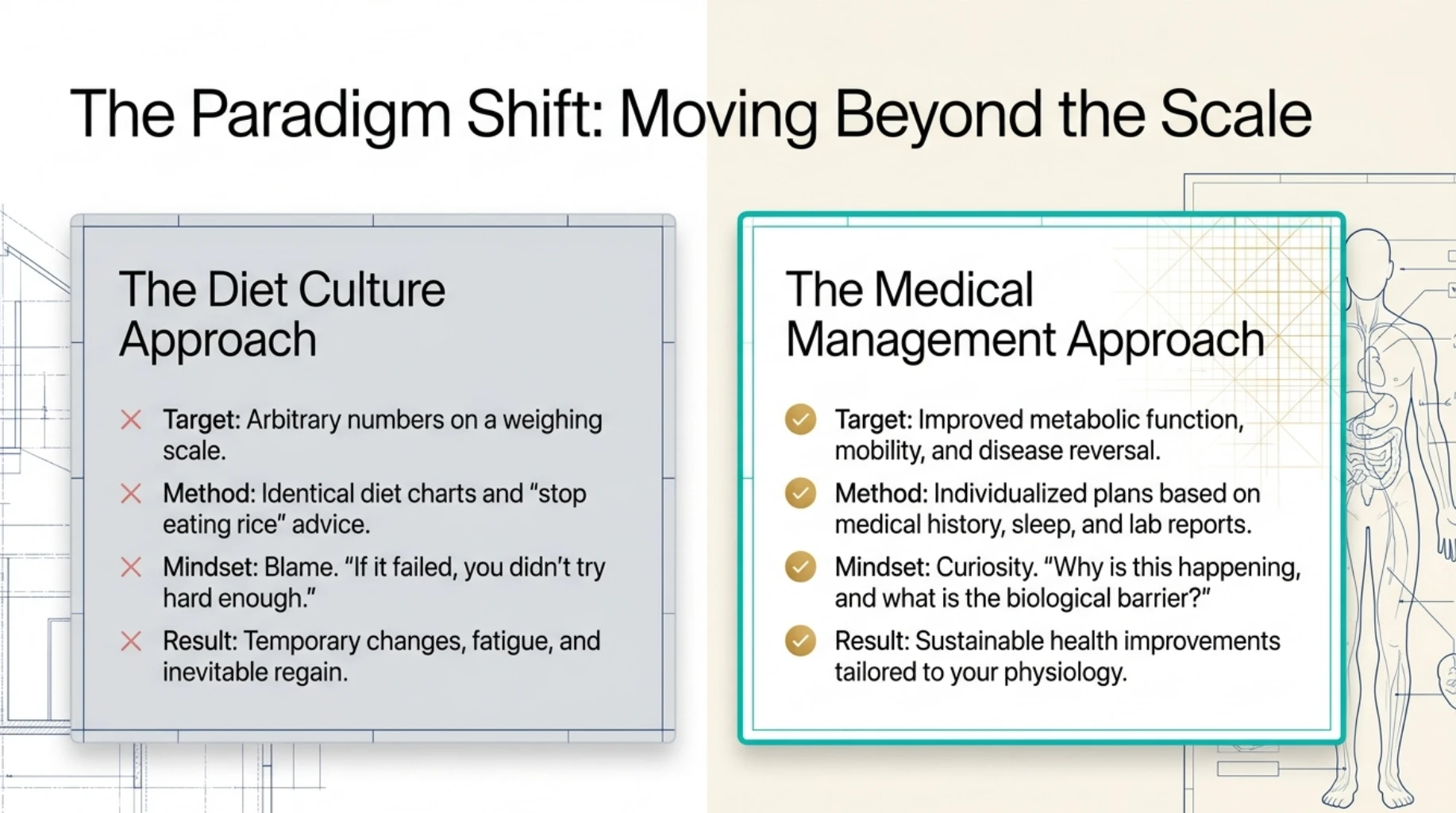
For example, two people with the same weight may need different approaches. One may have knee pain that limits walking and takes medicines affecting appetite. Another may work night shifts, sleep irregularly and eat most of the day’s food late at night.
Giving both people an identical diet chart would leave important parts of their situation unaddressed.
What Should a Weight Management Doctor in Dwarka Assess First?
The consultation should begin with your main concern and permission to discuss weight. Some people want help with mobility or diabetes risk; others are concerned about hunger, repeated dieting or changes after pregnancy or menopause.
A respectful discussion helps establish goals without assuming that every symptom results from body weight. New breathlessness, unexplained fatigue or sudden swelling still needs assessment on its own merits.
Tell the doctor what you hope to improve. “I want to climb stairs more comfortably” or “I want to understand my rising HbA1c” can be more useful starting points than choosing an arbitrary target weight.
1. Your Weight History and Previous Treatment
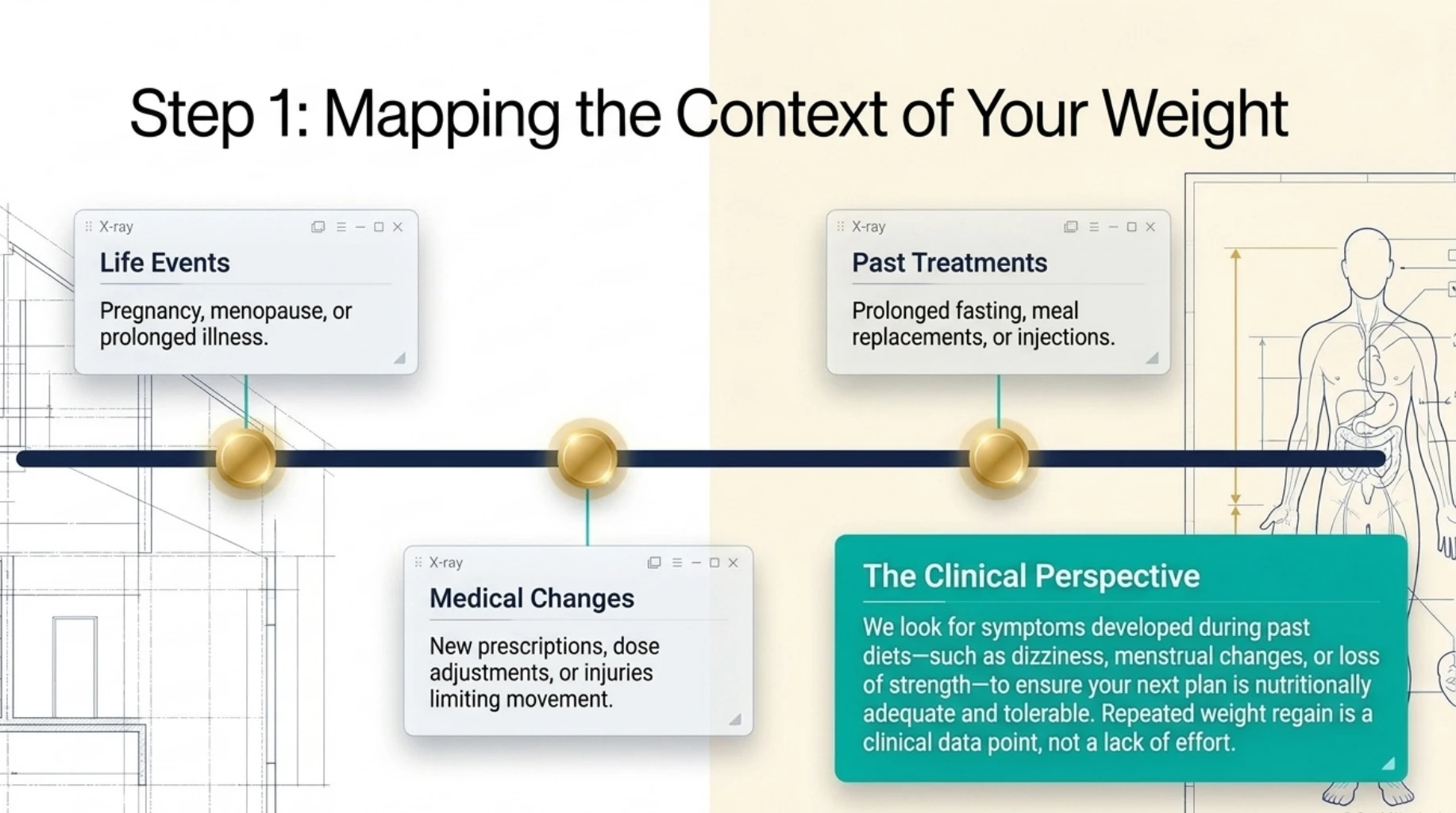
A single measurement cannot show how your weight has changed. A proper history explores when weight began increasing, whether the change was gradual or rapid, and what was happening around that time.
Pregnancy, an injury, a change in working hours, a new medicine or a prolonged illness can provide relevant context. Previous periods of successful weight management are useful too: what worked, how long it lasted and why the routine changed.
Repeated weight regain should prompt a practical review of hunger, treatment duration, affordability and sustainability. It should not automatically be interpreted as a lack of effort.
Bring Details of Previous Diets, Supplements and Medicines
If possible, describe what you actually followed rather than simply saying “I tried everything.” Explain whether the plan involved meal replacements, prolonged fasting, supplements, injections or substantial food restrictions.
Mention any constipation, dizziness, menstrual changes, weakness or loss of strength that developed. These details help assess whether the previous approach was tolerable and nutritionally adequate.
Unexpected rapid weight gain with swelling, or unintentional weight loss, may need a different medical assessment before a weight-reduction plan is considered.
2. Measurements Beyond Body Weight
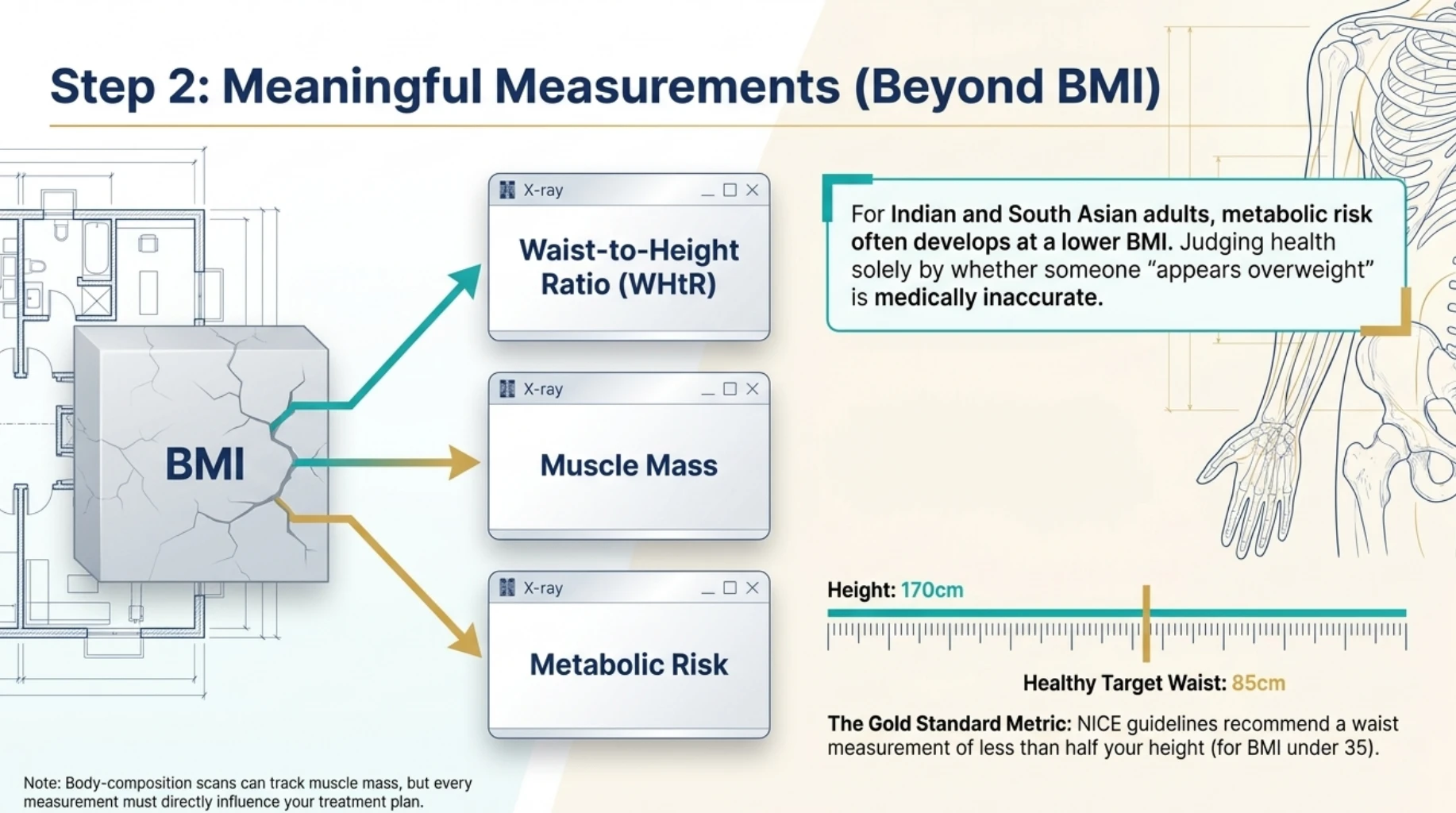
Height and weight allow calculation of body mass index, or BMI. Waist measurements provide additional information about central fat distribution.
BMI is useful for screening, but it does not directly distinguish fat from muscle or describe an individual’s health complications. Results need interpretation alongside examination and the wider history.
For Indian and other South Asian adults, metabolic risk may develop at lower BMI. This makes it particularly important to avoid judging health solely by whether someone appears visibly overweight.
Waist-to-Height Ratio Can Add Useful Context
NICE recommends using waist-to-height ratio alongside BMI in adults with BMI below 35 kg/m². A waist measurement less than half the person’s height is a practical communication target, rather than a guarantee of good health.
For example, a person who is 170 cm tall reaches a waist-to-height ratio of 0.5 at a waist measurement of 85 cm.
Different clinical guidelines use different BMI and waist thresholds. Ask which framework is being applied, particularly when interpreting results for South Asian adults.
Is a Body-Composition Scan Essential?
A body-composition assessment may provide additional information in selected cases, particularly when muscle mass is a concern. However, it should support the assessment rather than determine treatment by itself.
Ask how the result will change the plan. A report containing body-fat percentages is less useful if it is not connected to your health, physical function and treatment goals.
3. Weight-Related Health Problems and Physical Function
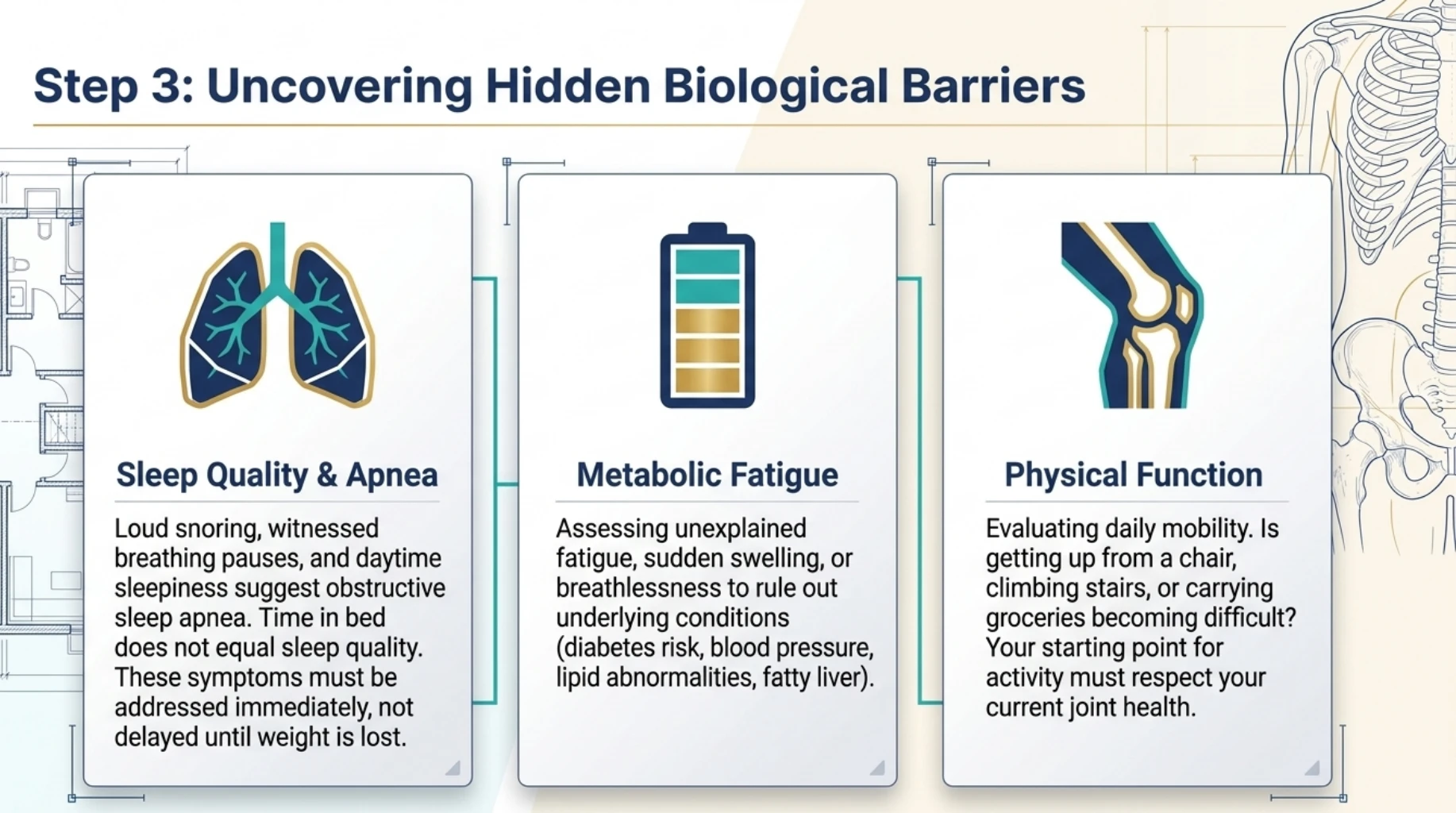
A comprehensive assessment should consider whether excess adiposity is affecting health or day-to-day function. Relevant concerns may include diabetes risk, blood pressure, lipid abnormalities, fatty liver, joint symptoms and sleep-related breathing problems.
Your ability to walk, work, exercise and perform usual activities also matters. Two people with similar measurements can have very different symptoms and treatment needs.
The doctor should review existing diagnoses and reports, rather than assuming that every condition is new or that every abnormal result will resolve with weight loss alone.
Snoring and Daytime Sleepiness Deserve Attention
Loud snoring, witnessed breathing pauses, gasping during sleep and daytime sleepiness can suggest obstructive sleep apnea. A sleep study may be needed when the clinical assessment supports it.
It is worth mentioning these symptoms even if you believe you sleep for enough hours. Time in bed does not necessarily reflect sleep quality.
Sleep-related symptoms should not be left unaddressed while waiting for weight loss.
4. Medicines and Possible Medical Contributors
The assessment should include a complete medicine review. Some treatments can influence appetite, fluid balance or body weight, and a timeline may reveal that weight changed after a prescription or dose adjustment.
Bring the names and doses of regular medicines, intermittent treatments, supplements and products marketed for weight loss. Do not stop necessary treatment independently.
Thyroid symptoms, menstrual changes and features suggesting a less common endocrine disorder may also guide evaluation. Weight gain alone does not establish a hormonal diagnosis.
Hormone Testing Should Address a Clinical Question
Ask what each proposed hormone test is intended to clarify. The need for thyroid testing differs from the need for cortisol, reproductive hormones or other specialist investigations.
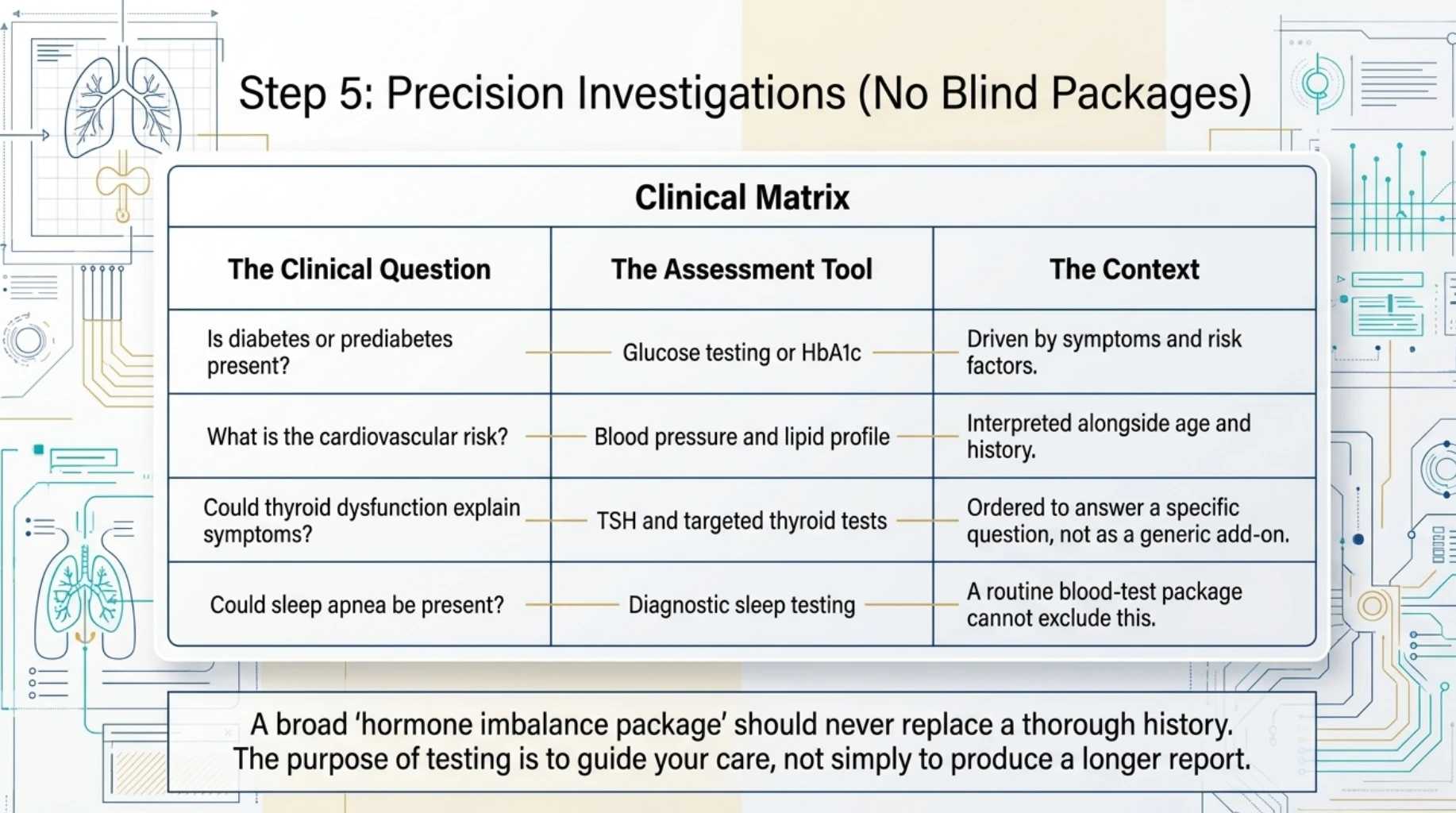
A broad “hormone imbalance package” should not replace a history and examination. Conversely, relevant symptoms should not be dismissed merely because a previous general health package was described as normal.
The purpose of testing is to guide care, not simply to produce a longer report.
5. Eating Patterns, Hunger and the Practicalities of Food
A useful food history examines the whole day. Breakfast, beverages, snacks, cooking methods, portion sizes, restaurant meals and weekend routines can all provide relevant information.
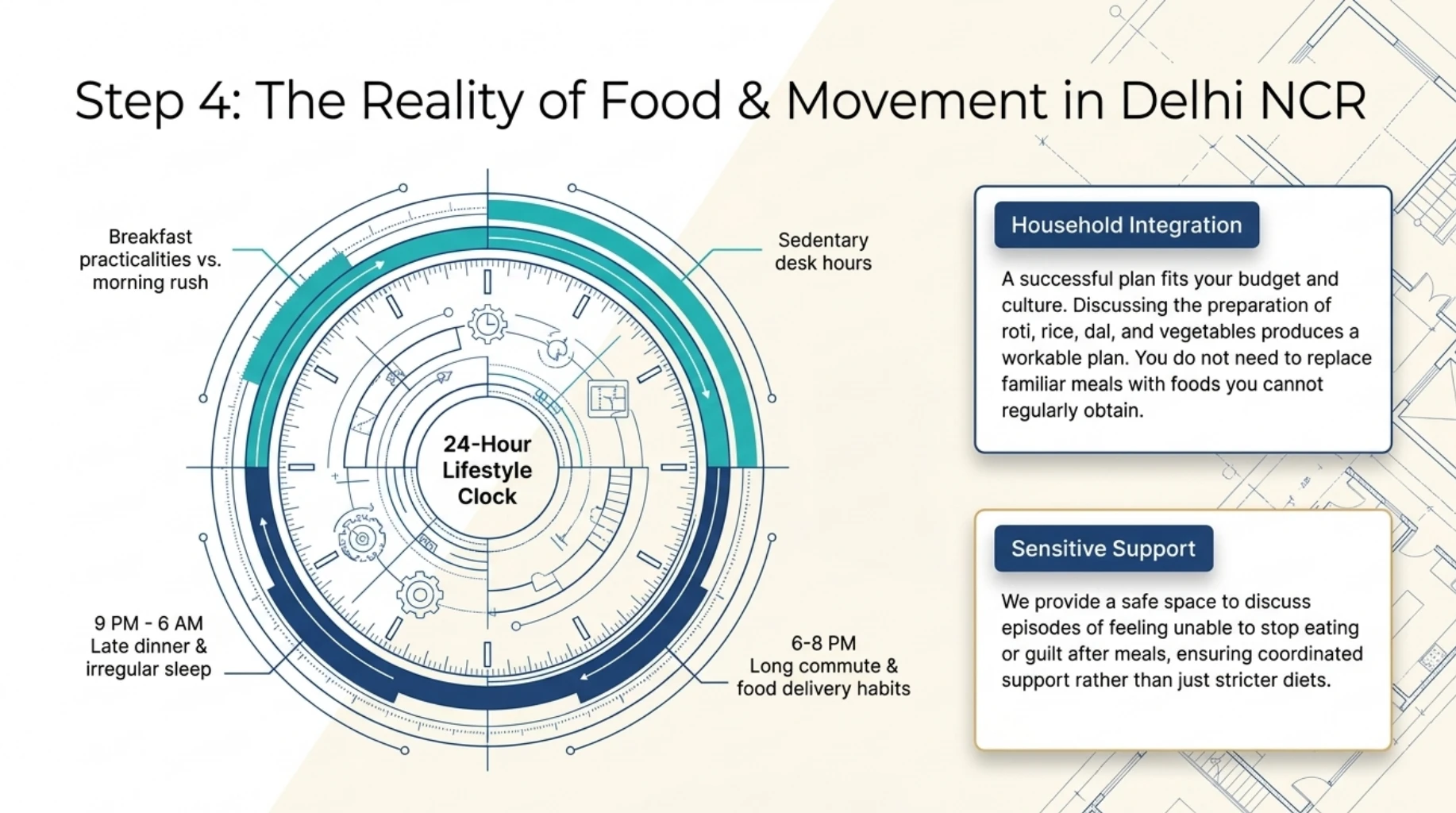
For someone living and working in Delhi NCR, long commuting hours, late dinners and food delivery may shape the eating pattern. Another person may prepare family meals but struggle to find suitable food during a busy clinic or office day.
Describe an ordinary day honestly. The aim is to find workable changes, not to demonstrate perfect eating during the consultation.
A Plan Should Fit Your Household
Explain whether you eat vegetarian or non-vegetarian food, who prepares meals, what your budget allows and which foods are important to you.
For example, discussing the amount and preparation of roti, rice, dal, vegetables, curd and snacks may produce a more practical plan than replacing familiar meals with foods you cannot regularly obtain.
You can ask whether the recommendations require separate cooking, how to manage meals away from home and what to do on days when the routine changes.
Loss of Control Around Food Needs a Sensitive Discussion
Tell the doctor if you experience episodes of feeling unable to stop eating, significant guilt after meals, self-induced vomiting or severe restriction followed by overeating.
These experiences may require assessment for an eating disorder and coordinated support. They should not automatically lead to a stricter diet prescription.
A higher body weight does not rule out an eating disorder or inadequate nutrition.
6. Activity, Strength, Sleep and Daily Barriers
The activity discussion should establish what you currently do and what limits you. A person with knee pain, a desk-based job or caregiving responsibilities may need a different starting point from someone already training regularly.
Describe both planned exercise and ordinary movement. A morning workout and a largely seated working day tell a different story from regular walking throughout the day.
Strength and function deserve attention as well. Tell the doctor if getting up from a chair, climbing stairs or carrying groceries has become difficult.
Exercise Advice Should Be Specific Enough to Use
“Exercise more” leaves many practical questions unanswered. Ask what activity to begin with, how frequently to do it and how to progress safely.
For example, a plan might begin with short walks that fit around meals or work breaks, with strengthening activity adapted to your ability. Significant pain, dizziness or breathlessness may require assessment before progression.
Sleep timing, shift work and fatigue should also be discussed. Recommendations are more likely to be useful when they account for the hours you actually work and sleep.
7. Investigations Selected for Your Health Needs
Investigations should follow the assessment. Some establish metabolic risk, some monitor an existing condition and others investigate a particular symptom.
A doctor may consider glucose or HbA1c, a lipid profile, liver tests, kidney function or other investigations according to your history, previous results and planned treatment.
There is no single compulsory package for every person seeking weight management. Equally, avoiding all testing would be inappropriate when symptoms, risk factors or treatment decisions justify it.
| Clinical question | Possible assessment | Important qualification |
|---|---|---|
| Is diabetes or prediabetes present? | Appropriate glucose testing or HbA1c | The choice depends on symptoms, risk and clinical circumstances. |
| What is the cardiovascular risk profile? | Blood pressure and lipid assessment | Results need interpretation with age, history and other risk factors. |
| Is liver disease a concern? | Relevant blood tests and further liver assessment when indicated | Additional testing depends on findings and existing reports. |
| Could thyroid dysfunction explain symptoms? | TSH and additional thyroid tests where appropriate | Testing should answer a clinical question. |
| Could sleep apnea be present? | Sleep history and diagnostic sleep testing if indicated | A routine blood-test package cannot exclude it. |
| Will kidney function affect treatment? | Kidney function and related tests when appropriate | Findings may influence medicine and nutrition decisions. |
Bring Existing Reports Before Repeating Tests
Recent reports may prevent unnecessary duplication and help establish a trend. Bring the actual results with dates rather than only remembering that they were “normal.”
Ask which findings need action now, which need monitoring and whether any proposed investigation will change treatment.
8. An Individual Treatment Discussion
The assessment should lead to a shared decision about treatment. Options may include nutrition changes, physical activity, behavioral support, prescription medicines or referral for specialist care.
Indian guidance increasingly supports an individual, multidisciplinary approach that accounts for complications and the person’s circumstances.
At the end of the discussion, you should understand why a particular approach has been recommended and what the first steps involve.
Prescription Weight-Loss Medicines Require a Medical Decision
Medicines can be appropriate for selected adults, but eligibility cannot be decided from a photograph or a request for a particular injection.
The discussion should cover expected benefits, possible adverse effects, other medicines, medical history, pregnancy plans, affordability and follow-up. Approved indications and prescribing information relevant to India should guide the decision.
Weight-management medicines are not used during pregnancy. Pregnancy planning and breastfeeding also require specific discussion before treatment.
Ask how response will be reviewed, what symptoms to report and what the longer-term plan may involve. Do not start, combine or change prescription treatments independently.
When Should Specialist Referral Be Considered?
Referral may be appropriate for suspected endocrine disease, an eating disorder, significant sleep apnea, complex medical complications or consideration of metabolic and bariatric surgery.
A referral is part of coordinated care. It allows the treatment plan to address needs that extend beyond a general consultation.
9. Realistic Goals and a Follow-Up Plan
Weight management usually requires ongoing review. An initial plan needs adjustment according to response, tolerability, changing circumstances and the person’s priorities.
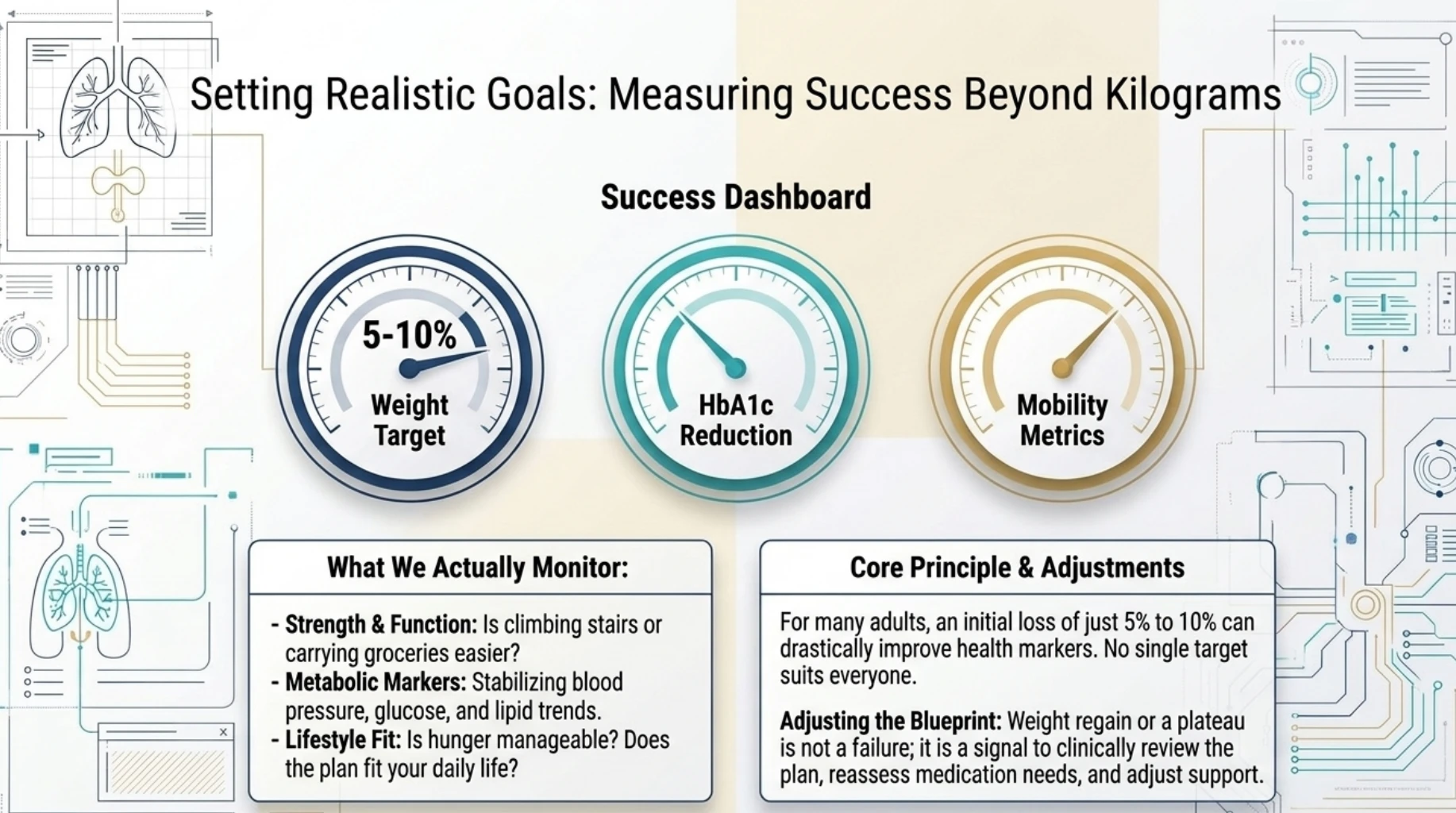
Goals should explain both what is being measured and why. Weight and waist trends may be relevant, alongside strength, daily function and appropriate blood-pressure or laboratory monitoring.
For some adults, an initial loss of 5% to 10% of starting weight can improve health markers. Others may need different goals or more intensive treatment. No single target suits everyone.
Follow-Up Should Review More Than Kilograms
Useful follow-up questions include whether hunger is manageable, meals remain adequate, activity is becoming easier and the plan fits daily life.
If a medicine is prescribed, response and adverse effects need review. If you use medicines for diabetes or blood pressure, your requirements may need reassessment as health and intake change.
Weight regain or a plateau should lead to a review of the plan and treatment needs. Ask what support will be available if progress slows.
What to Bring to a Weight Management Consultation
Bring previous blood reports, prescriptions and details of supplements or weight-loss products. If available, include weight records and information about previous treatment attempts.
A short description of a typical working day and weekend can be helpful. Note meal timing, sleep hours, movement and practical barriers such as pain, shift work or caregiving.
There is no need to follow a temporary “perfect diet” before the appointment. An accurate account of your usual routine makes the assessment more useful.
Useful questions to ask: What health concerns have been identified? Which tests are necessary? What should I change first? Is medicine appropriate? How will progress and side effects be reviewed? When should I return?
Choosing a Weight Management Doctor in Dwarka
Look for a registered medical practitioner who explains the assessment, discusses treatment options clearly and recognizes when specialist support is needed.
You should be able to ask about qualifications, prescriptions, follow-up and costs. Be cautious about promises of a fixed number of kilograms lost, guaranteed permanent results or treatment started without an adequate medical history.
A useful consultation leaves you with an understandable explanation and a feasible next step.
Frequently Asked Questions
Is a weight management doctor the same as a dietitian?
A medical doctor can assess medical conditions, examine you, prescribe medicines when appropriate and arrange investigations or referrals. A qualified dietitian provides specialist nutrition care. Their roles can complement each other, particularly in more complex cases.
Do I need a consultation if my BMI is only slightly raised?
The need for assessment depends on more than BMI. Waist size, blood pressure, glucose results, symptoms and medical history also matter. South Asian adults can develop metabolic complications at lower BMI.
Will I need every hormone test before starting treatment?
No. Testing should follow your history, examination, existing results and treatment needs. Ask what each test is intended to clarify.
Is a body-composition scan compulsory?
No. It can add information in selected circumstances, but it does not replace clinical assessment. Ask how the result will influence the treatment plan.
Will the doctor automatically prescribe an injection?
No. Prescription treatment is one possible option for eligible patients. The decision requires an assessment of benefits, risks, medical history, preferences and the relevant prescribing criteria.
Do I have to stop eating rice or roti?
Not automatically. A practical nutrition plan considers portions, overall intake, food quality, preferences and medical needs. Discuss how familiar foods can fit into your individual plan.
What if I have repeatedly regained weight?
Bring details of what happened during earlier attempts. The assessment can review hunger, treatment duration, practical barriers and whether additional support or a different approach is needed.
Can an online consultation help?
An online consultation can support history-taking, report review and follow-up when clinically appropriate. An in-person examination or locally measured observations may still be needed, particularly for new symptoms or an unclear diagnosis.
Weight Management Assessment With Dr. Pankaj Kumar in Dwarka
Dr. Pankaj Kumar is a General & Lifestyle Physician who provides medical assessment for weight concerns and associated metabolic conditions at Kalpataru Multispeciality Clinic, Sector 6, Dwarka, New Delhi.
The assessment considers weight history, symptoms, medicines, lifestyle and relevant reports before an individual treatment plan is discussed. Investigations and specialist referrals are selected according to clinical need.
Read more about the weight loss programme in Dwarka.
Arrange a weight management consultation.
Bring your existing reports, prescriptions and details of previous weight-management attempts.
Book an Appointment
WhatsApp for Appointment
In front of Dhanwantari Labs, Doctors Lane, Pocket 2, Sector 6, Dwarka, New Delhi.
About the Author
Dr. Pankaj Kumar
MBBS, DNB Family Medicine, DNHE
General & Lifestyle Physician
Dr. Pankaj Kumar is the founder of Diet Plus Minus and leads the Lifestyle Modification Program at Kalpataru Multispeciality Clinic, Dwarka. His clinical interests include diabetes, obesity, thyroid concerns, fatty liver and related metabolic disorders.
Medical Disclaimer
This article provides general information about adult weight assessment and does not replace an individual consultation. Children, pregnancy and complex medical conditions require tailored care. Do not start weight-loss medicines, alter prescribed treatment or undertake a highly restrictive diet without appropriate medical advice.
References
- Madhu SV, Kapoor N, Das S, Raizada N, Kalra S. ESI Clinical Practice Guidelines for the Evaluation and Management of Obesity in India – An Update (2025). Indian Journal of Endocrinology and Metabolism. 2025;29(4):355–365. Read the guideline.
- Expert Consensus on Obesity Management Protocols – A Joint Position Statement by Obesity and Metabolic Surgery Society of India and Endocrine Society of India. 2026. View the publication.
- National Institute for Health and Care Excellence. Overweight and obesity management. NG246. 2025, with subsequent updates. Read the guidance.
- National Institute for Health and Care Excellence. Recording BMI and waist-to-height ratio in adults. Quality standard QS212. 2025. Read the quality statement.
- American Diabetes Association. Screening, Diagnosis, Evaluation, and Staging of Obesity in Adults: Standards of Care in Overweight and Obesity—2026. View the publication.
- Pharmacologic treatment of obesity in adults: Standards of care in overweight and obesity. 2026. Read the publication.
- National Heart, Lung, and Blood Institute. Sleep Apnea: Symptoms. Read the resource.
- National Institute of Diabetes and Digestive and Kidney Diseases. Prescription Medications to Treat Overweight & Obesity. US patient information; Indian prescribing requirements may differ. Read the resource.

Written by Dr. Pankaj Kumar
General & Lifestyle Physician in Dwarka Sector 6, New Delhi · MBBS, DNB (Family Medicine), DNHE · 16 years of experience.
About the doctor →Book a consultation → Beyond Blood Sugar
 The 90-Day Prediabetes Turnaround
 The Indian Diabetes Diet Reset
 Eat to Beat Gout
 Why Is My Hair Falling?
 The 30-Day Inflammation Reset