
Almost everyone has experienced it. The clock strikes 2 or 3 PM, concentration starts fading, eyelids feel heavier, and productivity begins to decline. Many people reach for another cup of coffee, a sugary snack, or an energy drink without giving it much thought.
While occasional tiredness is completely normal, frequent afternoon energy crashes should not always be dismissed as a busy lifestyle. In many cases, they may provide important clues about sleep quality, eating habits, hydration, stress levels, and overall metabolic health.
In clinical practice, it is common to meet individuals who complain of feeling “fine” in the morning but consistently experience a significant drop in energy during the afternoon. Some describe brain fog, others report excessive sleepiness, and many feel unable to focus on work despite adequate motivation.

The good news is that afternoon energy crashes are often influenced by modifiable lifestyle factors. Understanding the underlying causes can help improve energy levels, productivity, and long-term health.
What Are Afternoon Energy Crashes?
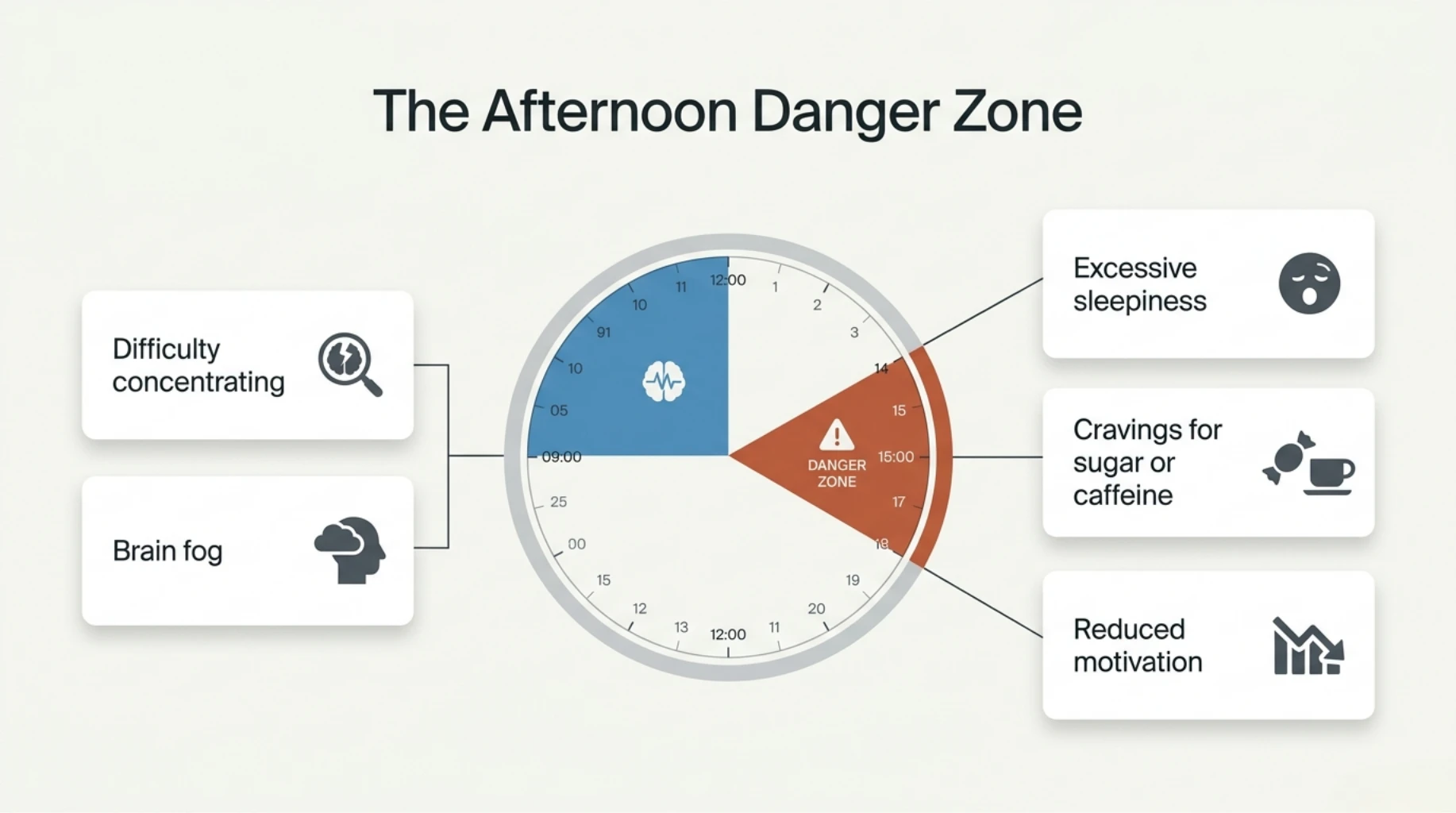
Afternoon energy crashes refer to a noticeable decline in physical or mental energy that typically occurs between early and late afternoon. Although a mild reduction in alertness during this period is part of normal human biology, severe or persistent fatigue deserves closer attention.
People experiencing afternoon energy crashes may notice:
- Difficulty concentrating
- Brain fog
- Excessive sleepiness
- Reduced productivity
- Increased cravings for sugar or caffeine
- Irritability or reduced motivation
For some individuals, these symptoms become so predictable that they structure their day around them.
Reason 1: Blood Sugar Fluctuations
One of the most common contributors to afternoon energy crashes is poor blood sugar regulation.
Many working professionals begin their day with refined carbohydrates such as sweetened tea, biscuits, sugary breakfast cereals, white bread, or bakery items. These foods can cause rapid increases in blood glucose followed by a subsequent decline in energy.
A lunch that is high in refined carbohydrates and low in protein may further worsen this cycle.
As blood sugar levels fluctuate throughout the day, individuals may experience:
- Sleepiness
- Fatigue
- Reduced concentration
- Increased hunger
Although not everyone with afternoon fatigue has a blood sugar problem, repeated episodes may sometimes indicate insulin resistance or other metabolic concerns.
Reason 2: Poor Sleep Quality
Many adults underestimate the impact of sleep on daytime energy.
Sleeping for seven hours is not always enough if sleep quality is poor or bedtime varies significantly throughout the week.
People who:
- Sleep late regularly
- Wake up frequently during the night
- Have untreated sleep apnea
- Maintain irregular sleep schedules
are more likely to experience afternoon energy crashes.
Sleep is the body’s primary recovery mechanism. When recovery is inadequate, the effects often become most noticeable during the afternoon when alertness naturally declines.
Reason 3: Dehydration Often Goes Unnoticed
Many professionals spend the majority of their day indoors and forget to drink water regularly.
Even mild dehydration may contribute to:
- Headaches
- Poor concentration
- Fatigue
- Reduced exercise tolerance
Because dehydration develops gradually, people frequently remain unaware of its effects.
It is not uncommon for someone experiencing afternoon energy crashes to realize that they have consumed several cups of coffee but very little water throughout the day.
Reason 4: Sedentary Work Reduces Alertness
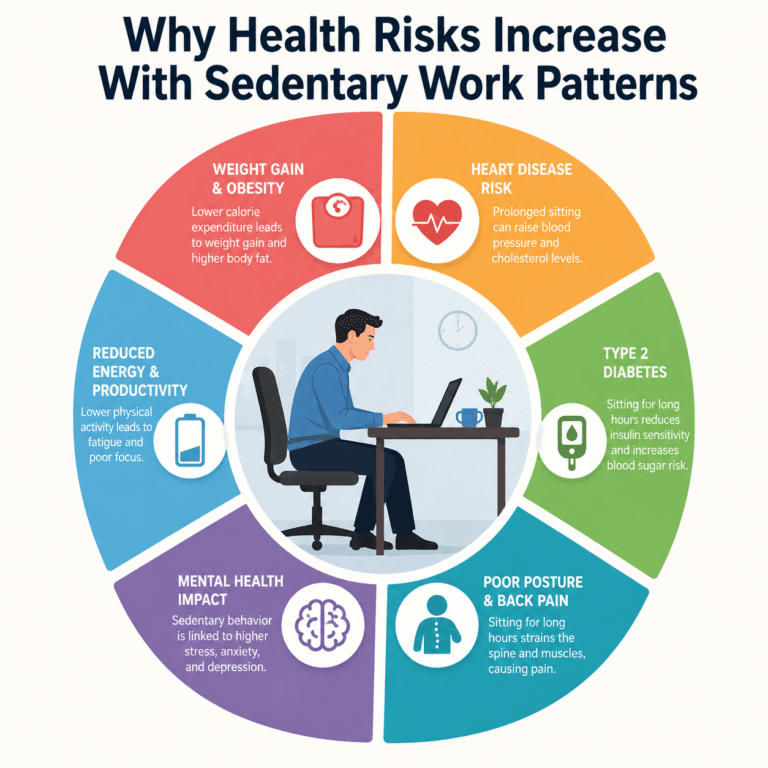
Modern office jobs involve prolonged sitting, minimal movement, and continuous screen exposure.
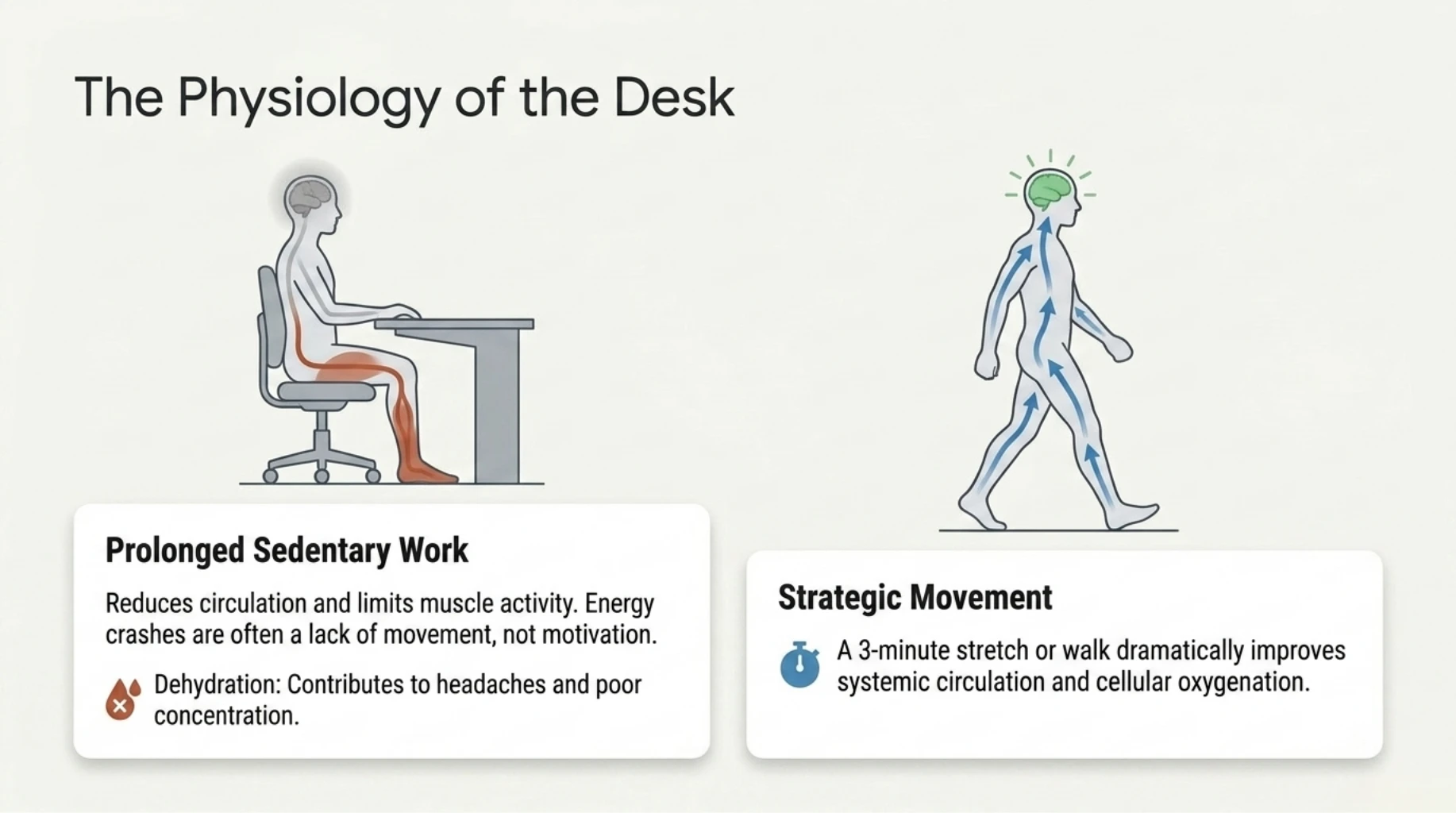
Sitting for several hours reduces circulation, limits muscle activity, and contributes to both physical and mental fatigue.
Many individuals notice that a brief walk, stretching session, or simply standing up for a few minutes significantly improves alertness.
This highlights an important point: sometimes afternoon energy crashes are not caused by a lack of motivation but by a lack of movement.
Why These Symptoms Should Not Always Be Ignored
Occasional tiredness is normal. However, persistent afternoon fatigue that affects work performance, quality of life, or daily functioning deserves attention.
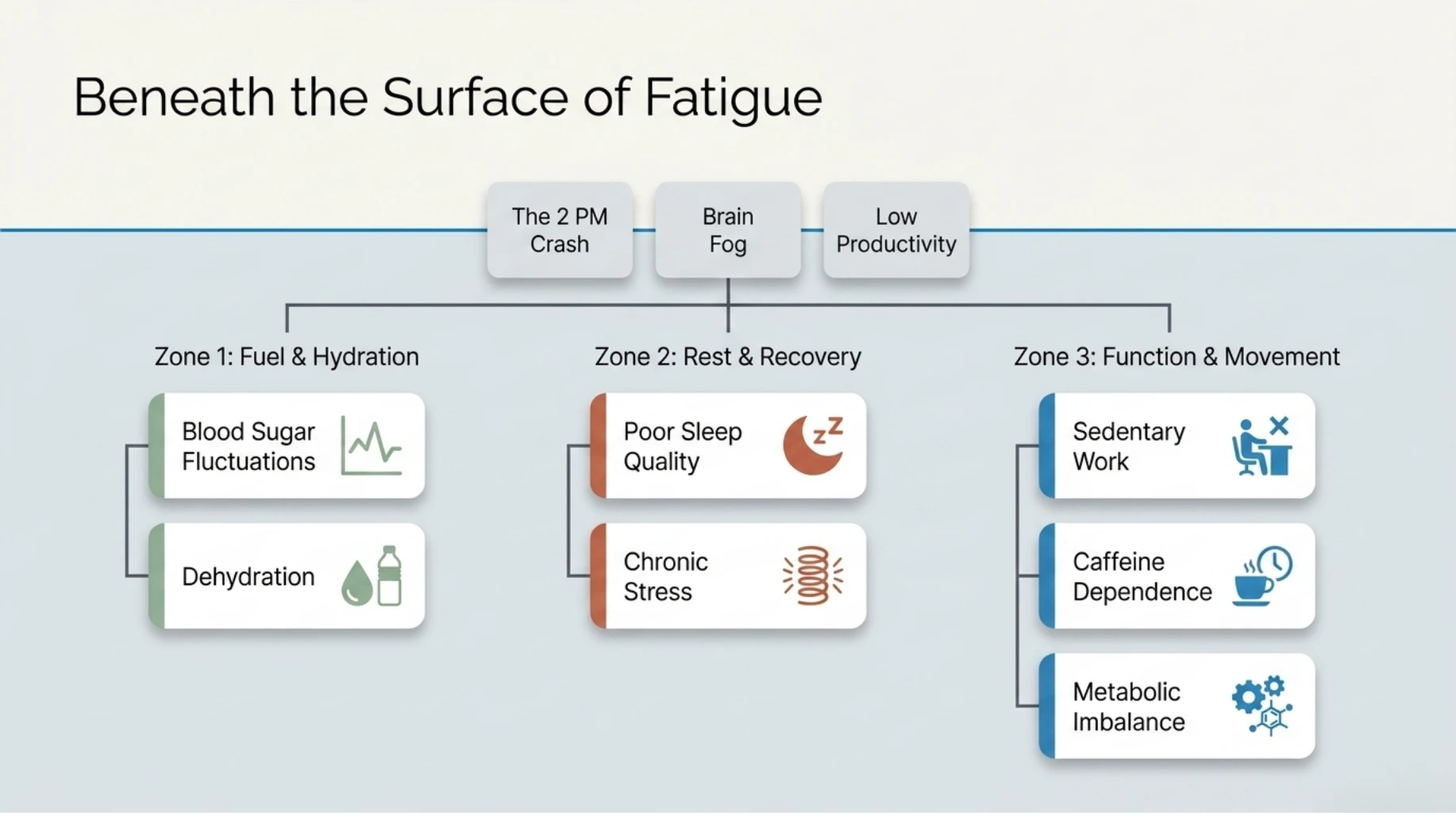
When combined with symptoms such as weight gain, poor sleep, increased hunger, abdominal obesity, or a family history of diabetes, afternoon energy crashes may sometimes indicate underlying metabolic imbalance.
Reason 5: Chronic Stress Can Drain Energy
Many professionals underestimate how much stress affects physical energy levels.
The body responds to stress by activating hormonal pathways that help maintain alertness during challenging situations. While this response is helpful in the short term, prolonged stress can become exhausting.
People living with chronic stress often experience:
- Mental fatigue
- Poor concentration
- Reduced motivation
- Sleep disturbances
- Persistent tiredness
Initially, stress may make people feel more alert. Over time, however, many individuals notice worsening afternoon energy crashes as their ability to recover becomes impaired.
Reason 6: Excessive Dependence on Caffeine
Coffee and tea are among the most commonly used solutions for low energy.
While moderate caffeine intake is generally safe for most healthy adults, relying on caffeine repeatedly throughout the day may sometimes mask underlying problems rather than address them.
Many professionals develop a routine that looks something like this:
- Coffee immediately after waking up
- Tea during mid-morning
- Coffee after lunch
- Another caffeinated beverage during the late afternoon
This pattern can create a cycle where people depend on stimulants to compensate for poor sleep, stress, or inadequate nutrition.
If you experience frequent afternoon energy crashes, it may be worth asking whether caffeine is treating the cause or simply covering up the symptoms.
Reason 7: Insulin Resistance and Metabolic Imbalance
Perhaps the most important reason to pay attention to persistent afternoon fatigue is its potential relationship with metabolic health.
Insulin resistance develops when the body’s cells become less responsive to insulin, making blood sugar regulation less efficient.
Over time, insulin resistance may contribute to:
- Prediabetes
- Type 2 diabetes
- Abdominal obesity
- Fatty liver disease
- Metabolic syndrome
Individuals with insulin resistance frequently report:
- Feeling tired after meals
- Craving sugary foods
- Difficulty losing weight
- Low afternoon energy
This does not mean every case of afternoon fatigue is caused by insulin resistance. However, when afternoon energy crashes occur alongside these symptoms, a broader metabolic evaluation may be appropriate.
Why Meal Timing Matters
Meal timing plays a significant role in maintaining stable energy levels.
Skipping breakfast, eating a very heavy lunch, or consuming meals that are low in protein and high in refined carbohydrates can contribute to fluctuations in energy throughout the day.
Balanced meals that include protein, fiber, and healthy fats often provide more sustained energy compared to meals dominated by refined carbohydrates.
Many individuals notice substantial improvements in afternoon alertness after making relatively small adjustments to meal composition and timing.
Could Sleep Apnea Be Contributing?
Not all sleep problems are obvious.
Obstructive sleep apnea is a common condition in which breathing repeatedly stops and starts during sleep.
Warning signs may include:
- Loud snoring
- Morning headaches
- Unrefreshing sleep
- Excessive daytime sleepiness
- Difficulty concentrating
Many adults live with undiagnosed sleep apnea for years, assuming their fatigue is simply part of a demanding lifestyle.
Persistent daytime tiredness should not always be attributed to work stress alone.
Why Energy Levels Reflect Overall Health
Energy is often an excellent indicator of overall wellbeing.
People who sleep adequately, remain physically active, eat balanced meals, stay hydrated, and manage stress effectively tend to maintain more stable energy throughout the day.
Conversely, fatigue is frequently one of the earliest signs that something in the body’s daily routine is not functioning optimally.
Although afternoon energy crashes are common, they should not automatically be considered normal—especially when they become a predictable part of everyday life.
Why Lifestyle Factors Usually Work Together
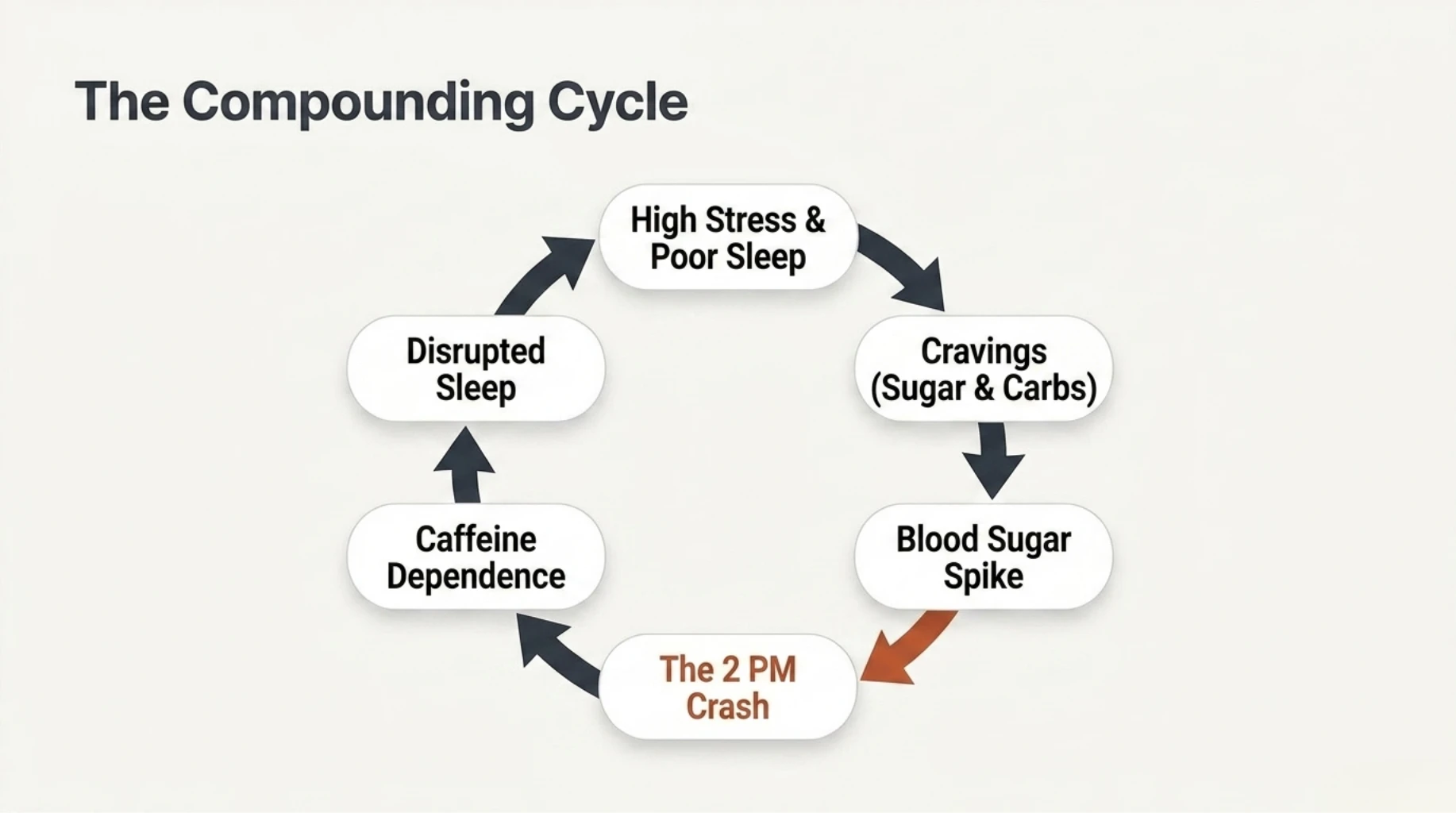
In many cases, there is no single explanation for afternoon fatigue.
Instead, multiple factors often combine:
- Poor sleep
- High stress
- Minimal physical activity
- Dehydration
- Blood sugar fluctuations
- Inadequate nutrition
When these factors occur together, their effects may become much more noticeable.
How to Reduce Afternoon Energy Crashes
The good news is that many causes of afternoon fatigue are modifiable. Small lifestyle improvements often produce noticeable benefits within a few weeks.
The goal is not achieving unlimited energy every day. Everyone experiences occasional tiredness. The objective is reducing frequent and severe afternoon energy crashes that interfere with productivity, mood, and overall wellbeing.
Prioritize High-Quality Sleep
Sleep remains the foundation of good daytime energy.
Helpful sleep habits include:
- Maintaining a consistent bedtime.
- Avoiding excessive screen exposure before bed.
- Creating a comfortable sleep environment.
- Limiting caffeine late in the day.
If excessive daytime sleepiness persists despite adequate sleep duration, discussing symptoms with a healthcare professional may be appropriate.
Build Balanced Meals
Meals that are rich in refined carbohydrates but low in protein often lead to rapid changes in blood sugar and energy levels.
For more stable energy, aim to include:
- Adequate protein
- Vegetables and fiber-rich foods
- Healthy fats in moderation
- Whole foods whenever possible
Many people are surprised by how much their afternoon energy improves when breakfast and lunch become more balanced.
Stay Hydrated Throughout the Day
Hydration is frequently overlooked.
Instead of waiting until thirst appears, make regular water intake part of your daily routine.
Simple strategies include:
- Keeping a water bottle at your desk.
- Drinking water with meals.
- Increasing fluid intake during hot weather.
- Monitoring urine colour as a general guide.
Even mild dehydration can influence concentration, mood, and physical performance.
Move More During Working Hours
The human body is not designed to remain seated for eight to ten hours every day.
Short movement breaks can:
- Improve circulation
- Increase alertness
- Reduce stiffness
- Support mental performance
Standing, stretching, or taking a brief walk every 30 to 60 minutes may significantly improve afternoon productivity.
Reduce Dependence on Sugar and Caffeine
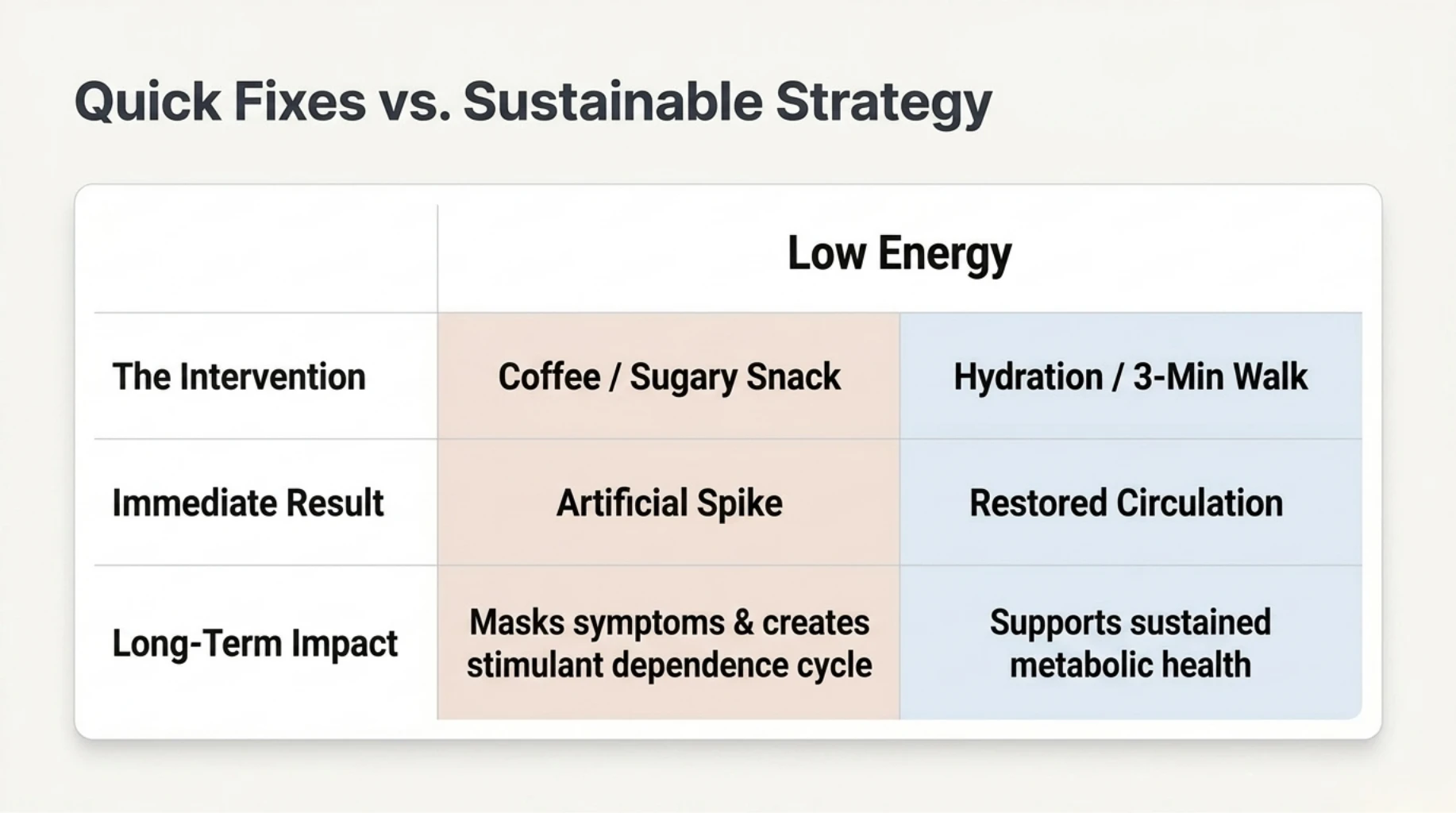
Although sugary snacks and caffeinated drinks may provide temporary relief, they are rarely a long-term solution.
Instead of asking, “What can I eat to stay awake?” it is often more useful to ask, “Why am I becoming so tired in the first place?”
Addressing the underlying causes usually provides more sustainable results than repeatedly relying on stimulants.
Pay Attention to Your Metabolic Health
Persistent fatigue can sometimes be one of the body’s earliest warning signs.
If you experience afternoon energy crashes alongside:
- Weight gain
- Abdominal obesity
- Frequent hunger
- Poor sleep
- Family history of diabetes
- Difficulty losing weight
it may be worthwhile to discuss these symptoms with your healthcare provider.
Simple assessments of blood sugar, metabolic health, sleep quality, and lifestyle habits may provide valuable insights.
Consistency Matters More Than Quick Fixes
Many people search for a single supplement, energy drink, or dietary change that will permanently eliminate fatigue.
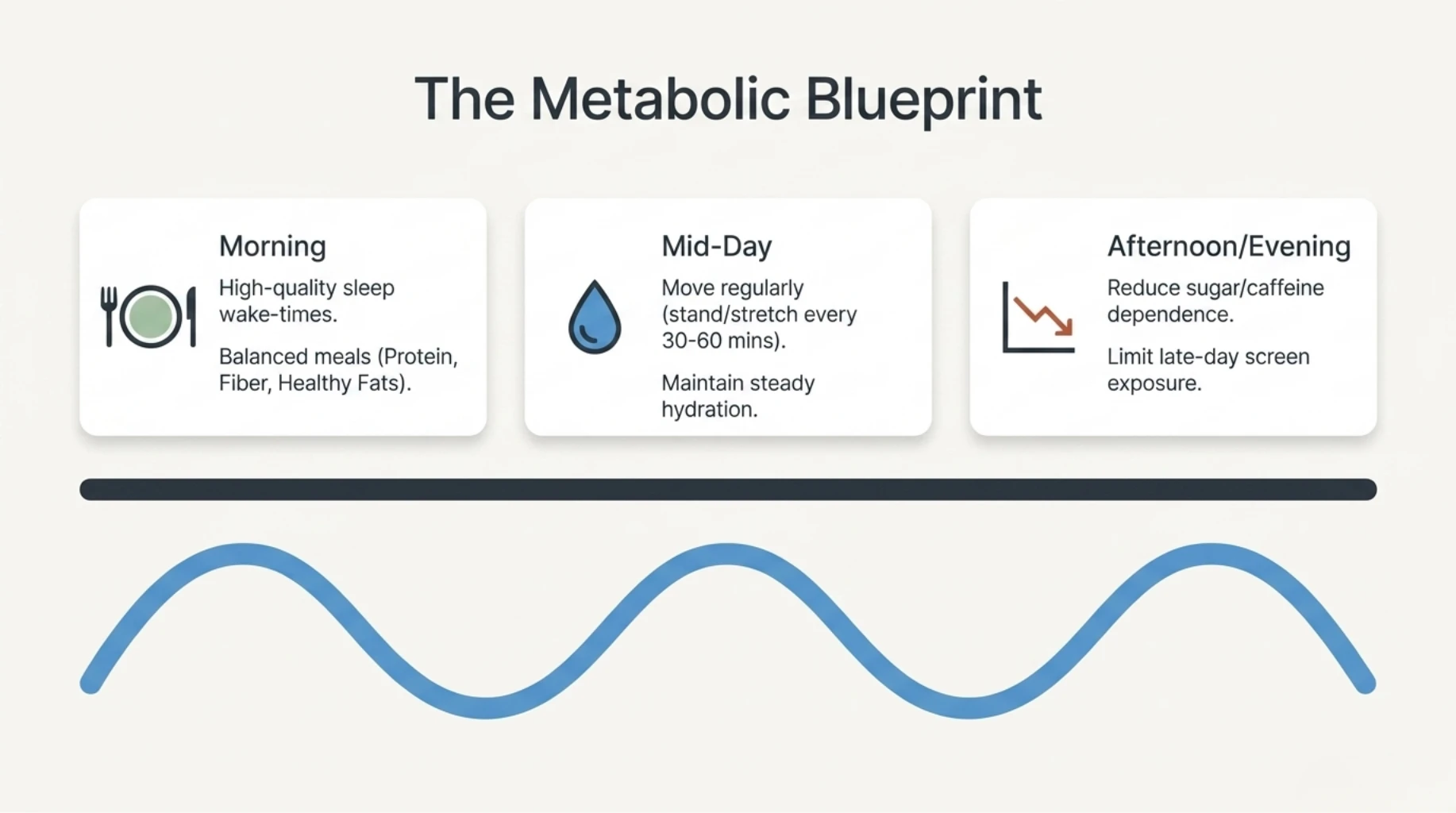
In reality, stable energy levels are usually the result of multiple healthy habits practiced consistently over time.
These include:
- Good sleep hygiene
- Balanced nutrition
- Regular movement
- Stress management
- Adequate hydration
- Healthy metabolic function
When these habits improve together, people often experience noticeable improvements in energy, concentration, and overall wellbeing.
Key Take-Home Messages
- Afternoon energy crashes are common but should not always be considered normal.
- Blood sugar fluctuations, poor sleep, dehydration, stress, and physical inactivity are frequent contributors.
- Persistent afternoon fatigue may sometimes reflect insulin resistance or other metabolic concerns.
- Balanced meals, regular movement, hydration, and consistent sleep habits support healthier energy levels.
- Long-term improvements usually come from sustainable lifestyle changes rather than quick fixes.
Final Thoughts
Afternoon energy crashes are often viewed as an unavoidable part of modern life. However, persistent fatigue is frequently the body’s way of indicating that something deserves attention—whether it is poor sleep, inadequate nutrition, dehydration, stress, or an underlying metabolic imbalance.
The encouraging news is that many contributing factors are modifiable. By improving sleep habits, eating more balanced meals, staying physically active, and paying attention to metabolic health, many individuals experience more stable energy levels throughout the day.
If your fatigue is severe, persistent, or accompanied by other symptoms such as weight gain, excessive sleepiness, or poor concentration, a proper medical evaluation may be appropriate.
If you would like a personalised assessment of your energy levels, lifestyle habits, and metabolic health, you can book a consultation here:
Book an Appointment
Disclaimer: This article is intended for educational purposes only and should not replace professional medical advice. Persistent fatigue may have multiple causes, including sleep disorders, metabolic conditions, nutritional deficiencies, and other medical issues. Always consult a qualified healthcare professional for personalised evaluation and treatment.

Written by Dr. Pankaj Kumar
General & Lifestyle Physician in Dwarka Sector 6, New Delhi · MBBS, DNB (Family Medicine), DNHE · 16 years of experience.
About the doctor →Book a consultation → Beyond Blood Sugar
 The 90-Day Prediabetes Turnaround
 The Indian Diabetes Diet Reset
 Eat to Beat Gout
 Why Is My Hair Falling?
 The 30-Day Inflammation Reset