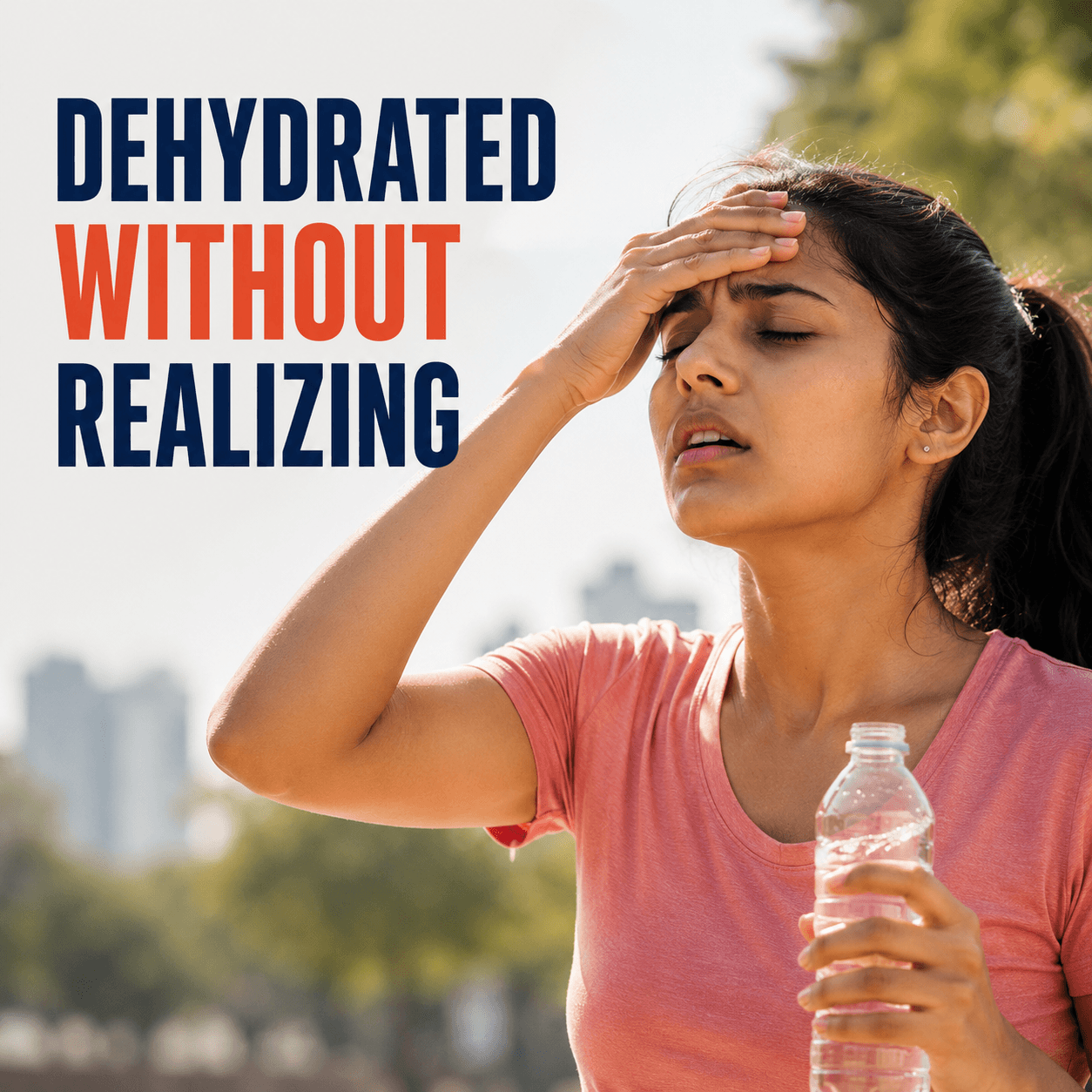
Most people believe dehydration happens only during extreme heat, intense exercise, or prolonged illness. In reality, many urban adults go through their daily routine dehydrated without realizing it. They may spend hours in air-conditioned offices, drink several cups of tea or coffee, skip regular water intake, and remain busy throughout the day without noticing that their body is gradually losing fluids.
Unlike severe dehydration, mild dehydration often develops slowly and quietly. Because the symptoms are subtle, many people mistake them for stress, poor sleep, or simply a busy lifestyle. As a result, the underlying problem remains unnoticed for weeks or even months.
In clinical practice, I frequently meet patients who complain of tiredness, headaches, constipation, poor concentration, muscle cramps, or frequent acidity. While these symptoms can have multiple causes, one common factor is that they have been dehydrated without realizing it for a long time.

Water is involved in almost every important function of the body. It helps regulate body temperature, supports digestion, transports nutrients, removes waste products, lubricates joints, maintains blood circulation, and allows every cell to function efficiently. Even a relatively small reduction in body water can begin affecting physical and mental performance.
Why Mild Dehydration Is So Easy to Miss
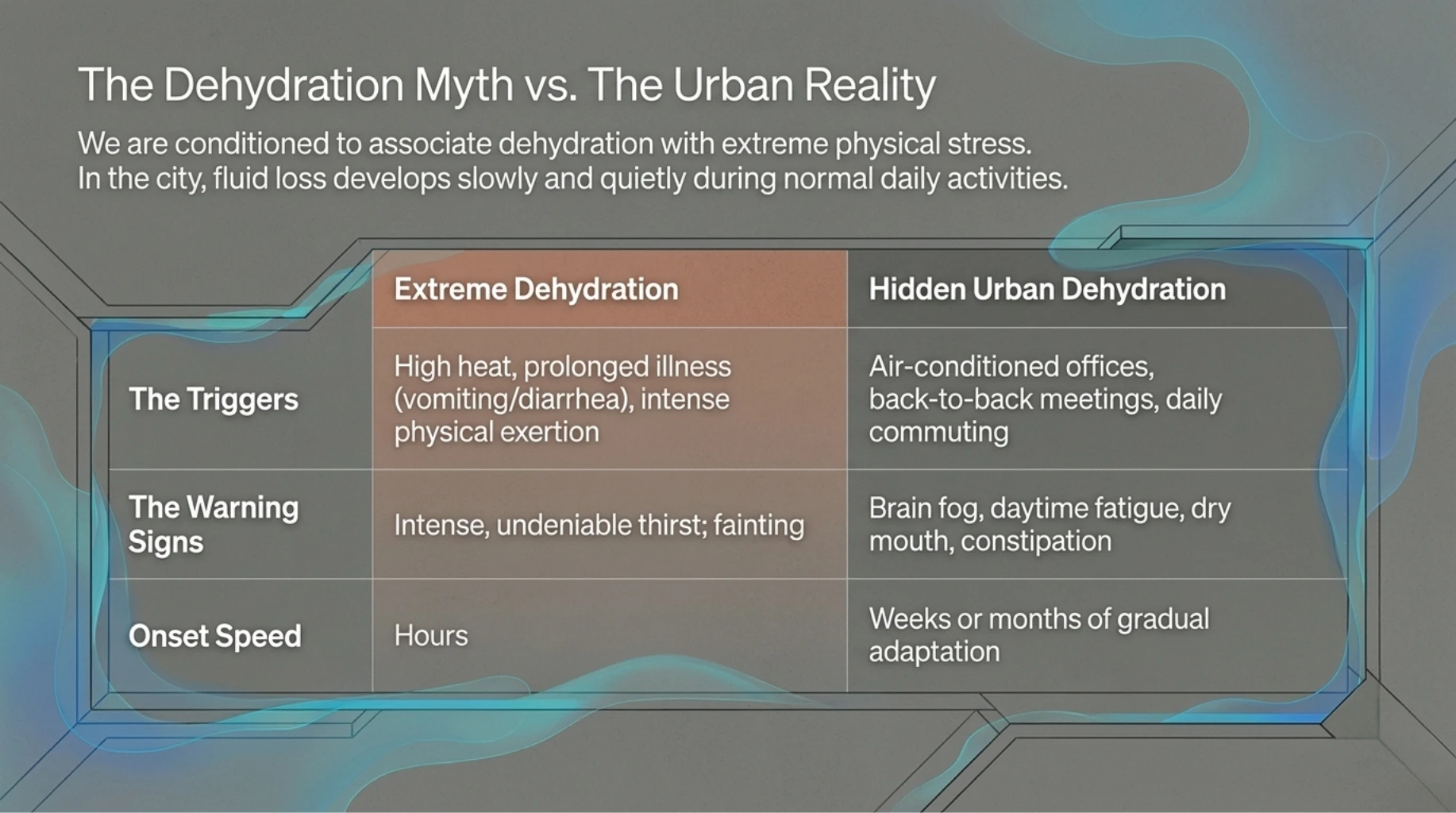
One reason many people remain dehydrated without realizing it is that the body adapts remarkably well to gradual fluid loss. Unlike sudden dehydration caused by vomiting or diarrhea, mild dehydration usually develops slowly during normal daily activities.
Many professionals become so busy with meetings, commuting, deadlines, and screen work that they simply forget to drink enough water. By the time thirst appears, the body may already be mildly dehydrated.
Contrary to popular belief, thirst is not always an early warning sign. For many adults, especially older individuals, thirst may appear relatively late, making it an unreliable indicator of optimal hydration.
Hidden Reason 1: Air-Conditioned Environments Increase Fluid Loss
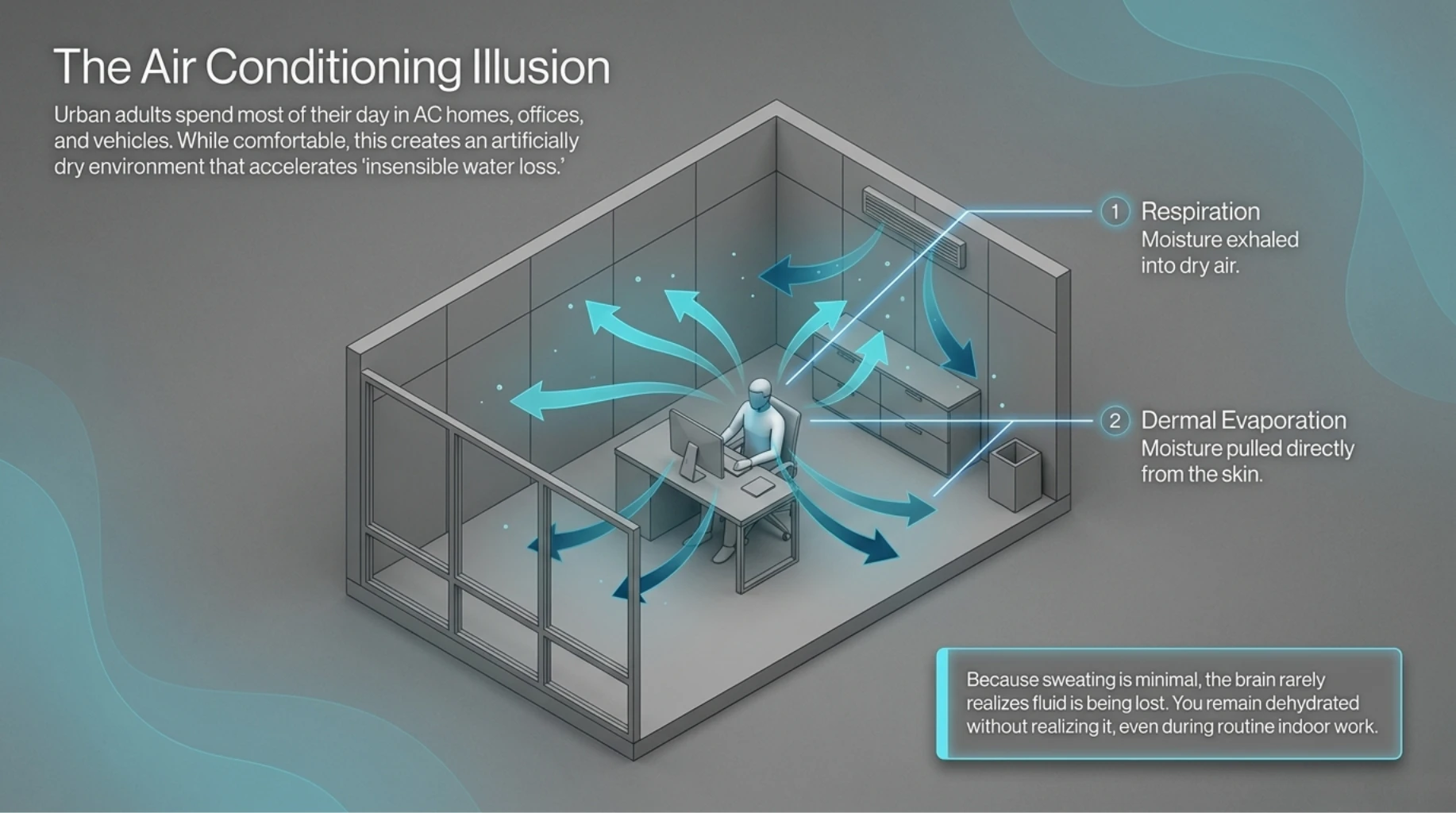
Urban adults spend much of their day inside air-conditioned homes, offices, shopping malls, and vehicles.
Although air conditioning provides comfort, it also creates a relatively dry environment that increases insensible water loss through the skin and breathing. Because sweating is minimal, people rarely realize that they are gradually losing fluids.
This is one important reason why office workers often become dehydrated without realizing it, even during routine indoor work.
Hidden Reason 2: Busy Work Schedules Reduce Water Intake
Modern work culture often encourages uninterrupted productivity. Many professionals delay drinking water because they are attending meetings, travelling between appointments, or trying to finish important tasks.
Some individuals intentionally drink less water to avoid frequent restroom visits during work hours.
Over weeks and months, this habit becomes part of their daily routine, increasing the likelihood of chronic mild dehydration.
Many people do not recognize this pattern because they rarely experience dramatic symptoms. Instead, they remain dehydrated without realizing it while assuming their fatigue is simply due to work pressure.
Hidden Reason 3: Tea, Coffee, and Soft Drinks Replace Water
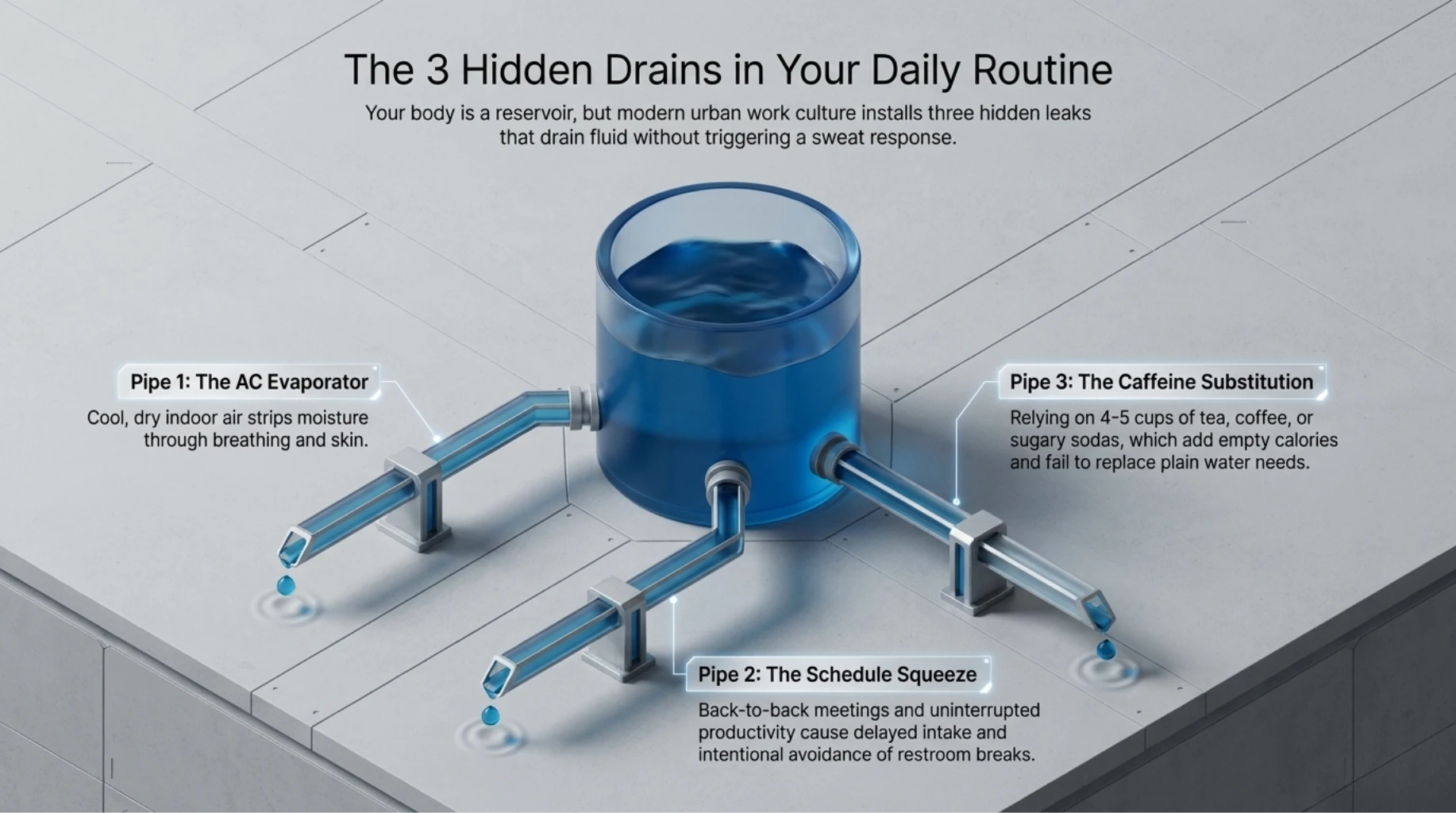
Many adults believe that all beverages hydrate the body equally.
Although tea and coffee do contribute to daily fluid intake, they should not completely replace plain water. Similarly, sugar-sweetened beverages and energy drinks are not ideal choices for maintaining healthy hydration because they often add unnecessary calories and sugar.
It is common to see people consume four or five cups of tea or coffee during the day while drinking very little plain water. This habit may leave them dehydrated without realizing it, particularly during hot weather or long working hours.
Early Signs That Are Often Ignored
Mild dehydration rarely causes dramatic symptoms in the beginning. Instead, the body produces subtle warning signs that are often overlooked.
These may include:
- Persistent tiredness
- Headaches
- Dry mouth
- Dark yellow urine
- Poor concentration
- Constipation
- Reduced exercise tolerance
- Occasional dizziness on standing
Because these symptoms are common in busy urban lifestyles, many people never consider hydration as a possible contributor.
Why Hydration Matters for Overall Metabolic Health
Hydration influences far more than thirst. Proper fluid balance supports healthy digestion, circulation, kidney function, temperature regulation, physical performance, and cognitive function.
When someone remains dehydrated without realizing it, these systems may gradually become less efficient. Although dehydration alone is rarely the sole cause of metabolic disease, it can contribute to reduced wellbeing, lower productivity, and poorer overall health when combined with inadequate sleep, poor nutrition, physical inactivity, and chronic stress.
How Dehydration Affects Energy Levels and Mental Performance
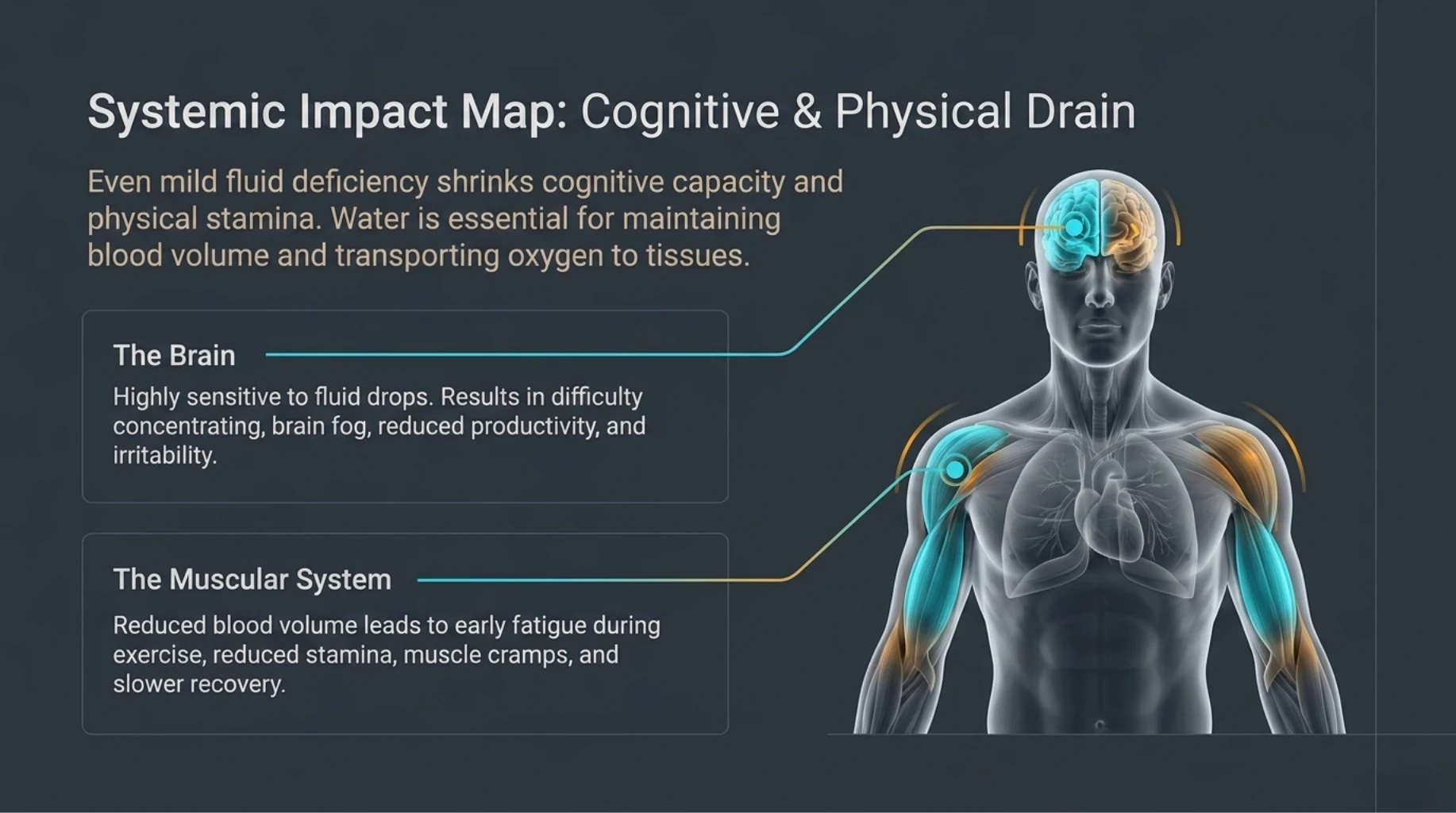
Many people associate dehydration only with extreme thirst or hot weather. However, even mild fluid deficiency can influence how the brain functions.
The brain is highly sensitive to changes in hydration status. When the body does not have enough water, concentration, alertness, memory, and mental performance may gradually decline.
People who remain dehydrated without realizing it often report:
- Difficulty concentrating
- Brain fog
- Reduced productivity
- Headaches
- Daytime fatigue
- Irritability
Because these symptoms are also common during stressful workdays, dehydration is frequently overlooked as a contributing factor.
Hidden Reason 4: Dehydration Can Reduce Physical Performance
Water plays an essential role in maintaining blood volume, regulating body temperature, and transporting oxygen and nutrients to muscles.
When hydration is inadequate, physical performance may gradually decline.
Many individuals notice:
- Early fatigue during exercise
- Reduced stamina
- Muscle cramps
- Slower recovery after physical activity
Even people who perform only moderate physical activity may feel more tired if they are not drinking enough water throughout the day.
This is especially important during summer months, prolonged outdoor work, or exercise sessions.
Hidden Reason 5: Poor Hydration Can Affect Digestion
The digestive system also depends on adequate hydration.
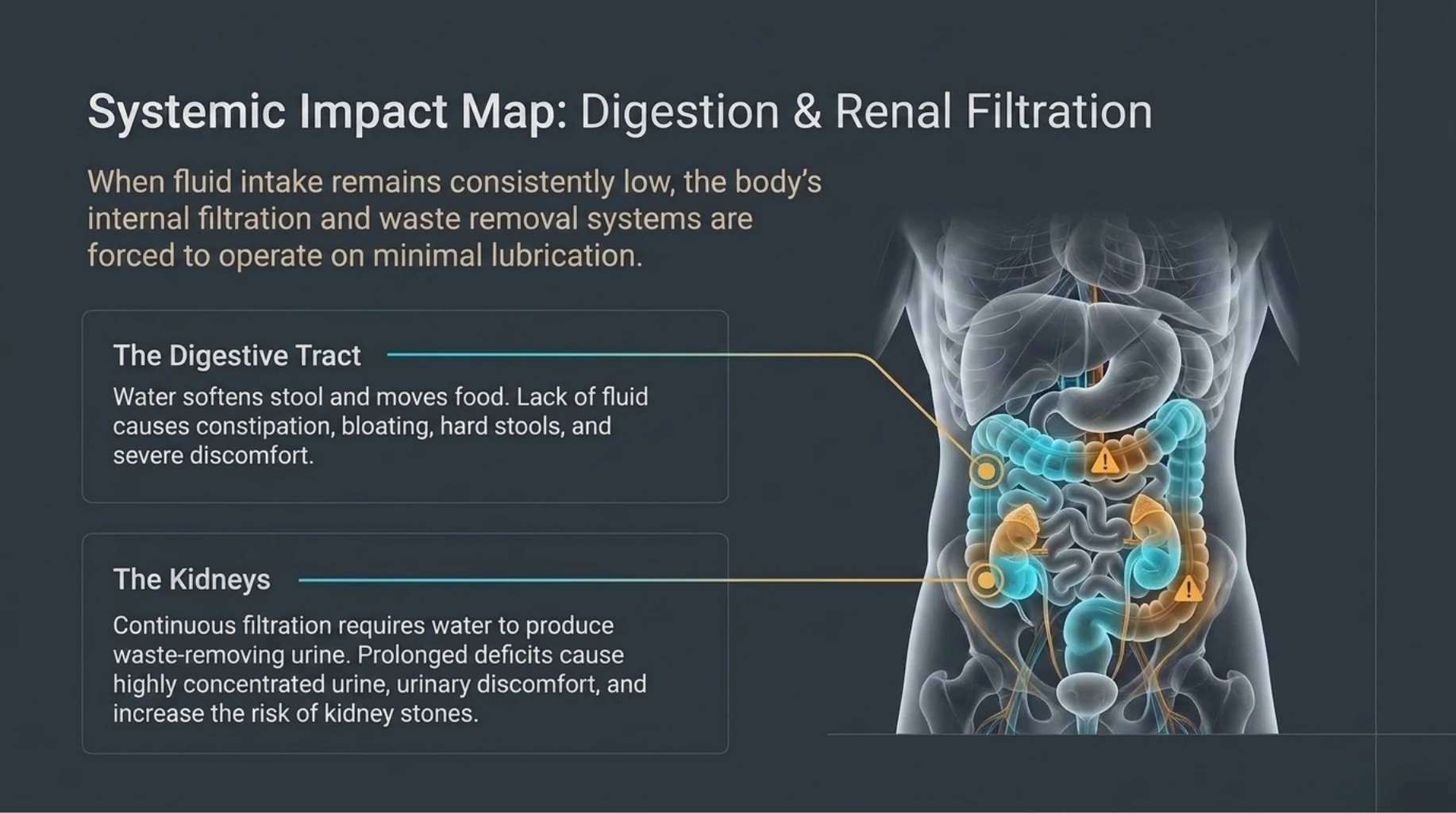
Water helps soften stool, supports normal bowel movements, and assists in the movement of food through the digestive tract.
When fluid intake remains consistently low, some people may experience:
- Constipation
- Bloating
- Hard stools
- Digestive discomfort
Although constipation has many possible causes, inadequate hydration is one factor that should not be overlooked.
Combined with a low-fiber diet and physical inactivity, poor hydration can make digestive symptoms even worse.
Hidden Reason 6: The Kidneys Depend on Adequate Water
The kidneys continuously filter waste products from the blood and help maintain the body’s fluid and electrolyte balance.
Adequate water intake supports this process by helping produce urine that removes waste efficiently.
When hydration remains inadequate for prolonged periods, urine becomes more concentrated.
This may increase the risk of:
- Kidney stones in susceptible individuals
- Urinary discomfort
- Reduced urine output
It is important to note that hydration is only one factor affecting kidney health, but maintaining adequate fluid intake is a simple habit that supports normal kidney function in most healthy adults.
Hidden Reason 7: Older Adults Are at Greater Risk
As people age, the sensation of thirst often becomes less reliable.
Many older adults do not feel thirsty until dehydration is already present.
In addition, some individuals intentionally reduce water intake because they are concerned about frequent urination, especially at night.
This combination increases the likelihood of inadequate hydration and makes regular water intake even more important.
Hot Weather and Urban Living Increase Fluid Needs
Urban environments expose people to several factors that increase fluid loss, including:
- High outdoor temperatures
- Long commutes
- Air-conditioned offices
- Traffic-related heat exposure
- Busy schedules that delay drinking water
During summer, these factors can significantly increase daily fluid requirements even if physical activity remains relatively low.
Many professionals underestimate these losses because they are not engaged in strenuous exercise.
Why Urine Colour Can Provide Useful Information
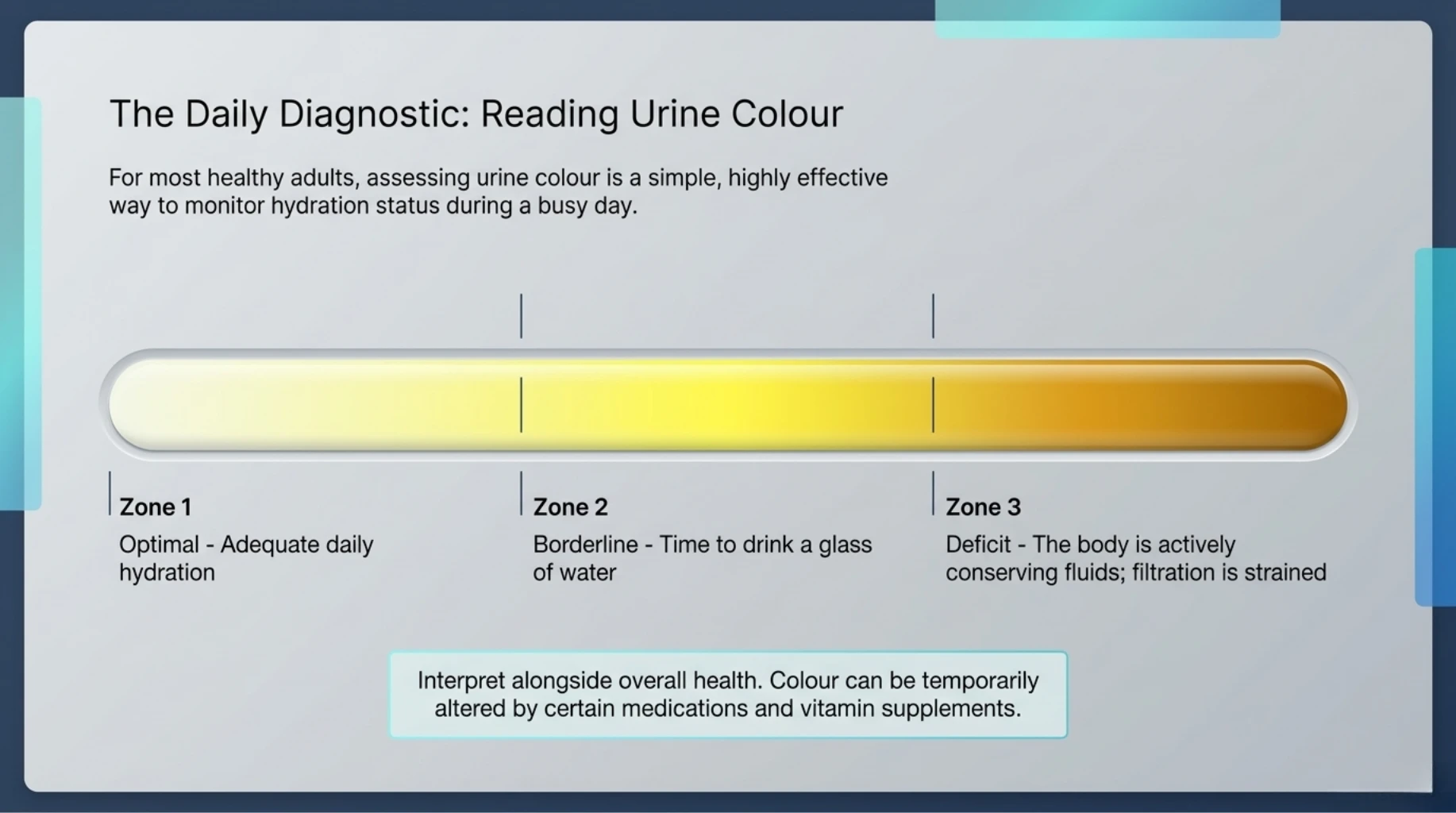
For most healthy adults, urine colour offers a simple way to assess hydration during daily life.
Pale yellow urine generally suggests adequate hydration, whereas consistently dark yellow urine may indicate that fluid intake needs attention.
However, urine colour can also be influenced by medications, vitamin supplements, and certain medical conditions. Therefore, it should be interpreted alongside overall health rather than used as the only indicator of hydration.
Hydration Is About More Than Drinking Water Occasionally
Many people drink large amounts of water only when they feel extremely thirsty.
A healthier approach is maintaining regular fluid intake throughout the day instead of trying to compensate all at once.
Consistent hydration helps support physical performance, digestion, cognitive function, and overall wellbeing much more effectively than drinking excessive amounts of water at one time.
How to Stay Well Hydrated Every Day
The good news is that preventing dehydration is usually simple. It does not require expensive supplements, sports drinks, or complicated hydration plans. For most healthy adults, staying hydrated is about developing consistent daily habits rather than waiting until intense thirst appears.
Instead of asking, “How much water should everyone drink?”, it is often more useful to ask, “Am I replacing the fluids my body loses every day?” The answer varies because hydration needs differ according to age, climate, physical activity, body size, health conditions, and diet.
Drink Water Regularly Instead of Waiting for Thirst
Many adults depend entirely on thirst as a reminder to drink water. Unfortunately, thirst is not always an early warning signal.
A practical approach is to spread water intake throughout the day rather than drinking large amounts at once.
Simple habits include:
- Drinking a glass of water after waking up
- Keeping a water bottle at your desk
- Drinking water before long meetings or travel
- Taking a few sips every hour during work
- Increasing fluid intake during hot weather or exercise
These small habits are easier to maintain than trying to “catch up” with several glasses of water at the end of the day.
Eat Water-Rich Foods
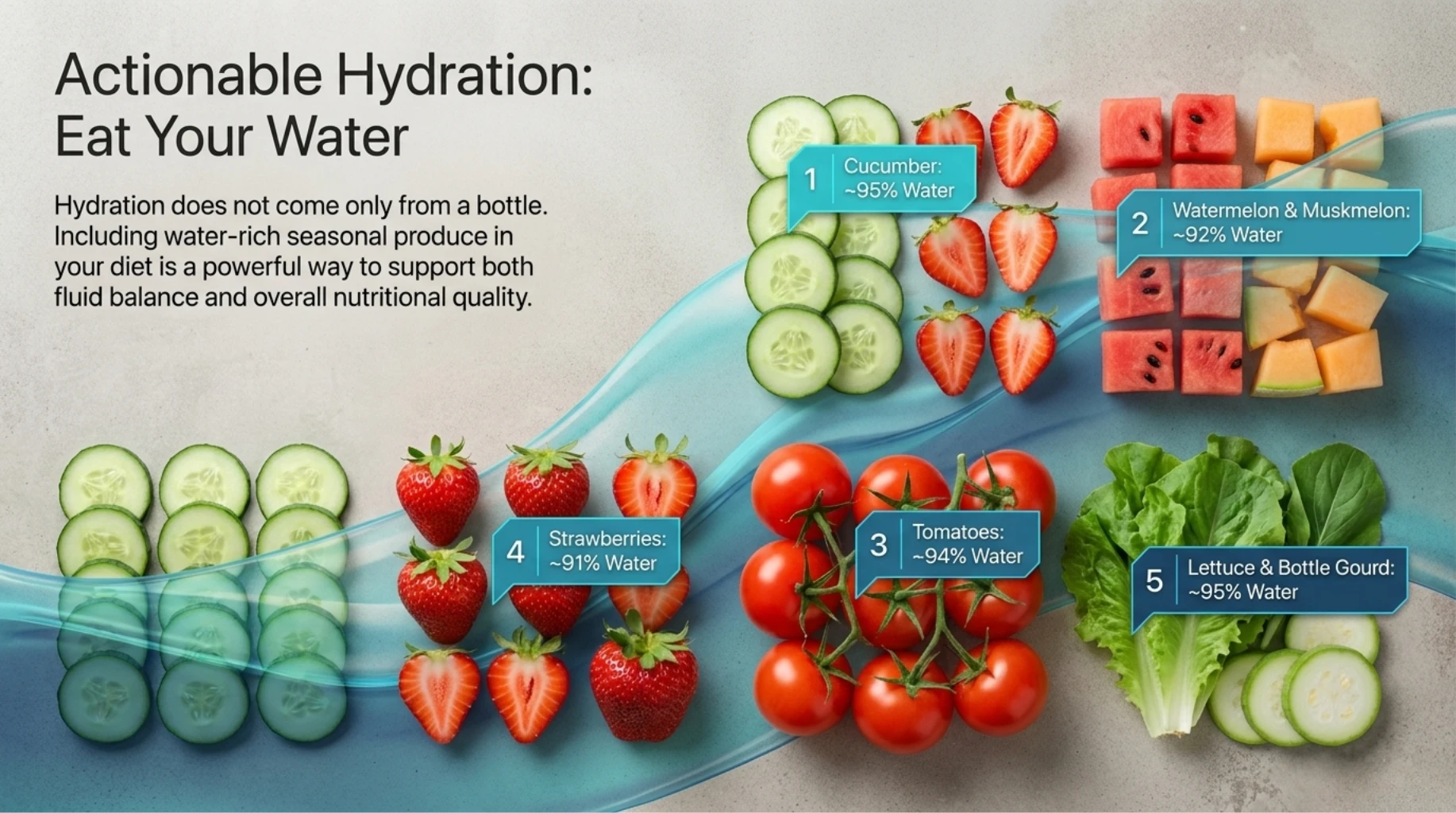
Hydration does not come only from drinking water. Many foods naturally contribute to daily fluid intake.
Examples include:
- Cucumber
- Watermelon
- Muskmelon
- Tomatoes
- Oranges
- Strawberries
- Lettuce
- Bottle gourd and other seasonal vegetables
Including plenty of fruits and vegetables in the diet supports both hydration and overall nutritional quality.
Be More Careful During Hot Weather
Summer temperatures, especially in many parts of India, can significantly increase fluid loss through sweating.
People who work outdoors, travel frequently, or exercise during hot weather should pay extra attention to hydration.
In these situations, water requirements are usually higher than during cooler months.
If sweating is excessive because of prolonged physical activity, replacing electrolytes may also become important, but plain water remains the primary source of hydration for most routine daily activities.
Do Not Replace Water With Sugary Drinks
Many commercially available beverages appear refreshing but may contain large amounts of added sugar.
Frequent consumption of:
- Soft drinks
- Sweetened fruit drinks
- Energy drinks
- Sugary iced teas
can increase calorie intake without improving overall diet quality.
For most adults, plain water should remain the first choice for daily hydration.
People With Certain Medical Conditions May Need Individual Advice
Although adequate hydration is important, not everyone should dramatically increase water intake without guidance.
Individuals with conditions such as:
- Heart failure
- Advanced kidney disease
- Certain liver disorders
may require individualized fluid recommendations from their treating physician.
This is why hydration advice should always be interpreted in the context of overall health.
Small Daily Habits Make the Biggest Difference
Hydration is not determined by one glass of water or one particularly hot day. It is the result of consistent daily habits.
Simple lifestyle changes can make a significant difference:
- Carry a reusable water bottle.
- Drink water with every meal.
- Increase fluids during exercise.
- Choose water instead of sugary beverages whenever possible.
- Monitor urine colour as a simple guide.
These habits require very little effort but can support energy levels, digestion, kidney function, concentration, and overall wellbeing.
Hydration Supports More Than Just Thirst
Proper hydration contributes to many aspects of health, including:
- Normal digestion
- Healthy circulation
- Temperature regulation
- Joint lubrication
- Physical performance
- Mental alertness
- Kidney function
Although water is not a cure for every health problem, maintaining adequate hydration provides a strong foundation for overall health and complements healthy nutrition, regular physical activity, and good sleep.
Key Take-Home Messages
- Many urban adults become mildly dehydrated because of busy schedules, air-conditioned environments, and inadequate water intake.
- Fatigue, headaches, poor concentration, constipation, and dark urine may be early signs of inadequate hydration.
- Thirst is not always an early indicator, particularly in older adults.
- Water-rich foods and regular fluid intake throughout the day help maintain healthy hydration.
- Consistent daily hydration habits support physical performance, brain function, digestion, and kidney health.
Final Thoughts
Many people go through their daily routine dehydrated without realizing it, assuming that tiredness, headaches, reduced concentration, or constipation are simply part of a busy lifestyle. In reality, something as simple as inadequate hydration may be contributing to these problems.
The solution is not drinking excessive amounts of water at once. It is building small, sustainable hydration habits that become part of everyday life. Combined with a balanced diet, regular physical activity, good sleep, and effective stress management, proper hydration supports long-term metabolic health and overall wellbeing.
If you would like a personalised assessment of your nutrition, hydration, and metabolic health, you can book a consultation here:
Book an Appointment
Disclaimer: This article is intended for educational purposes only and should not be considered a substitute for professional medical advice, diagnosis, or treatment. Individual hydration needs vary depending on age, climate, physical activity, and medical conditions. Always consult your healthcare provider for personalised advice.

Written by Dr. Pankaj Kumar
General & Lifestyle Physician in Dwarka Sector 6, New Delhi · MBBS, DNB (Family Medicine), DNHE · 16 years of experience.
About the doctor →Book a consultation → Beyond Blood Sugar
 The 90-Day Prediabetes Turnaround
 The Indian Diabetes Diet Reset
 Eat to Beat Gout
 Why Is My Hair Falling?
 The 30-Day Inflammation Reset