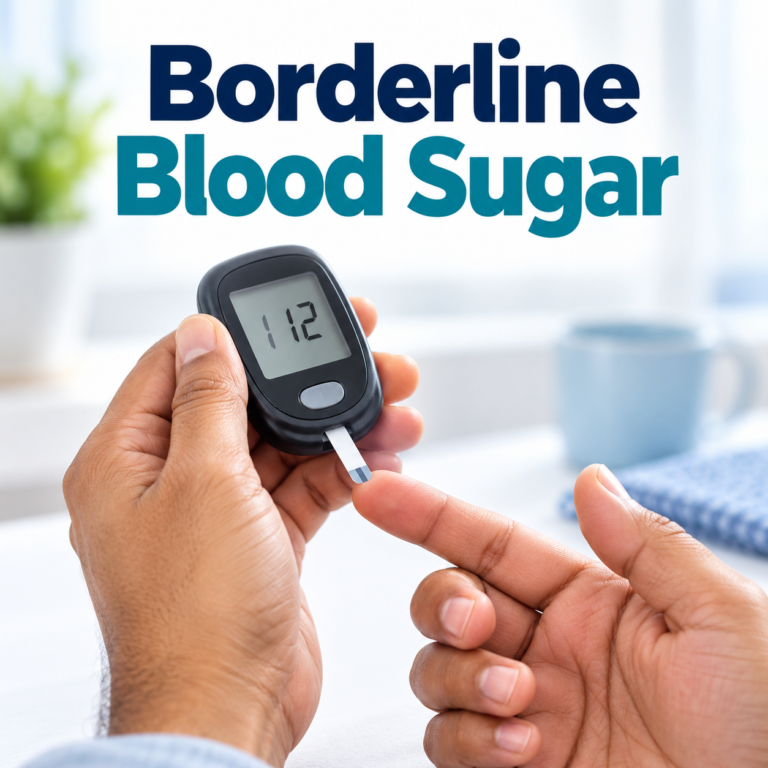
An HbA1c test is one of the most useful blood tests for understanding long-term glucose levels.
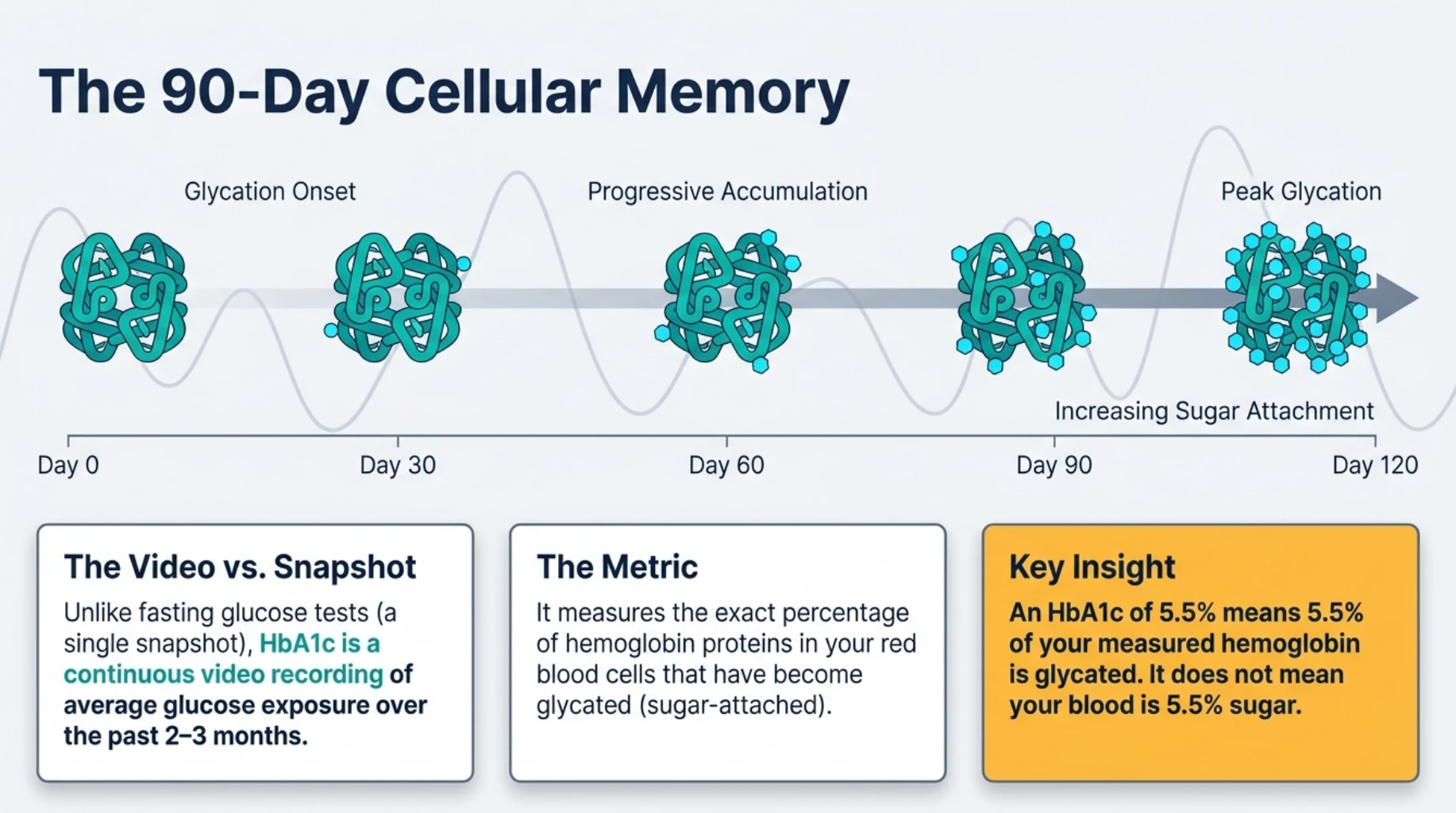
Unlike a fasting glucose test, which tells you what your blood sugar is at one particular moment, HbA1c gives an estimate of your average glucose exposure over roughly the previous three months. It does this by measuring the percentage of hemoglobin in red blood cells that has glucose attached to it.
That makes HbA1c useful for two different purposes:
- screening and diagnosing prediabetes or type 2 diabetes
- monitoring glucose control in people who already have diabetes
But the number needs interpretation.
An HbA1c of 6.5% means something different in someone who has never been diagnosed with diabetes than it does in someone already taking diabetes medication. An HbA1c of 7% may be an appropriate treatment result for one person but not necessarily the right goal for another.
HbA1c can also sometimes be misleading when anemia, blood loss, kidney disease, hemoglobin variants or other conditions affect red blood cells.
So rather than asking only:
“Is my HbA1c good or bad?”
a more useful question is:
“What does this HbA1c mean in the context of my diagnosis, glucose readings, medicines and overall health?”
What Does Your HbA1c Number Mean?
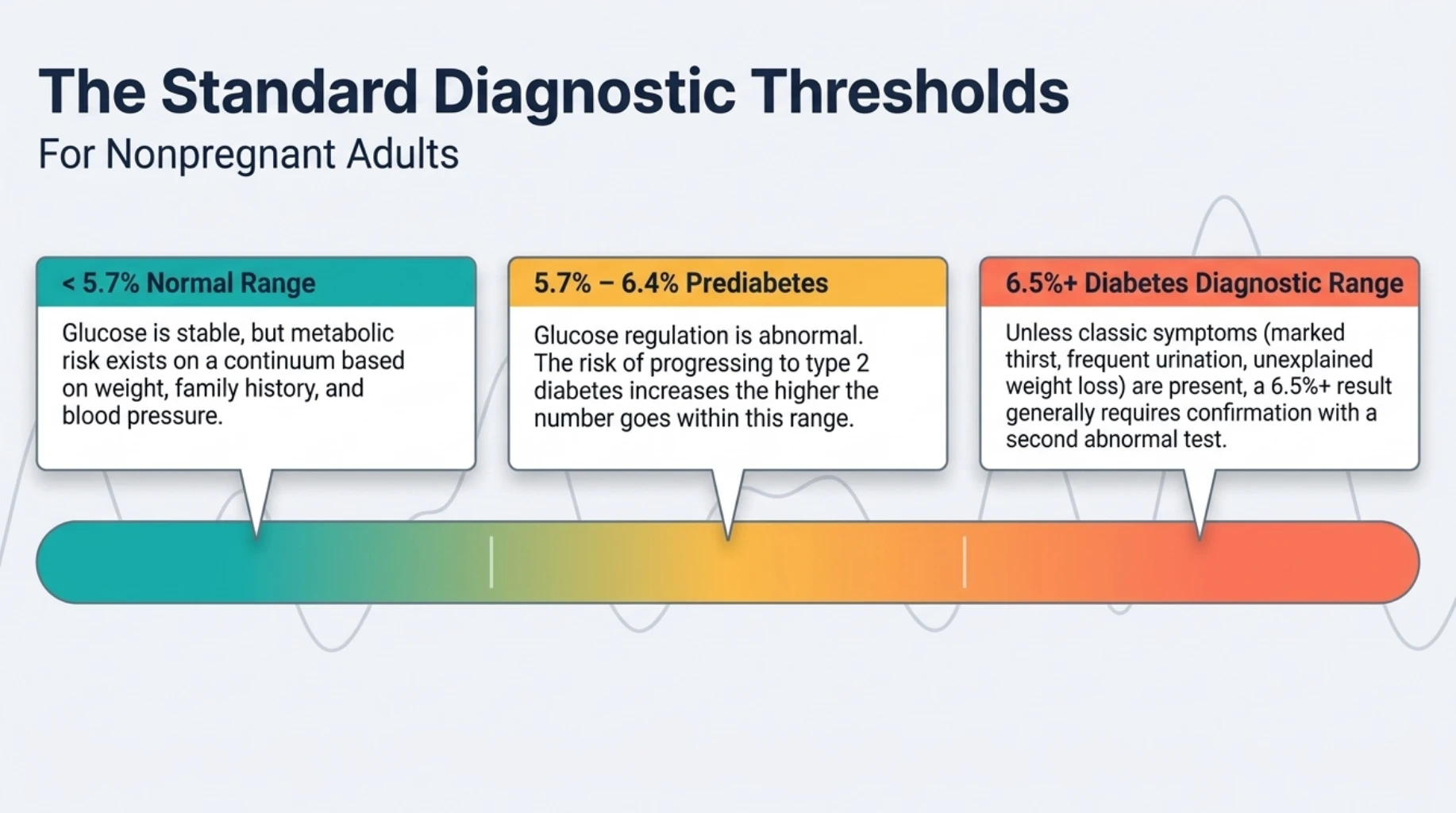
For diagnosing diabetes and prediabetes in nonpregnant adults, current criteria use these HbA1c ranges:
| HbA1c | General interpretation |
|---|---|
| Below 5.7% | Normal range |
| 5.7% to 6.4% | Prediabetes range |
| 6.5% or above | Diabetes range |
These thresholds are used by the American Diabetes Association, CDC and NIDDK.
However, a result in the diabetes range does not always mean one test alone is enough to establish the diagnosis.
If you do not have classic symptoms of hyperglycemia or a hyperglycemic crisis, an abnormal diagnostic result generally needs confirmation with another abnormal test.
And once someone already has diabetes, these diagnostic thresholds should not be confused with their treatment target.
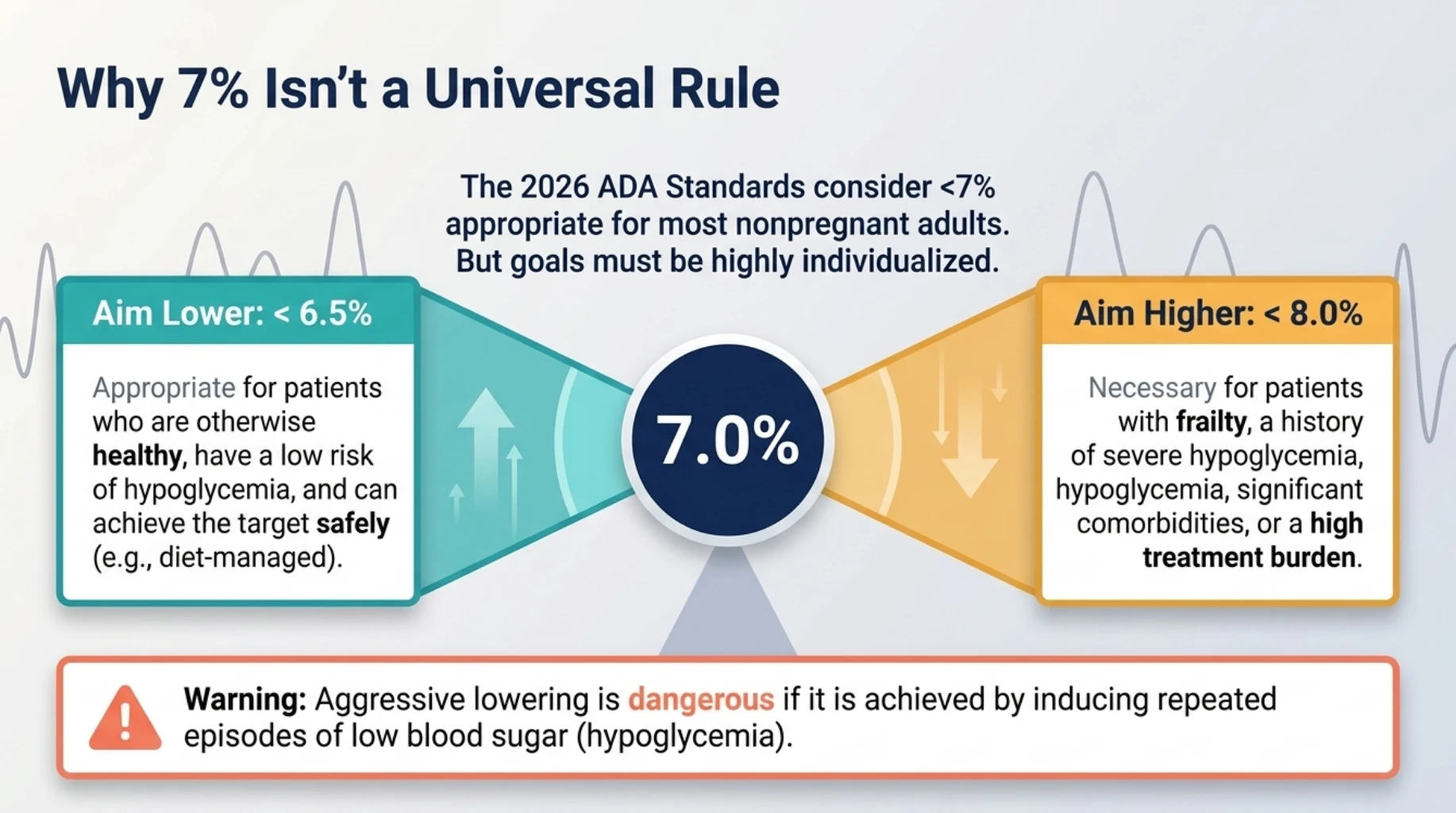
For many nonpregnant adults with diabetes, the 2026 ADA Standards consider an HbA1c goal below 7% appropriate when it can be achieved without significant hypoglycemia or excessive treatment burden. The goal should still be individualized.
What Is an HbA1c Test?
HbA1c is also called:
- A1C
- hemoglobin A1c
- glycated hemoglobin
- glycohaemoglobin
Hemoglobin is the oxygen-carrying protein inside red blood cells.
Glucose circulating in the blood naturally attaches to hemoglobin. The more glucose your blood is exposed to over time, the larger the proportion of hemoglobin that becomes glycated.
The laboratory reports that proportion as a percentage.
For example:
means approximately 5.5% of the measured hemoglobin is glycated according to the standardized assay.
It does not mean that 5.5% of your blood is sugar.
Because red blood cells circulate for several months, HbA1c captures a much longer period than a single fasting or post-meal glucose test. NIDDK describes HbA1c as reflecting average blood glucose over approximately the previous three months.
Another practical advantage is that you usually do not need to fast for an HbA1c test.
Why the HbA1c Test Reflects More Than One Day of Blood Sugar
Suppose you attend the laboratory after eating unusually well for two days.
Your fasting glucose that morning might look better than usual.
Your HbA1c will not suddenly normalize because of those two days.
Similarly, one restaurant meal the evening before the test usually will not dramatically change the HbA1c.
That is why HbA1c is useful for showing the broader glucose pattern rather than a single good or bad day.
The opposite is also true.
If you have recently started exercising, changed your diet or started a new medicine, the HbA1c may not yet fully reflect that improvement.
A glucose meter can show changes within hours or days. HbA1c changes more gradually.
This difference explains why HbA1c and current glucose readings sometimes seem to tell different stories.
HbA1c Normal, Prediabetes and Diabetes Ranges
For an adult who has not already been diagnosed with diabetes, the HbA1c result can help classify glucose status.
Below 5.7%: Normal Range
An HbA1c below 5.7% is considered below the diagnostic range for prediabetes.
That does not mean future diabetes risk is zero.
Risk exists on a continuum and depends on factors such as:
- family history
- body weight and central adiposity
- physical activity
- previous gestational diabetes
- blood pressure
- lipid levels
- age and other metabolic risk factors
The ADA notes that diabetes risk increases continuously even within and around the prediabetes range.
5.7% to 6.4%: Prediabetes Range
An HbA1c between 5.7% and 6.4% falls within the prediabetes range.
Prediabetes does not mean that diabetes is inevitable.
It means glucose regulation is abnormal enough that the future risk of type 2 diabetes is higher.
Within this range, risk is not identical at every value. NIDDK notes that the higher the HbA1c within 5.7–6.4%, the greater the risk of progressing to diabetes.
For example, an HbA1c of 6.3% generally deserves more attention than 5.7%, even though both technically fall into the same category.
6.5% or Above: Diabetes Range
An HbA1c of 6.5% or higher meets a laboratory threshold used for diagnosing diabetes.
But context matters.
Does an HbA1c of 6.5% Automatically Confirm Diabetes?
Not always.
If someone has no clear symptoms and a laboratory HbA1c is 6.5% or above, current guidance generally requires confirmation with another abnormal test.
That might mean:
- repeating HbA1c
- checking fasting plasma glucose
- using another accepted diagnostic test
NIDDK specifically states that, in a person without symptoms, a result indicating diabetes should be repeated on another day using HbA1c or another diabetes test.
There are exceptions.
If a person has classic symptoms such as marked thirst, frequent urination and unexplained weight loss together with unequivocal hyperglycemia, diagnosis may not require the same repeat-testing approach. The ADA also allows a random plasma glucose of at least 200 mg/dL with classic symptoms or hyperglycemic crisis to establish diabetes.
It is also important that HbA1c used for diagnosis comes from an appropriately standardized laboratory method. NIDDK notes that laboratory testing using an NGSP-certified method is recommended for diagnosis.
What Does an HbA1c of 5.7%, 6%, 6.5%, 7% or 8% Mean?
Patients often understand the ranges better when individual numbers are translated into clinical context.
HbA1c 5.7%
This is the lower threshold of the prediabetes range.
It does not mean diabetes is present.
It does mean glucose regulation has crossed into a range associated with increased future diabetes risk.
HbA1c 6.0%
This remains within the prediabetes range.
The result should prompt a review of factors such as weight, waist circumference, physical activity, diet, sleep and family history rather than simply waiting for the number to reach 6.5%.
HbA1c 6.5%
In a person without known diabetes, 6.5% reaches the diagnostic threshold for diabetes, although confirmation is generally required when there is no unequivocal hyperglycemia.
In someone already diagnosed with diabetes, however, 6.5% is not a “diagnosis” again—it is a measure of current glucose control.
HbA1c 7%
For many nonpregnant adults who already have diabetes, an HbA1c below 7% is an appropriate treatment goal according to the 2026 ADA Standards, provided it can be achieved safely.
That does not mean 7% is a universal pass/fail line.
HbA1c 8%
An HbA1c of 8% indicates substantially greater average glucose exposure than 7%.
Whether treatment should be intensified depends on the person’s target, hypoglycemia risk, medicines, age, comorbidities and other clinical factors.
The correct interpretation is therefore:
diagnostic range + individual context + treatment status
—not simply whether the number looks high on the laboratory report.
HbA1c and Estimated Average Glucose: How Are They Related?
HbA1c is reported as a percentage, while glucose meters usually report glucose in mg/dL.
Estimated average glucose, or eAG, converts HbA1c into the same units used by a glucose meter.
CDC provides these approximate relationships:
| HbA1c | Estimated average glucose |
|---|---|
| 6% | 126 mg/dL |
| 7% | 154 mg/dL |
| 8% | 183 mg/dL |
| 9% | 212 mg/dL |
| 10% | 240 mg/dL |
This table can make an HbA1c result easier to visualize.
For example, moving from an HbA1c of 9% to 7% represents a meaningful reduction in average glucose exposure.
However, eAG is still an estimate.
It should not be interpreted as the glucose value you should expect every time you check your meter.
Why Your Average Glucose Is Not the Same as Your Fasting Sugar
Suppose your HbA1c is 7%.
The corresponding eAG is approximately 154 mg/dL.
That does not mean your fasting glucose should be 154 mg/dL.
Your real day may include:
Before breakfast: 112 mg/dL
After lunch: 185 mg/dL
Before dinner: 118 mg/dL
After dinner: 205 mg/dL
Those highs and lows can average out to a number that resembles the estimated average.
NIDDK specifically cautions that eAG will not match an individual daily glucose reading because HbA1c reflects long-term average exposure rather than glucose at one moment.
This is also why someone can have a reasonably good fasting glucose yet still have a higher-than-expected HbA1c because of repeated post-meal elevations.
If You Already Have Diabetes, What HbA1c Should You Aim For?
There is no single HbA1c target that is correct for every adult with diabetes.
The 2026 ADA Standards state that an HbA1c below 7% is appropriate for many nonpregnant adults when that target can be reached without severe hypoglycemia or unacceptable treatment burden.
Some people may reasonably have a lower target, such as below 6.5%, when they are otherwise healthy, treatment risk is low and the goal can be reached safely.
Other people may need a less stringent target.
Examples include some individuals with:
- frailty
- significant cognitive or functional impairment
- serious comorbidities
- high risk of hypoglycemia
- treatment burdens that outweigh the expected benefit
The ADA therefore recommends individualized glycemic goals rather than treating 7% as a universal rule.
This is especially important for people using insulin or sulfonylureas, where aggressively lowering HbA1c can increase hypoglycemia risk.
A lower number is not automatically better if achieving it causes repeated low glucose episodes.
Why an HbA1c Below 6.5% Does Not Automatically Mean Diabetes Is Gone
This is a common point of confusion.
Imagine someone is diagnosed with type 2 diabetes with an HbA1c of 8.4%.
After weight loss, dietary changes and medication, the HbA1c falls to 6.2%.
That is an excellent improvement.
But it does not mean the original diagnosis was necessarily wrong.
CDC notes that someone with established diabetes may achieve an HbA1c below 6.5% through lifestyle changes and medication; this generally indicates improved glucose management rather than automatically meaning the condition has disappeared.
The interpretation also depends on whether glucose-lowering medication is still being taken.
Formal diabetes-remission definitions use additional criteria and should not be inferred from one low HbA1c result alone.
That is why the same number can mean different things:
HbA1c 6.2% with no previous diabetes diagnosis
→ prediabetes range
HbA1c 6.2% in a person with treated type 2 diabetes
→ current glycemic control below the usual 7% goal for many adults
The laboratory value is identical.
The clinical meaning is not.
What the HbA1c Test Cannot Tell You
HbA1c is valuable, but it compresses several months of glucose into one average number.
That means it can miss important details.
Two people can both have an HbA1c of 7%.
One might spend most of the day close to target.
The other might alternate between:
- very high post-meal glucose
- repeated hypoglycemia
- normal readings between the extremes
Their HbA1c averages may look similar even though their daily glucose patterns are very different.
This is one reason the 2026 ADA Standards use additional measures such as continuous glucose monitoring time in range, time below range and glucose patterns when appropriate. For many nonpregnant adults using CGM, a time-in-range goal above 70% is considered appropriate, alongside limits on time spent in hypoglycemia.
The HbA1c test therefore cannot reliably tell you:
- when glucose is highest
- whether post-meal spikes are occurring
- whether overnight hypoglycemia is occurring
- how variable glucose is during the day
Those questions require home glucose readings or CGM data.
Why HbA1c and Home Glucose Readings Sometimes Do Not Match
Sometimes an HbA1c result seems inconsistent with what you see on your glucose meter.
For example:
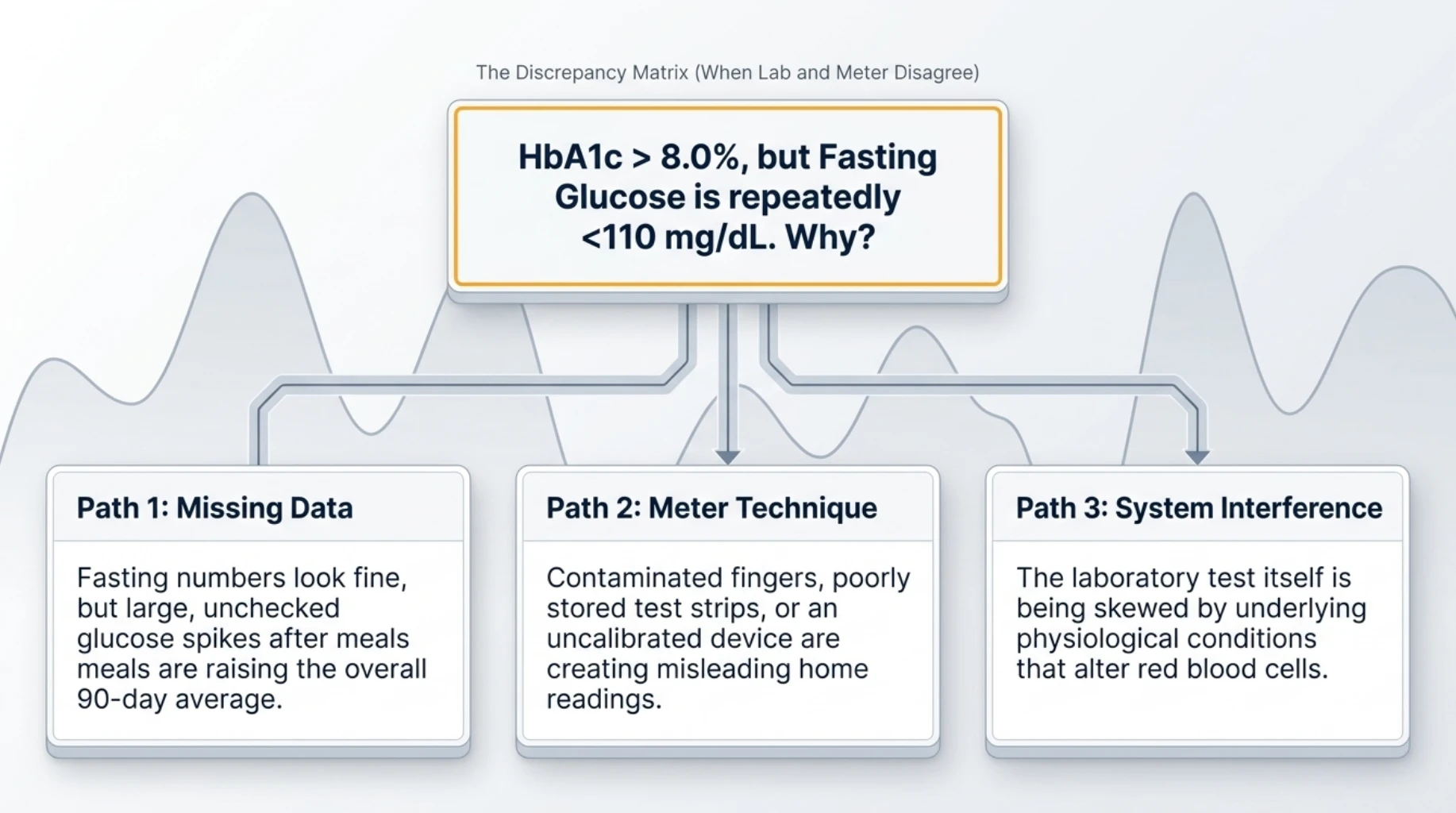
HbA1c: 8.1%
Most fasting readings: 105–125 mg/dL
That does not automatically mean the laboratory result is wrong.
One possibility is that fasting glucose looks reasonable while glucose rises substantially after meals. If you only check first thing in the morning, those daytime elevations may be missed.
Another possibility is that the HbA1c itself is being affected by a condition that changes red blood cells or hemoglobin.
The 2026 ADA Standards specifically recommend considering interference when there is persistent and substantial disagreement between glucose values and HbA1c.
Before assuming one result is incorrect, consider:
- when home glucose is being measured
- whether post-meal readings are available
- whether CGM shows unrecognized highs or lows
- recent blood loss or transfusion
- anemia
- kidney disease
- pregnancy
- hemoglobin variants
- medicines affecting red-cell production
Meter technique also matters. Poorly stored strips, contaminated fingers or an inaccurate meter can create misleading home readings.
When the discrepancy is significant, the solution is usually to investigate the disagreement rather than simply choosing whichever number looks better.
When Can HbA1c Be Falsely High or Falsely Low?
The HbA1c test assumes that red blood cells are behaving relatively normally.
Anything that changes how long red cells remain in circulation can change how much time hemoglobin has to become glycated.
In broad terms, conditions that shorten red-cell survival can make HbA1c appear lower than expected, while some conditions that prolong red-cell exposure or alter hemoglobin chemistry can make the result higher.
Current ADA guidance lists several situations that can interfere with HbA1c accuracy, including:
- hemolytic and other anemias
- recent blood transfusion
- erythropoietin treatment
- kidney failure
- pregnancy
- glucose-6-phosphate dehydrogenase deficiency
- some hemoglobin variants
NIDDK also notes that recent blood loss, hemodialysis, liver disease and disorders affecting hemoglobin can produce misleading HbA1c results.
This does not make HbA1c an unreliable test in general.
It means that the result should be interpreted differently when one of these situations is present.
Anemia and Iron Deficiency Can Affect HbA1c
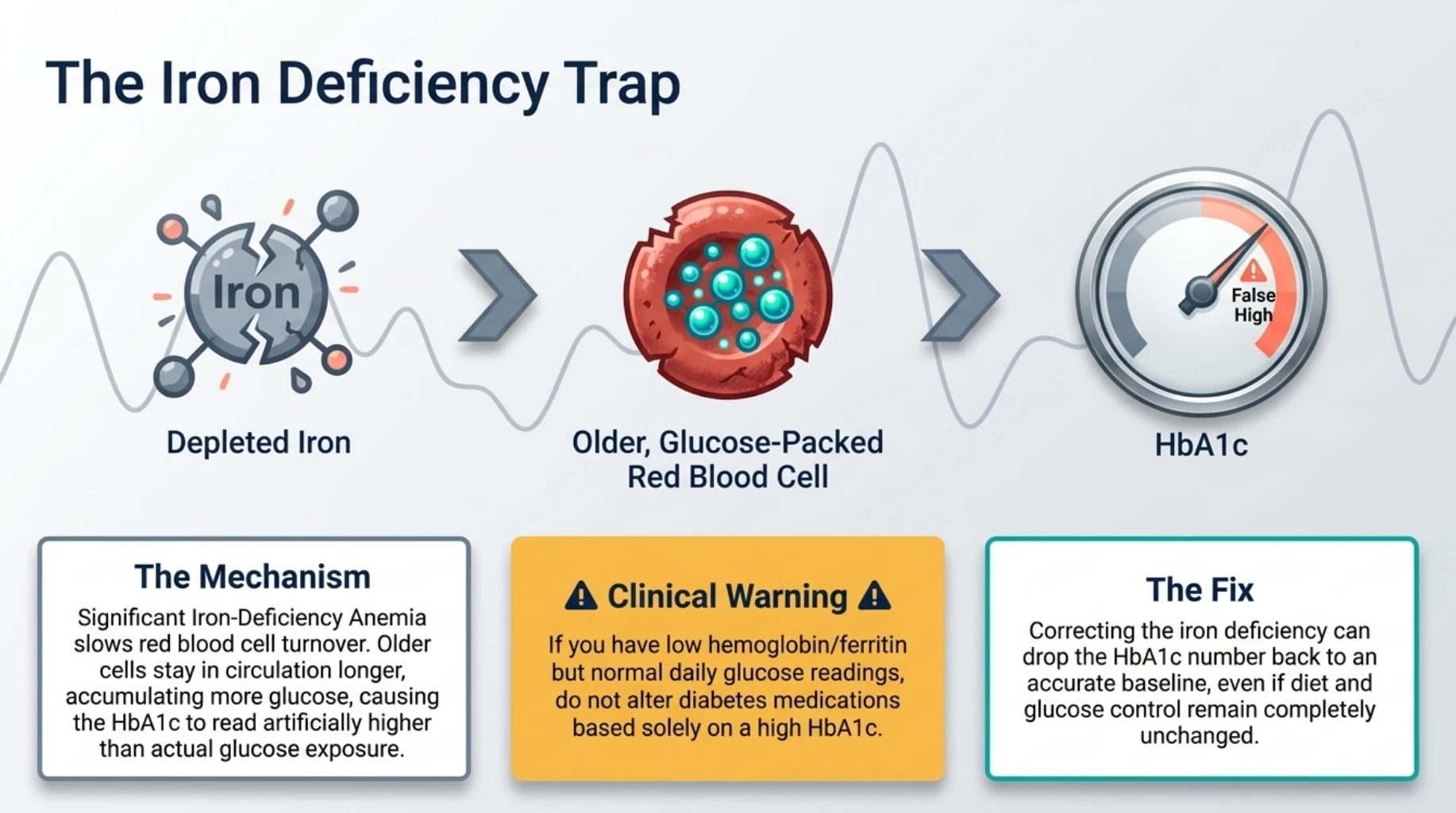
Iron-deficiency anemia deserves particular attention because it can cause HbA1c to read higher than expected.
Both NIDDK and the National Glycohaemoglobin Standardization Program describe higher HbA1c measurements in significant iron deficiency. HbA1c may fall after iron deficiency is corrected even if actual glucose control has not changed to the same degree.
Therefore, imagine someone has:
HbA1c: 6.5%
Hemoglobin: low
Ferritin: markedly low
Fasting glucose: repeatedly normal
That situation deserves closer interpretation before making major conclusions from HbA1c alone.
Other forms of anemia can affect HbA1c differently depending on how they influence red-cell lifespan.
Do not assume that every person with anemia will have a falsely high result.
The type of anemia matters.
Hemoglobin Variants Can Affect Some HbA1c Tests
Hemoglobin variants such as HbS, HbC, HbE and HbD can interfere with some HbA1c assay methods.
The degree of interference depends on:
- which hemoglobin variant is present
- whether the person carries one copy or has a hemoglobin disease
- which laboratory method is being used
The NGSP maintains method-specific information showing which HbA1c assays are affected by particular variants.
NIDDK notes that hemoglobin variants are particularly relevant in people with ancestry from regions where conditions such as sickle-cell disease or thalassemia are more common, including parts of Africa, the Mediterranean and Southeast Asia.
In India, haemoglobinopathies such as thalassemia and hemoglobin E are also clinically relevant in some populations.
If HbA1c repeatedly does not match glucose measurements, mention any known:
- thalassemia trait
- sickle-cell trait or disease
- hemoglobin E
- previous hemoglobin-electrophoresis result
- family history of a hemoglobin disorder
The laboratory method may then need to be reviewed.
HbA1c in Kidney Disease, Liver Disease and Pregnancy
Certain clinical situations require particular caution.
Kidney Disease
HbA1c can still be useful in many people with chronic kidney disease, but accuracy becomes more complicated in advanced disease.
Anemia, shortened red-cell survival, hemodialysis, erythropoietin treatment and transfusions can all affect the relationship between HbA1c and actual glucose exposure.
NGSP notes that HbA1c may underestimate glycaemia in some people receiving dialysis, particularly because renal anemia and erythropoietin alter red-cell behaviour.
In this setting, glucose monitoring or CGM may provide important additional information.
Liver Disease
Advanced liver disease can also change red-cell survival and therefore distort HbA1c.
NIDDK specifically lists liver disease among situations in which HbA1c may produce a false result.
The direction of the error is not necessarily the same in every patient, so it is better to compare HbA1c with measured glucose rather than applying a simple correction formula.
Pregnancy
Pregnancy requires a different approach altogether.
Red-blood-cell turnover increases during pregnancy, causing HbA1c to run somewhat lower than it otherwise might.
The 2026 ADA pregnancy standards therefore recommend using fasting and post-meal glucose monitoring as the primary measures of glycemic control in pregnancy, with HbA1c as an additional measure rather than a replacement.
Pregnancy also has different glucose targets and different criteria for gestational diabetes.
Do not interpret an HbA1c during pregnancy using the same treatment assumptions as a nonpregnant adult.
How Often Should HbA1c Be Checked?
The answer depends on how stable your diabetes is.
For people with diabetes whose glucose is stable and whose treatment goals are being met, current guidance generally supports checking HbA1c or another glycemic assessment at least twice per year.
More frequent assessment—often around every three months—is appropriate when:
- treatment has recently changed
- HbA1c is above target
- glucose is unstable
- significant hyperglycemia is occurring
- frequent or severe hypoglycemia is occurring
- another health condition is changing glucose control
Current ADA guidance recommends at least twice-yearly assessment for stable patients and more frequent testing, such as approximately every three months, when goals are not being met or treatment or health status has changed.
Testing every few weeks is usually not useful because HbA1c reflects a longer period.
However, there are exceptions—pregnancy, for example, may require more frequent assessment.
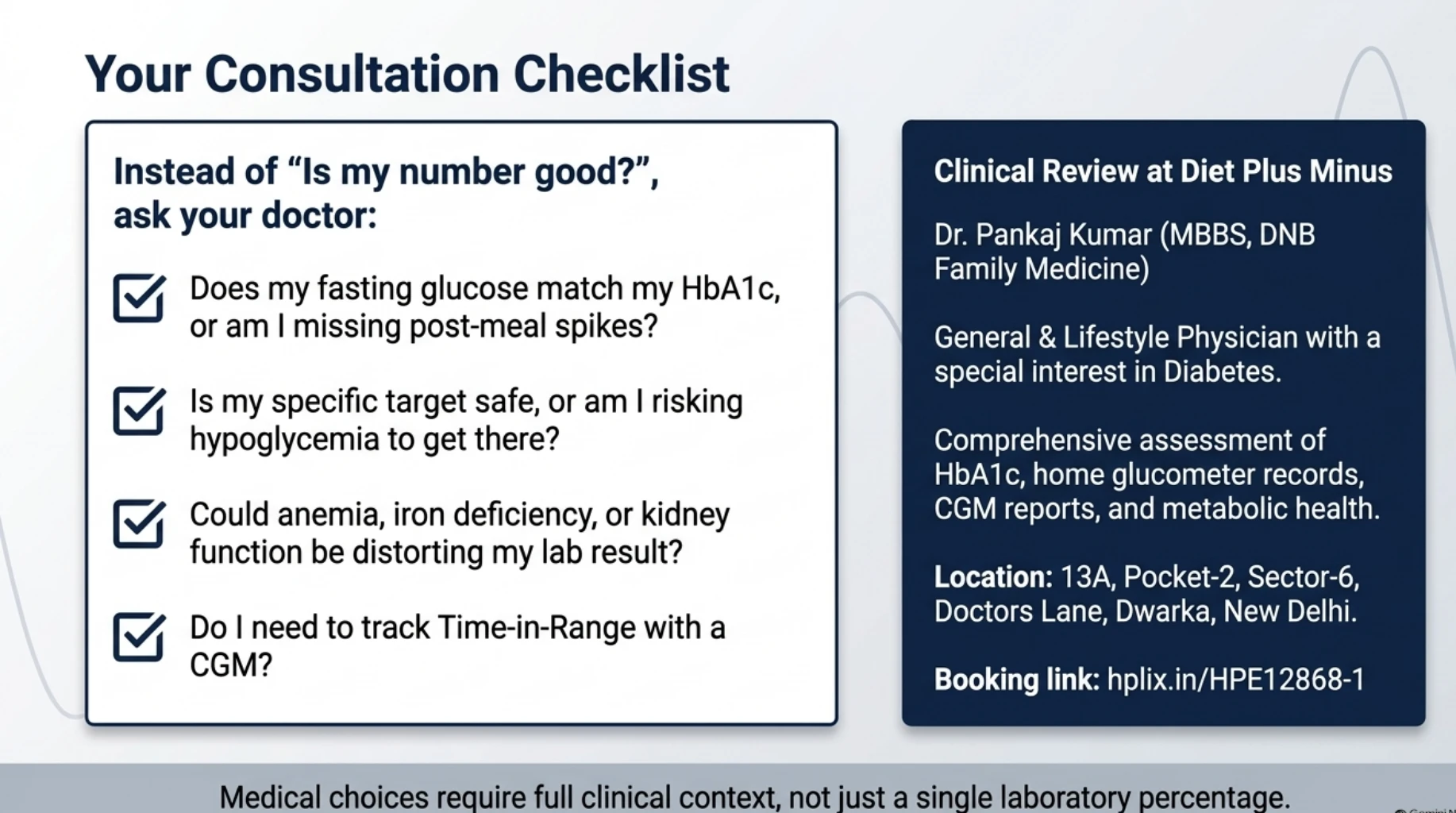
What Should You Discuss With Your Doctor About an HbA1c Result?
Rather than asking only whether the number is “good,” consider discussing:
- Is this result in the normal, prediabetes or diabetes range?
- If this is my first abnormal result, does it need confirmation?
- What HbA1c target is appropriate for me?
- Does my fasting glucose match the HbA1c?
- Could post-meal glucose be raising the average?
- Am I experiencing unrecognized hypoglycemia?
- Could anemia or iron deficiency be affecting the result?
- Does kidney disease make HbA1c less reliable for me?
- Would CGM or structured home glucose monitoring add useful information?
- Do my medicines need review?
- When should the test be repeated?
If your HbA1c has risen, also consider what changed during the preceding months.
Examples include:
- medicine doses being missed
- reduced physical activity
- weight gain
- a change in meal pattern
- steroid treatment
- illness
- significant stress
- poor sleep
- frequent hypoglycemia followed by overtreatment with food
Bring previous HbA1c values if possible.
A trend such as:
6.1% → 6.4% → 6.8%
tells a different story from a single isolated HbA1c of 6.8%.
Can HbA1c Improve in Three Months?
Yes.
HbA1c reflects approximately two to three months of glucose exposure, and more recent glucose levels influence the measurement more strongly than older levels.
The 2026 ADA Standards describe HbA1c as a weighted average, meaning clinically meaningful changes can appear in less than the approximately 120-day lifespan of a red blood cell.
Therefore, improving:
- food quality and portions
- physical activity
- medication adherence
- weight where appropriate
- sleep
- diabetes treatment
can produce a measurable HbA1c improvement over the next several months.
But a rapid drop is not always automatically better.
Someone using insulin or sulfonylureas could lower HbA1c partly by experiencing repeated hypoglycemia.
That is why HbA1c should be considered alongside glucose readings or CGM when treatment carries a meaningful risk of low blood sugar.
The goal is not simply to produce the lowest possible laboratory number.
The goal is safe, sustainable glucose control.
HbA1c Review at Diet Plus Minus in Dwarka
If an HbA1c result is high, borderline or inconsistent with home glucose readings, it can be reviewed as part of a broader diabetes or prediabetes assessment.
Dr. Pankaj Kumar can review:
- current and previous HbA1c results
- fasting and post-meal glucose readings
- home glucometer records
- CGM reports where available
- diabetes medicines and doses
- hypoglycemia risk
- body-weight and waist trends
- kidney function
- anemia and iron-related reports where relevant
- lifestyle and eating patterns
- whether repeat or additional testing is appropriate
- whether specialist referral is needed
Bring previous laboratory reports rather than only the most recent HbA1c whenever possible.
Dr. Pankaj Kumar
MBBS, DNB Family Medicine, Sir Ganga Ram Hospital
General & Lifestyle Physician
Special interest in Diabetes
Diet Plus Minus
13A, Pocket-2, Sector-6, Doctors Lane
Dwarka, New Delhi – 110075
India
Book an Appointment with Dr. Pankaj Kumar:
https://hplix.in/HPE12868-1
Frequently Asked Questions
Is an HbA1c of 5.6% Normal?
Yes.
An HbA1c below 5.7% is below the diagnostic threshold for prediabetes in nonpregnant adults. Future diabetes risk still depends on other factors such as weight, family history and metabolic health.
Is an HbA1c of 5.7% Prediabetes?
Yes.
An HbA1c from 5.7% through 6.4% falls within the prediabetes range.
Is an HbA1c of 6.4% Diabetes?
Not by the HbA1c diagnostic threshold alone.
An HbA1c of 6.4% remains in the prediabetes range, although it is close to the 6.5% diabetes threshold and represents higher diabetes risk than values near the lower end of the range.
Is an HbA1c of 6.5% Definitely Diabetes?
An HbA1c of 6.5% reaches the diagnostic threshold.
If there are no unequivocal symptoms or hyperglycemic crisis, current ADA guidance generally requires confirmation with a second abnormal test.
Is an HbA1c of 7% Bad?
Not necessarily.
For many nonpregnant adults who already have diabetes, a target below 7% is appropriate.
The goal may be lower or higher depending on hypoglycemia risk, overall health and treatment burden.
What Does an HbA1c of 8% Mean?
An HbA1c of 8% corresponds to an estimated average glucose of approximately 183 mg/dL.
For many adults with diabetes, that would be above the usual treatment target, but individual goals vary.
Does HbA1c Require Fasting?
No.
You generally do not need to fast specifically for an HbA1c test.
Other blood tests ordered at the same time may have different preparation requirements.
Can HbA1c Change in One Month?
It can begin to change because HbA1c is weighted toward more recent glucose exposure.
However, one month does not represent the complete approximately three-month period, so the full effect of a treatment change may not yet be visible.
Can Iron Deficiency Raise HbA1c?
Yes.
Significant iron-deficiency anemia can result in a falsely higher HbA1c.
If iron deficiency is substantial and HbA1c does not match measured glucose, the result needs careful interpretation.
Can Blood Loss Lower HbA1c?
Recent blood loss can alter HbA1c by changing the population and lifespan of circulating red blood cells.
The result may therefore not accurately represent average glucose.
Can a Blood Transfusion Affect HbA1c?
Yes.
A recent blood transfusion can make HbA1c difficult to interpret because donated red cells contribute to the measured result.
Tell your clinician if you have recently received a transfusion.
Can Kidney Disease Make HbA1c Inaccurate?
Yes, particularly in advanced kidney disease.
Anemia, dialysis, erythropoietin therapy and altered red-cell survival can affect HbA1c. In some patients receiving dialysis, HbA1c may underestimate actual glycaemia.
Can Thalassemia Affect HbA1c?
It can.
Thalassemia and other hemoglobin disorders can alter red-cell survival or interfere with certain laboratory methods. When HbA1c and measured glucose do not agree, the possibility of hemoglobin-related interference should be considered.
Why Is My HbA1c High if My Fasting Sugar Is Normal?
Post-meal glucose may be elevated even when fasting glucose is acceptable.
Another possibility is that HbA1c is being influenced by anemia or another red-cell condition.
Structured post-meal glucose readings or CGM can help identify the explanation.
Can HbA1c Miss Diabetes?
Yes.
HbA1c does not identify every person who would meet diabetes criteria using fasting glucose or an oral glucose tolerance test. The ADA notes that HbA1c has lower sensitivity at the diagnostic cut-off than the two-hour glucose test.
Is HbA1c Enough to Monitor Diabetes?
It is an important tool but not always sufficient by itself.
HbA1c does not show glucose variability, post-meal spikes or hypoglycemia.
Home glucose monitoring or CGM may provide additional information, particularly for people using insulin or medicines associated with low glucose.
Author Box
Dr. Pankaj Kumar
MBBS, DNB Family Medicine, Sir Ganga Ram Hospital
General & Lifestyle Physician
Special interest in Diabetes
Dr. Pankaj Kumar provides general medical and lifestyle-based care at Diet Plus Minus in Dwarka, New Delhi, with a special interest in diabetes. His clinical approach includes interpretation of HbA1c, fasting and post-meal glucose, diabetes and prediabetes risk, medication review and relevant metabolic-health factors, with specialist referral when appropriate.
Medical Disclaimer
This article provides general educational information and does not replace an individual medical consultation, diagnosis or treatment plan.
Do not start, stop or change diabetes medicines solely because of one HbA1c result.
If HbA1c does not match your glucose readings, additional assessment may be necessary before making major treatment decisions.
Pregnancy, significant anemia, hemoglobin disorders, recent blood loss or transfusion, dialysis and some other conditions require specific interpretation of HbA1c.
References
- American Diabetes Association Professional Practice Committee. Diagnosis and Classification of Diabetes: Standards of Care in Diabetes—2026. Covers diagnostic thresholds, confirmatory testing, HbA1c assay requirements and conditions in which plasma glucose should be preferred because the HbA1c–glucose relationship may be altered.
- American Diabetes Association Professional Practice Committee. Glycemic Goals, Hypoglycemia, and Hyperglycemic Crises: Standards of Care in Diabetes—2026. Reviews individualized HbA1c goals, CGM metrics and conditions affecting HbA1c accuracy.
- American Diabetes Association Professional Practice Committee. Management of Diabetes in Pregnancy: Standards of Care in Diabetes—2026. Explains altered HbA1c physiology during pregnancy and the role of fasting, post-meal and continuous glucose monitoring.
- National Institute of Diabetes and Digestive and Kidney Diseases. The A1C Test & Diabetes. Reviews HbA1c interpretation, estimated average glucose, testing frequency and factors such as anemia, blood loss, transfusion, kidney disease and hemoglobin variants that can alter results.
- National Glycohaemoglobin Standardization Program. Factors That Interfere With HbA1c Test Results. Updated June 2026. Provides current information about iron deficiency, renal disease and assay-specific interference from hemoglobin variants.
- Centers for Disease Control and Prevention. A1C Test for Diabetes and Prediabetes. Reviews diagnostic ranges, estimated average glucose and practical limitations of HbA1c.
- Centers for Disease Control and Prevention. Your Diabetes Care Schedule. Recommends approximately six-monthly HbA1c assessment when treatment goals are being met and approximately three-monthly assessment when treatment has changed or glucose goals are not being achieved.

Written by Dr. Pankaj Kumar
General & Lifestyle Physician in Dwarka Sector 6, New Delhi · MBBS, DNB (Family Medicine), DNHE · 16 years of experience.
About the doctor →Book a consultation → Beyond Blood Sugar
 The 90-Day Prediabetes Turnaround
 The Indian Diabetes Diet Reset
 Eat to Beat Gout
 Why Is My Hair Falling?
 The 30-Day Inflammation Reset