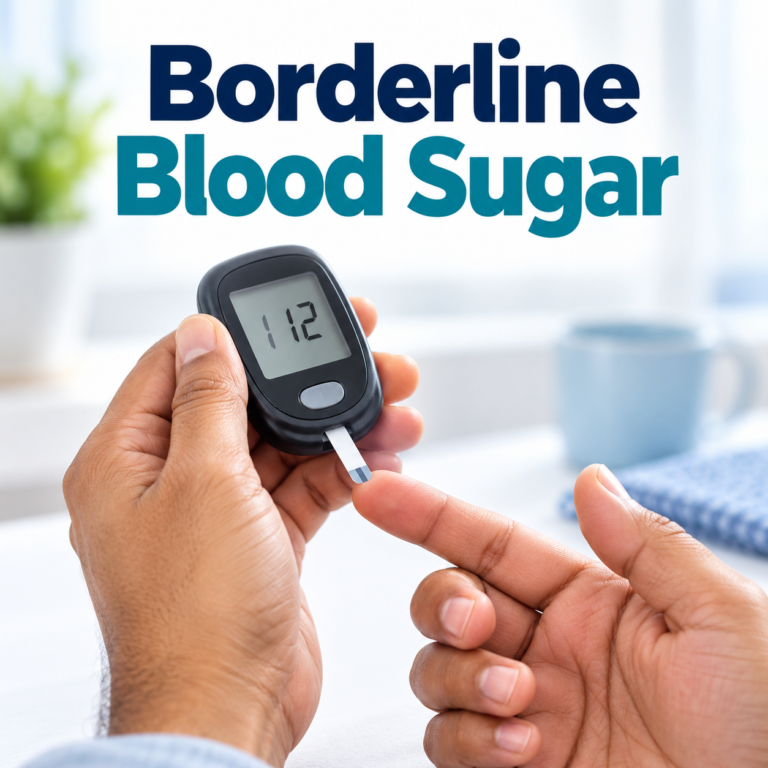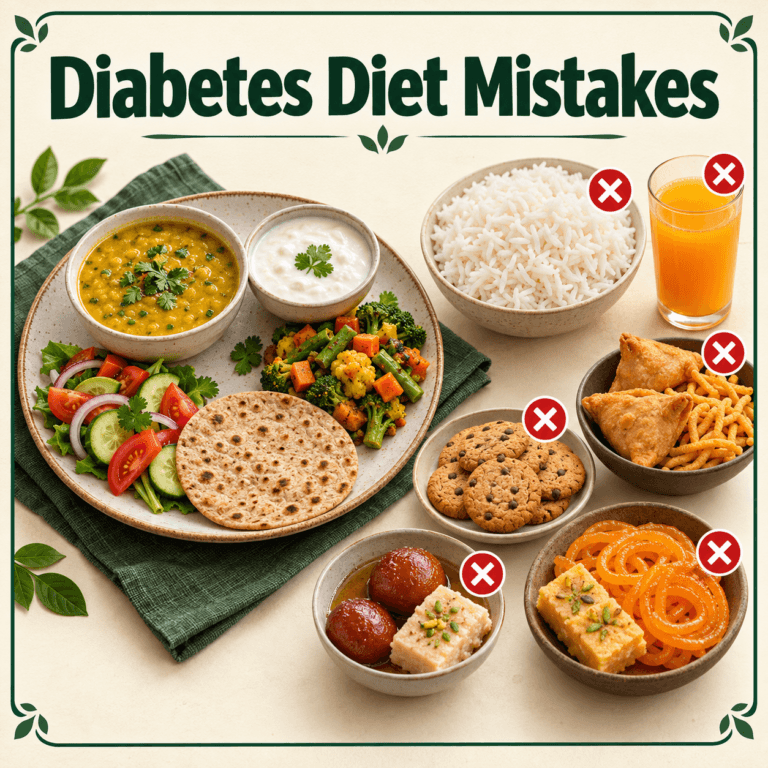

When someone is diagnosed with prediabetes, it is not a mild warning. It is a metabolic signal. At this stage, blood glucose levels are higher than normal but not yet in the diabetes range. The most effective response involves structured lifestyle changes for prediabetes.
Prediabetes usually reflects insulin resistance. The pancreas is producing more insulin to maintain normal glucose levels. Over time, this compensation fails. Without correction, many individuals progress to type 2 diabetes within a few years.

The encouraging reality is this: prediabetes is reversible in many cases. However, reversal does not happen by accident. It requires targeted lifestyle intervention.
Why Lifestyle Intervention Works
The most influential evidence comes from the Diabetes Prevention Program. Intensive lifestyle modification reduced diabetes risk significantly compared to placebo. The landmark findings are available through the
Diabetes Prevention Program Outcomes Study.
More recent follow up data continue to show that structured lifestyle changes for prediabetes produce durable metabolic benefits.
Prediabetes is primarily driven by insulin resistance and central obesity. Therefore, improving insulin sensitivity through weight reduction, muscle gain, and dietary correction can normalize glucose regulation.
The Weight Loss Threshold That Matters
Research consistently shows that even 5 to 7 percent body weight reduction significantly improves insulin sensitivity.
A 2020 review analyzing
weight loss and glycemic improvement confirms that modest weight reduction leads to meaningful HbA1c decline.
This is why I do not recommend crash diets. Sustainable fat loss around the abdomen has far greater metabolic impact than short term calorie restriction.
Muscle Mass and Insulin Sensitivity
One of the most underestimated lifestyle changes for prediabetes is resistance training. Muscle tissue is a primary site for glucose disposal. The more metabolically active muscle you have, the better your insulin response becomes.
A 2022 clinical analysis on
exercise interventions and insulin sensitivity shows that structured strength training improves glucose uptake independent of weight loss.
This means even individuals who struggle with large weight reduction can still improve insulin resistance through muscle conditioning.
I generally advise strength training at least three times per week, focusing on large muscle groups.
Diet Quality and Glucose Stability
Another essential pillar of lifestyle changes for prediabetes is improving carbohydrate quality.
Prediabetes diet and exercise planning should emphasize:
- High fiber vegetables
- Whole grains instead of refined flour
- Balanced protein intake
- Reduced ultra processed foods
- Controlled portion size
A 2021 study on
dietary patterns and glycemic control demonstrates how whole food dietary patterns improve insulin resistance markers.
The goal is not zero carbohydrates. The goal is stable glucose response and lower insulin demand.
Sleep, Stress and Metabolic Health
Sleep deprivation worsens insulin resistance. Chronic stress increases cortisol, which raises glucose production.
A 2022 review exploring
stress pathways and metabolic dysfunction confirms that neuroendocrine imbalance contributes significantly to glycemic instability.
Therefore, lifestyle changes for prediabetes must include sleep correction and stress management.
A Practical Prediabetes Reversal Framework
When designing a prediabetes reversal plan, I focus on five measurable parameters:
| Parameter | Target Goal |
|---|---|
| Waist Circumference | Gradual reduction over 3 to 6 months |
| HbA1c | Move below 5.7 percent |
| Strength Training | 3 sessions weekly |
| Sleep Duration | 7 to 8 hours nightly |
| Daily Steps | 7000 to 10000 depending on baseline |
If you want to understand my structured approach in detail, you can review my background here:
About Dr Pankaj Kumar.
What I Emphasize in Clinic for Early Diabetes Prevention
When managing patients with prediabetes, I focus on precision rather than panic. The goal of lifestyle changes for prediabetes is metabolic correction, not extreme dieting.
1. Focus on Waist Reduction, Not Just Scale Weight
Central fat drives insulin resistance. Even modest abdominal fat reduction improves glucose regulation.
2. Combine Cardio and Strength Training
Brisk walking improves cardiovascular health, while resistance training improves insulin sensitivity.
3. Avoid Crash Diets
Rapid weight loss without muscle preservation can worsen long term metabolic stability.
4. Monitor HbA1c Trends
Trend analysis over 3 to 6 months is more meaningful than a single reading.
5. Correct Sleep Debt
Chronic short sleep reduces insulin responsiveness.
6. Manage Stress Systematically
Structured relaxation, scheduled downtime, and reduced late night screen use are important.
7. Follow a Structured Program
Unplanned efforts rarely sustain. Structured supervision improves outcomes.
If you are looking for guided implementation of lifestyle changes for prediabetes, you can book a structured evaluation here:
Book Consultation.
When to Seek Immediate Medical Review
While most cases improve with lifestyle correction, urgent care is needed if you experience:
- Fasting glucose persistently above 126 mg/dL
- Unexplained rapid weight loss
- Excessive thirst and frequent urination
- Blurred vision
Lifestyle changes for prediabetes are highly effective when implemented systematically. Weight reduction, muscle building, dietary quality improvement, sleep correction, and stress management collectively improve insulin sensitivity. Early intervention prevents progression to type 2 diabetes and reduces long term cardiovascular risk.
References
- Diabetes Prevention Program Outcomes Study
- Weight loss and glycemic improvement review (2020)
- Exercise interventions and insulin sensitivity (2022)
- Dietary patterns and glycemic control (2021)
- Stress pathways and metabolic dysfunction (2022)
Take the Next Step
Disclaimer: This article is for educational purposes only and does not replace individualized medical consultation.

Written by Dr. Pankaj Kumar
General & Lifestyle Physician in Dwarka Sector 6, New Delhi · MBBS, DNB (Family Medicine), DNHE · 16 years of experience.
About the doctor →Book a consultation → Beyond Blood Sugar
 The 90-Day Prediabetes Turnaround
 The Indian Diabetes Diet Reset
 Eat to Beat Gout
 Why Is My Hair Falling?
 The 30-Day Inflammation Reset