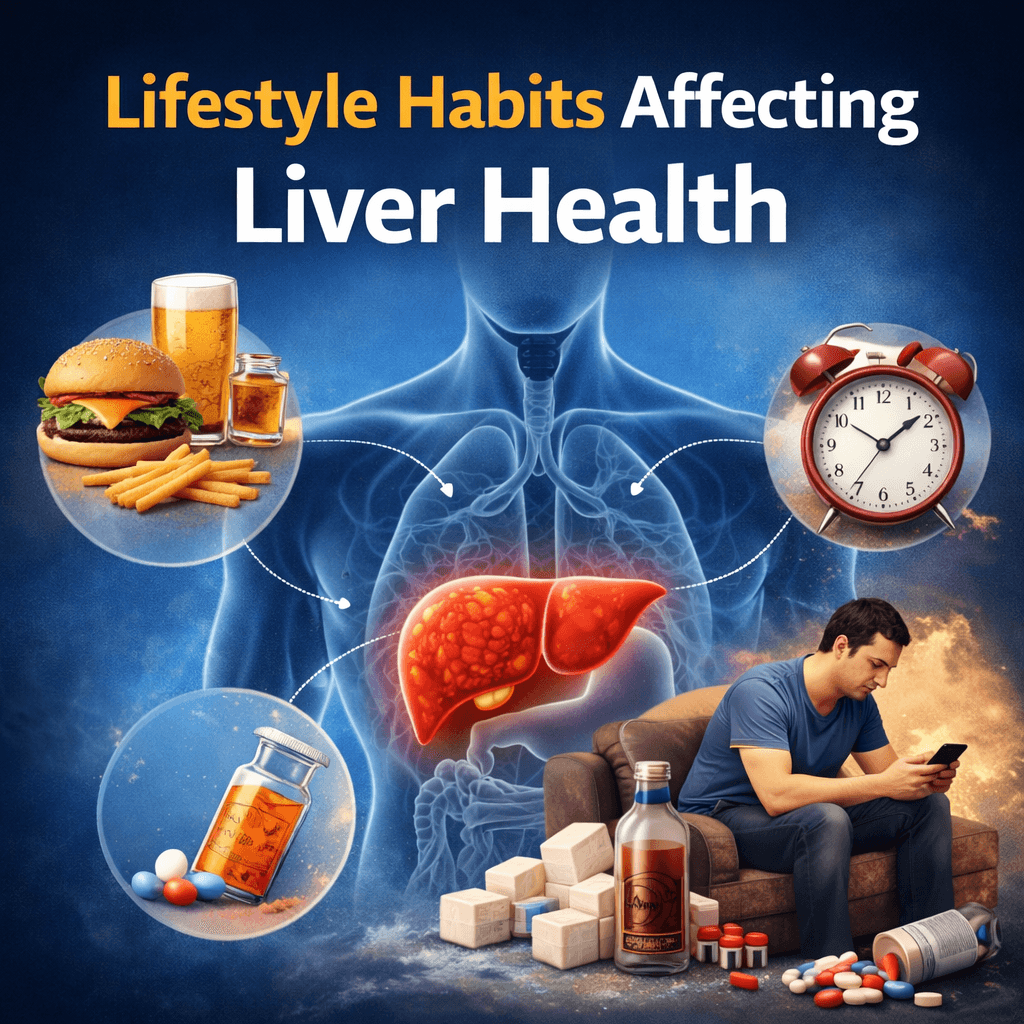
Lifestyle habits affecting liver health are often overlooked because the liver does not give early warning signs. Many people discover liver issues only when an ultrasound or blood test shows abnormalities.
In my clinical experience, patients are often surprised when they are diagnosed with fatty liver despite not having any symptoms. They usually ask, “How did this happen?” The answer lies in daily habits. Small, repeated lifestyle choices slowly alter metabolism, leading to fat accumulation in the liver.
This process does not happen suddenly. It develops over months or years. By the time it is detected, the underlying metabolic imbalance is already established.
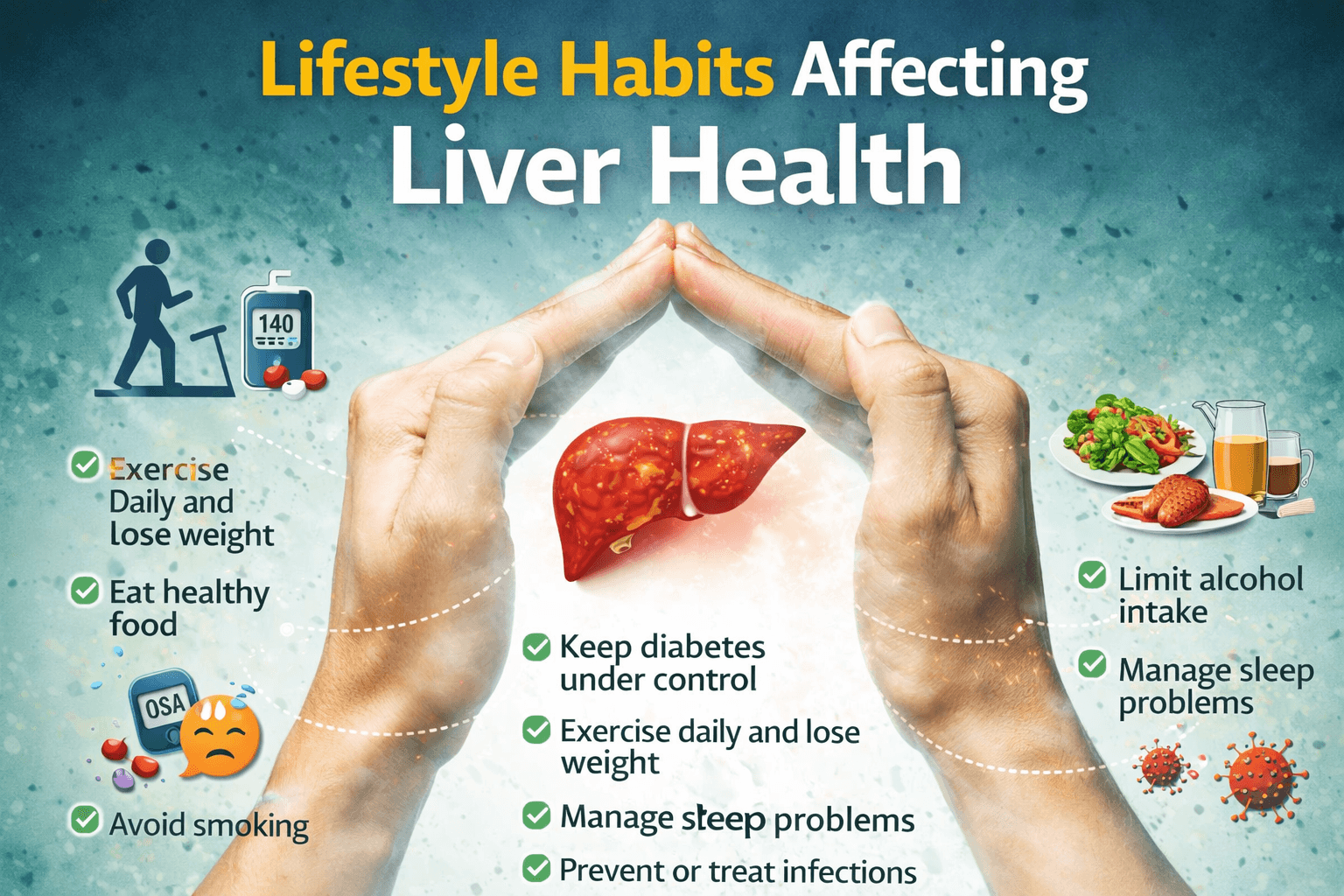
Why Liver Damage Happens Slowly
The liver is a highly adaptive organ. It can tolerate metabolic stress for a long time without producing symptoms. This is both an advantage and a problem.
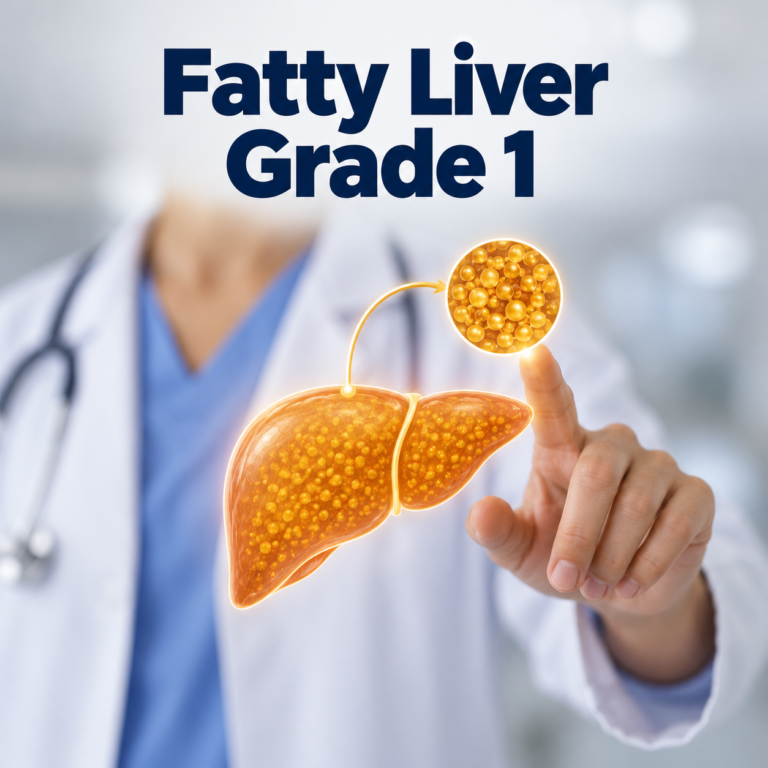
Because there are no early symptoms, unhealthy habits continue unchecked. Over time, fat starts accumulating in liver cells, a condition known as fatty liver. Scientific evidence shows that lifestyle-related metabolic changes, especially insulin resistance, play a central role in this process.
By the time liver enzymes rise or imaging shows changes, the process has been ongoing for a long time.
Key Lifestyle Habits That Affect Liver Health
Most people think liver disease is related only to alcohol. In reality, daily lifestyle habits are the most common contributors today.
Lifestyle Habits Affecting Liver Health: Excess Energy Intake
Persistent energy excess can contribute to liver fat, especially alongside metabolic risk factors. Meal frequency alone does not determine liver health: frequent small meals are not inherently harmful, and fasting is not required for everyone.
2. High Intake of Refined Carbohydrates
Refined carbohydrates such as sugar, white flour, and processed foods lead to rapid glucose spikes. This triggers higher insulin levels and increases fat production inside the liver. Research shows that diet composition directly affects liver fat accumulation, as explained in this study on diet and liver fat metabolism.
3. Sedentary Lifestyle
Lack of physical activity reduces the body’s ability to use glucose efficiently. This leads to insulin resistance, which is a key driver of fatty liver.
Even if diet is controlled, inactivity alone can worsen metabolic health.
4. Poor Sleep Patterns
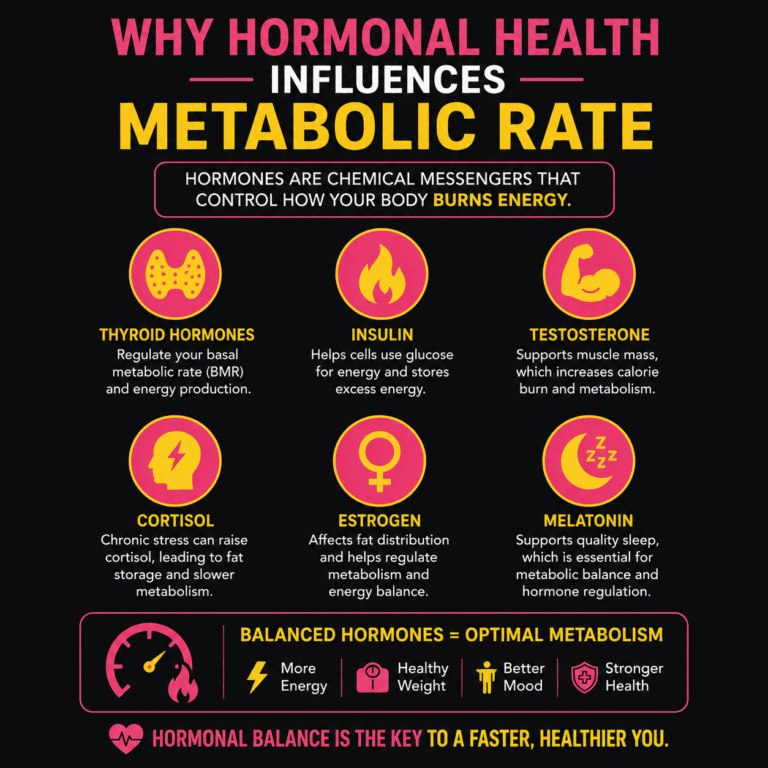
Sleep disruption affects hormonal balance, especially cortisol and insulin. This increases fat storage and worsens metabolic control.
5. Chronic Stress
Long-term stress increases cortisol levels, which promotes abdominal fat accumulation and insulin resistance. This indirectly contributes to liver fat buildup.
What Is Happening Inside Your Body
To understand lifestyle habits affecting liver health, you need to understand the internal mechanism. When unhealthy habits continue, insulin resistance develops. This changes how the body handles energy.
Instead of using glucose efficiently, the body converts excess glucose into fat. This fat is stored not only under the skin but also inside the liver.
At the same time:
- The liver increases fat production
- Fat breakdown decreases
- Fat export becomes inefficient
This leads to gradual fat accumulation in liver cells.
This mechanism is central to conditions like non-alcoholic fatty liver disease and is strongly linked to metabolic syndrome, as discussed in this study on metabolic syndrome and liver health.
What This Means in Real Life
When we talk about lifestyle habits affecting liver health, most people expect dramatic symptoms. In reality, the changes are subtle and often ignored. Patients usually come with complaints that do not directly point to the liver.
Common real-life patterns include:
- Gradual increase in belly fat
- Feeling tired after meals
- Difficulty losing weight despite efforts
- Borderline blood sugar levels
- Mildly abnormal liver enzymes
- High triglycerides
These findings may coexist, but none confirms fatty liver or insulin resistance on its own. Many people are told, “Everything is almost normal.” This is the stage where early intervention is most effective. Ignoring it allows the condition to progress silently.
This is exactly why a structured and individualized approach becomes important. You can understand how this is managed clinically through the step-by-step lifestyle correction approach used in practice.
Why Fatty Liver Develops Without Symptoms
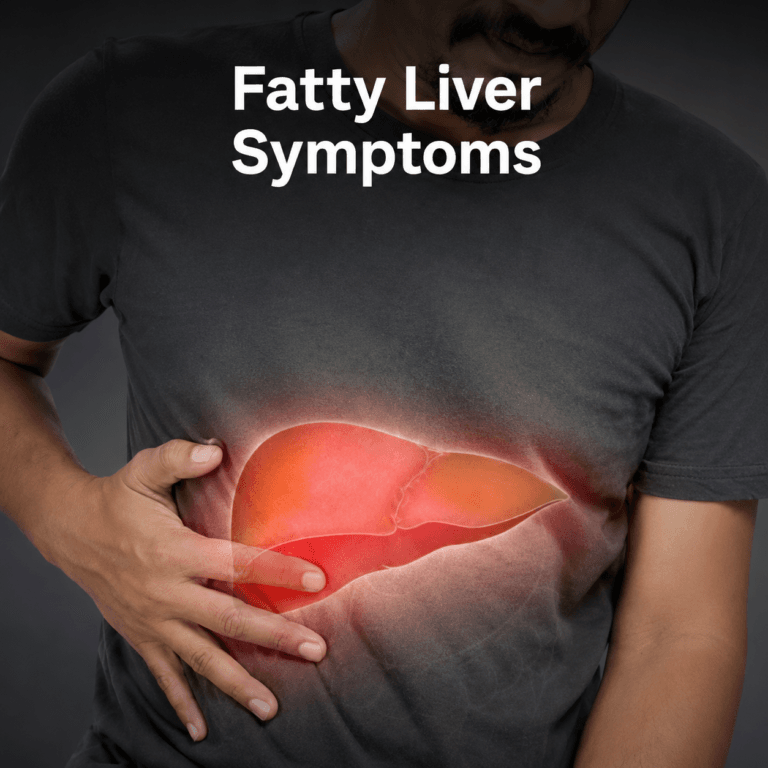
Fatty liver often causes no noticeable symptoms; discomfort can occur and is not a reliable measure of disease severity. This means fat accumulation can continue without discomfort. Even when fat levels increase, most patients feel completely normal.
This is why fatty liver is often detected incidentally during routine ultrasound or health checkups. Clinical evidence shows that fatty liver can remain silent for years before progressing to more serious conditions.
Understanding Your Blood Reports Correctly
Most patients look at individual numbers. However, liver health should be assessed by looking at patterns rather than isolated values.
| Parameter | What It Indicates |
|---|---|
| ALT (SGPT) mildly elevated | Possible early liver stress |
| Triglycerides increased | Fat metabolism imbalance |
| Fasting glucose borderline | Insulin resistance risk |
| Waist circumference increased | Visceral fat accumulation |
Even if each parameter is only mildly abnormal, together they indicate an ongoing metabolic issue. This is where a detailed clinical evaluation becomes important.
Early Warning Signs You Should Not Ignore
Although liver damage is silent, the body gives indirect signals.
You should pay attention to:
- Persistent belly fat
- Darkening of skin around neck or underarms
- Post-meal sleepiness
- Sugar cravings
- Low energy levels
- Gradual weight gain
These signs often appear years before a diagnosis is made.
Why General Dieting Often Fails
Many people try dieting or exercise but do not see expected results. The reason is that the underlying metabolic issue is not addressed.
Changes in energy intake, activity, medicines and body weight can affect progress. Insulin resistance does not make fat loss impossible. This is why a targeted strategy works better than generic diet plans.
How Lifestyle Patterns Build Up Over Time
One unhealthy habit alone may not cause significant damage. However, when multiple habits combine, the effect becomes cumulative.
For example:
Frequent snacking + poor sleep Sedentary lifestyle + high sugar intake Chronic stress + irregular meals
These combinations gradually shift the body into fat storage mode. Over time, fat accumulation in the liver increases, leading to fatty liver disease. This progression is not sudden. It is slow, silent, and often unnoticed.
What I Recommend in Practice: How to Protect Your Liver Early
Once you understand how lifestyle habits affecting liver health work, the next step is to correct the root causes early.
In my practice, I focus on improving metabolic function rather than treating reports in isolation. When metabolism improves, liver health follows.
Here are the core strategies that consistently work:
1. Choose a Sustainable Eating Pattern
Meal timing should suit your routine, appetite and medicines. Reducing unnecessary energy-dense snacks may help some people, but a rigid fasting schedule is not essential. People using insulin or medicines that can cause hypoglycaemia need advice before fasting.
2. Improve Food Quality
Reducing refined carbohydrates and processed foods is essential.
Focus on whole foods, adequate protein, healthy fats, and fiber. This helps stabilize glucose levels and reduces fat production in the liver.
3. Increase Physical Activity
Regular movement improves insulin sensitivity and helps the body utilize glucose efficiently.
Even moderate activity, such as walking and resistance training, can reduce liver fat over time.
4. Improve Sleep Quality
Sleep is often ignored but plays a major role in metabolic health.
Poor sleep increases hormonal imbalance and worsens fat storage.
5. Manage Stress
Chronic stress increases cortisol levels, which promotes fat accumulation, especially in the abdominal region. Managing stress is essential for long-term metabolic balance.
Clinical studies have shown that structured lifestyle changes significantly improve liver fat and metabolic health.
When You Should Seek Medical Evaluation
Early stages are reversible, but certain situations require proper medical assessment.
You should not ignore the condition if:
- Liver enzymes remain elevated
- Blood sugar levels are rising
- Ultrasound shows fatty liver progression
- Weight gain continues despite effort
- There is a strong family history of metabolic disease
In such cases, detailed evaluation is important.
If needed, you can opt for a personalized consultation where your metabolic profile is assessed comprehensively.
Key Takeaway: Small Habits Create Big Impact
Lifestyle habits affecting liver health do not cause immediate symptoms, but their long-term impact is significant.
Frequent eating, poor diet, inactivity, stress, and sleep disruption gradually lead to insulin resistance and fat accumulation in the liver.
The process is slow, silent, and often ignored until it progresses.
Appropriate treatment can reduce liver fat and improve health, but response varies and advanced scarring needs specialist care.
References
EASL–EASD–EASO Clinical Practice Guidelines on MASLD (2024).
Take the Next Step
If you have fatty liver, borderline reports, or difficulty losing weight, it is important to act early.
You can learn more about my approach on the About page or explore real patient transformations in the clinical portfolio.
This content is for educational purposes only and should not replace professional medical advice.
Two More Lifestyle Habits Affecting Liver Health
6. Drinking Alcohol Without Reviewing Liver Risk
Alcohol can add to liver injury. Discuss the amount and pattern honestly with your doctor; complete abstinence is particularly important with advanced fibrosis or cirrhosis.
7. Relying on Detox Products or Ignoring Follow-Up
Unregulated supplements may harm the liver. No detox drink substitutes for assessment of liver scarring, diabetes, cholesterol and blood pressure. Normal ALT does not exclude significant fibrosis. Your doctor may use a fibrosis risk score and advise FibroScan or specialist review where appropriate.
MASLD is the current term for metabolic dysfunction-associated steatotic liver disease, previously commonly called NAFLD. Assessment must also consider alcohol and other possible causes of liver disease. Read about fatty liver consultation in Dwarka.

Written by Dr. Pankaj Kumar
General & Lifestyle Physician in Dwarka Sector 6, New Delhi · MBBS, DNB (Family Medicine), DNHE · 16 years of experience.
About the doctor →Book a consultation → Beyond Blood Sugar
 The 90-Day Prediabetes Turnaround
 The Indian Diabetes Diet Reset
 Eat to Beat Gout
 Why Is My Hair Falling?
 The 30-Day Inflammation Reset