You are being treated for type 2 diabetes when an ultrasound report mentions fatty liver. Alternatively, fatty liver appears during a health check, and subsequent blood tests show prediabetes or diabetes.
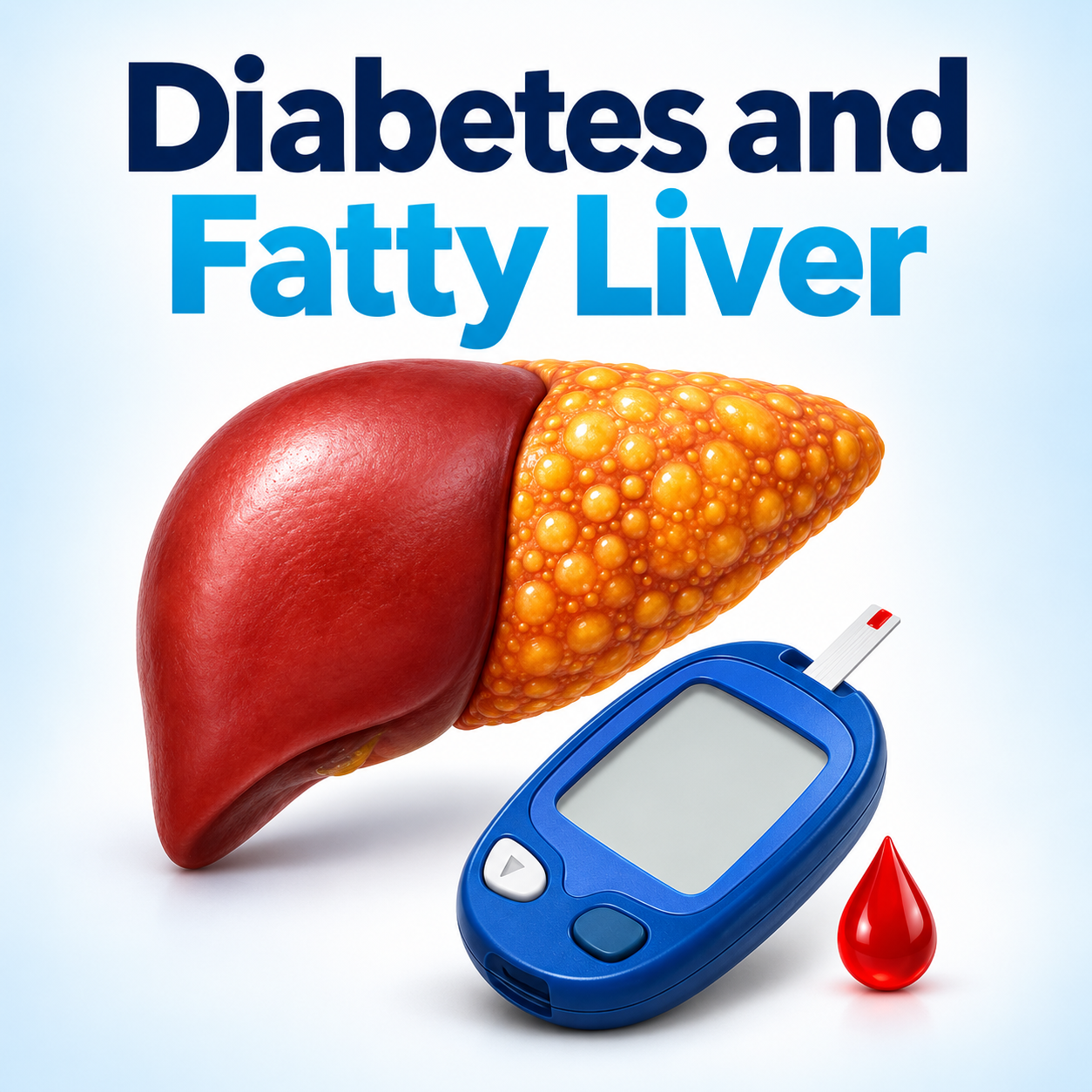
These findings frequently occur together. Diabetes and fatty liver share important metabolic pathways, particularly insulin resistance and changes in how the body handles fat.
The connection matters because the assessment should go beyond asking whether glucose is controlled or whether an ultrasound shows “mild” fatty liver. In some people, liver scarring needs evaluation even when liver enzymes are within the laboratory range.
This does not mean everyone with both conditions will develop cirrhosis. It means that diabetes care and liver care should be considered together, with testing and treatment matched to individual risk.
This article focuses mainly on type 2 diabetes, where the relationship with metabolic fatty liver is especially strong.
How Common Are Diabetes and Fatty Liver Together?
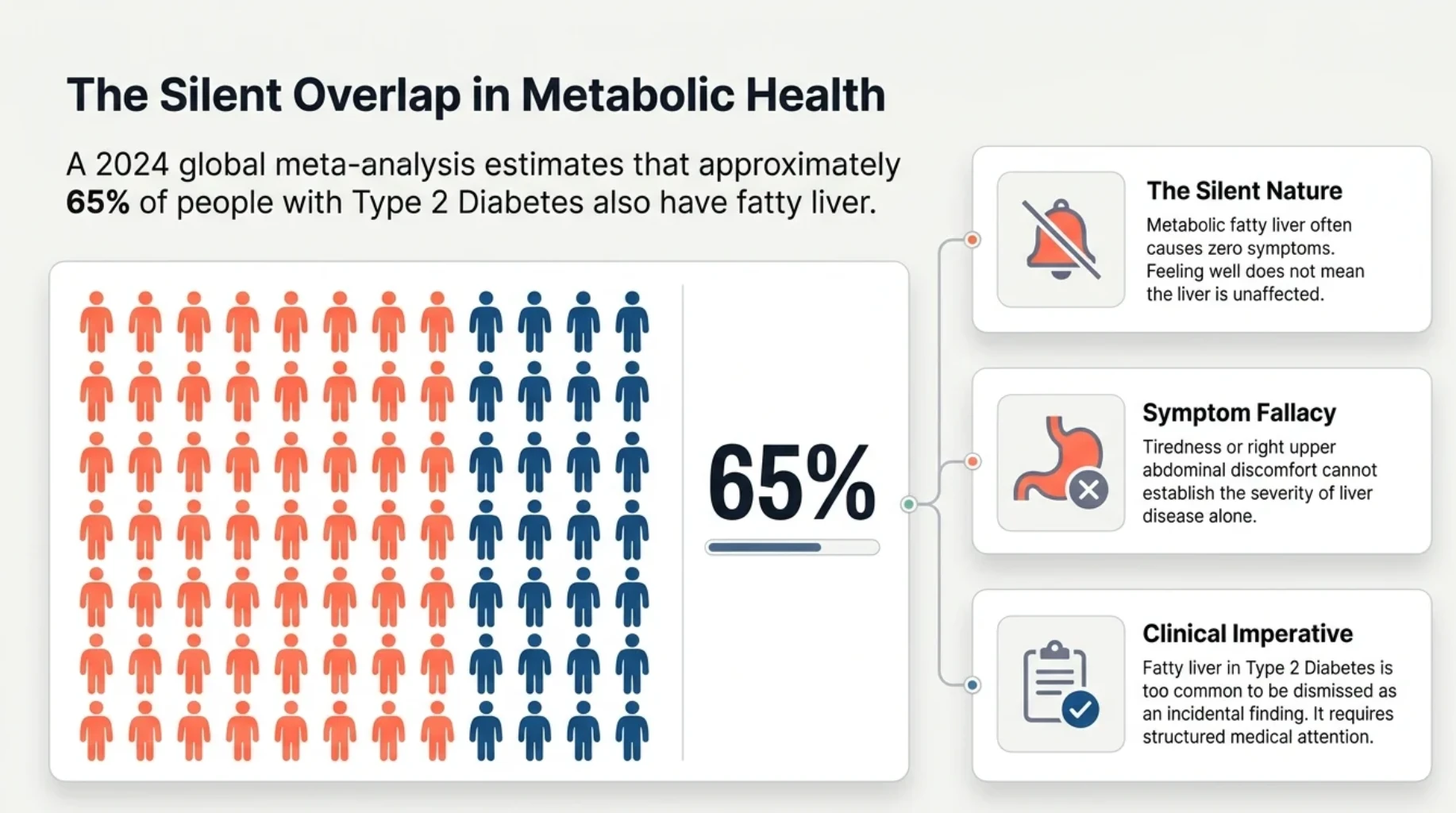
A 2024 global meta-analysis estimated that approximately 65% of people with type 2 diabetes had fatty liver under the definitions used in the included studies. Other analyses have reported estimates around 70%.
These figures describe groups, not an individual diagnosis. Estimates vary according to the population, testing method and disease definition.
The practical implication is that fatty liver is common enough in type 2 diabetes to deserve structured attention rather than being dismissed as an incidental report.
Diabetes and Fatty Liver Can Be Present Without Obvious Symptoms
Metabolic fatty liver often causes few or no symptoms. Feeling well therefore does not establish that the liver is unaffected.
Likewise, tiredness or discomfort in the right upper abdomen cannot establish how severe liver disease is. These symptoms have several possible explanations.
Assessment depends on medical history, examination and appropriate tests rather than symptoms alone.
What Does MASLD Mean?
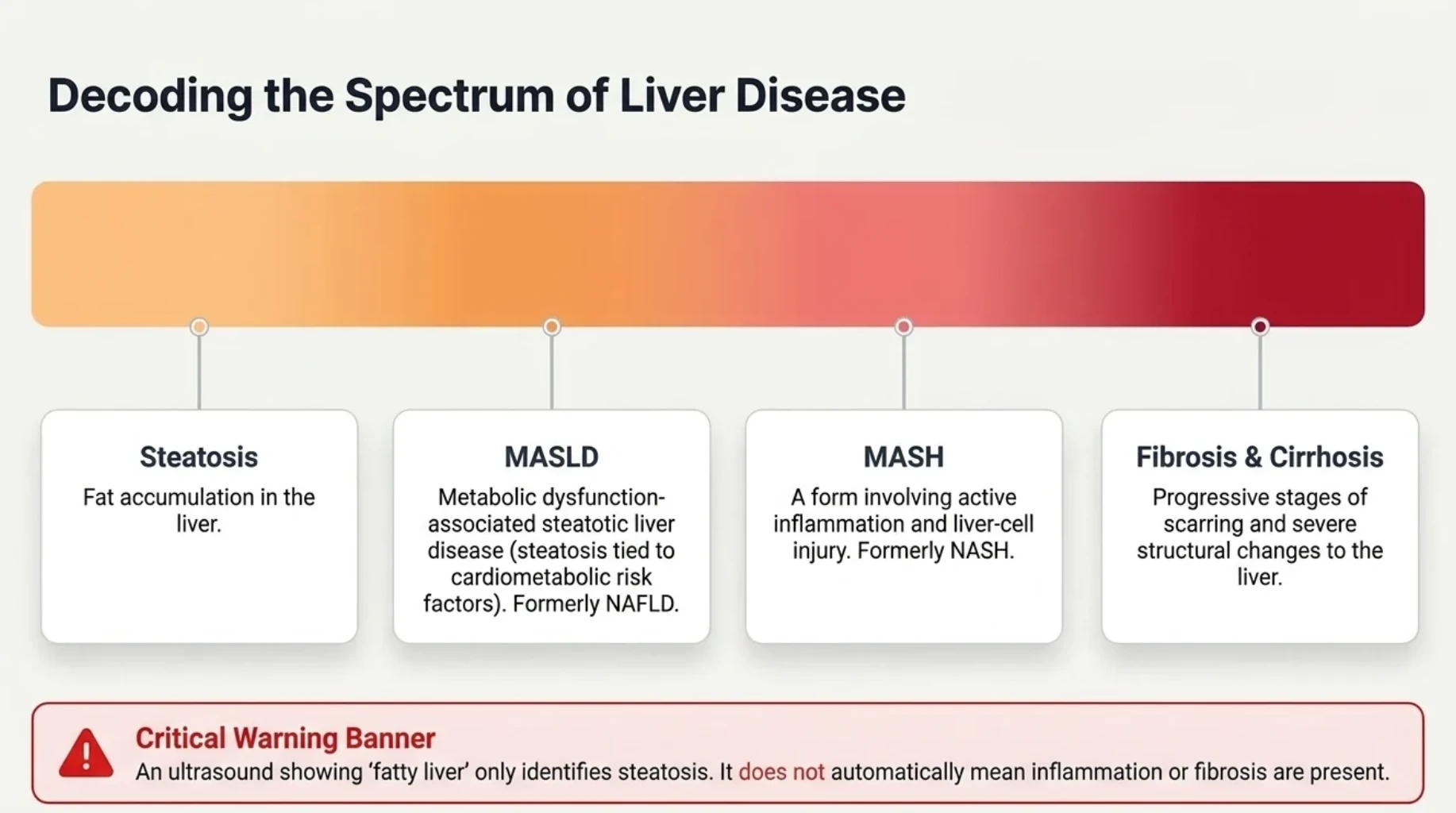
MASLD stands for metabolic dysfunction-associated steatotic liver disease. “Steatosis” means that fat has accumulated in the liver.
The term describes liver steatosis associated with cardiometabolic risk factors, after appropriate consideration of alcohol exposure and other causes. Older reports and research papers may use the term non-alcoholic fatty liver disease, or NAFLD.
MASH, previously called NASH, refers to a form involving inflammation and liver-cell injury.
Keep these terms separate: Steatosis means fat accumulation. MASH involves inflammation and cell injury. Fibrosis means scarring. Cirrhosis is an advanced stage of scarring with structural changes. An ultrasound diagnosis of fatty liver does not establish that all these stages are present.
Insulin Resistance Is an Important Shared Link
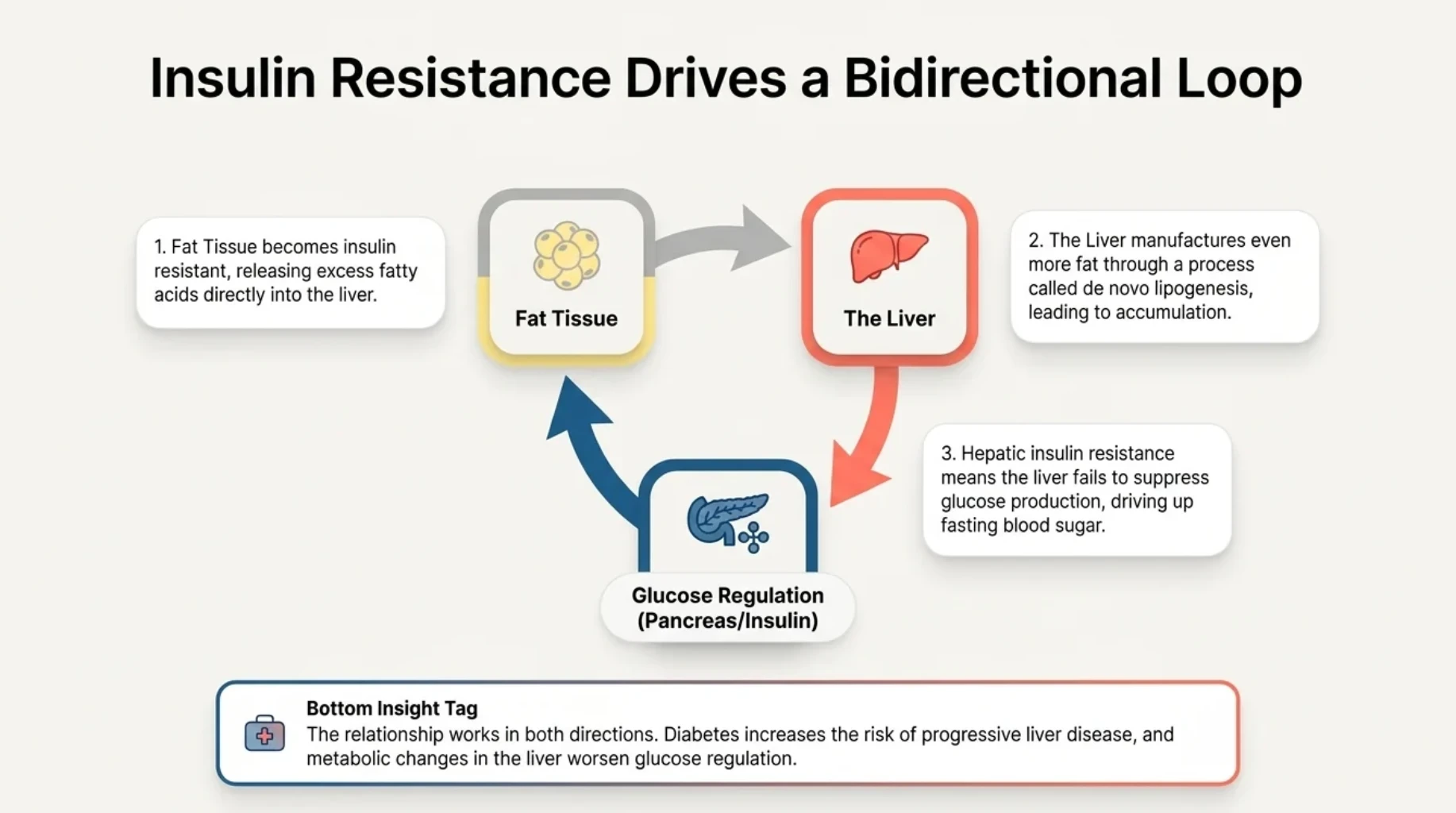
Insulin helps coordinate the use and storage of nutrients. In insulin resistance, tissues respond less effectively to some of its actions.
When fat tissue becomes insulin resistant, more fatty acids can be released and delivered to the liver. The liver may also manufacture more fat through a process called de novo lipogenesis.
If delivery and production exceed the liver’s ability to process and export fat, accumulation can occur.
The Liver Also Helps Regulate Blood Glucose
The liver stores and releases glucose as part of normal energy regulation. With hepatic insulin resistance, insulin may not adequately suppress glucose production.
This can contribute to elevated glucose, including fasting readings. It does not mean that every high morning reading is caused by fatty liver; medicines, illness, meal patterns and other hormonal influences may also matter.
The relationship is therefore more complex than saying that sugar alone “turns into liver fat.” It involves coordinated changes across the liver, muscle, fat tissue and pancreas.
The Relationship Works in Both Directions
People with type 2 diabetes are more likely to have fatty liver. People with fatty liver also have an increased risk of developing .
Shared risk factors help explain the overlap, and metabolic changes in the liver can contribute to impaired glucose regulation.
However, finding both conditions does not identify which developed first. Fatty liver may have been present for years before the first ultrasound, just as glucose abnormalities may develop before diagnosis.
Neither Condition Should Be Managed in Isolation
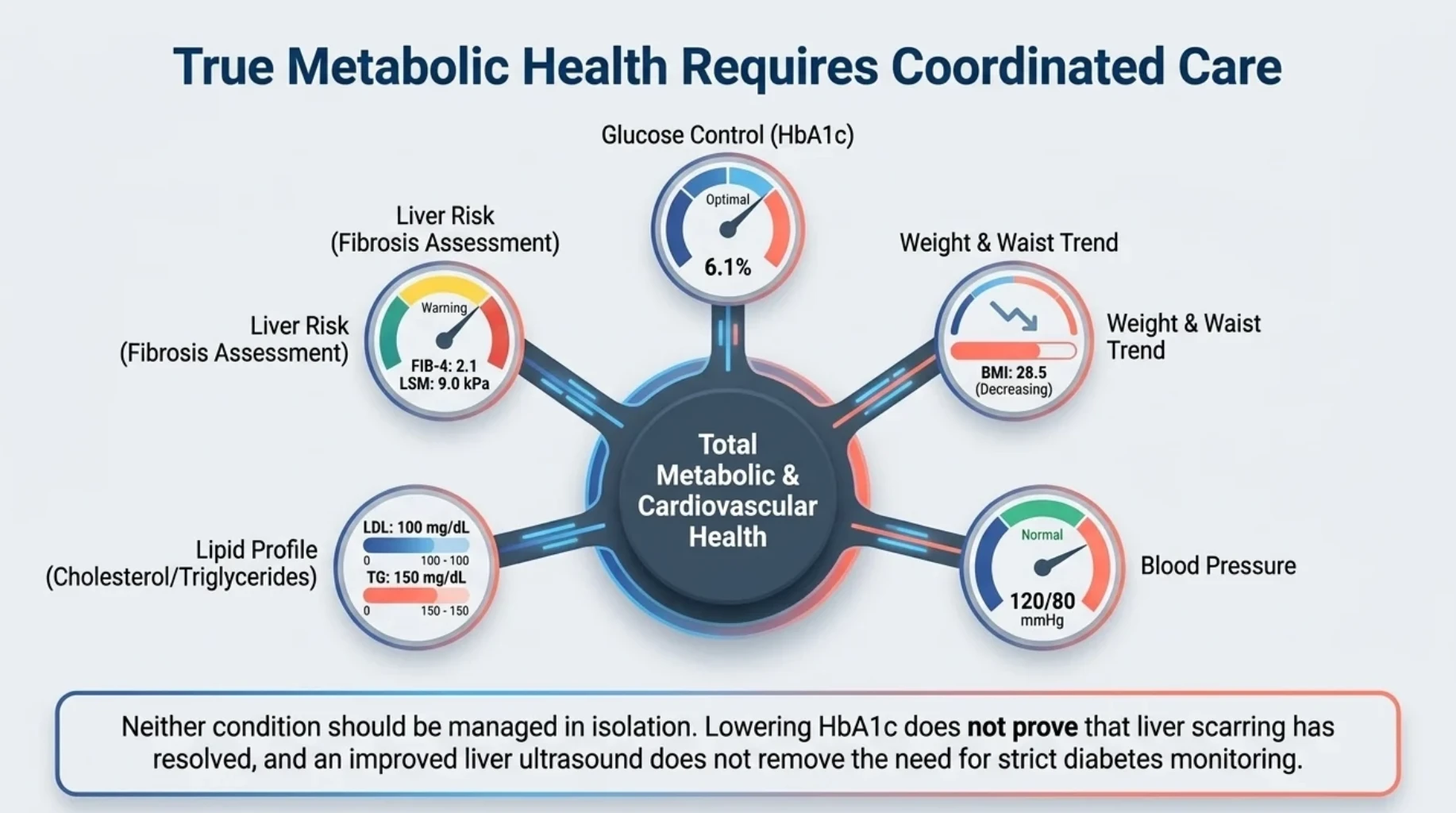
Consider a person whose HbA1c has improved but whose liver risk has never been assessed. Better glucose control is useful, but it does not by itself establish that liver fibrosis is absent.
Conversely, an ultrasound that no longer mentions fatty liver does not remove the need for diabetes monitoring.
The aim is coordinated care, with each result interpreted for the question it can actually answer.
Why Waist Size and Other Metabolic Risks Matter
Fatty liver commonly overlaps with abdominal adiposity, abnormal triglycerides or cholesterol, high blood pressure and impaired glucose regulation.
Risk cannot be judged from body weight alone. Some people develop metabolic liver disease without a markedly elevated BMI.
For an Indian patient, a review of waist trend, glucose, blood pressure and lipid results can therefore be more informative than appearance alone.
Fatty Liver Is Not Simply a Measure of Dietary Fat
An ultrasound does not tell the doctor that you have eaten too much ghee, rice or any other single food.
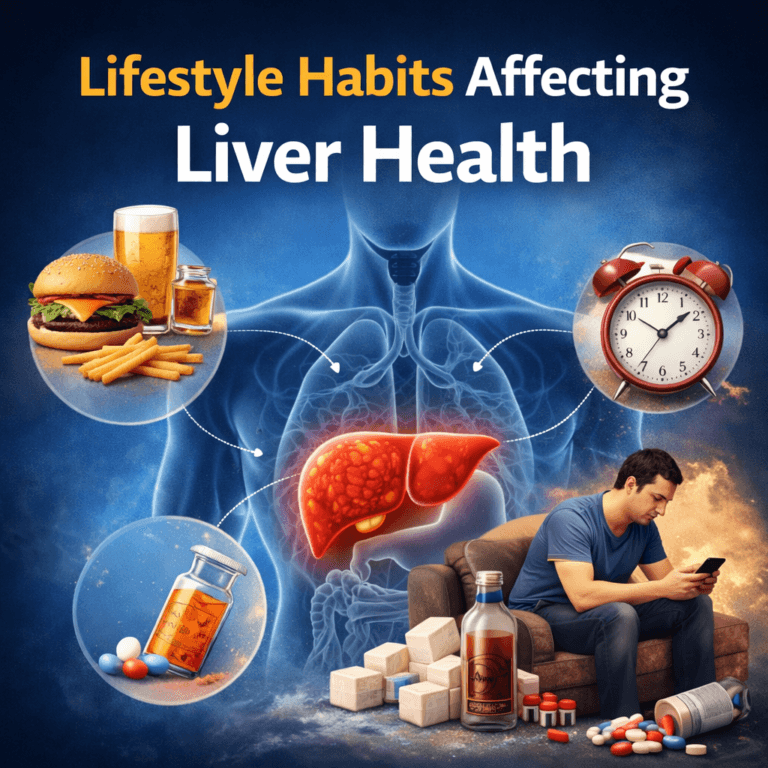
Overall dietary patterns, activity, body-fat distribution, genes and medical circumstances can contribute. Reducing the discussion to one ingredient risks missing the wider pattern.
Bring an account of your usual meals, drinks and activity rather than temporarily following an unusually restrictive routine before the appointment.
Does Diabetes Increase the Risk of Liver Scarring?
Type 2 diabetes is associated with more progressive metabolic liver disease. This makes identifying clinically important fibrosis a priority.
Progression is not inevitable. Some people have liver fat without advanced scarring, while others need more detailed assessment and specialist care.
The important question is not simply “Do I have fatty liver?” It is also “What is my risk of fibrosis, and has that been assessed appropriately?”
An Ultrasound Grade Is Not a Fibrosis Stage
Descriptions such as grade 1, grade 2 or grade 3 fatty liver concern the ultrasound appearance of fat. They cannot be directly converted into stages of scarring.
“Grade 1” does not reliably exclude fibrosis, and “grade 3” does not automatically mean cirrhosis.
Conventional ultrasound also has limitations in detecting mild steatosis. A scan that does not identify fat cannot exclude every form of metabolic liver disease.
Can Liver Enzymes Be Normal Despite Significant Disease?
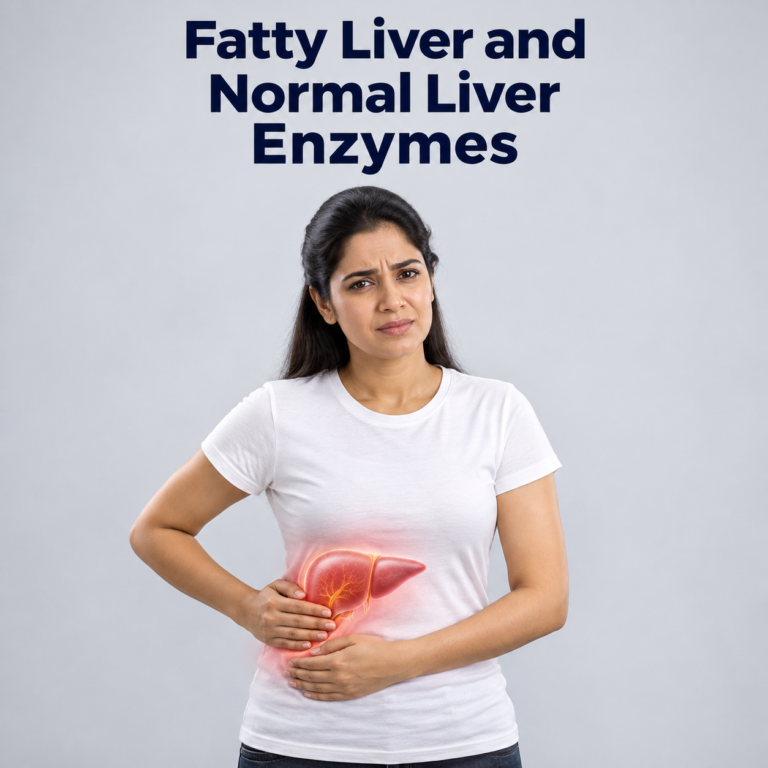
Yes. ALT and AST, often labelled SGPT and SGOT in Indian reports, should not be used alone to exclude significant fibrosis.
The 2026 American Diabetes Association Standards recommend fibrosis-risk screening in adults with type 2 diabetes even when liver enzymes are normal.
This does not mean every person needs an immediate FibroScan. A stepwise assessment helps decide who needs further investigation.
What Does the Initial Assessment Include?
The consultation should review diabetes history, weight and waist changes, blood pressure, lipid results, alcohol exposure, medicines and previous liver reports.
Other causes of liver abnormalities may need consideration. Diabetes does not prove that an abnormal liver test is entirely due to MASLD.
Be specific about alcohol quantity and pattern. Include supplements and products marketed for liver health, because they are relevant to the assessment.
FIB-4 Is Often the First Step
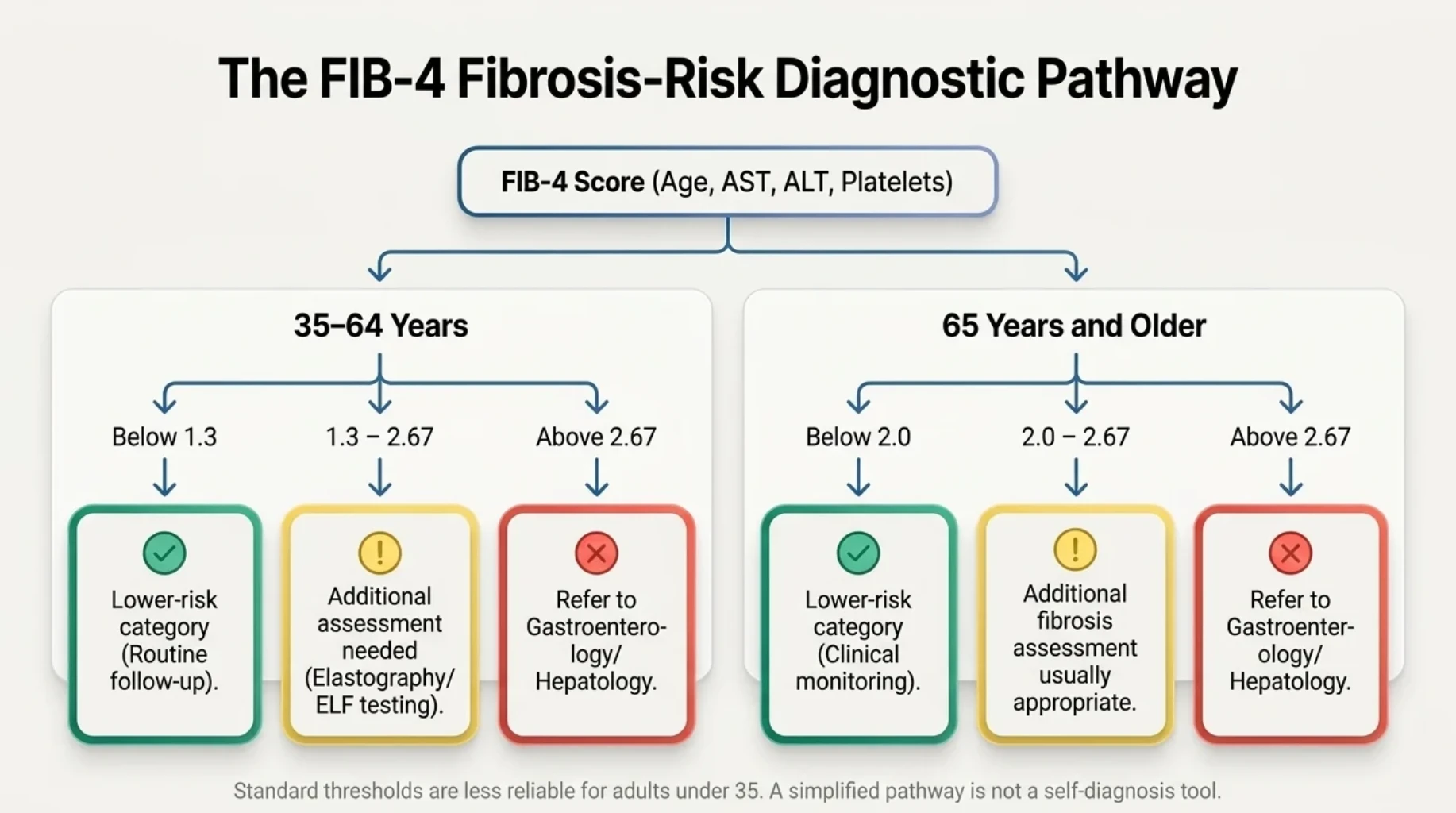
FIB-4 is a blood-based score calculated from age, AST, ALT and platelet count. It estimates fibrosis risk rather than directly measuring scar tissue.
Age affects interpretation. The score performs poorly in younger adults below 35, requires different thresholds in older adults and should not be used in the usual way during acute illness.
| Age group | FIB-4 result | Usual next step |
|---|---|---|
| 35–64 years | Below 1.3 | Lower-risk category; arrange follow-up according to clinical circumstances. |
| 35–64 years | 1.3–2.67 | Additional assessment, commonly transient elastography or ELF testing. |
| 65 years and older | Below 2.0 | Lower-risk category, with clinical interpretation and monitoring. |
| 65 years and older | 2.0–2.67 | Additional fibrosis assessment is usually appropriate. |
| Adults in either group | Above 2.67 | Referral to gastroenterology or hepatology is generally indicated. |
| Below 35 years | Standard thresholds are less reliable | Choose an assessment based on clinical risk rather than relying on a low score alone. |
This is a simplified pathway, not a self-diagnosis tool. A lower score does not exclude every case, and concerning symptoms or findings may justify additional assessment.
When Might FibroScan Be Useful?
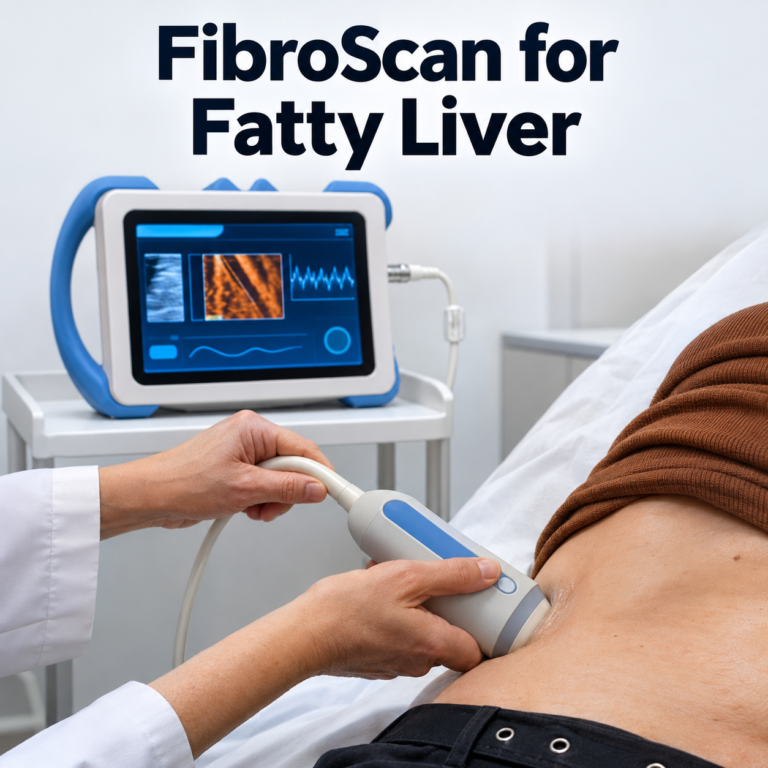
FibroScan measures liver stiffness and can help clarify fibrosis risk after the initial assessment. ELF, a specialized blood test, may be an alternative when appropriate.
Results need interpretation alongside the clinical picture. Increased stiffness is not automatically an exact fibrosis stage, and uncertain or conflicting results may require specialist review.
What Should You Bring to the Appointment?
Bring liver tests, a complete blood count, HbA1c, lipid results, ultrasound reports and any previous FibroScan report. Include prescriptions and supplements.
Ask whether fibrosis risk has been assessed, whether another test is needed and when monitoring should be repeated.
Vomiting blood, black stools, new confusion or rapidly worsening illness requires urgent medical attention rather than waiting for routine liver testing.
How Are Diabetes and Fatty Liver Managed Together?
The treatment plan should address glucose regulation, liver risk and overall cardiovascular health. Improving one result is useful, but it does not replace assessment of the others.
For example, a lower HbA1c does not confirm that liver scarring has resolved. Similarly, an improved ultrasound does not establish that diabetes treatment or blood-pressure monitoring is no longer needed.
The most appropriate approach depends on whether the person mainly has steatosis, has evidence of significant fibrosis, or has advanced liver disease. Nutrition and medicines may need substantial adjustment when cirrhosis is present.
Set Goals That Match Your Clinical Assessment
Ask what needs attention first. This may include reducing excess weight, improving glucose control, treating blood pressure or arranging specialist assessment for suspected fibrosis.
Agree on what will be measured and when it will be reviewed. A clear plan is more useful than repeatedly being told that you need to “control everything.”
Can Weight Loss Improve Fatty Liver?
For adults with overweight and MASLD, sustained weight reduction can improve liver health. The amount associated with benefit differs according to the outcome being assessed.
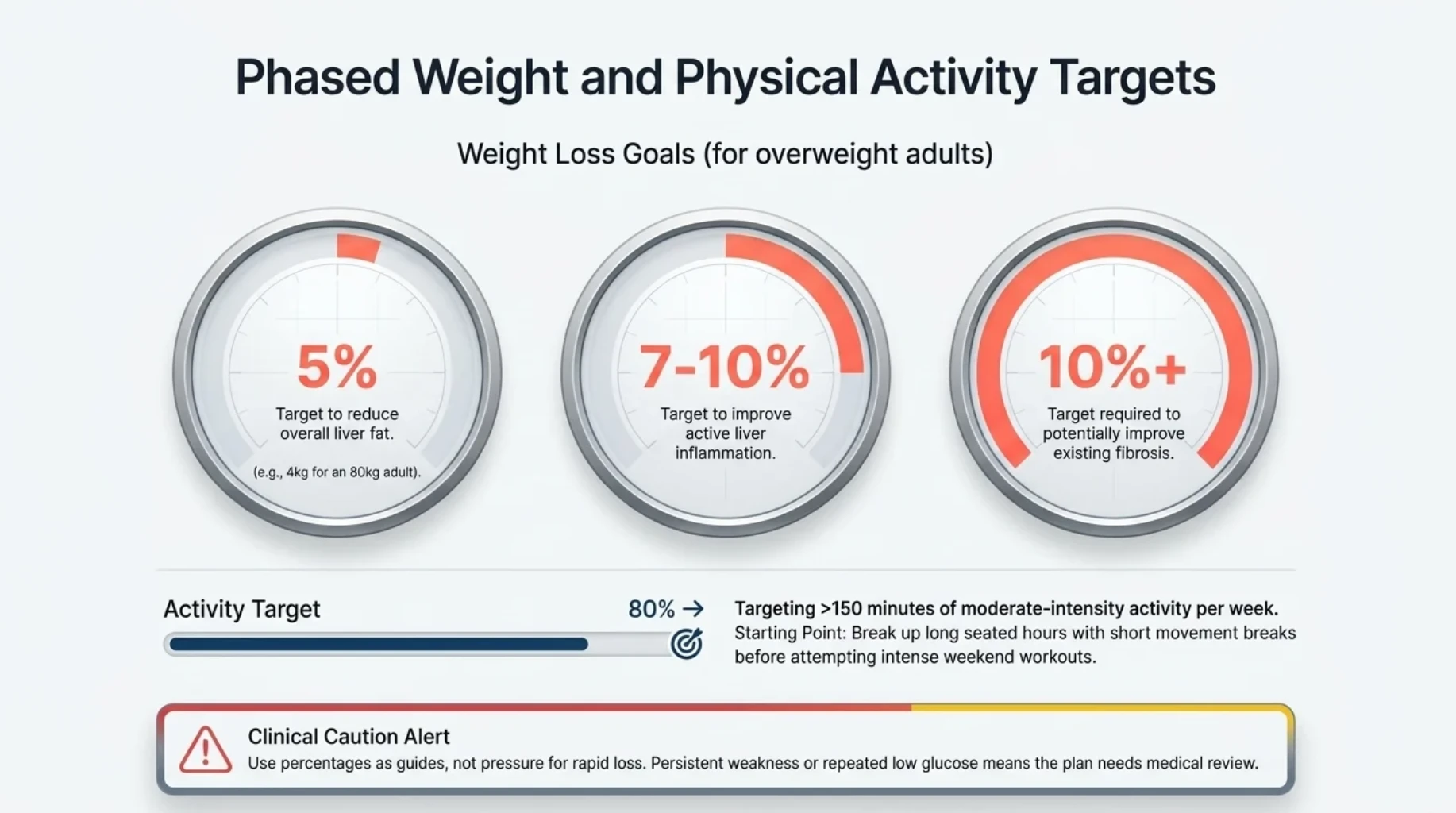
European guidance describes weight reduction of at least 5% as a useful target for reducing liver fat, 7–10% for improving inflammation, and at least 10% for improving fibrosis.
These are treatment goals based on group evidence, not guarantees. Individual responses vary, and achieving a particular percentage does not prove that scarring has disappeared.
Use Percentage Goals Without Creating Pressure for Rapid Loss
For someone weighing 80 kg, a 5% reduction is 4 kg and a 10% reduction is 8 kg. These examples explain the percentages; they are not an individual prescription or a deadline.
The plan should preserve nutritional adequacy and physical function. Persistent weakness, dizziness or repeated low glucose readings are reasons to review treatment rather than continue restricting food.
If you are not overweight, do not begin a large weight-loss programme without assessment. Body composition, waist size, nutritional status and other risks still need consideration.
What Should an Indian Eating Plan Look Like?
Begin with your usual meals and identify changes that can be sustained. There is no need to replace every familiar food with an expensive “liver-friendly” alternative.
A useful discussion covers portions of rice or roti, vegetables, protein sources, cooking fat, beverages, snacks and restaurant meals. It should also account for work hours, household cooking and food preferences.
Examples such as the following can help structure that discussion. Portions need individual adjustment.
| Usual pattern | Possible adjustment | What to individualize |
|---|---|---|
| Tea and biscuits as breakfast | Consider a meal such as moong dal chilla with curd, or eggs with suitable accompaniments. | Portion, preferences, medicines and morning schedule. |
| A large serving of rice with little accompaniment | Review the rice portion and include vegetables and an appropriate protein source. | Total intake and glucose response. |
| Repeated juice, sweetened tea or soft drinks | Replace routine sugary drinks with water or suitable unsweetened options. | Hypoglycemia treatment remains a separate exception. |
| Unplanned evening namkeen or fried snacks | Plan whether a snack is needed and serve an appropriate portion deliberately. | Hunger, activity and the overall eating pattern. |
| Skipping meals to compensate for eating out | Return to a balanced routine and plan future social meals. | Safety with insulin or other hypoglycemia-causing medicines. |
Focus on the Overall Pattern
Current guidance supports improving diet quality, limiting foods rich in added sugars and saturated fat, and avoiding routine sugar-sweetened beverages.
This does not mean that one food causes every case or that one drink can reverse liver disease. A “detox” beverage cannot replace management of diabetes, adiposity and fibrosis risk.
Fruit juice and whole fruit are not interchangeable. Discuss suitable fruit portions within the overall diabetes plan rather than automatically removing fruit while continuing sweetened drinks.
Protein Advice Needs to Fit Your Health
Dal, beans, soy, curd, paneer, eggs, fish or poultry may help build balanced meals according to preferences.
However, a generic high-protein diet is not appropriate for every patient. Kidney disease, advanced liver disease, poor intake or other conditions may change nutritional requirements.
Bring these diagnoses into the discussion before buying protein products or following a standard online diet.
How Does Physical Activity Help?
Exercise is recommended in MASLD and can reduce liver fat. The starting plan should reflect your current ability, symptoms and preferences.
European guidance favors more than 150 minutes of moderate-intensity activity per week, or an equivalent vigorous-intensity amount, when appropriate. This is a goal to work towards rather than a requirement to achieve immediately.
Make the Starting Point Practical
A person who is currently inactive might begin with manageable walks and gradually build a routine. Strengthening activity can be adapted to joint symptoms and physical function.
For someone with long seated working hours, short movement breaks may be easier to repeat than relying entirely on a weekend workout.
Chest discomfort, unexplained breathlessness, dizziness or significant exercise limitation needs assessment before progression.
Coordinate Activity With Diabetes Treatment
If you use insulin or another medicine that can cause hypoglycemia, changes in activity may require additional monitoring or an agreed adjustment plan.
Do not assume that every walk requires extra food, but do not ignore symptoms of low glucose. Ask your diabetes team how to manage the activity you actually perform.
Can Diabetes Medicines Also Help the Liver?
Medicine selection can take account of glucose, weight, cardiovascular and kidney needs, alongside liver disease. The presence of fatty liver does not mean that every patient should receive the same prescription.
The 2026 ADA guidance supports selected GLP-1-based treatments and, in appropriate circumstances, pioglitazone for people with type 2 diabetes and MASH or higher fibrosis risk.
The decision requires review of benefits, adverse effects, other conditions, affordability and follow-up.
Do Not Stop a Useful Diabetes Medicine Because It Is Not a MASH Treatment
A medicine can remain important for diabetes or other health goals even when it has not demonstrated a specific benefit for steatohepatitis.
For example, metformin should not be presented as a proven treatment that reverses MASH. That does not mean someone taking it for diabetes should stop it.
Likewise, any change in insulin, tablets or injections should be made through an individual treatment plan.
Are There Specific Medicines for MASH?
Yes, treatment options have developed for selected adults with non-cirrhotic MASH and moderate-to-advanced fibrosis.
In the United States, resmetirom and a specified semaglutide formulation have received accelerated approval for defined patient groups. These approvals do not apply to every person with fatty liver or every formulation and dose of semaglutide.
Accelerated approval is based on improvements in surrogate outcomes, including biopsy findings, with confirmatory evidence on longer-term clinical benefit still required.
Specialist Selection and Local Prescribing Requirements Matter
US approval does not establish approval, availability or the appropriate indication in India. A clinician must check the current Indian prescribing requirements.
People with significant fibrosis may need hepatology review to discuss whether liver-directed treatment is appropriate. Patients with cirrhosis require a different assessment.
Do not purchase these medicines solely because an ultrasound mentions fatty liver, or combine treatments without specialist advice.
What About Cholesterol Medicines?
Fatty liver alone is not a reason to stop a statin that is indicated for cardiovascular risk reduction.
ADA guidance supports statin use when indicated in people with diabetes and MASLD, including compensated cirrhosis. Decompensated liver disease requires greater caution and close clinical supervision.
A statin is prescribed for its appropriate cardiovascular indication; it should not be described as a stand-alone treatment for MASH.
Should You Stop Alcohol?
Discuss alcohol accurately, including the amount per occasion, drinking days and episodes of heavier intake. Metabolic risk and alcohol exposure can coexist.
People with significant fibrosis or cirrhosis should avoid alcohol. Others should discuss reduction or abstinence according to their liver assessment and broader health needs.
If you drink heavily or may be dependent, seek medical support before stopping abruptly because withdrawal can be dangerous.
How Should Diabetes and Fatty Liver Be Monitored?
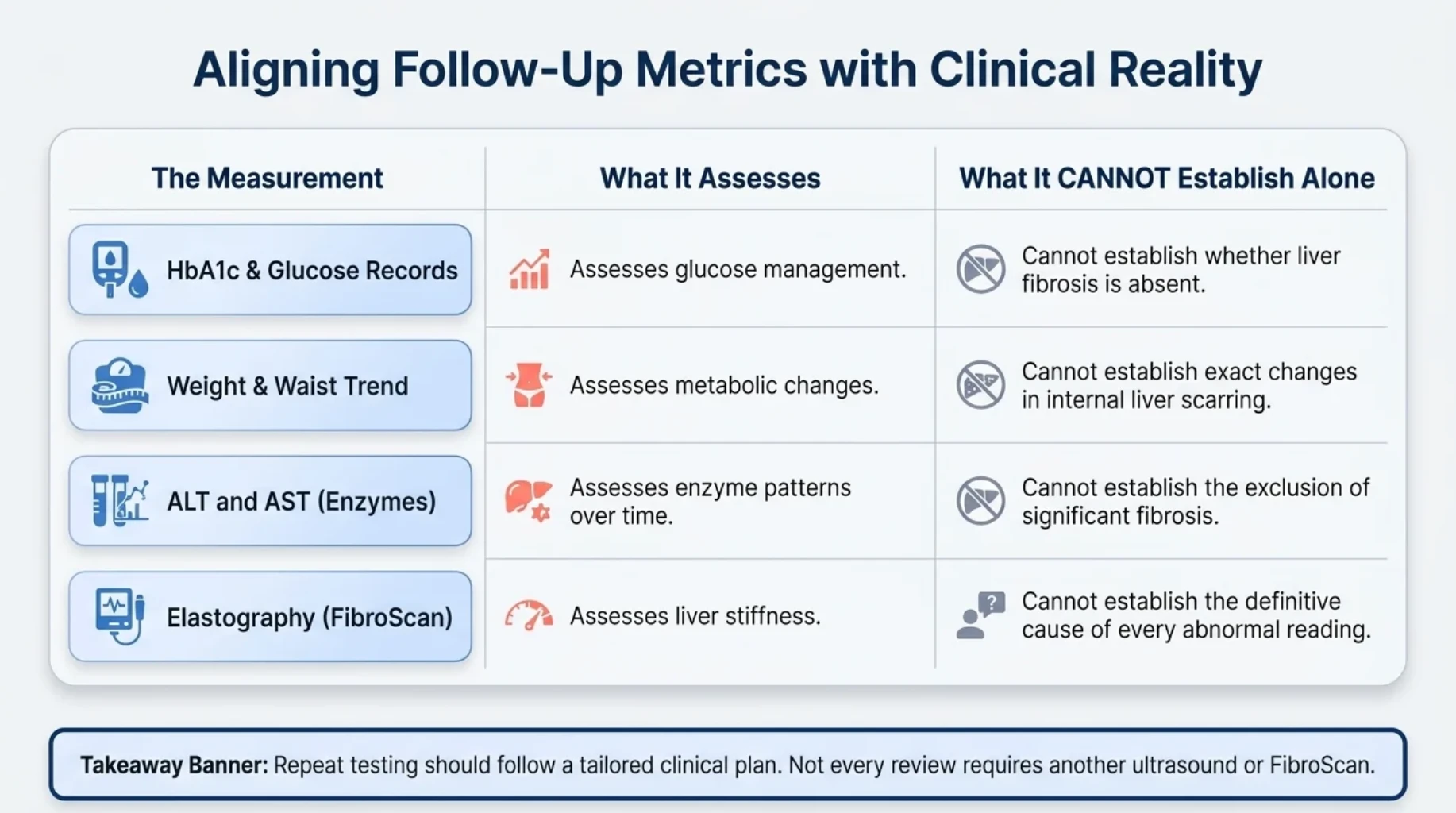
Follow-up should answer specific questions: Is glucose management appropriate? Has weight or waist changed? Is fibrosis risk reassuring or concerning? Are medicines tolerable?
Bring the actual reports rather than only remembering whether they were described as normal.
| Measurement | What it helps assess | What it cannot establish alone |
|---|---|---|
| HbA1c and glucose records | Glucose management and treatment patterns. | Whether liver fibrosis is absent. |
| Weight and waist trend | Changes relevant to metabolic care. | Exact changes in liver inflammation or scarring. |
| ALT and AST | Liver-enzyme patterns and response over time. | Whether significant fibrosis is excluded. |
| FIB-4 | Initial fibrosis-risk assessment in appropriate adults. | A definitive fibrosis stage. |
| Elastography | Liver stiffness and further risk assessment. | The cause of every abnormal reading. |
| Blood pressure, lipids and kidney assessment | Related health risks that need coordinated care. | The severity of liver disease by themselves. |
Repeat Testing Should Follow a Plan
The interval depends on risk, previous findings and treatment. Not every review requires another ultrasound or FibroScan.
Ask when the next fibrosis assessment is due and which changes should prompt an earlier appointment.
Improved enzymes or a lower stiffness reading can be encouraging, but they should be interpreted in context rather than treated as proof that all disease has resolved.
When Is Specialist Assessment Particularly Important?
Referral may be needed for concerning fibrosis tests, conflicting findings, persistently abnormal liver enzymes or suspicion of another liver condition.
Known cirrhosis requires specialist monitoring for complications. Routine diabetes follow-up is not a substitute for that care.
Vomiting blood, black stools, new confusion or severe deterioration requires emergency assessment. New jaundice or increasing abdominal swelling also warrants prompt medical attention.
Frequently Asked Questions About Diabetes and Fatty Liver
Does everyone with type 2 diabetes have fatty liver?
No. It is common, but not universal. Assessment should follow the individual risk and appropriate diagnostic pathway.
Can fatty liver occur without drinking alcohol?
Yes. MASLD is associated with metabolic factors such as type 2 diabetes and abnormal fat distribution. Alcohol exposure still needs discussion because it can contribute additional risk.
If my HbA1c improves, is my liver automatically healthy?
No. Better glucose control is useful, but it does not establish whether fibrosis is present. Liver risk needs its own assessment.
Do normal liver enzymes rule out serious disease?
No. ALT and AST should not be used alone to exclude clinically significant fibrosis, particularly in someone with type 2 diabetes.
Do I need FibroScan every year?
Not necessarily. Testing intervals depend on your risk and previous findings. Ask for a documented monitoring plan rather than repeating scans automatically.
Must I completely stop rice and roti?
No universal ban is needed. Review portions, meal balance and overall intake with your clinician or dietitian.
Can fatty liver improve?
Yes. Liver fat and inflammation can improve, and fibrosis may improve in some people. The response varies, and follow-up is needed rather than assuming that improvement is guaranteed.
Should I stop my statin because of fatty liver?
Do not stop it independently. Fatty liver alone is not a reason to discontinue a statin prescribed for cardiovascular risk reduction. Review the individual situation with your doctor.
Is a weight-loss injection suitable for everyone with fatty liver?
No. Suitability depends on the diagnosis, treatment indication, medical history and local prescribing requirements. An ultrasound label alone is insufficient.
Can liver detox products replace treatment?
No. Do not assume that a supplement improves fibrosis because it is marketed for liver health. Bring these products to your consultation so their ingredients and potential risks can be reviewed.
Diabetes and Fatty Liver Assessment in Dwarka
Dr. Pankaj Kumar, General & Lifestyle Physician, provides assessment of type 2 diabetes, fatty liver and associated metabolic concerns in Dwarka, New Delhi.
A consultation can review glucose management, medicines, nutrition, weight history and liver-risk assessment. Gastroenterology or hepatology referral is arranged when indicated.
Prepare for your consultation: Bring prescriptions, HbA1c, liver tests, a complete blood count, lipid results and previous ultrasound or FibroScan reports.
About the Author
Dr. Pankaj Kumar
MBBS, DNB Family Medicine, DNHE
General & Lifestyle Physician
Dr. Pankaj Kumar is the founder of Diet Plus Minus. His clinical interests include type 2 diabetes, medical weight management, fatty liver and related metabolic disorders.
Medical Disclaimer
This article provides general education for adults and does not replace individual medical assessment. Do not change diabetes medicines, start liver-directed treatment or undertake a restrictive diet without appropriate advice. Advanced liver disease, kidney disease and pregnancy require tailored care.
References
- American Diabetes Association Professional Practice Committee. Comprehensive Medical Evaluation and Assessment of Comorbidities: Standards of Care in Diabetes—2026. Diabetes Care. 2026;49(Suppl 1). Read the guidance.
- EASL–EASD–EASO Clinical Practice Guidelines on the management of metabolic dysfunction-associated steatotic liver disease: Executive Summary. 2024. Read the guidance.
- Younossi ZM, et al. The Global Epidemiology of Nonalcoholic Fatty Liver Disease and Nonalcoholic Steatohepatitis Among Patients With Type 2 Diabetes. 2024. Read the meta-analysis.
- Brazilian Diabetes Society. 2024 update: management of metabolic dysfunction-associated steatotic liver disease in people with prediabetes or type 2 diabetes. Read the position statement.
- Centers for Disease Control and Prevention. Type 2 Diabetes and Your Liver. Read the resource.
- National Institute of Diabetes and Digestive and Kidney Diseases. Symptoms & Causes of NAFLD & NASH. Includes current MASLD terminology. Read the resource.
- National Institute of Diabetes and Digestive and Kidney Diseases. Diagnosis of NAFLD & NASH. Read the resource.
- U.S. Food and Drug Administration. FDA Approves Treatment for Serious Liver Disease Known as MASH. 2025. Read the approval information.
- DailyMed. Rezdiffra (resmetirom): U.S. prescribing information. Revised 2026. Read the prescribing information.
- Canadian Association for the Study of the Liver. Metabolic dysfunction-associated steatotic liver disease assessment and management: Clinical practice guidance. 2026. Read the guidance.

Written by Dr. Pankaj Kumar
General & Lifestyle Physician in Dwarka Sector 6, New Delhi · MBBS, DNB (Family Medicine), DNHE · 16 years of experience.
About the doctor →Book a consultation → Beyond Blood Sugar
 The 90-Day Prediabetes Turnaround
 The Indian Diabetes Diet Reset
 Eat to Beat Gout
 Why Is My Hair Falling?
 The 30-Day Inflammation Reset