Yes. Fatty liver and normal liver enzymes can occur together. An ultrasound may show fat in the liver even when ALT and AST—often labelled SGPT and SGOT on Indian laboratory reports—are within the laboratory’s reference range.
This can feel confusing. One report says “fatty liver,” while another appears normal. Patients understandably wonder which report to believe and whether treatment or further assessment is necessary.
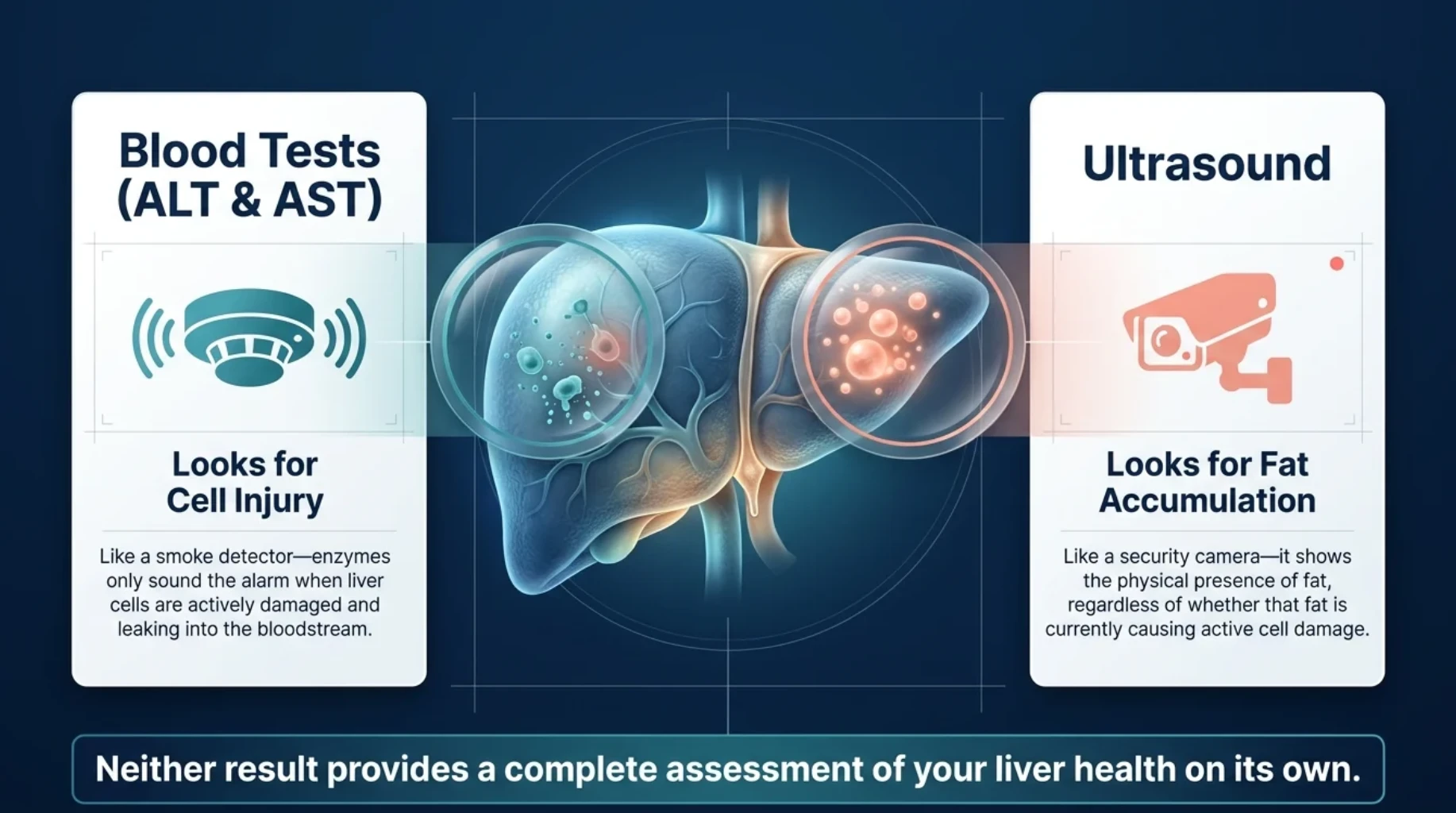
The reports are answering different questions. Imaging looks for features such as fat accumulation, while ALT and AST provide information about liver cell injury. Neither result, by itself, gives a complete assessment of liver health.

What Do ALT and AST Actually Tell You?
1. They Are Markers of Cell Injury
ALT stands for alanine aminotransferase, and AST stands for aspartate aminotransferase. These enzymes are present inside cells and can increase in the bloodstream when cells are injured. ALT is more closely associated with the liver, while AST can also come from other tissues, including muscle.
Although they are included in a “liver function test” or LFT panel, ALT and AST are not direct measurements of how much fat the liver contains. They also cannot reliably tell you how much scar tissue has developed.
Think of them as useful pieces of information rather than a complete liver health score. A doctor interprets them alongside your history, other blood results and, when appropriate, imaging or fibrosis assessment.
2. A Normal Result Needs Clinical Context
A laboratory reference range helps interpret a result, but it does not create a firm boundary between “no liver disease” and “liver disease.” Reference ranges differ between laboratories, and a result within the printed range may still need attention in a person with relevant risk factors.
This does not mean that every normal ALT result is suspicious. It means the result should answer a specific clinical question. For example, normal ALT cannot, on its own, answer whether a person with diabetes and fatty liver has significant fibrosis.
Why Can Fatty Liver Be Present With Normal Enzymes?
3. Fat, Inflammation and Scarring Are Different Features
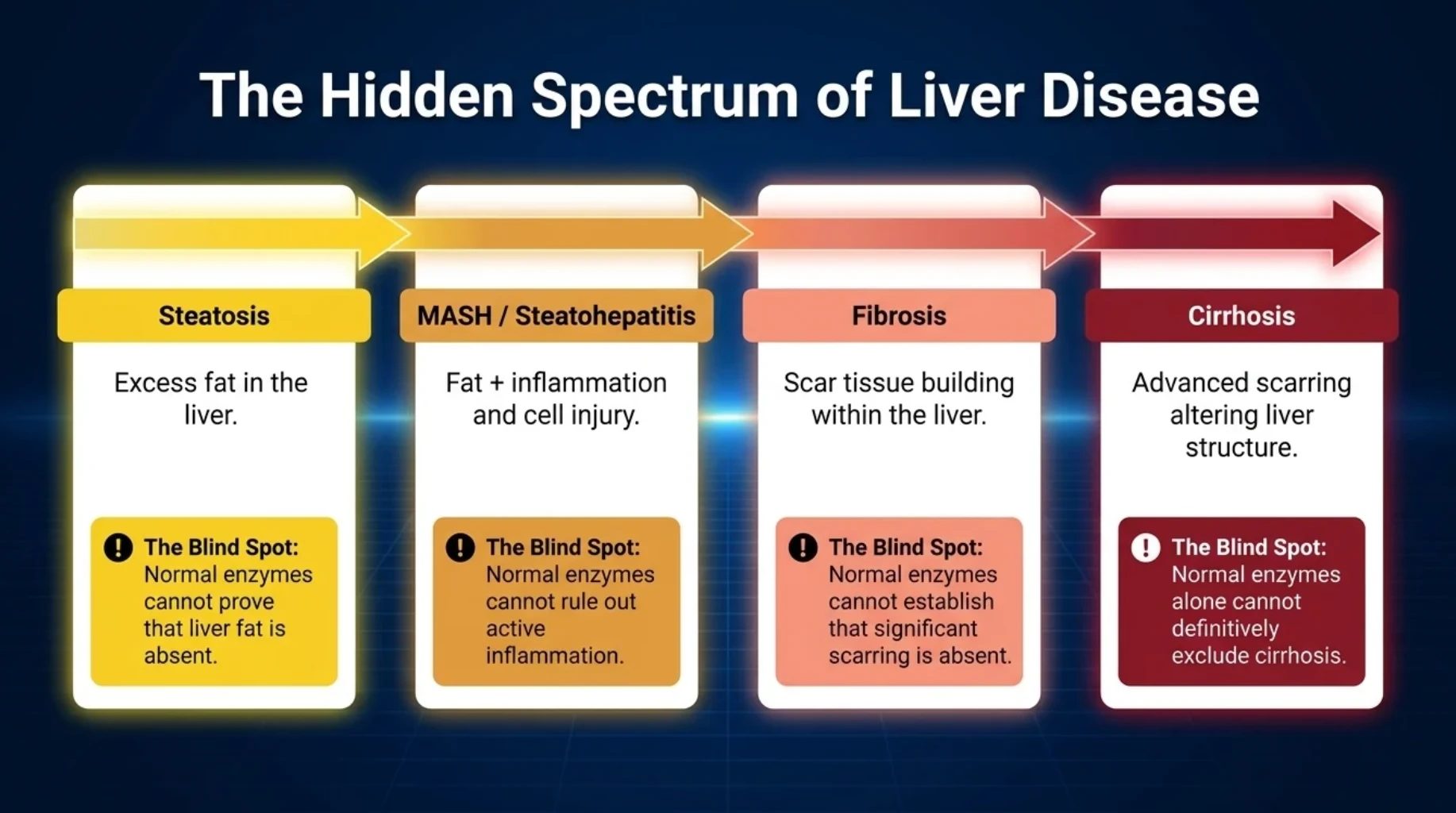
Fatty liver describes excess fat within liver cells. Some people also develop inflammation and liver cell injury, while some develop fibrosis, meaning scar tissue. These features are related, but they are not interchangeable.
The term metabolic dysfunction-associated steatotic liver disease, or MASLD, is now used for fatty liver associated with cardiometabolic risk factors under the current diagnostic criteria. Older reports may use NAFLD.
MASH, previously called NASH, refers to the form involving inflammation and liver cell injury. A normal enzyme result cannot reliably distinguish uncomplicated fat accumulation from MASH or exclude significant fibrosis.
| Term | What it describes | What a normal ALT or AST cannot establish |
|---|---|---|
| Steatosis | Excess fat in the liver | That liver fat is absent |
| Steatohepatitis or MASH | Fat associated with inflammation and liver cell injury | That inflammation and injury are absent |
| Fibrosis | Scar tissue within the liver | That significant scarring is absent |
| Cirrhosis | Advanced scarring that changes liver structure | That cirrhosis has been excluded |
The practical question is therefore broader than “Is my SGPT normal?” It is: “What does my overall assessment suggest about the risk of important liver disease?”
4. A Single Blood Test Is a Snapshot
Blood results are collected at one point in time. Earlier reports, changes over time and the circumstances of testing can all help a doctor interpret the current result.
For example, someone may bring an old report showing elevated ALT and a newer report showing a value within range. The newer result may be encouraging, but it should be considered alongside the previous findings and the person’s metabolic health.
Similarly, normal enzymes do not prove that existing fibrosis has disappeared. Treatment progress should be assessed using measures appropriate to the original problem.
Does Normal SGPT Mean Grade 1 Fatty Liver Is Harmless?
No. However, it also does not mean that grade 1 fatty liver is dangerous in every person.
“Grade 1” on a routine ultrasound describes the appearance of fat accumulation. It is not the same as stage 1 fibrosis. The words “grade” and “stage” can sound similar, but they refer to different findings.
Routine ultrasound can suggest liver fat, but it cannot reliably determine whether MASH is present or accurately stage fibrosis. Therefore, a report mentioning mild fatty liver cannot settle the question of scarring.
Consider two hypothetical patients with the same ultrasound wording and normal ALT. One has no diabetes and few metabolic risk factors. The other has longstanding type 2 diabetes, central obesity and several previous abnormal results. Their assessment and follow-up may differ even though the latest reports look similar.
Who May Need Further Assessment Despite Normal Enzymes?
5. People With Type 2 Diabetes or Relevant Metabolic Risks
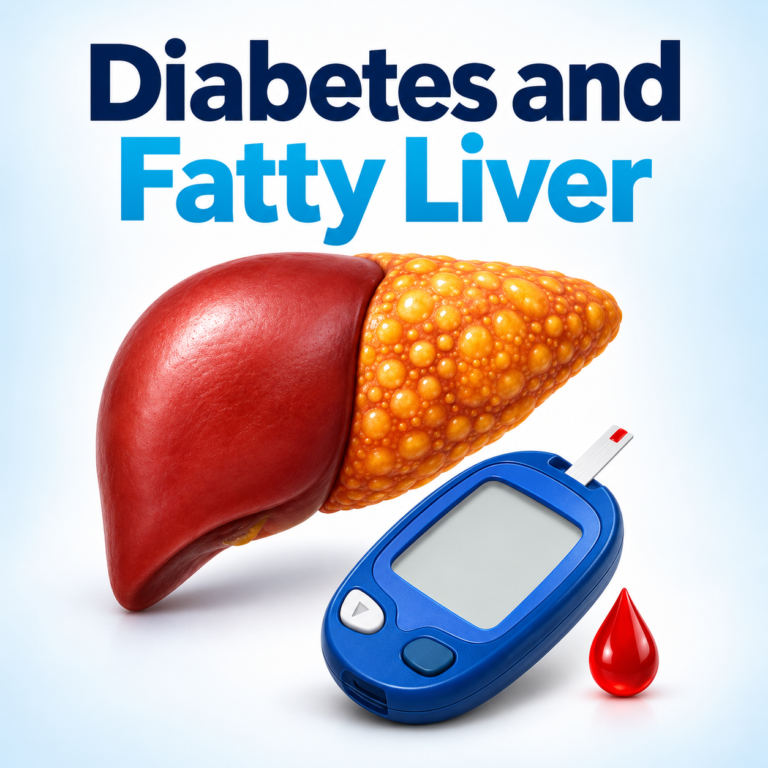
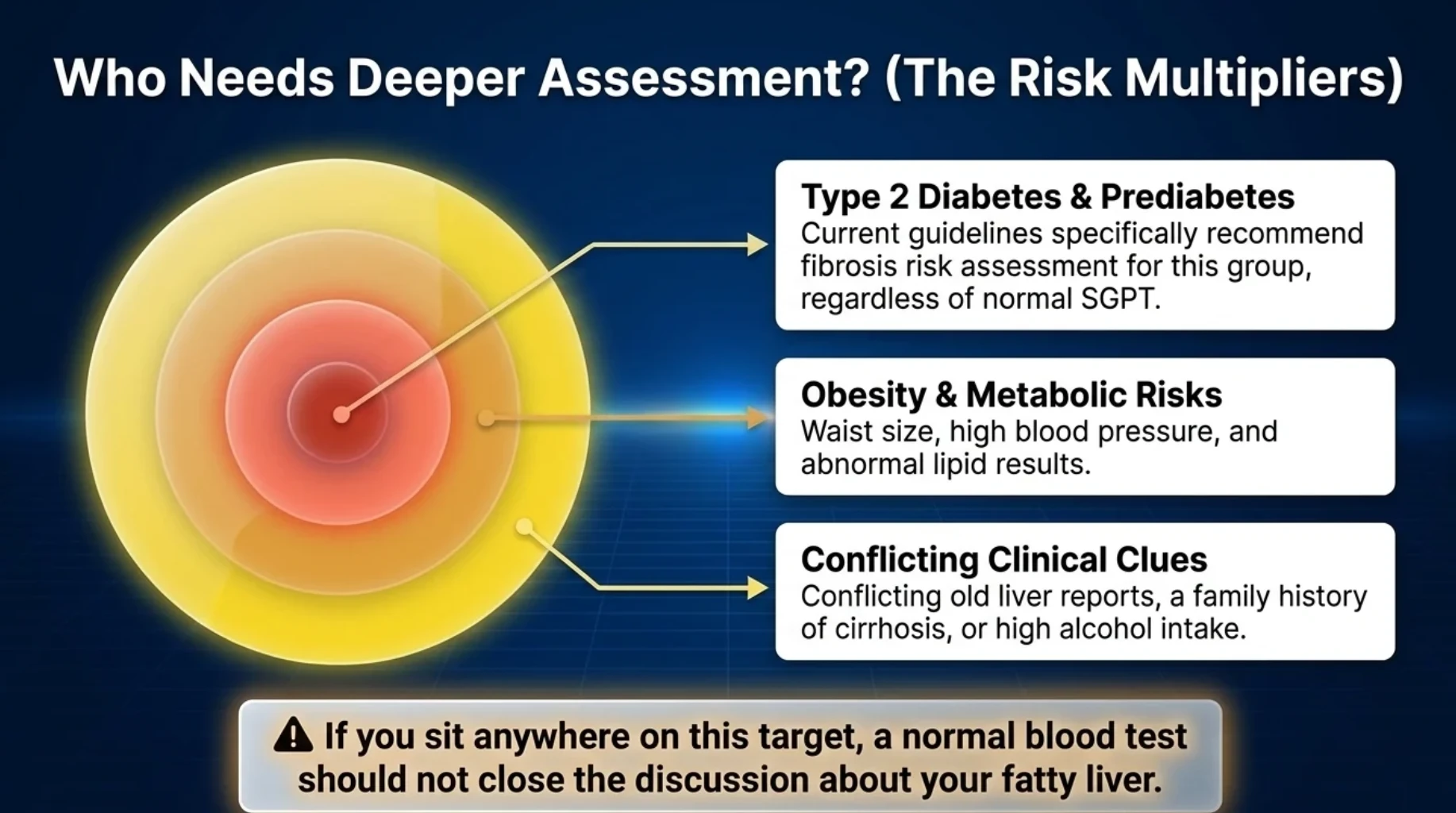
Type 2 diabetes is an important reason to assess liver fibrosis risk even when enzymes are normal. Current diabetes guidance specifically recommends risk assessment using FIB-4 in adults with type 2 diabetes or prediabetes, particularly when obesity or other cardiometabolic risk factors are present.
For a patient, this means a normal SGPT should not be the only reason to close the discussion about fatty liver. Blood sugar history, waist size, blood pressure and lipid results provide useful context.
A practical consultation might therefore review your diabetes medicines and HbA1c alongside the liver report, rather than treating each result as a separate issue.
6. People With Findings That Do Not Fit Together
Sometimes the uncertainty comes from conflicting information: an earlier abnormal report, a concerning scan, a family history of cirrhosis, or other clinical findings that need explanation.
Bring previous reports to the appointment, including blood counts and ultrasound results. Also bring a list of prescribed medicines, over-the-counter products and supplements. Describe alcohol use accurately, including drinking patterns rather than simply saying “occasionally.”
These details help the doctor decide whether the picture is consistent with metabolic fatty liver, whether another cause needs consideration, and whether additional assessment would change management.
What Is the Next Step After Fatty Liver Is Found?
The next step is usually a structured review rather than automatically ordering every available liver test.
One commonly used tool is FIB-4, which combines age, AST, ALT and platelet count to estimate the likelihood of advanced fibrosis. It is a risk assessment tool, not a diagnosis.
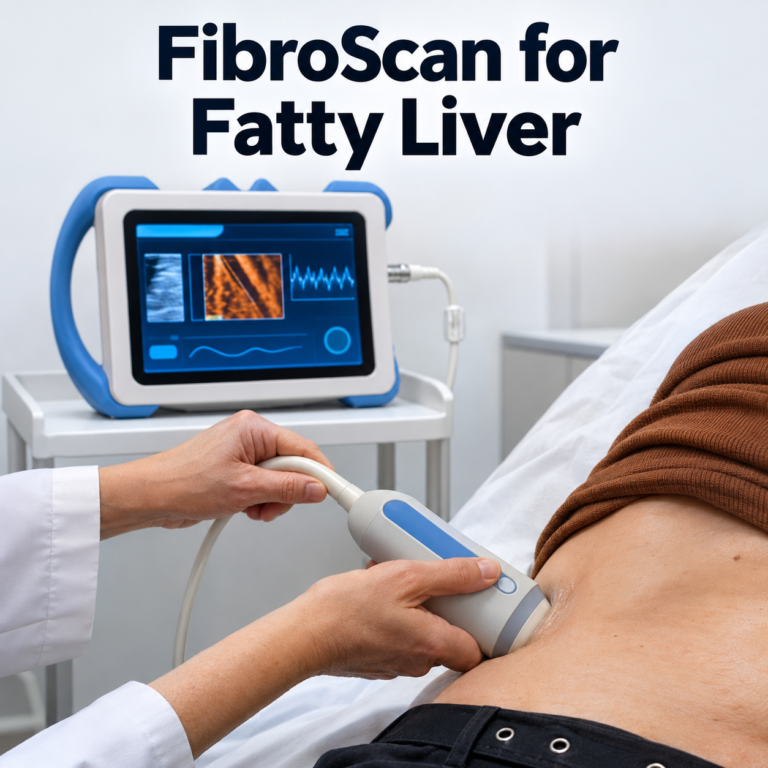
Depending on the result and clinical context, a doctor may recommend liver stiffness testing with transient elastography, commonly known by the brand name FibroScan, or another validated test. Some people need specialist review; others can continue planned follow-up in primary care.
FIB-4 needs particular care when interpreted in younger adults, older adults or during acute illness. An online calculator should therefore support a medical discussion rather than replace it.
What Should You Bring to Your Appointment?
Bring your ultrasound report, recent and previous liver blood tests, complete blood count, glucose or HbA1c results, lipid profile and medication list if available. You do not need to arrange a large package of new tests before the consultation unless your doctor has requested it.
Write down the questions you want answered: Is fatty liver the likely diagnosis? Has fibrosis risk been assessed? Do I need liver stiffness testing? What should we monitor, and when?
The aim is a clear plan based on your risk—not reassurance from one number or anxiety about one phrase on an ultrasound report.
What Comes Next?
Fatty liver with normal liver enzymes deserves a proportionate assessment. Normal ALT and AST are useful results, but they cannot provide the whole answer.
How Do Doctors Assess Fatty Liver When Liver Enzymes Are Normal?
When an ultrasound shows fatty liver but ALT and AST are normal, the next question is whether there is a meaningful risk of liver fibrosis. Repeating SGPT alone cannot answer that question.
A proper assessment combines your medical history, metabolic risk factors, blood results and, when indicated, a liver stiffness test. The purpose is to identify who needs closer evaluation and who can continue routine care with planned reassessment.
1. Begin With the Overall Clinical Picture
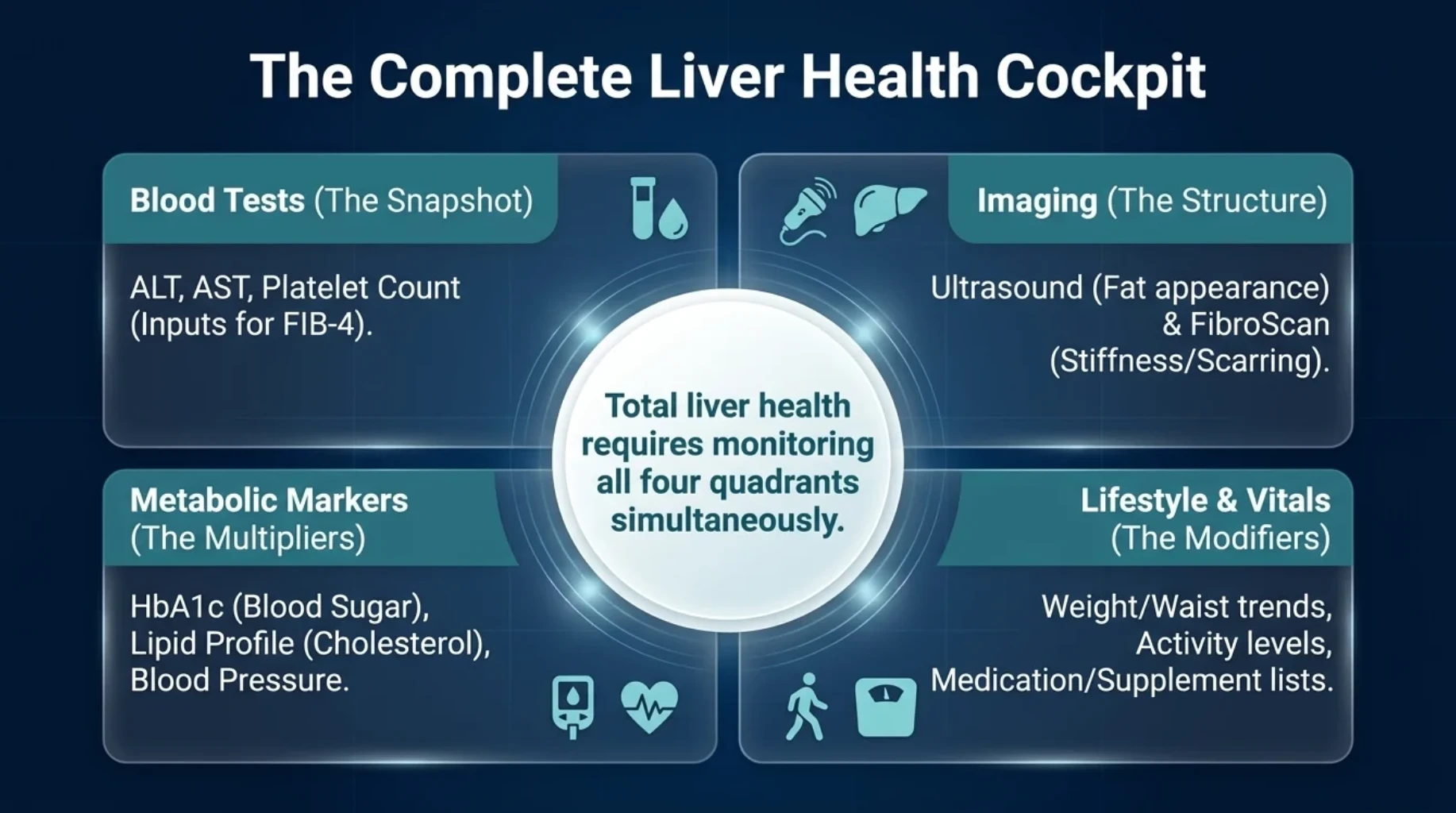
Your doctor will review diabetes or prediabetes, weight and waist measurements, blood pressure, cholesterol, alcohol intake and medicines. Previous reports help establish whether findings are stable or changing.
Be specific about supplements, including herbal preparations, bodybuilding products and products advertised for “liver cleansing.” Bring the packaging or a photograph of the ingredient list. “Natural” does not establish that a product is safe for the liver.
Additional investigations should follow the clinical findings. Not everyone needs an extensive panel for uncommon liver diseases, but an unexpected pattern should not automatically be labelled metabolic fatty liver.
2. Use a Fibrosis Risk Score Where Appropriate
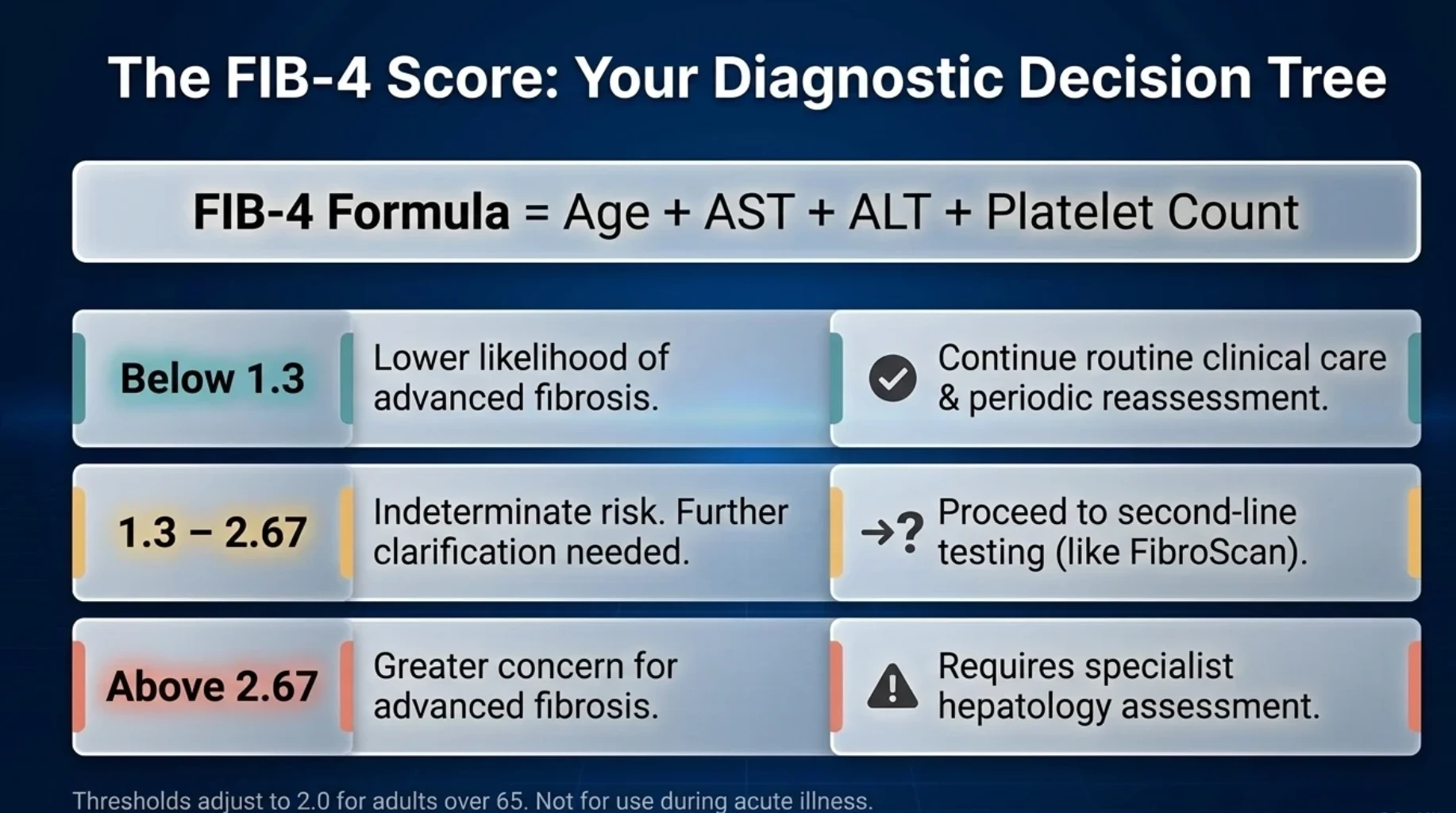
FIB-4 combines age, AST, ALT and platelet count. It estimates the likelihood of advanced fibrosis; it does not directly measure scar tissue.
| FIB-4 result in adults aged approximately 35–65 years | Usual interpretation | Possible next step |
|---|---|---|
| Below 1.3 | Lower likelihood of advanced fibrosis | Clinical care and periodic reassessment, unless other findings raise concern |
| 1.3–2.67 | Further clarification is needed | Transient elastography or another validated second-line test |
| Above 2.67 | Greater concern for advanced fibrosis | Specialist assessment should be considered |
These thresholds need adjustment and clinical interpretation. In adults older than 65, a threshold of 2.0 is generally used to trigger further assessment. FIB-4 is less accurate below age 35 and should not be used during acute illness.
When Might FibroScan Be Useful?
FibroScan is a commonly used form of transient elastography. It measures liver stiffness, which helps assess the likelihood of fibrosis. Some examinations also provide a controlled attenuation parameter, or CAP, to estimate liver fat.
The stiffness result and CAP result answer different questions. A reduction in estimated fat should not automatically be interpreted as disappearance of scarring.
Your doctor may recommend elastography when the initial risk assessment is indeterminate or concerning, or when the clinical picture warrants further investigation. Normal liver enzymes do not prevent someone from needing this test.
Equally, a fatty liver finding does not mean everyone needs repeated scans at short intervals. Testing is most useful when it resolves uncertainty or changes the care plan.
Does Everyone Need a Liver Biopsy?
No. Many people can be assessed using blood-based scores and non-invasive imaging. A biopsy may be considered when the diagnosis remains uncertain, tests disagree, or the result would influence treatment.
A biopsy is therefore a selected investigation, not the routine next step for every person with fatty liver and normal SGPT.
What Should Follow-Up Include?
Follow-up should address both liver risk and the metabolic conditions associated with it. A normal ALT result should not become the only measure of progress.
For example, your follow-up discussion may include waist and weight trends, glucose control, blood pressure, lipid results, activity levels and whether the fibrosis assessment needs updating.
For people initially assessed as lower risk, AASLD guidance suggests considering repeat FIB-4 approximately every one to two years when diabetes, prediabetes or multiple metabolic risk factors are present. Lower-risk people without these features may be reassessed approximately every two to three years.
These are fibrosis reassessment intervals—not instructions to delay appointments, diabetes monitoring or investigation of new symptoms.
Do Lifestyle Changes Matter if SGPT Is Already Normal?
Yes. The aim is to improve metabolic health and reduce liver-related risk, rather than simply move a laboratory number into range.
3. Set a Weight Goal That Fits Your Starting Point
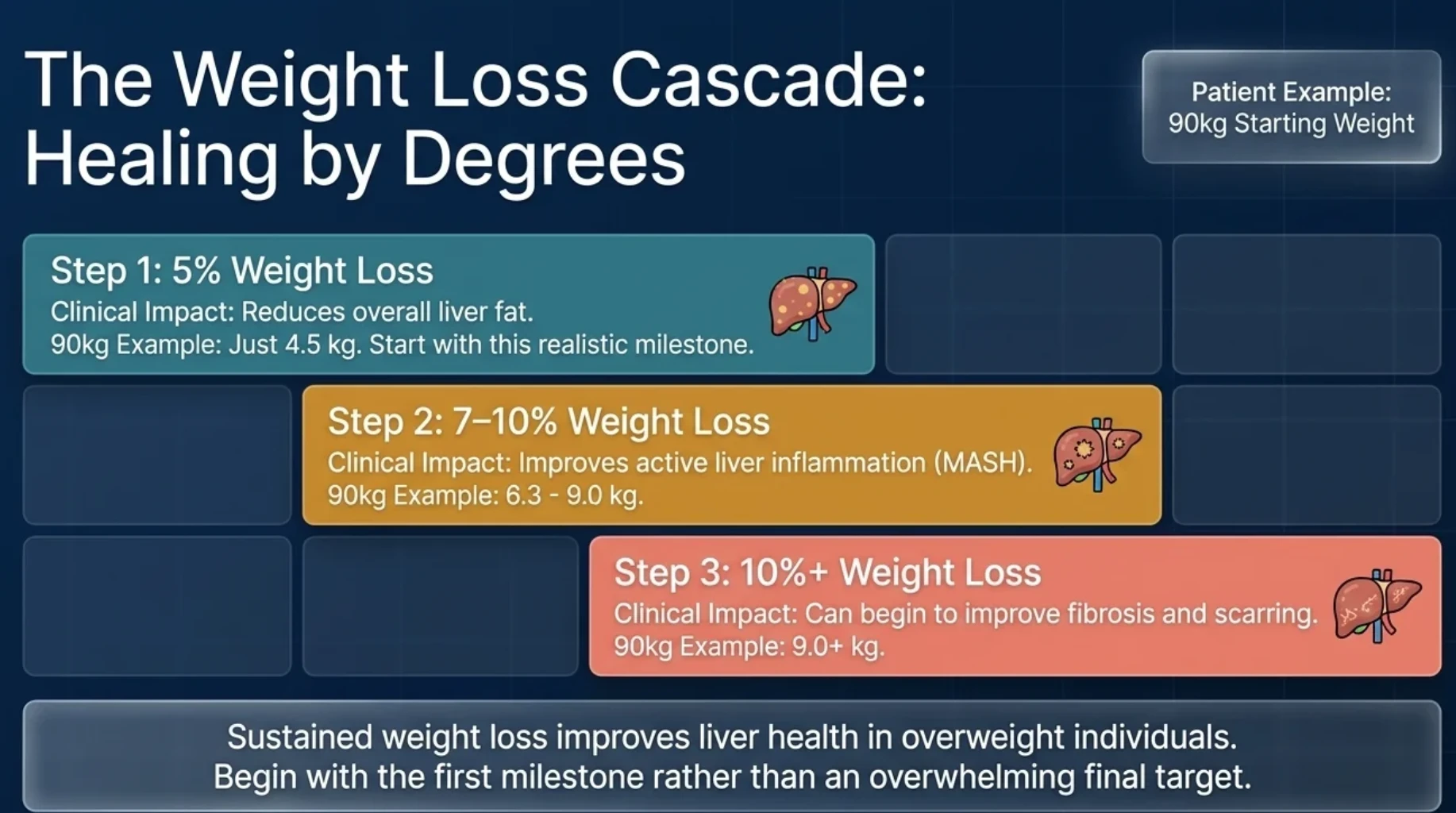
For people with overweight and MASLD, sustained weight loss can improve liver health. Guideline targets include at least 5% weight reduction to reduce liver fat, 7–10% to improve inflammation, and at least 10% to improve fibrosis. These describe treatment goals and expected benefits across groups; they do not guarantee an individual outcome.
For someone weighing 90 kg, an initial 5% reduction is 4.5 kg. It can be more practical to work towards that first milestone and then review progress than to begin with an unrealistic final target.
People who are not overweight still need an individual plan. Aggressive weight loss is not automatically appropriate, particularly when muscle loss, frailty or another medical condition is present.
4. Make Everyday Meals Easier to Sustain
A practical Indian eating pattern can include vegetables, dal, beans, curd, eggs, fish, tofu or other suitable protein sources, with portions of rice or roti adjusted to individual needs.
Start with recurring habits. If sweetened tea, juice or soft drinks are routine, reducing them may be a useful first step. If lunch is mostly rice or roti with little protein or vegetables, improve the balance rather than skipping the meal.
There is no need to ban every familiar food. Plan meals around portions, nutritional quality, preferences and your diabetes treatment where relevant. A diet that repeatedly leaves you hungry or socially isolated is unlikely to be sustainable.
5. Build Activity Around Your Current Ability
Exercise can reduce liver fat, including when weight loss is modest. European guidance recommends activity tailored to ability and preference, preferably more than 150 minutes of moderate-intensity activity per week.
A sedentary person might begin with a short daily walk and gradually increase duration. Someone working long hours at a desk may find scheduled walking breaks easier to maintain than an ambitious gym routine.
Strength exercises can also form part of the plan. People with significant heart disease, mobility limitations or advanced liver disease should discuss suitable activity with their clinician.
6. Review Alcohol and Supplements Honestly
Discuss alcohol intake without assuming that normal liver enzymes make drinking harmless. The advice depends on liver disease severity and the overall clinical picture; people with advanced fibrosis or cirrhosis should avoid alcohol.
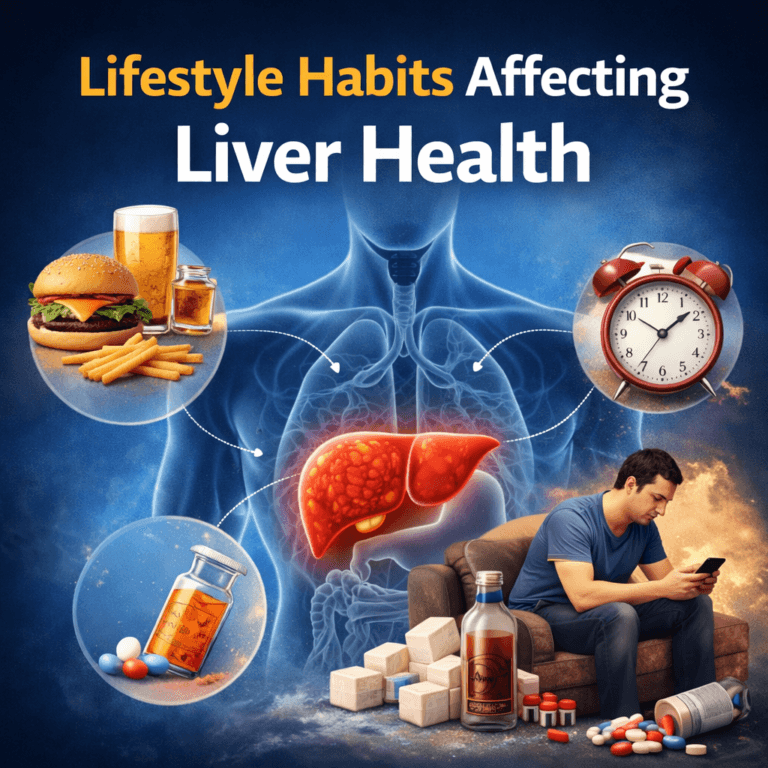
Do not start liver tonics, detox powders or high-dose supplements simply because an ultrasound mentions fatty liver. Ask what the product is expected to improve, what evidence supports it and whether it could interact with your medicines.
Are Medicines Needed When Liver Enzymes Are Normal?
Medication decisions depend on the diagnosed condition and treatment goals. Normal ALT does not remove the need to treat diabetes, obesity, high blood pressure or abnormal cholesterol when treatment is otherwise indicated.
Likewise, an ultrasound report alone is not enough to select a liver-directed medicine. Decisions about such treatment require assessment of disease severity, suitability, benefits, risks and local availability.
Do not stop prescribed medicines because you have fatty liver. Bring your concerns to the prescribing doctor so that treatment can be reviewed safely.
Which Symptoms Need Prompt Attention?
Most people with fatty liver do not develop emergency symptoms. However, new jaundice, increasing abdominal swelling or unexplained leg swelling needs prompt medical assessment.
Frequently Asked Questions
Can normal SGPT rule out fatty liver?
No. SGPT, also called ALT, does not measure liver fat. Fatty liver may be present even when ALT is within the laboratory reference range.
Can liver scarring occur with normal ALT and AST?
Yes. Normal enzymes cannot reliably exclude significant fibrosis. Doctors use the overall clinical picture and appropriate non-invasive tests to assess risk.
Is grade 1 fatty liver the same as stage 1 fibrosis?
No. Ultrasound grading describes the appearance of fat accumulation. Fibrosis staging describes scarring. They are different assessments.
Do I need FibroScan if my liver blood tests are normal?
Possibly, depending on your fibrosis risk and other findings. Normal blood tests alone cannot determine whether FibroScan is necessary.
If my ALT improves, has my fatty liver completely resolved?
Not necessarily. Improvement can be encouraging, but ALT alone cannot confirm that liver fat, inflammation or fibrosis has resolved.
Should I repeat liver tests every month?
Not routinely. Testing frequency should reflect your diagnosis, medicines, previous results and clinical needs. Agree on a monitoring plan rather than repeating tests without a clear purpose.
Getting Your Reports Reviewed in Dwarka
If your ultrasound shows fatty liver despite normal enzymes, bring both reports and any previous results to your consultation. A useful assessment should explain your fibrosis risk, whether further testing is needed and what follow-up should involve.
For a consultation with Dr. Pankaj Kumar in Dwarka, New Delhi, visit the appointment page.
About the author Dr. Pankaj Kumar, MBBS, DNB (Family Medicine), DNHE, is a General and Lifestyle Physician and founder of Diet Plus Minus. His clinical interests include diabetes, medical weight management, fatty liver and metabolic health.
Medical disclaimer: This article provides general patient education. It does not diagnose liver disease or replace an individual medical assessment. Test results and treatment decisions should be reviewed with your clinician.
References
- Rinella ME, et al. AASLD Practice Guidance on the clinical assessment and management of nonalcoholic fatty liver disease. Hepatology. 2023. Read the guidance.
- EASL–EASD–EASO. Clinical Practice Guidelines on the management of metabolic dysfunction-associated steatotic liver disease: Executive Summary. 2024. Read the recommendations.
- American Diabetes Association Professional Practice Committee. Comprehensive Medical Evaluation and Assessment of Comorbidities: Standards of Care in Diabetes—2026. Diabetes Care. 2026. Read the recommendations.
- National Institute of Diabetes and Digestive and Kidney Diseases. Diagnosis of NAFLD and NASH. Patient information resource. Read about diagnostic tests.
- National Institutes of Health. Cirrhosis of the Liver. Patient information resource. Read about symptoms and emergency signs.

Written by Dr. Pankaj Kumar
General & Lifestyle Physician in Dwarka Sector 6, New Delhi · MBBS, DNB (Family Medicine), DNHE · 16 years of experience.
About the doctor →Book a consultation → Beyond Blood Sugar
 The 90-Day Prediabetes Turnaround
 The Indian Diabetes Diet Reset
 Eat to Beat Gout
 Why Is My Hair Falling?
 The 30-Day Inflammation Reset