Seeing the number on the weighing scale fall can feel reassuring, but not every kilogram lost represents body fat. Muscle loss during weight loss can occur alongside fat loss, particularly when calorie intake falls substantially without enough protein or resistance exercise.
This matters because successful weight management should improve health and physical function rather than simply produce the lowest possible number on the scale. Skeletal muscle supports strength, mobility, glucose metabolism and the ability to remain physically active. Current obesity and diabetes guidance increasingly emphasizes preserving lean mass during intentional weight reduction, particularly when larger amounts of weight are being lost.
The practical goal is therefore not to prevent every gram of lean-tissue change. Some change in lean mass can occur during successful weight reduction. The goal is to favor fat loss while protecting muscle mass, strength, nutritional adequacy and function as much as reasonably possible.

Can You Lose Weight Without Losing Muscle?
It is possible to reduce muscle loss during weight loss, although completely eliminating lean-mass loss cannot be guaranteed.
The most useful strategies are an appropriate calorie deficit, sufficient dietary protein and regular resistance exercise. A 2024 meta-analysis found that increased protein intake helped reduce the decline in muscle mass among adults with overweight or obesity who were losing weight, while a 2025 systematic review found that resistance exercise during dietary weight loss helped protect fat-free mass and strength.
The best plan therefore asks two questions at the same time: Are you losing excess fat? And are you maintaining enough strength and muscle while doing it?
What Does Muscle Loss During Weight Loss Mean?
Body weight is made up of several components. These include body fat, skeletal muscle, organs, bone, glycogen and water.
When someone creates an energy deficit and begins losing weight, the scale cannot distinguish between these compartments. Part of the initial change may be water and glycogen. Over time, the aim is for most clinically meaningful weight reduction to come from excess body fat, but some lean tissue can also be lost.
This is why two people who both lose 10 kg may not experience exactly the same change in body composition.
One person may lose a greater proportion of fat while maintaining strength. Another may lose more lean tissue because of severe food restriction, low protein intake, inactivity, illness or lack of resistance exercise.
Modern obesity guidance therefore increasingly looks beyond body weight alone. The 2026 American Diabetes Association Standards specifically recommend attention to protein intake and resistance training during weight-loss treatment to help preserve lean muscle mass.
Muscle Loss During Weight Loss Is Not the Same as Losing Only Fat
People sometimes describe a successful diet by saying, “I lost 8 kg of fat.” Unless body composition has actually been measured, the weighing scale cannot confirm that.
Clinical trials demonstrate that meaningful weight loss can involve reductions in both fat and lean mass. For example, in the DXA sub study of the SURMOUNT-1 tirzepatide trial, approximately 75% of the weight lost was fat mass and about 25% was lean mass. This was a specific trial population and should not be interpreted as a fixed percentage that applies to everyone.
Another important distinction is that lean mass is not identical to skeletal muscle. Measurements such as DXA classify several non-fat tissues as lean mass. A fall in measured lean mass therefore should not automatically be interpreted as an equivalent kilogram-for-kilogram loss of contractile muscle.
For patients, strength and physical function matter alongside body-composition numbers.
Why Protecting Muscle Matters
Muscle is not only important for appearance or bodybuilding. It is active tissue that contributes to everyday function.
You use skeletal muscle when you:
- rise from a chair
- climb stairs
- carry groceries
- maintain balance
- exercise
- perform household work
- recover from illness
Muscle also plays an important role in glucose disposal and metabolic health. Protecting it becomes particularly relevant for people with type 2 diabetes, older adults and anyone entering weight loss with already-low strength.
If a person loses substantial weight but becomes noticeably weaker, struggles with stairs or cannot perform activities that were previously comfortable, the weight-loss plan deserves reassessment.
This is why “quality of weight loss” is increasingly discussed in obesity care. A 2025 review in Diabetes emphasized that preserving skeletal muscle and physical function should be considered alongside fat reduction when evaluating successful obesity treatment.
The best outcome is generally not simply a smaller body. It is a healthier body that can move, exercise and function effectively.
Who Is More Vulnerable to Losing Muscle?
Anyone can lose some muscle during prolonged calorie restriction, but the concern becomes greater in certain situations.
People who may require more attention to muscle preservation include:
- adults over 40
- older adults
- people who are already physically inactive
- people with low baseline strength
- adults following repeated crash diets
- people losing a large amount of weight
- people eating very little protein
- those with chronic disease or recent illness
- people using treatments that markedly reduce appetite
Older adults deserve particular attention because ageing itself is associated with reductions in muscle mass and function. The European Association for the Study of Obesity’s 2026 position statement on obesity in older adults therefore recommends looking beyond BMI and prioritizing body composition, muscle function, mobility and independence during treatment.
People taking modern appetite-reducing weight-loss medicines may also unintentionally eat very small meals and struggle to meet protein and micronutrient needs. The concern should not lead to avoidance of effective obesity treatment; it means nutritional quality and exercise should be addressed at the same time. Current ADA guidance explicitly recommends optimizing protein intake and resistance training when using GLP-1 or dual GIP/GLP-1 therapies.
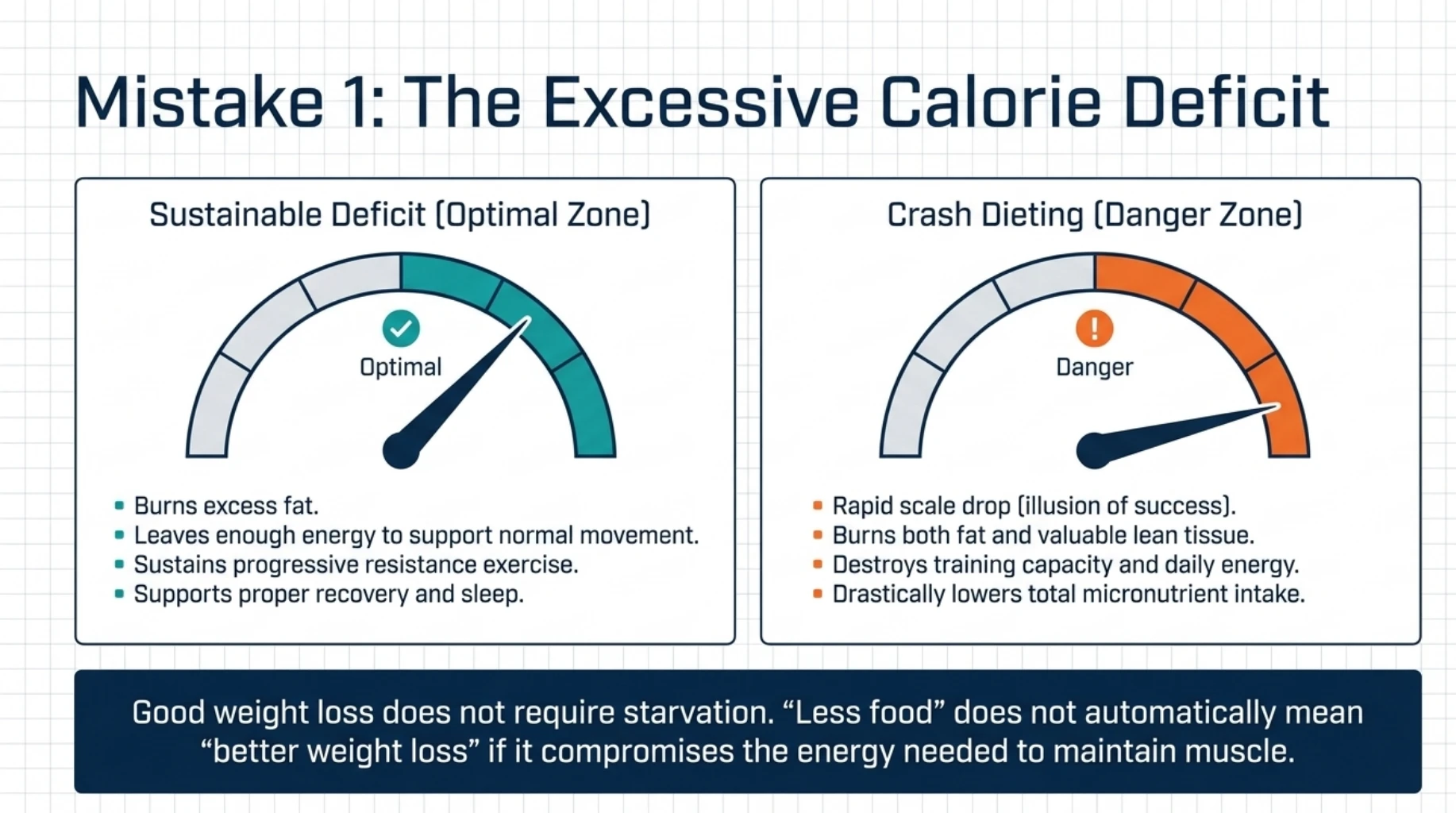
Mistake 1: Creating an Excessive Calorie Deficit
Weight loss requires an energy deficit, but “less food” does not automatically mean “better weight loss.”
A very restrictive diet can produce impressive early scale changes while making it difficult to consume enough protein, vitamins, minerals and overall nutrition. Low energy intake can also reduce training capacity, making progressive resistance exercise harder to sustain.
The practical aim is therefore to create enough of a calorie deficit to reduce excess body fat while continuing to support:
- adequate protein intake
- vegetables and fibre
- micronutrient intake
- normal daily movement
- resistance exercise
- recovery and sleep
A diet based mainly on tea, fruit, soup, salads or very small portions may look “clean” yet still provide inadequate protein and energy for muscle preservation.
The same concern applies to repeated fasting or meal-skipping when it causes total protein and nutrient intake to fall substantially.
People taking insulin, sulfonylureas or other glucose-lowering medicines also require additional caution because sudden major reductions in food intake may increase the risk of hypoglycemia. Significant dietary changes should therefore be coordinated with diabetes treatment rather than attempted independently.
Good weight loss does not require starvation.
Mistake 2: Eating Too Little Protein
Protein supplies amino acids that the body uses to maintain and repair muscle tissue. During a calorie deficit, adequate protein becomes particularly relevant because the body is receiving less total energy.
A 2024 systematic review and meta-analysis involving adults with overweight or obesity found that higher protein intake during weight loss significantly reduced the decline in muscle mass compared with lower protein intake. The effect on strength and physical function was less certain, which is an important reminder that protein alone does not replace exercise.
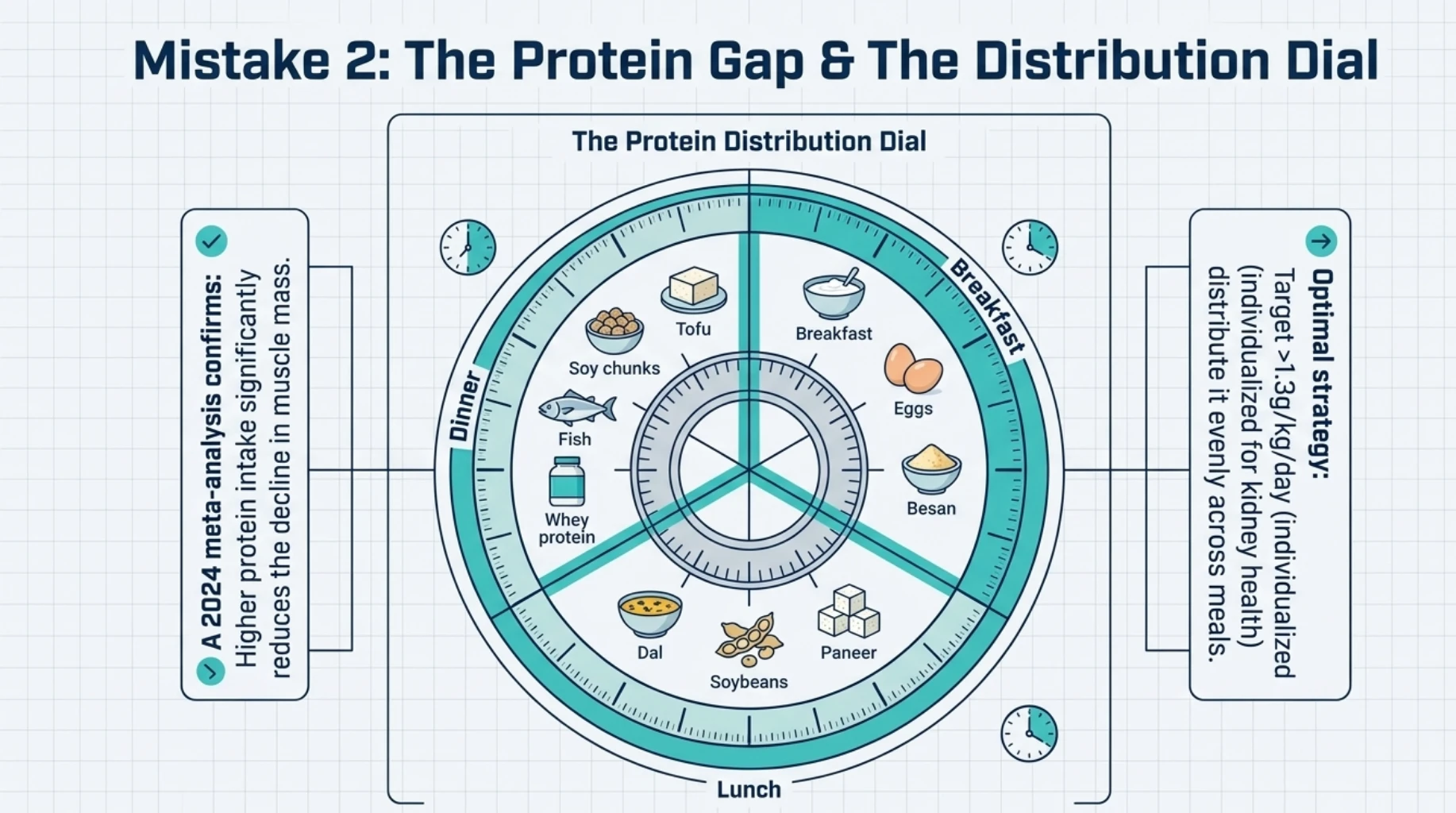
Useful protein sources in an Indian diet may include:
- dal and legumes
- rajma and chickpeas
- soybeans, tofu and soy chunks
- besan
- milk and curd
- paneer in suitable portions
- eggs
- fish
- chicken
- lean meat
- whey or another protein supplement when clinically appropriate
The solution is not to simply add large quantities of paneer, nuts or protein shakes on top of an already calorie-dense diet. Protein has to fit within the overall weight-management plan.
How Much Protein During Weight Loss May Be Appropriate?
There is no single protein number that should be prescribed to every person losing weight.
Requirements depend on factors such as:
- age
- body size and composition
- physical activity
- intensity of resistance training
- total calorie intake
- amount and speed of weight loss
- kidney function
- underlying illness
Recent evidence supports a higher protein intake than a low-protein diet for preserving muscle during energy restriction, but the ideal target varies across populations and studies.
This matters especially in people with obesity because simply multiplying a high protein target by total body weight can sometimes produce an unnecessarily large number. Clinical plans may instead consider nutritional status, target or adjusted body weight, activity and individual medical circumstances.
A routine high-protein diet also may not be appropriate for someone with significant chronic kidney disease. Protein goals should be individualized when kidney function is impaired.
Rather than chasing one internet number, focus on having a meaningful protein source across the day’s meals while keeping the total diet nutritionally balanced.
Mistake 3: Doing Cardio but No Strength Training
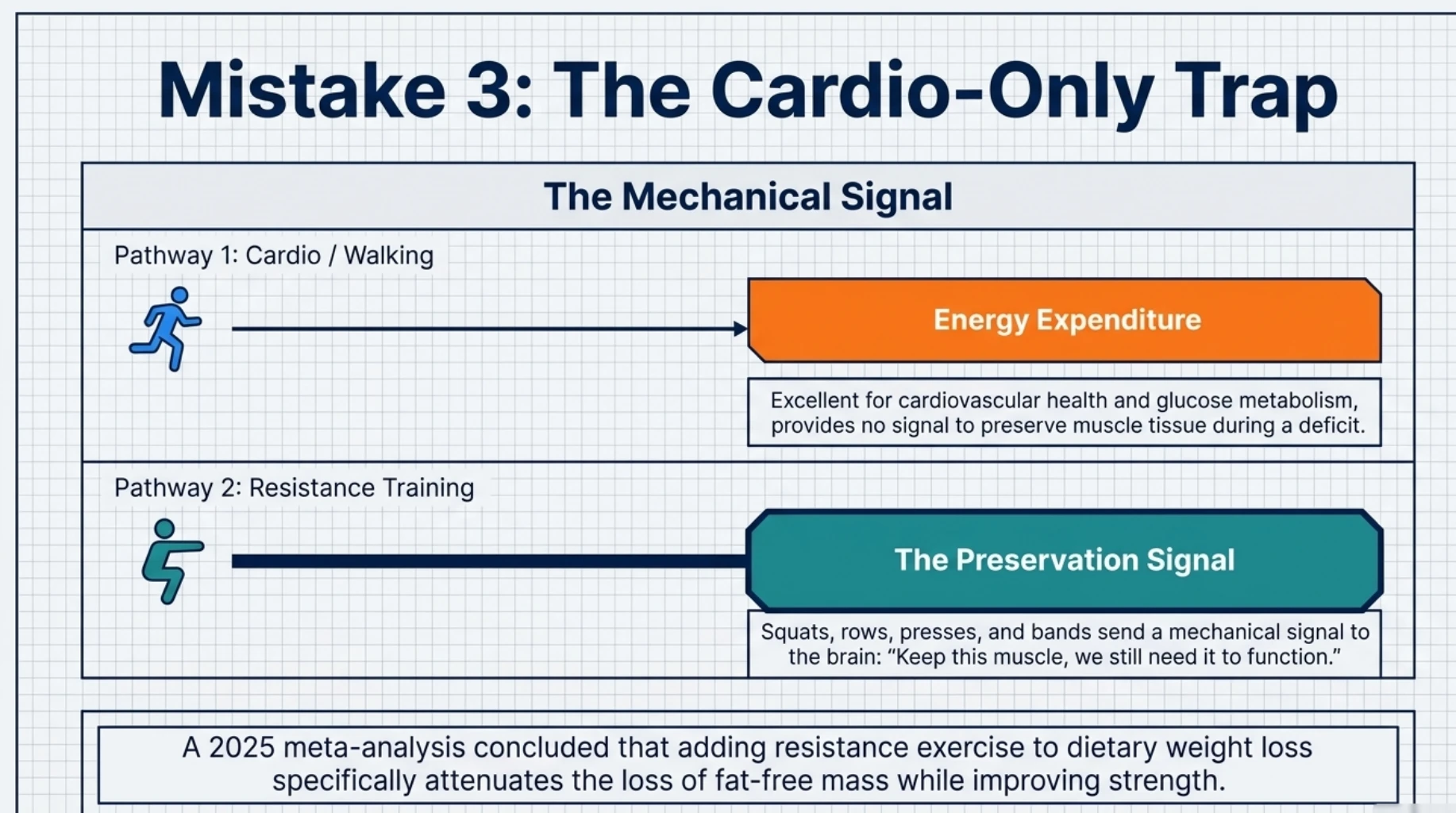
Walking, cycling and other aerobic activities are valuable for cardiovascular health, fitness and energy expenditure. But if the specific goal is to preserve muscle during a calorie deficit, resistance exercise deserves a deliberate place in the programme.
Resistance training provides a mechanical signal telling the body that muscle is still required.
Exercises might include:
- squats or sit-to-stand movements
- rows
- presses
- hip-hinge movements
- step-ups
- resistance-band exercises
- appropriately selected machine or free-weight exercises
The exact programme depends on fitness level, joint health, previous training and medical conditions.
A 2025 systematic review and meta-analysis concluded that adding resistance exercise to dietary weight loss helped attenuate loss of fat-free mass while improving muscular strength. The 2026 ADA Standards likewise specifically encourage resistance training as part of lean-mass preservation during weight-loss treatment.
Why Strength Training for Weight Loss Protects More Than the Scale
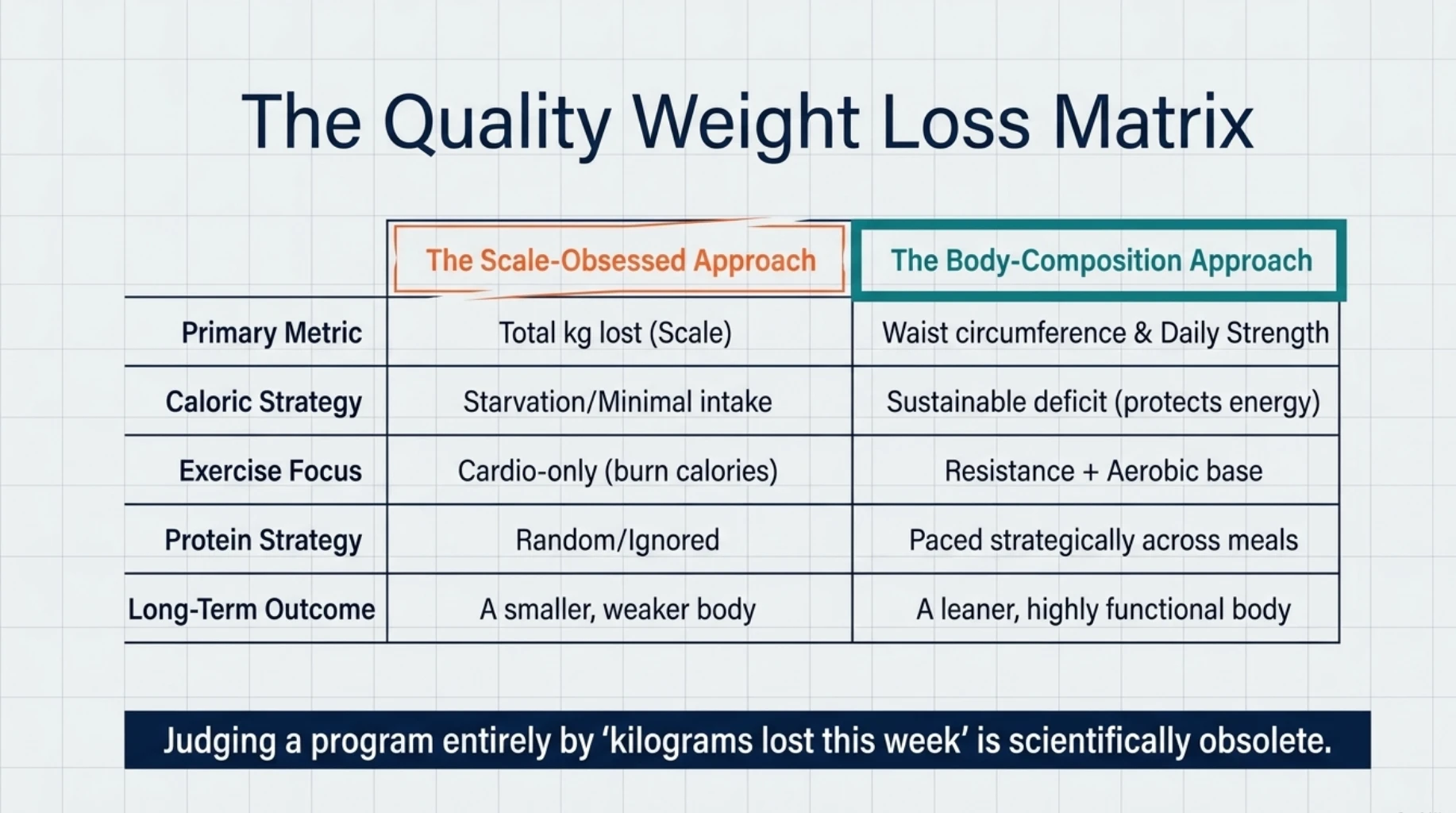
Resistance exercise may occasionally make the weighing scale move more slowly than an aggressive diet-only approach. That does not mean the programme is failing.
If waist circumference is falling, strength is maintained or improving, and body fat is decreasing, preserving muscle is a positive outcome.
This is why judging a programme entirely by “kilograms lost this week” can be misleading.
A person who loses 7 kg while maintaining strength may have achieved a better functional result than someone who loses 10 kg rapidly but becomes weaker and unable to maintain normal exercise.
Weight management should therefore track more than the scale. Body measurements, physical performance, resistance-training progress and how the person functions in daily life can provide useful additional information.
Muscle Loss With Semaglutide, Tirzepatide and Other Weight-Loss Medicines
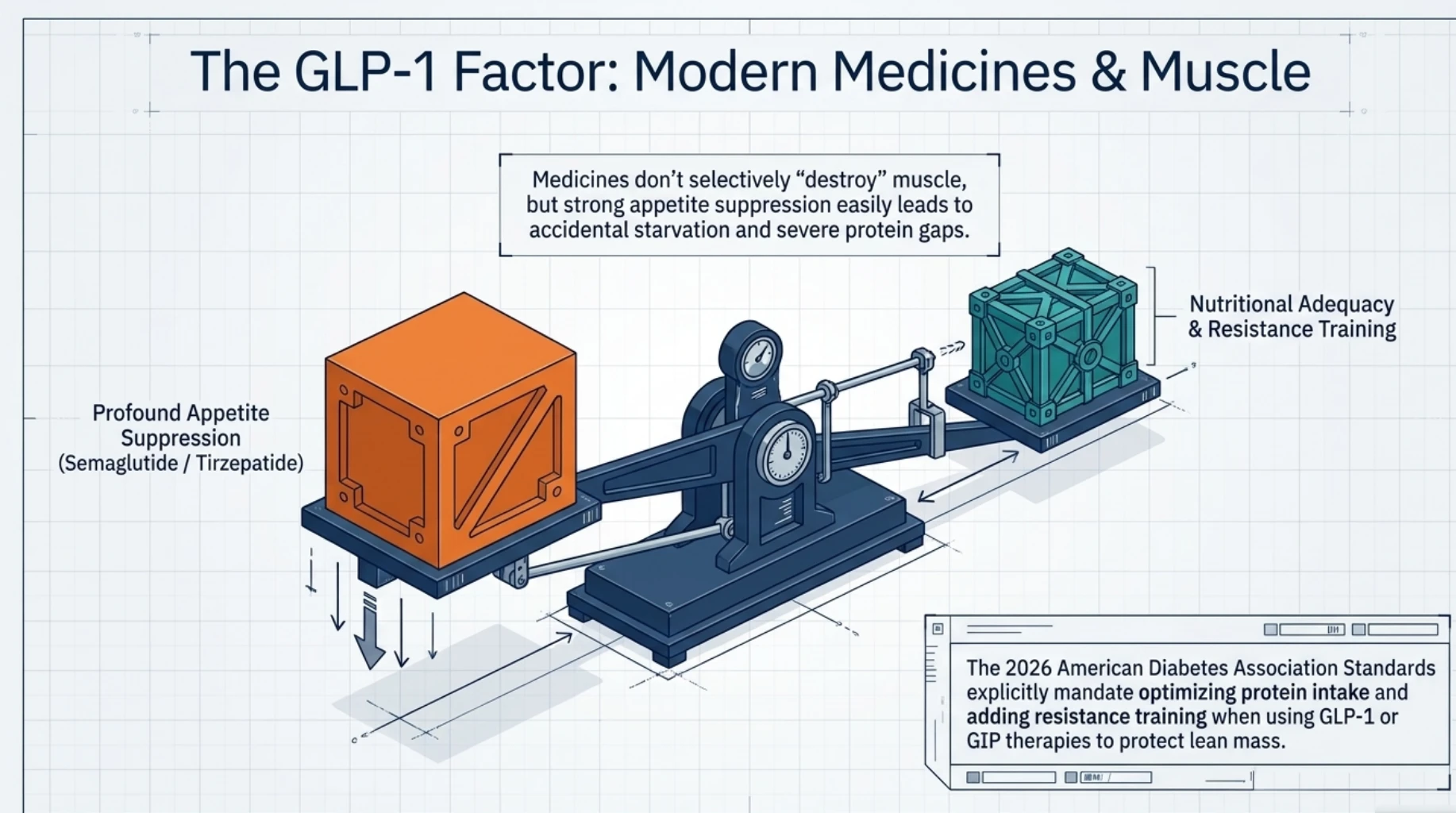
Medicines such as semaglutide and tirzepatide can produce substantial weight loss in appropriately selected adults. As body weight falls, both fat mass and lean mass may decrease. That does not mean these medicines selectively “destroy muscle,” and it is important not to interpret every reduction in measured lean mass as skeletal-muscle damage.
In the DXA sub study of SURMOUNT-1, tirzepatide reduced both fat mass and lean mass. Approximately three-quarters of the weight lost was fat mass and about one-quarter was lean mass on average. Lean mass is broader than skeletal muscle alone, so these percentages should not be presented as a fixed amount of muscle loss for every patient.
The more practical concern is that strong appetite suppression can make some people eat very little. If total food intake becomes low enough, protein and micronutrient intake may become inadequate, particularly when treatment is combined with aggressive dieting.
The 2026 American Diabetes Association Standards specifically recommend optimizing protein intake and including resistance training during weight-loss treatment to help preserve lean mass. The guidance also advises monitoring nutritional adequacy when weight loss is large or rapid.
For someone using a GLP-1–based medicine, the plan should therefore include more than dose escalation and weighing.
It should also review:
- appetite and meal size
- daily protein sources
- strength and physical function
- resistance exercise
- hydration
- micronutrient adequacy
- excessive or unexpectedly rapid weight loss
Do not stop an effective obesity or diabetes medicine merely because lean mass may fall during weight reduction. The appropriate response is usually to improve the quality of the weight-loss programme and review the individual clinically.
Why Muscle Protection Becomes More Important After 40
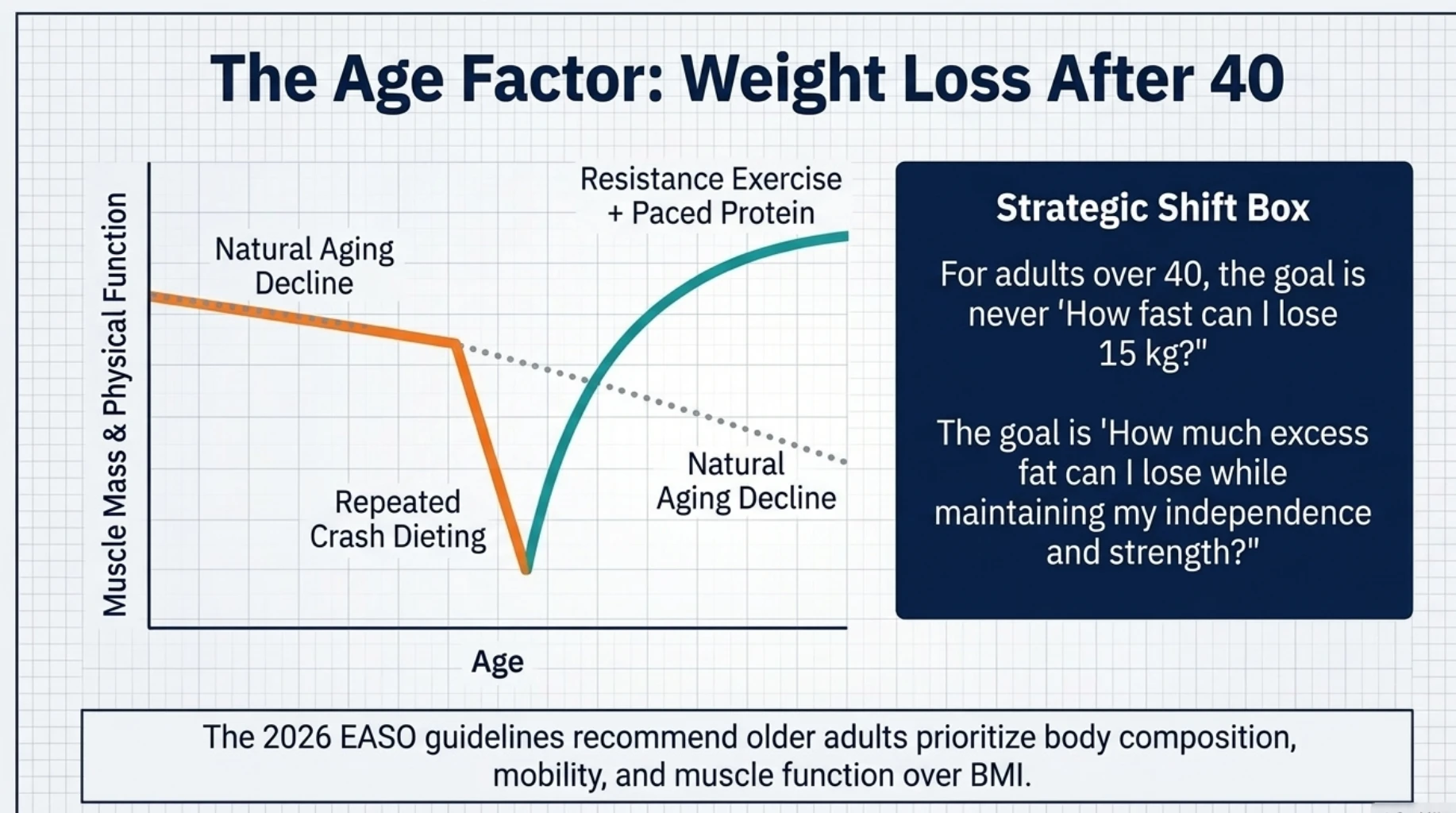
Muscle preservation deserves increasing attention as adults get older because ageing itself is associated with a gradual decline in muscle mass and function. Weight loss that occurs on top of low activity and insufficient protein can further reduce the reserve available for strength and mobility.
The concern becomes greater in older adults, particularly when obesity coexists with low muscle strength—a combination sometimes described as sarcopenia obesity.
The European Association for the Study of Obesity’s 2026 position statement on obesity in older adults recommends looking beyond BMI and assessing body composition, mobility and physical function. It specifically emphasizes protecting muscle mass and independence during obesity treatment.
For an adult in their 40s, 50s or 60s, this means the goal should not be:
“How quickly can I lose 15 kg?”
A better goal is:
“How much excess fat can I lose while maintaining or improving my strength?”
This is particularly relevant after repeated cycles of dieting. Someone may return to a similar body weight after several episodes of loss and regain but have a different body composition if muscle was repeatedly lost and not rebuilt.
Resistance exercise becomes especially valuable in this context because it gives muscle a reason to remain functionally active during an energy deficit. A 2025 systematic review found that adding resistance exercise to dietary weight loss attenuated loss of fat-free mass and improved muscular strength in adults with overweight or obesity.
Age therefore does not mean weight loss should be avoided. It means weight loss should be designed more carefully.
Vegetarian Protein Sources for Weight Loss
A vegetarian diet can provide enough protein during weight management, but it often requires more deliberate planning.
Simply eating dal once a day may not provide enough protein for someone who is restricting calories and performing resistance exercise. At the same time, relying heavily on paneer, nuts, seeds and cheese can increase calories rapidly.
Useful vegetarian protein sources include:
- dals and lentils
- chickpeas and rajma
- soybeans
- tofu
- soy chunks
- besan
- milk
- curd or Greek-style yoghurt
- paneer in portion-controlled amounts
- eggs for people who include them
- whey or another suitable protein supplement when needed
Combining different plant proteins across the day can help improve overall dietary quality.
A practical meal does not need to contain enormous quantities of protein. What matters is that protein is distributed through the day rather than leaving breakfast and lunch almost protein-free and trying to compensate with a large dinner or shake.
A 2024 systematic review and meta-analysis found that enhanced protein intake during weight reduction helped preserve muscle mass in adults with overweight or obesity. The analysis suggested greater muscle preservation when protein intake was higher, although the appropriate target still depends on the individual.
High-protein targets also require caution in chronic kidney disease. KDIGO guidance advises against excessive protein intake in adults with CKD at risk of progression, so a person with impaired kidney function should not copy a bodybuilding-style protein plan without individual assessment.
How to Know Whether You Are Losing Strength
The weighing scale cannot tell you whether your physical function is improving.
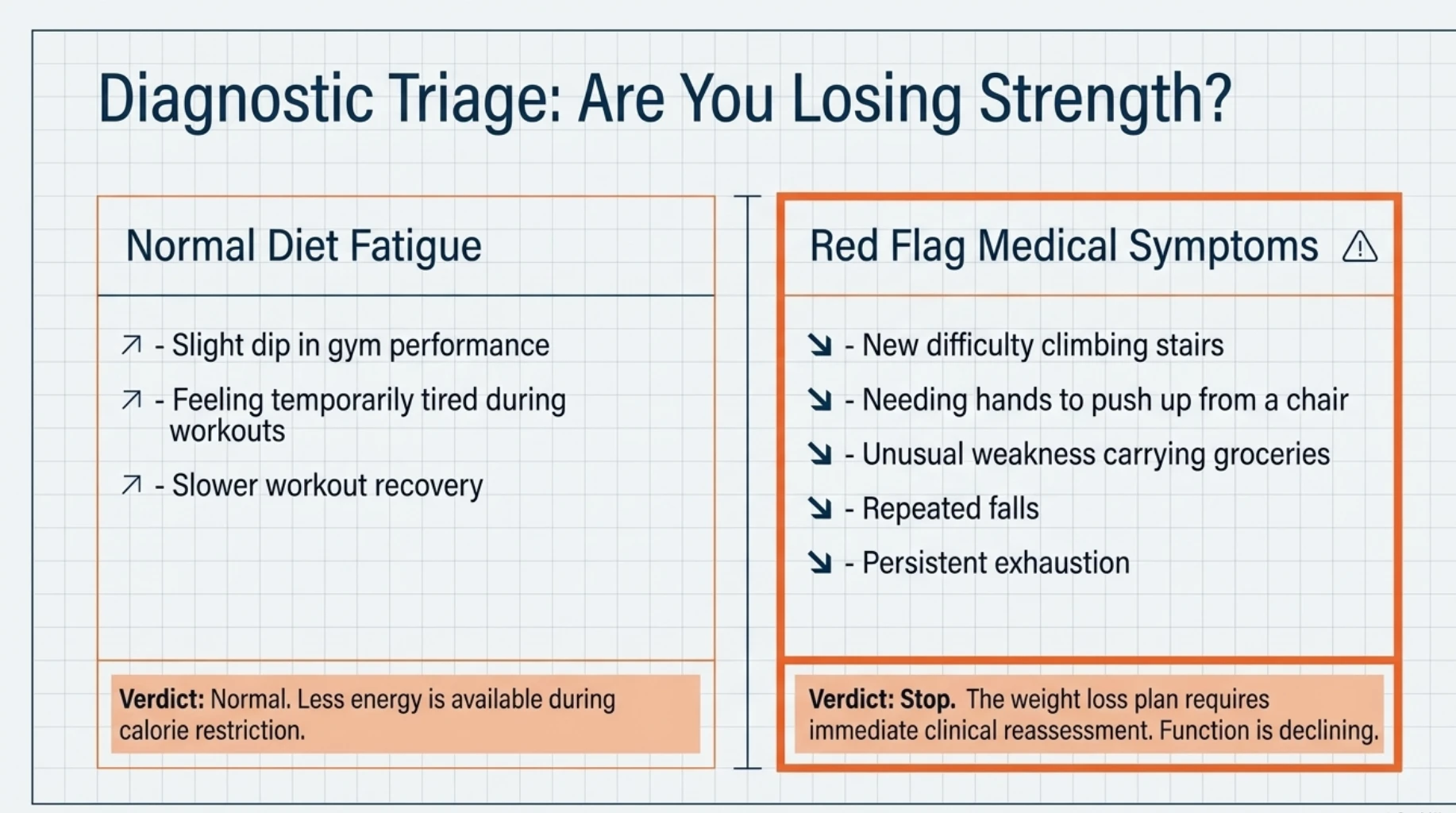
Warning signs that deserve attention during weight loss include:
- increasing difficulty climbing stairs
- needing your hands to rise from a chair when you previously did not
- steadily declining gym performance
- difficulty carrying ordinary bags
- unusual weakness during routine activity
- reduced walking speed
- persistent exhaustion after exercise
- feeling progressively frail despite successful scale loss
Some decline in gym performance can occur temporarily during calorie restriction because less energy is available for training. That is different from a sustained and substantial decline in everyday strength.
One useful approach is to track a few repeatable functional measures alongside body weight—for example, the resistance used for selected exercises, chair-rise ability or another safe activity appropriate to the person’s fitness level.
Body Composition Versus Muscle Function
Body-composition machines can provide additional information, but their numbers should not be treated as absolute truth.
DXA, bioelectrical impedance and other methods estimate different tissue compartments rather than directly counting kilograms of functioning skeletal muscle. Hydration, glycogen and other factors can also influence some body-composition measurements.
This is why a single report saying “muscle decreased by 1.5 kg” should not automatically trigger panic.
Ask instead:
- Is the trend consistent over time?
- Was the measurement performed under similar conditions?
- Has strength declined?
- Has dietary protein become very low?
- Is resistance training being performed?
- Is weight falling unusually rapidly?
- Has illness or prolonged inactivity occurred?
Current obesity guidance increasingly emphasizes muscle function and nutritional status alongside weight and body composition rather than relying on BMI or a single machine-derived number.
A Practical Muscle-Preservation Plan
Reducing muscle loss during weight loss usually requires several strategies working together.
1. Use a Sustainable Calorie Deficit
The diet must create enough energy deficit to reduce excess body fat, but it should still allow adequate nutrition and exercise.
Extremely low food intake may produce faster scale loss while making protein intake, strength training and long-term adherence more difficult.
2. Include Protein Across the Day
Rather than having most protein at one meal, include a meaningful protein source at breakfast, lunch and dinner where practical.
For example, an Indian eating pattern might use curd or eggs at breakfast, dal plus another protein source at lunch, and tofu, paneer, chicken or fish at dinner.
Protein requirements should be personalized. A 2024 meta-analysis found that intakes above approximately 1.3 g/kg/day were associated with better muscle-mass preservation during weight reduction in the studied populations, but this number should not be applied automatically to every patient—particularly people with obesity, kidney disease or complex medical conditions.
3. Perform Resistance Exercise Regularly
Resistance training is one of the most important modifiable tools for preserving strength during weight reduction.
For adults with diabetes, ADA guidance has recommended resistance exercise on approximately two to three non-consecutive days per week, adjusted for health status and ability.
The programme does not have to begin with heavy weights. Beginners may start with body-weight movements, resistance bands or appropriately selected machines and progress gradually.
4. Keep Walking and Aerobic Activity
Strength training does not replace cardiovascular activity.
Walking, cycling and other aerobic exercise help improve fitness, glucose metabolism and cardiovascular health. The useful strategy is generally to combine aerobic movement with resistance exercise rather than choosing one exclusively.
5. Protect Sleep and Recovery
Strength adaptations require recovery as well as training. Persistent sleep deprivation can make exercise harder to sustain and can worsen appetite regulation and fatigue.
If severe snoring, witnessed breathing pauses or marked daytime sleepiness are present, sleep apnea may also need assessment rather than assuming tiredness is simply due to dieting.
6. Monitor More Than Body Weight
Track outcomes such as:
- waist circumference
- strength
- exercise performance
- energy levels
- functional ability
- glucose or blood pressure where relevant
A slower scale loss accompanied by maintained strength may be a better result than rapid loss accompanied by weakness.
When Should Muscle Loss Be Medically Evaluated?
Not all weakness during a diet is caused by loss of muscle.
Arrange medical assessment if weakness is substantial, progressive or disproportionate to the amount of weight being lost.
Evaluation becomes particularly important when there is:
- unexplained weakness before dieting began
- difficulty rising from a chair or climbing stairs
- repeated falls
- severe fatigue
- persistent muscle pain
- numbness or neurological symptoms
- rapid unintended weight loss
- difficulty swallowing
- loss of appetite unrelated to the planned diet
- significant kidney, liver or heart disease
- prolonged diarrheic or another condition affecting nutrition
Possible medical contributors can include anemia, thyroid disease, vitamin deficiencies, neurological disorders, inflammatory muscle disease, chronic illness or medication effects.
People using weight-loss medicines should also arrange review when appetite suppression becomes so strong that adequate meals, fluid or protein intake are difficult to maintain. The 2026 ADA obesity guidance recommends monitoring nutritional status during pharmacological weight treatment and specifically emphasizes protein intake and resistance training to maintain lean mass.
Weight Management and Muscle Preservation in Dwarka
A structured weight-management consultation can look beyond kilograms lost and consider whether the programme is protecting strength and nutritional health.
Dr. Pankaj Kumar can review:
- current weight and waist trend
- rate of weight loss
- food intake
- dietary protein
- physical activity
- resistance exercise
- diabetes and metabolic health
- kidney and liver reports
- medicines associated with appetite or weight change
- symptoms suggesting excessive weakness or nutritional deficiency
The plan can then be adjusted according to the individual’s health, age, food preferences and treatment.
Dr. Pankaj Kumar
MBBS, DNB Family Medicine, Sir Ganga Ram Hospital
General & Lifestyle Physician
Special interest in Diabetes
Diet Plus Minus
13A, Pocket-2, Sector-6, Doctors Lane
Dwarka, New Delhi – 110075
India
Book an Appointment with Dr. Pankaj Kumar
Frequently Asked Questions
Is Muscle Loss Normal During Weight Loss?
Some reduction in lean mass can accompany intentional weight reduction, especially when a substantial amount of weight is lost. The aim is to minimize unnecessary loss and preserve strength rather than assume every kilogram can come exclusively from fat. Resistance exercise and adequate protein are two of the most consistently supported protective strategies.
How Do I Know if I Am Losing Fat or Muscle?
A normal weighing scale cannot distinguish between fat, muscle, water and other tissues.
Waist measurements, body-composition assessment and changes in strength can provide additional information. Functional measures are particularly useful because a body-composition number does not tell you how well the muscle performs.
Does Rapid Weight Loss Cause More Muscle Loss?
Very aggressive energy restriction can make adequate protein intake and resistance exercise more difficult and may increase concern about lean-tissue loss, although the relationship between rate of loss and muscle preservation varies among individuals and interventions.
More importantly, rapid or very large weight loss warrants attention to nutritional adequacy. Current ADA guidance recommends monitoring for nutritional deficiencies when weight loss is substantial or unusually rapid.
Can I Preserve Muscle Without Going to a Gym?
Yes.
Resistance exercise can be performed using resistance bands, body-weight movements, adjustable weights or other home equipment. The important feature is progressive resistance that challenges the muscles safely.
A gym can make progression easier, but it is not essential.
Is Walking Enough to Prevent Muscle Loss?
Walking is excellent for general activity and cardiovascular health but provides a different stimulus from structured resistance training.
When the specific goal is muscle preservation during calorie restriction, evidence supports adding resistance exercise rather than relying only on walking or cardio.
Should I Take a Protein Shake During Weight Loss?
Not everyone needs one.
Protein supplements can be convenient when ordinary food is not providing enough protein, particularly when appetite is low. The 2026 ADA Standards note that protein supplementation may be used when needed as part of lean-mass preservation during weight-loss treatment.
A shake should complement rather than automatically replace nutritionally balanced meals.
Can Too Much Protein Be Harmful?
Very high protein intake may be inappropriate in some medical conditions, particularly chronic kidney disease. KDIGO advises avoiding high protein intake above 1.3 g/kg/day in adults with CKD who are at risk of progression.
Protein targets should therefore be individualized rather than copied from social media or bodybuilding diets.
Does Semaglutide Cause Muscle Loss?
Weight loss with semaglutide can include some reduction in lean tissue, as occurs with other substantial weight-loss interventions. This should not automatically be interpreted as direct damage to skeletal muscle.
The more useful approach is to ensure adequate nutrition, resistance exercise and monitoring of function during treatment. Current ADA guidance specifically emphasizes these measures for GLP-1–based obesity treatment.
Does Tirzepatide Cause Muscle Loss?
In the SURMOUNT-1 body-composition sub study, tirzepatide reduced both fat and lean mass, with approximately 75% of weight reduction coming from fat mass and 25% from lean mass on average.
Lean mass is not identical to skeletal muscle, and those percentages should not be assumed for every patient.
Is Strength Training Safe After 40 or 50?
For most adults, appropriately selected and progressively increased resistance exercise can be beneficial. The programme should be adapted for existing joint problems, cardiovascular disease, severe neuropathy, frailty or other medical limitations.
Age itself is not a reason to avoid strengthening exercise. In older adults undergoing obesity treatment, preserving mobility and muscle function is considered a major clinical priority.
What Is More Important: Losing Weight or Maintaining Muscle?
The goals should generally be combined.
For someone with excess body fat, meaningful weight reduction can improve metabolic health. But becoming significantly weaker is not the desired outcome.
The better objective is to reduce excess fat while maintaining as much strength, muscle and function as reasonably possible.
Author Box
Dr. Pankaj Kumar
MBBS, DNB Family Medicine, Sir Ganga Ram Hospital
General & Lifestyle Physician
Special interest in Diabetes
Dr. Pankaj Kumar provides general medical and lifestyle-based care at Diet Plus Minus in Dwarka, New Delhi. His approach to weight management considers body weight alongside metabolic health, nutrition, physical activity, muscle preservation and sustainable lifestyle change.
Medical Disclaimer
This article provides general educational information and does not replace an individual medical consultation, nutritional assessment, diagnosis or exercise prescription.
Protein requirements and exercise recommendations should be individualized for people with chronic kidney disease, significant heart or liver disease, frailty, pregnancy or other medical conditions.
People taking insulin, sulfonylureas or other glucose-lowering medicines may require medication adjustment when calorie intake or physical activity changes substantially.
Seek medical evaluation for progressive weakness, unexplained rapid weight loss, repeated falls, severe fatigue, swallowing difficulty or another new neurological or systemic symptom.
References
- American Diabetes Association Professional Practice Committee. Obesity and Weight Management for the Prevention and Treatment of Diabetes: Standards of Care in Diabetes—2026. Diabetes Care. 2026. The guideline emphasizes adequate protein intake and resistance training during weight-loss treatment to help preserve lean mass.
- American Diabetes Association. Pharmacologic Treatment of Obesity in Adults: Standards of Care in Diabetes—2026. Includes guidance on nutritional monitoring, protein intake and resistance training during pharmacological obesity treatment.
- Look M, et al. Body composition changes during weight reduction with tirzepatide in the SURMOUNT-1 study. 2025. DXA analysis demonstrated reductions in both fat mass and lean mass, with most weight reduction attributable to fat mass.
- Binmahfoz A, et al. Effect of resistance exercise on body composition, muscle strength and cardiometabolic health during dietary weight loss: systematic review and meta-analysis. 2025. Resistance exercise attenuated loss of fat-free mass and improved muscle strength.
- Kokura Y, et al. Enhanced protein intake on maintaining muscle mass during weight loss in adults with overweight or obesity: systematic review and meta-analysis. 2024.
- European Association for the Study of Obesity. Position Statement on the Diagnosis and Management of Obesity in Older Adults. 2026. Emphasizes body composition, physical function, muscle preservation, mobility and independence.
- Kidney Disease: Improving Global Outcomes. KDIGO 2024 Clinical Practice Guideline for the Evaluation and Management of Chronic Kidney Disease. Kidney International. 2024;105(Suppl 4S)–S314. Protein intake should be individualized in CKD, and excessive intake may be inappropriate in those at risk of progression.
- American Diabetes Association Professional Practice Committee. Facilitating Positive Health Behaviors and Well-being to Improve Health Outcomes: Standards of Care in Diabetes—2026. Includes current recommendations concerning nutrition, physical activity and resistance exercise.

Written by Dr. Pankaj Kumar
General & Lifestyle Physician in Dwarka Sector 6, New Delhi · MBBS, DNB (Family Medicine), DNHE · 16 years of experience.
About the doctor →Book a consultation → Beyond Blood Sugar
 The 90-Day Prediabetes Turnaround
 The Indian Diabetes Diet Reset
 Eat to Beat Gout
 Why Is My Hair Falling?
 The 30-Day Inflammation Reset