In my clinical practice, one of the most common statements I hear is: “Doctor, my blood pressure is usually normal, but sometimes it suddenly goes high.”
Many people assume that occasional high blood pressure readings are harmless. They attribute it to stress, lack of sleep, or a temporary issue and choose to ignore it.
However, this approach can be risky. Even intermittent spikes in blood pressure may indicate underlying metabolic or cardiovascular changes that need evaluation.
Understanding why these fluctuations happen is important for early prevention and long-term health.
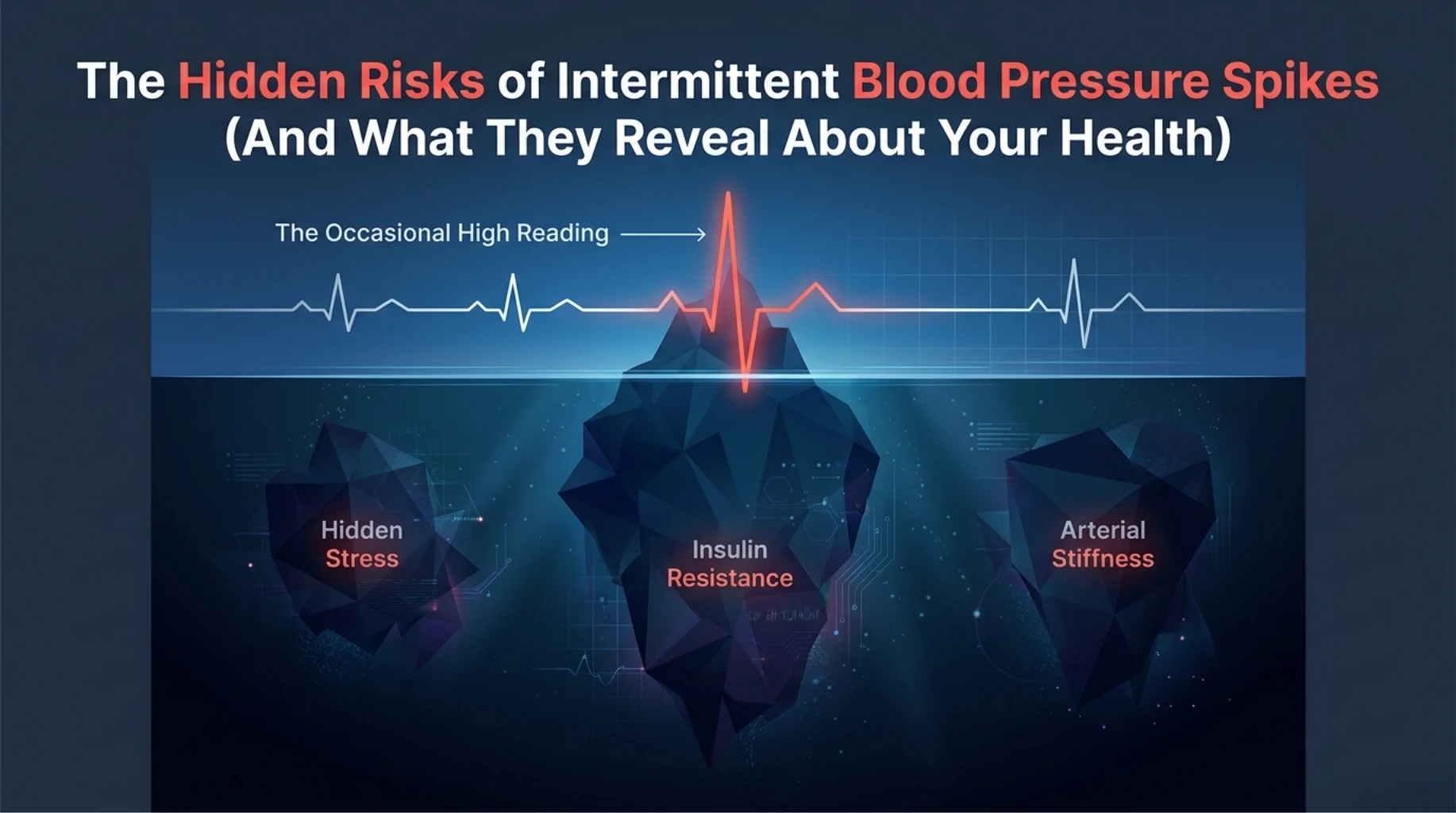
What Is Considered an Occasional High Blood Pressure Reading?
Blood pressure naturally fluctuates throughout the day. It can rise temporarily due to physical activity, emotional stress, or stimulants like caffeine.
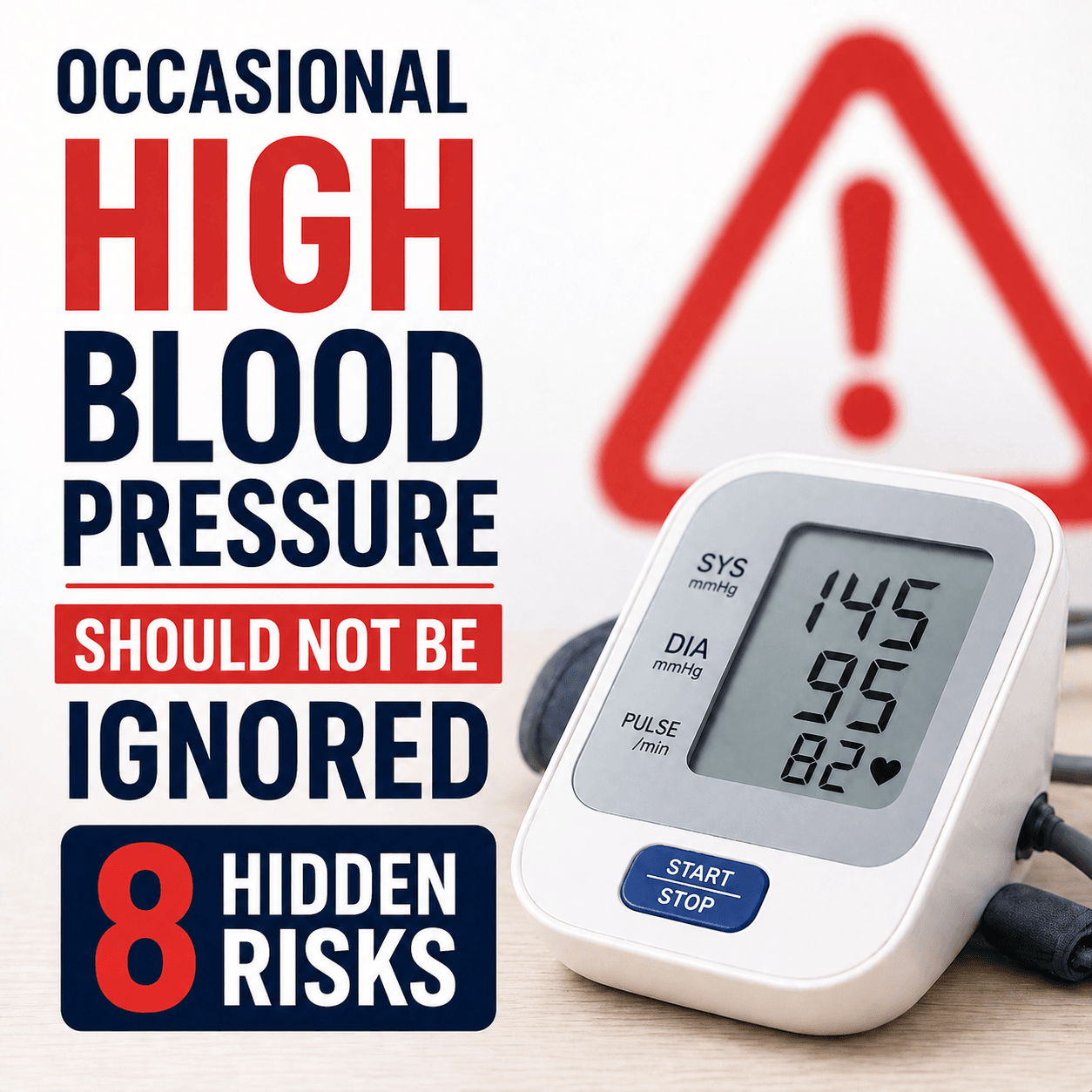
An occasional high blood pressure reading refers to a sudden spike above normal levels (typically above 140/90 mmHg) that is not consistently present.
While a single reading may not confirm hypertension, repeated intermittent spikes should not be ignored.
Why These Readings Often Get Ignored
There are several reasons why patients do not take these spikes seriously:
- Blood pressure returns to normal on repeat measurement
- No obvious symptoms are present
- They feel otherwise healthy
- They assume it is due to temporary stress
This creates a false sense of security. In reality, these fluctuations can be early warning signs of deeper issues.
Hidden Risk 1: Early Hypertension May Present Intermittently
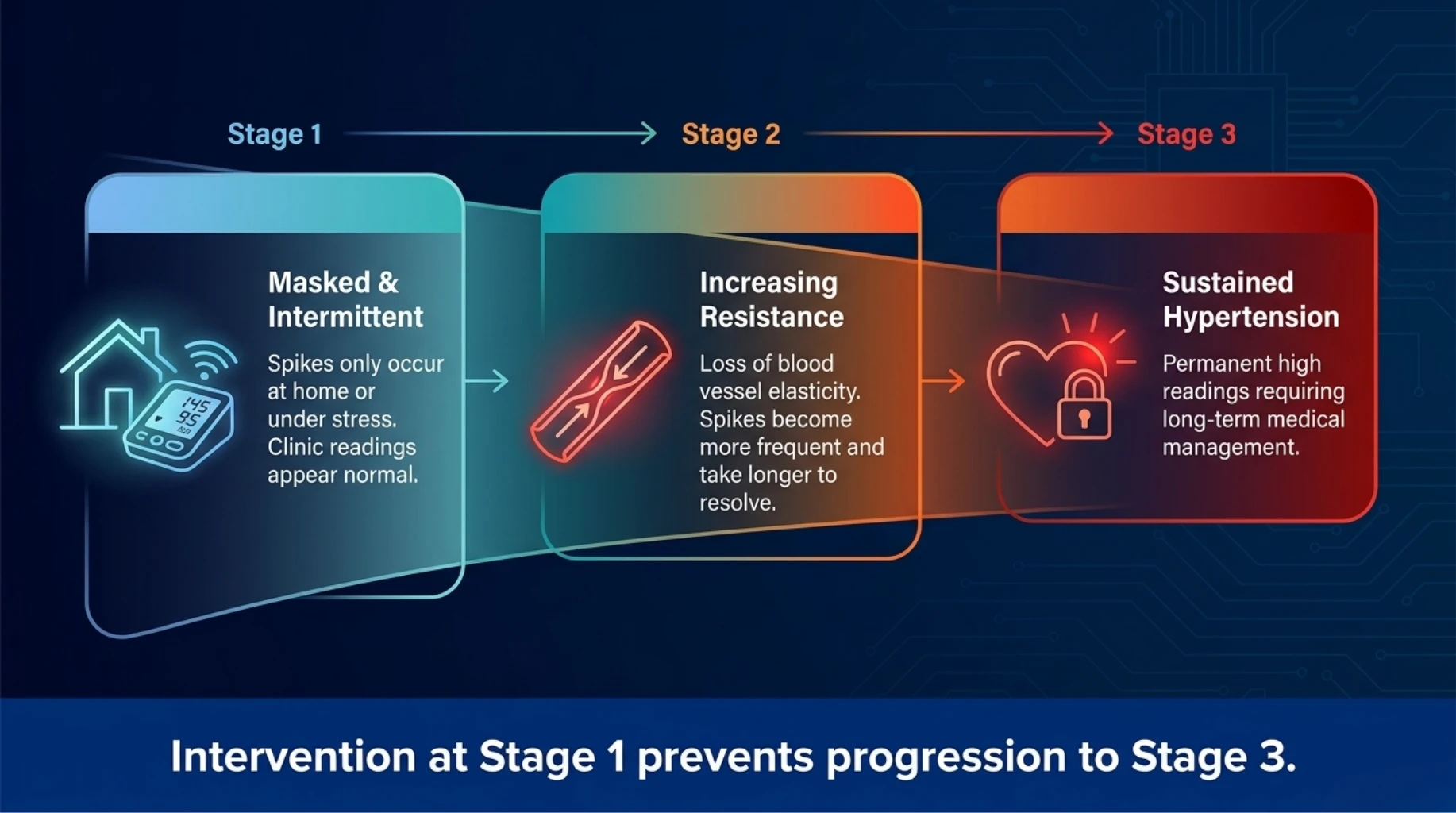
Hypertension does not always start as persistently high readings. In many cases, it begins with occasional spikes before becoming sustained.
These intermittent elevations may reflect early vascular changes, reduced elasticity of blood vessels, or increasing resistance within the circulatory system.
Ignoring this stage delays early intervention, making long-term control more difficult.
Hidden Risk 2: Stress and Hormonal Response
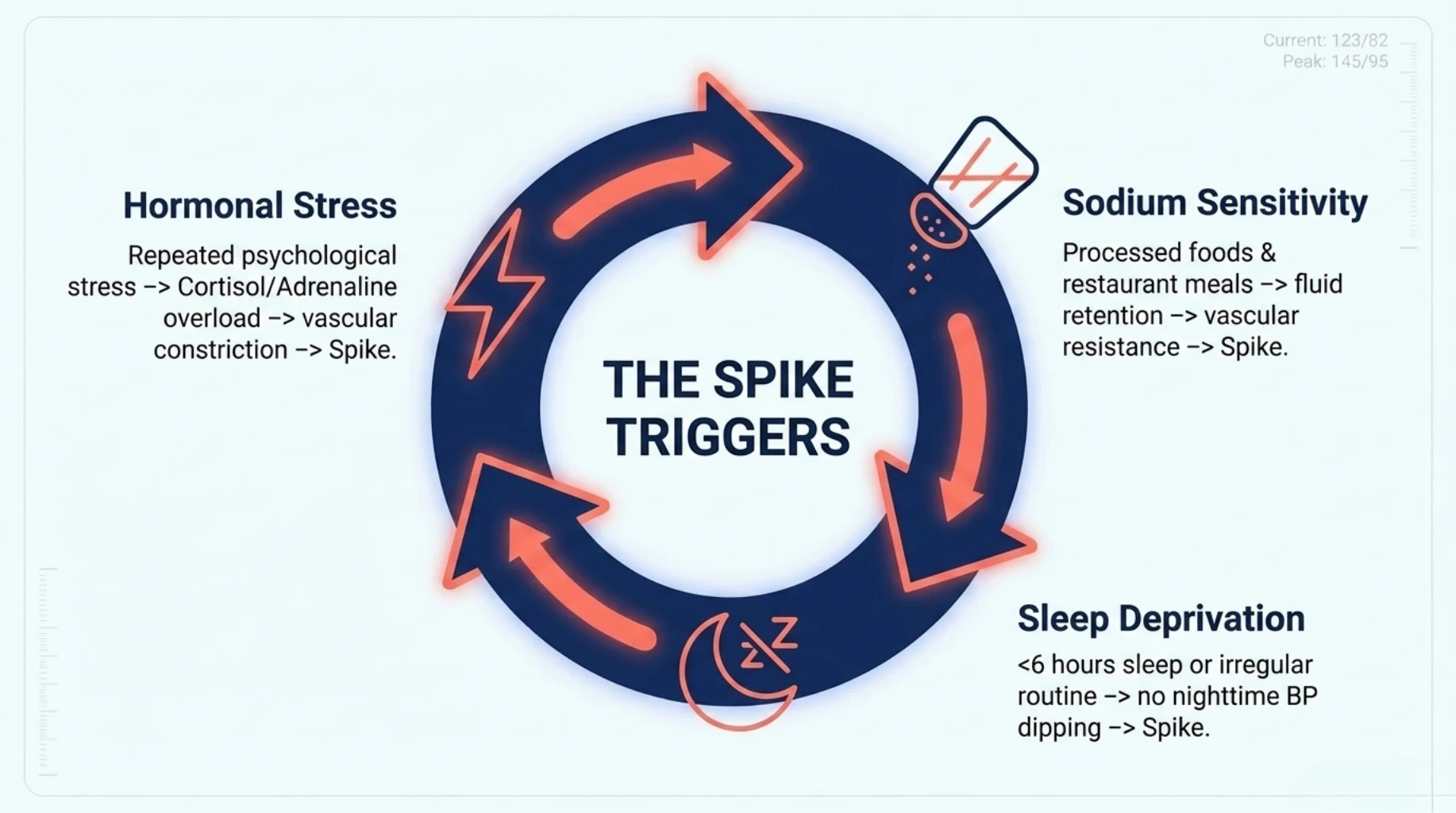
Stress triggers the release of hormones such as adrenaline and cortisol, which can temporarily increase blood pressure.
While occasional stress responses are normal, frequent spikes indicate that the body is under repeated stress load.
Over time, this contributes to sustained hypertension and increases cardiovascular risk.
Hidden Risk 3: Masked Hypertension
Some individuals show normal blood pressure readings in clinical settings but experience high readings at home or during daily activities.
This condition is known as masked hypertension.
It is particularly concerning because it often goes undiagnosed while silently increasing the risk of heart disease and stroke.
Why Early Detection Matters
Blood pressure-related complications do not develop overnight.
They evolve gradually, often without symptoms, until significant damage has occurred.
Recognizing occasional high blood pressure readings as early warning signs allows timely intervention through lifestyle changes and monitoring.
In the next section, I will explain additional hidden causes such as dietary patterns, sleep disturbances, and metabolic factors that contribute to these fluctuations.
Hidden Risk 4: Modern Dietary Patterns Increase Blood Pressure Variability
One of the most overlooked reasons behind occasional high blood pressure readings is diet.
Modern eating habits include high salt intake, processed foods, and frequent consumption of packaged snacks.
These foods contain excess sodium, which directly increases blood pressure by causing fluid retention and increasing vascular resistance.
In some individuals, especially those who are salt-sensitive, even small increases in sodium intake can lead to sudden spikes in blood pressure.
This is why patients often notice higher readings after eating outside food or processed meals.
Hidden Risk 5: Poor Sleep and Irregular Routine
Sleep plays a crucial role in regulating blood pressure.
Lack of proper sleep or irregular sleep patterns can disrupt the body’s natural rhythm and increase stress hormone levels.
This results in:
- Increased sympathetic activity
- Higher cortisol levels
- Reduced nighttime blood pressure dipping
Over time, these changes contribute to both intermittent and sustained high blood pressure.
Patients who sleep less than 6–7 hours or have disturbed sleep often experience unexplained BP spikes.
Hidden Risk 6: Weight Gain and Central Obesity
Excess body weight, especially abdominal fat, is strongly associated with blood pressure fluctuations.
Fat tissue is metabolically active and releases inflammatory substances that affect vascular function.
This leads to:
- Increased vascular resistance
- Reduced insulin sensitivity
- Activation of hormonal systems that raise blood pressure
Even modest weight gain can increase the frequency of occasional high blood pressure readings.
This is particularly common in individuals with sedentary lifestyles.
Hidden Risk 7: Insulin Resistance and Metabolic Dysfunction
Blood pressure is closely linked to metabolic health.
Insulin resistance, a common condition in modern lifestyles, plays a major role in BP variability.
When insulin levels remain high:
- The kidneys retain more sodium
- The sympathetic nervous system becomes more active
- Blood vessels become less responsive
These changes contribute to intermittent spikes in blood pressure.
This explains why patients with borderline sugar levels or fatty liver often experience occasional high blood pressure readings.
When Should You Be Concerned?
Not every single high reading is dangerous, but certain patterns require attention.
You should take these readings seriously if:
- Spikes occur repeatedly over days or weeks
- Readings go above 140/90 mmHg frequently
- There is a family history of hypertension
- You have diabetes, obesity, or fatty liver
- You experience symptoms like headache or dizziness
Repeated fluctuations are often a signal that the body is moving toward sustained hypertension.
Common Mistakes Patients Make
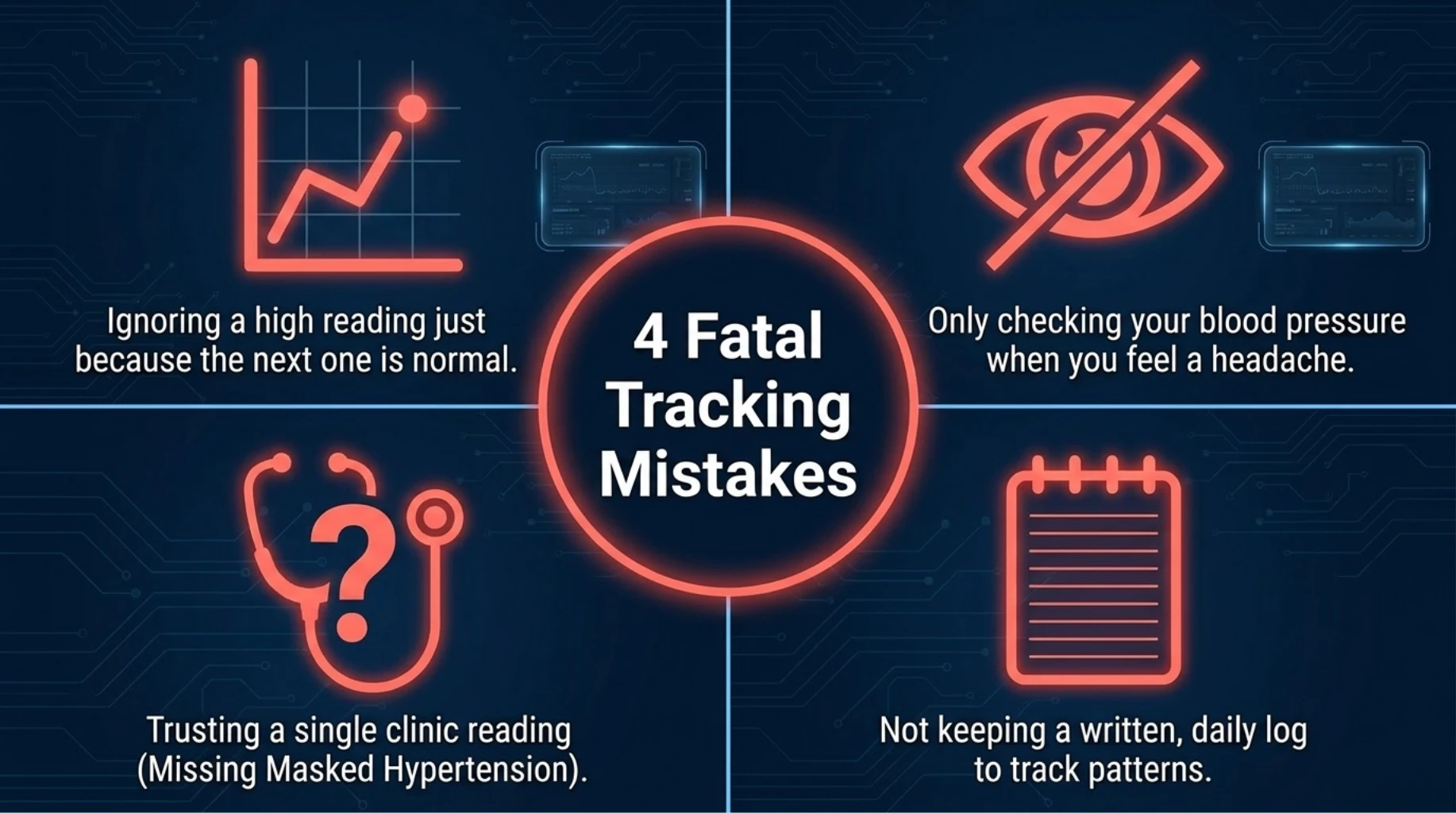
Many individuals delay proper evaluation due to common misconceptions:
- Ignoring high readings if the next reading is normal
- Checking BP only when symptoms appear
- Relying on a single clinic reading
- Not maintaining a proper BP record
These mistakes delay diagnosis and increase long-term risk.
Key Insight So Far
If you look closely, occasional high blood pressure readings are not random.
They are usually linked to lifestyle patterns, metabolic health, and daily habits.
Identifying these triggers early can prevent progression to permanent hypertension.
In the final section, I will explain practical steps to control blood pressure, how to monitor it correctly at home, and when medical treatment becomes necessary.
How to Manage Occasional High Blood Pressure Readings
Now that you understand the causes, the next step is action.
The good news is that early-stage fluctuations in blood pressure can often be controlled and even reversed with the right approach.
The key is to act early when occasional high blood pressure readings first appear.
Step 1: Monitor Blood Pressure Correctly at Home
Accurate monitoring is essential before making any conclusions.
Follow these simple steps:
- Check blood pressure at the same time daily
- Rest for at least 5 minutes before measuring
- Avoid caffeine or smoking 30 minutes prior
- Take 2 readings and note the average
- Maintain a daily record for at least 7–10 days
This helps identify patterns rather than relying on a single reading.
Step 2: Reduce Salt Intake Without Extreme Restriction
Salt plays a significant role in blood pressure regulation.
Instead of completely eliminating salt, focus on reducing excess intake:
- Avoid packaged and processed foods
- Limit pickles, papad, and salty snacks
- Reduce restaurant and outside food consumption
This simple correction can significantly reduce occasional high blood pressure readings in salt-sensitive individuals.
Step 3: Improve Daily Activity Levels
Physical activity improves vascular function and reduces blood pressure variability.
You do not need intense workouts. Consistency is more important:
- 30–45 minutes of brisk walking daily
- Basic strength training 2–3 times per week
- Avoid prolonged sitting for more than 1 hour at a time
Regular activity helps stabilize blood pressure and improves overall metabolic health.
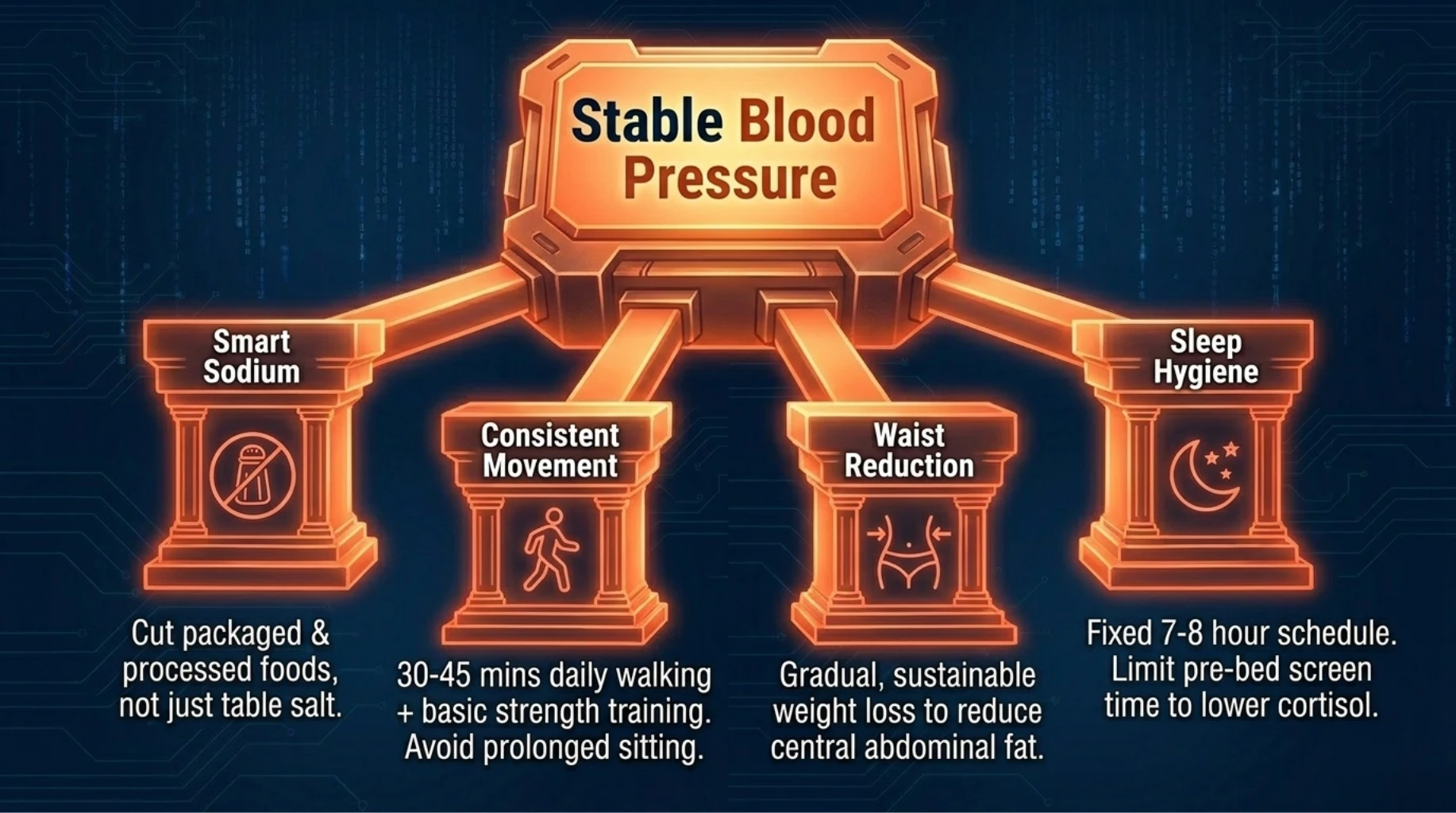
Step 4: Focus on Weight and Waist Reduction
Even a small reduction in body weight can have a significant impact on blood pressure. Central obesity (belly fat) is particularly associated with BP fluctuations.
Target gradual and sustainable weight loss rather than extreme dieting. This directly improves the frequency of occasional high blood pressure readings.
Step 5: Manage Stress and Sleep Quality
Chronic stress and poor sleep are major triggers for blood pressure spikes.
Practical strategies include:
- Maintaining a fixed sleep schedule
- Aiming for 7–8 hours of sleep
- Practicing relaxation techniques such as deep breathing
- Limiting screen time before bed
Improving sleep quality alone can reduce unexplained BP fluctuations.
Step 6: Correct Underlying Metabolic Issues
Blood pressure is closely linked to overall metabolic health. Conditions like insulin resistance, fatty liver, and obesity often contribute to BP variability.
Addressing these conditions through structured lifestyle modification leads to long-term stability.
You can explore a structured approach here:
Lifestyle Modification Program
When Should You Consult a Doctor?
While lifestyle correction is important, medical evaluation is necessary in certain situations.
You should seek consultation if:
- Blood pressure repeatedly exceeds 140/90 mmHg
- Spikes occur frequently over several weeks
- You have diabetes, kidney disease, or heart risk factors
- You experience symptoms like severe headache, dizziness, or chest discomfort
Early medical guidance can prevent complications and help you manage the condition effectively.
Key Take-Home Messages
- Occasional high blood pressure readings are early warning signs
- They often indicate underlying lifestyle or metabolic imbalance
- Ignoring these spikes can lead to sustained hypertension
- Early intervention with lifestyle changes can reverse the trend
- Regular monitoring is essential for accurate assessment
If you want a personalized plan based on your reports and lifestyle, you can book a consultation here:
Book an Appointment
Disclaimer: This article is for educational purposes only and should not replace medical advice. Individual treatment should be based on clinical evaluation.

Written by Dr. Pankaj Kumar
General & Lifestyle Physician in Dwarka Sector 6, New Delhi · MBBS, DNB (Family Medicine), DNHE · 16 years of experience.
About the doctor →Book a consultation → Beyond Blood Sugar
 The 90-Day Prediabetes Turnaround
 The Indian Diabetes Diet Reset
 Eat to Beat Gout
 Why Is My Hair Falling?
 The 30-Day Inflammation Reset