
Many people ask me the same question: why belly fat is dangerous when it looks like just a cosmetic issue. The truth is simple. Belly fat is not just stored energy. It behaves like an active organ. It releases hormones, inflammatory chemicals, and signals that affect your heart, liver, pancreas, and even your brain.
Unlike fat on your hips or thighs, abdominal fat sits close to vital organs. This is why understanding why belly fat is dangerous is not about appearance. It is about long term survival, metabolic stability, and preventing silent disease.

Across urban India, waistlines are expanding even in people who do not look traditionally obese. This pattern is called central obesity. It increases the waist circumference risk even when body mass index appears normal. In fact, many patients with normal weight still develop diabetes because of hidden abdominal fat.
If you are over 30 and your waist circumference is above 90 cm for men or 80 cm for women in South Asian populations, your risk profile changes significantly. This is where abdominal obesity health risks begin to accumulate silently.
Visceral vs Subcutaneous Fat
To understand why belly fat is dangerous, you must first understand that not all belly fat is the same.
Subcutaneous fat lies just under the skin. You can pinch it. It may affect appearance, but metabolically it is less harmful.
Visceral fat, however, surrounds internal organs like the liver, pancreas, and intestines. These are the real visceral fat risks we worry about. Visceral fat releases inflammatory molecules such as interleukin 6 and tumor necrosis factor. These chemicals interfere with insulin signaling and damage blood vessels over time.
This is where insulin resistance belly fat becomes a real concern. Insulin resistance means your body needs more insulin to manage the same amount of glucose. Over time, this leads to type 2 diabetes.
Research consistently shows that central obesity dangers are far greater than overall body fat percentage alone. Waist circumference is often a better predictor of cardiometabolic disease than weight itself.
So when patients ask me why belly fat is dangerous, I explain that the problem is not the visible fat. The problem is the invisible metabolic activity happening underneath.
What Science Really Says About Why Belly Fat Is Dangerous
Now let us go deeper into the science behind why belly fat is dangerous. Visceral fat is biologically active tissue. It secretes adipokines, inflammatory cytokines, and free fatty acids directly into the portal circulation. That means these substances travel straight to the liver.
The liver then begins producing more triglycerides and glucose. Over time, this increases the risk of fatty liver, high cholesterol, and type 2 diabetes. A large 2021 review published in PubMed indexed research on visceral adiposity and cardiometabolic disease confirmed that abdominal fat is strongly associated with insulin resistance and cardiovascular events independent of overall weight.
This explains the strong link between belly fat and heart disease. Excess visceral fat increases LDL oxidation, endothelial dysfunction, and systemic inflammation. These changes promote plaque formation inside arteries. Even individuals who are not visibly obese may develop premature coronary artery disease due to central obesity dangers.
Another major concern is metabolic syndrome and belly fat. According to updated global criteria discussed in recent metabolic syndrome consensus research, waist circumference is a central diagnostic marker. Without increased abdominal fat, metabolic syndrome cannot be diagnosed. That alone highlights why belly fat is dangerous from a diagnostic standpoint.
The Insulin Resistance Connection
When visceral fat expands, fat cells become dysfunctional. They leak free fatty acids into the bloodstream. This interferes with insulin receptors in muscle and liver cells. Gradually, glucose uptake declines.
A 2022 clinical study examining insulin resistance and abdominal adiposity showed that individuals with higher waist circumference had significantly impaired glucose tolerance even when their body mass index was within acceptable range.
This is the exact mechanism behind insulin resistance belly fat. First comes subtle glucose fluctuation. Then prediabetes. Finally, overt type 2 diabetes.
Impact on the Liver and Hormones
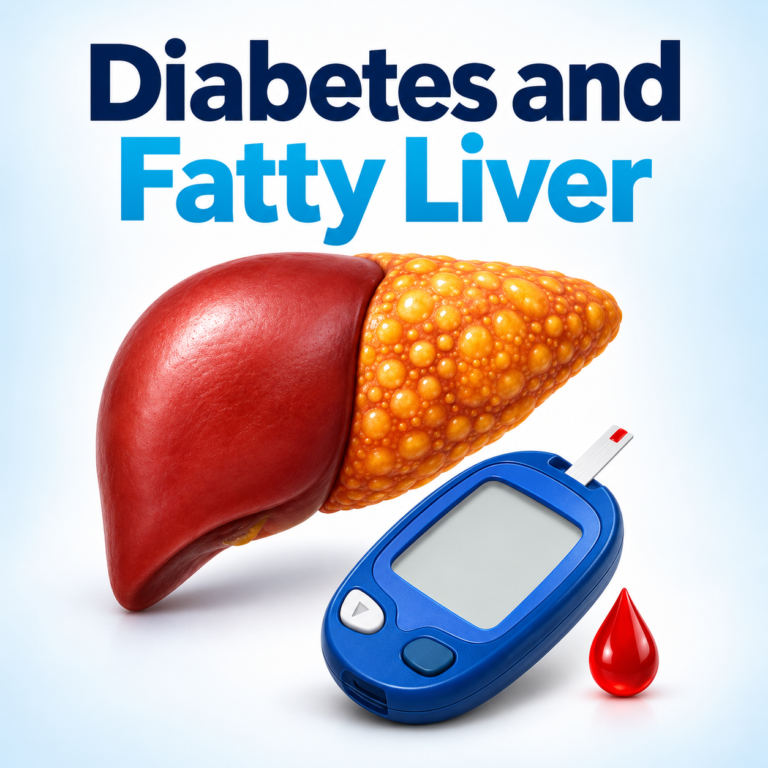
One of the most underestimated abdominal obesity health risks is fatty liver disease. When excess visceral fat releases fatty acids into the liver, triglycerides accumulate inside liver cells. Over time, this can progress to steatohepatitis and fibrosis.
The relationship between visceral fat and fatty liver has been well established in recent hepatology research, including a 2020 analysis available via PubMed study on visceral fat and non alcoholic fatty liver disease.
Hormonal disruption is another important reason why belly fat is dangerous. In men, increased abdominal fat reduces testosterone levels. In women, it worsens polycystic ovarian features and increases androgen imbalance. Elevated cortisol levels further promote central fat deposition, creating a vicious cycle.
What It Means in Real Life
Many patients tell me, “Doctor, my weight is only slightly high.” However, when we measure waist circumference, the risk becomes clearer. Central obesity dangers are often hidden behind acceptable body mass index values.
Here is a simple comparison that I explain in clinic:
| Body Pattern | Risk Level | Primary Concern |
|---|---|---|
| Higher hip and thigh fat | Moderate | Joint load |
| Increased abdominal fat | High | Diabetes, heart disease, fatty liver |
This is precisely why belly fat is dangerous compared to peripheral fat storage.
Globally, updated obesity guidelines such as those from the World Health Organization obesity fact sheet emphasize abdominal fat distribution as a major determinant of cardiovascular mortality.
So the message is clear. Belly fat is not just stored calories. It is metabolically aggressive tissue. It actively accelerates aging, increases inflammation, and silently damages organs long before symptoms appear.
What I Recommend in Clinic When Patients Ask Why Belly Fat Is Dangerous
When someone understands why belly fat is dangerous, the next question is always practical: what should I do now? In my clinical practice, I focus on measurable, sustainable correction rather than crash weight loss.
Here are the core strategies I use with patients:
1. Measure Waist, Not Just Weight
Track waist circumference monthly. For South Asian adults, aim for below 90 cm in men and below 80 cm in women. This directly addresses visceral fat risks rather than only scale weight.
2. Prioritize Protein and Fiber
Adequate protein supports muscle mass, which improves insulin sensitivity. Fiber improves gut microbiota and reduces post meal glucose spikes. Both help reverse insulin resistance belly fat patterns.
3. Strength Training Is Non Negotiable
Resistance exercise 3 to 4 times per week reduces visceral fat more effectively than only walking. Muscle acts as a glucose sink, lowering metabolic syndrome and belly fat risk.
4. Control Refined Carbohydrates
Frequent high glycemic foods increase insulin spikes, which promote abdominal fat storage. Replace refined grains with whole grains and balanced meals.
5. Sleep 7 to 8 Hours
Chronic sleep deprivation increases cortisol and worsens central obesity dangers. Even modest improvement in sleep reduces waist circumference over time.
6. Reduce Chronic Stress
High stress raises cortisol, which preferentially increases abdominal fat. Structured relaxation, breathing practices, and digital boundaries help control hormonal triggers.
7. Check Blood Markers Early
Screen fasting glucose, HbA1c, triglycerides, HDL cholesterol, and liver enzymes. These markers often change before weight dramatically increases.
8. Avoid Extreme Dieting
Crash diets may reduce weight temporarily but often reduce muscle mass. That worsens long term abdominal obesity health risks.
9. Seek Structured Guidance
If you need personalized evaluation, structured metabolic correction can be explored through my Lifestyle Modification Program, where we focus on measurable metabolic improvement rather than cosmetic weight loss.
You can also learn more about my clinical background on the About page and explore case work in my Portfolio.
When to Seek Medical Attention
Understanding why belly fat is dangerous also means knowing when risk has already progressed.
Seek medical evaluation urgently if you experience:
- Chest discomfort or unexplained breathlessness
- Persistent fasting glucose above normal range
- Rapid increase in waist circumference
- Elevated triglycerides or abnormal liver reports
- Strong family history of early heart disease
These may indicate advancing cardiometabolic disease that requires structured intervention.
If you remember one thing, remember this: why belly fat is dangerous has nothing to do with appearance. Visceral fat increases inflammation, insulin resistance, heart disease risk, fatty liver progression, and hormonal imbalance. Reducing waist circumference is one of the most powerful longevity strategies available.
References
- Visceral adiposity and cardiometabolic disease review (2021)
- Metabolic syndrome diagnostic updates (2021)
- Abdominal adiposity and insulin resistance study (2022)
- Visceral fat and fatty liver disease research (2020)
- World Health Organization obesity fact sheet
Take the Next Step
If you are concerned about central obesity dangers or metabolic syndrome and belly fat, structured evaluation helps you move from fear to clarity.
Disclaimer: This article is for educational purposes only and does not replace individualized medical consultation.

Written by Dr. Pankaj Kumar
General & Lifestyle Physician in Dwarka Sector 6, New Delhi · MBBS, DNB (Family Medicine), DNHE · 16 years of experience.
About the doctor →Book a consultation → Beyond Blood Sugar
 The 90-Day Prediabetes Turnaround
 The Indian Diabetes Diet Reset
 Eat to Beat Gout
 Why Is My Hair Falling?
 The 30-Day Inflammation Reset