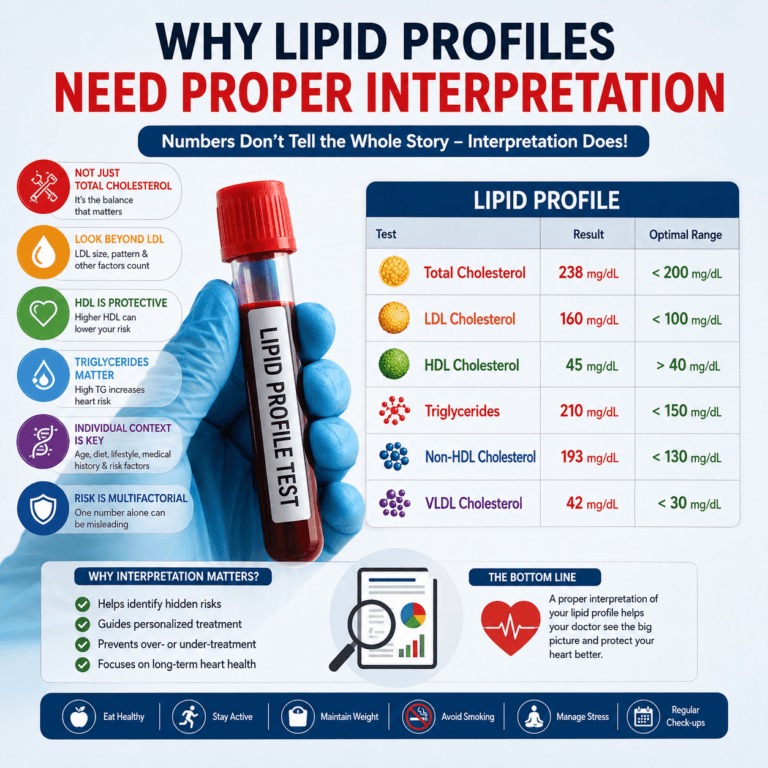
Many people think cholesterol problems develop independently, almost as if cholesterol is a completely separate issue from the rest of the body.
In reality, cholesterol levels are deeply connected to overall metabolic health.
This is why two individuals eating similar diets may still have very different lipid profiles depending on their metabolic condition.
Understanding why metabolic health affects cholesterol levels is important because cholesterol imbalance is often a symptom of deeper metabolic dysfunction rather than an isolated disease.
In clinical practice, I frequently see patients trying to “fix cholesterol numbers” without addressing the underlying metabolic factors driving those changes.
What Does Metabolic Health Actually Mean?
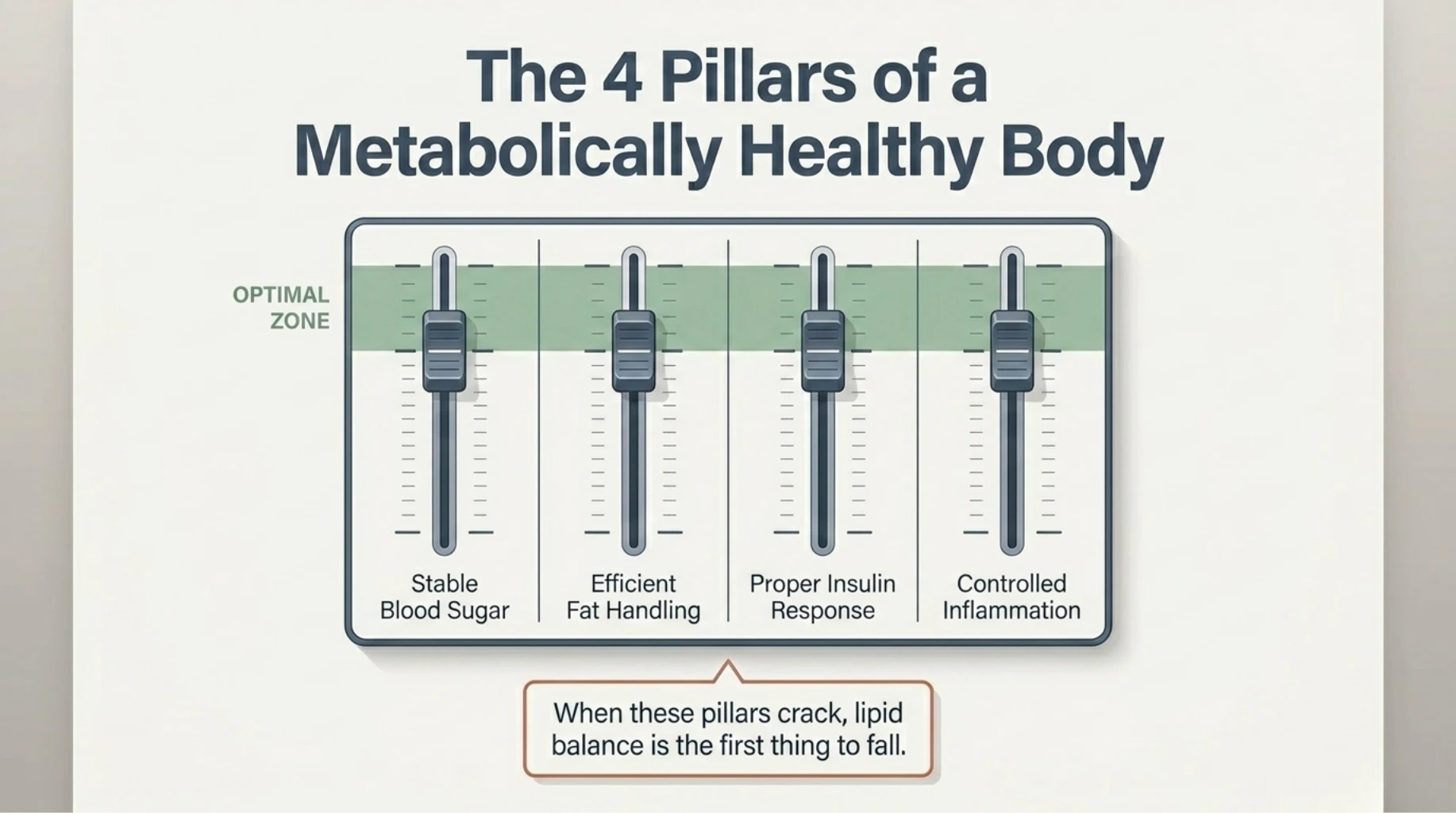
Metabolic health refers to how efficiently the body manages energy, blood sugar, fat metabolism, and insulin response.
A metabolically healthy body is able to:
- Maintain stable blood sugar levels
- Respond properly to insulin
- Handle fats efficiently
- Regulate inflammation effectively
When metabolic health begins to decline, multiple changes occur silently inside the body.
One of the earliest effects is disturbance in lipid balance.
This is exactly why why metabolic health affects cholesterol levels becomes clinically important.
Why Cholesterol Is Closely Linked to Metabolism
Cholesterol is not simply a harmful substance circulating in the blood. It is an essential molecule involved in hormone production, cell membrane structure, vitamin D synthesis, and several other physiological functions.
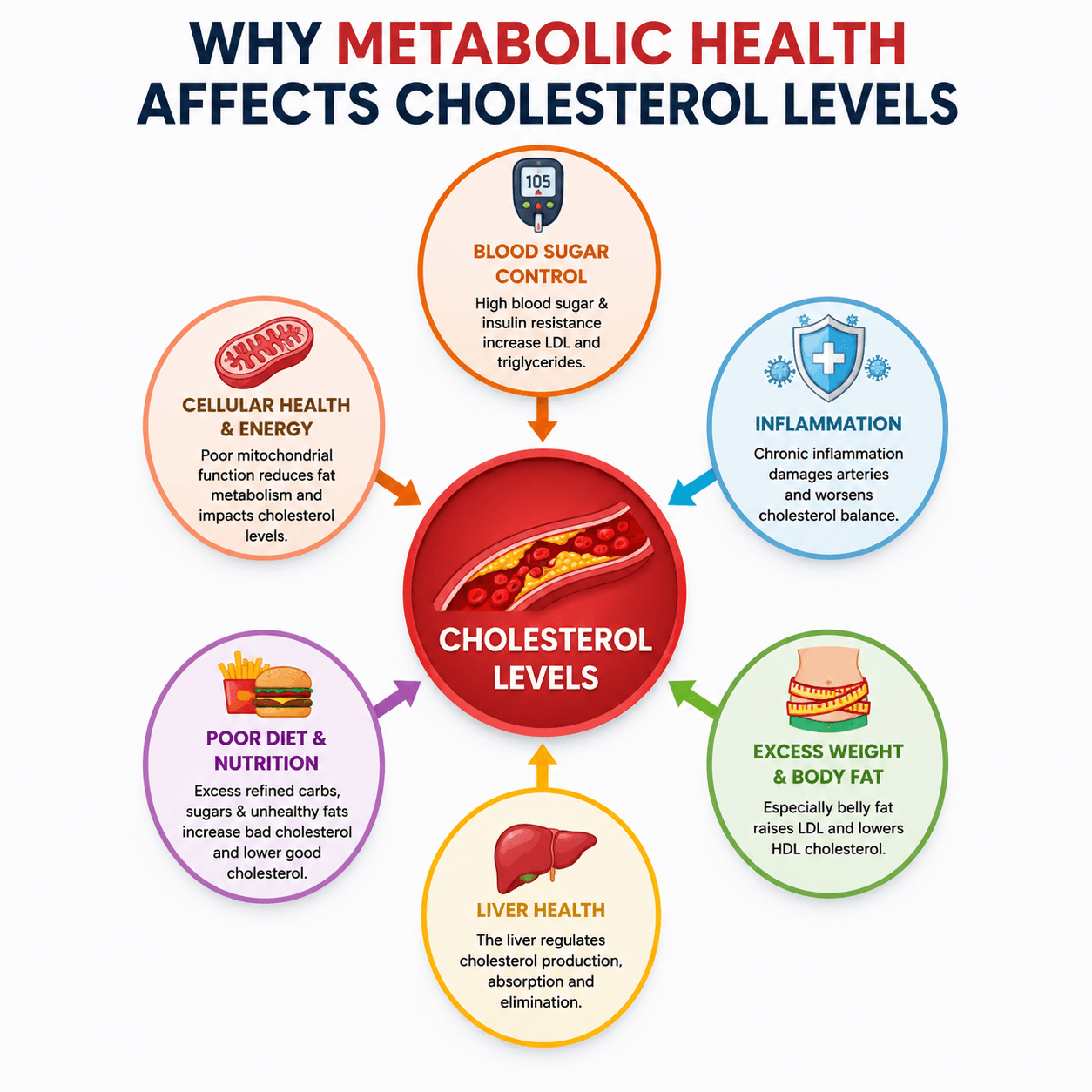
The problem begins when the body’s metabolic environment changes. When insulin resistance, chronic inflammation, poor diet, and sedentary lifestyle develop together, the way the body processes fats also changes.
This leads to:
- Higher triglycerides
- Lower HDL levels
- More harmful LDL particle patterns
These changes explain why metabolic health affects cholesterol levels so strongly.
Hidden Mechanism 1: Insulin Resistance Changes Lipid Balance
One of the most important drivers of cholesterol imbalance is insulin resistance.
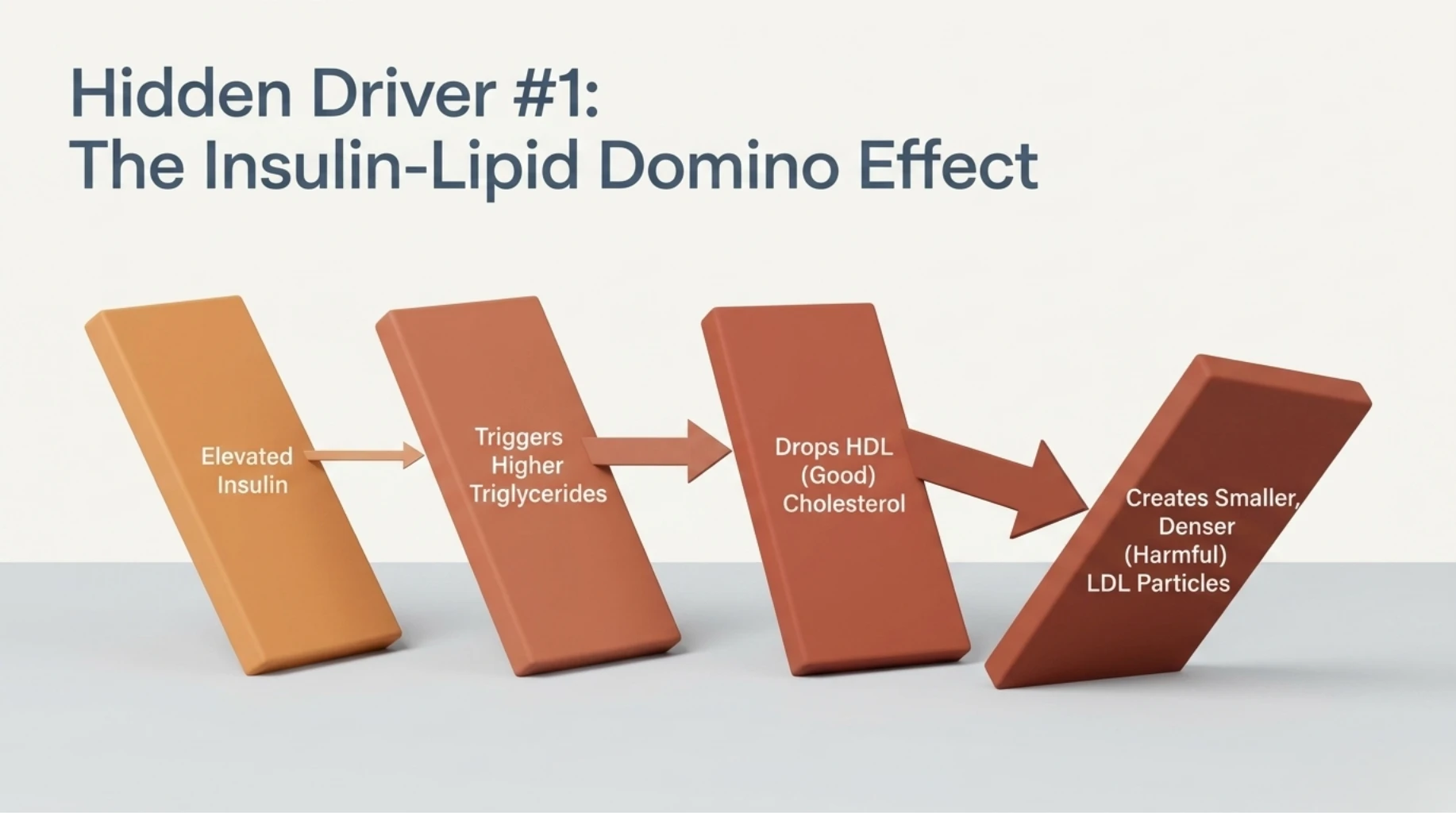
Insulin resistance occurs when the body’s cells stop responding efficiently to insulin, forcing the pancreas to produce more insulin over time. This elevated insulin state directly alters fat metabolism.
Typically, it causes:
- Higher triglyceride production
- Reduction in HDL levels
- Formation of smaller, denser LDL particles
This lipid pattern is far more concerning than mildly elevated total cholesterol alone. This is one of the strongest explanations for why metabolic health affects cholesterol levels.
Hidden Mechanism 2: Fatty Liver Disrupts Cholesterol Processing
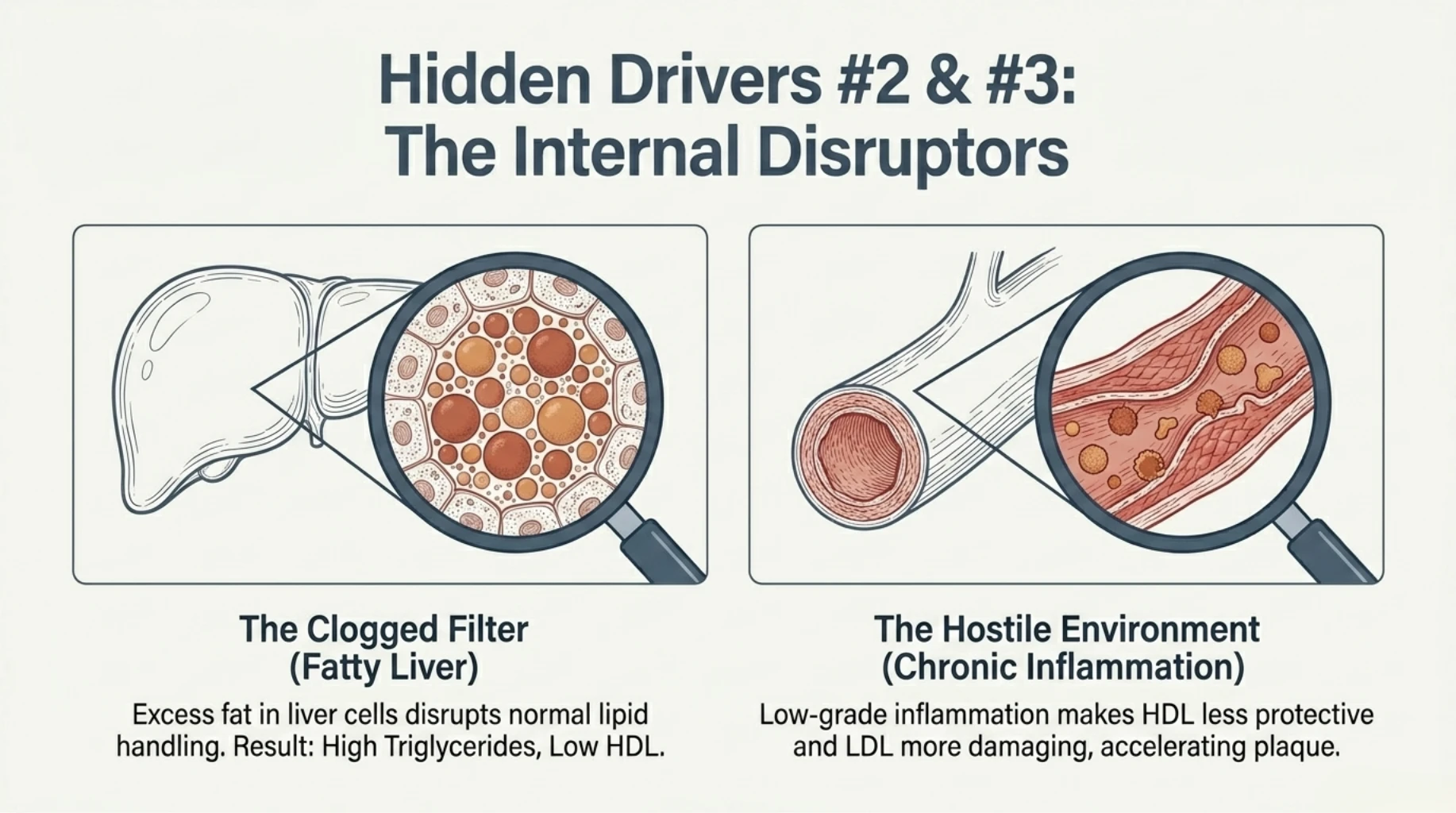
The liver plays a central role in cholesterol metabolism. When excess fat accumulates inside liver cells, normal lipid handling becomes disturbed.
Patients with fatty liver commonly develop:
- Elevated triglycerides
- Lower HDL
- Borderline or elevated LDL
Interestingly, these changes often happen gradually and silently. Many patients discover them only during routine blood tests.
This is another major reason why metabolic health affects cholesterol levels over time.
Hidden Mechanism 3: Chronic Inflammation Alters Lipid Function
Poor metabolic health is usually associated with low-grade chronic inflammation. This inflammation affects blood vessels, fat metabolism, and cholesterol transport mechanisms.
As a result:
- HDL becomes less protective
- LDL particles become more damaging
- Plaque formation risk increases
These changes often occur even before obvious symptoms appear.
Why Early Metabolic Changes Often Go Unnoticed
One of the biggest challenges with metabolic dysfunction is that it develops slowly.
Patients may feel completely normal while underlying insulin resistance, fatty liver, and lipid imbalance gradually progress.
This is why many individuals are surprised when routine tests suddenly reveal abnormal cholesterol patterns.
Understanding why metabolic health affects cholesterol levels helps identify these warning signs much earlier.
Hidden Mechanism 4: Abdominal Obesity Changes Cholesterol Patterns
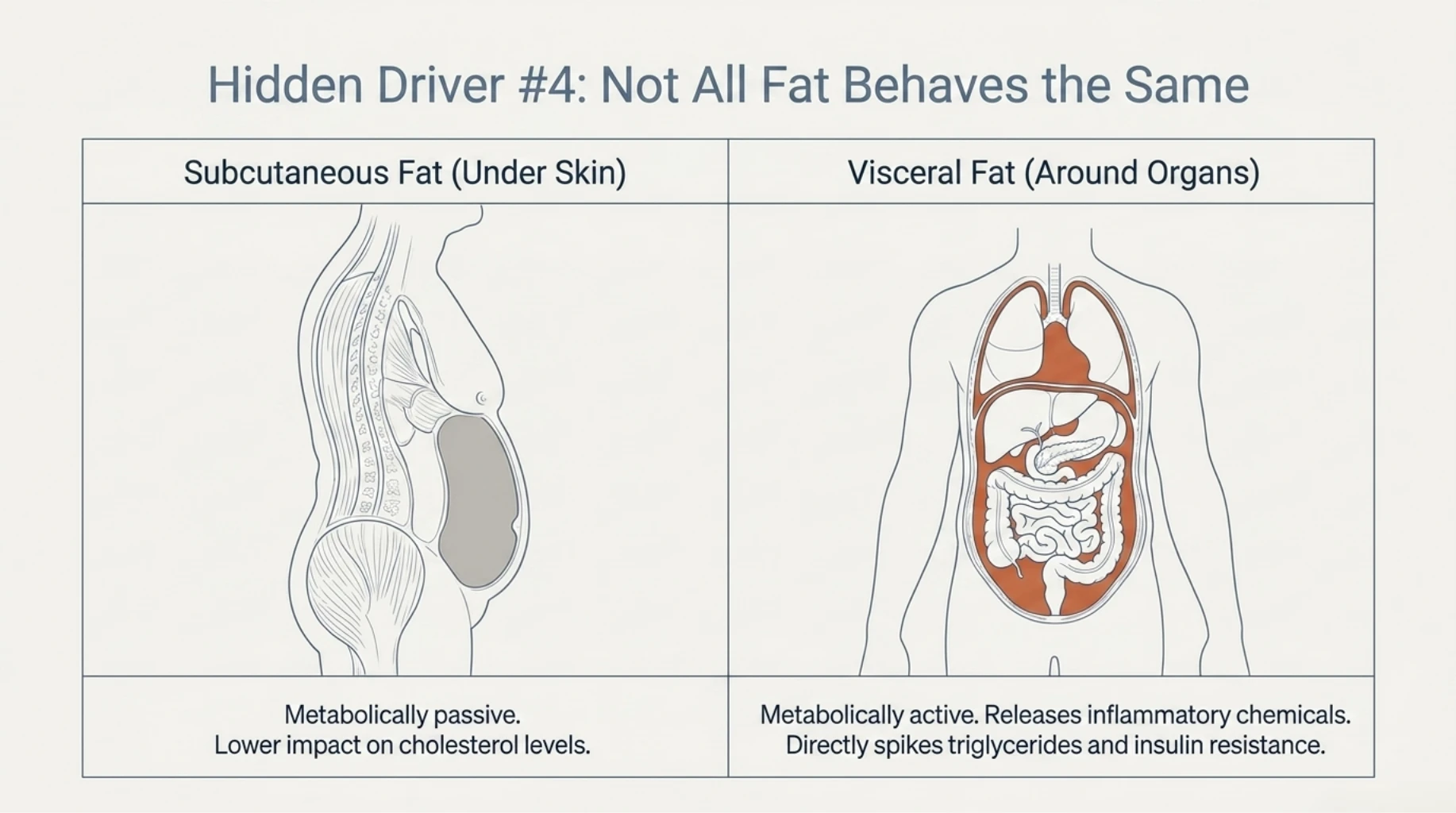
Not all body fat behaves the same way. Fat stored around the abdomen, often called visceral fat, is metabolically active and strongly linked to cholesterol imbalance.
Unlike fat stored under the skin, visceral fat releases inflammatory chemicals and hormonal signals that directly interfere with metabolism.
This commonly leads to:
- Higher triglycerides
- Lower HDL levels
- Increased insulin resistance
Many individuals with abdominal obesity develop abnormal lipid profiles even before they become significantly overweight overall.
This is another important reason why why metabolic health affects cholesterol levels should not be ignored.
How Poor Sleep Affects Metabolic Health and Cholesterol
Sleep is one of the most underestimated pillars of metabolic health.
When sleep becomes inadequate or irregular, stress hormone levels rise and insulin sensitivity begins to decline.
Over time, this contributes to:
- Higher appetite and cravings
- Reduced fat metabolism
- Increased triglyceride production
Patients who consistently sleep late or have poor sleep quality often show worsening metabolic markers despite trying to “eat healthy.”
This is another hidden explanation for why metabolic health affects cholesterol levels in real-life situations.
Why Sedentary Lifestyle Disturbs Lipid Balance
Physical inactivity affects the body far beyond simple calorie burning. Regular movement improves insulin sensitivity, fat utilization, and HDL levels.
When physical activity decreases:
- Triglycerides tend to rise
- HDL levels often fall
- Fat metabolism becomes less efficient
This is why individuals with desk jobs and prolonged sitting patterns frequently develop metabolic abnormalities even if their body weight appears “acceptable.”
Understanding why metabolic health affects cholesterol levels helps explain why exercise remains such an important part of lipid management.
How Refined Carbohydrates Increase Triglycerides
Many patients assume dietary fat is the only factor affecting cholesterol. In reality, refined carbohydrates and sugar often play a bigger role in worsening triglyceride levels.
Frequent intake of:
- Sweetened beverages
- Bakery products
- Processed snacks
- Frequent sugary tea or coffee
creates repeated insulin spikes throughout the day.
Excess glucose is eventually converted into fat inside the liver, leading to higher triglyceride production and fatty liver development.
This is one of the most practical examples of why metabolic health affects cholesterol levels so directly.
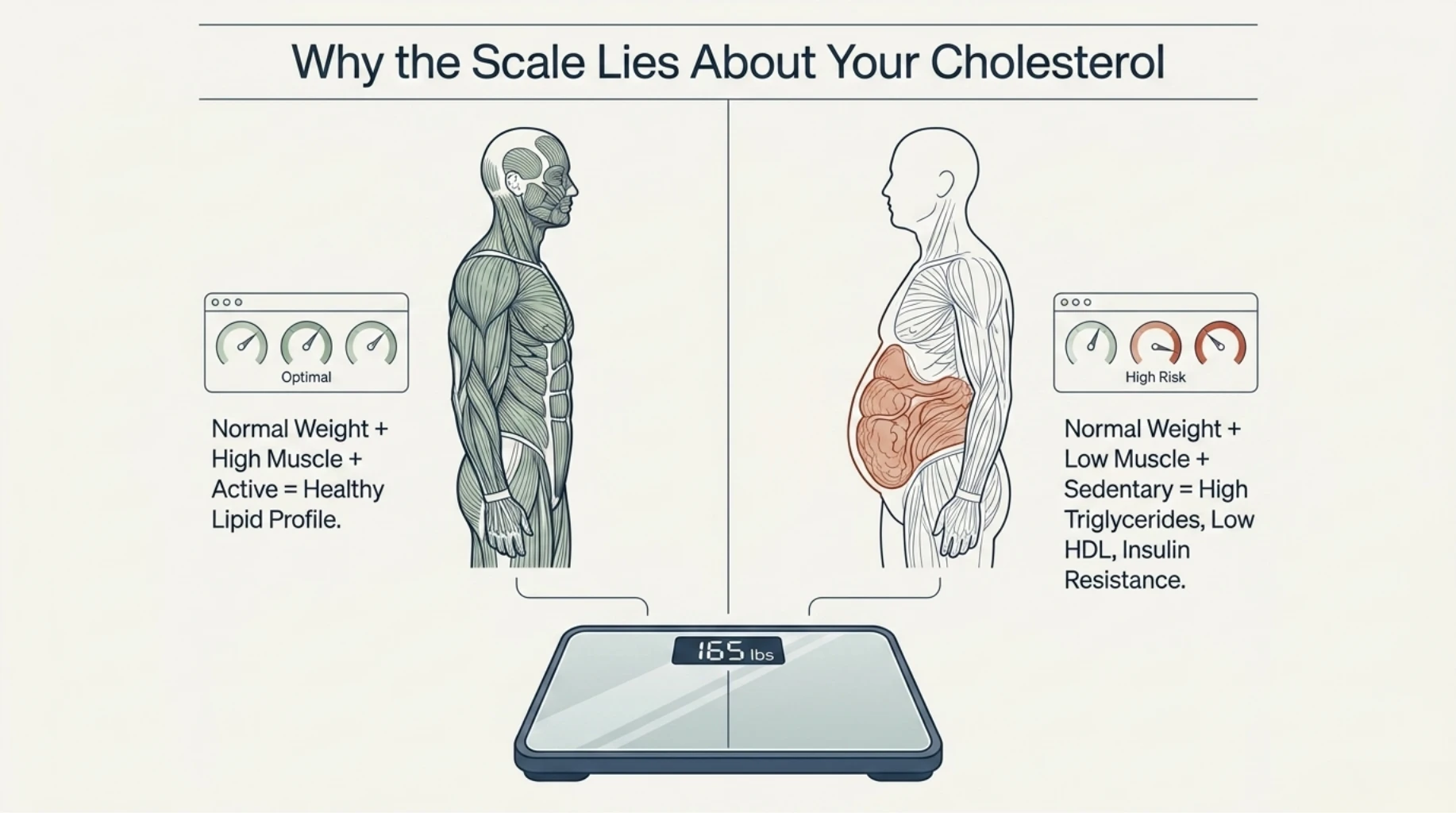
Why “Normal Weight” Does Not Always Mean Healthy Metabolism
One of the biggest misconceptions is assuming that only overweight individuals develop cholesterol problems.
In clinical practice, I frequently see individuals with normal body weight but poor metabolic health.
These patients may still have:
- High triglycerides
- Low HDL
- Fatty liver
- Insulin resistance
This condition is often linked to poor muscle mass, sedentary lifestyle, poor sleep, and unhealthy dietary patterns.
This explains why cholesterol levels cannot be understood properly without evaluating metabolic health.
Why Modern Lifestyle Patterns Are Driving Cholesterol Problems
Modern lifestyles create a perfect environment for metabolic dysfunction. Frequent eating, processed food consumption, poor sleep, chronic stress, and lack of movement collectively disturb metabolic regulation.
Over time, this gradually changes cholesterol patterns and increases cardiovascular risk.
This is why focusing only on medication without correcting lifestyle often produces incomplete long-term results.
Understanding why metabolic health affects cholesterol levels helps shift the focus toward correcting root causes instead of only chasing numbers.
A Bigger Picture Beyond Cholesterol Numbers
A lipid profile should be viewed as a reflection of the body’s metabolic environment.
When cholesterol imbalance develops, it often signals deeper issues involving insulin resistance, inflammation, fatty liver, and energy metabolism.
Addressing these underlying patterns is what produces meaningful long-term improvement.
How to Improve Metabolic Health and Cholesterol Levels Naturally
The good news is that early metabolic dysfunction is often reversible.
Many patients assume cholesterol problems automatically mean lifelong medication, but in reality, lifestyle correction can significantly improve lipid balance in a large number of cases.
The key is to focus on improving metabolic health instead of chasing isolated cholesterol numbers.
This is where understanding why metabolic health affects cholesterol levels becomes truly useful in practical life.
Focus on Meal Structure Instead of Constant Eating
One of the biggest problems in modern lifestyles is continuous eating throughout the day.
Frequent snacking keeps insulin levels elevated and reduces the body’s ability to utilize stored fat efficiently.
Instead of eating every 2–3 hours without hunger, structured meals are often more beneficial for metabolic health.
Balanced meals with adequate protein, vegetables, and controlled refined carbohydrates help stabilize insulin response and improve lipid metabolism.
Reduce Refined Carbohydrates and Hidden Sugars
Many patients focus excessively on dietary fat while ignoring the impact of refined carbohydrates.
In real-life clinical practice, excessive sugar and refined carbohydrate intake commonly drive high triglycerides and fatty liver.
Reducing:
- Sugary beverages
- Bakery products
- Frequent processed snacks
- Excess packaged foods
often improves metabolic markers significantly over time.
This is one of the most practical ways to correct the underlying reasons why metabolic health affects cholesterol levels.
Increase Protein Intake and Preserve Muscle Mass
Muscle tissue plays a major role in metabolic health. Individuals with low muscle mass often struggle with insulin resistance and poor fat metabolism even when body weight appears normal.
Including adequate protein in meals helps:
- Improve satiety
- Reduce unnecessary snacking
- Support fat metabolism
- Preserve muscle mass during weight loss
This indirectly improves triglycerides, HDL levels, and overall metabolic flexibility.
Regular Physical Activity Improves Lipid Balance
Exercise affects cholesterol through multiple mechanisms. It improves insulin sensitivity, increases HDL levels, and enhances fat utilization by muscles.
Importantly, exercise does not have to be extreme to be effective.
Simple habits like:
- Daily brisk walking
- Strength training 2–3 times weekly
- Reducing prolonged sitting
can produce meaningful metabolic improvement when done consistently.
Sleep and Stress Management Matter More Than Many Realize
Poor sleep and chronic stress significantly affect metabolic health.
When cortisol levels remain elevated for prolonged periods:
- Insulin resistance worsens
- Fat storage increases
- Triglycerides tend to rise
This is why sleep correction and stress management should always be considered part of cholesterol management.
Ignoring these factors often limits long-term improvement.
What Markers Matter Most in Real-Life Practice
From a practical metabolic perspective, doctors often pay close attention to:
- Triglyceride levels
- HDL levels
- Waist circumference
- Fatty liver presence
- Blood sugar trends
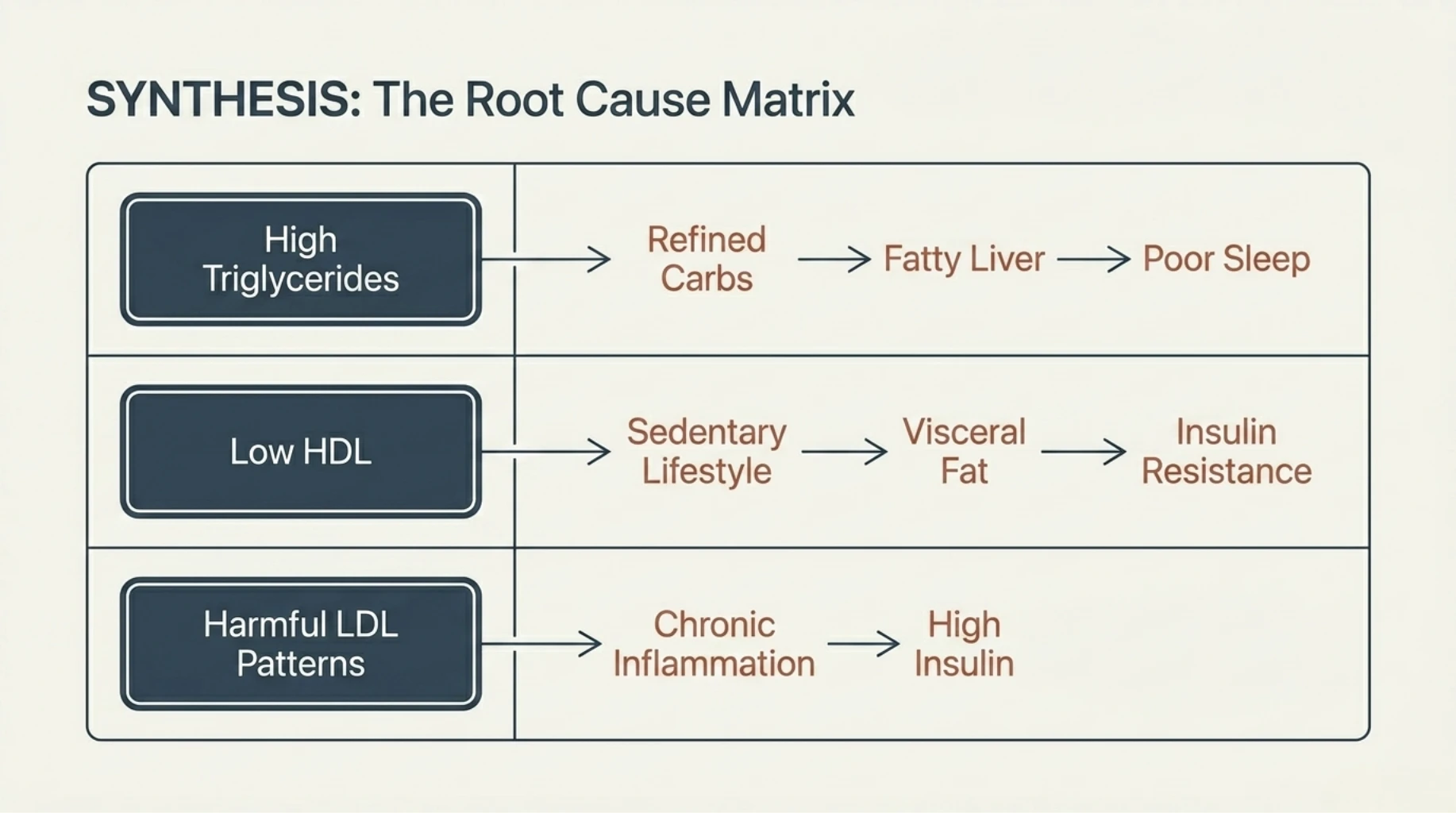
These markers frequently provide more insight into metabolic health than total cholesterol alone.
This again reinforces why why metabolic health affects cholesterol levels is such an important concept in preventive medicine.
Why Long-Term Consistency Matters More Than Short-Term Dieting
One of the biggest mistakes patients make is trying extreme dietary approaches for quick results.
Short-term aggressive dieting may temporarily improve numbers but often becomes difficult to sustain.
Metabolic health improves best through long-term consistency:
- Balanced eating patterns
- Regular movement
- Adequate sleep
- Stress reduction
This sustainable approach produces more stable improvement in cholesterol balance and overall health.
Address the Root Cause, Not Just the Lipid Report
A cholesterol report is often a reflection of deeper metabolic changes happening inside the body.
If insulin resistance, fatty liver, abdominal obesity, and chronic inflammation are driving the imbalance, these root causes need attention. This is where structured lifestyle correction becomes highly effective.
You can explore a structured approach here:
Lifestyle Modification Program
Key Take-Home Messages
- Cholesterol imbalance is often linked to poor metabolic health
- Insulin resistance strongly influences triglycerides and HDL levels
- Fatty liver, abdominal obesity, and poor sleep worsen lipid balance
- Refined carbohydrates frequently play a larger role than dietary fat alone
- Long-term lifestyle correction can significantly improve metabolic and lipid health
Final Thoughts
Understanding why metabolic health affects cholesterol levels helps shift the focus from isolated lab numbers to the bigger picture of overall metabolic wellbeing.
Instead of reacting only after cholesterol values become abnormal, early correction of lifestyle patterns can prevent long-term complications much more effectively.
Improving metabolic health is not just about cholesterol — it influences energy levels, fatty liver, blood sugar control, blood pressure, and long-term cardiovascular risk.
If you want a personalized metabolic assessment and lifestyle strategy, you can book a consultation here:
Book an Appointment
Disclaimer: This article is for educational purposes only and should not replace medical advice. Individual treatment should be based on clinical evaluation.

Written by Dr. Pankaj Kumar
General & Lifestyle Physician in Dwarka Sector 6, New Delhi · MBBS, DNB (Family Medicine), DNHE · 16 years of experience.
About the doctor →Book a consultation → Beyond Blood Sugar
 The 90-Day Prediabetes Turnaround
 The Indian Diabetes Diet Reset
 Eat to Beat Gout
 Why Is My Hair Falling?
 The 30-Day Inflammation Reset