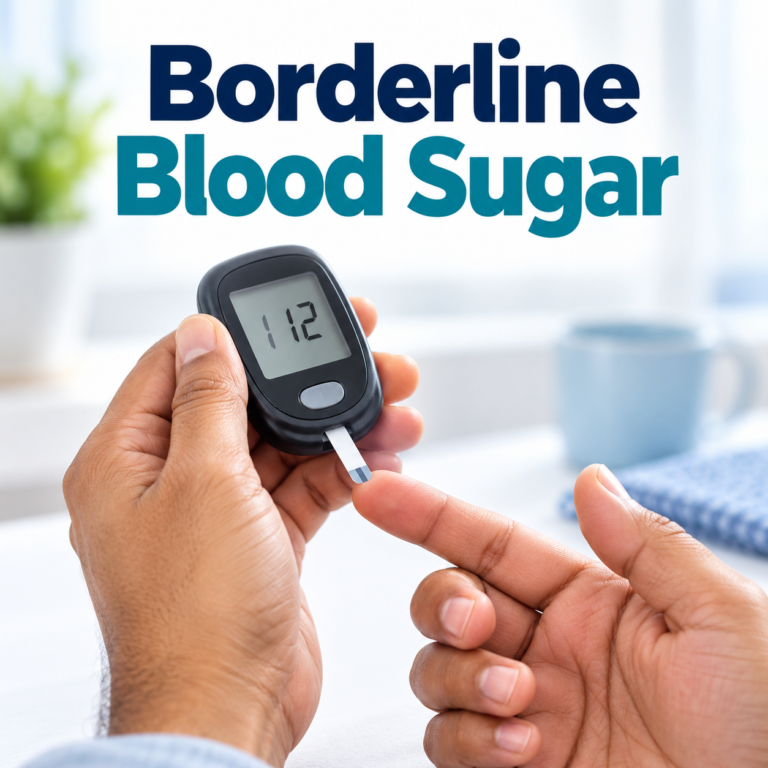
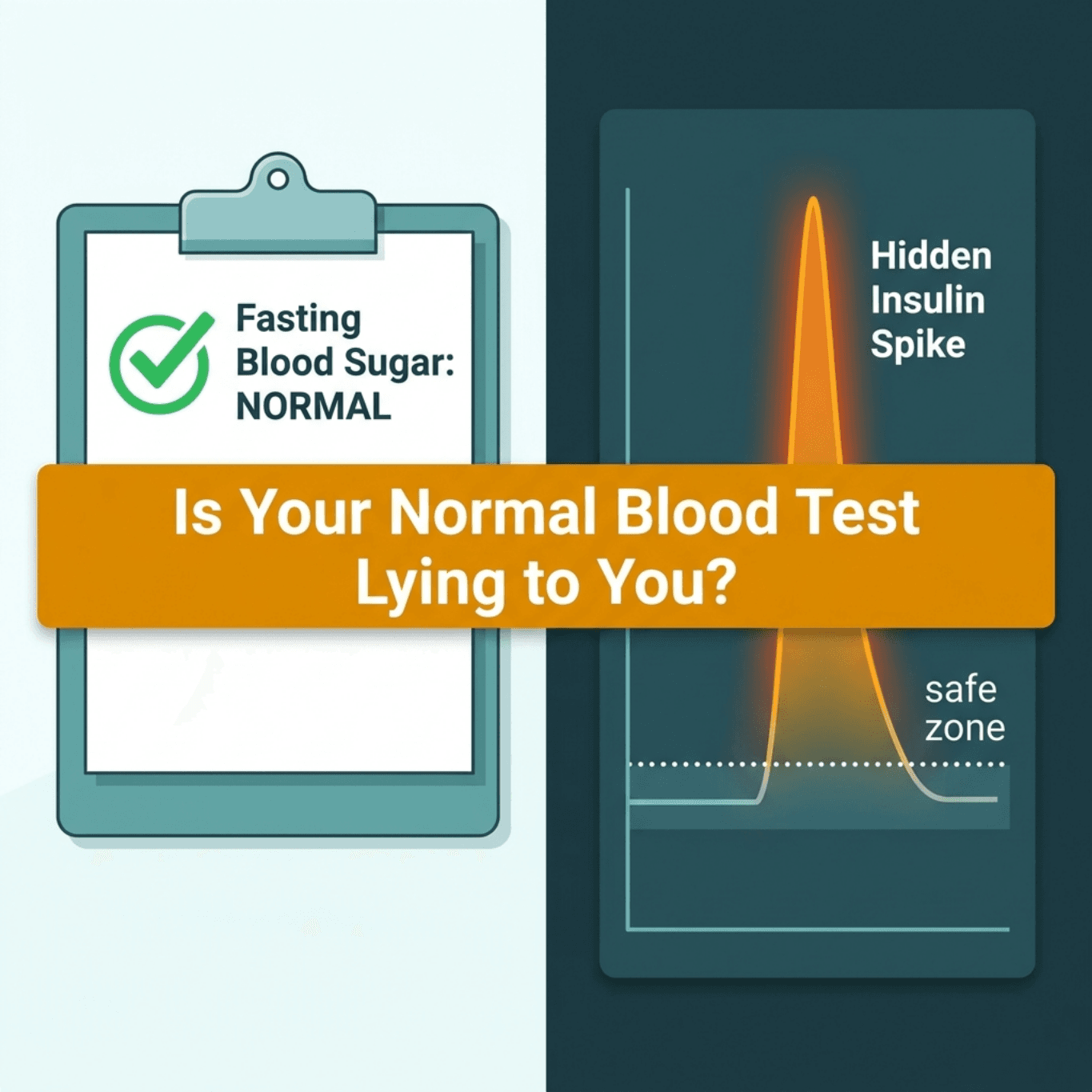
Prediabetes tests do not always agree. A person may have a normal fasting glucose but an HbA1c in the prediabetes range, or a raised two-hour result on a glucose tolerance test. This does not automatically mean the laboratory is wrong. The tests measure different aspects of glucose regulation and need clinical interpretation.

Three Common Prediabetes Tests
Fasting Plasma Glucose
This measures glucose at one point after an appropriate fast, usually at least eight hours without caloric intake. Under ADA criteria, 100–125 mg/dL is the impaired fasting glucose range. Some other organisations use a different lower boundary. A home meter is useful for monitoring but is not the standard laboratory method for diagnosis.
HbA1c
HbA1c reflects glucose exposure over roughly the preceding two to three months. The ADA prediabetes range is 5.7–6.4%. Fasting is not required. However, altered red-cell survival, some haemoglobin variants, recent blood loss or transfusion, and other clinical circumstances can affect interpretation.
Oral Glucose Tolerance Test
A standard test uses 75 g of glucose and a timed blood sample. In nonpregnant adults, a two-hour plasma glucose of 140–199 mg/dL indicates impaired glucose tolerance under ADA criteria. An ordinary two-hour reading after your usual lunch is not interchangeable with this standardised test. Pregnancy uses separate diagnostic pathways.
Why Prediabetes Test Results Can Differ
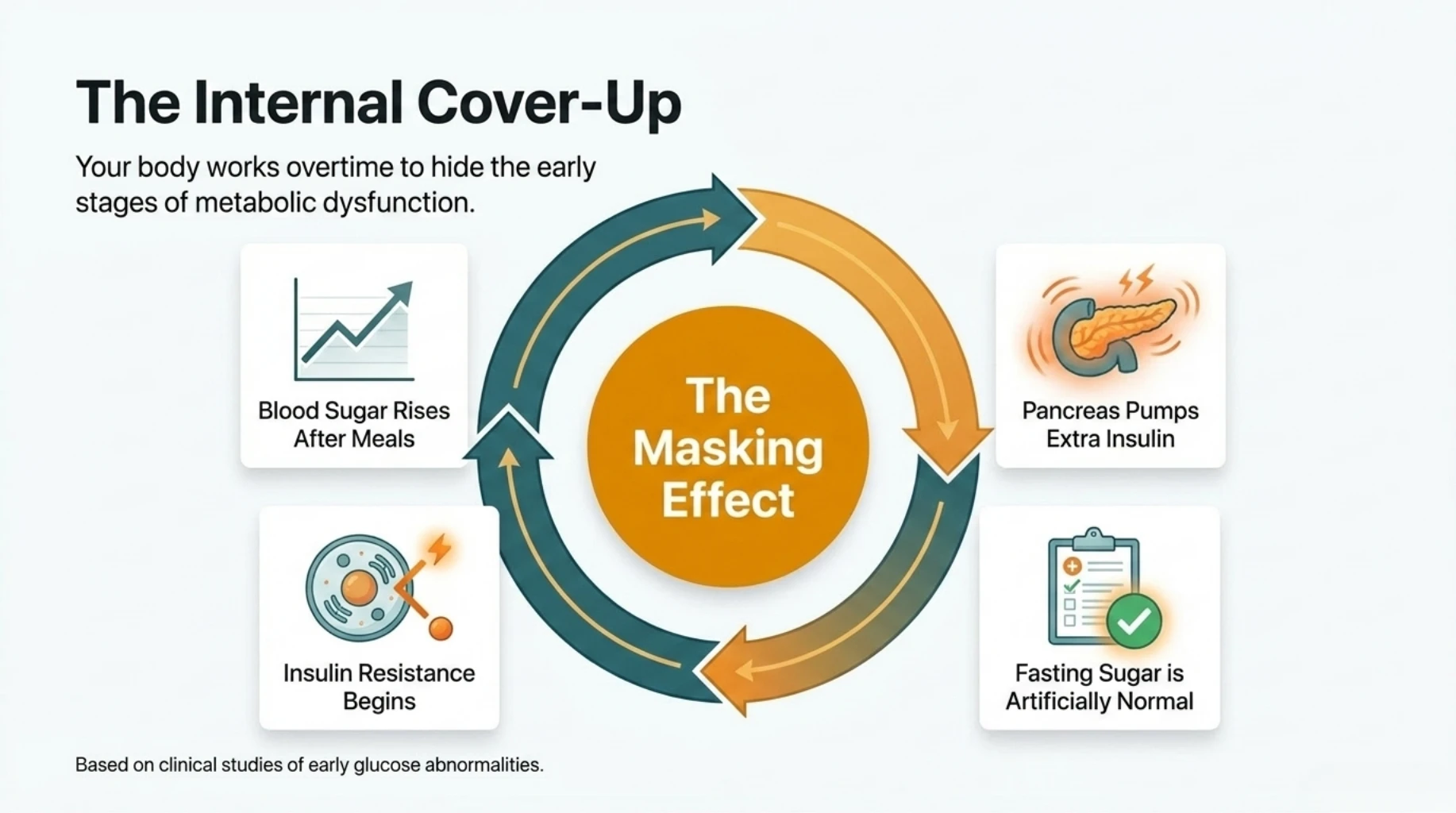
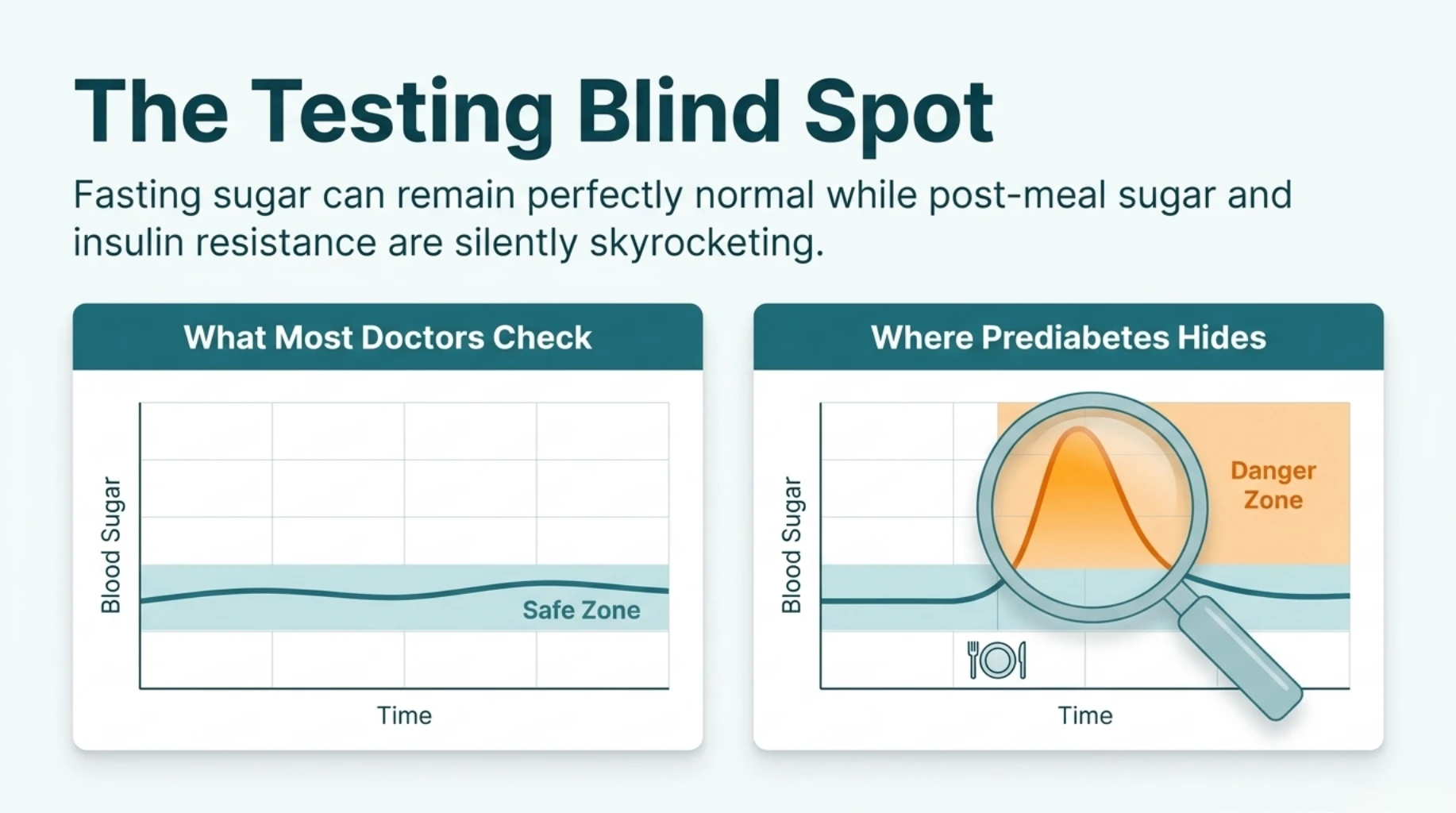
Fasting glucose, average glucose exposure and the response to a glucose load are related but distinct. Someone may handle fasting glucose reasonably well while showing a larger rise after the glucose drink. HbA1c can also be affected by factors unrelated to glucose. Normal day-to-day biological variation and laboratory variation add further differences.
Your doctor considers how close a result is to a threshold, preparation for the test, recent illness, medicines and previous results. Neither a single normal result nor an isolated borderline value should be interpreted without context.
Does Normal Fasting Glucose Rule Out Prediabetes?
No. Another appropriate test may identify a glucose abnormality. This does not mean everyone needs every test. Your risk factors, prior results and clinical circumstances guide the choice. Fasting insulin, HOMA-IR and a commercial insulin-resistance panel are not substitutes for standard diabetes diagnostic tests.
How to Prepare for a Review
Bring the original laboratory reports, the date and fasting status, previous glucose results and your medicine list. Tell your clinician about steroid treatment, pregnancy, anaemia, haemoglobin disorders, recent illness or blood transfusion. Do not stop medicines or drastically restrict carbohydrate before testing unless you have been specifically instructed.
What Happens After a Borderline Result?
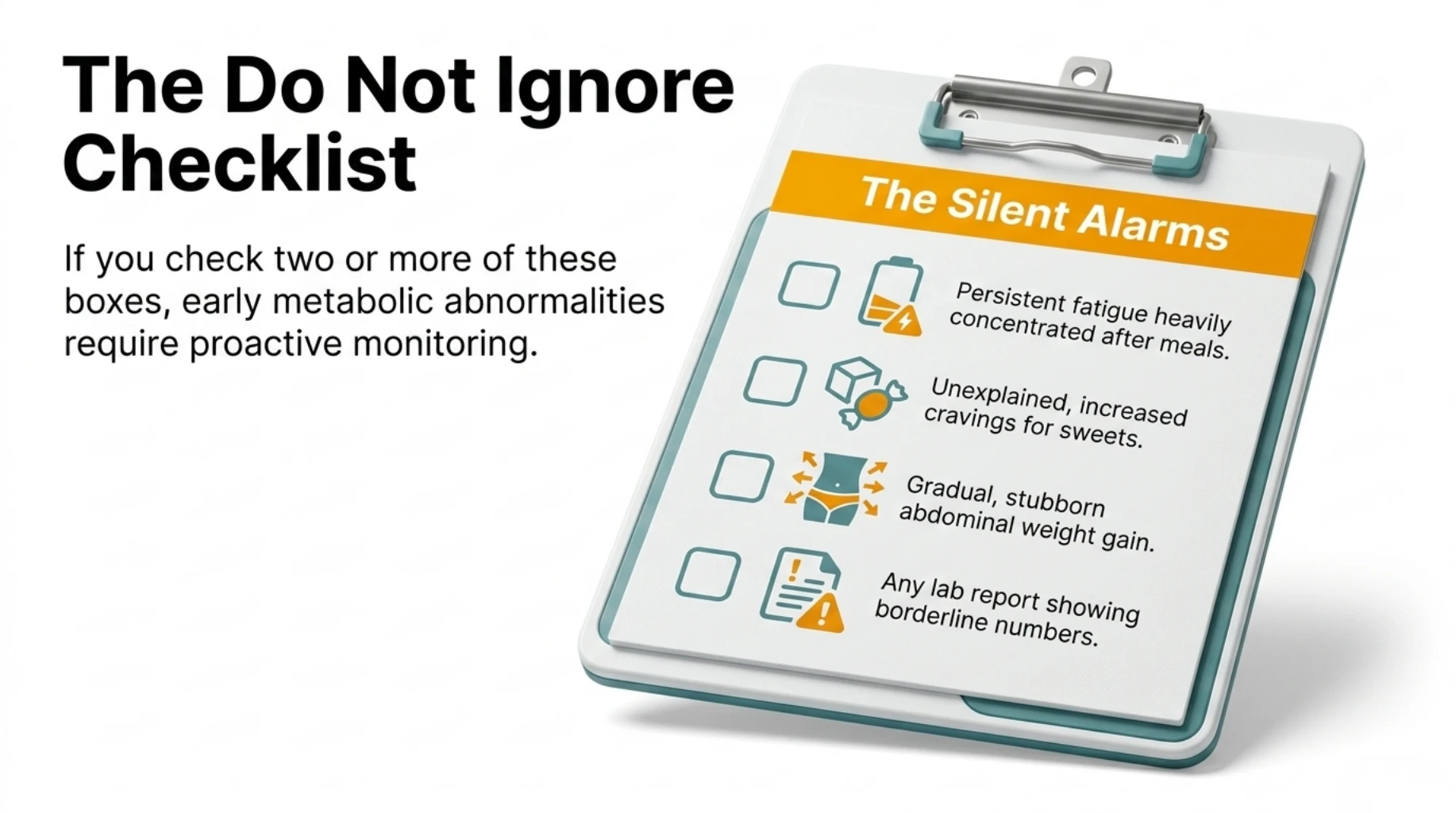
The next step may be repeat testing, another standard test or a prevention plan based on your overall risk. People with prediabetes generally need at least annual diabetes testing, with earlier review when appropriate. Lifestyle support, cardiovascular risk assessment and sometimes medicine are considered individually.
A return to normal glucose levels is possible, but ongoing risk and follow-up still matter. Avoid interpreting a lower number as a permanent cure.
When Not to Wait for Routine Screening
Excessive thirst, frequent urination or unexplained weight loss warrant prompt medical assessment. Vomiting, marked dehydration, confusion or rapid breathing may indicate a serious glucose-related problem and require urgent hospital care. Diabetes can also be present without symptoms.
For the broader explanation, read prediabetes without symptoms. For individual interpretation, book a consultation.
Reference
American Diabetes Association: Diagnosis and Classification of Diabetes, Standards of Care 2026.
By Dr. Pankaj Kumar, General & Lifestyle Physician. This information is educational and does not replace individual medical assessment.

Written by Dr. Pankaj Kumar
General & Lifestyle Physician in Dwarka Sector 6, New Delhi · MBBS, DNB (Family Medicine), DNHE · 16 years of experience.
About the doctor →Book a consultation → Beyond Blood Sugar
 The 90-Day Prediabetes Turnaround
 The Indian Diabetes Diet Reset
 Eat to Beat Gout
 Why Is My Hair Falling?
 The 30-Day Inflammation Reset