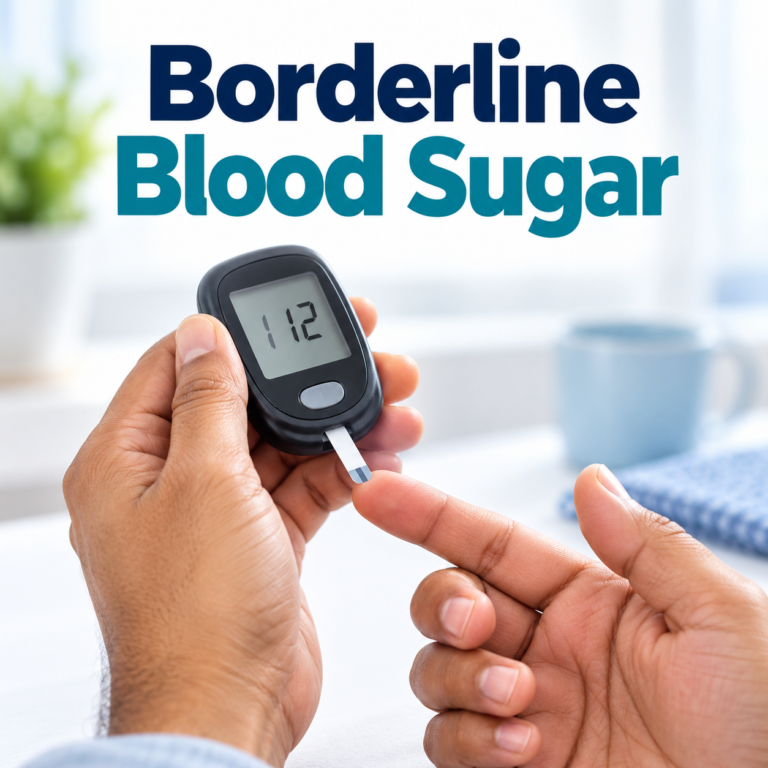
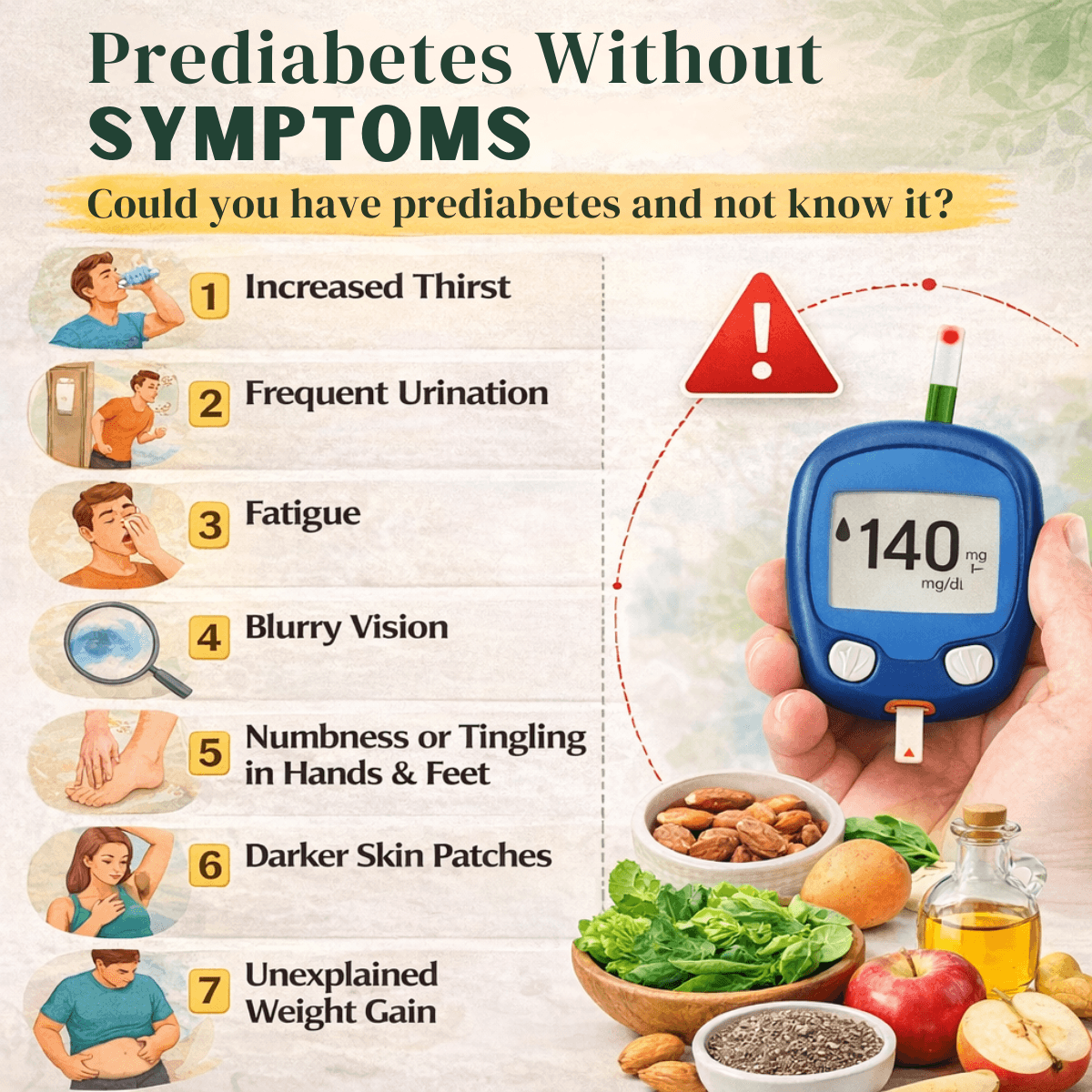
Many people are surprised when routine blood tests show abnormal sugar levels even though they feel completely normal. This situation is extremely common because prediabetes without symptoms often develops gradually over many years.
Prediabetes represents an early stage of metabolic dysfunction in which blood glucose levels are higher than normal but not yet high enough to meet the criteria for diabetes. During this stage, the body begins to lose its ability to regulate glucose efficiently.
Because the changes happen slowly, the body adapts to rising blood sugar levels. As a result, most individuals do not experience obvious symptoms during the early stages of the condition.

In fact, many patients only discover the problem during preventive health screening or routine laboratory evaluation. Blood tests such as fasting glucose or HbA1c often detect the condition years before noticeable symptoms develop.
Understanding why prediabetes without symptoms occurs is important because early detection allows individuals to take corrective action before diabetes develops.
What Exactly Is Prediabetes?
Prediabetes refers to a metabolic state in which blood sugar levels are consistently higher than normal but not high enough to be classified as type 2 diabetes.
Doctors diagnose prediabetes based on laboratory tests. The most common diagnostic markers include:
- Fasting blood glucose between 100 and 125 mg/dL
- HbA1c between 5.7 percent and 6.4 percent
- Impaired glucose tolerance on oral glucose tolerance testing
These numbers indicate that the body is beginning to struggle with glucose regulation. At this stage, insulin resistance often plays a central role.
Research studying the metabolic mechanisms of early glucose dysregulation shows that insulin resistance can begin years before diabetes develops.
This means that individuals may already have metabolic abnormalities long before any symptoms become noticeable.
Why Prediabetes Often Has No Symptoms
The main reason prediabetes without symptoms is so common lies in the gradual nature of metabolic changes.
Unlike infections or acute illnesses, metabolic diseases develop slowly. Blood sugar levels rise progressively over months or years, giving the body time to adapt.
During this stage, insulin is still being produced by the pancreas. Although the body becomes less sensitive to insulin, the pancreas compensates by producing more of it.
This compensatory response can temporarily maintain glucose levels within a moderately controlled range. Because glucose levels do not rise dramatically, noticeable symptoms usually do not appear.
Research examining early diabetes physiology confirms that glucose dysregulation progresses gradually before overt disease develops.
As long as the pancreas continues to produce extra insulin, many people feel completely normal even though metabolic stress is developing internally.
Early Metabolic Changes That Occur Before Symptoms
Even when individuals feel healthy, several metabolic processes are already changing inside the body during the prediabetes stage.
These early changes include:
- Increasing insulin resistance in muscle and liver tissues
- Higher insulin levels circulating in the bloodstream
- Gradual increase in fasting blood glucose
- Impaired glucose tolerance after meals
- Accumulation of visceral abdominal fat
Because these changes occur internally, they rarely produce immediate symptoms.
This is why preventive health screening plays an important role in identifying metabolic risk early. Blood tests can detect subtle abnormalities long before patients experience fatigue, excessive thirst, or frequent urination.
Unfortunately, many people assume that feeling well means their metabolism is normal. In reality, silent metabolic dysfunction can progress for years before becoming noticeable.
Who Is Most Likely to Develop Prediabetes Without Symptoms
One of the most important facts about prediabetes without symptoms is that it can affect people who appear healthy on the surface. Many individuals diagnosed with prediabetes report that they felt perfectly normal before the diagnosis.
However, certain groups have a higher risk of developing silent metabolic dysfunction. These risk factors often develop gradually and may not produce noticeable warning signs.
- Family history of type 2 diabetes
- Abdominal obesity or increased waist circumference
- Sedentary lifestyle with limited physical activity
- High intake of refined carbohydrates and processed foods
- Chronic stress and poor sleep quality
- History of gestational diabetes
- Polycystic ovarian syndrome (PCOS)
- Age above 30 or 35 years
Many patients with these risk factors maintain normal daily functioning. Because there are no obvious symptoms, metabolic abnormalities often remain unnoticed until routine testing reveals them.
Large epidemiological studies confirm that millions of adults worldwide currently live with undiagnosed prediabetes.
This is why preventive screening plays such an important role in early metabolic health assessment.
Why Modern Lifestyle Increases Silent Prediabetes
Modern lifestyle patterns have significantly increased the prevalence of prediabetes without symptoms. Urban lifestyles often promote habits that gradually worsen insulin resistance.
One major factor is prolonged sitting. Many people spend long hours working on computers or mobile devices, which reduces muscle activity and decreases glucose utilization.
Dietary patterns have also shifted toward refined carbohydrates, sugary beverages, and ultra-processed foods. These foods cause repeated spikes in blood sugar and insulin levels, eventually leading to metabolic stress.
Another important factor is sleep disruption. Irregular sleep schedules and chronic sleep deprivation alter hormone regulation, particularly cortisol and growth hormone. These hormonal changes can worsen insulin resistance.
Over time, these lifestyle factors create an environment where glucose metabolism gradually deteriorates. Because the progression is slow, most individuals remain unaware of the developing problem.
Early Blood Test Markers of Prediabetes
Since prediabetes without symptoms rarely produces obvious clinical signs, laboratory tests become the most reliable way to detect the condition.
Doctors typically evaluate three primary markers when screening for early metabolic dysfunction.
| Test | Prediabetes Range | What It Indicates |
|---|---|---|
| Fasting Blood Glucose | 100–125 mg/dL | Impaired fasting glucose regulation |
| HbA1c | 5.7–6.4% | Average blood glucose over three months |
| Two-hour value after a 75-g Oral Glucose Tolerance Test | 140–199 mg/dL | Impaired post-meal glucose handling |
These tests allow doctors to identify early glucose abnormalities long before diabetes develops.
In many cases, individuals discover the condition during routine health checkups or preventive screenings rather than because of symptoms.
Early Warning Signs That Are Often Ignored
Although prediabetes without symptoms is common, some subtle signals may still appear. These warning signs are often mild and easily overlooked.
- Gradual weight gain, especially around the abdomen
- Increased fatigue after meals
- Difficulty losing weight despite dieting
- Borderline fasting glucose on repeated tests
- Elevated triglyceride levels
- Low HDL cholesterol levels
These findings may justify risk assessment, but symptoms and waist size alone do not diagnose prediabetes. Paying attention to these signals can help individuals take preventive action earlier.
Many patients only begin to investigate these issues after routine blood tests reveal abnormal glucose levels.
Why Early Detection Matters
Detecting prediabetes without symptoms early provides an important opportunity to reverse the condition.
At this stage, the pancreas still produces insulin and future diabetes and cardiovascular risks still need attention. Lifestyle changes can significantly improve insulin sensitivity and restore normal glucose regulation.
Clinical research consistently shows that lifestyle interventions such as improved diet, regular physical activity, and weight management can dramatically reduce the progression to diabetes.
Because prediabetes develops silently, screening should follow age and risk: ADA guidance recommends starting by age 35 for adults generally, and earlier where risk factors warrant it.
How Prediabetes Can Often Be Reversed
The encouraging aspect of prediabetes without symptoms is that glucose levels can improve, sometimes returning to the normal range. At this stage, the pancreas still produces insulin and normal glucose levels may be achievable, although outcomes vary.
In clinical practice, many patients improve their glucose control through lifestyle changes alone. The goal is to improve insulin sensitivity and reduce excess glucose production from the liver.
Several lifestyle factors play a crucial role in reversing early metabolic dysfunction.
- Reducing refined carbohydrates and sugary beverages
- Increasing physical activity and daily movement
- Improving sleep quality
- Reducing abdominal fat through gradual weight loss
- Managing stress levels
- Maintaining consistent meal timing
These changes help restore metabolic balance and reduce insulin resistance. Many individuals who implement these strategies consistently are able to bring their glucose levels back into the normal range.
What I Usually Recommend in Clinic
When patients are diagnosed with prediabetes without symptoms, the management approach focuses on long term metabolic improvement rather than quick fixes.
Based on clinical experience, the following practical strategies are often helpful.
- Monitor fasting blood glucose periodically to track improvement.
- Focus on balanced meals containing protein, fiber, and healthy fats.
- Limit ultra processed foods and sugary beverages.
- Increase daily physical activity such as walking, cycling, or resistance exercise.
- Aim for gradual and sustainable weight reduction when necessary.
- Prioritize sleep hygiene and maintain consistent sleep schedules.
- Review blood tests periodically to monitor metabolic progress.
- Address associated risk factors such as hypertension or abnormal cholesterol.
Individuals who need structured guidance for lifestyle correction may benefit from supervised programs that focus on long term metabolic health.
More details about the structured approach can be explored here: Lifestyle Modification Program.
When You Should Seek Medical Evaluation
Although prediabetes without symptoms usually develops silently, certain findings should prompt professional medical evaluation.
- A laboratory result in the prediabetes range or an unexplained abnormal glucose result
- HbA1c persistently above 5.7 percent
- Strong family history of diabetes
- Rapid weight gain or abdominal obesity
- Abnormal cholesterol or triglyceride levels
Early evaluation allows doctors to assess metabolic risk factors and recommend targeted lifestyle interventions.
If you want a personalized metabolic health evaluation, you can schedule a consultation here: Book a metabolic health consultation
Key Takeaways
- Prediabetes without symptoms is very common and often detected only through blood tests.
- The condition develops gradually due to insulin resistance.
- Many individuals feel completely normal despite abnormal glucose levels.
- Routine screening helps detect metabolic problems early.
- Lifestyle interventions can often reverse prediabetes.
- Early action can reduce the risk of progression to type 2 diabetes.
About the Author
This article is written by Dr. Pankaj Kumar, a physician specializing in metabolic health, diabetes prevention, and lifestyle medicine. His clinical work focuses on identifying early metabolic risk factors and guiding patients toward sustainable lifestyle changes that improve long term health.
References
ADA Standards of Care 2026: Diagnosis and Classification; ADA Standards of Care 2026: Prevention or Delay of Diabetes.
Need Help Managing Prediabetes?
If you have recently been diagnosed with prediabetes or borderline blood sugar levels, early lifestyle intervention can significantly improve your metabolic health.
Disclaimer: This article is intended for educational purposes only and should not replace professional medical advice. Consult a qualified healthcare professional for personalized evaluation and treatment.
Related reading and care options

Written by Dr. Pankaj Kumar
General & Lifestyle Physician in Dwarka Sector 6, New Delhi · MBBS, DNB (Family Medicine), DNHE · 16 years of experience.
About the doctor →Book a consultation → Beyond Blood Sugar
 The 90-Day Prediabetes Turnaround
 The Indian Diabetes Diet Reset
 Eat to Beat Gout
 Why Is My Hair Falling?
 The 30-Day Inflammation Reset