
Diabetes management often focuses on glucose, HbA1c, medicines and body weight. Muscle receives much less attention. Yet diabetes and muscle loss can become closely connected, particularly with increasing age, physical inactivity, prolonged illness, restrictive dieting or substantial weight loss.
Skeletal muscle is not simply tissue that helps you look fit. It is a major site for glucose use, supports mobility and balance, and helps maintain independence as you get older. Losing too much muscle can therefore affect both physical function and metabolic health.
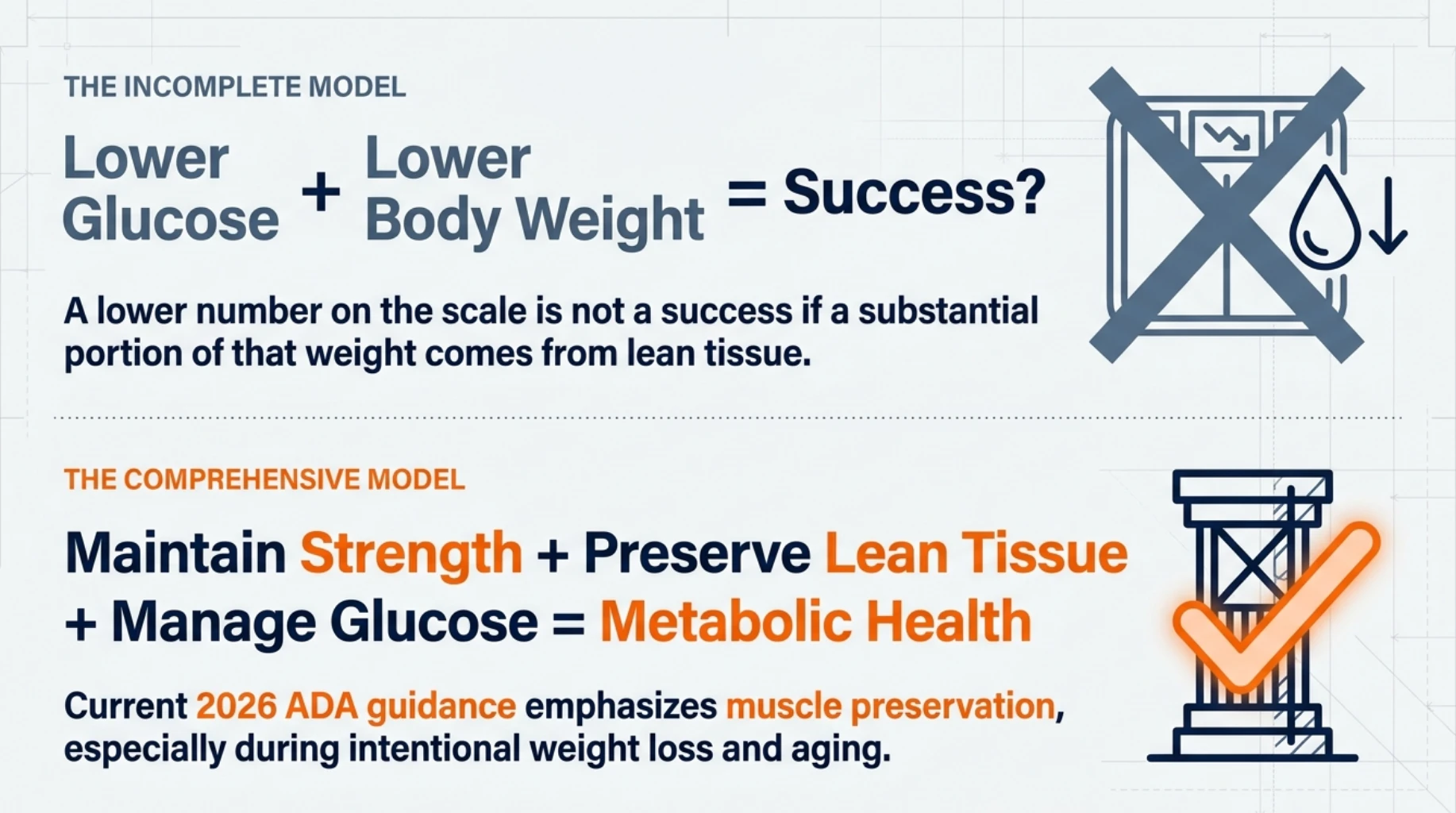
The issue becomes particularly important when someone with diabetes is trying to lose weight. A lower number on the weighing scale is not automatically a better outcome if a substantial portion of that weight comes from lean tissue.
Current diabetes guidance therefore places increasing emphasis on adequate protein intake and resistance exercise, especially in older adults and people undergoing intentional weight loss.

Why Does Muscle Matter in Diabetes?
Muscle helps use glucose, supports strength and mobility, and makes up an important part of healthy body composition.
People with type 2 diabetes—particularly middle-aged and older adults—can have a higher risk of reduced muscle strength and sarcopenia. Adequate dietary protein and regular resistance training can help preserve or improve muscle, while aerobic activity remains important for cardiovascular fitness and overall diabetes management.
The goal should therefore not be only:
lower glucose + lower body weight
but also:
maintain strength + preserve lean tissue + improve metabolic health.
Why Diabetes and Muscle Loss Can Be Connected
Muscle loss in diabetes does not have one single cause.
Several processes can overlap.
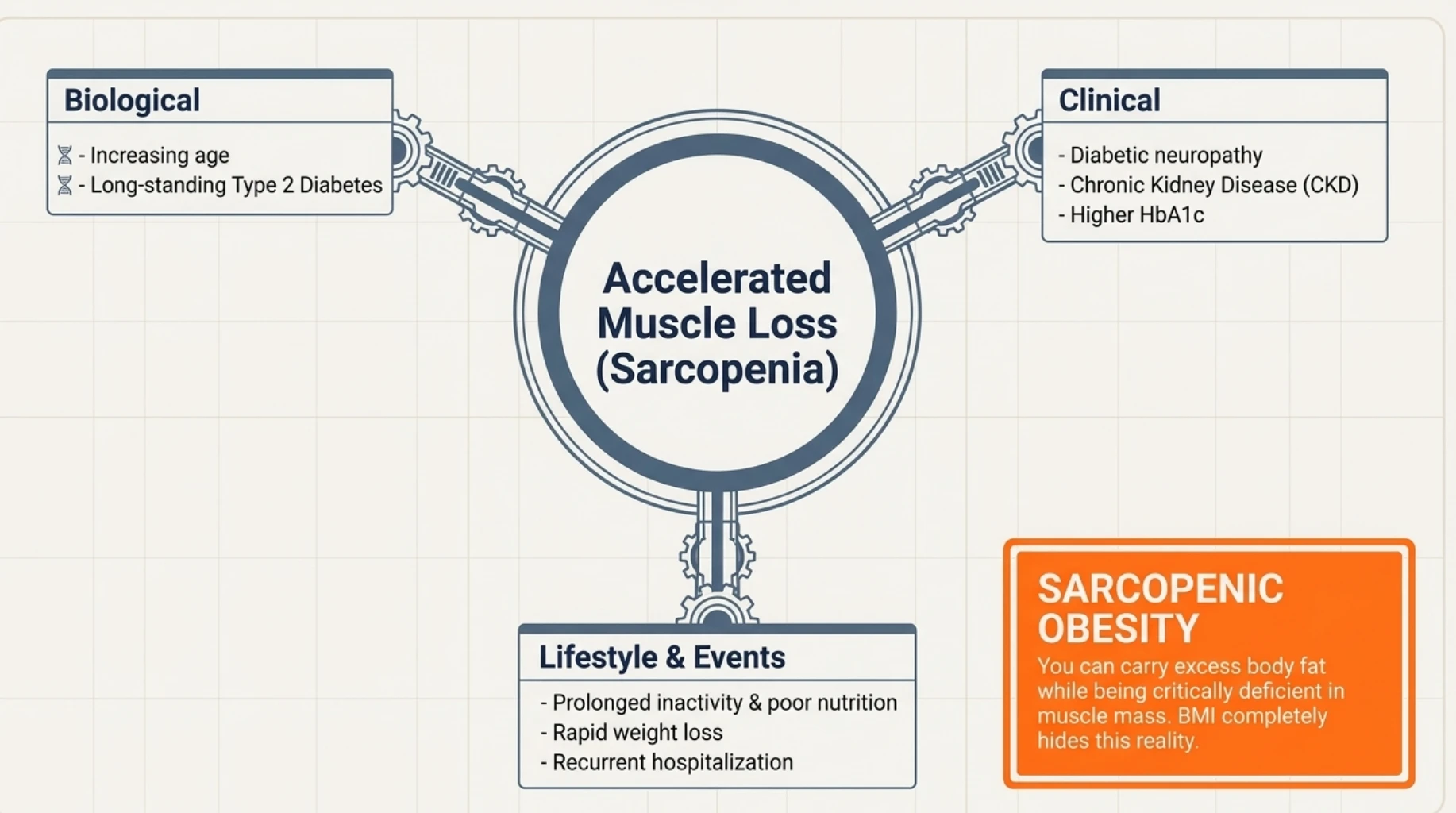
Long-standing hyperglycemia may affect muscle quality and function. Insulin resistance can alter normal muscle metabolism. Physical inactivity reduces the stimulus required to maintain muscle. Neuropathy can make walking and exercise more difficult. Illness, poor nutrition and unintentional weight loss can further accelerate the problem.
Age adds another layer.
The 2026 American Diabetes Association Standards note that older adults with diabetes have higher rates of accelerated muscle loss, impaired mobility and frailty compared with older adults without diabetes. They also highlight inadequate protein intake as one factor that can increase sarcopenia risk.
Recent evidence from Asia makes this particularly relevant.
A 2026 systematic review and meta-analysis of 43 studies involving adults aged 45 and older with type 2 diabetes estimated the pooled prevalence of sarcopenia at approximately 17%. Higher HbA1c and diabetes complications such as neuropathy and nephropathy were among factors associated with greater risk.
That number should not be applied to every person with diabetes. The studies involved middle-aged and older Asian populations and used varying clinical settings and definitions.
It does show that muscle health deserves more attention than it often receives.
Skeletal Muscle Plays a Major Role in Glucose Disposal
Muscle is one of the principal tissues that removes glucose from the bloodstream in response to insulin and physical activity.
When muscles contract during exercise, they increase glucose uptake to provide energy.
This creates an important connection between muscle and diabetes:
more functional muscle + regular muscle contraction → greater capacity to use glucose
The relationship also works in the opposite direction.
Loss of muscle and reduced physical activity can mean less tissue actively using glucose, while insulin resistance and poor metabolic health can make it harder to maintain healthy muscle over time.
Current reviews describe this as a bidirectional relationship between type 2 diabetes and sarcopenia rather than a simple one-way complication.
This is also why diabetes exercise recommendations include both aerobic activity and resistance exercise rather than walking alone.
Who Is More Likely to Develop Muscle Loss With Diabetes?
Muscle loss can affect people of different ages, but risk tends to increase when several factors overlap.
Important circumstances include:
- increasing age
- long-standing type 2 diabetes
- prolonged physical inactivity
- diabetic neuropathy
- chronic kidney disease
- poor nutritional intake
- recurrent illness or hospitalization
- substantial or rapid weight loss
- limited resistance exercise
- frailty
The 2026 Asian meta-analysis found associations between sarcopenia and increasing age, higher HbA1c, diabetic nephropathy and neuropathy.
Weight can also be misleading.
A person does not have to look thin to have poor muscle health.
Someone may carry substantial abdominal or total body fat while simultaneously having inadequate muscle mass or strength. This is sometimes referred to as sarcopenia obesity.
That combination is important because BMI alone may not reveal what is happening to body composition.
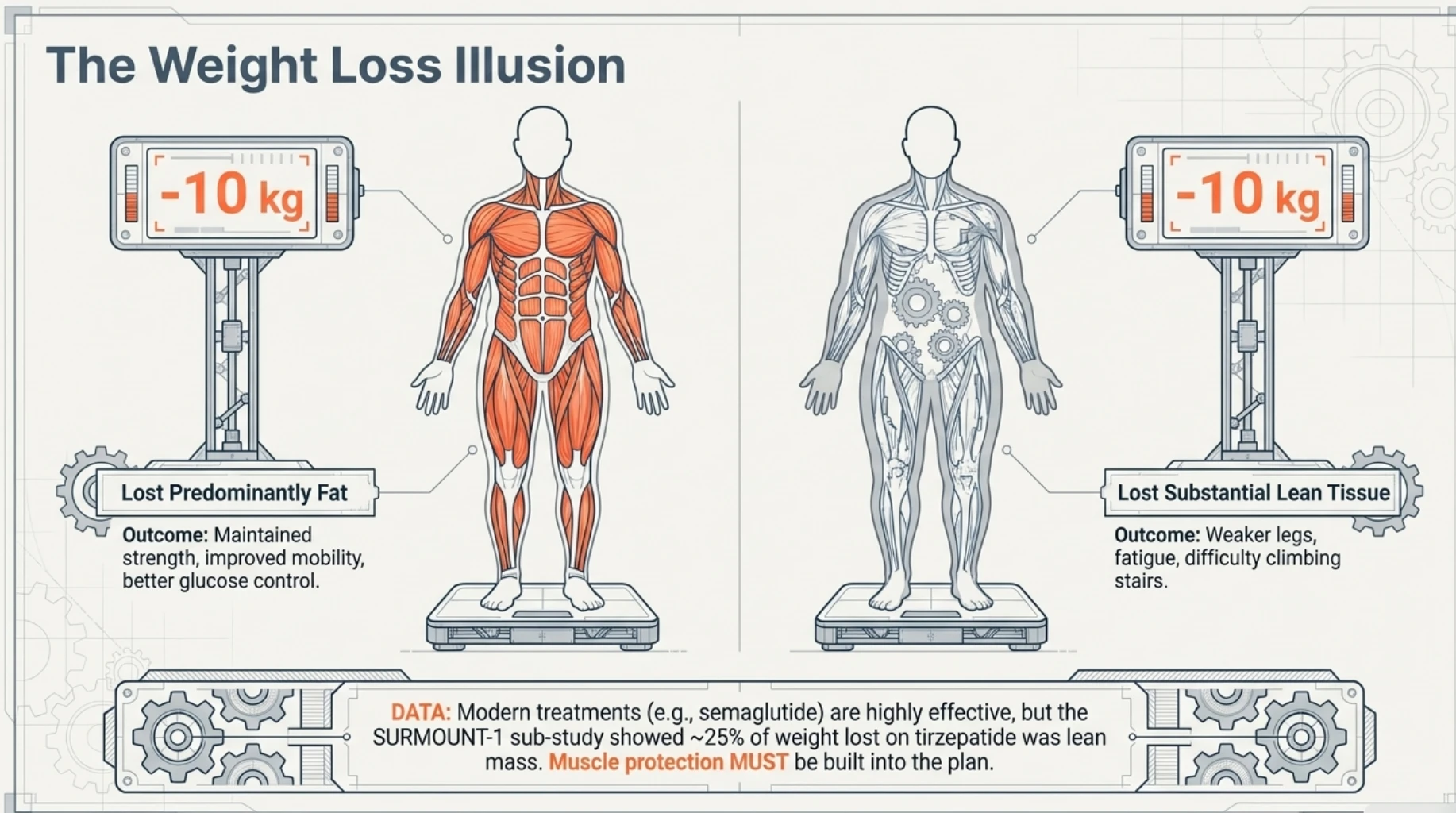
This is particularly relevant during weight loss. A person can celebrate losing 10 kg without knowing how much came from fat and how much came from lean tissue.
What Are the Signs That You May Be Losing Muscle?
Muscle loss is not always obvious from appearance.
Possible clues include:
- progressively reduced strength
- difficulty rising from a low chair
- needing more effort to climb stairs
- slower walking
- difficulty carrying shopping bags
- reduced exercise capacity
- increasing dependence on handrails
- unexplained loss of body weight
- arms or thighs becoming noticeably smaller
Some people first notice a functional change rather than a visual one.
For example:
“My weight has fallen, but I also feel much weaker.”
or
“I used to climb two flights of stairs easily; now my legs tire halfway.”
Those details matter.
The modern clinical concept of sarcopenia is not simply “low muscle on a scan.” Muscle strength and physical function are important parts of assessment.
In older adults with diabetes, the ADA specifically recommends attention to frailty, functional status and muscle health rather than relying only on body weight.
Not every weak or tired person has sarcopenia.
Anemia, thyroid disease, vitamin deficiency, heart or lung problems, neuropathy and other conditions can also reduce physical performance.
Persistent or progressive weakness therefore deserves medical assessment rather than simply increasing protein powder.
Why Protein Matters in Diabetes and Muscle Loss
Muscle tissue is constantly undergoing breakdown and rebuilding.
Dietary protein supplies amino acids required for muscle-protein synthesis.
If protein intake is chronically inadequate—especially during calorie restriction, illness or older age—the body has less nutritional support for maintaining lean tissue.
The 2026 ADA Standards specifically recommend adequate protein intake for older adults with diabetes to maintain lean body mass and note that individualized higher amounts may sometimes be used when attempting to regain muscle and function.
But this does not mean:
more protein is always better.
Current ADA nutrition guidance states that there is no evidence that simply pushing protein above or below the general recommended range automatically improves glucose or cardiovascular outcomes in diabetes. Protein intake should therefore be individualized.
Protein is primarily important here because of:
- muscle maintenance
- recovery from resistance exercise
- satiety
- nutritional adequacy during weight loss
—not because protein is a treatment that directly “reverses” diabetes.
How Much Protein Do People With Diabetes Need?
There is no single protein target for every person with diabetes.
Current ADA guidance describes a general protein range of approximately 0.8–1.5 g/kg body weight per day, or around 15–20% of total calories, while emphasising individualization rather than prescribing one high-protein target for everyone.
For older adults with diabetes, the 2026 Standards specifically recommend at least 0.8 g/kg/day to maintain lean body mass, with potentially higher individualized amounts when the aim is regaining muscle and function.
The appropriate amount depends on factors such as:
- age
- body size
- current muscle mass
- total calorie intake
- physical activity
- resistance training
- weight-loss goals
- kidney function
- illness or frailty
For someone with chronic kidney disease, the advice can be substantially different. That requires its own discussion later in this article.
What Are Good Protein Choices for an Indian Diet?
Protein does not have to come from protein powder.
Many familiar Indian foods can contribute useful protein.
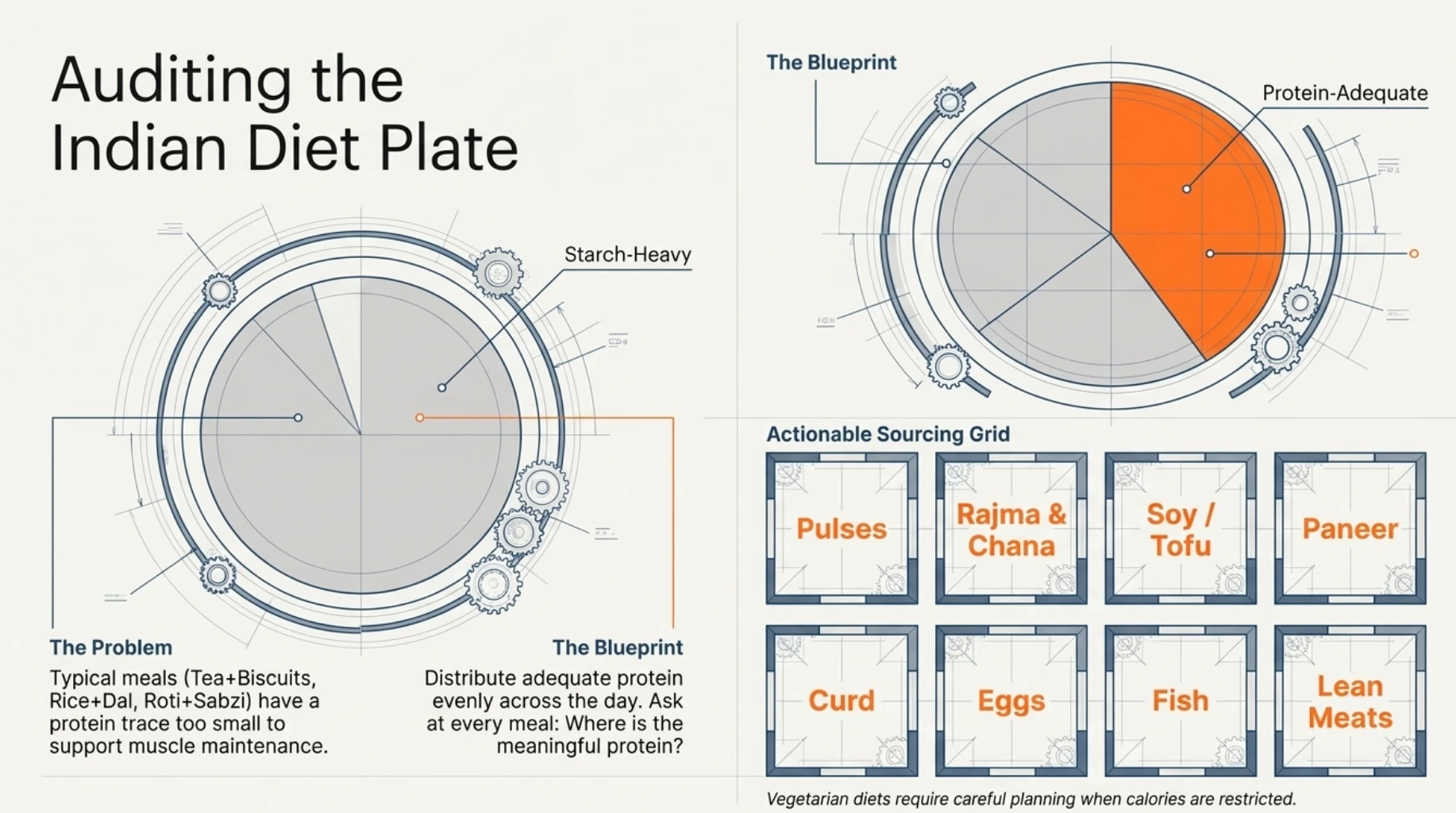
Examples include:
- dal and other pulses
- rajma
- Chana
- soy and tofu
- paneer
- curd or Greek-style yoghurt
- milk
- eggs
- fish
- chicken
- other lean meats
Vegetarian diets can provide sufficient protein, but planning becomes more important when total food intake is low or someone is intentionally reducing calories.
One practical problem is that many meals are dominated by starch while protein is relatively small.
For example:
tea + biscuits for breakfast
rice + a little dal for lunch
roti + sabzi for dinner
may provide less protein than someone assumes.
A better question is:
“Where is the meaningful protein source in each main meal?”
Protein can be distributed across the day rather than consuming nearly all of it at dinner.
There is no need to turn every meal into an extremely high-protein meal. The objective is consistent adequacy while keeping the overall dietary pattern appropriate for glucose, calories and cardiovascular health.
Why Strength Training for Diabetes Matters
Eating protein supplies the raw material.
Muscle still needs a reason to adapt.
That is where resistance exercise becomes important.
Strength training for diabetes can include:
- free weights
- weight machines
- resistance bands
- body-weight exercises
- appropriately supervised functional resistance exercises
When muscle repeatedly works against resistance, the body receives a stimulus to maintain or increase strength and lean tissue.
Current ADA guidance recommends 2–3 resistance-training sessions per week on nonconsecutive days for adults with both type 1 and type 2 diabetes.
Recent research supports benefits beyond muscle alone.
A meta-analysis of 18 randomized trials involving 1,180 adults with type 2 diabetes and overweight or obesity found that resistance training improved several metabolic measures, including fasting glucose and HbA1c, while also improving some measures of body composition and cardiometabolic health.
Another 2026 umbrella review of systematic reviews found consistently large improvements in muscle strength with resistance training in type 2 diabetes, alongside modest improvements in HbA1c and fasting glucose across the broader evidence base.
Resistance Exercise Trains Muscle in a Way Walking Cannot Fully Replace
Walking is excellent exercise.
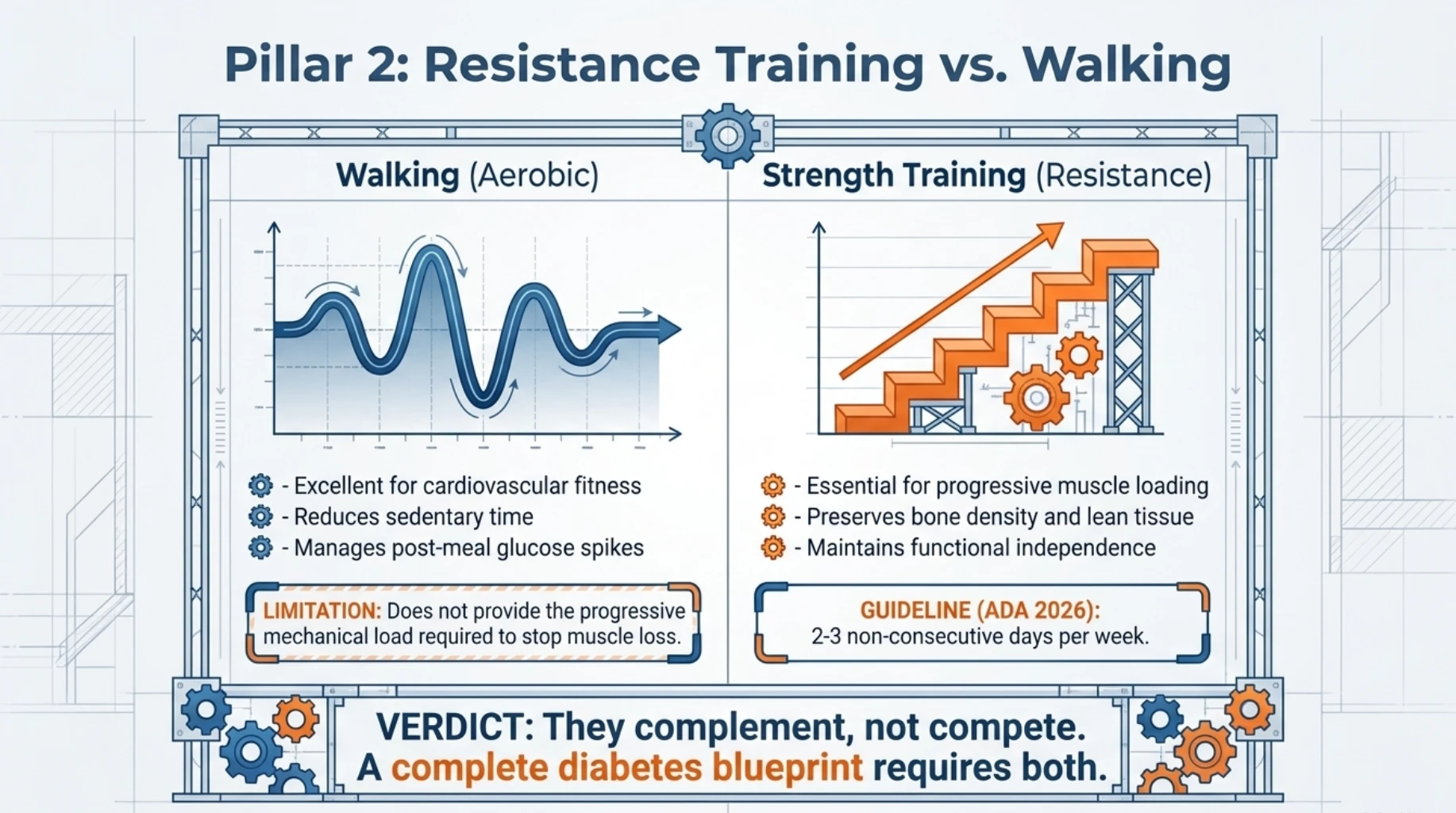
It can improve cardiovascular fitness, help control post-meal glucose and reduce sedentary time.
But walking does not provide the same progressive resistance stimulus as strength training.
If the specific goal is to protect muscle, the programme generally needs an activity that asks the muscle to produce force against resistance.
This is why a comprehensive diabetes activity plan usually includes both: aerobic exercise for cardiovascular fitness and glucose management and resistance exercise for muscle strength, lean tissue and physical function.
The two forms of exercise complement each other rather than compete.
How Often Should Adults With Diabetes Do Strength Training?
For most adults with diabetes who can exercise safely, current ADA recommendations support 2–3 sessions per week on nonconsecutive days.
That does not mean every beginner should immediately start lifting heavy weights.
A useful programme can begin with simple movements such as:
- chair squats
- wall or elevated push-ups
- resistance-band rows
- supported lunges
- hip-hinge movements
- light dumbbell presses
The key principle is progressive resistance.
Over time, the muscle must be challenged enough to adapt.
That might mean gradually increasing:
- resistance
- repetitions
- sets
- exercise difficulty
while maintaining appropriate technique.
Older adults, people who have been inactive for years or those with neuropathy, balance problems, significant retinopathy or cardiovascular symptoms may need an adapted programme.
The objective is not bodybuilding.
It is preserving the strength required for walking, climbing stairs, getting out of a chair, carrying everyday objects and maintaining independence.
Weight Loss Can Include Muscle Loss if Muscle Is Not Protected
For many people with type 2 diabetes and overweight or obesity, losing excess body fat can improve glucose control, blood pressure, mobility and other aspects of metabolic health.
But body-weight loss is not composed entirely of fat.
During calorie restriction, some fat-free or lean mass can also be lost. The amount varies according to age, starting body composition, the size of the calorie deficit, protein intake, physical activity and whether resistance exercise is being performed.
This is why the scale alone cannot tell you whether a weight-loss programme is protecting muscle.
Consider two people who each lose 10 kg.
One loses predominantly fat while maintaining strength.
The other loses substantial lean tissue and notices:
- weaker legs
- reduced lifting capacity
- difficulty climbing stairs
- increasing fatigue during ordinary activity
The number on the scale is identical, but the functional outcome is very different.
The 2026 ADA Standards specifically recommend adequate protein intake and resistance or weight-bearing exercise for older adults with diabetes who are pursuing weight loss, with the aim of preserving lean body mass and physical function.
For this reason, successful diabetes-related weight management should ideally assess more than kilograms lost.
Useful markers may include:
- waist circumference
- strength
- walking capacity
- ability to rise from a chair
- glucose and HbA1c
- overall physical function
Diabetes Medicines and Rapid Weight Loss: Why Body Composition Matters
Modern obesity medicines can produce substantial weight loss in appropriate patients with diabetes and obesity.
Current ADA guidance recommends medications such as semaglutide or tirzepatide for selected people with diabetes and overweight or obesity when clinically appropriate.
However, significant weight reduction—whether achieved through diet, medication or metabolic surgery—can include some loss of lean tissue.
For example, a DXA sub study of the SURMOUNT-1 tirzepatide trial found that approximately 75% of weight lost was fat mass and about 25% was lean mass. Importantly, DXA-measured lean mass is not identical to skeletal muscle; it includes other fat-free tissues and body water. The study therefore should not be interpreted as showing that one-quarter of weight loss was necessarily muscle.
The practical lesson is not to avoid effective obesity treatment because of fear of muscle loss.
Instead, muscle protection should be incorporated into the treatment plan.
The 2026 ADA obesity standards specifically recommend monitoring nutritional intake during obesity pharmacotherapy, ensuring adequate protein and including muscle-strengthening activity to minimize loss of lean tissue during weight reduction.
For an older adult, someone starting with low muscle mass, or a person losing weight rapidly, this becomes particularly important.
Why Protein and Strength Training Work Better Together
Protein and resistance exercise address different parts of muscle maintenance.
Protein supplies amino acids needed for muscle-protein synthesis.
Resistance training gives the muscle a reason to use those nutrients to repair, maintain and adapt.
That is why simply adding protein powder while remaining sedentary is not the same as combining adequate nutrition with progressive strength training.
Conversely, strength training while eating too little protein or too few overall calories can make recovery more difficult—particularly in an older or frail adult.
Evidence from older adults with sarcopenia supports this combined approach.
A 2024 systematic review and meta-analysis including 854 community-dwelling adults aged 60 years and older found that protein supplementation combined with resistance exercise improved muscle mass and strength. The number of trials was limited, however, so these results should not be treated as proof that every older adult requires protein supplements.
A larger 2025 network meta-analysis involving 96 studies and 7,596 participants with sarcopenia also found favorable results for exercise combined with protein-based nutritional interventions across measures of strength, physical function and muscle mass.
The important word is adequate protein.
Someone already meeting their nutritional needs may gain little from simply adding more.
For many patients, improving ordinary meals while following a progressive resistance programme may be more useful than automatically purchasing supplements.
What if You Have Diabetes and Kidney Disease?
This is one of the most important situations in which generic high-protein advice can be inappropriate.
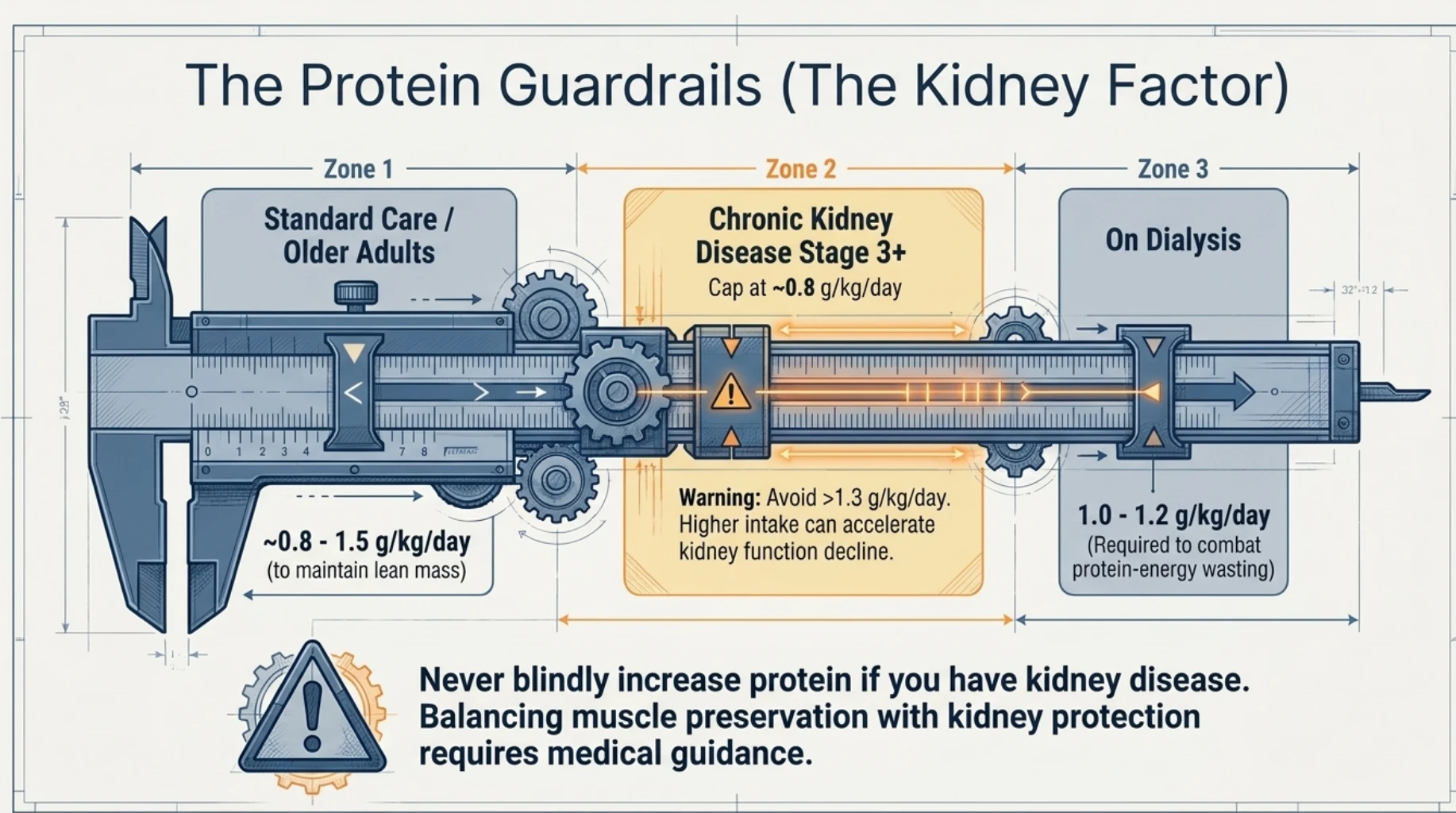
Diabetes is a major cause of chronic kidney disease, and the recommended protein intake changes when kidney function is significantly reduced.
The 2026 ADA Standards recommend approximately 0.8 g of protein per kilogram of body weight per day for people with diabetes and chronic kidney disease stage G3 or higher who are not receiving dialysis. Protein intake above approximately 1.3 g/kg/day should generally be avoided in this group because higher intake has been associated with greater albuminuria and faster kidney-function decline.
People receiving dialysis are different.
Because protein-energy wasting can become a problem, the ADA advises considering approximately 1.0–1.2 g/kg/day for people on dialysis.
This is why someone with diabetes should not see: “Protein protects muscle” and conclude: “I should start eating 150 grams every day.”
The appropriate target depends on:
- kidney function
- albuminuria
- body size
- age
- total calorie intake
- nutritional status
- whether dialysis is being used
- weight-management goals
If you have reduced eGFR, significant albumin in the urine or established diabetic kidney disease, discuss protein intake with your treating clinician or dietitian before deliberately increasing it.
The goal becomes balancing muscle preservation with kidney protection, rather than maximizing protein intake.
How to Start Strength Training Safely With Diabetes
Strength training does not need to begin with heavy barbells.
A previously inactive adult can start with movements that train the major muscle groups at a manageable resistance.
Examples include:
- sitting down and rising from a chair
- wall or elevated push-ups
- resistance-band rows
- light dumbbell presses
- supported squats
- step-ups where balance is adequate
Technique comes before heavy loading.
A sensible progression usually means starting at an achievable level and increasing resistance gradually as movements become easier.
Current ADA guidance encourages adults with diabetes to perform resistance exercise on 2–3 nonconsecutive days each week. It also notes benefits for strength, muscle size, bone health and glycemic management.
But some diabetes complications require modification.
For example:
Peripheral neuropathy:
Foot sensation and balance may be impaired. Appropriate footwear and foot inspection become important, and an open foot wound may require non-weight-bearing activity.
Advanced diabetic retinopathy:
Vigorous resistance exercise may be inappropriate in severe nonproliferative or proliferative retinopathy because of concerns such as vitreous hemorrhage or retinal detachment. Specialist advice may be needed before intense training.
Autonomic neuropathy:
Heart-rate responses, blood pressure and temperature regulation can be abnormal, so exercise may need additional cardiovascular assessment.
The aim is not to exclude people with complications from exercise.
It is to choose exercise that is appropriate for the individual.
Insulin and Sulfonylureas May Increase Exercise-Related Hypoglycemia Risk
Resistance exercise can lower glucose, and increased insulin sensitivity may continue after exercise.
People using insulin or insulin-secretagogin medicines such as sulfonylureas are therefore more likely to experience exercise-related hypoglycemia.
The 2026 ADA Standards recommend individualizing glucose monitoring, carbohydrate intake and medication adjustment because glucose responses to physical activity vary considerably.
If you use these medicines, it may be useful to learn:
- your glucose before training
- what happens during longer sessions
- whether glucose drops several hours later
- whether evening exercise affects overnight glucose
Carry an appropriate source of fast-acting carbohydrate if you are at meaningful risk of hypoglycemia.
Do not routinely eat extra carbohydrate before every strength session if it is not required, and do not independently reduce insulin without an individual plan.
When Muscle Loss Needs Medical Assessment
Not every decline in muscle or strength is explained by diabetes.
Medical review becomes particularly important when weakness or weight loss is:
- rapid
- unexplained
- progressive
- associated with loss of appetite
- occurring without intentional dieting
- accompanied by significant fatigue
- associated with repeated falls
- accompanied by numbness or neurological symptoms
- occurring despite adequate food intake
Several other medical problems can produce weakness or apparent muscle loss.
Possible considerations include:
- anemia
- hyperthyroidism
- severe hypothyroidism
- vitamin or nutritional deficiencies
- chronic kidney disease
- chronic liver disease
- inflammatory disease
- neurological disorders
- significant infection or another chronic illness
- medication effects
Older adults should receive particular attention when weight loss is unintentional.
The ADA notes that undernutrition and malnutrition in older people with diabetes are associated with sarcopenia, loss of physical function and poorer health outcomes. It also advises monitoring for excessive weight loss in older people receiving GLP-1–based therapies because dehydration and excessive weight reduction can worsen loss of muscle and bone mass.
The correct response to unexplained weakness is therefore not automatically:
“Eat more protein.”
The cause needs to be understood.
What Should You Discuss With Your Doctor?
If you have diabetes and are concerned about muscle loss, useful questions include:
- Is my weight loss intentional and appropriate?
- Am I losing strength as well as weight?
- Am I eating enough protein?
- Does my kidney function change my protein target?
- Should I begin resistance training?
- Are neuropathy or foot problems limiting exercise?
- Does my retinopathy affect which exercises are safe?
- Could a medicine be contributing to weakness or poor appetite?
- Am I at risk of hypoglycemia during training?
- Should unexplained weight loss be investigated further?
A clinical review may also include:
- weight trend
- waist circumference
- HbA1c and glucose patterns
- kidney function
- urine albumin where appropriate
- nutritional intake
- medication review
- neurological or foot assessment
- functional strength
Formal sarcopenia assessment may use measures such as grip strength, chair-rise performance, walking speed or body-composition assessment where clinically useful.
The 2026 ADA obesity standards specifically mention office-based assessments such as chair-to-stand testing, hand-grip strength, knee-extension strength and walking tests when muscle function is a concern during significant weight reduction.
Diabetes and Muscle-Health Review at Diet Plus Minus in Dwarka
Muscle health can be considered as part of broader diabetes and weight-management care rather than focusing exclusively on the HbA1c or weighing scale.
Dr. Pankaj Kumar can review:
- diabetes and glucose control
- HbA1c trends
- intentional or unexplained weight loss
- dietary protein intake
- kidney function
- diabetes medicines
- obesity medicines where relevant
- exercise and resistance-training habits
- hypoglycemia risk
- symptoms of neuropathy
- muscle weakness or declining physical function
- whether further investigation or specialist referral is appropriate
The aim is not to prescribe the highest possible protein intake or the most strenuous exercise programme.
It is to balance glucose management, fat loss where appropriate, nutritional adequacy and preservation of physical function.
Dr. Pankaj Kumar
MBBS, DNB Family Medicine, Sir Ganga Ram Hospital
General & Lifestyle Physician
Special interest in Diabetes
Diet Plus Minus
13A, Pocket-2, Sector-6, Doctors Lane
Dwarka, New Delhi – 110075
India
Book an Appointment with Dr. Pankaj Kumar
Frequently Asked Questions
Can Diabetes Cause Muscle Loss?
Diabetes can be associated with reduced muscle mass, strength and muscle quality, particularly with increasing age, long-standing disease, physical inactivity or diabetes complications.
That does not mean every person with diabetes will develop sarcopenia.
A 2026 meta-analysis found sarcopenia to be clinically relevant among middle-aged and older Asian adults with type 2 diabetes, with greater risk associated with factors such as increasing age, higher HbA1c, neuropathy and nephropathy.
What Is Sarcopenia?
Sarcopenia refers to clinically important loss of skeletal-muscle strength and muscle health, generally occurring with aging or chronic disease.
Modern assessment places substantial importance on muscle strength and physical performance, not simply how muscular someone looks.
How Do I Know if I Am Losing Muscle?
Possible clues include declining strength, slower walking, difficulty getting out of a chair, increasing difficulty climbing stairs, reduced exercise capacity and visible loss of muscle from the arms or thighs.
A medical assessment may use functional tests and, when appropriate, body-composition measurements.
Can You Have Muscle Loss Even if You Are Overweight?
Yes.
A person can have high body fat while simultaneously having low muscle mass or strength.
This combination is sometimes described as sarcopenia obesity.
Body weight or BMI alone cannot fully describe body composition.
Does Muscle Help Control Blood Sugar?
Yes.
Skeletal muscle is an important site for glucose uptake, particularly in response to insulin and exercise.
Resistance exercise can improve muscle strength and also support glycemic management. The ADA therefore recommends regular resistance training as part of physical activity for adults with diabetes.
How Much Protein Should Someone With Diabetes Eat?
There is no single protein prescription for everyone.
Needs vary according to age, body size, physical activity, weight-loss goals, nutritional status and kidney function.
For older adults with diabetes, the ADA recommends at least approximately 0.8 g/kg/day, with higher individualized amounts sometimes considered when the goal is restoring lean body mass and function.
Is More Protein Always Better for Diabetes?
No.
Protein should be adequate rather than unlimited.
There is no evidence that simply consuming very high amounts of protein automatically improves glucose control, and excessive protein may be inappropriate in some people with chronic kidney disease.
Can People With Diabetes Use Protein Powder?
Some people can, but protein powder is not necessary if food already provides adequate protein.
Before using a supplement, consider:
- total protein intake
- calorie content
- added sugar
- kidney function
- whether the supplement is actually needed
People with significant kidney disease should obtain individual advice before deliberately increasing protein intake.
Is Whey Protein Better Than Food Protein?
Whey provides high-quality protein and has been studied in older adults with sarcopenia.
Some meta-analyses suggest small improvements in muscle mass or strength when whey is added to resistance training, but evidence quality varies and ordinary protein-rich foods can also contribute adequately.
A supplement should solve a nutritional need rather than automatically replace food.
What Vegetarian Foods Provide Protein for Diabetes?
Options include:
- dals and pulses
- Chana and rajma
- soy foods and tofu
- paneer
- curd
- milk
- other appropriately planned legumes and dairy foods
Portions and carbohydrate content still matter for glucose management, particularly with foods such as dals and legumes that provide both protein and carbohydrate.
Is Walking Enough to Prevent Muscle Loss?
Walking is valuable for cardiovascular fitness, daily activity and glucose management.
However, it does not provide the same progressive muscle-loading stimulus as resistance exercise.
For muscle preservation, ADA guidance specifically recommends resistance training 2–3 times per week in adults with diabetes.
How Many Days a Week Should Someone With Diabetes Strength Train?
Current ADA guidance recommends 2–3 resistance-training sessions per week on nonconsecutive days for adults with type 1 or type 2 diabetes.
The programme should be adjusted to fitness, complications and previous exercise experience.
Does Strength Training Lower HbA1c?
Resistance training can contribute to improved glycemic control in type 2 diabetes.
The effect varies between studies and individuals, and strength training should not be viewed as a replacement for indicated diabetes medication.
Its benefits extend beyond HbA1c to strength, physical function, bone health and body composition.
Can Losing Weight Make You Lose Muscle?
Yes.
Weight loss normally includes some combination of fat and fat-free tissue.
Adequate nutrition and resistance training can help shift the outcome toward greater fat loss while preserving lean tissue.
This is particularly important during substantial or rapid weight reduction.
Do Semaglutide or Tirzepatide Cause Muscle Loss?
Significant weight loss with obesity medicines can include loss of some lean tissue, just as weight loss through other methods can.
This does not mean these medicines inherently “destroy muscle.”
For example, a tirzepatide body-composition sub study found that most weight lost was fat mass, although lean mass also declined.
Current ADA guidance therefore recommends adequate protein and muscle-strengthening exercise during obesity pharmacotherapy.
Should I Stop a GLP-1 Medicine if I Am Losing Muscle?
Do not stop semaglutide, tirzepatide or another prescribed treatment solely on this basis without discussing it with your clinician.
The more useful approach is to review:
- rate of weight loss
- dietary intake
- protein intake
- strength
- resistance exercise
- hydration
- medication dose and tolerability
Unexplained weakness, undernutrition or excessive weight loss deserves medical assessment.
How Much Protein Should I Eat if I Have Diabetic Kidney Disease?
For diabetes with CKD stage G3 or higher and no dialysis, the 2026 ADA Standards recommend approximately 0.8 g/kg/day.
For people receiving dialysis, approximately 1.0–1.2 g/kg/day may be considered because protein-energy wasting becomes a concern.
Individual nephrology or dietetic advice may be needed.
Can Strength Training Cause Low Blood Sugar?
It can, especially in people using insulin or insulin-secretagogin medicines.
Exercise can increase insulin sensitivity for hours after the session. Glucose monitoring and medication or carbohydrate strategies should therefore be individualized for people at risk of hypoglycemia.
Is Strength Training Safe With Diabetic Neuropathy?
Often it can be, but the exercise plan may need modification.
People with peripheral neuropathy should pay particular attention to footwear, foot inspection, balance and skin injury. An active foot wound may require non-weight-bearing exercise.
At What Age Should People With Diabetes Start Protecting Muscle?
There is no age at which muscle suddenly begins to matter.
Building and maintaining strength is useful throughout adulthood.
It becomes particularly important with increasing age, during intentional weight loss, after prolonged inactivity and when diabetes complications begin affecting mobility.
Author Box
Dr. Pankaj Kumar
MBBS, DNB Family Medicine, Sir Ganga Ram Hospital
General & Lifestyle Physician
Special interest in Diabetes
Dr. Pankaj Kumar provides general medical and lifestyle-based care at Diet Plus Minus in Dwarka, New Delhi, with a special interest in diabetes. His clinical approach includes assessment of glucose control, weight and body-composition concerns, nutritional intake, physical activity, diabetes medicines and related metabolic-health factors, with specialist referral when appropriate.
Medical Disclaimer
This article provides general educational information and does not replace an individual medical consultation, nutrition prescription or personalized exercise programme.
Do not substantially increase protein intake if you have chronic kidney disease without first discussing an appropriate target with your treating clinician.
Do not stop or reduce diabetes medicines because you have started exercising.
People using insulin or medicines that can cause hypoglycemia, as well as those with advanced retinopathy, neuropathy, foot ulcers, significant cardiovascular symptoms or unexplained muscle weakness, may need individual exercise guidance before starting a demanding strength programme.
References
- American Diabetes Association Professional Practice Committee. Older Adults: Standards of Care in Diabetes—2026. Recommends adequate protein intake and aerobic, weight-bearing and resistance activity for older adults with diabetes, particularly to preserve lean mass during weight loss.
- American Diabetes Association Professional Practice Committee. Facilitating Positive Health Behaviors and Well-being to Improve Health Outcomes: Standards of Care in Diabetes—2026. Recommends resistance exercise 2–3 times weekly on nonconsecutive days and discusses exercise-related hypoglycemia and precautions for diabetes complications.
- American Diabetes Association Professional Practice Committee. Chronic Kidney Disease and Risk Management: Standards of Care in Diabetes—2026. Recommends approximately 0.8 g/kg/day of protein for CKD stage G3 or higher without dialysis and 1.0–1.2 g/kg/day for people receiving dialysis.
- American Diabetes Association Professional Practice Committee for Obesity. Pharmacologic Treatment of Obesity in Adults: Standards of Care in Overweight and Obesity—2026. Recommends adequate protein intake and muscle-strengthening exercise during obesity pharmacotherapy to help minimize lean-tissue loss during weight reduction.
- Wu YC, et al. Prevalence and Risk Factors of Sarcopenia in Asian Adults With Type 2 Diabetes: A Systematic Review and Meta-analysis. Journal of Diabetes Investigation. 2026;17(1):83–95.
- Whaikid P, Piaseu N. The Effectiveness of Protein Supplementation Combined With Resistance Exercise Programs Among Community-Dwelling Older Adults With Sarcopenia: A Systematic Review and Meta-analysis. Epidemiology and Health. 2024;46:e2024030.
- Comparative Effectiveness of Exercise and Protein-Based Interventions on Muscle Strength, Mass, and Function in Sarcopenia: A Systematic Review and Network Meta-analysis. 2025. Included 96 studies involving 7,596 participants.
- Look M, et al. Body Composition Changes During Weight Reduction With Tirzepatide in the SURMOUNT-1 Study of Adults With Obesity or Overweight. Diabetes, Obesity and Metabolism. 2025.

Written by Dr. Pankaj Kumar
General & Lifestyle Physician in Dwarka Sector 6, New Delhi · MBBS, DNB (Family Medicine), DNHE · 16 years of experience.
About the doctor →Book a consultation → Beyond Blood Sugar
 The 90-Day Prediabetes Turnaround
 The Indian Diabetes Diet Reset
 Eat to Beat Gout
 Why Is My Hair Falling?
 The 30-Day Inflammation Reset