

Many people monitoring their glucose levels notice something confusing. Their blood sugar rises even when they have not eaten anything unusual. In many cases, the explanation is simple: stress raises blood sugar.
The human body is designed to respond rapidly to stress. When a stressful situation occurs, the brain activates a complex hormonal response that prepares the body to deal with a potential threat. This process is often called the “fight or flight” response.
During this response, the body releases several hormones, including cortisol and adrenaline. These hormones help provide quick energy by increasing the amount of glucose circulating in the bloodstream.
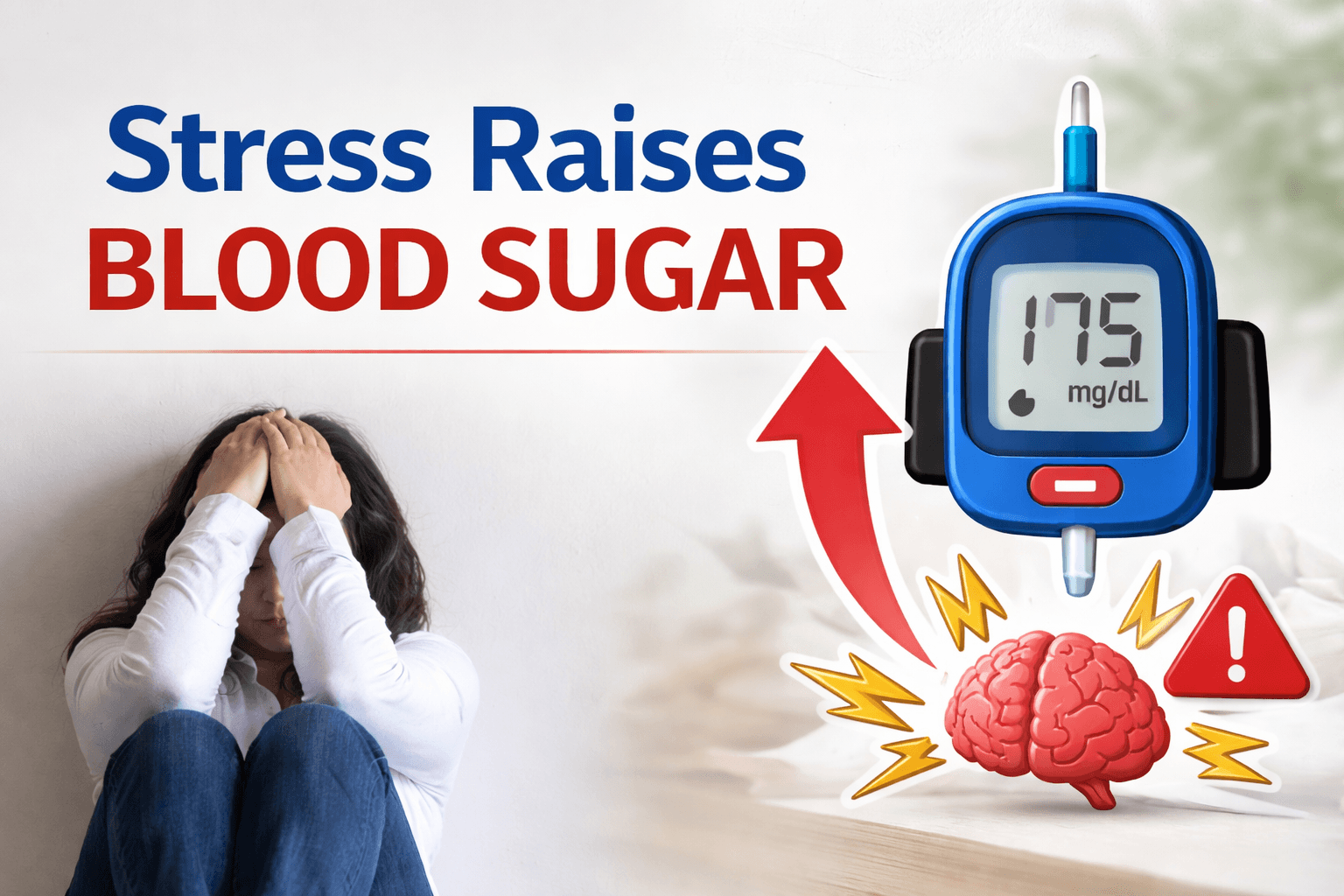
However, modern stress rarely involves physical activity. Instead, it often comes from work pressure, financial concerns, or emotional challenges. When stress occurs frequently, the repeated release of stress hormones can lead to persistent glucose elevation.
Understanding why stress raises blood sugar helps patients interpret unexpected glucose spikes and manage their metabolic health more effectively.
The Role of Cortisol in Blood Sugar Regulation
Cortisol is one of the most important hormones involved in the stress response. It is produced by the adrenal glands and plays a major role in regulating metabolism.
When the body experiences stress, cortisol levels increase. This hormone signals the liver to release stored glucose into the bloodstream.
The purpose of this mechanism is to provide rapid energy. Unfortunately, repeated cortisol elevation can contribute to unstable glucose control.
Scientific research has shown that cortisol directly influences glucose metabolism and can contribute to elevated blood sugar levels.
For individuals with insulin resistance or diabetes, the effect of cortisol on glucose levels may be even more pronounced.
How Stress Causes Glucose Spikes
To understand why stress raises blood sugar, it is helpful to examine the physiological chain of events that occurs during stress.
When the brain perceives stress, it activates the hypothalamic–pituitary–adrenal (HPA) axis. This system triggers the release of several hormones that influence metabolism.
The main metabolic effects include:
- Release of cortisol and adrenaline
- Increased glucose production by the liver
- Reduced insulin sensitivity
- Temporary elevation of blood sugar levels
This mechanism explains why individuals may notice glucose spikes during stressful events such as examinations, work deadlines, illness, or emotional stress.
Research examining stress induced hyperglycemia confirms that these physiological responses can raise blood sugar even in people without diabetes.
Acute Stress vs Chronic Stress
Not all stress affects the body in the same way. Acute stress and chronic stress have different metabolic effects.
Acute stress occurs during short-term situations such as public speaking, examinations, or unexpected challenges. In these situations, glucose levels may rise temporarily but usually return to normal once the stressful event passes.
Chronic stress, however, can have more serious metabolic consequences. When stress persists for weeks or months, cortisol levels may remain elevated for longer periods.
Persistent cortisol elevation can worsen insulin resistance and contribute to long-term metabolic imbalance.
This is one reason why individuals experiencing prolonged work stress or emotional strain may notice increasing difficulty controlling their glucose levels.
How Chronic Stress Leads to Insulin Resistance
One of the most important reasons stress raises blood sugar is its long term effect on insulin sensitivity. When stress hormones remain elevated for prolonged periods, they gradually change how the body responds to insulin.
Insulin resistance occurs when cells in muscles, liver, and fat tissue stop responding efficiently to insulin. As a result, glucose remains in the bloodstream instead of entering cells for energy.
Chronic exposure to cortisol contributes to this problem by increasing glucose production in the liver and reducing the effectiveness of insulin.
Over time, the pancreas attempts to compensate by producing larger amounts of insulin. This stage may continue for several years before blood sugar levels rise significantly.
Scientific research has shown that chronic stress hormones can directly contribute to insulin resistance and metabolic dysfunction.
This explains why individuals experiencing long term stress may gradually develop prediabetes or diabetes even if their diet has not changed significantly.
Emotional Stress and Blood Sugar Fluctuations
Stress is not always physical. Emotional stress can also have powerful metabolic effects.
Situations such as workplace pressure, financial concerns, family conflicts, or chronic anxiety can activate the same hormonal stress pathways in the body.
Because stress raises blood sugar through hormonal signals rather than food intake, many people become confused when their glucose readings increase despite careful eating.
For example, individuals with diabetes often notice higher glucose levels during emotionally challenging days even when their meals remain unchanged.
Understanding this connection helps patients avoid blaming their diet unnecessarily and instead focus on broader lifestyle factors that influence glucose regulation.
Sleep Deprivation, Stress, and Glucose Control
Sleep plays a crucial role in metabolic regulation. Unfortunately, stress often disrupts sleep patterns, creating a cycle that worsens glucose control.
Poor sleep increases cortisol levels and reduces insulin sensitivity. This combination makes it easier for blood sugar levels to rise.
Individuals who regularly sleep less than six hours per night may experience higher fasting glucose levels and greater variability throughout the day.
Because stress raises blood sugar and sleep deprivation worsens the stress response, the two factors often reinforce each other.
Improving sleep quality is therefore an important step in managing glucose stability.
Common Stress Triggers That Can Raise Blood Sugar
| Stress Trigger | How It Affects Blood Sugar | Example |
|---|---|---|
| Work Pressure | Increases cortisol and adrenaline | Deadlines or long working hours |
| Emotional Stress | Activates hormonal stress response | Family conflict or anxiety |
| Sleep Deprivation | Raises cortisol and reduces insulin sensitivity | Sleeping less than 6 hours |
| Illness or Infection | Triggers inflammatory stress hormones | Fever or illness |
| Chronic Mental Stress | Sustained cortisol elevation | Long term psychological stress |
Why Stress Related Glucose Spikes Are Often Misinterpreted
Because the effect of stress on metabolism is not widely understood, many individuals misinterpret stress related glucose spikes.
People often assume that diet is the only factor controlling blood sugar levels. When glucose readings increase, they may believe they made a dietary mistake.
In reality, stress raises blood sugar through hormonal pathways that are independent of food intake.
This misunderstanding sometimes causes unnecessary frustration for individuals trying to manage their glucose levels.
Recognizing the influence of stress helps people adopt a more balanced approach to metabolic health management.
How to Reduce Stress Related Blood Sugar Spikes
Once people understand that stress raises blood sugar, the next step is learning how to reduce the impact of stress on metabolism. Managing stress effectively can significantly improve glucose stability.
Although stress cannot be eliminated completely, certain lifestyle habits can reduce the hormonal response that causes glucose spikes.
- Practice daily relaxation techniques such as meditation or deep breathing.
- Maintain regular physical activity, which improves insulin sensitivity.
- Prioritize consistent sleep schedules and adequate rest.
- Limit excessive caffeine intake during stressful periods.
- Engage in regular outdoor activities or hobbies that promote relaxation.
- Monitor blood sugar patterns to understand personal triggers.
These strategies help regulate the body’s stress response and reduce excessive cortisol release.
What Doctors Recommend for Stress and Metabolic Health
In clinical practice, addressing stress is an important part of managing glucose control. When patients experience unexplained glucose spikes, doctors often evaluate stress levels as a contributing factor.
Because stress raises blood sugar through hormonal mechanisms, management strategies usually combine lifestyle interventions with metabolic monitoring.
Common recommendations include:
- Regular monitoring of fasting glucose and HbA1c levels
- Balanced nutrition focusing on whole foods
- Daily physical activity to improve glucose utilization
- Stress management practices such as mindfulness or yoga
- Maintaining healthy body weight
Individuals seeking structured guidance for improving metabolic health may explore supervised lifestyle programs such as the Lifestyle Modification Program.
When Stress Related Glucose Changes Need Medical Evaluation
Although temporary glucose elevations during stress are common, persistent increases should be evaluated by a healthcare professional.
- Fasting glucose repeatedly above 110 mg/dL
- Post meal glucose consistently above 180 mg/dL
- Frequent unexplained glucose spikes
- Family history of diabetes
- Symptoms such as fatigue, excessive thirst, or frequent urination
Early medical evaluation helps identify underlying insulin resistance or prediabetes.
If you want a personalized metabolic health assessment, you can schedule a consultation here: Consultation for metabolic health evaluation
Key Takeaways
- Stress raises blood sugar through hormonal mechanisms involving cortisol and adrenaline.
- Stress related glucose spikes can occur even without changes in diet.
- Chronic stress may contribute to insulin resistance and metabolic dysfunction.
- Sleep, emotional stress, and lifestyle habits strongly influence glucose stability.
- Managing stress effectively can improve long term metabolic health.
About the Author
This article is written by Dr. Pankaj Kumar, a physician specializing in metabolic health, diabetes prevention, and lifestyle medicine. His clinical approach focuses on identifying early metabolic risk factors and guiding patients toward sustainable lifestyle changes.
References
Need Help Managing Blood Sugar?
If you notice frequent glucose spikes or difficulty controlling blood sugar levels, professional guidance can help identify the underlying causes and improve metabolic health.
Disclaimer: This article is for educational purposes only and should not replace professional medical advice. Consult a qualified healthcare professional for personalized medical evaluation.

Written by Dr. Pankaj Kumar
General & Lifestyle Physician in Dwarka Sector 6, New Delhi · MBBS, DNB (Family Medicine), DNHE · 16 years of experience.
About the doctor →Book a consultation → Beyond Blood Sugar
 The 90-Day Prediabetes Turnaround
 The Indian Diabetes Diet Reset
 Eat to Beat Gout
 Why Is My Hair Falling?
 The 30-Day Inflammation Reset