
★ 4.8 on Google · 96% on Practo Mon–Sat 10 AM–2 PM, 5–9 PM · Sun 10 AM–2 PM Doctors Lane, Pocket 2, Sector 6, Dwarka
+91 95822 92277 WhatsApp
Dr. Pankaj Kumar Dr. Pankaj Kumar General & Lifestyle Physician | Diabetes & Weight Loss Doctor Book appointment
Diabetes & Prediabetes

Prediabetes Symptoms: Why You May Feel Healthy

Many people expect rising blood sugar to cause excessive thirst, frequent urination or unexplained weight loss. However, prediabetes symptoms are usually absent or too mild to recognize. You may feel energetic, maintain a normal…

Dr. Pankaj Kumar
General & Lifestyle Physician | Diabetes & Weight Loss Doctor
24 Jul 2026 18 min read
Prediabetes Symptoms: Why You May Feel Healthy

Many people expect rising blood sugar to cause excessive thirst, frequent urination or unexplained weight loss. However, prediabetes symptoms are usually absent or too mild to recognize. You may feel energetic, maintain a normal weight and appear completely healthy while your blood sugar gradually rises.

Prediabetes often develops silently because the body can initially compensate for insulin resistance by producing more insulin. During this phase, glucose may be higher than normal without causing an obvious change in day-to-day health. Both the US National Institute of Diabetes and Digestive and Kidney Diseases and the Centers for Disease Control and Prevention state that people with prediabetes commonly have no clear symptoms.

prediabetes symptoms

This article explains why prediabetes symptoms can be difficult to detect, which possible warning signs deserve attention, who should get tested and why a laboratory blood test is more reliable than judging health by appearance.

Quick Answer: Can Prediabetes Be Present Without Symptoms?

Yes. A person can have prediabetes for several years without noticeable symptoms. Feeling well, having a normal body weight or not experiencing thirst does not prove that blood sugar is normal. Prediabetes is identified through blood tests rather than symptoms alone.

What Prediabetes Means

Prediabetes means that blood glucose is higher than the healthy range but has not yet reached the diagnostic threshold for diabetes. It is not simply a label for someone who eats too much sugar. It usually reflects difficulty regulating glucose because the body has become less responsive to insulin, the pancreas is no longer compensating adequately, or both processes are occurring together.

Insulin is a hormone produced by the pancreas. It helps glucose move from the bloodstream into muscles, the liver and other tissues, where it can be used or stored for energy.

When these tissues become less responsive to insulin, the pancreas may release more insulin to maintain glucose control. This compensation can continue for months or years. During that period, the person may feel completely normal even though the body is working harder to keep glucose within an acceptable range.
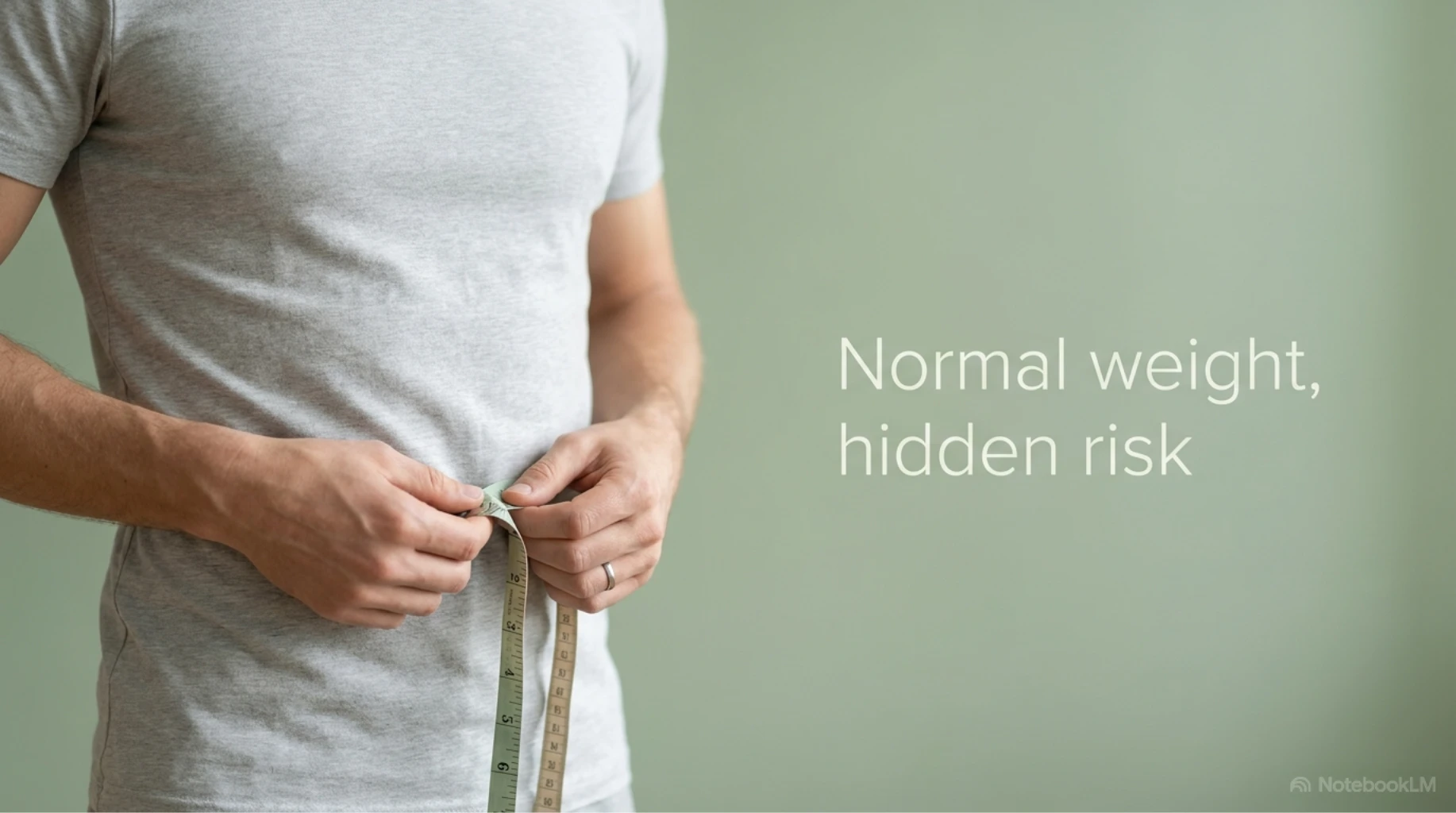
Person with a normal body weight measuring waist circumference, illustrating that a healthy-looking body size may still conceal insulin resistance and prediabetes risk.

As insulin resistance progresses, fasting glucose, post-meal glucose or HbA1c can begin to rise. The transition is usually gradual. There is no sudden sensation when an HbA1c result moves from the normal range into the prediabetes range.

Prediabetes can also occur alongside high blood pressure, abnormal triglycerides, a larger waist circumference, fatty liver or other features of metabolic syndrome. These associated problems are not present in every patient, but they are reasons to review overall metabolic health rather than focusing only on one glucose number.

Why Prediabetes Symptoms Are Often Missed

The absence of symptoms is the usual presentation of prediabetes rather than an exception. Blood sugar may rise gradually, and the body can adapt to relatively small changes without producing pain, fever or an obvious loss of function.

People may also experience vague complaints such as tiredness, reduced concentration or sleepiness after meals. These symptoms are common in many other conditions and cannot be used to diagnose prediabetes.

Fatigue, for example, may result from poor sleep, anemia, hypothyroidism, dehydration, chronic stress, insufficient physical activity or a heavy meal. Because these complaints have many possible causes, relying on symptoms alone can lead to both unnecessary worry and delayed diagnosis.
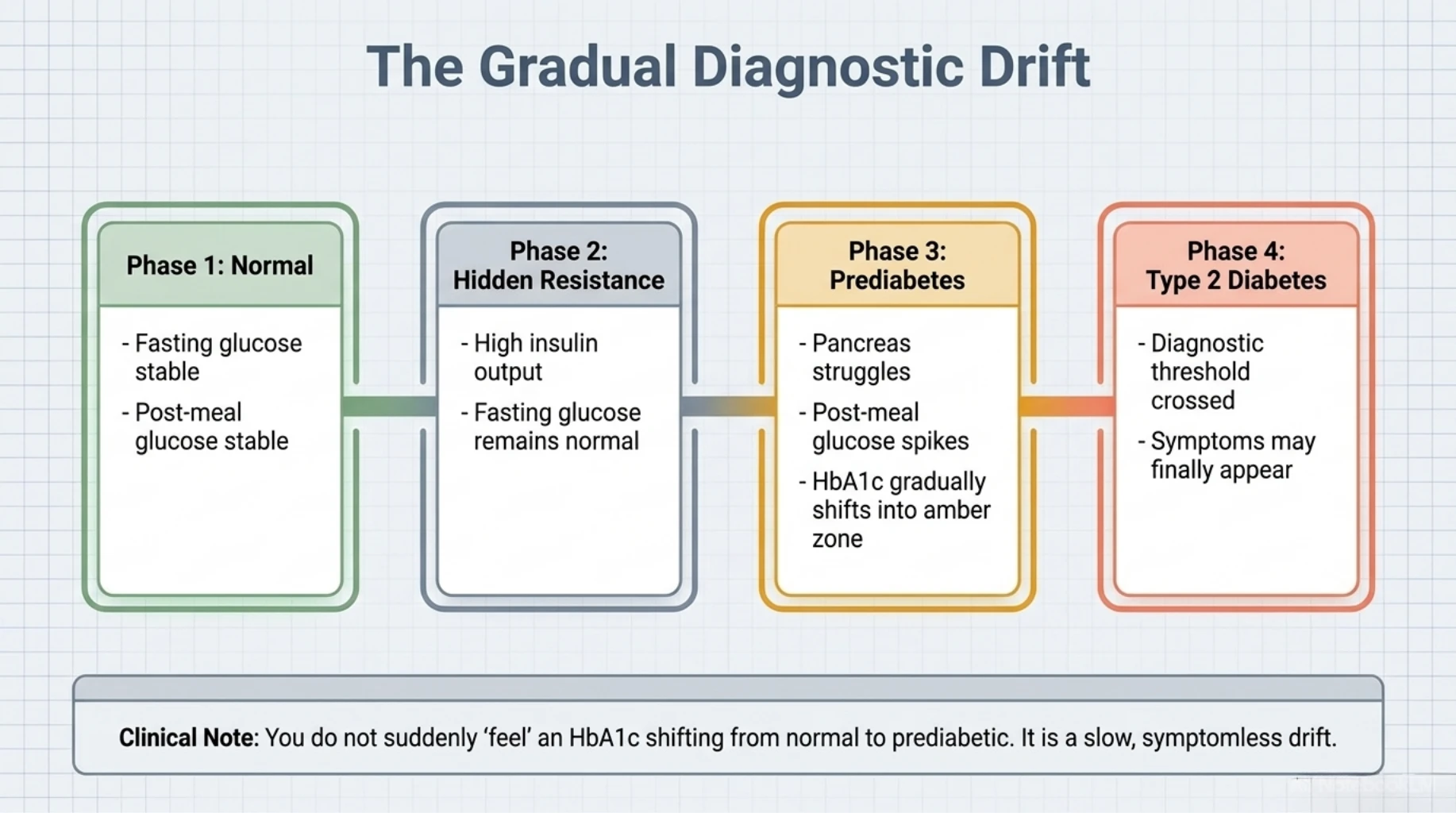
Illustration showing the progression from normal glucose metabolism to hidden insulin resistance, prediabetes, and type 2 diabetes through four clinical phases.

How Insulin Resistance Can Stay Hidden

During early insulin resistance, the pancreas may produce additional insulin to compensate for reduced sensitivity in muscle, fat and liver cells. This extra insulin can keep glucose from rising sharply, even though the underlying metabolic problem is already developing.

A person may continue working, exercising and eating normally without noticing a meaningful change. The first indication may appear during an annual health checkup, pre-employment test, insurance examination or investigation for another condition.

Different glucose tests may also identify different aspects of the problem. Some people have a near-normal fasting result but a raised HbA1c. Others may have acceptable fasting glucose while glucose rises excessively after a meal or during an oral glucose tolerance test.

This is why one isolated home glucometer reading should not be used to confirm or exclude prediabetes. Diagnosis requires appropriate laboratory testing and interpretation in the context of medical history, recent illness, medication use and individual risk factors.

Prediabetes Symptoms in People Who Look Healthy

A healthy appearance can create false reassurance. Someone may be slim, active at work and free from obvious illness while still having insulin resistance or abnormal glucose regulation.

Prediabetes symptoms do not become more reliable simply because a person has a normal body mass index. Body weight does not show how much visceral fat is stored around the abdominal organs, how much muscle a person has, or how strongly family history influences diabetes risk.

A person may also exercise for 30 minutes in the morning but remain seated for most of the day. Similarly, a vegetarian diet may still contain large portions of refined flour, polished rice, sweets, sugary drinks and fried snacks. These patterns cannot diagnose prediabetes, but they may contribute to risk when combined with family history, abdominal weight gain or low overall activity.

The practical message is simple: looking healthy does not replace screening when meaningful risk factors are present.

Possible Symptoms of Prediabetes

Prediabetes usually causes no clear symptoms. Some people nevertheless report complaints such as:

  • persistent tiredness
  • sleepiness after meals
  • increased hunger or food cravings
  • difficulty losing abdominal fat
  • reduced concentration
  • low energy during the afternoon

These complaints may justify a medical assessment, but none is specific enough to be considered proof of prediabetes.
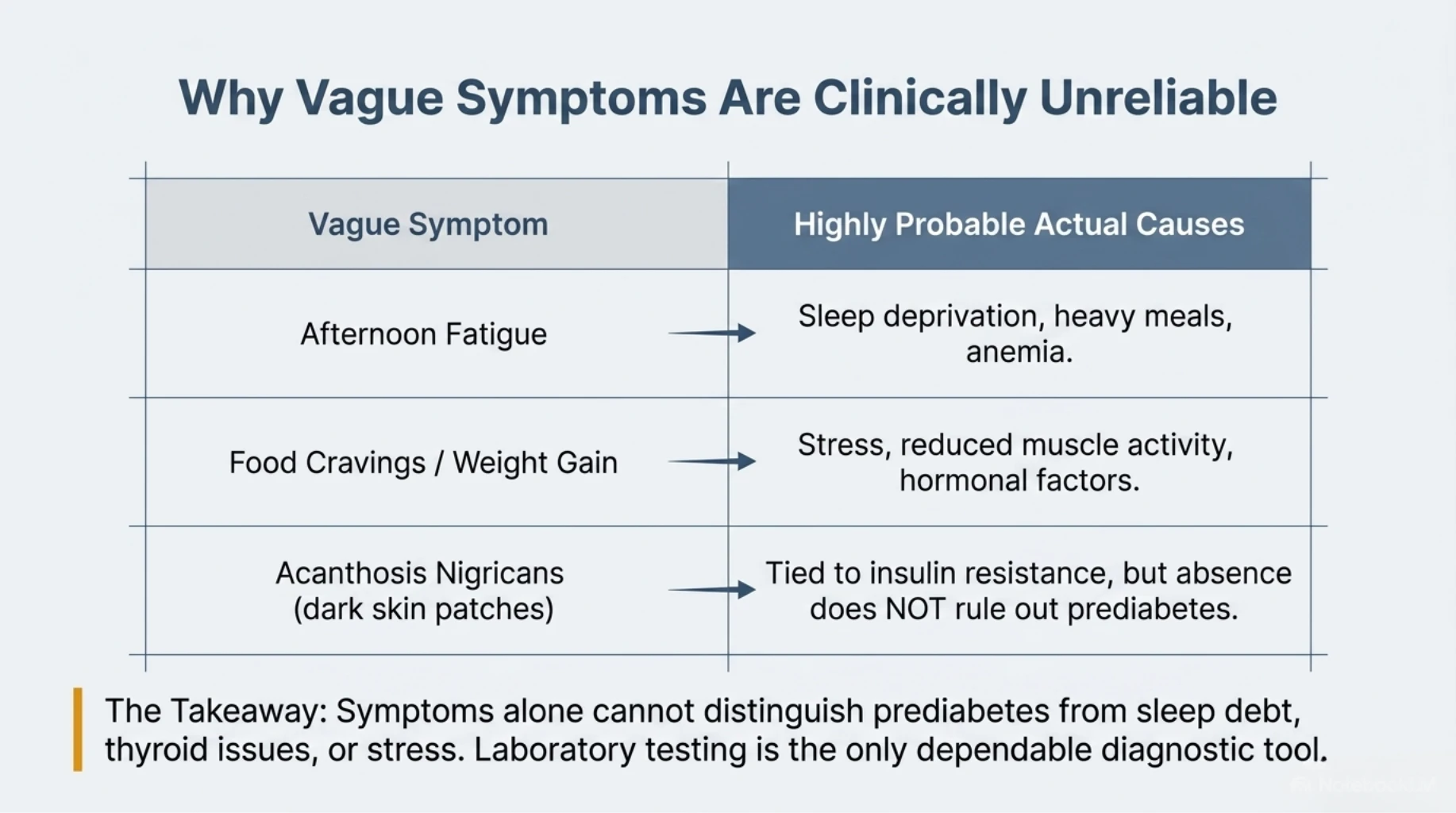
Medical table explaining why common symptoms such as fatigue, food cravings, and weight gain are unreliable indicators of prediabetes and require laboratory testing.

A dark, thickened or velvety area of skin around the neck, armpits or groin is known as acanthosis nigricans. It can be associated with insulin resistance, particularly when it occurs with obesity, PCOS or a strong family history of diabetes. However, its presence does not confirm prediabetes, and its absence does not rule it out.

The phrase prediabetes symptoms should therefore be used cautiously. Vague symptoms can prompt testing, but they cannot replace an HbA1c, fasting plasma glucose or oral glucose tolerance test.

Early Signs of High Blood Sugar That Need Testing

The following symptoms are more typical of significant hyperglycemia or established diabetes than uncomplicated prediabetes:

  • increased thirst
  • frequent urination
  • waking repeatedly at night to pass urine
  • unexplained weight loss
  • blurred vision
  • recurrent urinary or genital infections
  • slow-healing wounds
  • marked fatigue or weakness

These symptoms should not be dismissed as “borderline sugar.” The CDC lists frequent urination, increased thirst and hunger, unexplained weight loss, fatigue, blurred vision and recurrent infections among recognized symptoms of diabetes.

Severe weakness, vomiting, abdominal pain, confusion, difficulty breathing or dehydration requires urgent medical evaluation rather than routine screening.

Why Normal Weight Does Not Rule Out Prediabetes

Weight is an important health marker, but it is not a complete assessment of metabolic risk. A person can have a normal BMI while having increased abdominal fat, fatty liver, low muscle mass or a strong inherited tendency towards type 2 diabetes.

Waist circumference can sometimes provide additional information because it reflects abdominal fat more directly than body weight alone. Blood pressure, triglycerides, HDL cholesterol, physical activity and family history also help place a glucose result in context.

For Indian adults, it is particularly important not to wait for visible obesity before discussing screening. Someone who appears slim may still have a parent or sibling with diabetes, PCOS, previous gestational diabetes, fatty liver, hypertension or a progressively increasing waist circumference.

Normal weight should therefore be viewed as one favorable factor—not as proof that glucose regulation is normal.

Who Should Get a Prediabetes Test?

Screening should be considered when a person has symptoms suggestive of diabetes or recognized risk factors for prediabetes and type 2 diabetes. NIDDK guidance notes that testing may be appropriate from age 35, and earlier in adults with overweight or obesity plus additional risk factors. People with diagnosed prediabetes should generally be retested for diabetes every year.

Testing may also be appropriate when there is:

  • a parent, brother or sister with type 2 diabetes
  • abdominal obesity or an increasing waist circumference
  • low physical activity or prolonged sitting
  • PCOS
  • previous gestational diabetes
  • high blood pressure
  • abnormal cholesterol or triglycerides
  • fatty liver
  • sleep apnea
  • long-term use of medicines that can raise glucose
  • a previous borderline HbA1c or fasting glucose result

These risk factors do not prove that a person has prediabetes. They indicate that testing may be more useful than waiting for symptoms.

Prediabetes Risk Factors in Indian Adults

For Indian patients, a practical risk review should include more than weight alone. Family history, waist circumference, pregnancy history, menstrual irregularity, fatty liver, blood pressure, triglycerides, sleep and daily movement all provide useful context.

Long desk-based working hours are easy to overlook. A morning walk is beneficial, but it does not fully compensate for remaining seated throughout most of the day. Brief movement breaks, walking after meals and strength training can help increase total daily activity.

Diet labels can also be misleading. A vegetarian diet is not automatically metabolically protective when meals regularly contain large portions of refined cereals, potatoes, sweets, sweetened drinks or fried snacks. The overall pattern, portion size, protein intake and food quality matter more than whether a diet is labelled vegetarian or non-vegetarian.

A prediabetes test should ultimately be chosen according to the person’s risk factors, previous reports and clinical circumstances. No online symptom checklist or waist measurement can provide a definitive diagnosis.
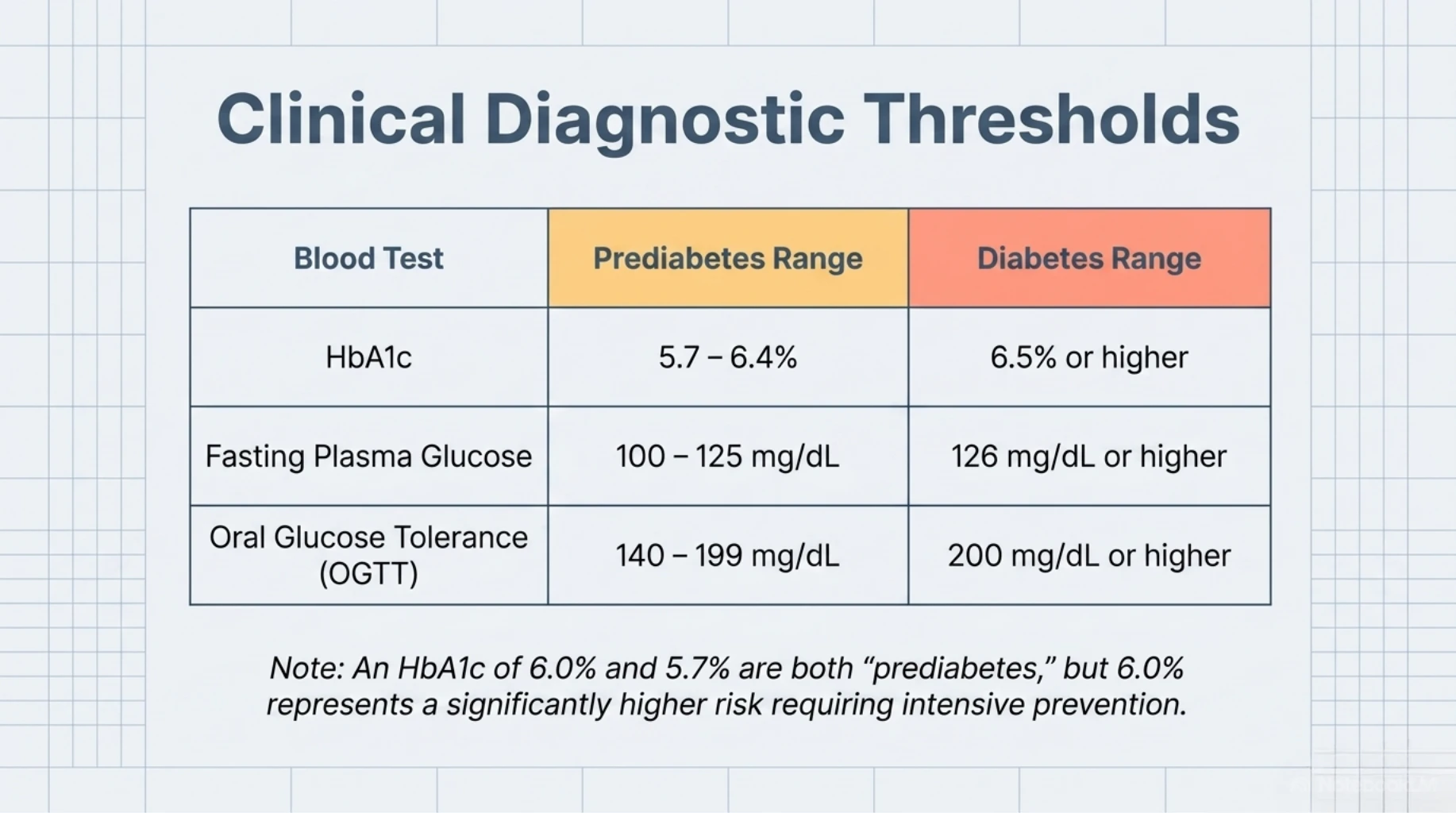
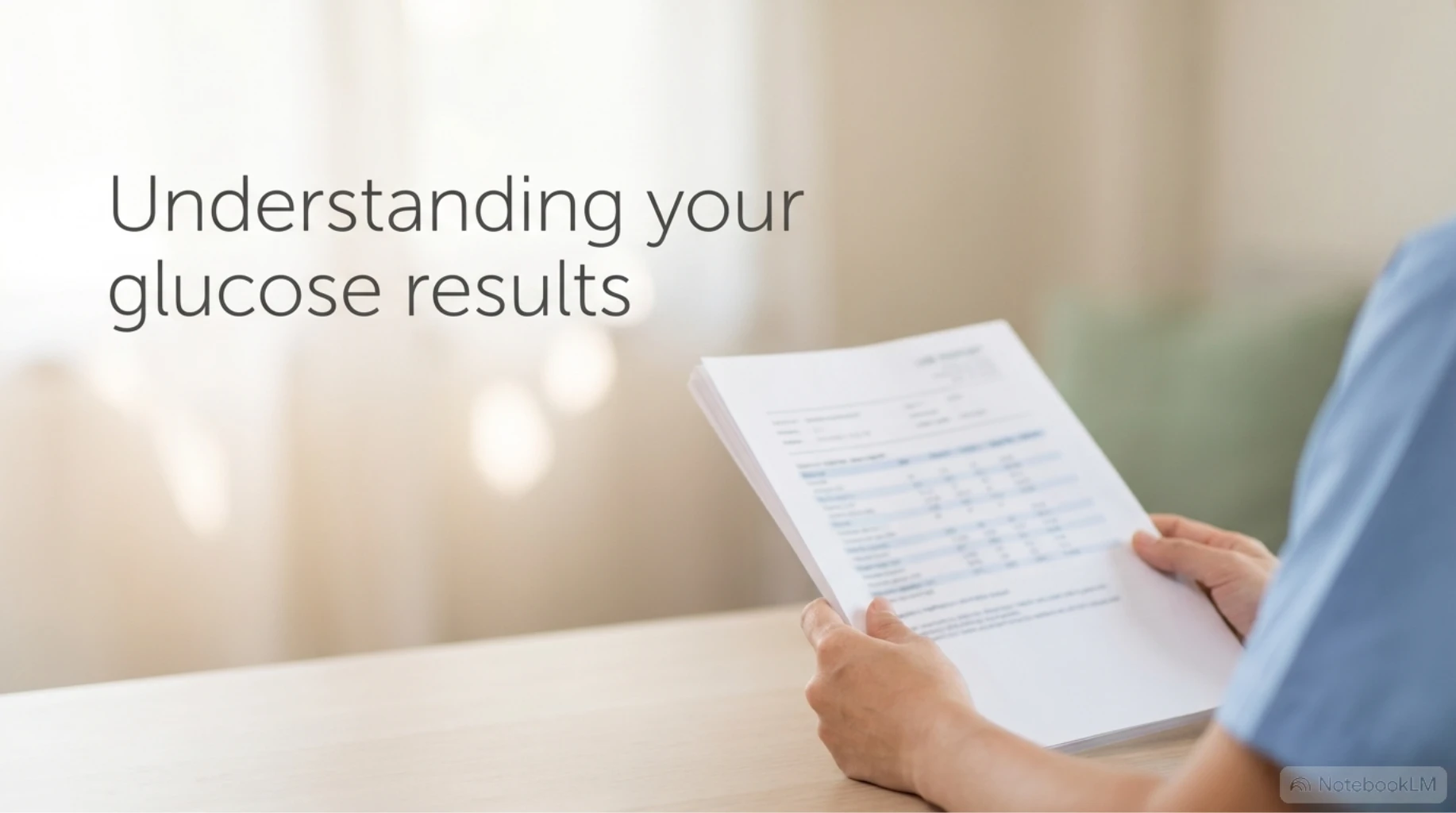
Prediabetes Blood Sugar Levels Explained

Prediabetes is diagnosed with laboratory blood tests, not through prediabetes symptoms, body weight or home glucometer readings alone. For non-pregnant adults, the commonly used ranges are:

Clinical chart outlining diagnostic thresholds for HbA1c, fasting plasma glucose, and oral glucose tolerance tests for prediabetes and diabetes.

These values apply to people who are not pregnant. Pregnancy requires different testing procedures and diagnostic thresholds. The 2026 American Diabetes Association Standards and the ICMR Standard Treatment Workflow use the same ranges for identifying prediabetes.

Not every result within the prediabetes range carries the same risk. For example, an HbA1c of 6.4% is closer to the diabetes threshold than an HbA1c of 5.7%. Results should therefore be interpreted alongside previous reports, family history, waist circumference, blood pressure, lipid levels and other metabolic risk factors.

A single borderline result does not always require an immediate diagnosis. Your doctor may repeat the test, particularly when the result is unexpected or close to a diagnostic threshold. However, a clearly abnormal result should not be ignored simply because you feel healthy.

Which Tests Diagnose Prediabetes?

Three laboratory tests are commonly used to identify prediabetes: HbA1c, fasting plasma glucose and the oral glucose tolerance test. Each assesses glucose regulation differently, so one test may detect an abnormality that another test misses.

HbA1c test

HbA1c estimates average blood glucose exposure over approximately the previous three months. Fasting is not required, which makes it convenient for routine health checkups.

However, HbA1c may be less reliable when a person has certain types of anemia, hemoglobin variants, recent blood loss, a recent blood transfusion or another condition that changes red blood cell survival. If HbA1c does not match fasting or post-meal glucose results, further assessment may be needed.

Fasting plasma glucose test

A fasting plasma glucose test measures blood sugar after at least eight hours without food or calorie-containing drinks. Water is generally permitted. It provides a snapshot of glucose at the time the sample is taken.

Fasting glucose can be influenced by acute illness, poor sleep, stress and some medicines. It may also remain within range in people whose glucose rises mainly after meals.

Oral glucose tolerance test

For an oral glucose tolerance test, blood is collected after an overnight fast. The person then drinks a solution containing 75 g of glucose, and another blood sample is taken two hours later.

The test is less convenient than fasting glucose or HbA1c, but it can identify impaired glucose tolerance that is not visible in fasting results.

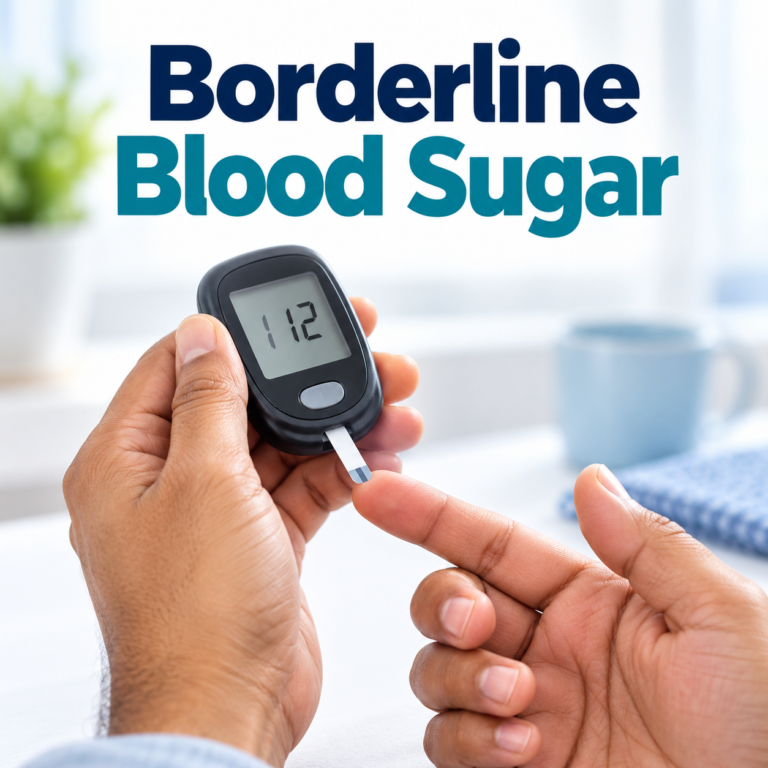
A home glucometer can help monitor glucose in selected situations, but it cannot confirm or rule out prediabetes. Diagnosis should be based on properly performed laboratory tests.

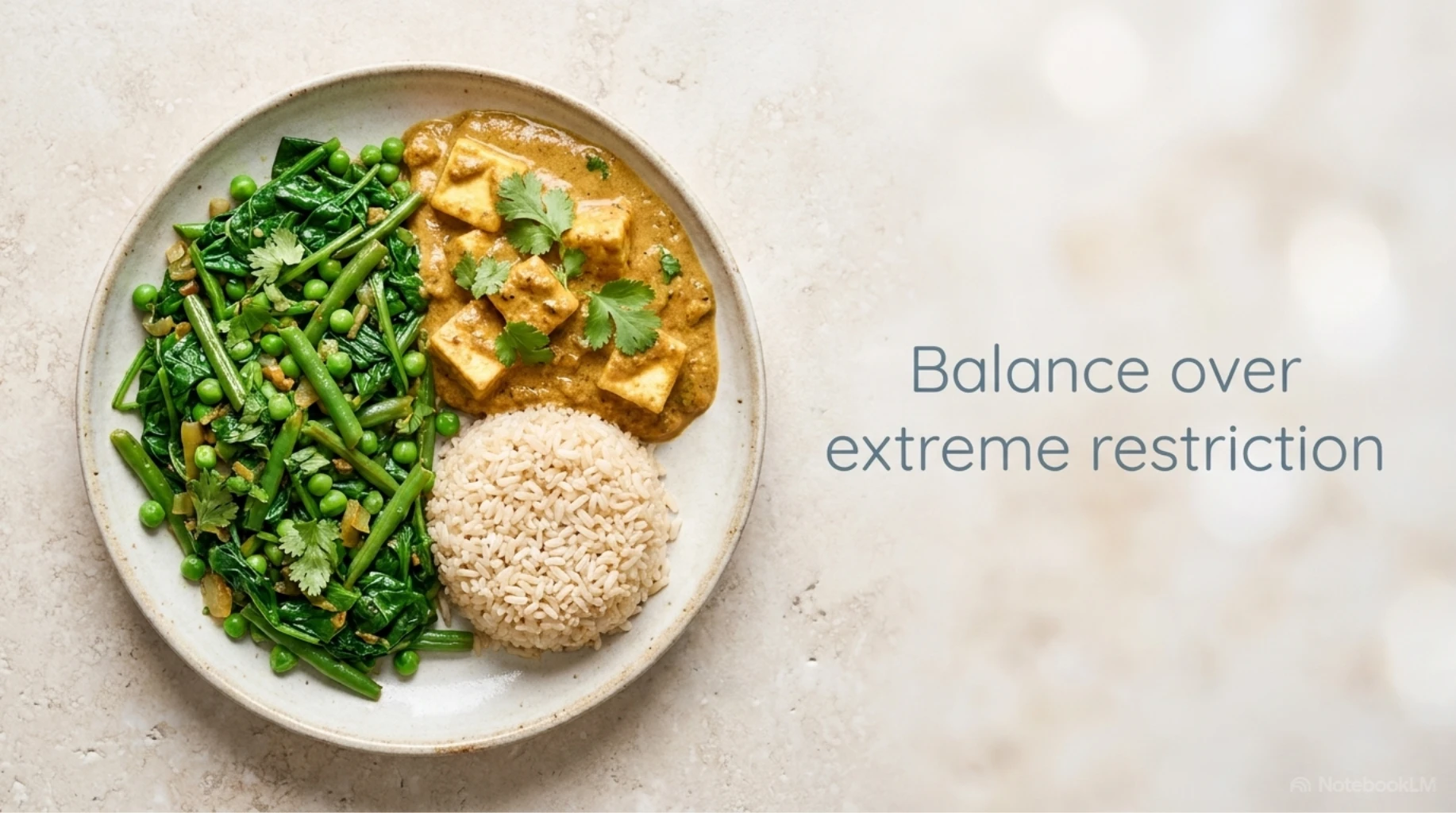
Balanced Indian meal containing vegetables, paneer, and rice, illustrating a practical nutrition approach for prediabetes without extreme carbohydrate restriction.

Early vs Late Detection of Prediabetes

StageDetectionOutcome
Early PrediabetesOften missedReversible
Advanced StageEasily detectedRequires long-term management

This comparison shows why early detection plays a critical role in preventing progression to diabetes.

What to Do After a Prediabetes Diagnosis

A prediabetes diagnosis should lead to a structured review rather than panic, extreme dieting or immediate self-medication.

The first step is to understand which test was abnormal and whether confirmation is needed. A medical assessment may also include:

  • previous HbA1c and glucose reports
  • weight and waist-circumference trends
  • blood pressure
  • triglycerides, HDL and LDL cholesterol
  • liver function and possible fatty liver
  • family history of diabetes or heart disease
  • history of PCOS or gestational diabetes
  • sleep quality and possible sleep apnea
  • physical activity and daily sitting time
  • medicines that may affect blood glucose

Prediabetes frequently coexists with high blood pressure, abnormal cholesterol, abdominal obesity, metabolic syndrome or fatty liver. Treating it as an isolated sugar problem may therefore overlook other important cardiovascular and metabolic risks.

People diagnosed with prediabetes should generally be tested for type 2 diabetes annually. A shorter follow-up interval may be appropriate when results are close to the diabetes range, symptoms develop or several high-risk factors are present.

Can Lifestyle Changes Prevent Type 2 Diabetes?

Yes. Prediabetes does not inevitably progress to type 2 diabetes. Sustainable changes in food intake, physical activity, body composition, sleep and weight can reduce risk.

For people with overweight or obesity, losing approximately 5–7% of starting body weight can significantly improve diabetes risk. This does not mean that everyone with prediabetes must lose weight. A person at a healthy weight may need to focus more on muscle strength, waist circumference, food quality and prolonged sitting.

Build balanced Indian meals

Prediabetes management does not require permanently eliminating rice, roti, fruit or every carbohydrate-containing food. The more useful goal is to improve the total meal.

A balanced plate may include:

  • half the plate as non-starchy vegetables or salad
  • one-quarter as a protein source
  • one-quarter as rice, roti or another carbohydrate source
  • unsweetened curd where suitable
  • water instead of a sugary drink

Protein options may include dal, beans, Chana, rajma, paneer, curd, tofu, eggs, fish or chicken, depending on dietary preference.

Person reviewing a laboratory report to understand glucose test results used for detecting prediabetes and assessing blood sugar control.

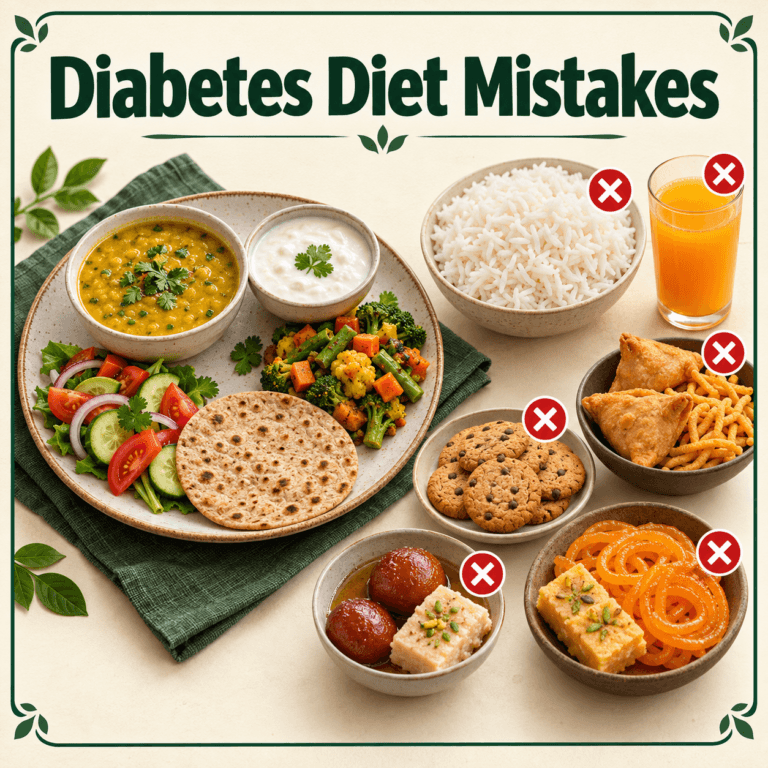
Common changes that may help include reducing sugary beverages, frequent sweets, oversized cereal portions, biscuits, Namkeen and Maida-based snacks. Jaggery, honey and brown sugar still contribute sugar and should not be treated as unrestricted alternatives.

Increase movement throughout the day

Walking is valuable, particularly for people who are currently inactive. However, one morning walk should not be considered a complete solution when the remaining day involves prolonged sitting.

A realistic plan may combine:

  • brisk walking or another aerobic activity
  • two or more strength-training sessions each week
  • short walks after meals
  • brief movement breaks during desk work
  • gradual increases in daily step count

Physical activity improves insulin sensitivity, while strength training helps preserve or increase muscle available for glucose use.

Improve sleep and daily routine

Poor sleep can make appetite regulation, food choices and physical activity more difficult. Persistent snoring, witnessed breathing pauses, morning headaches or excessive daytime sleepiness may suggest obstructive sleep apnea and deserve medical evaluation.

Stress reduction can support healthier routines, but meditation or breathing exercises cannot compensate for untreated sleep apnea, excessive calorie intake or continued physical inactivity.

Does Everyone with Prediabetes Need Medicine?

No. Most people should first receive an individual lifestyle plan and appropriate follow-up. Medicine is not automatically necessary for every HbA1c between 5.7% and 6.4%.

Metformin may be considered for selected people with a particularly high risk of progressing to type 2 diabetes. Evidence suggests that it is more useful in some younger adults, people with obesity and women with a history of gestational diabetes.

The decision should consider kidney function, other medical conditions, pregnancy plans, possible gastrointestinal side effects and the need to monitor vitamin B12 during prolonged treatment.

Prediabetes medication should not be started using an old prescription or borrowed from a family member. Similarly, prescribed cholesterol or blood-pressure medicines should not be stopped simply because a glucose result has increased. The complete cardiovascular risk–benefit balance matters.

When Should You Consult a Doctor?

Arrange a medical consultation when:

  • HbA1c or fasting glucose falls within the prediabetes range
  • two glucose tests provide conflicting results
  • a previous borderline result was never followed up
  • you have PCOS, fatty liver, hypertension or abnormal triglycerides
  • you had gestational diabetes
  • you have a strong family history of type 2 diabetes
  • your waist circumference is increasing despite a normal BMI
  • you are taking medicines that may increase glucose
  • you need an individual diet, activity or weight-management plan

Doctor consulting with a patient about prediabetes as an early metabolic warning and the importance of timely testing, lifestyle changes, and medical guidance.

Seek prompt medical assessment when you develop excessive thirst, frequent urination, blurred vision, unexplained weight loss, recurrent infections or marked weakness. These may represent diabetes rather than uncomplicated prediabetes. ICMR guidance also highlights polyuria, excessive thirst, increased hunger, nycturia, weight loss, recurrent infections and non-healing wounds as reasons to investigate diabetes.

Vomiting, dehydration, confusion, severe abdominal pain or breathing difficulty requires urgent medical attention.

Prediabetes Consultation in Dwarka

A consultation can help determine whether an abnormal result needs confirmation and whether related concerns such as blood pressure, fatty liver, cholesterol, PCOS or weight should also be addressed.

Diet Plus Minus
13A, Pocket-2, Sector-6, Doctors Lane
Dwarka, New Delhi – 110075
India

Book an Appointment with Dr. Pankaj Kumar

Frequently Asked Questions

1. Can prediabetes cause no symptoms?

Yes. Most people do not have noticeable prediabetes symptoms. Blood testing is therefore more reliable than waiting for thirst, frequent urination or fatigue.

2. Can a slim person have prediabetes?

Yes. A normal BMI does not rule out abdominal fat, fatty liver, low muscle mass or inherited diabetes risk. Waist circumference, family history and laboratory tests provide additional information.

3. Is an HbA1c of 6.0% prediabetes?

Yes. An HbA1c between 5.7% and 6.4% is within the prediabetes range for non-pregnant adults. An HbA1c of 6.0% does not confirm diabetes, but it deserves appropriate lifestyle action and follow-up.

4. Can prediabetes return to the normal range?

Yes. Glucose results can return to the normal range after sustained improvements in weight, food quality, physical activity and other risk factors. However, the underlying tendency may remain, so healthy habits and periodic testing should continue.

5. How often should HbA1c be repeated?

People with confirmed prediabetes should generally be screened for diabetes every year. Testing may be repeated earlier when a result is close to the diabetes threshold or the clinical risk is high.

6. Is fasting glucose enough to rule out prediabetes?

Not always. Some people have normal fasting glucose but an abnormal HbA1c or two-hour OGTT result. A doctor may recommend another test when clinical suspicion remains high.

7. Should I stop eating rice and roti?

Usually not. Portion size, food quality and meal balance matter more than completely avoiding one traditional food. Combine a controlled cereal portion with vegetables and an adequate protein source.

8. Is sleepiness after meals a prediabetes symptom?

Post-meal sleepiness can occur for many reasons, including a heavy meal, poor sleep, anemia, thyroid disease and physical inactivity. It cannot diagnose prediabetes. Persistent symptoms should be assessed rather than assumed to be caused by blood sugar.

9. Can a home glucometer diagnose prediabetes?

No. Home meters are useful for monitoring but are not designed to establish the diagnosis. Laboratory HbA1c, fasting plasma glucose or OGTT testing is required.

10. Does prediabetes always progress to diabetes?

No. Progression is not inevitable. Early identification and sustained lifestyle changes can reduce the risk of developing type 2 diabetes.

Conclusion: Do Not Ignore Prediabetes Symptoms

The most important fact about prediabetes symptoms is that they are usually absent. A person can look healthy, feel productive and maintain a normal body weight while fasting glucose, post-meal glucose or HbA1c gradually rises.

Do not wait for excessive thirst, frequent urination or unexplained weight loss before getting tested. These symptoms may indicate that blood sugar has already progressed into the diabetes range.

Testing is especially important when there is a family history of diabetes, abdominal weight gain, PCOS, fatty liver, high blood pressure, abnormal cholesterol, previous gestational diabetes or low physical activity. Detecting prediabetes early provides an opportunity to improve food habits, movement, strength, sleep and overall metabolic health before the condition progresses.

Author Box

Dr. Pankaj Kumar
MBBS, DNB Family Medicine, Sir Ganga Ram Hospital
General & Lifestyle Physician
Special interest in Diabetes

Dr. Pankaj Kumar provides general medical and lifestyle-based care at Diet Plus Minus in Dwarka, New Delhi. His clinical approach includes evaluation of blood sugar, weight, fatty liver, thyroid conditions, blood pressure and related metabolic-health concerns.

Medical Disclaimer

This article is intended for general education and does not replace an individual consultation, physical examination, diagnosis or treatment plan. Blood glucose and HbA1c results require professional interpretation, particularly during pregnancy, acute illness, anemia, kidney or liver disease, or when different tests provide inconsistent results. Do not start, stop or change prescribed medication based only on this article.

References

  1. American Diabetes Association Professional Practice Committee for Diabetes. Diagnosis and Classification of Diabetes: Standards of Care in Diabetes—2026. Diabetes Care. 2026;49(Supple 1):S27–S49.
  2. American Diabetes Association Professional Practice Committee for Diabetes. Prevention or Delay of Diabetes and Associated Comorbidities: Standards of Care in Diabetes—2026. Diabetes Care. 2026;49(Supple 1):S50–S60.
  3. National Institute of Diabetes and Digestive and Kidney Diseases. Insulin Resistance and Prediabetes.
  4. National Institute of Diabetes and Digestive and Kidney Diseases. Diabetes Tests and Diagnosis.
  5. Indian Council of Medical Research. Standard Treatment Workflow: Diabetes Mellitus Type 2. Department of Health Research, Ministry of Health and Family Welfare, Government of India.
ShareWhatsAppFacebookXLinkedInTelegramEmail
Medical note: This article is for general information and is not a substitute for a consultation. Please speak to a doctor before changing medicines, diet or treatment. In an emergency, visit the nearest hospital.
Dr. Pankaj Kumar

Written by Dr. Pankaj Kumar

General & Lifestyle Physician in Dwarka Sector 6, New Delhi · MBBS, DNB (Family Medicine), DNHE · 16 years of experience.

About the doctor →Book a consultation →
Need personal advice? See your doctor in Dwarka.

Book a consultation Call +91 95822 92277
Books by Dr. Pankaj Kumar

Go deeper with a doctor-written guide

All books →

Keep reading

All articles →