Why Preventive Blood Tests Are Important in Modern Life
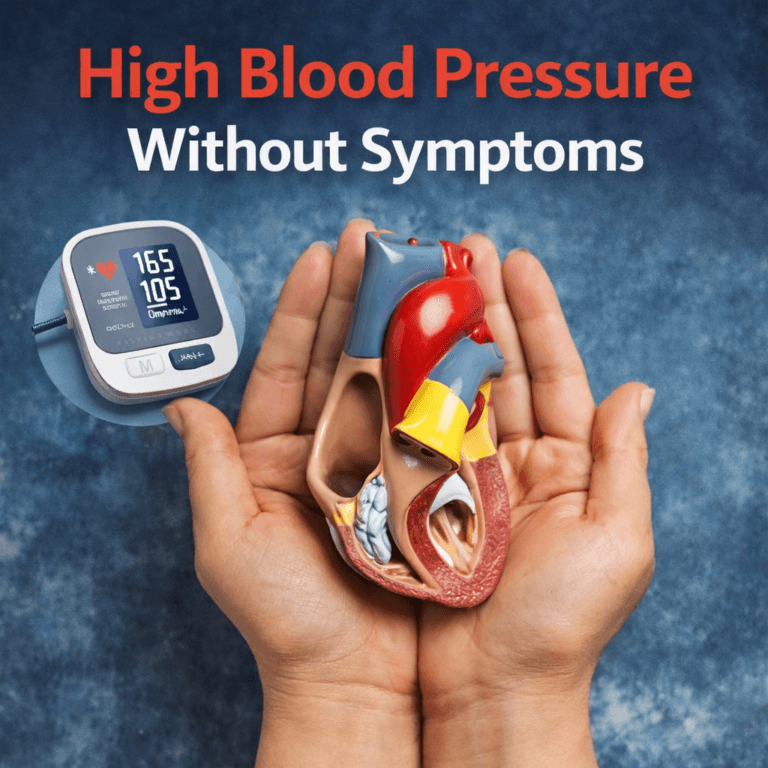
Understanding why preventive blood tests are important starts with a simple but critical fact. Many common health conditions do not cause symptoms in their early stages.
Conditions like diabetes, thyroid disorders, fatty liver, and even cardiovascular risk factors can develop silently over months or years. During this silent phase, the body begins to change internally, but externally, everything may appear normal.
If you want to understand the clinical approach to early detection, you can read here: About Dr. Pankaj Kumar.
The goal is not just diagnosis, but early intervention.
How Blood Tests Detect Problems Before Symptoms Start
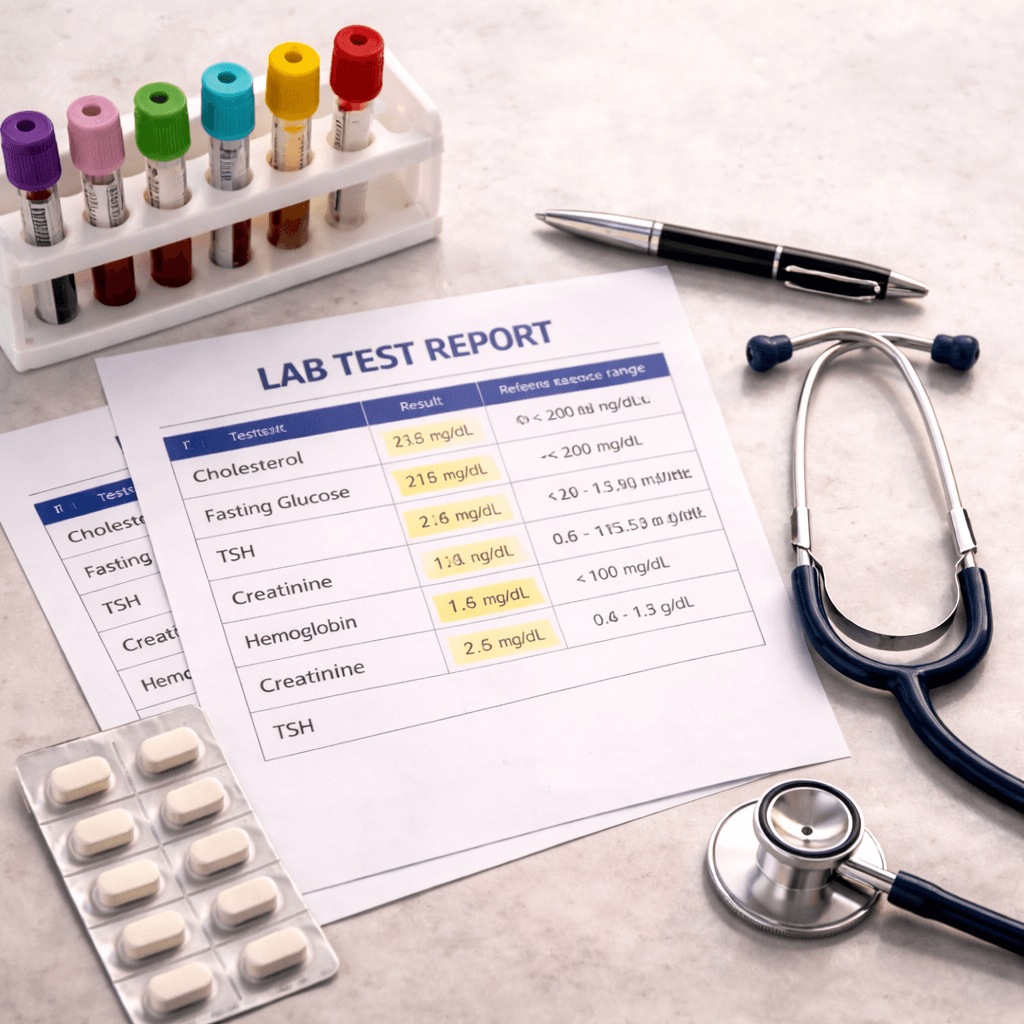
To understand why preventive blood tests are important, you need to understand how diseases develop. Most metabolic and hormonal conditions progress gradually. Before symptoms appear, there are measurable biochemical changes in the body.
For example:
- Blood sugar may start rising before diabetes develops
- Thyroid hormones may shift before noticeable symptoms
- Liver enzymes may increase before fatty liver causes discomfort
These early changes are detectable through blood tests. A clinical study highlights that many conditions remain undiagnosed in their early stages without routine screening. This is the key advantage of preventive testing. It allows detection at a stage where intervention is simpler and more effective.
Common Hidden Health Problems Detected by Preventive Blood Tests
A key reason why preventive blood tests are important is their ability to detect conditions that do not show clear symptoms in the early stages. In clinical practice, many patients feel completely normal, yet their reports reveal early metabolic or hormonal imbalances.
Some of the most commonly detected hidden problems include:
- Prediabetes or early insulin resistance
- Subclinical thyroid dysfunction
- Early fatty liver changes
- Vitamin deficiencies
- Lipid abnormalities (cholesterol imbalance)
These conditions often remain unnoticed until they progress further. A study highlights that subclinical diseases can exist long before symptoms become noticeable.
Real-Life Patterns Seen in Patients
To truly understand why preventive blood tests are important, it helps to look at real-life scenarios.
- Individuals with normal energy but rising blood sugar levels
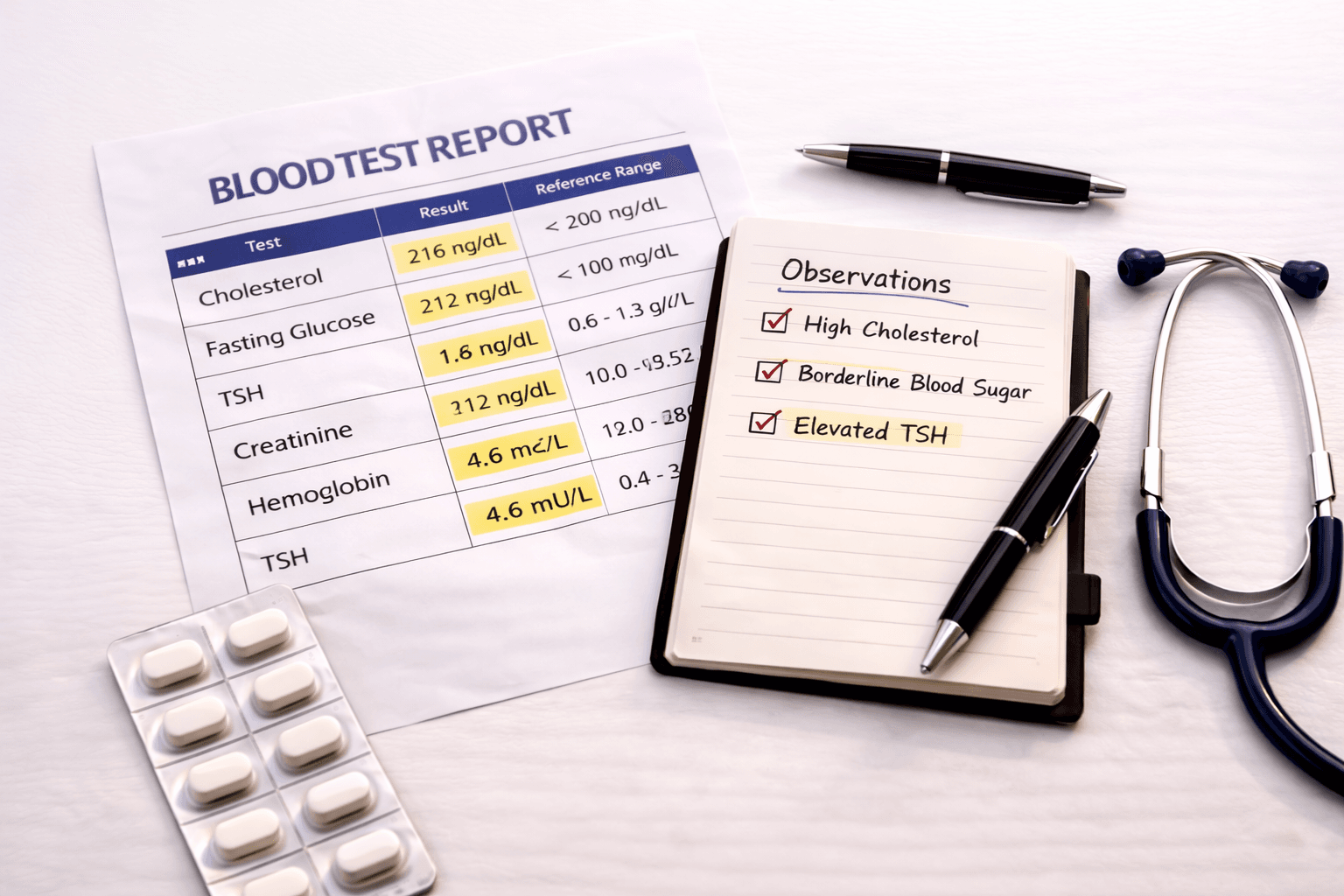
- Patients with no symptoms but abnormal cholesterol profile
- People with mild fatigue but borderline thyroid values
- Early fatty liver detected during routine screening
These patterns are extremely common. Without testing, they would remain undetected. A clinical study emphasizes that early recognition through screening improves long-term outcomes.
Why Early Detection Makes a Big Difference
Understanding why preventive blood tests are important becomes clearer when you look at the impact of early detection.
When a condition is identified early:
- Intervention is simpler
- Lifestyle changes are more effective
- Medication may be avoided or minimized
- Long-term complications can be prevented
In contrast, delayed diagnosis often means:
- More advanced disease
- Need for long-term medication
- Higher risk of complications
Another study shows that early-stage disease management significantly improves outcomes compared to late intervention.
Simple Comparison: Early vs Late Detection
| Stage | Detection Method | Outcome |
|---|---|---|
| Early Stage | Preventive blood tests | Reversible changes |
| Late Stage | Symptom-based diagnosis | Chronic management |
This comparison clearly explains why preventive testing plays such a crucial role in long-term health.
What Tests You Should Consider and How Often
Knowing why preventive blood tests are important is only useful if you also understand what to test and when. The exact tests depend on age, lifestyle, and risk factors. However, a basic preventive panel generally includes:
- Fasting blood sugar and HbA1c
- Lipid profile (cholesterol levels)
- Liver function tests
- Thyroid profile
- Vitamin levels (B12, D if needed)
For most adults:
- Basic screening: once every 6–12 months
- High-risk individuals: more frequent monitoring
A structured approach helps detect trends rather than relying on isolated values.
For personalized evaluation:
Consultation Link.
Warning Signs That Should Not Be Ignored
Even if you are doing preventive tests, certain symptoms should prompt immediate evaluation:
- Persistent fatigue or low energy
- Unexplained weight changes
- Frequent headaches or dizziness
- Changes in appetite or sleep
- Multiple mild symptoms occurring together
A clinical reference highlights that early recognition of symptoms along with testing improves outcomes and reduces complications (clinical reference).
Key Takeaway
Why preventive blood tests are important comes down to one principle. Most diseases start silently. By the time symptoms appear, intervention becomes more complex. Regular testing helps detect problems early, when they are easier to manage and often reversible.
References
- Undiagnosed disease burden
- Importance of early detection
- Subclinical disease evidence
- Early symptom correlation
- Clinical overview reference
Take the Next Step
This information is for educational purposes only and should not replace professional medical advice. Always consult a qualified doctor for personalized care.

Written by Dr. Pankaj Kumar
General & Lifestyle Physician in Dwarka Sector 6, New Delhi · MBBS, DNB (Family Medicine), DNHE · 16 years of experience.
About the doctor →Book a consultation → Beyond Blood Sugar
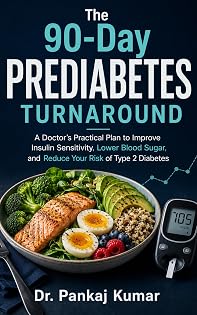 The 90-Day Prediabetes Turnaround
 The Indian Diabetes Diet Reset
 Eat to Beat Gout
 Why Is My Hair Falling?
 The 30-Day Inflammation Reset