Many people reach their late 30s or 40s and notice something frustrating: body weight may not have changed dramatically, yet trousers feel tighter around the waist and abdominal fat seems more resistant than it did earlier.
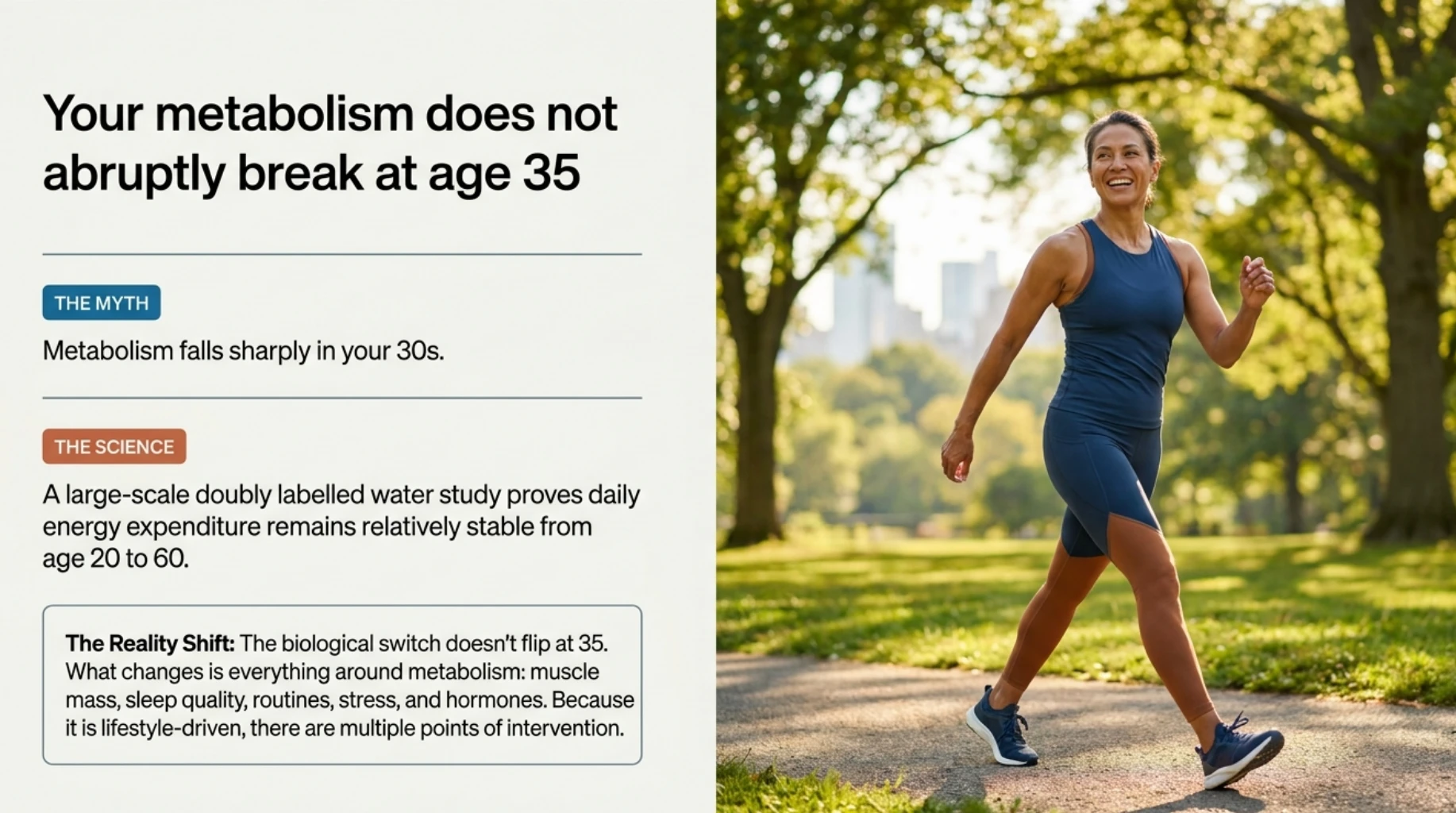
Belly fat after 35 is often blamed on a suddenly “slow metabolism.” The evidence is more nuanced. Age 35 is not a biological switch at which calorie burning abruptly collapses. A large study measuring energy expenditure across the human lifespan found that, after accounting for body size and composition, daily energy expenditure was relatively stable from about age 20 to 60.
What often changes during these decades is everything around metabolism: daily movement, muscle mass, sleep, work routines, stress, reproductive hormones and metabolic health.
Abdominal fat also deserves attention for reasons beyond appearance. Fat stored around internal organs—visceral fat—is more strongly associated with cardiometabolic risk than simply having fat under the skin.
The useful question is therefore not:
“Why did my metabolism stop at 35?”
It is:
“Which factors have changed in my body and daily life, and which of them can I realistically improve?”

Why Can Belly Fat Become Harder to Lose After 35?
Several factors can make abdominal fat easier to accumulate or harder to reduce during the late 30s, 40s and beyond.
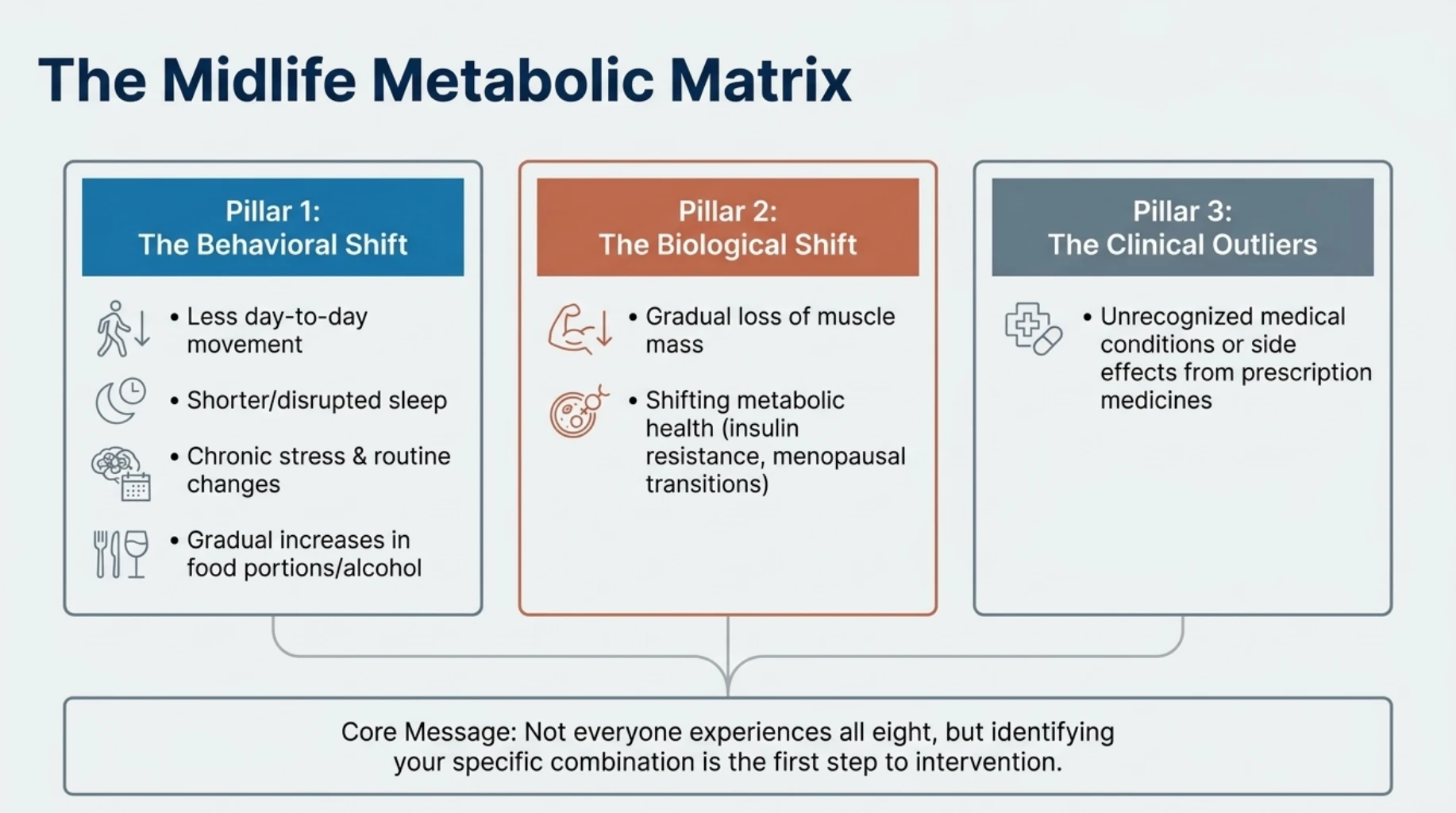
Eight common contributors are:
- less day-to-day physical movement
- gradual loss of muscle or inadequate resistance training
- shorter or poorer-quality sleep
- stress and changing work or family routines
- perimenopause and menopause in women
- insulin resistance and worsening metabolic health
- gradual increases in food portions, alcohol or calorie-dense foods
- medicines or medical conditions in some people
Not everyone experiences all eight.
And importantly, these factors do not mean weight gain after 35 is inevitable.
The 2026 American Diabetes Association obesity standards describe obesity and excess central adiposity as the result of complex interactions between physiological, behavioral, environmental, genetic and social factors—not simply lack of willpower.
Belly Fat After 35 Does Not Mean Your Metabolism Suddenly Broke
One of the most persistent weight-loss beliefs is that metabolism falls sharply in the 30s.
Large-scale metabolic research does not support such a simple age-related cliff.
Researchers using doubly labelled water—a reference method for measuring free-living energy expenditure—found that energy expenditure adjusted for fat-free mass and fat mass remained relatively stable between approximately 20 and 60 years of age. A measurable age-related decline became more prominent after about 60.
That does not mean maintaining weight at 40 must feel identical to maintaining weight at 25.
Your actual daily energy needs can still change because:
- your body composition changes
- you move less during work
- you stop playing a sport
- muscle mass falls
- sleep changes
- your food environment changes
- reproductive hormones shift
The distinction is important because it changes the solution.
If metabolism were simply “broken,” there would be little you could do.
If the problem involves several measurable changes in body composition, activity and lifestyle, there are multiple points where intervention is possible.
Age 35 Is Not a Metabolic Cut-Off
There is nothing physiologically unique about your 35th birthday.
Some people notice abdominal changes at 32; others remain relatively stable well into their 40s.
The title belly fat after 35 reflects a common real-world experience, not a medical threshold.
For women, the menopausal transition later in midlife can influence fat distribution. For both men and women, reduced activity and gradual changes in muscle, sleep and lifestyle may accumulate over years.
Therefore, do not assume:
“I am over 35, so losing abdominal fat is impossible.”
A better approach is to assess which variables have actually changed.
Why Abdominal Fat Matters Beyond Appearance
Not all body fat has the same metabolic significance.
Subcutaneous fat sits beneath the skin.
Visceral adipose tissue accumulates more deeply around abdominal organs and is strongly associated with metabolic complications.
The 2026 ADA Standards in Overweight and Obesity specifically recognize central or visceral adiposity as an important manifestation of obesity and recommend considering waist circumference or waist-to-height ratio in addition to BMI when assessing excess adiposity.
This is particularly relevant for people of Asian background because cardiometabolic risk can occur at lower BMI levels. The same 2026 guidance uses lower BMI and waist thresholds when screening adults of Asian ancestry for excess adiposity.
That does not mean everyone needs an abdominal CT scan to measure visceral fat.
In ordinary clinical practice, useful information may come from:
- body-weight trend
- BMI
- waist circumference
- blood pressure
- HbA1c or glucose
- triglycerides and cholesterol
- fatty-liver assessment where relevant
Someone can also have a relatively unchanged body weight while their waist circumference increases.
That is one reason the scale alone may not capture changes in body composition during midlife.
Reason 1: You May Be Moving Less During the Rest of the Day
A structured workout is only one part of daily movement.
Someone may still exercise for 30 minutes three times per week but spend far more of the remaining day sitting than they did ten years earlier.
Midlife can bring:
- desk-based work
- longer commutes
- more meetings
- less walking
- fewer recreational sports
- more driving
- increased screen time
- greater family or work responsibilities
These changes can reduce total day-to-day movement without feeling like a major lifestyle change.
A systematic review and meta-analysis involving adults and older adults found significant associations between both sedentary behaviour and physical inactivity and obesity.
Current 2026 obesity standards therefore specifically recommend assessing both physical activity and sedentary behaviour, including how much of the day is spent sitting.
Exercise Does Not Completely Cancel a Sedentary Day
Consider two people who each complete a 45-minute gym workout.
One walks to work, uses stairs, takes movement breaks and remains active at home.
The other drives everywhere and sits for most of the remaining 15 waking hours.
Their formal exercise looks similar, but their total movement environment is not.
This is why weight-management discussions should include:
- daily steps
- sitting time
- walking after meals
- active transport
- household activity
- weekend movement
rather than only asking:
“Do you go to the gym?”
The goal is not endless calorie counting through exercise.
It is avoiding the gradual loss of movement that can occur as working and family life become more sedentary.
Reason 2: Muscle Mass and Strength May Gradually Decline
Muscle matters for far more than appearance.
It supports:
- strength
- mobility
- glucose disposal
- physical activity
- overall body composition
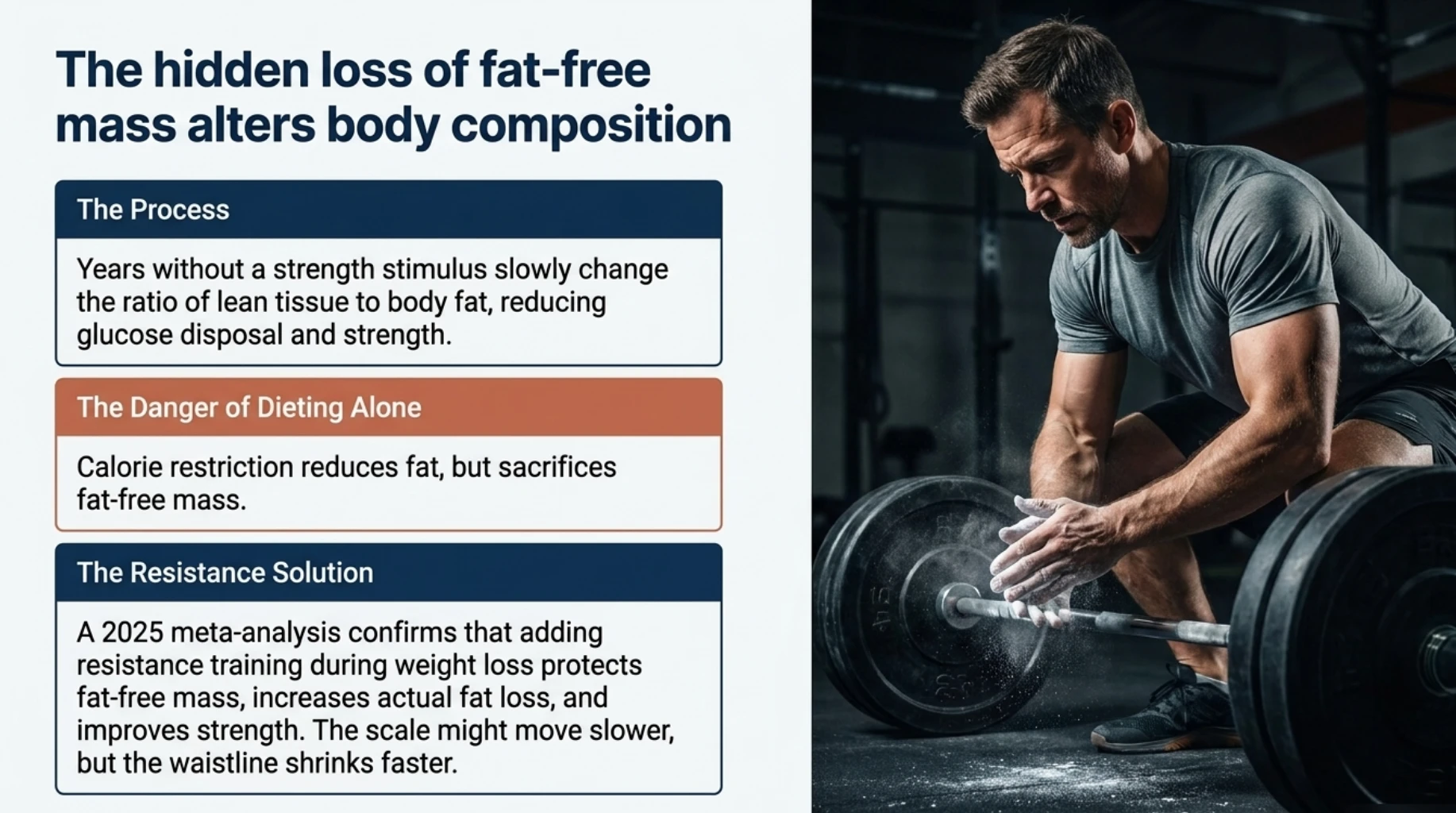
If resistance exercise becomes less frequent with age, muscle mass and strength can gradually decline.
This does not mean muscle disappears suddenly at 35. It means that years without a sufficient strength stimulus can slowly change the ratio of lean tissue to body fat.
The importance becomes particularly clear during intentional weight loss.
Calorie restriction reduces fat, but some fat-free mass can be lost as well. A 2025 systematic review and meta-analysis found that adding resistance exercise during dietary weight loss helped preserve fat-free mass, increased fat loss and improved strength compared with dieting alone.
This matters because two people can lose the same number of kilograms but achieve very different body-composition outcomes.
One may lose predominantly fat while maintaining strength.
Another may lose a larger amount of lean tissue.
Strength Training Can Change Body Composition Even When the Scale Moves Slowly
Resistance training does not always produce dramatic scale changes.
That can be misleading.
In the 2025 meta-analysis, adding resistance exercise did not produce substantially greater total body-weight loss than diet alone, but it improved the composition of that weight loss by protecting fat-free mass and increasing fat loss.
This is particularly relevant when the goal is reducing abdominal fat while preserving function.
Useful progress measures may therefore include:
- waist circumference
- strength
- clothing fit
- body composition where appropriate
- glucose and lipid markers
alongside body weight.
A programme focused only on making the scale fall as rapidly as possible can unintentionally sacrifice muscle.
Reason 3: Sleep Becomes Shorter or More Disrupted
Sleep is often one of the first things sacrificed during busy midlife years.
Work deadlines, parenting, late-night screen use, shift work, snoring or sleep apnea can reduce either sleep duration or sleep quality.
That can matter for abdominal fat.
A 2024 systematic review and meta-analysis of prospective adult studies found that short sleep duration was associated with a modestly higher risk of central obesity.
A separate analysis of U.S. adults found that shorter sleep duration was associated with greater visceral fat mass even after accounting for several potential confounders, although observational research cannot prove that short sleep alone caused the fat accumulation.
Current 2026 obesity-care guidance therefore includes sleep as part of routine obesity assessment and notes that sleeping fewer than six hours is associated with increased obesity risk.
Sleep may influence weight through several pathways:
- hunger and food choices
- fatigue-related reductions in activity
- longer waking time available for eating
- glucose regulation
- stress and recovery
Sleep apnea deserves particular attention when short or poor-quality sleep occurs with:
- loud snoring
- witnessed breathing pauses
- waking unrefreshed
- morning headaches
- excessive daytime sleepiness
Improving sleep is not a shortcut that selectively burns abdominal fat, but untreated poor sleep can make a weight-management plan harder to sustain.
Reason 4: Stress and Daily Routines Can Change Eating and Activity
Stress is often described online as:
“High cortisol causes belly fat.”
That statement is too simplistic.
Chronic stress interacts with body weight through a combination of biological and behavioral mechanisms. It can influence appetite, food choice, sleep, alcohol use, physical activity and self-regulation. Research into cortisol and abdominal adiposity suggests possible biological links, but responses vary substantially between individuals and the evidence is not strong enough to blame every increase in waist size on cortisol alone.
For many adults, the more visible pathway is daily routine.
A stressful period may mean:
- sleeping later
- ordering food more often
- exercising less
- drinking more alcohol
- grazing while working
- eating rapidly
- relying on highly convenient foods
Current 2026 obesity standards recommend assessing stress, coping, work schedules and the person’s daily environment when planning treatment.
The important distinction is between ordinary chronic stress and a true cortisol disorder such as Cushing syndrome.
Most adults with abdominal fat do not need cortisol testing.
Testing becomes appropriate when there are more specific features of cortisol excess, such as characteristic skin changes, easy bruising, pronounced muscle weakness or other clinical findings—not simply because the waist has increased.
This is why the next four reasons—including menopause, insulin resistance, food patterns and medical contributors—need to be considered in context rather than assuming that one hormone explains everything.
Reason 5: Perimenopause and Menopause Can Shift Fat Toward the Abdomen
For women, reproductive hormonal changes become an increasingly relevant part of body composition during midlife.
The transition through perimenopause and menopause is associated with changes in fat distribution, including a tendency toward greater central or abdominal adiposity. Recent body-composition research has found higher visceral fat and lower lean mass after menopause compared with premenopausal women, although age, activity, sleep and total weight also contribute.
This distinction is important.
Menopause does not mean:
“Estrogen dropped, therefore weight gain is unavoidable.”
A woman may maintain a relatively stable body weight while noticing that more fat is carried around the waist. Another may experience both weight gain and a change in fat distribution.
Other changes around the same period can amplify the problem:
- declining physical activity
- loss of resistance exercise
- sleep disruption from hot flushes
- increased work or family stress
- changes in eating patterns
- gradual loss of muscle
The menopausal transition therefore needs to be viewed in context rather than used as the sole explanation for every change in waist size.
A rapidly expanding abdomen also should not automatically be attributed to menopause, particularly if it occurs with unusual bloating, pain, menstrual abnormalities or another new symptom.
Hormone therapy is prescribed for specific menopausal indications and individual risk profiles. It should not be started simply as a treatment to reduce abdominal fat.
Reason 6: Insulin Resistance and Metabolic Health May Be Changing
Insulin resistance and abdominal fat are closely connected, but the relationship is not as simple as:
“Insulin causes belly fat.”
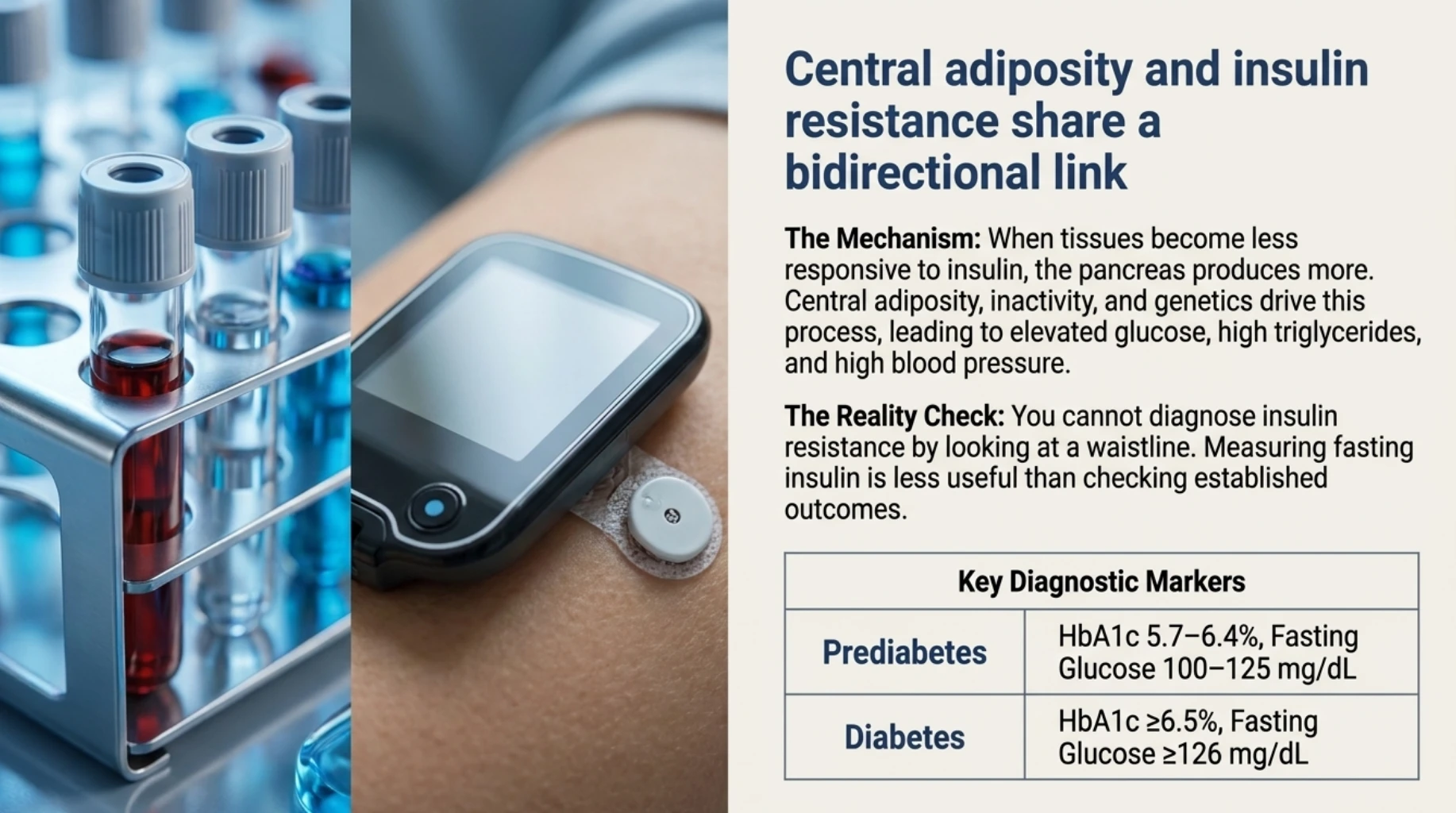
Insulin helps regulate glucose and energy storage. When tissues become less responsive to insulin, the pancreas may initially compensate by producing more of it.
Central adiposity, physical inactivity, genetics, sleep problems and other metabolic factors can occur together with insulin resistance.
Over time, this pattern may be accompanied by:
- higher fasting glucose
- prediabetes or type 2 diabetes
- elevated triglycerides
- low HDL cholesterol
- high blood pressure
- metabolic dysfunction-associated steatosis liver disease, or MASLD
Current ADA obesity guidance identifies excess adiposity—particularly central adiposity—as an important driver of type 2 diabetes and several associated cardiometabolic conditions.
Belly Fat Does Not Prove You Have Insulin Resistance
This is an important distinction.
You cannot diagnose insulin resistance by looking at someone’s waist.
And in routine practice, measuring a fasting insulin level is usually less useful than assessing clinically meaningful outcomes such as:
- fasting glucose
- HbA1c
- blood pressure
- triglycerides
- HDL and LDL cholesterol
- waist circumference
- liver-health indicators where appropriate
Laboratory fasting glucose and HbA1c are established tests for identifying prediabetes and diabetes.
For nonpregnant adults:
Prediabetes
- HbA1c: 5.7–6.4%
- fasting plasma glucose: 100–125 mg/dL
Diabetes
- HbA1c: ≥6.5%
- fasting plasma glucose: ≥126 mg/dL
In someone without unequivocal hyperglycemia, an abnormal diabetes result generally needs confirmation.
If waist circumference has increased while glucose, triglycerides or blood pressure are also worsening, the conversation should shift from cosmetic belly-fat loss toward broader metabolic risk reduction.
Reason 7: Small Changes in Food, Alcohol and Portions Can Accumulate
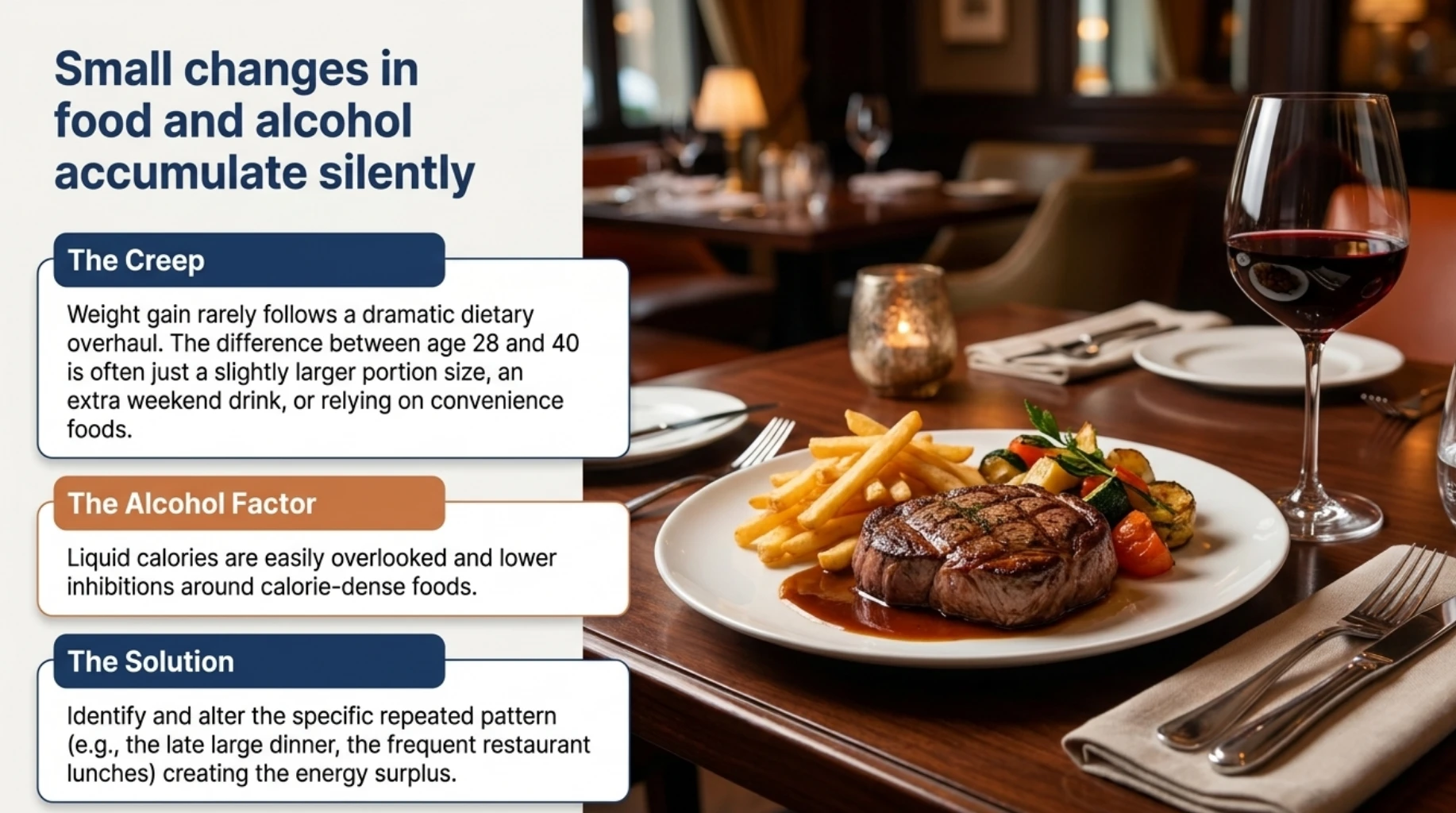
Weight gain does not always follow a dramatic dietary change.
Sometimes the difference between age 28 and age 40 is surprisingly subtle.
Perhaps:
- restaurant meals became more frequent
- portions increased
- a sweetened drink became routine
- weekend alcohol increased
- evening snacking became common
- protein-rich meals were replaced by convenience foods
- work-from-home eating became less structured
No single habit appears large enough to explain the change.
But small repeated differences can accumulate over months and years, particularly when daily activity has simultaneously fallen.
NIDDK notes that body weight is influenced by both food and beverage intake and the amount of energy used through physical activity and ordinary daily living. It specifically identifies frequent consumption of calorie-dense foods, added-sugar beverages and prolonged sedentary time as factors that can contribute to weight gain.
Alcohol deserves particular attention because its calories are easy to overlook and drinking may occur alongside calorie-dense food.
This does not mean that sustainable weight management requires eliminating every enjoyable food.
It usually requires identifying the repeated pattern that matters most.
For one person, that might be a large late dinner.
For another, it may be frequent restaurant lunches.
For someone else, the main issue may be reduced movement rather than food.
A plan works better when it addresses the actual pattern instead of imposing a highly restrictive diet that is difficult to sustain.
Reason 8: Medicines or Medical Conditions May Sometimes Contribute
When weight or waist circumference changes unexpectedly, it is worth reviewing medicines and medical history.
NIDDK lists several medicine groups that may contribute to weight gain in some people, including certain:
- corticosteroids
- antidepressant or psychiatric medicines
- epilepsy medicines
- diabetes medicines such as insulin and sulfonylureas
- antihistamines
- cardiovascular medicines
The effect varies widely between individual medicines and patients.
Do not stop an important prescription because it may affect weight.
Instead, ask whether:
- weight change is a recognized effect
- the timing matches when the medicine was started
- the current medicine remains the best option
- an appropriate alternative exists
Could It Be Thyroid Disease?
Hypothyroidism can contribute to weight gain, particularly when accompanied by symptoms such as:
- fatigue
- cold intolerance
- constipation
- dry skin
- hair changes
- muscle or joint discomfort
However, NIDDK stresses that symptoms such as fatigue and weight gain are common even in people without hypothyroidism.
Increasing abdominal fat by itself is therefore not enough to diagnose a thyroid problem.
TSH, with free T4 when appropriate, can clarify the issue when the history suggests thyroid dysfunction.
What About Cortisol?
Online discussions often attribute abdominal fat to “high cortisol.”
True pathological cortisol excess—Cushing syndrome—can cause weight gain, but it is uncommon and usually produces a broader clinical pattern.
NIDDK lists characteristic features such as:
- thin arms and legs relative to the trunk
- a rounder face
- increased fat around the neck
- easy bruising
- wide purple stretch marks
- significant muscle weakness
Cushing syndrome may also cause hypertension, insulin resistance and diabetes.
Routine cortisol testing is therefore not justified simply because someone has developed belly fat.
Testing should be driven by a clinically suggestive pattern.
Can You Specifically Lose Belly Fat?
This question needs some nuance.
You cannot reliably control exactly where your body loses fat first.
Doing hundreds of abdominal exercises will strengthen the abdominal muscles, but abdominal exercise should not be treated as a guaranteed method of selectively removing the fat covering them.
Some small experimental studies have suggested that local exercise may influence regional fat mobilization, but the evidence remains limited and is not strong enough to make “spot reduction” the central strategy for abdominal-fat loss. One recent randomized trial suggesting a local effect included only 16 overweight men, illustrating why broader evidence is still needed.
The much stronger evidence is that overall exercise can reduce abdominal and visceral fat.
A 2024 network meta-analysis involving 84 randomized trials and 4,836 adults with overweight or obesity found reductions in visceral adipose tissue with aerobic training, resistance training, combined aerobic-plus-resistance training and high-intensity interval training.
A 2025 meta-analysis likewise found that structured exercise reduced both abdominal visceral and subcutaneous fat.
So train your core for strength and function—but use a broader programme for reducing abdominal adiposity.
What Helps Reduce Waist Circumference Over Time?
The most effective approach usually combines several changes rather than searching for one “belly fat” trick.
Build Meals You Can Sustain
A useful eating pattern generally emphasizes:
- vegetables and fruit
- adequate protein
- higher-fibre foods
- minimally processed staple foods
- sensible portion sizes
- fewer sugar-sweetened drinks
- fewer highly calorie-dense snacks
The exact diet can vary.
Indian diets can be vegetarian or non-vegetarian and still support weight management.
The question is whether the eating pattern creates a manageable energy deficit while supplying enough protein, fibre and micronutrients.
Increase Total Daily Movement
Look beyond workouts.
Walking, stairs, active commuting and movement breaks can help reverse the reduction in everyday activity that often develops with desk-based work.
Include Aerobic Exercise
Walking briskly, cycling, swimming and similar aerobic activities can contribute to reductions in visceral fat.
Randomized-trial evidence supports aerobic exercise as an effective strategy for reducing visceral adiposity in people with overweight or obesity.
Include Resistance Training
Strength training helps preserve or develop muscle.
This becomes especially important during weight loss because diet-induced weight reduction can include loss of lean tissue.
Protect Muscle While Losing Fat
The goal should not merely be:
“Lose as many kilograms as possible.”
A better goal is:
reduce excess fat while preserving strength and lean tissue.
That usually means combining:
- adequate dietary protein
- resistance training
- sustainable rather than extreme calorie restriction
- recovery and sleep
- consistent physical activity
The scale may occasionally fall more slowly with this approach, but waist circumference and body composition can still improve.
Which Tests May Be Worth Discussing With Your Doctor?
There is no universal “belly fat hormone panel.”
Testing should be based on medical history, examination and metabolic risk.
Depending on the individual, useful assessments may include:
HbA1c or fasting plasma glucose
To screen for prediabetes or diabetes when appropriate. These are established diagnostic tests; home glucometer readings cannot diagnose diabetes.
Lipid profile
To assess triglycerides, LDL and HDL cholesterol as part of cardiovascular-risk assessment.
Blood pressure
Central adiposity, diabetes and hypertension commonly cluster as cardiometabolic risk factors.
Liver tests
May be appropriate when MASLD or another liver condition is suspected.
TSH, sometimes with free T4
Useful when symptoms or history suggest hypothyroidism rather than as an automatic test for every person with abdominal fat.
Other investigations depend on the clinical picture.
Cortisol testing, reproductive hormone panels and extensive endocrine testing are not routinely required simply because the waist has increased.
For adults of Asian background, waist measurement can add useful information because metabolic risk can occur at lower BMI values. The 2026 ADA obesity framework uses lower BMI and waist thresholds for adults of Asian ancestry when assessing excess and central adiposity.
When Should Increasing Belly Fat Be Medically Reviewed?
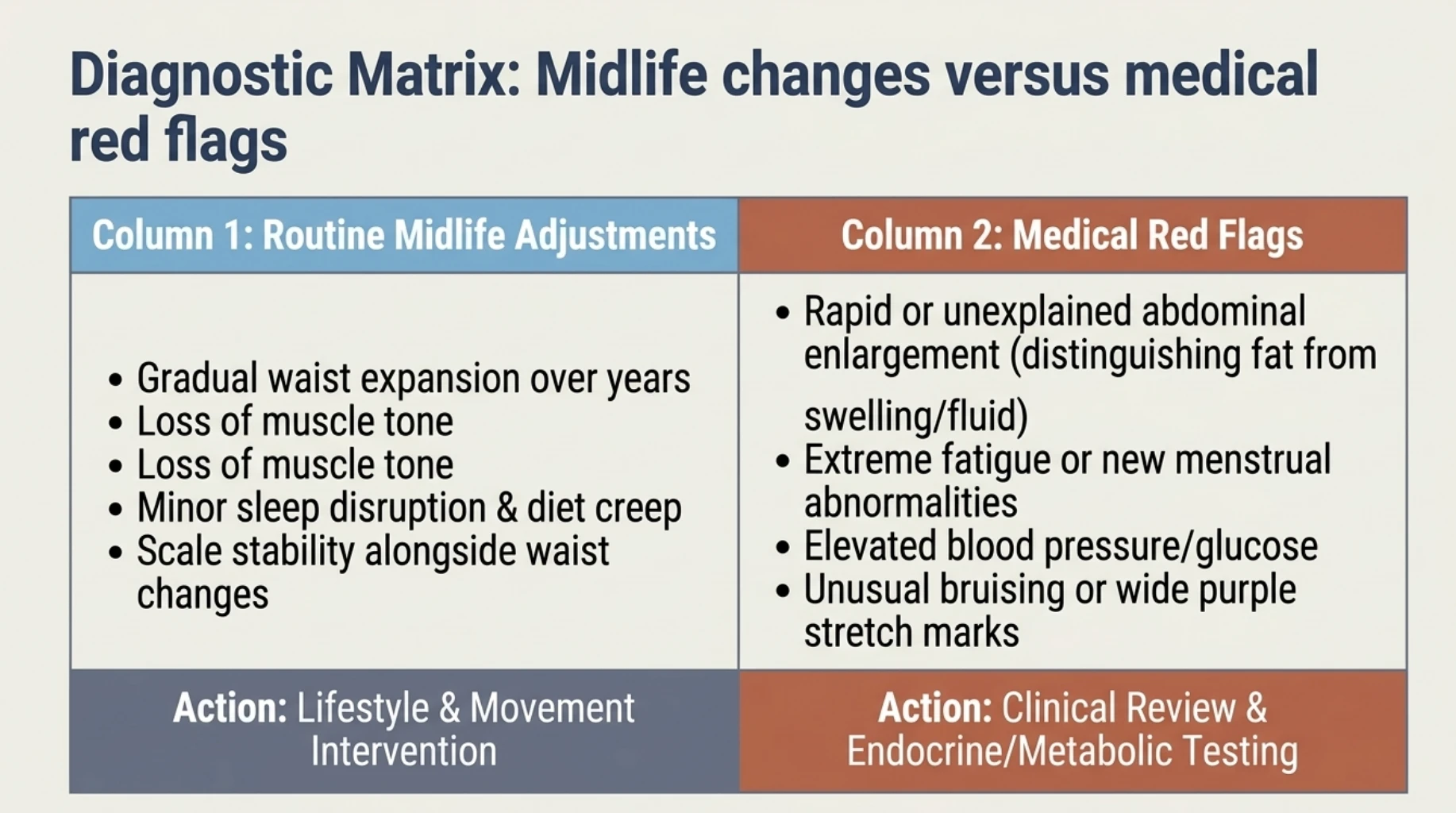
Gradual abdominal fat gain over several years can usually be discussed during a routine consultation.
Medical review becomes particularly useful when the change is:
- rapid or unexplained
- occurring despite substantial lifestyle changes
- associated with marked fatigue or cold intolerance
- accompanied by irregular periods or other hormonal symptoms
- occurring with increasing blood pressure
- associated with elevated glucose or HbA1c
- accompanied by high triglycerides
- occurring while taking a medicine associated with weight gain
- associated with symptoms suggesting sleep apnea
- accompanied by unusual bruising, wide purple stretch marks or pronounced muscle weakness
Also distinguish abdominal fat from abdominal swelling.
A rapidly enlarging abdomen, persistent bloating, a palpable mass, pain, fluid accumulation or another new abdominal symptom is not simply “belly fat” and warrants appropriate medical assessment.
Belly Fat and Metabolic-Health Review at Diet Plus Minus in Dwarka
If abdominal fat or waist circumference is increasing despite repeated attempts to lose weight, a medical review can help identify which factors are most relevant rather than assuming the problem is simply age.
Dr. Pankaj Kumar can review:
- body-weight and waist trends
- eating patterns
- daily physical activity
- strength training and muscle preservation
- sleep and possible sleep-apnea symptoms
- glucose and HbA1c
- blood pressure
- lipid reports
- fatty-liver risk
- thyroid symptoms and previous thyroid results
- medicines that may influence body weight
- whether further testing or specialist referral is appropriate
The objective is not to promise selective fat loss.
It is to assess abdominal adiposity in the context of overall weight, muscle, glucose, blood pressure, liver health and cardiovascular risk.
Dr. Pankaj Kumar
MBBS, DNB Family Medicine, Sir Ganga Ram Hospital
General & Lifestyle Physician
Special interest in Diabetes
Diet Plus Minus
13A, Pocket-2, Sector-6, Doctors Lane
Dwarka, New Delhi – 110075
India
Book an Appointment with Dr. Pankaj Kumar
Frequently Asked Questions
Why Am I Suddenly Getting Belly Fat After 35?
Age 35 itself does not trigger a sudden metabolic shutdown.
Changes in daily movement, muscle mass, sleep, eating patterns, stress and metabolic health often accumulate during the 30s and 40s. In women, the menopausal transition later in midlife can also shift fat distribution toward the abdomen.
Does Metabolism Slow Down at 35?
Not abruptly.
Large-scale research measuring energy expenditure found that metabolism adjusted for body size and composition remained relatively stable from roughly age 20 through 60.
Changes in activity and body composition can still reduce a person’s actual daily energy requirement.
Is Belly Fat Caused by Insulin Resistance?
The relationship is bidirectional and more complicated than that.
Central adiposity is strongly associated with insulin resistance and metabolic disease, but belly fat alone cannot diagnose insulin resistance.
HbA1c, fasting glucose, lipids, blood pressure and other metabolic markers provide more useful clinical information.
How Do I Know if My Belly Fat Is Visceral Fat?
You cannot determine the exact quantity of visceral fat simply by looking in the mirror.
CT and MRI can measure visceral fat accurately but are not routinely required for weight management.
Waist circumference and waist-to-height ratio can provide practical information about central adiposity and cardiometabolic risk.
What Waist Size Is Considered High for an Asian Adult?
The 2026 ADA obesity framework uses waist circumference thresholds of 80 cm or more in women and 90 cm or more in men of Asian background as evidence of central adiposity within relevant BMI ranges.
Waist measurement is one risk marker and should be interpreted alongside BMI, blood pressure, glucose, lipids and overall medical history.
Can Menopause Cause Belly Fat?
The menopausal transition is associated with a shift toward greater central adiposity in many women.
It is usually only one factor, however. Age, physical activity, muscle mass, sleep and total energy intake remain important.
Does High Cortisol Cause Belly Fat?
Persistent pathological cortisol excess can cause central weight gain, but Cushing syndrome is uncommon.
Typical Cushing features extend beyond abdominal fat and can include easy bruising, wide purple stretch marks and pronounced muscle weakness.
Ordinary abdominal weight gain does not automatically justify cortisol testing.
Can Hypothyroidism Cause Belly Fat?
Hypothyroidism can contribute to weight gain, but abdominal fat alone is not a specific thyroid symptom.
Fatigue, cold intolerance, constipation, dry skin and other compatible symptoms make thyroid testing more relevant.
Do Sit-Ups Burn Belly Fat?
Sit-ups and similar exercises strengthen abdominal muscles.
They should not be relied upon as a guaranteed way of selectively removing abdominal fat.
Overall aerobic activity, resistance exercise and sustainable nutritional changes have stronger evidence for reducing total and visceral adiposity.
Is Walking Enough to Reduce Belly Fat?
Walking can be a useful part of weight management, particularly when it replaces sedentary time and is performed consistently.
For broader fitness and body-composition benefits, combining aerobic activity with resistance training is often more useful than relying on one form of exercise alone.
Should I Avoid All Carbohydrates to Lose Belly Fat?
No.
Carbohydrates are not uniquely responsible for abdominal fat.
Portion size, total dietary pattern, food quality, protein and fibre intake, overall energy balance and sustainability matter.
A highly restrictive diet is not automatically superior simply because carbohydrates have been removed.
Does Protein Help With Belly-Fat Loss?
Protein can support satiety and help preserve lean mass during weight loss, particularly when combined with resistance training.
It does not selectively burn abdominal fat.
Protein requirements also need individualization in people with certain kidney or other medical conditions.
Can Weight Stay the Same While Waist Size Changes?
Yes.
Body composition and fat distribution can change without a dramatic change on the scale.
That is one reason waist circumference, strength and metabolic markers can provide useful information alongside body weight.
Should I Get an Insulin Test for Belly Fat?
Not routinely just because waist circumference has increased.
If metabolic risk is the concern, established tests such as HbA1c or fasting plasma glucose are usually more clinically useful for detecting abnormal glucose regulation.
When Should I See a Doctor About Belly Fat?
Consider medical review when abdominal weight gain is rapid, unexplained or accompanied by abnormal glucose, high blood pressure, menstrual changes, thyroid symptoms, significant snoring, medication changes or other new medical concerns.
A rapidly enlarging or painful abdomen should also not automatically be assumed to represent fat gain.
Author Box
Dr. Pankaj Kumar
MBBS, DNB Family Medicine, Sir Ganga Ram Hospital
General & Lifestyle Physician
Special interest in Diabetes
Dr. Pankaj Kumar provides general medical and lifestyle-based care at Diet Plus Minus in Dwarka, New Delhi. His approach includes assessment of weight and waist changes, diabetes and prediabetes risk, metabolic health, lifestyle factors and medicines that may influence body weight, with further investigation or specialist referral when appropriate.
Medical Disclaimer
This article provides general educational information and does not replace an individual medical consultation, physical examination, diagnosis or treatment plan.
Do not start thyroid hormone, cortisol-lowering treatment, hormonal therapy, diabetes medicines or prescription weight-loss medication solely because abdominal fat has increased.
Rapid unexplained abdominal enlargement, significant abdominal pain or other new concerning symptoms require appropriate medical assessment.
References
- American Diabetes Association. Screening, Diagnosis, Evaluation, and Staging of Obesity in Adults: Standards of Care in Overweight and Obesity—2026. Includes current recommendations regarding BMI, waist circumference, central adiposity and lower thresholds for adults of Asian background.
- American Diabetes Association Professional Practice Committee. Obesity and Weight Management for the Prevention and Treatment of Diabetes: Standards of Care in Diabetes—2026. Discusses excess adiposity, cardiometabolic complications and the role of body-fat distribution in metabolic risk.
- National Institute of Diabetes and Digestive and Kidney Diseases. Factors Affecting Weight & Health. Reviews the roles of eating patterns, physical activity, sleep, medicines, health conditions and genetics in body weight.
- National Institute of Diabetes and Digestive and Kidney Diseases. Hypothyroidism (Underactive Thyroid). Describes weight gain and associated symptoms while emphasising that common symptoms do not independently establish thyroid disease.
- National Institute of Diabetes and Digestive and Kidney Diseases. Cushing’s Syndrome. Reviews characteristic manifestations of pathological cortisol excess, including central weight gain, easy bruising, purple stretch marks and muscle weakness.
- National Institute of Diabetes and Digestive and Kidney Diseases. Diabetes & Prediabetes Tests. Reviews HbA1c, fasting plasma glucose and OGTT criteria for detecting prediabetes and diabetes.
- Chen X, He H, Xie K, et al. Effects of Various Exercise Types on Visceral Adipose Tissue in Individuals With Overweight and Obesity: A Systematic Review and Network Meta-analysis of 84 Randomized Controlled Trials. Obesity Reviews. 2024.
- Igarashi Y, Akazawa N, Maeda S. An Exercise Program to Reduce Abdominal Visceral and Subcutaneous Fat in Adults With Overweight and Obesity: A Systematic Review and Meta-analysis of Randomized Controlled Trials. 2025.
- The Impact of the Menopausal Transition on Body Composition and Abdominal Fat Redistribution. 2026. Reports lower lean mass and greater central adiposity in postmenopausal compared with premenopausal and perimenopausal women.

Written by Dr. Pankaj Kumar
General & Lifestyle Physician in Dwarka Sector 6, New Delhi · MBBS, DNB (Family Medicine), DNHE · 16 years of experience.
About the doctor →Book a consultation → Beyond Blood Sugar
 The 90-Day Prediabetes Turnaround
 The Indian Diabetes Diet Reset
 Eat to Beat Gout
 Why Is My Hair Falling?
 The 30-Day Inflammation Reset