
Early thyroid symptoms are rarely dramatic. They usually begin subtly and are often mistaken for stress, aging, or lifestyle imbalance. Mild fatigue. Slight weight gain. Hair thinning. Mood changes. Because these signs are common, they are frequently ignored.
In my clinical practice, I see many patients who have had thyroid imbalance signs for months before testing. By the time they check a thyroid function test, symptoms have already started affecting work performance, metabolism, menstrual cycles, or emotional health.
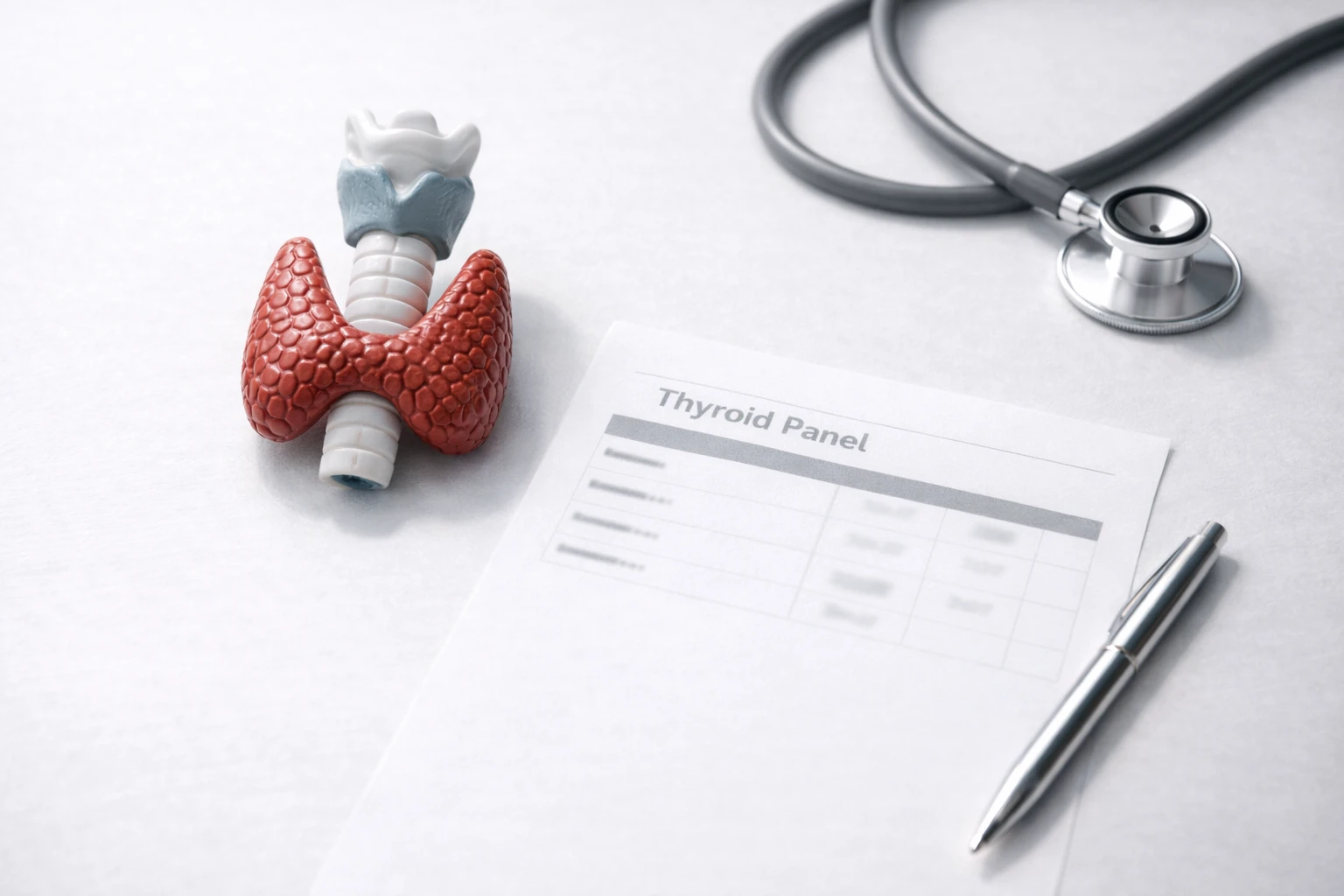
The thyroid gland may be small, but its hormonal influence is significant. It regulates metabolism, heart rate, temperature control, mood stability, menstrual health, and even bowel function.
Because the symptoms overlap with everyday stress, early thyroid symptoms are often dismissed until laboratory values become abnormal.
What the Thyroid Actually Does
The thyroid produces two main hormones: thyroxine (T4) and triiodothyronine (T3). These hormones regulate how quickly your body uses energy.
The pituitary gland controls thyroid hormone production by releasing thyroid stimulating hormone (TSH). If thyroid hormone levels fall, TSH rises. If thyroid hormones increase excessively, TSH drops.
Even small imbalances can cause noticeable changes in metabolism. Research published in 2021 reviewing thyroid physiology and metabolic impact explains how subtle hormonal shifts influence energy expenditure and lipid metabolism. You can review the data here:
Thyroid hormone regulation and metabolism review (2021).
Understanding this hormonal axis helps explain why early thyroid symptoms may affect multiple organ systems at once.
Common Early Thyroid Symptoms
Let us examine the most common early thyroid symptoms that people tend to ignore.
1. Persistent Fatigue
Fatigue and thyroid dysfunction are strongly linked. If you feel exhausted despite adequate sleep, it may indicate hypothyroidism symptoms.
2. Unexplained Weight Changes
Unexplained weight gain thyroid patterns are common in hypothyroidism. Conversely, unexplained weight loss may suggest hyperthyroidism symptoms.
3. Hair Thinning
Hair loss thyroid patterns are often diffuse rather than patchy. Patients frequently attribute this to stress or nutritional deficiency.
4. Cold or Heat Intolerance
Feeling unusually cold may indicate reduced thyroid function. Feeling excessively warm or sweaty may suggest overactive thyroid activity.
5. Mood Changes
Low mood, irritability, anxiety, or brain fog can all be early thyroid imbalance signs.
Hypothyroid vs Hyperthyroid: Understanding the Difference
When discussing early thyroid symptoms, it is important to differentiate between an underactive and overactive thyroid. Both can present subtly, yet their metabolic effects are opposite.
Early Hypothyroidism Symptoms
Hypothyroidism occurs when the thyroid gland does not produce enough hormone. The metabolic rate slows down.
- Persistent fatigue
- Unexplained weight gain
- Dry skin and hair thinning
- Constipation
- Slow heart rate
- Menstrual irregularities
A 2022 clinical update reviewing hypothyroidism diagnosis and management highlights how subclinical hypothyroidism may present with minimal yet progressive symptoms.
This is why many patients ignore early thyroid symptoms until TSH rises significantly.
Early Hyperthyroidism Symptoms
Hyperthyroidism occurs when excess thyroid hormone accelerates metabolism.
- Unexplained weight loss
- Palpitations
- Anxiety or irritability
- Heat intolerance
- Increased bowel movements
- Tremors
A 2021 review available here hyperthyroidism clinical presentation and treatment review explains how subtle early symptoms may precede significant hormone elevation.
Many individuals mistake anxiety driven palpitations for stress, when thyroid overactivity may be the underlying cause.
Thyroid and Metabolic Health
The thyroid does not function in isolation. It interacts with insulin sensitivity, lipid metabolism, and cardiovascular health.
A 2023 study examining
thyroid dysfunction and cardiovascular risk confirms that untreated thyroid imbalance increases long term heart disease risk.
This is particularly important in patients with obesity or insulin resistance. Subtle thyroid imbalance signs may worsen weight gain and metabolic instability.
Why Blood Tests May Look Normal Initially
Another important reason why early thyroid symptoms missed occurs is that standard blood tests may not always show clear abnormalities in the beginning.
In early stages:
- TSH may remain within normal range
- T3 and T4 levels may fluctuate
- Borderline values may not be flagged as abnormal
This creates a false sense of reassurance. Patients are told everything is normal, even though symptoms persist. Research indicates that subclinical thyroid dysfunction can exist even when routine tests appear normal.
When Should You Test Thyroid Function?
Testing is simple and reliable. A thyroid function test typically includes TSH, free T4, and sometimes free T3.
According to updated endocrine guidance available here:
recent thyroid screening recommendations (2022), testing should be considered in individuals with unexplained fatigue, weight changes, menstrual irregularities, or family history of thyroid disease.
In India, thyroid screening is particularly relevant in women aged 25 to 45, postpartum women, and individuals with autoimmune disorders.
If you want structured metabolic evaluation, you can review my clinical background on the
About page and understand my preventive approach through the
Lifestyle Modification Program.
What I Recommend in Clinic When Early Thyroid Symptoms Appear
When patients present with early thyroid symptoms, my approach is structured. I do not treat numbers alone. I treat the person, the pattern, and the progression risk.
1. Confirm With Proper Testing
Always repeat abnormal TSH values before labeling thyroid disease. Lab variation and transient illness can temporarily alter readings.
2. Evaluate Symptoms Alongside Reports
Subclinical changes may not require immediate medication unless symptoms are significant. Clinical judgment is essential.
3. Assess Autoimmune Markers
In suspected Hashimoto thyroiditis or Graves disease, antibody testing may help clarify the cause.
4. Monitor Weight and Metabolic Health
Unexplained weight gain thyroid patterns should be evaluated alongside insulin resistance, lipid profile, and liver function.
5. Address Lifestyle Factors
Sleep deprivation, chronic stress, and nutrient deficiencies can worsen thyroid imbalance signs. Structured lifestyle correction supports hormonal stability.
6. Avoid Self Medication
Over the counter thyroid supplements and online advice can cause harm. Thyroid hormones must be dosed carefully.
7. Follow Structured Monitoring
Once treatment begins, repeat thyroid function tests every 6 to 8 weeks initially to ensure stability.
If you need a personalized evaluation, you can explore my clinical work through the
Portfolio or schedule a consultation for structured assessment.
When to Seek Urgent Medical Attention
Although most early thyroid symptoms are gradual, urgent evaluation is required if you experience:
- Severe palpitations with dizziness
- Unexplained rapid weight loss
- Swelling in the neck with breathing difficulty
- Confusion or extreme lethargy
- Very slow heart rate with weakness
These may indicate severe hyperthyroidism or advanced hypothyroidism requiring immediate care.
Early thyroid symptoms often begin subtly with fatigue, weight changes, mood shifts, and hair thinning. Ignoring these signs delays diagnosis and increases metabolic and cardiovascular risk. Timely thyroid function testing and structured monitoring ensure long term stability and prevention of complications.
References
- Thyroid hormone regulation and metabolism review (2021)
- Hypothyroidism diagnosis and management (2022)
- Hyperthyroidism clinical presentation review (2021)
- Thyroid dysfunction and cardiovascular risk (2023)
- Thyroid screening recommendations (2022)
Take the Next Step
If you are experiencing early thyroid symptoms or want preventive thyroid screening, early evaluation helps avoid long term complications.
Disclaimer: This article is for educational purposes only and does not replace individualized medical consultation.

Written by Dr. Pankaj Kumar
General & Lifestyle Physician in Dwarka Sector 6, New Delhi · MBBS, DNB (Family Medicine), DNHE · 16 years of experience.
About the doctor →Book a consultation → Beyond Blood Sugar
 The 90-Day Prediabetes Turnaround
 The Indian Diabetes Diet Reset
 Eat to Beat Gout
 Why Is My Hair Falling?
 The 30-Day Inflammation Reset