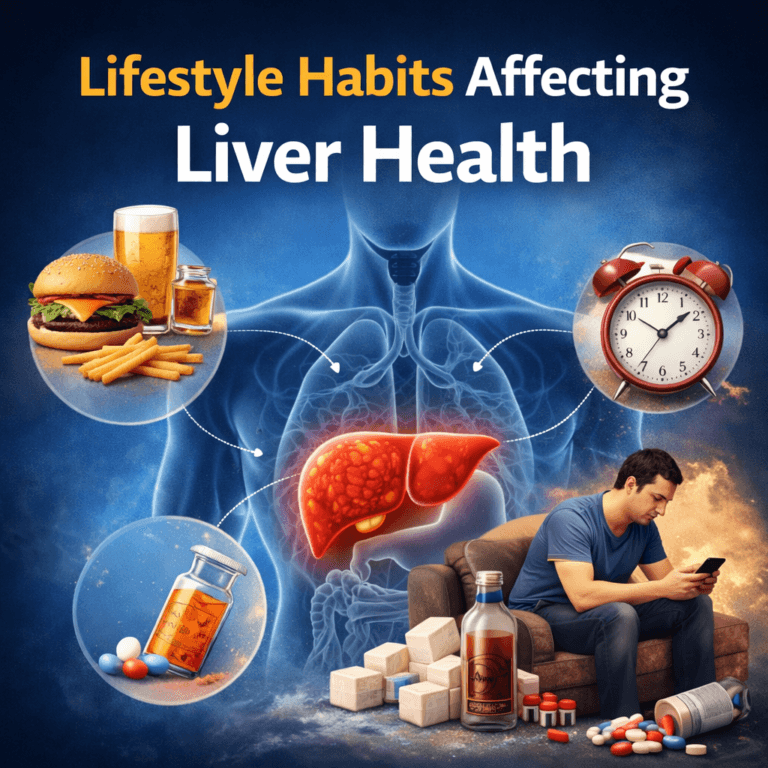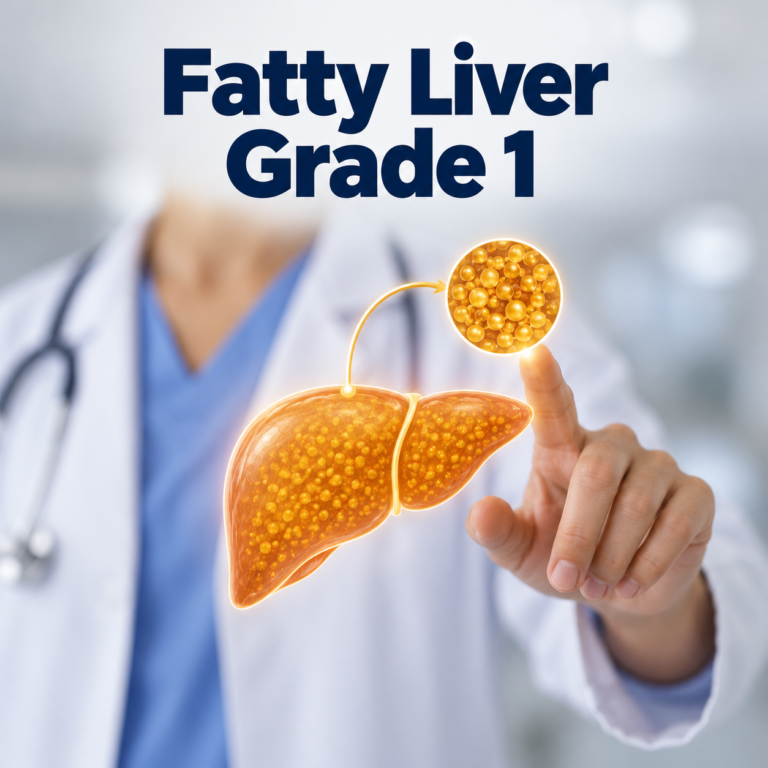

Understanding Fatty Liver
When patients hear the diagnosis, the first question they ask is whether they need strong medication. In reality, fatty liver treatment without medication is often the preferred first step in early stages. Non alcoholic fatty liver disease occurs when excess fat accumulates inside liver cells. It is closely linked with insulin resistance, central obesity, prediabetes, type 2 diabetes, and metabolic syndrome.
Why Medication Is Not Always First Line
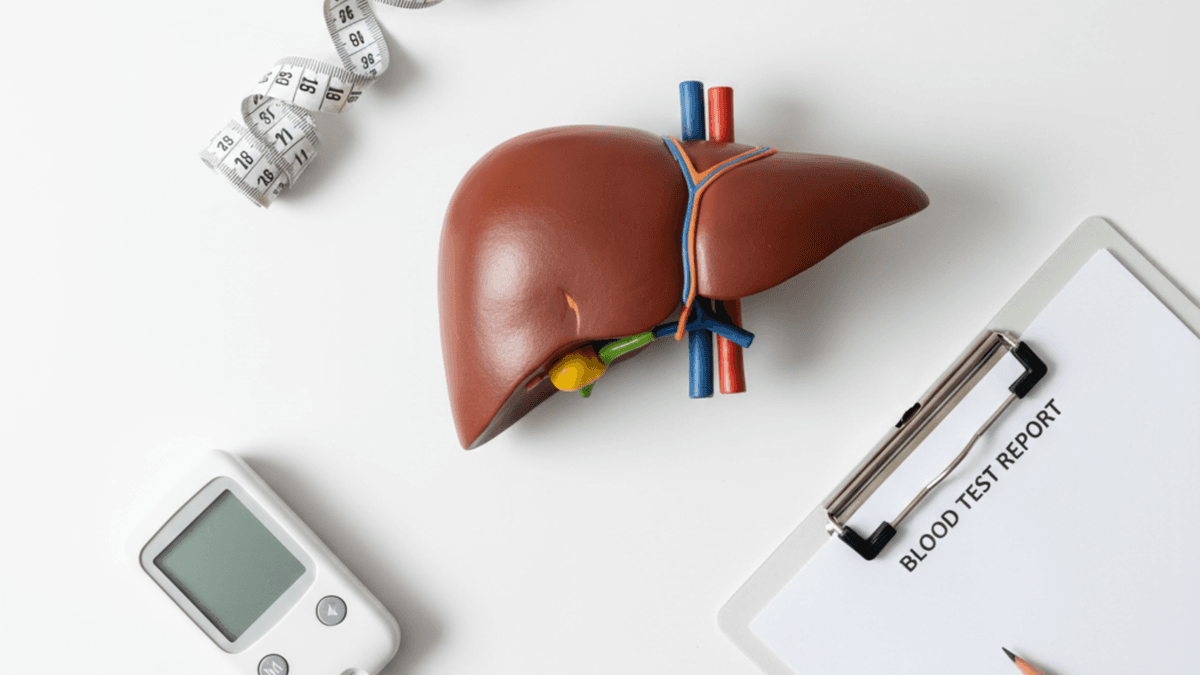
Many patients assume that liver fat must be treated with strong drugs. However, there is no universal medication that safely eliminates fatty liver in early stages. The primary driver is metabolic dysfunction, not infection or inflammation in most uncomplicated cases. This is why fatty liver treatment without medication is not a compromise. It is evidence based practice.
Insulin Resistance and Liver Fat Accumulation
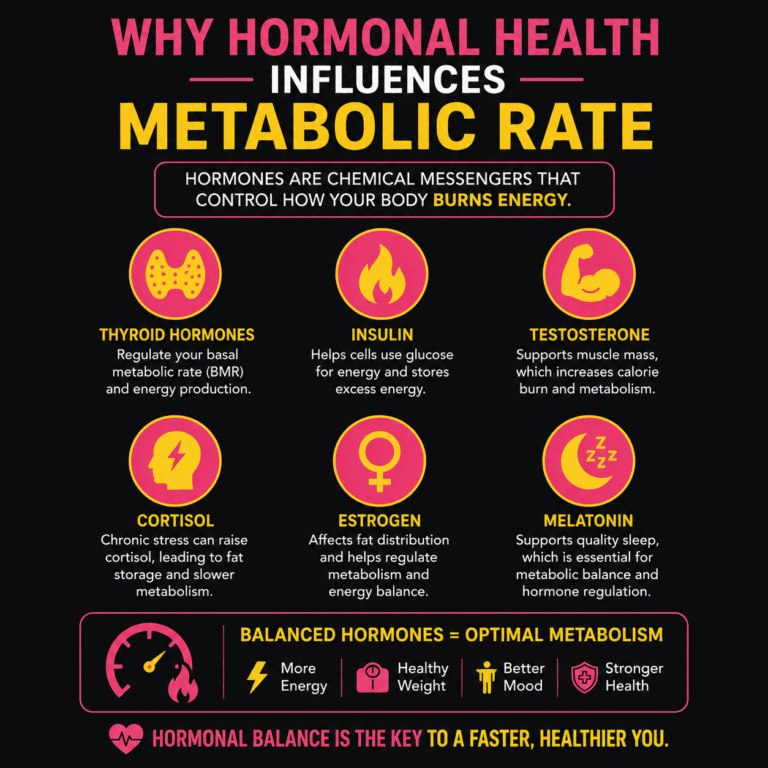
The central mechanism behind fatty liver treatment without medication is correcting insulin resistance. When insulin sensitivity declines, excess glucose is converted into fat and stored in the liver. This process is called de novo lipogenesis. High carbohydrate intake combined with sedentary lifestyle accelerates liver fat accumulation. A 2022 metabolic review available on PubMed discussing insulin resistance and hepatic fat deposition explains how metabolic dysfunction directly drives fatty infiltration. This is why fatty liver is often seen alongside central obesity and elevated triglycerides.
What Research Shows About Lifestyle Reversal
Strong scientific evidence supports non alcoholic fatty liver disease management through structured lifestyle intervention. A 2021 clinical review on weight loss and liver fat reduction demonstrated that even 7 to 10 percent body weight reduction significantly improves liver fat and inflammation markers. Another 2020 analysis discussing physical activity and metabolic liver health highlights the role of resistance training in reducing hepatic fat independent of large weight loss. This confirms that fatty liver treatment without medication is not theoretical. It is measurable and reproducible.
Dietary Correction Strategy
Lifestyle treatment for fatty liver focuses on:
- Reducing refined carbohydrate load
- Improving protein adequacy
- Increasing fiber intake
- Limiting ultra processed foods
- Controlling portion sizes
Contrary to popular belief, extreme crash diets are not required. Sustainable correction works better.
Exercise and Muscle Activation
Resistance training improves insulin resistance and fatty liver simultaneously. Muscle acts as a metabolic sink for glucose. Regular structured movement improves NAFLD management outcomes significantly.
Practical Strategy for Fatty Liver Treatment Without Medication
In early and uncomplicated cases, fatty liver treatment without medication follows a structured and measurable approach. The goal is not temporary improvement, but metabolic correction.
1. Target 7 to 10 Percent Weight Reduction
Clinical data consistently show that modest weight loss significantly reduces liver fat and improves enzyme levels.
2. Improve Protein Intake
Adequate protein preserves muscle mass and improves insulin sensitivity. Many Indian diets are carbohydrate heavy and protein deficient.
3. Reduce Refined Carbohydrates
White rice in excess, sweets, sugary beverages, and packaged snacks promote hepatic fat deposition.
4. Strength Training Twice Weekly
Muscle activation improves insulin resistance and supports fatty liver reversal.
5. Optimize Sleep
Poor sleep worsens insulin resistance and abdominal fat accumulation.
6. Monitor Liver Enzymes and Metabolic Markers
Regular tracking ensures objective progress rather than guesswork.
7. Avoid Unnecessary Supplements
There is no magic pill. Many marketed liver detox products lack strong evidence. Guidelines from metabolic risk and obesity research reinforce the importance of structured lifestyle intervention over unproven medications in early disease.
When Medication May Be Required
Although fatty liver treatment without medication is effective in early stages, drug therapy may be considered in:
- Advanced fibrosis
- Non alcoholic steatohepatitis with inflammation
- Severe metabolic syndrome
- Coexisting diabetes with poor control
This decision should be individualized.
Fatty liver treatment without medication is achievable in early stages through weight correction, protein optimization, resistance training, improved sleep, and insulin resistance management. Structured monitoring ensures measurable improvement and long term liver health.
Take the Next Step
Disclaimer: This article is for educational purposes only and does not replace individualized medical consultation.

Written by Dr. Pankaj Kumar
General & Lifestyle Physician in Dwarka Sector 6, New Delhi · MBBS, DNB (Family Medicine), DNHE · 16 years of experience.
About the doctor →Book a consultation → Beyond Blood Sugar
 The 90-Day Prediabetes Turnaround
 The Indian Diabetes Diet Reset
 Eat to Beat Gout
 Why Is My Hair Falling?
 The 30-Day Inflammation Reset