
Many people struggling with weight gain or low energy often blame their metabolism.
They commonly say things like, “My metabolism has become slow,” but very few understand what actually controls metabolic rate inside the body.
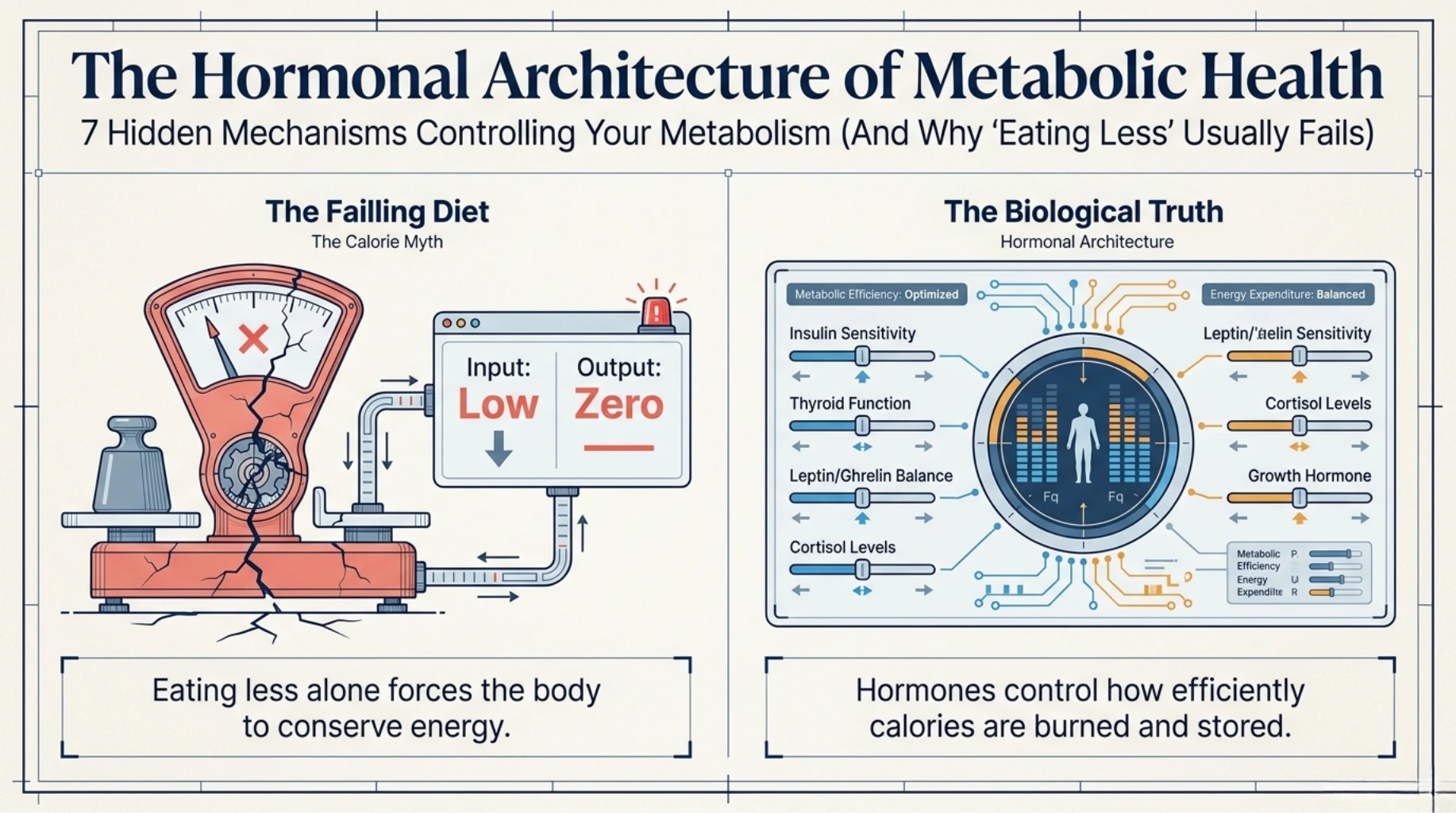
In reality, metabolism is not controlled by willpower alone. Hormones play a central role in regulating how efficiently the body produces energy, burns calories, stores fat, and maintains muscle mass.
This is exactly why why hormonal health influences metabolic rate is such an important topic in modern lifestyle medicine. When hormonal balance becomes disturbed, the body’s metabolic efficiency gradually changes — often long before major symptoms appear.
What Does Metabolic Rate Actually Mean?
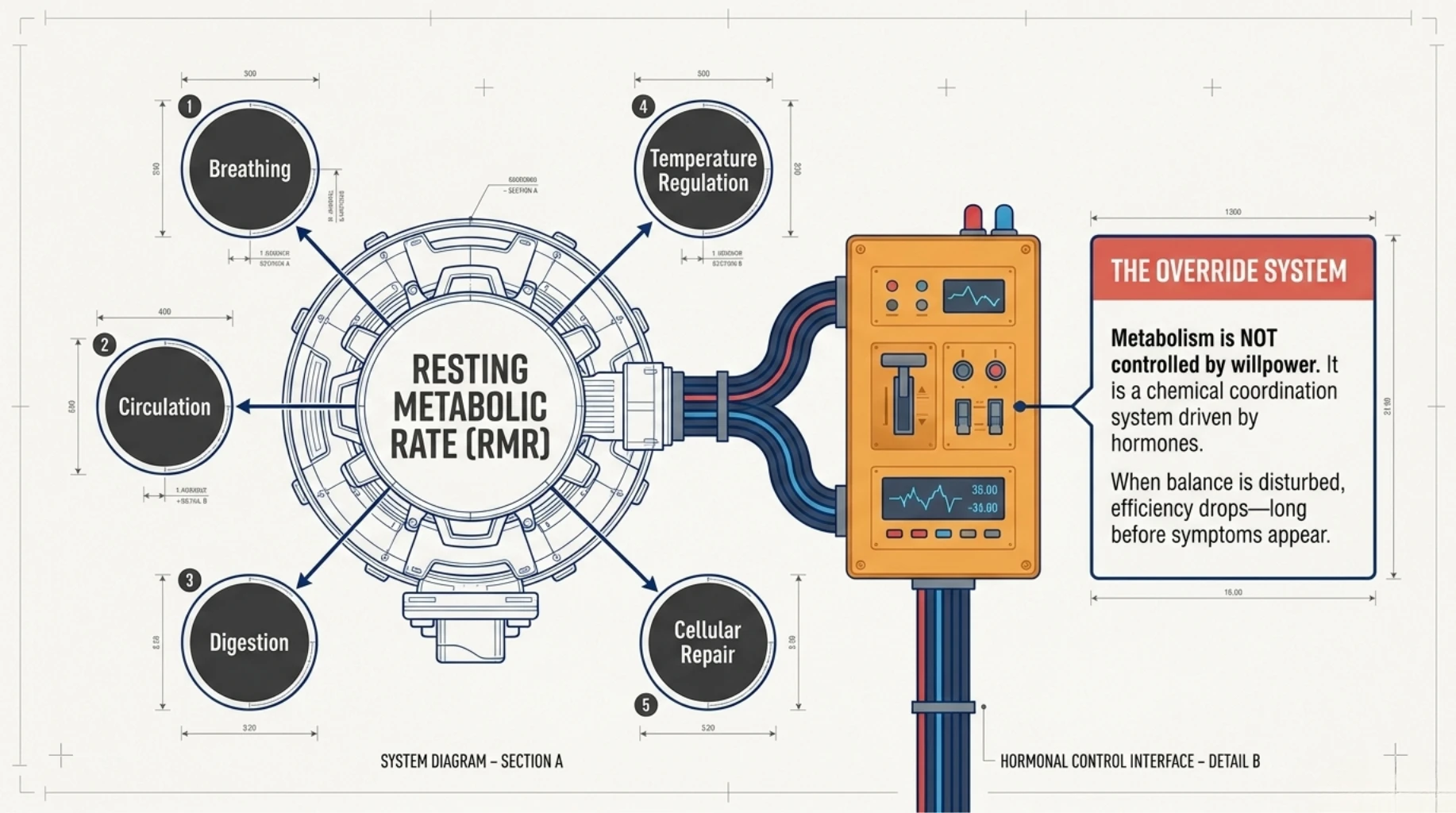
Metabolic rate refers to the amount of energy the body uses to maintain basic functions such as breathing, circulation, digestion, temperature regulation, and cellular repair. Even at rest, the body continuously burns calories to sustain life.
Several factors influence metabolic rate:
- Age
- Muscle mass
- Physical activity
- Sleep quality
- Hormonal balance
Among these, hormones have one of the most powerful and complex influences. This is why understanding why hormonal health influences metabolic rate becomes essential when evaluating weight changes and metabolic health.
How Hormones Regulate Metabolism
Hormones act as chemical messengers that coordinate different metabolic functions throughout the body.
They influence:
- How efficiently calories are burned
- How fat is stored or utilized
- How hungry or full we feel
- How muscle mass is maintained
When hormone levels become imbalanced, metabolism often becomes less efficient.
This can lead to:
- Fatigue
- Weight gain
- Difficulty losing fat
- Reduced energy expenditure
Hidden Mechanism 1: Thyroid Hormones Directly Control Metabolic Speed
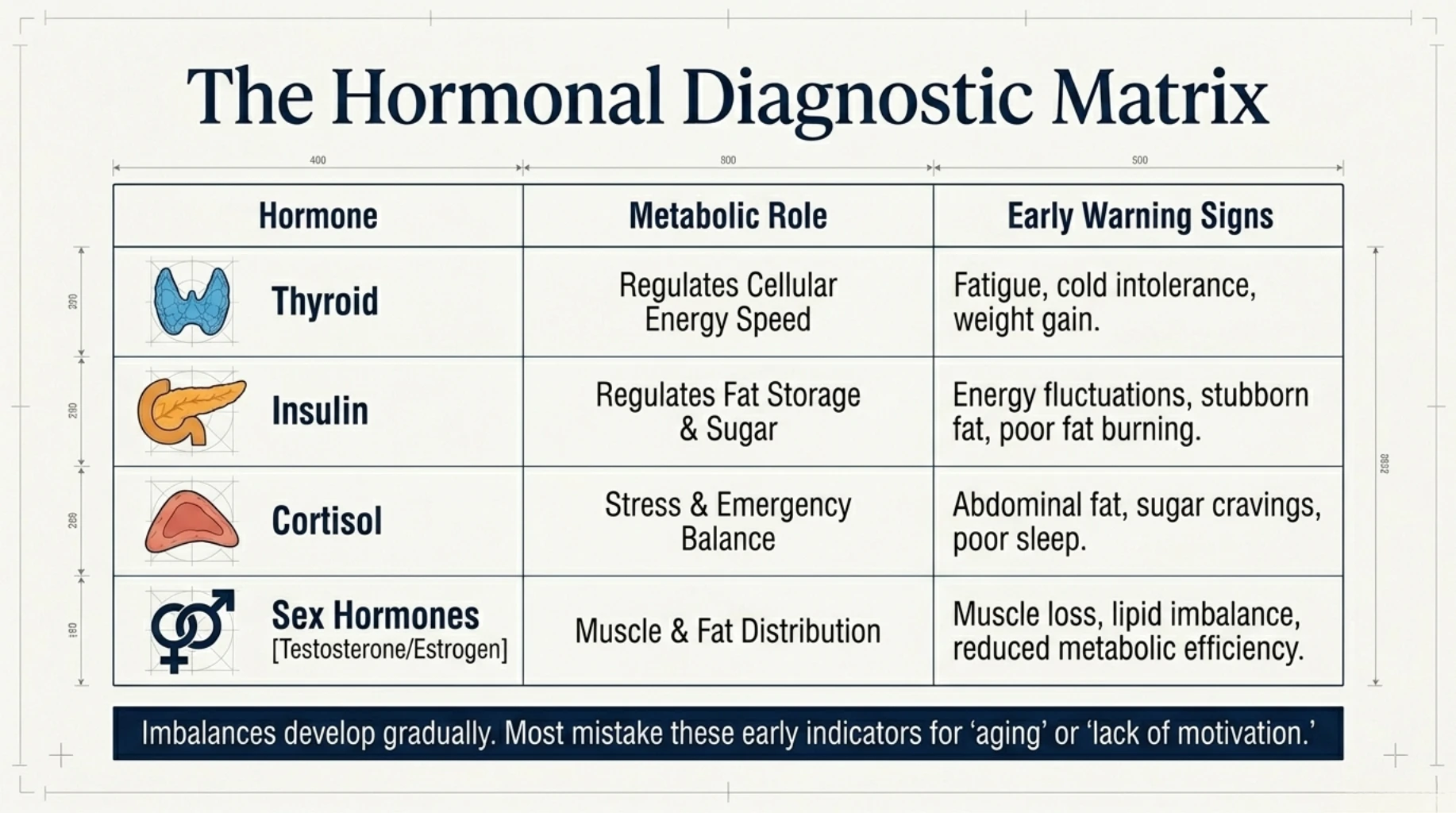
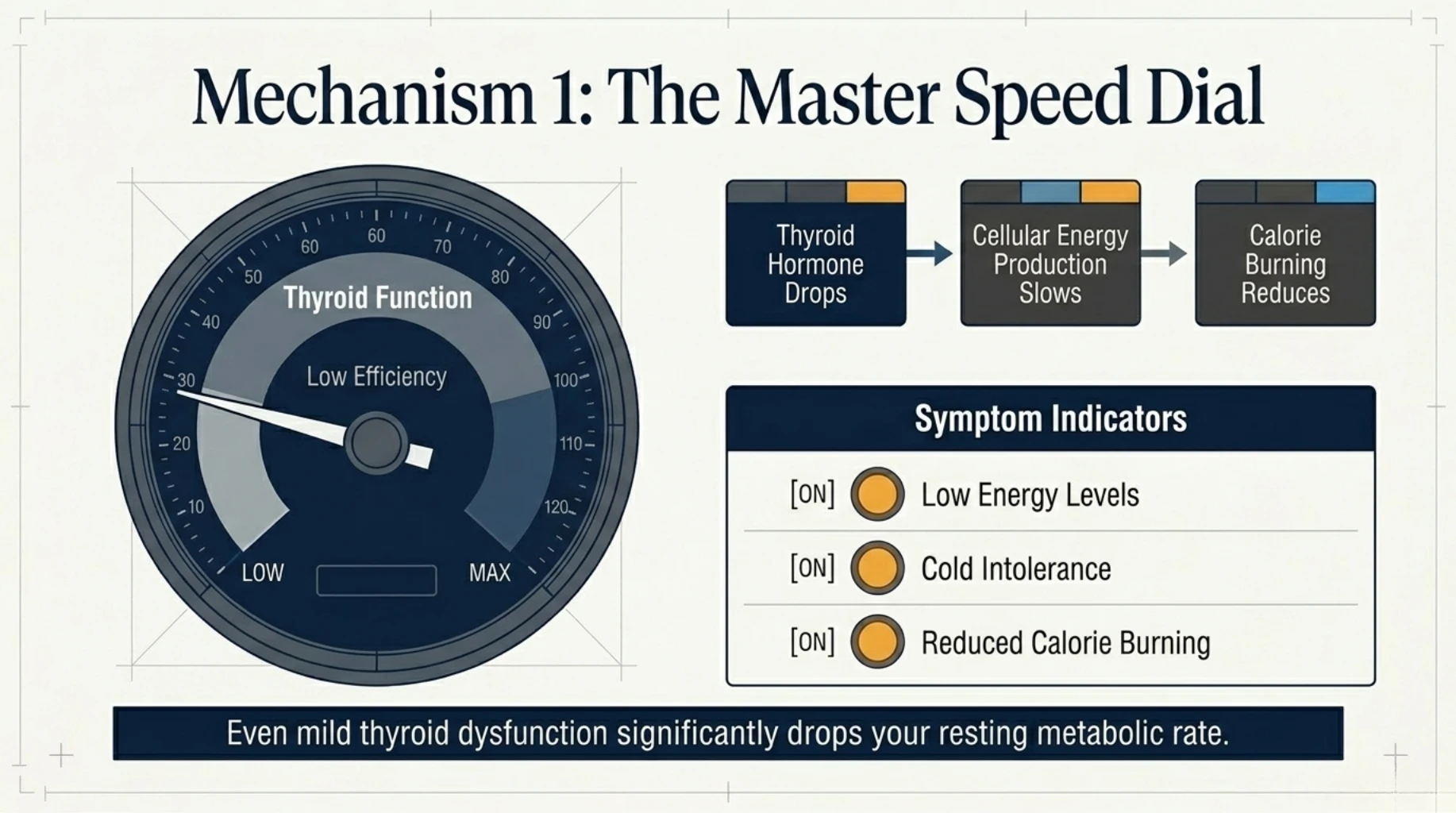
One of the most important regulators of metabolic rate is the thyroid gland. Thyroid hormones influence how quickly cells produce and utilize energy.
When thyroid hormone levels decrease, metabolism slows down.
This commonly leads to:
- Low energy levels
- Weight gain
- Cold intolerance
- Reduced calorie burning
Even mild thyroid dysfunction can affect metabolic efficiency significantly. This is one of the clearest examples of why hormonal health influences metabolic rate.
Hidden Mechanism 2: Insulin Regulates Fat Storage and Energy Use
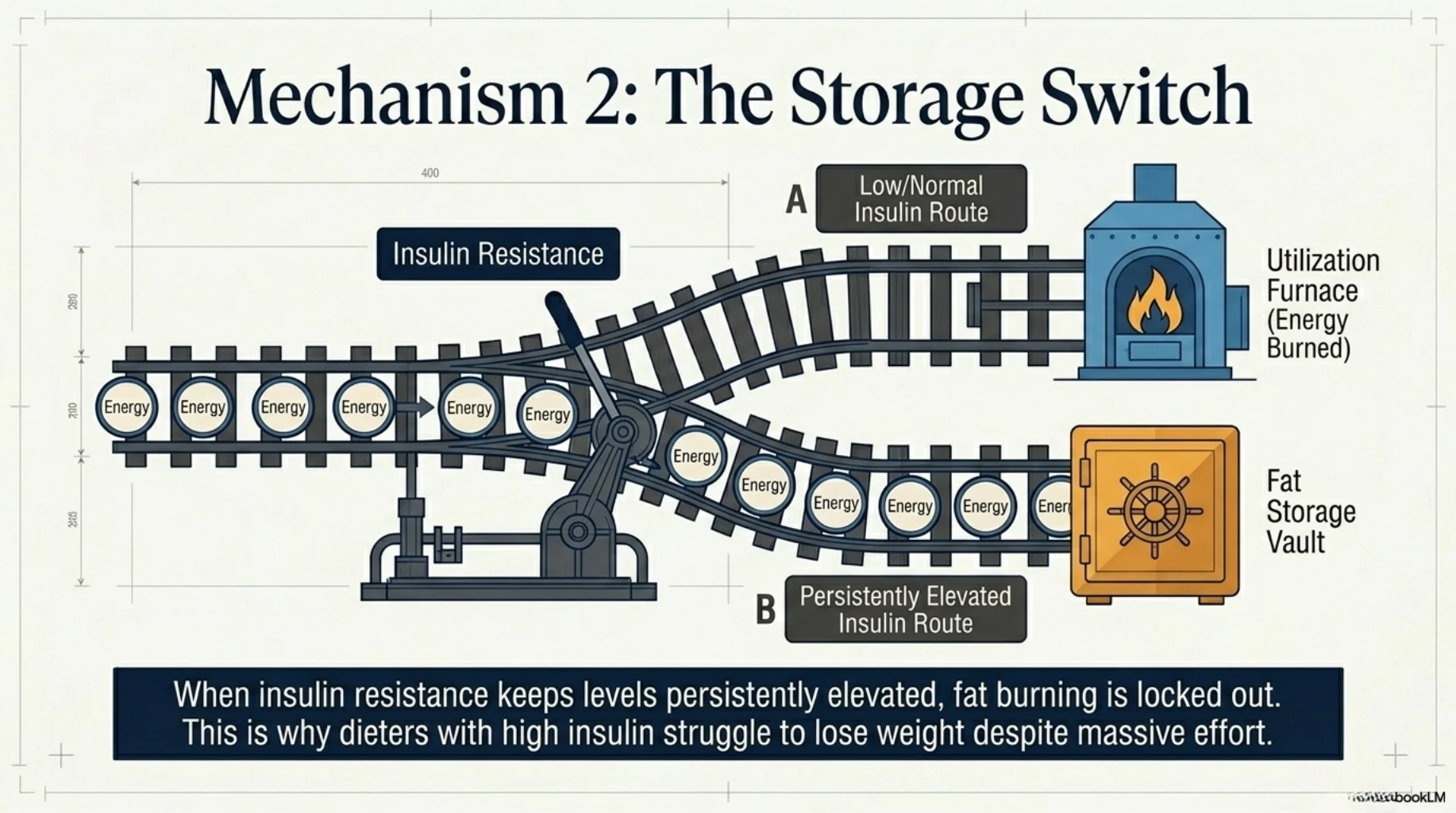
Insulin is another key hormone affecting metabolism. Its primary role is to regulate blood sugar levels, but it also strongly influences fat storage.
When insulin levels remain persistently elevated due to insulin resistance:
- Fat storage increases
- Fat burning becomes less efficient
- Energy fluctuations become more common
This is why many individuals with insulin resistance struggle to lose weight despite dieting efforts. Understanding this mechanism helps explain why hormonal health influences metabolic rate beyond simple calorie counting.
Hidden Mechanism 3: Cortisol Alters Metabolic Balance
Cortisol, commonly known as the stress hormone, also plays a major role in metabolism. Short-term cortisol release is normal and useful. However, chronic stress keeps cortisol levels elevated for prolonged periods.
This often leads to:
- Increased abdominal fat storage
- Higher cravings for sugary foods
- Reduced muscle preservation
- Poor sleep quality
Over time, these changes negatively affect metabolic rate and overall metabolic flexibility.
Why Hormonal Changes Often Go Unnoticed Initially
Hormonal imbalance usually develops gradually. Most patients do not experience dramatic symptoms in the beginning.
Instead, they notice subtle changes such as:
- Low energy
- Weight gain despite normal eating
- Increased fatigue
- Difficulty losing fat
Because these symptoms develop slowly, many individuals assume it is simply “aging” or lack of motivation. In reality, these may be early indicators of disturbed hormonal and metabolic health.
This is why understanding why hormonal health influences metabolic rate helps identify problems much earlier.

Hidden Mechanism 4: Poor Sleep Disrupts Metabolic Hormones
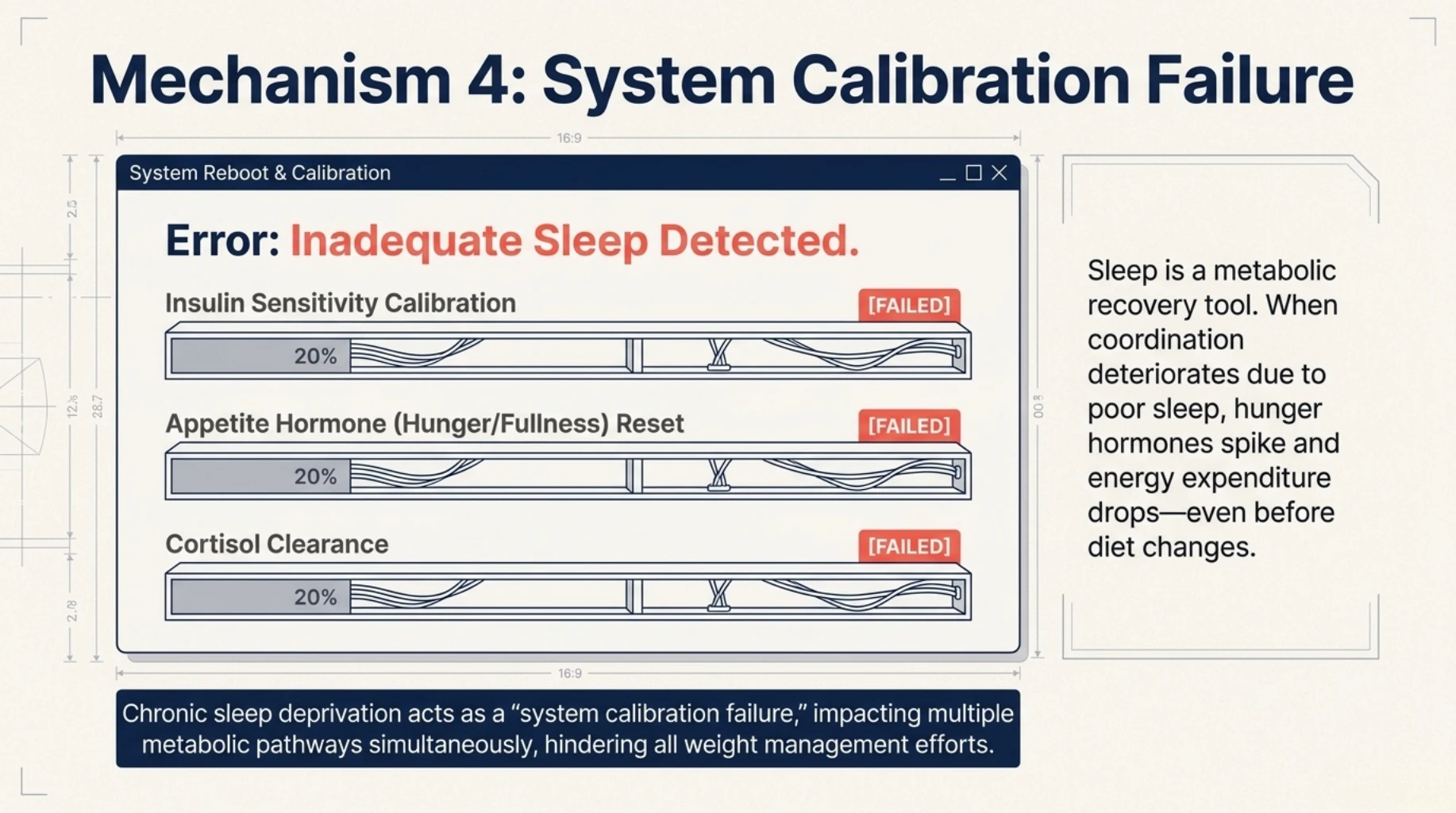
Sleep is one of the most underestimated factors affecting hormonal balance and metabolism. During healthy sleep, the body regulates multiple hormones involved in appetite control, insulin sensitivity, stress response, and recovery.
When sleep becomes inadequate or irregular, this hormonal coordination begins to deteriorate.
Poor sleep commonly leads to:
- Higher cortisol levels
- Reduced insulin sensitivity
- Increased hunger hormone activity
- Lower energy expenditure
Many individuals notice increased cravings, fatigue, and weight gain after periods of poor sleep. This is one of the practical real-life examples explaining why hormonal health influences metabolic rate.
Hidden Mechanism 5: Muscle Mass Strongly Affects Metabolism
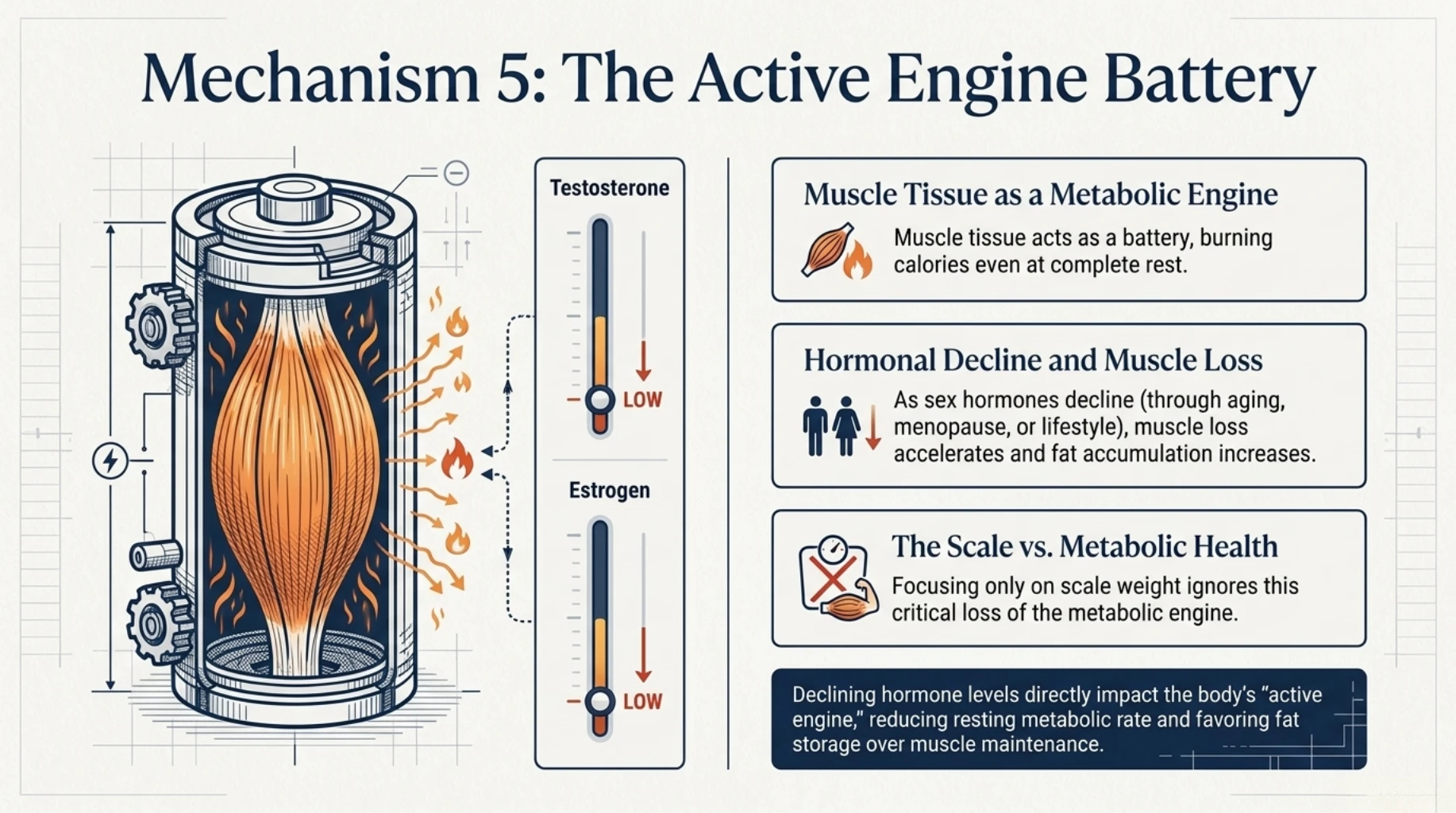
Muscle tissue is metabolically active, meaning it burns calories even at rest. The body’s hormonal environment plays a major role in preserving or reducing muscle mass over time.
When hormonal balance becomes unfavorable:
- Muscle loss accelerates
- Fat accumulation increases
- Resting metabolic rate declines
This is especially common in sedentary lifestyles, chronic stress, aging, and poor protein intake. Many people focus only on body weight while ignoring changes in muscle mass, even though muscle preservation is essential for maintaining metabolic health.
How Testosterone Influences Metabolic Rate
Testosterone is important not only for reproductive health but also for metabolism and body composition.
Healthy testosterone levels support:
- Muscle maintenance
- Fat utilization
- Energy production
- Physical performance
When testosterone levels decline, individuals often experience:
- Reduced muscle mass
- Increased abdominal fat
- Lower energy levels
- Reduced metabolic efficiency
This is another important explanation for why hormonal health influences metabolic rate over time.
How Estrogen Affects Fat Distribution and Metabolism
In women, estrogen plays a significant role in metabolic regulation and fat distribution.
Hormonal changes during perimenopause and menopause often lead to:
- Increased abdominal fat accumulation
- Reduced insulin sensitivity
- Changes in lipid balance
- Reduced energy expenditure
Many women notice weight changes during these hormonal transitions even without major dietary changes. This highlights how closely hormonal balance and metabolism are connected.
Modern Lifestyle Patterns Disrupt Hormonal Balance
Modern lifestyles create multiple pressures on hormonal health simultaneously.
Common factors include:
- Chronic stress
- Poor sleep schedules
- Sedentary behavior
- Frequent processed food intake
- Lack of physical activity
Over time, these habits gradually disturb insulin regulation, stress hormone balance, appetite control, and metabolic efficiency. This is one of the biggest reasons why metabolic disorders have become increasingly common even in younger adults.
Understanding why hormonal health influences metabolic rate helps explain why quick-fix dieting often fails when underlying hormonal imbalance is ignored.
Why “Eating Less” Alone Often Does Not Work
Many individuals try to lose weight simply by reducing calories aggressively. However, when hormonal balance is already disturbed, the body often responds by conserving energy instead of increasing fat loss.
This may lead to:
- Fatigue
- Muscle loss
- Reduced metabolic rate
- Weight regain later
This is why sustainable metabolic improvement requires correcting the hormonal environment rather than focusing only on short-term calorie restriction.
The Bigger Picture Behind Slow Metabolism
A “slow metabolism” is usually not caused by a single factor.
It is often the result of multiple hormonal and lifestyle disturbances interacting together:
- Insulin resistance
- Poor sleep
- Chronic stress
- Reduced muscle mass
- Low physical activity
Addressing these root causes produces far more meaningful long-term results than temporary dieting approaches.
How to Support Hormonal Health and Improve Metabolic Rate Naturally
The encouraging part is that hormonal and metabolic health often improve significantly with consistent lifestyle correction. Many people assume metabolism is fixed or permanently damaged, but in reality, the body responds remarkably well when underlying hormonal stress is reduced.
The goal should not be extreme dieting or rapid weight loss. Sustainable metabolic improvement works far better in the long term. This is where understanding why hormonal health influences metabolic rate becomes practically useful.
Focus on Structured Eating Instead of Constant Snacking
Frequent snacking and continuous eating keep insulin levels elevated throughout the day. Over time, this reduces metabolic flexibility and promotes fat storage.
Structured meals with adequate protein, vegetables, and balanced carbohydrates help stabilize hormonal response more effectively.
This improves:
- Insulin sensitivity
- Energy stability
- Satiety control
- Fat utilization
Balanced meal timing often improves metabolic efficiency more than simply reducing calories aggressively.
Preserve Muscle Mass to Maintain Metabolic Rate
One of the biggest mistakes during weight loss is losing muscle along with fat. Since muscle tissue burns calories even at rest, preserving muscle mass is essential for maintaining long-term metabolic health.
This is why strength training and adequate protein intake become extremely important.
Even simple resistance exercises performed consistently can improve:
- Resting metabolic rate
- Insulin sensitivity
- Hormonal balance
- Fat utilization
Improve Sleep to Support Hormonal Recovery
Sleep is one of the most powerful metabolic recovery tools available naturally.
Consistent sleep helps regulate:
- Cortisol levels
- Appetite hormones
- Insulin sensitivity
- Energy regulation
Patients who improve sleep quality often notice better energy levels, improved cravings, and more stable weight patterns even before dramatic dietary changes. This is another practical reason why hormonal health influences metabolic rate so strongly.
Manage Chronic Stress Before It Affects Metabolism Further
Stress management is often underestimated in weight and metabolic care. Persistent stress keeps cortisol levels elevated, which gradually promotes abdominal fat accumulation and metabolic disturbance.
Simple strategies can be highly effective:
- Daily walking
- Breathing exercises
- Reducing excessive screen exposure
- Maintaining a healthier work-life rhythm
The objective is not to eliminate stress completely but to reduce chronic physiological overload on the body.
Physical Activity Improves Hormonal Efficiency
Exercise influences metabolism far beyond calorie burning.
Regular movement improves:
- Insulin sensitivity
- Stress hormone regulation
- Muscle preservation
- Energy utilization
This is why even moderate but consistent activity often produces meaningful metabolic improvement over time. Sedentary lifestyles, on the other hand, gradually worsen hormonal imbalance and metabolic efficiency.
Why Crash Diets Often Slow Metabolism Further
Extreme calorie restriction may produce rapid short-term weight loss, but it often creates additional metabolic stress.
The body responds by:
- Reducing energy expenditure
- Increasing fatigue
- Promoting muscle loss
- Increasing future weight regain risk
This is why many individuals regain weight after aggressive dieting attempts. Sustainable correction works far better than temporary restriction.
Understanding why hormonal health influences metabolic rate helps explain why long-term lifestyle balance is more effective than short-term extreme approaches.
Address the Root Cause, Not Just Weight
Weight gain is often a visible symptom of deeper metabolic and hormonal imbalance. If insulin resistance, poor sleep, stress overload, low muscle mass, or thyroid dysfunction are driving the problem, these root causes need attention.
This is where structured lifestyle correction becomes highly effective.
You can explore a structured approach here:
Lifestyle Modification Program
Key Take-Home Messages
- Hormones strongly influence metabolic rate and fat utilization
- Insulin, cortisol, thyroid hormones, and sex hormones all affect metabolism
- Poor sleep, chronic stress, and muscle loss reduce metabolic efficiency
- Crash dieting often worsens long-term metabolic health
- Consistent lifestyle correction improves both hormonal and metabolic balance
Final Thoughts
Understanding why hormonal health influences metabolic rate helps shift the focus from blaming “slow metabolism” to identifying the real physiological factors involved.
Metabolic health is not determined by willpower alone. It is deeply connected to hormonal balance, lifestyle patterns, sleep quality, muscle health, and stress management.
Addressing these factors consistently often produces far better long-term results than short-term dieting strategies.
If you want a personalized metabolic and lifestyle assessment, you can book a consultation here:
Book an Appointment
Disclaimer: This article is for educational purposes only and should not replace medical advice. Individual treatment should be based on clinical evaluation.

Written by Dr. Pankaj Kumar
General & Lifestyle Physician in Dwarka Sector 6, New Delhi · MBBS, DNB (Family Medicine), DNHE · 16 years of experience.
About the doctor →Book a consultation → Beyond Blood Sugar
 The 90-Day Prediabetes Turnaround
 The Indian Diabetes Diet Reset
 Eat to Beat Gout
 Why Is My Hair Falling?
 The 30-Day Inflammation Reset