Non alcoholic fatty liver disease is no longer a rare finding. Almost every week, I meet patients who are shocked after seeing fatty liver on ultrasound. Their first reaction is always the same: “Doctor, I do not drink alcohol.”
This reaction highlights a widespread misconception. Fatty liver without alcohol is now one of the most common liver disorders worldwide. In fact, non alcoholic fatty liver disease is rising faster in urban India than many traditional infectious liver conditions.
What makes this worrying is that most people feel completely normal. There are usually no early liver fat symptoms. The problem develops silently and is often detected incidentally during a routine health check.
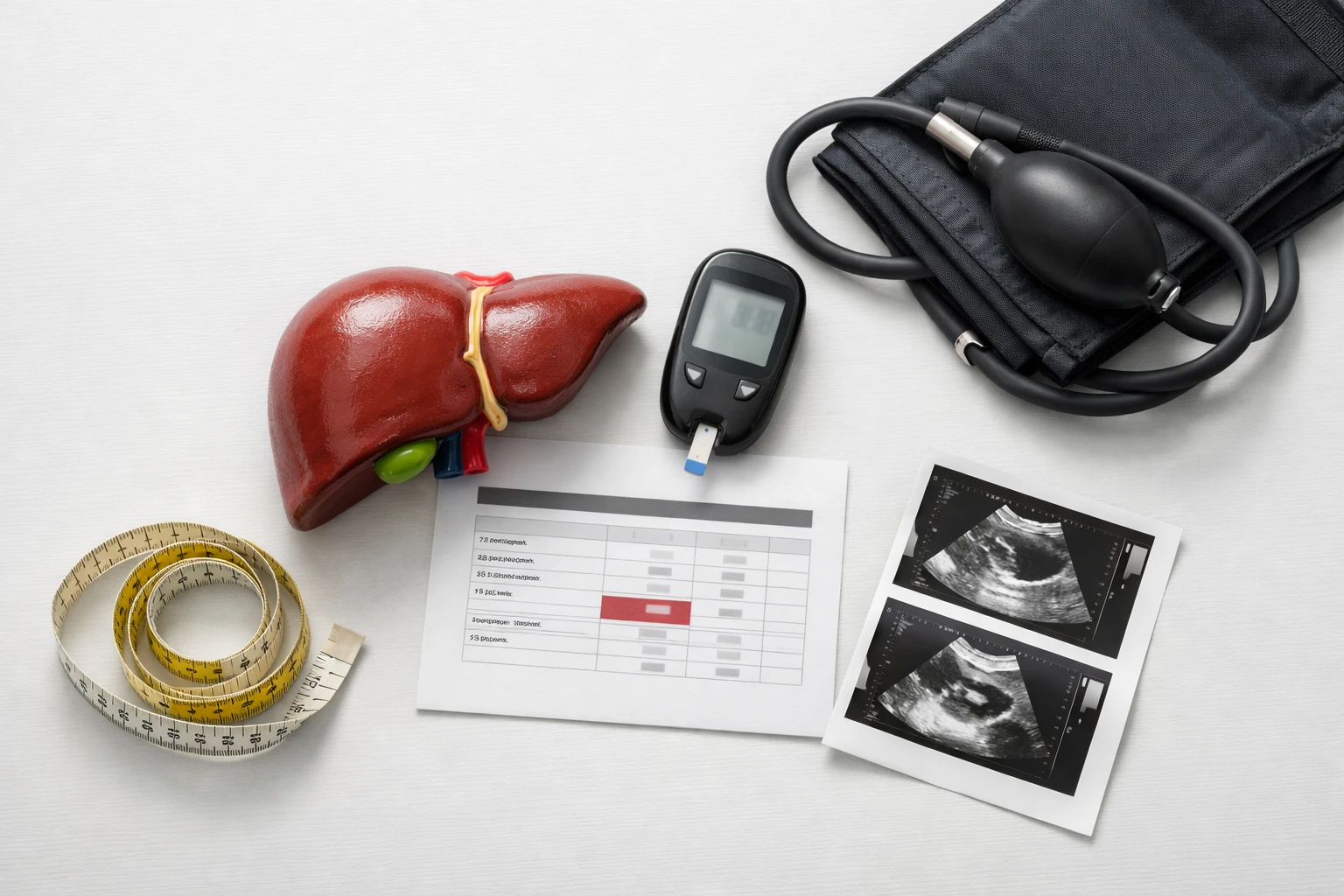
The increase in non alcoholic fatty liver disease is not random. It closely mirrors the rise in obesity, insulin resistance, sedentary lifestyle, high sugar intake, and chronic stress. Even people who are not visibly obese may develop metabolic fatty liver due to hidden visceral fat.
This is why understanding the real drivers behind NAFLD causes is critical. Alcohol is only one possible contributor to liver damage. Metabolic dysfunction is now the dominant reason.
What Exactly Is Non Alcoholic Fatty Liver Disease?
Non alcoholic fatty liver disease refers to excess fat accumulation inside liver cells in individuals who consume little or no alcohol. When fat makes up more than 5 percent of liver weight, it qualifies as fatty liver.
There are two major stages:
- Simple steatosis: Fat accumulation without significant inflammation.
- Non alcoholic steatohepatitis: Fat accumulation with inflammation and liver cell injury.
Over time, untreated non alcoholic fatty liver disease can progress to fibrosis, cirrhosis, and even liver cancer. However, progression is not inevitable. Early detection and metabolic correction can reverse fat accumulation in many cases.
One major global review published in 2022 in a leading hepatology journal confirmed that non alcoholic fatty liver disease has become the most common chronic liver disease worldwide. You can review the epidemiological data here:
Global prevalence and burden of non alcoholic fatty liver disease (2022).
This data confirms something I see daily in clinic. The condition is no longer rare. It is becoming routine.
Why It Is Rising in Non Drinkers
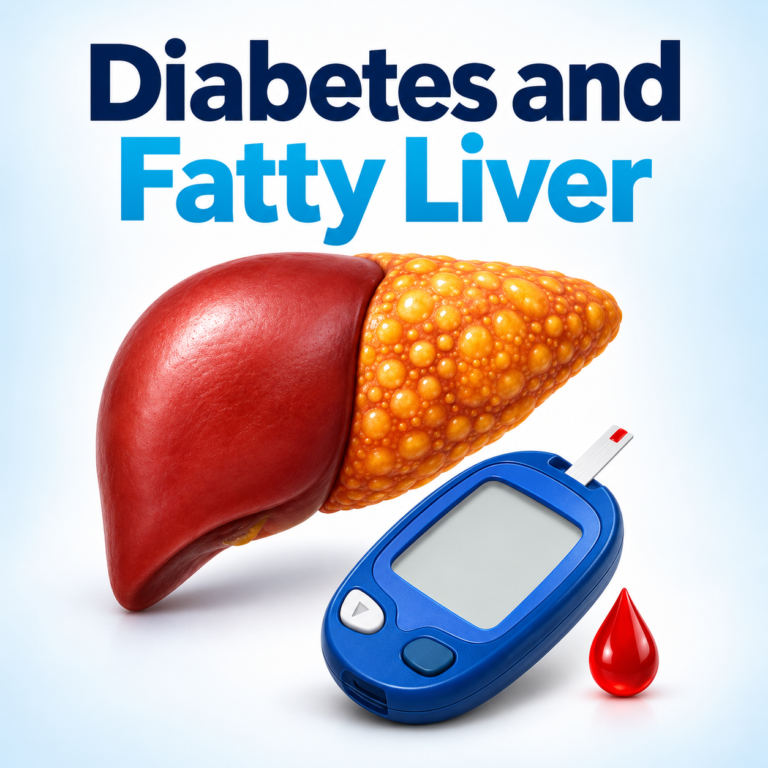
The biggest reason non alcoholic fatty liver disease is increasing is insulin resistance. When the body becomes resistant to insulin, excess glucose is converted into fat. Some of that fat gets stored in the liver.
This explains the strong connection between insulin resistance and fatty liver. Research over the last five years consistently shows that visceral fat and fatty liver are metabolically linked. Fat released from abdominal adipose tissue travels directly to the liver through portal circulation.
Therefore, fatty liver without alcohol is often a reflection of deeper metabolic dysfunction rather than direct liver injury.
Urban lifestyle patterns add to this risk. Long sitting hours, ultra processed food consumption, sweetened beverages, late night meals, and chronic sleep deprivation all increase liver fat accumulation.
Another important factor is genetic susceptibility. South Asians are known to develop metabolic complications at lower body mass index compared to Western populations. That is why even mildly overweight individuals may develop non alcoholic fatty liver disease.
The Science Behind Non Alcoholic Fatty Liver Disease
To truly understand non alcoholic fatty liver disease, we need to examine what happens inside the liver at a cellular level.
Normally, the liver processes fats and carbohydrates efficiently. However, when insulin resistance develops, the liver receives excess free fatty acids from visceral fat. At the same time, high carbohydrate intake stimulates de novo lipogenesis, meaning the liver starts converting glucose into fat.
A 2021 mechanistic review available through PubMed on metabolic pathways in non alcoholic fatty liver disease explains how insulin resistance and mitochondrial dysfunction drive fat accumulation inside hepatocytes.
Over time, this fat accumulation triggers oxidative stress and inflammatory signaling. If inflammation persists, simple steatosis progresses to non alcoholic steatohepatitis. That is when fibrosis begins.
Role of Insulin Resistance and Visceral Fat
The connection between insulin resistance and fatty liver is central. When muscle and liver cells stop responding properly to insulin, blood glucose remains elevated. The pancreas produces more insulin to compensate. This hyperinsulinemia further stimulates liver fat synthesis.
A 2022 clinical update published in a hepatology consensus paper emphasizes that insulin resistance is the core driver of non alcoholic fatty liver disease progression.
Visceral fat worsens this process. Fat stored around abdominal organs is metabolically active. It releases inflammatory mediators that directly affect liver tissue. This is why visceral fat and fatty liver are closely linked conditions.
Why Non Alcoholic Fatty Liver Disease Is Now Called Metabolic Fatty Liver
In recent years, many experts have proposed renaming non alcoholic fatty liver disease to reflect its metabolic origin. The term metabolic associated fatty liver disease has been discussed in several international consensus papers.
A 2020 international expert panel publication available here
Consensus statement redefining fatty liver disease (2020) highlights that metabolic dysfunction, not alcohol, is the dominant mechanism in most patients.
This shift in terminology reinforces a key point: non alcoholic fatty liver disease is not primarily about alcohol avoidance. It is about correcting metabolic imbalance.
What It Means for Real People
Many individuals with fatty liver without alcohol are asymptomatic. However, subtle signs may exist. Persistent fatigue, borderline high triglycerides, mildly elevated liver enzymes, or increasing waist circumference are early clues.
In clinic, I often see patients with normal bilirubin and only mildly elevated alanine aminotransferase. They assume everything is fine. However, ultrasound shows clear fatty infiltration.
Data from a 2023 longitudinal analysis available via
recent cohort research on non alcoholic fatty liver disease progression suggests that even simple steatosis increases long term cardiovascular risk.
This is an important point. Most people worry about liver failure. However, the more common cause of mortality in patients with non alcoholic fatty liver disease is cardiovascular disease.
Simple Clinical Risk Indicators
| Indicator | What It Suggests |
|---|---|
| Waist circumference above risk range | Visceral fat driven liver fat |
| High triglycerides | Metabolic dysfunction |
| Prediabetes or elevated HbA1c | Insulin resistance progression |
| Sedentary lifestyle | Higher NAFLD risk |
If two or more of these factors are present, metabolic fatty liver risk is significantly higher.
This is why early correction is essential. Non alcoholic fatty liver disease is often reversible in early stages. However, neglect allows silent fibrosis to develop over years.
What I Recommend in Clinic for Non Alcoholic Fatty Liver Disease
When patients are diagnosed with non alcoholic fatty liver disease, the first question is usually: “Can this be reversed?” The answer in early stages is often yes. However, reversal requires structured metabolic correction, not random dieting.
1. Focus on Waist Reduction, Not Just Weight
Reducing visceral fat directly improves liver fat. A reduction of even 5 to 7 percent body weight can significantly reduce hepatic fat content.
2. Improve Insulin Sensitivity
Since insulin resistance and fatty liver are closely linked, improving insulin sensitivity is central. Strength training 3 to 4 times per week combined with daily walking improves glucose disposal and reduces liver fat.
3. Moderate Carbohydrate Quality
Refined carbohydrates and sweetened beverages accelerate de novo lipogenesis in the liver. Replace them with whole grains, legumes, vegetables, and adequate protein.
4. Avoid Extreme Fasting Without Supervision
Crash diets may temporarily reduce weight but can worsen metabolic instability. Sustainable correction is safer for long term liver health.
5. Monitor Liver Enzymes and Fibrosis Risk
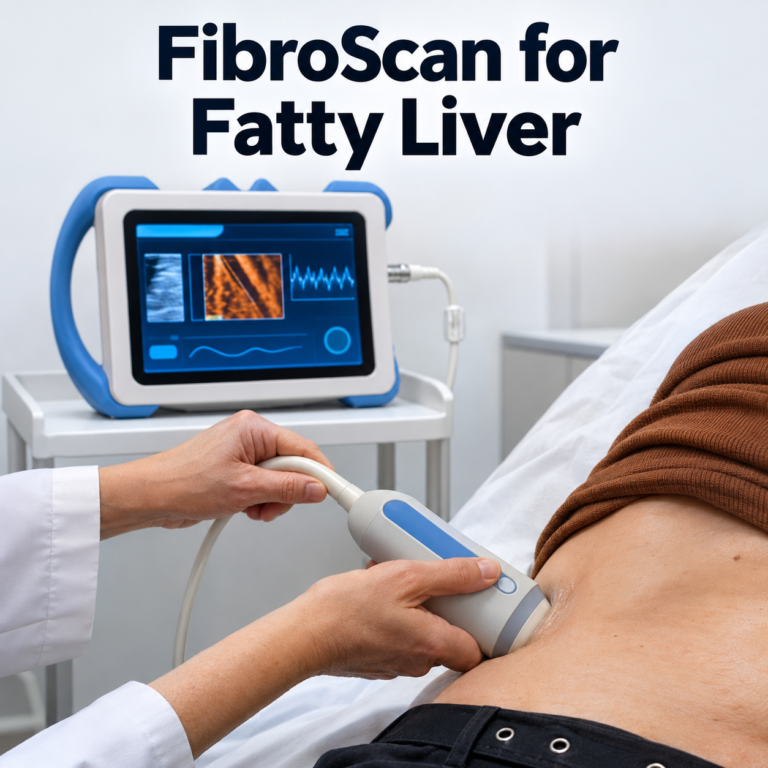
Periodic liver function tests and fibrosis assessment help track disease progression. Not all fatty liver cases progress, but silent fibrosis can develop without symptoms.
6. Address Sleep and Stress
Chronic stress and poor sleep increase cortisol, which promotes central fat deposition and worsens metabolic fatty liver patterns.
7. Correct Lipid Profile
Elevated triglycerides often coexist with non alcoholic fatty liver disease. Managing dyslipidemia reduces cardiovascular risk, which is the most common long term complication.
8. Seek Structured Medical Guidance
If you need structured metabolic evaluation, you can explore my clinical approach through the Lifestyle Modification Program. You may also review my background on the About page or understand patient journeys through my Portfolio.
When to Seek Urgent Medical Attention
Although early non alcoholic fatty liver disease is often silent, certain signs require prompt evaluation:
- Persistent elevation of liver enzymes
- Rapid increase in abdominal girth
- Unexplained weight loss with fatigue
- Jaundice or dark urine
- Strong family history of cirrhosis
If fibrosis or cirrhosis develops, complications become serious. Early intervention prevents this trajectory.
Non alcoholic fatty liver disease is increasing primarily due to insulin resistance, visceral fat accumulation, sedentary lifestyle, and dietary imbalance. Most early stage cases are reversible. However, untreated progression can lead to fibrosis, cirrhosis, and increased cardiovascular risk. Early metabolic correction is the most effective strategy.
References
- Global prevalence and burden of non alcoholic fatty liver disease (2022)
- Metabolic pathways in non alcoholic fatty liver disease (2021)
- Insulin resistance as driver of NAFLD progression (2022)
- Consensus redefining fatty liver disease (2020)
- Long term outcomes in non alcoholic fatty liver disease (2023)
Take the Next Step
If you have been diagnosed with fatty liver without alcohol and want structured guidance, early action makes a difference.
Disclaimer: This article is for educational purposes only and does not replace individualized medical consultation.

Written by Dr. Pankaj Kumar
General & Lifestyle Physician in Dwarka Sector 6, New Delhi · MBBS, DNB (Family Medicine), DNHE · 16 years of experience.
About the doctor →Book a consultation → Beyond Blood Sugar
 The 90-Day Prediabetes Turnaround
 The Indian Diabetes Diet Reset
 Eat to Beat Gout
 Why Is My Hair Falling?
 The 30-Day Inflammation Reset