Why Normal Weight Does Not Guarantee Normal Triglycerides
One of the most common surprises I see in clinic is this: a lean individual with a normal body mass index, but elevated triglycerides. Many people assume that if they are not overweight, their lipid profile must be normal.
Unfortunately, that is not always true. High triglycerides in normal weight individuals are increasingly common, especially in urban populations with sedentary work patterns, irregular sleep, and high refined carbohydrate intake.
Body weight reflects total mass. It does not reflect metabolic quality. You can look lean externally and still have internal metabolic disturbances. This is sometimes referred to as “lean metabolic syndrome.”

Triglyceride Levels Explained
Triglycerides are a type of fat found in your blood. After you eat, your body converts excess calories into triglycerides and stores them in fat cells.
| Triglyceride Level (mg/dL) | Interpretation |
|---|---|
| Below 150 | Normal |
| 150-199 | Borderline high |
| 200-499 | High |
| 500 or higher | Very high (pancreatitis risk) |
Many lean individuals fall in the 180-250 range and are confused. Research has shown that elevated triglycerides are independently associated with cardiovascular risk, even in individuals without obesity.
So let us understand why high triglycerides in normal weight can occur.
1. Hidden Insulin Resistance
Insulin resistance does not always require obesity. In many Indian and South Asian populations, insulin resistance develops at lower body mass index levels. When insulin resistance develops, the liver increases production of very low-density lipoprotein particles, which carry triglycerides.
A 2020 review highlighted the strong relationship between insulin resistance and elevated triglycerides.
This means you may have:
- Normal weight
- Slightly increased waist circumference
- High triglycerides
- Low HDL cholesterol
This cluster increases long-term cardiovascular risk. High triglycerides in normal weight individuals often reflect early insulin resistance.
2. High Sugar Intake Despite Low Calories
Many lean individuals eat small portions but consume a high proportion of refined carbohydrates.
Examples include:
- Sweetened beverages
- Fruit juices
- Bakery products
- White rice in large quantities
- Late-night desserts
Triglycerides rise when excess carbohydrates, especially fructose and refined sugars, are converted in the liver into fat. A controlled study demonstrated that high sugar intake significantly increases triglyceride levels independent of body weight changes. So you may not gain weight, but your liver still converts sugar into triglycerides.
3. Fatty Liver Without Obesity
Non-alcoholic fatty liver disease can occur even in individuals with normal body mass index. This is called lean fatty liver. When fat accumulates in the liver, triglyceride production increases.
A 2021 review described lean non-alcoholic fatty liver disease as a growing concern in Asian populations. If your ultrasound shows fatty liver despite normal weight, it often correlates with elevated triglycerides.
High triglycerides in normal weight individuals frequently signal underlying hepatic fat accumulation.
4. Alcohol and Triglycerides
Even moderate alcohol intake can increase triglyceride levels. Alcohol stimulates hepatic triglyceride synthesis and reduces fat oxidation. Individuals who drink socially but regularly may see persistent triglyceride elevation.
This effect occurs even without visible weight gain. If triglycerides are elevated, reducing alcohol intake often produces measurable improvement within weeks.
5. Genetic Tendency
Some individuals inherit lipid metabolism patterns that predispose them to elevated triglycerides. Family history of dyslipidemia, early heart disease, or pancreatitis increases suspicion.
In such cases, even normal diet and weight may not fully normalize triglycerides without structured management. Genetic dyslipidemias require proper evaluation rather than random supplementation.
6. Thyroid Imbalance
Even mild hypothyroidism can alter lipid metabolism. When thyroid hormone levels decline, clearance of triglyceride-rich particles reduces.
If triglycerides are elevated without obvious cause, thyroid-stimulating hormone testing is reasonable. Correcting thyroid imbalance often improves lipid profile.
7. Poor Sleep and Chronic Stress
Sleep deprivation and chronic stress elevate cortisol levels. High cortisol promotes insulin resistance and hepatic triglyceride production. Urban professionals often underestimate this connection.
High triglycerides in normal weight individuals frequently coexist with:
- Short sleep duration
- High stress load
- Irregular meal timing
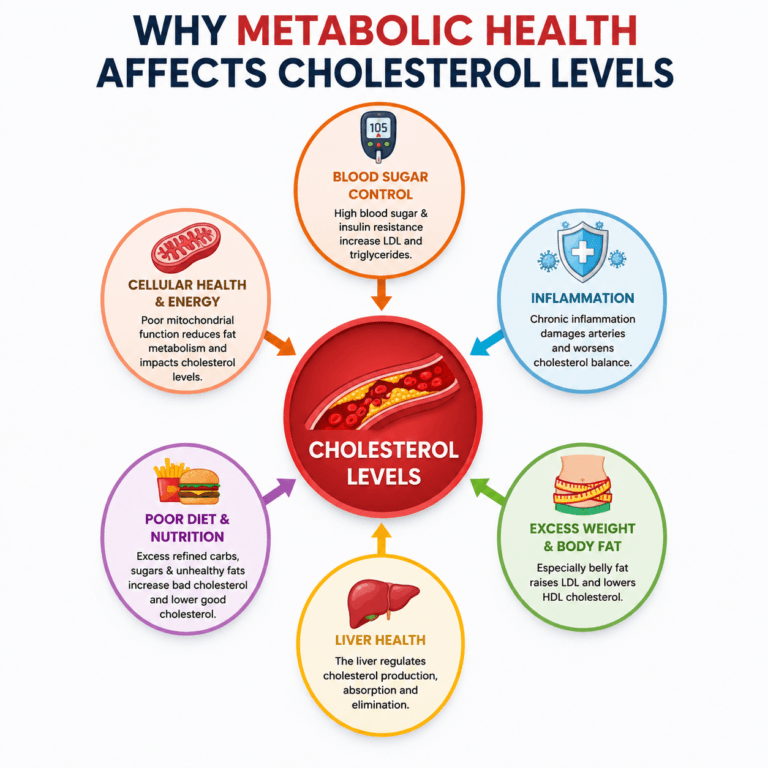
Metabolic health depends on hormonal balance as much as calorie count.
Lean Metabolic Risk Self-Check
If you have high triglycerides in normal weight, ask yourself:
• Is your waist circumference increasing despite stable weight?
• Do you feel sleepy after carbohydrate-heavy meals?
• Is your HDL cholesterol low?
• Do you have family history of diabetes or heart disease?
• Do you consume sugary beverages or frequent desserts?
• Do you sleep less than 6 hours regularly?
If several answers are yes, triglyceride elevation likely reflects early metabolic imbalance rather than simple dietary fat intake.
How to Correct Safely
Management depends on the underlying cause.
1) Reduce refined carbohydrate load.
Cut sugary drinks, fruit juices, bakery items, and late-night desserts.
2) Increase protein and fiber.
Balanced meals stabilize insulin response.
3) Improve sleep quality.
Aim for consistent 7 hours nightly.
4) Address fatty liver early.
Ultrasound findings should not be ignored even in lean individuals.
5) Limit alcohol strictly.
Even moderate intake can maintain elevation.
6) Evaluate thyroid and glucose metabolism.
Do not assume weight equals metabolic health.
You can read more about metabolic correction strategies here:
Dr. Pankaj Kumar – General & Lifestyle Physician
When Medication Is Considered
Medication may be required if:
- Triglycerides remain above 200-250 despite lifestyle correction
- Levels approach 500 mg/dL
- There is associated diabetes
- Cardiovascular risk is high
Treatment decisions depend on overall risk, not just one number.
Research consistently shows that lowering triglycerides improves long-term cardiovascular outcomes in high-risk populations.
Final Perspective
High triglycerides in normal weight individuals are not rare. They reflect metabolic quality, not body size. Looking lean does not automatically mean metabolically healthy.
If your lipid report shows elevated triglycerides, do not dismiss it because your weight is normal. Early correction prevents fatty liver progression, insulin resistance, and cardiovascular complications.
References
- Triglycerides and cardiovascular risk review
- Insulin resistance and triglyceride relationship
- Sugar intake and triglyceride study
- Lean fatty liver review
- Triglyceride lowering and cardiovascular outcomes
Disclaimer: This article is for educational purposes and does not replace personalized medical consultation.

Written by Dr. Pankaj Kumar
General & Lifestyle Physician in Dwarka Sector 6, New Delhi · MBBS, DNB (Family Medicine), DNHE · 16 years of experience.
About the doctor →Book a consultation → Beyond Blood Sugar
 The 90-Day Prediabetes Turnaround
 The Indian Diabetes Diet Reset
 Eat to Beat Gout
 Why Is My Hair Falling?
 The 30-Day Inflammation Reset