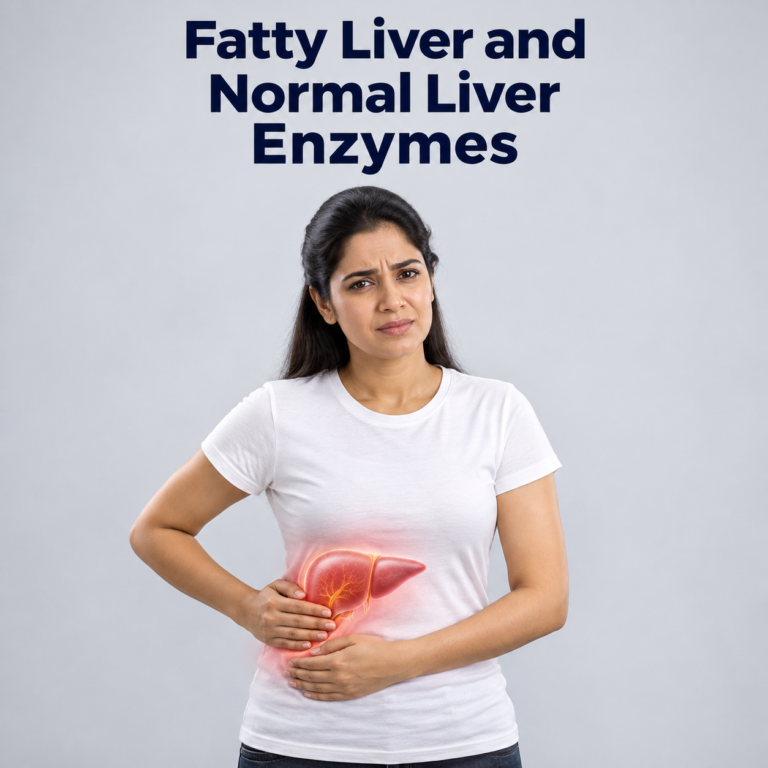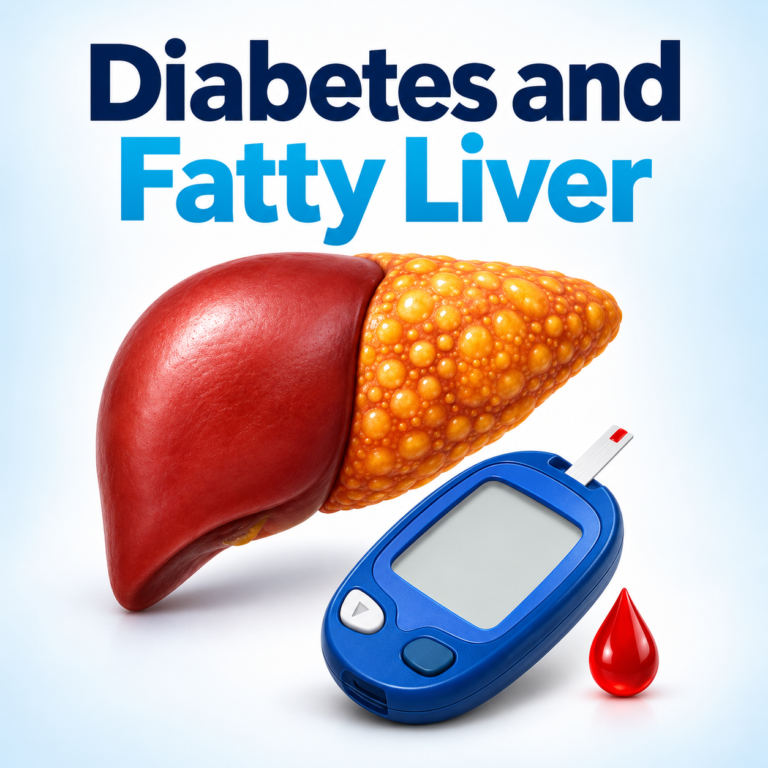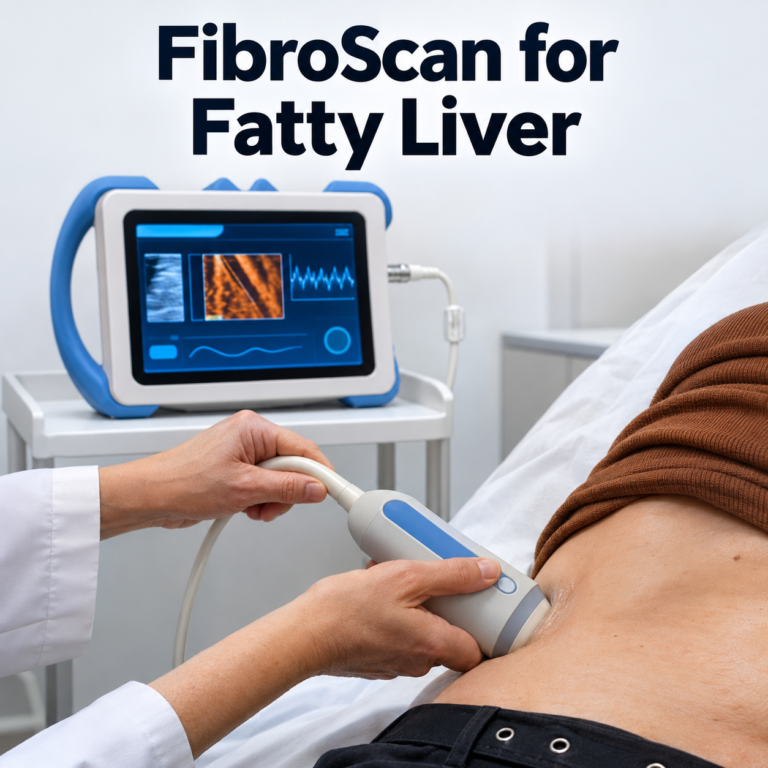
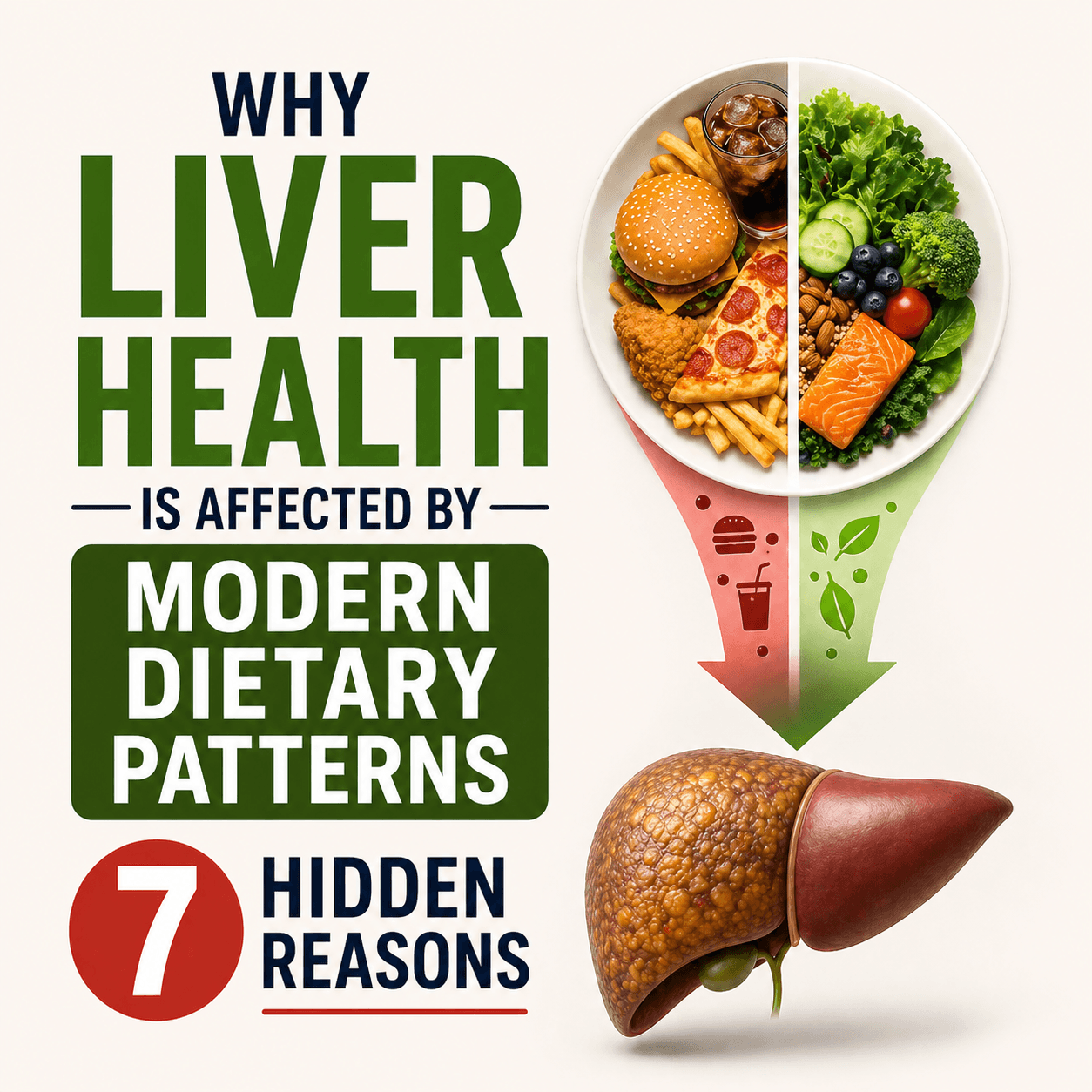
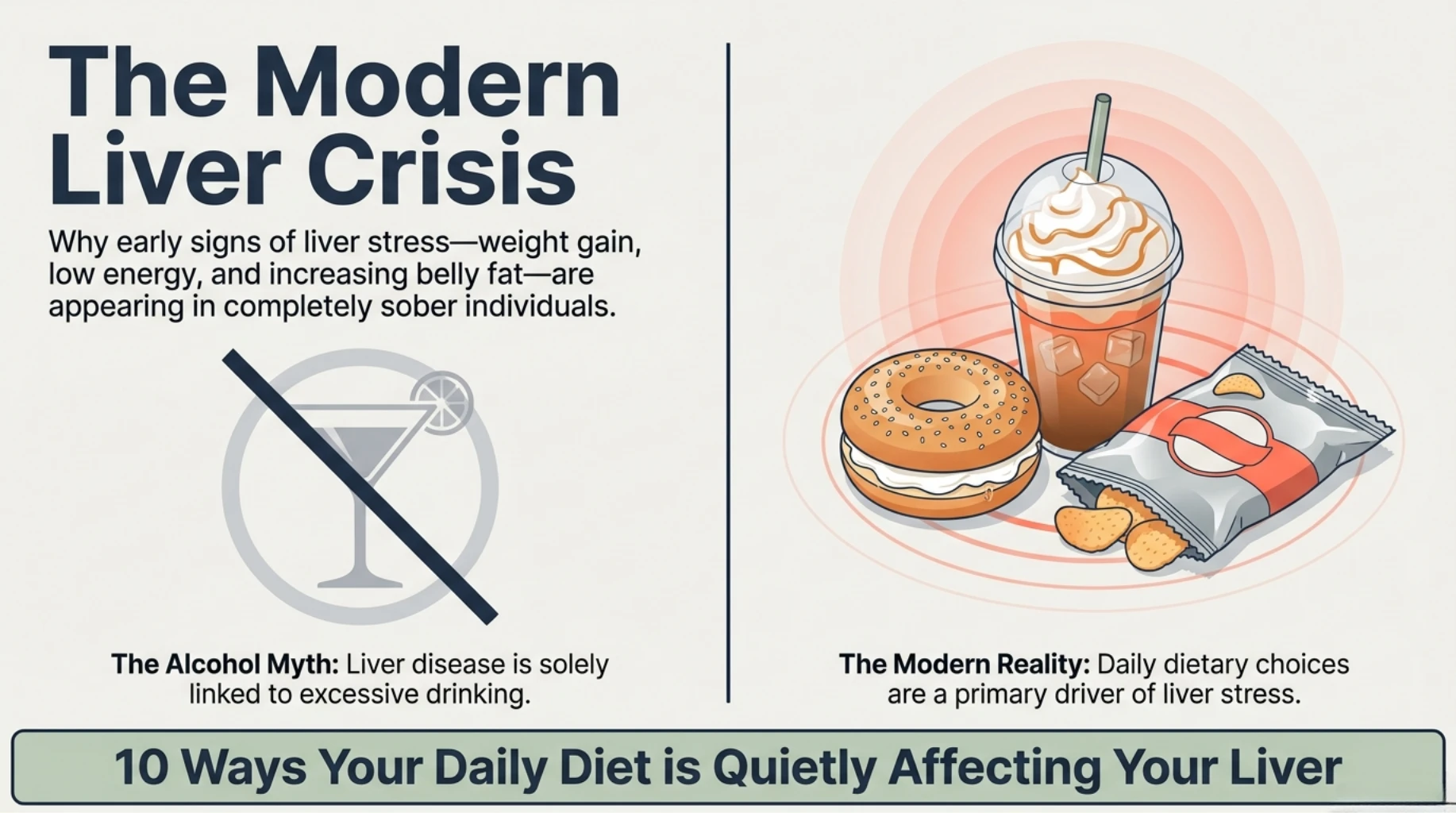
In my clinical practice, I frequently see patients who are surprised when their reports show fatty liver or mildly elevated liver enzymes.
Most of them do not consume alcohol and believe their diet is “normal.”
The real issue is not a single food. It is the overall pattern of eating. Understanding how modern diet affects liver health is essential because the damage happens slowly and often without clear symptoms.
Today, even young adults are developing metabolic issues due to unhealthy dietary patterns. This makes it important to identify early warning signs and correct them in time.
Why Liver Health Is Closely Linked to Modern Diet
The liver plays a central role in metabolism. It regulates blood sugar, processes fats, stores nutrients, and supports energy balance.
When modern eating habits become irregular or unhealthy, the liver is one of the first organs to get affected.
Over time, poor dietary patterns can lead to:
- Fat accumulation in the liver
- Increased insulin resistance
- Chronic low-grade inflammation
- Reduced metabolic efficiency
This explains why many individuals with no obvious symptoms still develop fatty liver during routine checkups.
How Modern Dietary Patterns Have Changed Over Time
Traditional diets were naturally balanced, with home-cooked meals, proper meal timing, and minimal processing.
Modern diets, however, are very different. They are often characterized by:
- Frequent snacking throughout the day
- High intake of refined carbohydrates
- Excess consumption of sugar
- Low protein intake
- Increased dependence on processed foods
- Irregular meal timing
These habits create continuous metabolic stress. This is one of the key reasons how modern diet affects liver health has become an important topic in preventive medicine.
Reason 1: Refined Carbohydrates Increase Liver Fat
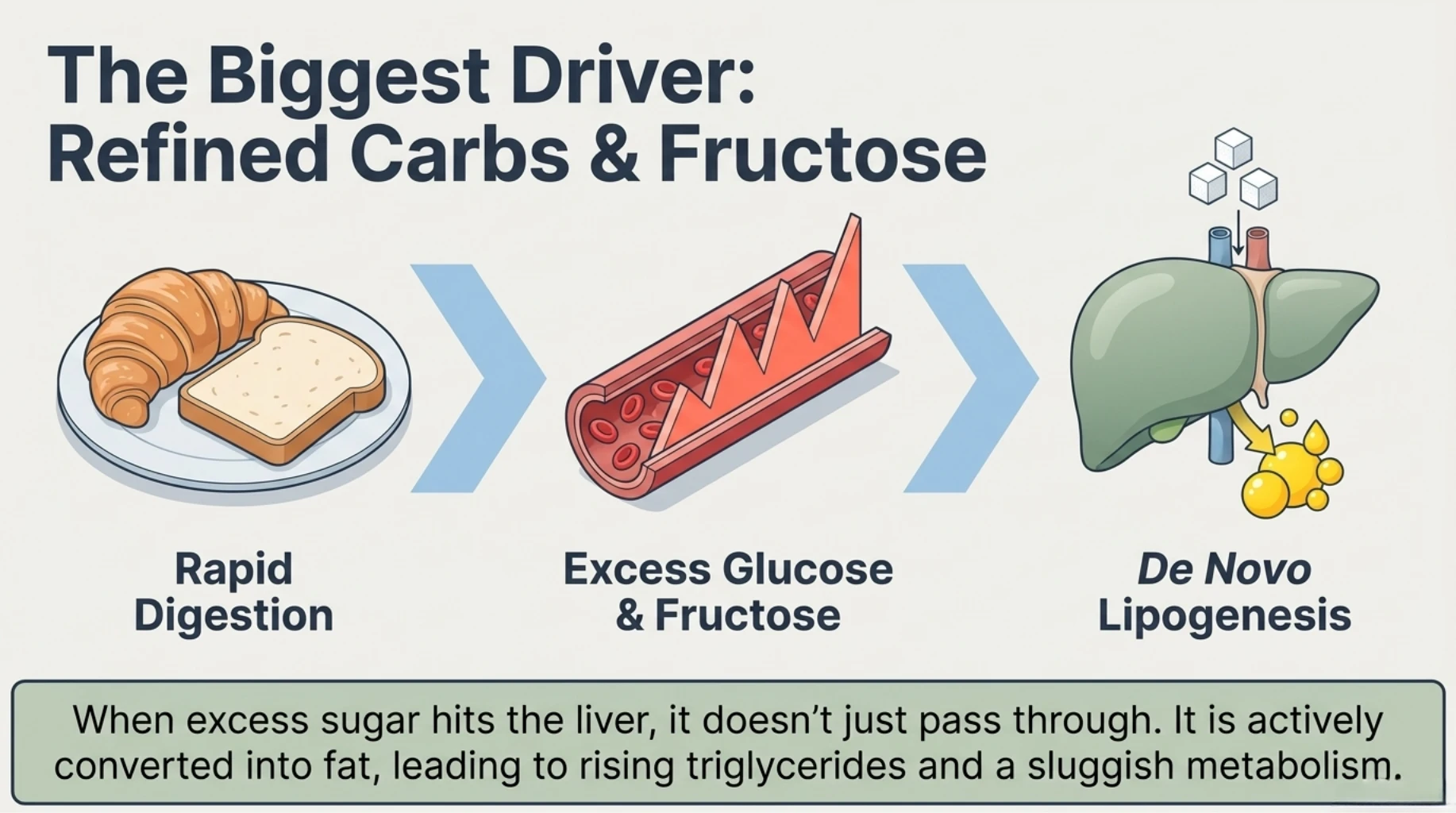
Refined carbohydrates such as white bread, bakery products, and packaged snacks are rapidly broken down into glucose.
When glucose intake exceeds the body’s immediate energy requirement, the liver converts the excess into fat.
Over time, this leads to fat accumulation inside liver cells, increasing the risk of fatty liver disease.
This is one of the most common explanations for how modern diet affects liver health, especially in individuals who rely heavily on processed foods.
Reason 2: Frequent Eating Prevents Liver Recovery
Earlier, meals were spaced properly, giving the body enough time to process nutrients and recover.
In modern lifestyles, people eat frequently, often every 2–3 hours, even without true hunger.
Each meal increases insulin levels. When this happens repeatedly, the body remains in a constant fed state.
As a result, the liver does not get enough time to switch into fat-burning mode.
Over time, this contributes to:
- Increased fat storage in the liver
- Reduced metabolic flexibility
- Early development of insulin resistance
This pattern clearly shows how modern diet affects liver health beyond just calorie intake.
Reason 3: Hidden Sugars Damage the Liver Silently
One of the most underestimated causes of liver problems is hidden sugar intake.
Sugars are present not only in sweets but also in:
- Packaged fruit juices
- Flavored yogurt
- Breakfast cereals
- Health drinks
- Sauces and processed foods
Fructose, commonly found in these products, is processed primarily by the liver.
Excess fructose directly promotes fat production inside the liver, making it a major contributor to fatty liver disease.
Even people who avoid sweets may unknowingly consume high amounts of sugar through packaged foods.
Early Signs That Should Not Be Ignored
Liver problems usually develop without clear symptoms in the early stages.
However, some subtle signs may indicate underlying issues:
- Mild fatigue
- Bloating or heaviness after meals
- Difficulty losing weight
- Persistent low energy levels
Routine blood tests showing slightly elevated liver enzymes are often ignored, but they can be early indicators of metabolic stress.
Understanding how modern diet affects liver health helps identify these warning signs early and take corrective action.
Reason 4: Low Protein Intake Slows Liver Recovery
One of the most common dietary gaps I observe in patients is inadequate protein intake.
Protein plays a critical role in liver repair, enzyme function, and metabolic balance. When protein intake is low, the liver struggles to regenerate and maintain normal function.
In many Indian diets, meals are heavily carbohydrate-based, with minimal focus on protein quality or quantity.
This imbalance becomes a significant factor in understanding how modern diet affects liver health.
Low protein intake can lead to:
- Reduced fat metabolism
- Slower liver cell repair
- Increased fat accumulation
- Higher risk of metabolic dysfunction
Ensuring adequate protein intake is not just important for muscle health but also essential for liver function.
Reason 5: Unhealthy Fats Promote Inflammation
Modern diets often include unhealthy fats from processed and packaged foods.
These include:
- Trans fats
- Repeatedly heated oils
- Highly processed vegetable oils
Such fats increase oxidative stress and inflammation within the liver.
Over time, this can worsen liver damage and accelerate the progression from simple fatty liver to more severe conditions.
This is another important mechanism explaining how modern diet affects liver health, especially in individuals consuming frequent outside or fried foods.
Reason 6: Sedentary Lifestyle Amplifies Dietary Damage
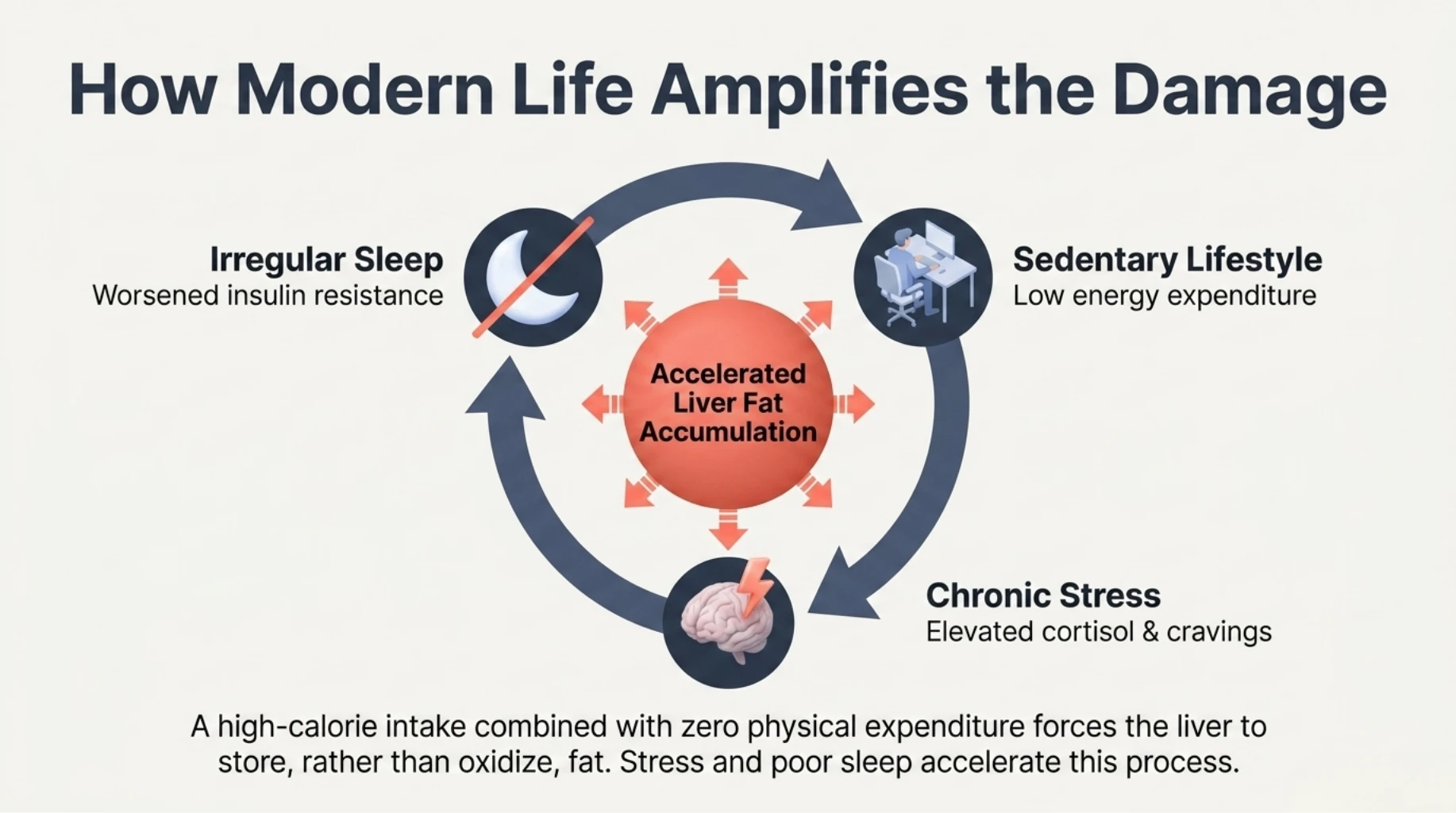
Diet alone does not explain the entire picture. Physical inactivity plays a major role. A sedentary lifestyle reduces the body’s ability to utilize glucose and fat efficiently.
When combined with a high-calorie modern diet, this leads to excess fat storage, particularly in the liver. Patients who sit for long hours, have minimal physical activity, and rely on processed food are at significantly higher risk.
This combination clearly demonstrates how modern diet affects liver health when paired with inactivity.
Reason 7: Gut Health Imbalance Affects the Liver
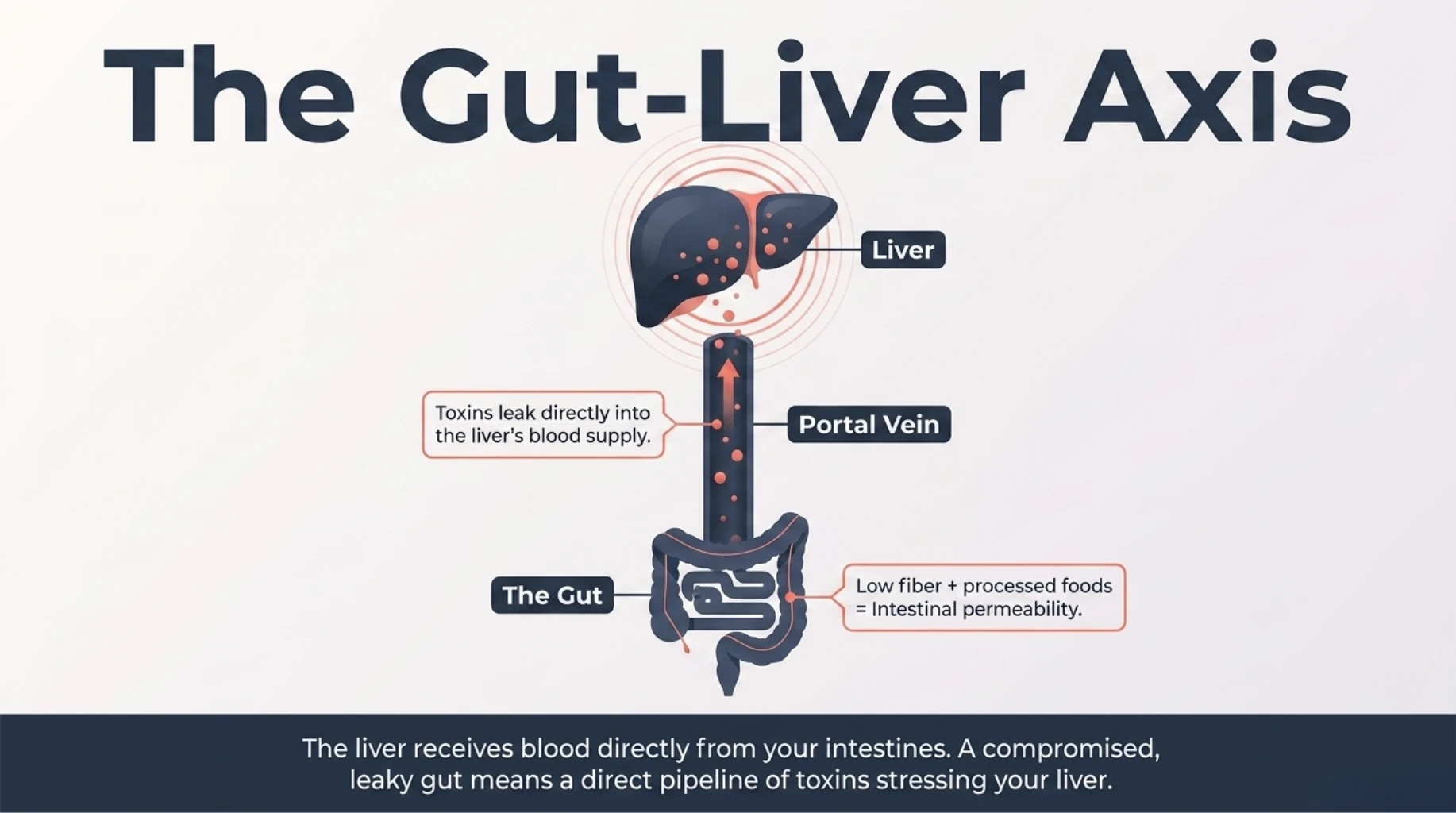
The gut and liver are closely connected through what is known as the gut-liver axis.
Modern dietary patterns, especially those high in processed foods and low in fiber, negatively affect gut health.
This leads to:
- Reduced beneficial gut bacteria
- Increased intestinal permeability
- Higher toxin load reaching the liver
As a result, the liver has to work harder to manage inflammation and detoxification.
This is a critical but often overlooked factor in understanding how modern diet affects liver health.
Why These Changes Build Up Slowly
One of the biggest challenges with liver disease is its slow progression. Unlike acute illnesses, metabolic liver problems develop gradually over months or years.
Small daily habits accumulate over time:
- Extra sugar intake
- Frequent snacking
- Low protein consumption
- Lack of physical activity
Individually, these may not seem harmful. But together, they create a continuous metabolic burden on the liver.
This is why many people are diagnosed with fatty liver only during routine tests, without any major symptoms.
Key Takeaway So Far
If you look closely, the issue is not a single food item. It is the overall pattern of eating and lifestyle.
Understanding how modern diet affects liver health helps shift the focus from short-term dieting to long-term metabolic correction.
In the final section, I will explain practical steps you can take to protect your liver, including dietary corrections, meal structure, and sustainable lifestyle changes.
How to Improve Liver Health in a Modern Lifestyle
Now that you understand how modern diet affects liver health, the next step is correction.
The good news is that liver damage in early stages is reversible if the right dietary and lifestyle changes are made consistently.
The focus should not be on extreme dieting, but on correcting daily habits.
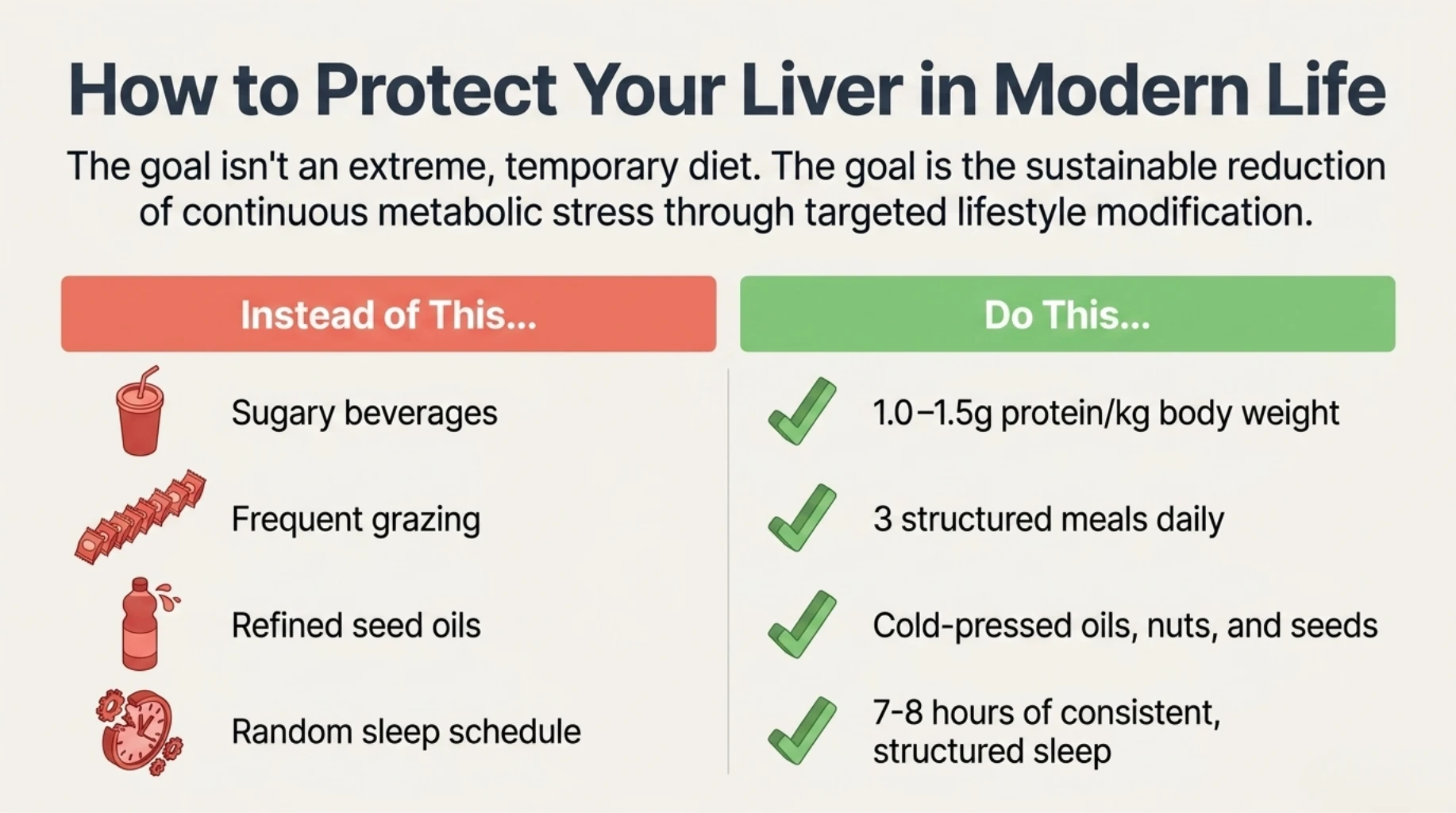
Step 1: Improve Meal Structure Instead of Constant Eating
One of the most effective changes is to reduce unnecessary snacking. Instead of eating every 2–3 hours, aim for structured meals:
- 2–3 balanced main meals per day
- Avoid frequent random snacking
- Allow gaps between meals for metabolic recovery
This allows insulin levels to stabilize and gives the liver time to switch into fat-burning mode.
Step 2: Increase Protein Intake for Liver Repair
Protein plays a key role in liver recovery and fat metabolism. Most individuals do not consume adequate protein in their daily diet.
Include good protein sources in each meal:
- Eggs
- Paneer or tofu
- Chicken or fish
- Lentils and legumes
- Curd or Greek yogurt
Balanced protein intake improves satiety, supports metabolism, and helps reduce liver fat.
Step 3: Reduce Refined Carbohydrates and Hidden Sugars
Minimizing refined carbohydrates is essential to control liver fat accumulation.
Reduce intake of:
- White bread and bakery items
- Packaged snacks
- Sugary drinks and juices
- Processed cereals
Instead, focus on whole and minimally processed foods.
This directly addresses one of the main pathways explaining how modern diet affects liver health.
Step 4: Choose Healthy Fats and Avoid Reheated Oils
Not all fats are harmful. The type of fat matters significantly.
Prefer:
- Nuts and seeds
- Cold-pressed oils in limited quantity
- Natural fat sources from whole foods
Avoid:
- Deep-fried foods
- Reheated oils
- Highly processed packaged items
Reducing inflammatory fats helps protect liver cells from long-term damage.
Step 5: Add Daily Physical Activity
Exercise improves insulin sensitivity and helps the body utilize stored fat more effectively.
You do not need extreme workouts. Consistency is more important.
- 30–45 minutes of walking daily
- Basic strength training 2–3 times per week
- Reducing prolonged sitting time
This combination significantly improves metabolic health and supports liver recovery.
Step 6: Support Gut Health Naturally
A healthy gut reduces the burden on the liver.
Include:
- Fiber-rich vegetables
- Seasonal fruits in moderation
- Fermented foods like curd
Avoid excessive processed food intake, which disrupts gut bacteria balance.
Improving gut health indirectly helps correct how modern diet affects liver health.
Sample Daily Meal Structure (Practical Approach)
| Meal | Example |
|---|---|
| Breakfast | Eggs + vegetable + 1 roti OR paneer bowl |
| Lunch | Dal + sabzi + roti + curd |
| Dinner | Light protein-based meal (paneer/chicken + vegetables) |
This is a simple structure. The exact plan should be individualized based on metabolic status.
Key Take-Home Messages
- Liver damage often starts silently due to modern dietary patterns
- Frequent eating, sugar intake, and low protein are major contributors
- Processed foods and inactivity accelerate liver fat accumulation
- Early lifestyle changes can reverse most metabolic liver issues
- Consistency is more important than extreme dieting
You can explore my structured approach here:
Lifestyle Modification Program
For consultation, you can book directly:
Book an Appointment
Disclaimer: This article is for educational purposes only and should not replace medical advice. Individual treatment should be based on clinical evaluation.

Written by Dr. Pankaj Kumar
General & Lifestyle Physician in Dwarka Sector 6, New Delhi · MBBS, DNB (Family Medicine), DNHE · 16 years of experience.
About the doctor →Book a consultation → Beyond Blood Sugar
 The 90-Day Prediabetes Turnaround
 The Indian Diabetes Diet Reset
 Eat to Beat Gout
 Why Is My Hair Falling?
 The 30-Day Inflammation Reset