Most people think of the liver only when discussing alcohol or liver disease. But in clinical practice, I often see something very different. Patients with weight gain, fatigue, fatty liver, insulin resistance, or borderline blood sugar almost always have one common underlying issue — poor liver health.
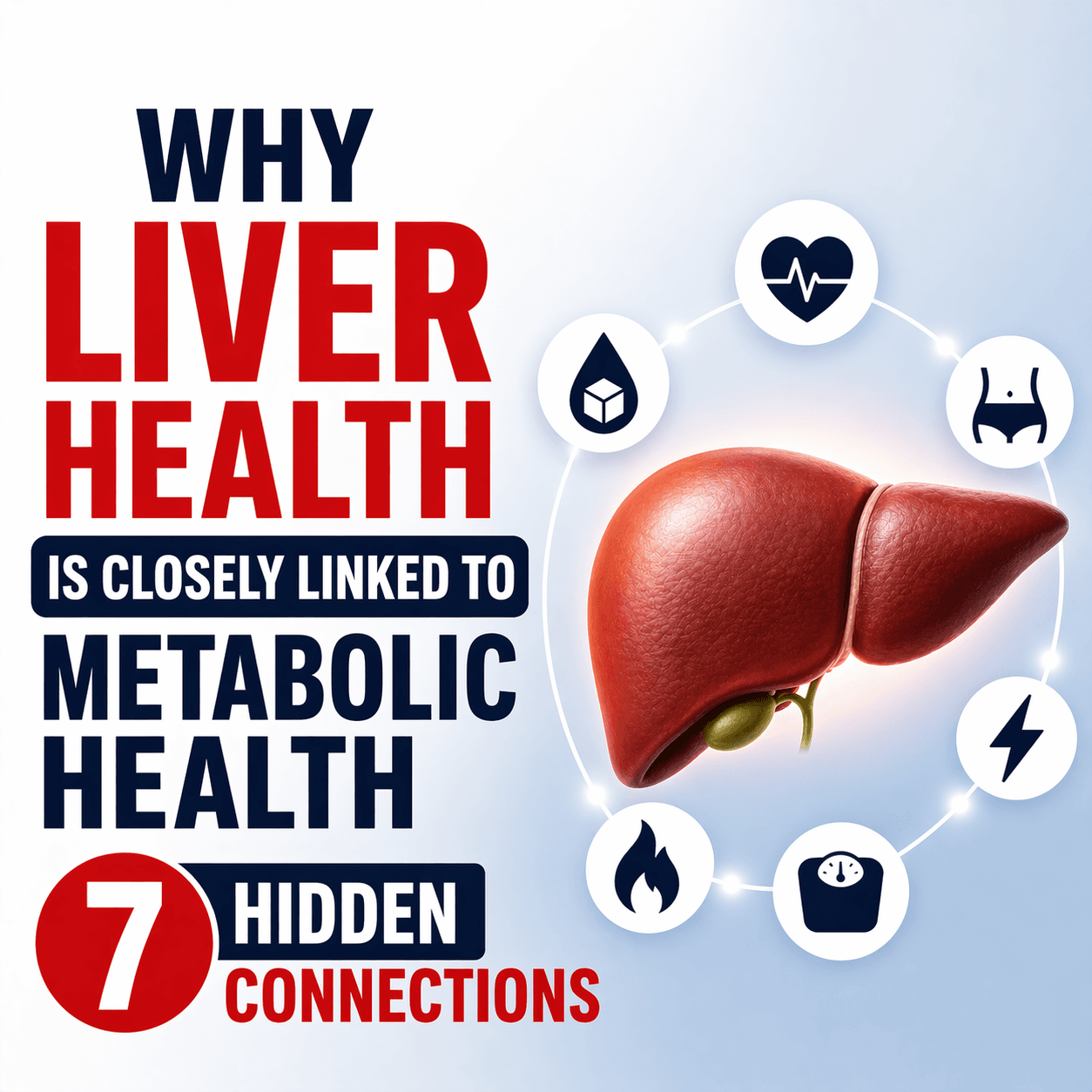
This is why understanding the connection between liver health is closely linked to metabolic health and is so critical.
Your liver is not just a detox organ. It is the central metabolic control unit of your body. It regulates how your body processes carbohydrates, fats, and proteins. It also plays a key role in insulin sensitivity, fat storage, and energy balance.
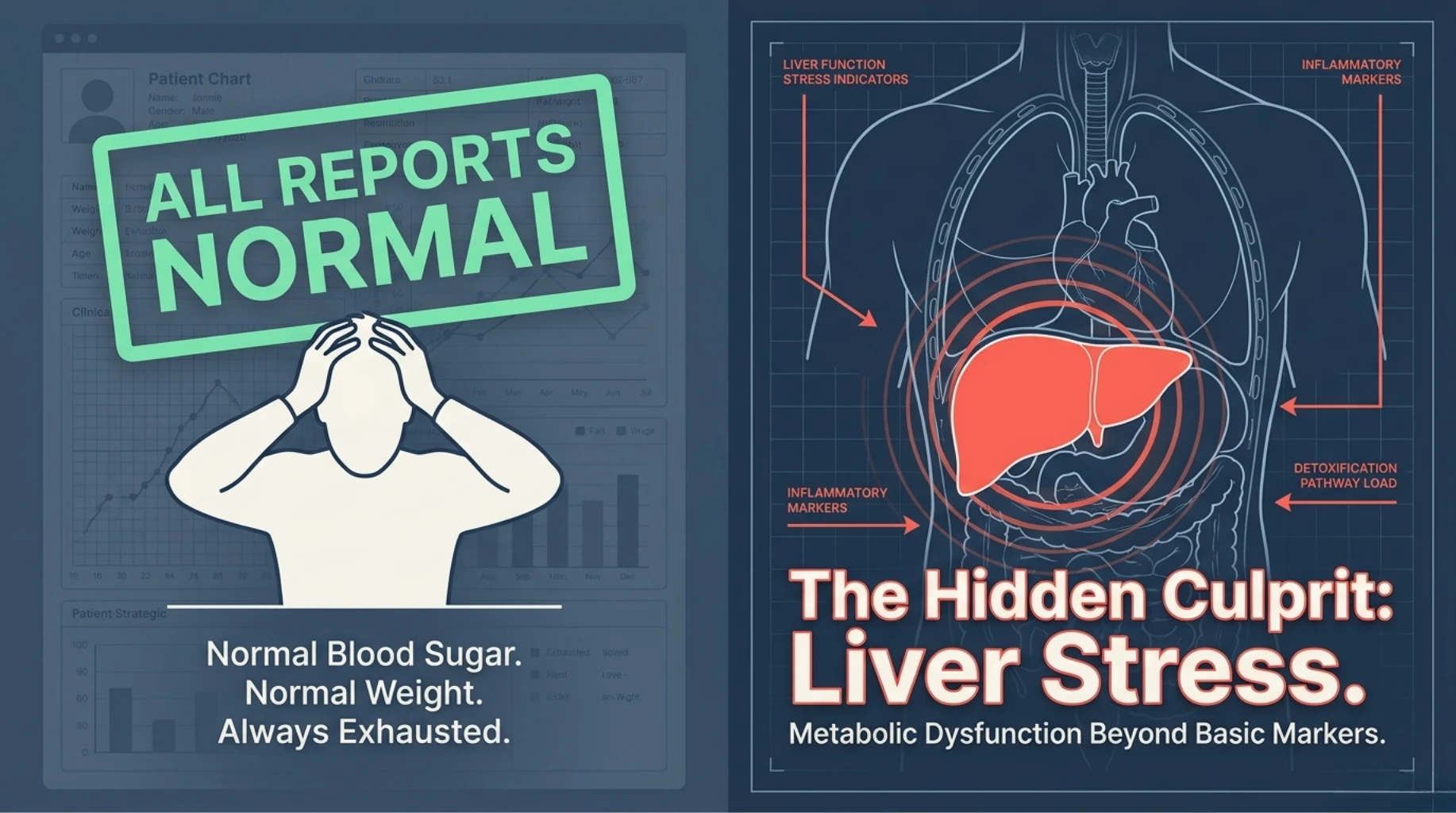
When liver function is compromised, even slightly, the entire metabolic system starts getting affected.
This is why many people experience:
- Weight gain despite controlled diet
- Difficulty losing belly fat
- Fatigue even after adequate rest
- Borderline or rising blood sugar levels
- Normal reports but persistent symptoms
In most of these cases, the issue is not just diet — it is metabolic dysfunction rooted in liver health.
Understanding the Liver’s Role in Metabolism
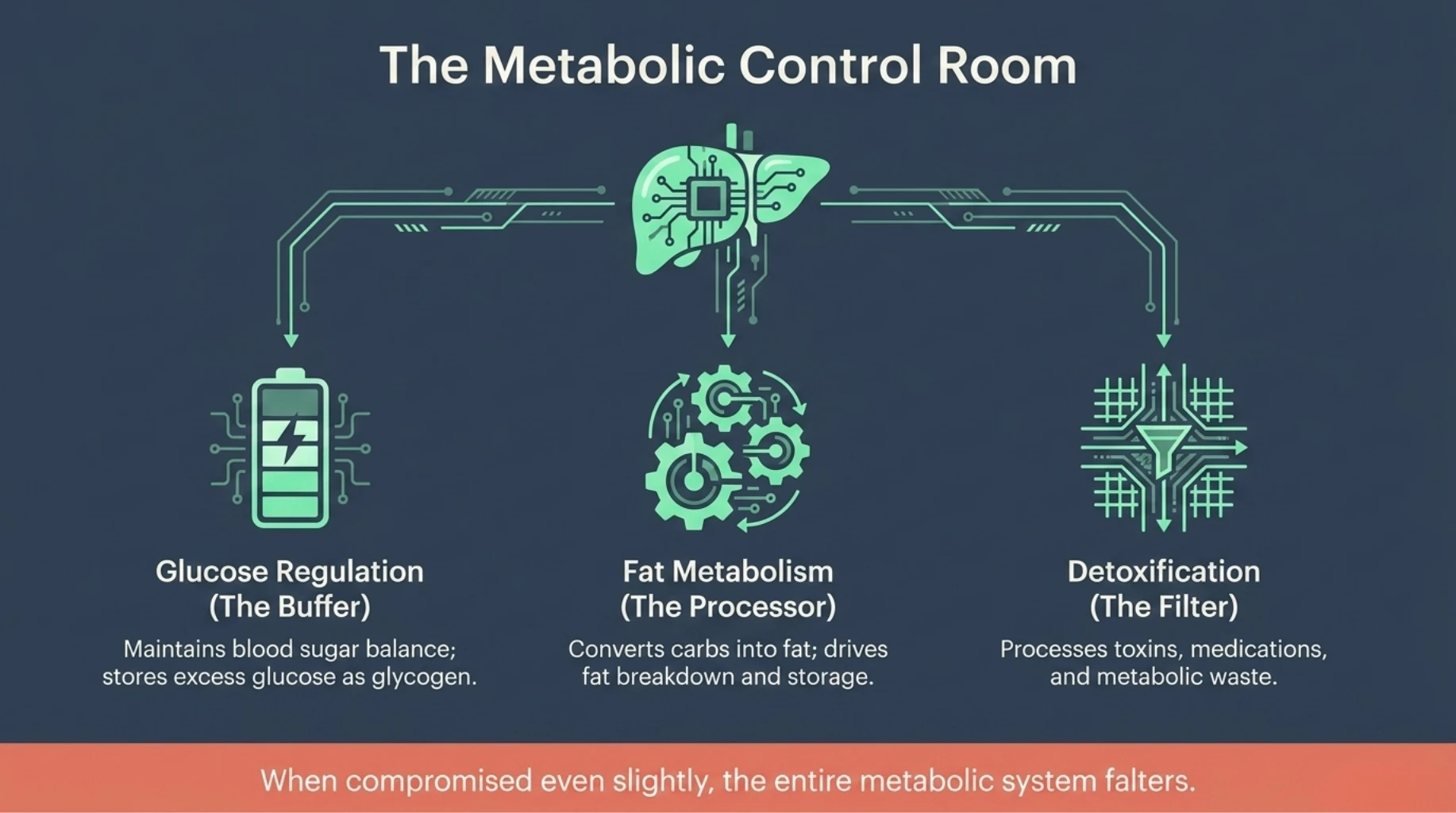
The liver performs over 500 essential functions, but when it comes to metabolism, three roles are especially important:
- Glucose regulation – maintaining blood sugar balance
- Fat metabolism – storing and breaking down fats
- Detoxification – processing toxins and metabolic waste
Any disruption in these processes can directly impact metabolic health.
1. Liver Controls Blood Sugar Stability
Your liver acts as a glucose buffer. After you eat, excess glucose is stored in the liver as glycogen. When you are fasting, the liver releases glucose to maintain energy supply.
But when liver function is impaired, this balance gets disturbed.
This can lead to:
- Fluctuating blood sugar levels
- Post-meal sugar spikes
- Early insulin resistance
2. Liver Is the Center of Fat Processing
The liver plays a major role in how your body handles fats. It converts excess carbohydrates into fat and also helps in fat breakdown.
When this process becomes inefficient, fat starts accumulating in the liver itself, leading to fatty liver (NAFLD).
This creates a vicious cycle:
- Fat accumulation in liver
- Reduced fat burning capacity
- Increased fat storage in the body
This is one of the most common reasons behind persistent belly fat and weight loss resistance.
3. Liver and Insulin Sensitivity
The liver is highly sensitive to insulin. When liver cells become resistant to insulin, it affects how glucose is stored and released.
This leads to:
- Higher fasting blood sugar
- Increased fat storage
- Difficulty losing weight
Many patients with early metabolic issues have normal reports but still experience symptoms. If you relate to this, you may benefit from reading Fatty Liver Detected In Blood Test: 8 Hidden Reasons
1. Fatty Liver: The Starting Point of Metabolic Problems
One of the strongest links between liver health and metabolic health is fatty liver disease.
Non-alcoholic fatty liver disease (NAFLD) is now extremely common, even in individuals who do not consume alcohol.
In many cases, it develops silently.
Why Fatty Liver Develops
Common causes include:
- Excess refined carbohydrates
- High sugar intake
- Sedentary lifestyle
- Insulin resistance
Once fat starts accumulating in the liver, it disrupts normal metabolic function.
Early Signs You Should Not Ignore
- Persistent fatigue
- Central obesity (belly fat)
- Mildly elevated liver enzymes
- Difficulty losing weight
These signs are often ignored because they appear mild, but they indicate early metabolic dysfunction.
Why This Matters in Clinical Practice
Many patients focus only on weight loss or blood sugar numbers. But unless liver health is addressed, results remain incomplete.
In fact, improving liver function often leads to:
- Better fat loss
- Improved energy levels
- Stabilized blood sugar
- Reduced inflammation
This is why a structured approach like the Lifestyle Modification Program focuses on correcting root causes rather than just symptoms.
2. Insulin Resistance: The Liver–Metabolism Connection in Action
One of the most important and often overlooked links between liver health and metabolic health is insulin resistance.
In simple terms, insulin resistance means your body is not responding effectively to insulin. While many people associate this with muscles or fat tissue, the liver is actually one of the earliest organs where insulin resistance develops.
How Liver Insulin Resistance Develops
When excess fat accumulates in liver cells, it interferes with insulin signaling. As a result, the liver continues to produce glucose even when the body does not need it.
This leads to:
- Elevated fasting blood sugar
- Increased fat production (lipogenesis)
- Higher triglyceride levels
This explains why many patients have normal fasting sugar initially but gradually rising HbA1c.
The Vicious Cycle
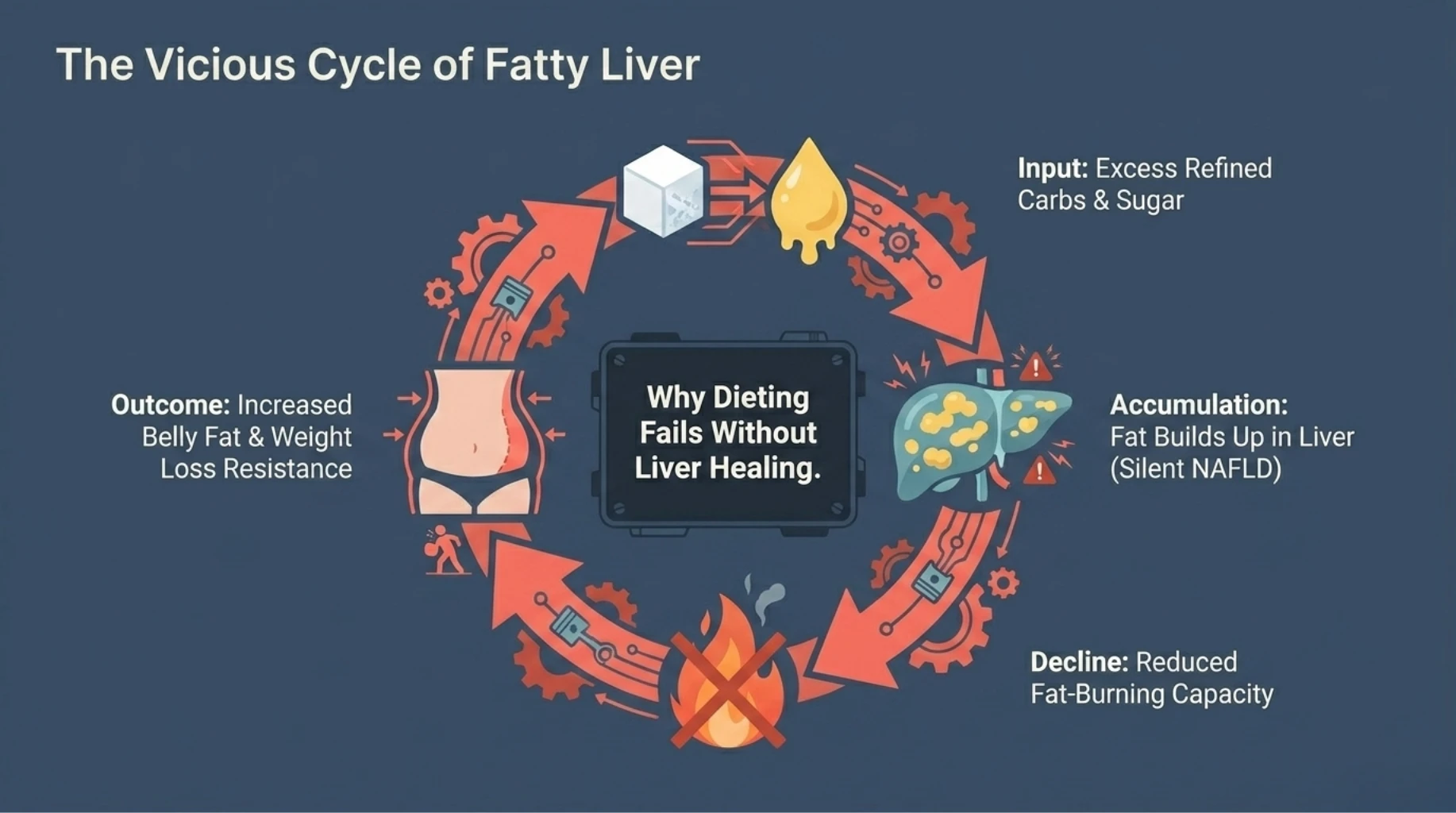
Once insulin resistance begins, it creates a self-perpetuating cycle:
- Fat accumulates in liver
- Insulin resistance increases
- More fat is produced and stored
- Metabolic health worsens further
3. Liver and Cholesterol: More Than Just a Number
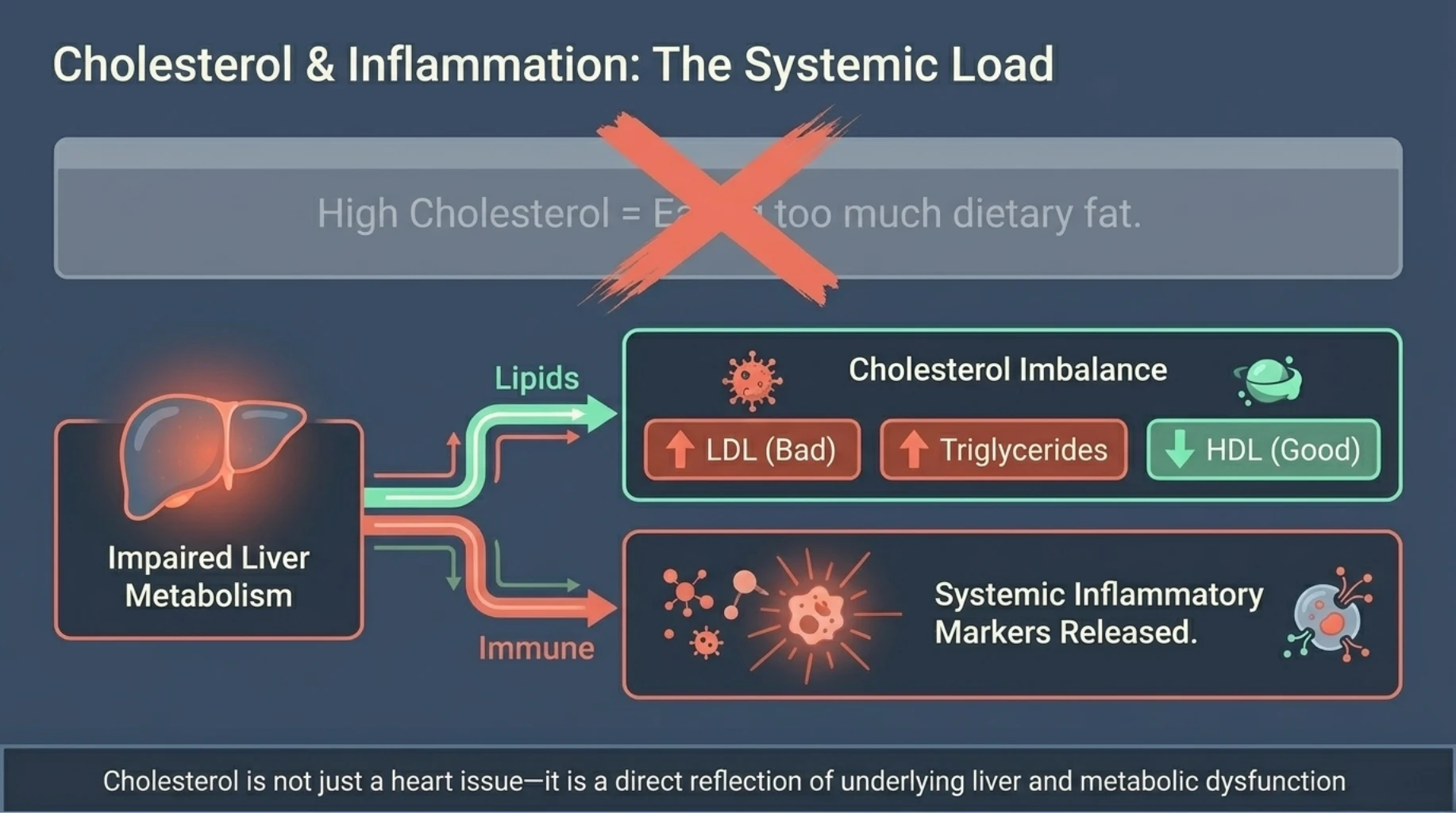
Most people think cholesterol problems are only about diet. But the reality is that the liver is responsible for producing, processing, and clearing cholesterol.
What Happens When Liver Function Is Affected?
When liver metabolism is impaired:
- Bad cholesterol (LDL) may increase
- Triglycerides rise
- Good cholesterol (HDL) may decrease
This pattern is commonly seen in patients with fatty liver and metabolic syndrome.
Why This Is Important
Cholesterol imbalance is not just a heart issue—it reflects underlying metabolic dysfunction.
Simply reducing dietary fat without correcting liver health will not give long-term results.
4. Inflammation: The Silent Driver of Metabolic Disease
Chronic low-grade inflammation is a key factor connecting liver health and metabolic health.
When fat accumulates in the liver, it triggers inflammatory pathways. This leads to the release of inflammatory markers that affect the entire body.
Effects of Chronic Inflammation
- Worsening insulin resistance
- Increased fat storage
- Higher risk of diabetes and heart disease
- Persistent fatigue and low energy
This explains why many patients feel tired even when their reports are not significantly abnormal.
5. Liver Detox Function and Metabolic Load
The liver is responsible for processing toxins, medications, and metabolic waste. But in modern lifestyles, the liver is constantly overloaded.
Common contributors include:
- Processed foods and additives
- Excess sugar intake
- Sedentary lifestyle
- Chronic stress
When detoxification capacity is overwhelmed, metabolic efficiency decreases.
What This Means Practically
A stressed liver cannot efficiently regulate:
- Blood sugar
- Fat metabolism
- Hormonal balance
This contributes to gradual metabolic decline.
6. Why Belly Fat Is Closely Linked to Liver Health
Many patients focus on reducing belly fat through exercise or dieting alone. But a key factor often missed is the role of the liver.
Fatty liver and abdominal fat are strongly interconnected.
The Liver–Belly Fat Link
- Excess liver fat increases triglyceride production
- This promotes fat deposition around the abdomen
- Abdominal fat further worsens insulin resistance
This creates another cycle that makes fat loss difficult.
7. Why Normal Reports Do Not Always Mean Good Health
One of the biggest misconceptions is that normal blood reports mean everything is fine.
In reality, metabolic dysfunction often begins much earlier than detectable abnormalities.
Early Warning Signs
- Persistent fatigue
- Difficulty losing weight
- Post-meal sleepiness
- Mild bloating
These symptoms often reflect early liver and metabolic stress.
This is why many patients say:
“All my reports are normal, but I don’t feel healthy.”
To understand this better, you can explore why symptoms can exist even with normal reports.
Connecting the Dots: The Liver as the Metabolic Engine
If you look at all these factors together, it becomes clear that the liver is not just one organ among many. It is the engine that drives metabolic health.
When the liver is functioning optimally:
- Blood sugar remains stable
- Fat metabolism improves
- Energy levels are consistent
- Inflammation is controlled
But when liver function is compromised, even slightly, it affects multiple systems simultaneously.
This is why focusing only on diet or exercise without addressing liver health often gives incomplete results.
What Actually Works: A Practical Approach to Improve Liver and Metabolic Health
Once you understand how closely liver health and metabolic health are connected, the next step is to focus on what actually works in real life.
Most people try random diet plans, detox drinks, or extreme restrictions. But the liver does not improve with shortcuts. It responds to consistent, structured lifestyle changes.
1. Reduce Excess Sugar and Refined Carbohydrates
One of the biggest drivers of fatty liver and metabolic dysfunction is excess sugar, especially fructose.
Common sources include:
- Sugary beverages
- Packaged snacks
- Refined flour products (maida-based foods)
Reducing these helps:
- Lower liver fat accumulation
- Improve insulin sensitivity
- Stabilize blood sugar levels
This does not mean complete elimination, but controlled and mindful intake.
2. Increase Protein Intake for Metabolic Support
Protein plays a critical role in both liver repair and metabolic balance.
Benefits include:
- Supports muscle preservation
- Improves satiety
- Helps regulate blood sugar
A practical target for most individuals is 1.0–1.5 g protein per kg body weight, adjusted based on individual health conditions.
3. Focus on Fat Quality, Not Just Quantity
Healthy fats support liver function, while trans fats and excessive processed oils worsen metabolic stress.
Recommended sources:
- Nuts and seeds
- Cold-pressed oils
- Fatty fish (if non-vegetarian)
At the same time, avoid:
- Repeatedly heated oils
- Processed fried foods
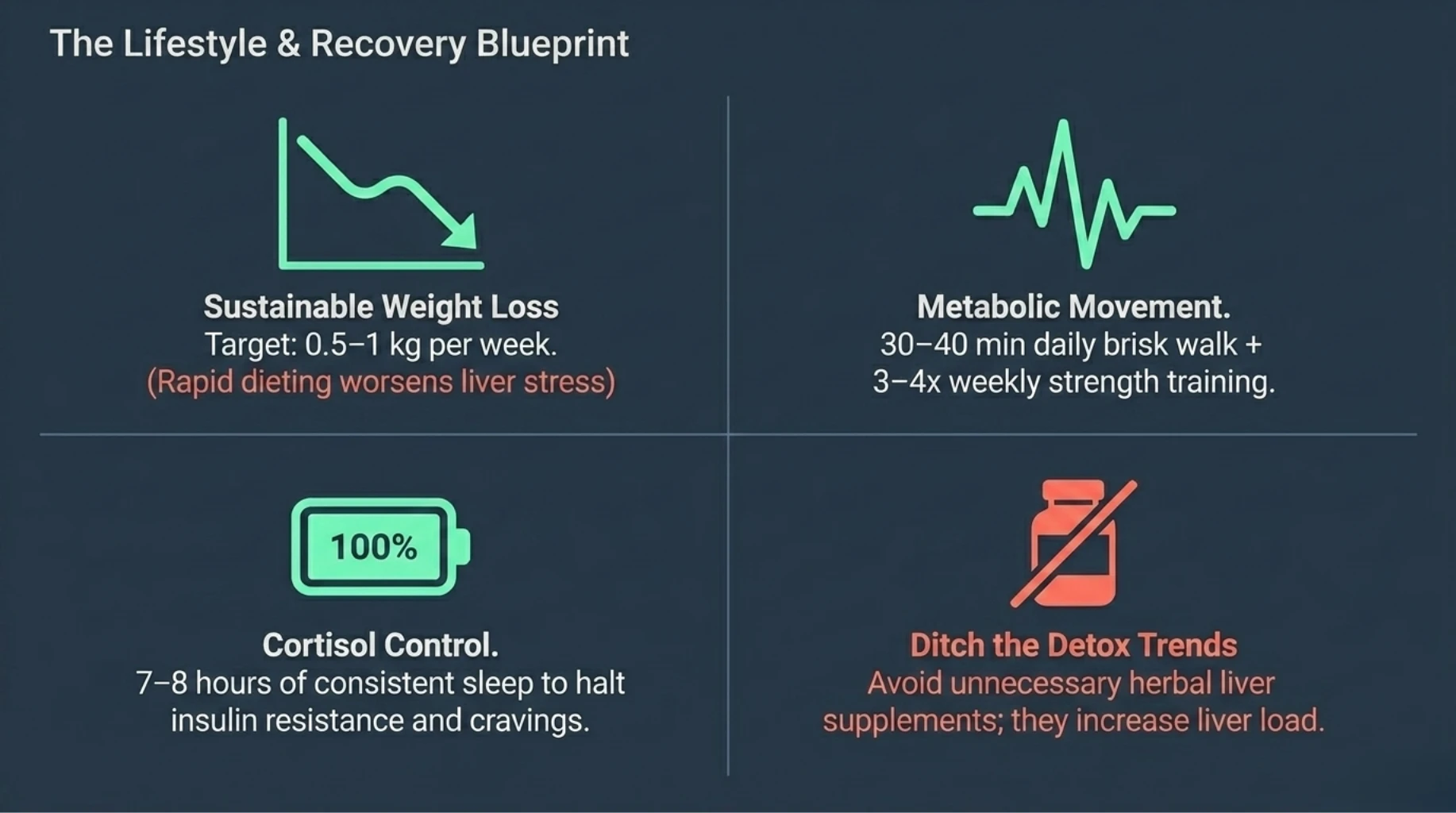
4. Gradual Weight Loss Instead of Rapid Dieting
Rapid weight loss can sometimes worsen liver stress temporarily.
A sustainable target is:
- 0.5–1 kg weight loss per week
This allows the liver to adapt and improves long-term outcomes.
5. Strength Training and Physical Activity
Exercise improves insulin sensitivity and reduces liver fat.
Even simple routines can help:
- Brisk walking 30–40 minutes daily
- Strength training 3–4 times per week
This combination is far more effective than extreme dieting alone.
6. Improve Sleep and Reduce Stress
Sleep and stress directly affect liver metabolism.
Poor sleep can:
- Increase cortisol levels
- Worsen insulin resistance
- Increase cravings
Key targets:
- 7–8 hours of sleep
- Consistent sleep schedule
7. Avoid Unnecessary Supplements and Detox Trends
Many people rely on “liver detox” products or herbal supplements without understanding their impact.
In reality:
- The liver already detoxifies naturally
- Excess supplements may increase liver load
The best detox strategy is improving diet and lifestyle, not adding unnecessary products.
Real-Life Clinical Insight
In clinical practice, I often see patients who have tried multiple diets but continue to struggle with weight, energy, or blood sugar.
Once we shift the focus to improving liver health along with metabolic correction, the results become much more consistent.
Patients start noticing:
- Better energy levels
- Reduced bloating
- Improved fat loss
- More stable blood sugar
Key Takeaways: What You Should Remember
- Liver health is central to metabolic health
- Fatty liver is often the starting point of metabolic problems
- Insulin resistance begins early at the liver level
- Cholesterol imbalance reflects liver dysfunction
- Inflammation connects liver issues with metabolic disease
- Gradual lifestyle changes are more effective than extreme diets
- Consistency is the most important factor for long-term success
When Should You Seek Medical Advice?
If you are experiencing the following, it is important to consult a doctor:
- Persistent fatigue
- Difficulty losing weight
- Belly fat despite dieting
- Borderline or rising blood sugar
- Fatty liver on ultrasound
These are early signs of metabolic dysfunction and should not be ignored.
You can book a consultation here: Book Appointment

Written by Dr. Pankaj Kumar
General & Lifestyle Physician in Dwarka Sector 6, New Delhi · MBBS, DNB (Family Medicine), DNHE · 16 years of experience.
About the doctor →Book a consultation → Beyond Blood Sugar
 The 90-Day Prediabetes Turnaround
 The Indian Diabetes Diet Reset
 Eat to Beat Gout
 Why Is My Hair Falling?
 The 30-Day Inflammation Reset