Many patients come to me with a common concern — their blood pressure fluctuates even when their diet seems controlled.
One of the most overlooked reasons behind this is internal hormonal activity. Understanding how stress hormones affect blood pressure is essential, especially in today’s fast-paced lifestyle.
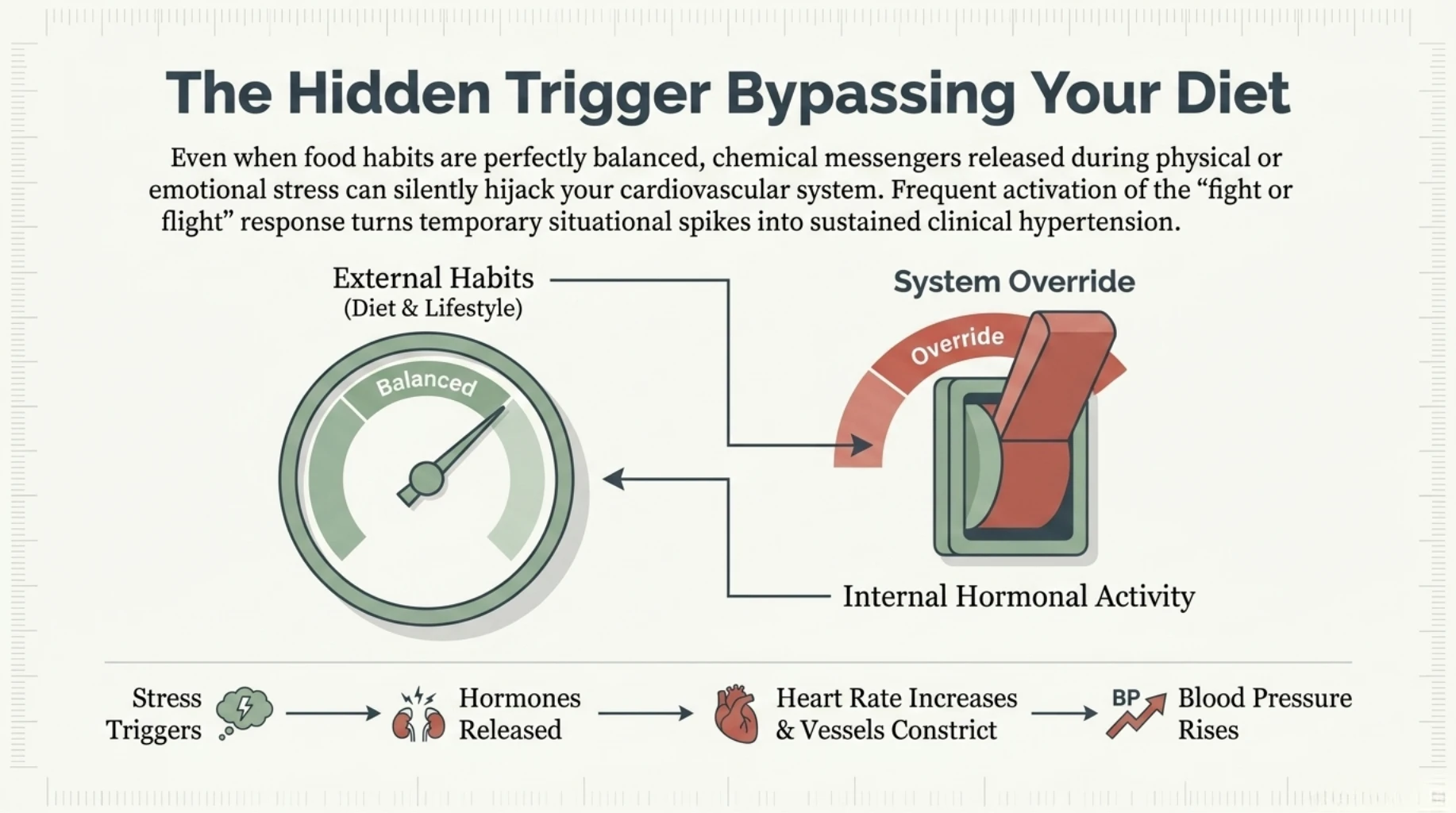
Even if your food habits are relatively balanced, chronic stress can silently increase your blood pressure over time.
This is why some individuals experience unexplained BP spikes despite “doing everything right.”
What Are Stress Hormones?
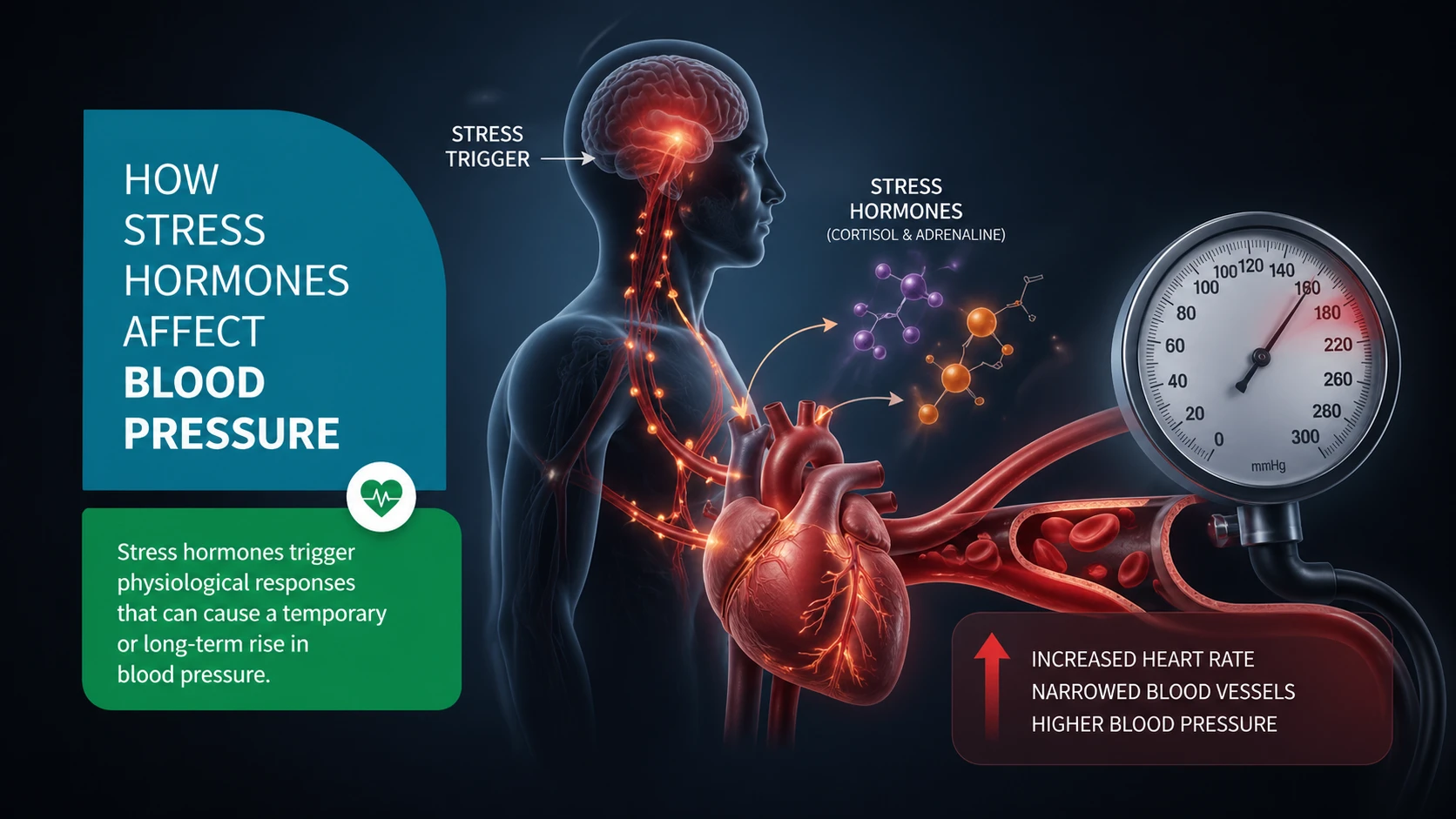
Stress hormones are chemical messengers released by the body in response to physical or emotional stress.
The two most important hormones involved are:
- Adrenaline (epinephrine)
- Cortisol
These hormones activate the body’s “fight or flight” response, preparing it to handle immediate challenges. While this response is helpful in short bursts, frequent activation becomes harmful.
How Stress Hormones Affect Blood Pressure
The connection between how stress hormones affect blood pressure is direct and clinically significant.
When stress hormones are released:
- Heart rate increases
- Blood vessels constrict
- Blood pressure rises
In short-term situations, this rise is temporary. However, repeated stress leads to frequent BP spikes, which may eventually progress to sustained hypertension.
Hidden Mechanism 1: Adrenaline Causes Sudden BP Spikes
Adrenaline is released quickly during stress, anxiety, or emotional triggers. It increases heart rate and tightens blood vessels, leading to a sudden rise in blood pressure.
This is why many people notice elevated BP during stressful situations like work pressure, arguments, or anxiety episodes. Repeated adrenaline surges put continuous strain on blood vessels.
Hidden Mechanism 2: Cortisol Maintains Elevated Blood Pressure
Cortisol acts over a longer duration compared to adrenaline. It increases blood sugar levels and makes blood vessels more sensitive to constriction.
Chronic elevation of cortisol can lead to:
- Persistent high blood pressure
- Increased abdominal fat
- Higher risk of metabolic disorders
This explains why individuals under constant stress often develop hypertension gradually.
Hidden Mechanism 3: Nervous System Overactivation
Stress activates the sympathetic nervous system, which controls involuntary body functions.
When this system remains continuously active:
- Blood vessels stay constricted
- Heart rate remains elevated
- Blood pressure becomes unstable
This contributes to frequent fluctuations and unexplained BP variations.
Why This Connection Is Often Ignored
Most people associate high blood pressure only with diet, salt intake, or weight gain. However, the role of how stress hormones affect blood pressure is often underestimated.
Patients may show normal readings in relaxed conditions but elevated readings during stressful periods. This creates confusion and delays early diagnosis.
Hidden Mechanism 4: Sleep Disturbance Disrupts Blood Pressure Control
One of the strongest links in understanding how stress hormones affect blood pressure is sleep. Stress increases cortisol levels, which interferes with the body’s natural sleep cycle.
Poor sleep leads to:
- Reduced nighttime blood pressure dipping
- Increased morning BP levels
- Higher sympathetic nervous system activity
Normally, blood pressure should decrease during sleep. When this does not happen, it increases long-term cardiovascular risk. Patients with chronic stress often report both poor sleep and fluctuating BP readings.
Hidden Mechanism 5: Insulin Resistance Links Stress to Hypertension
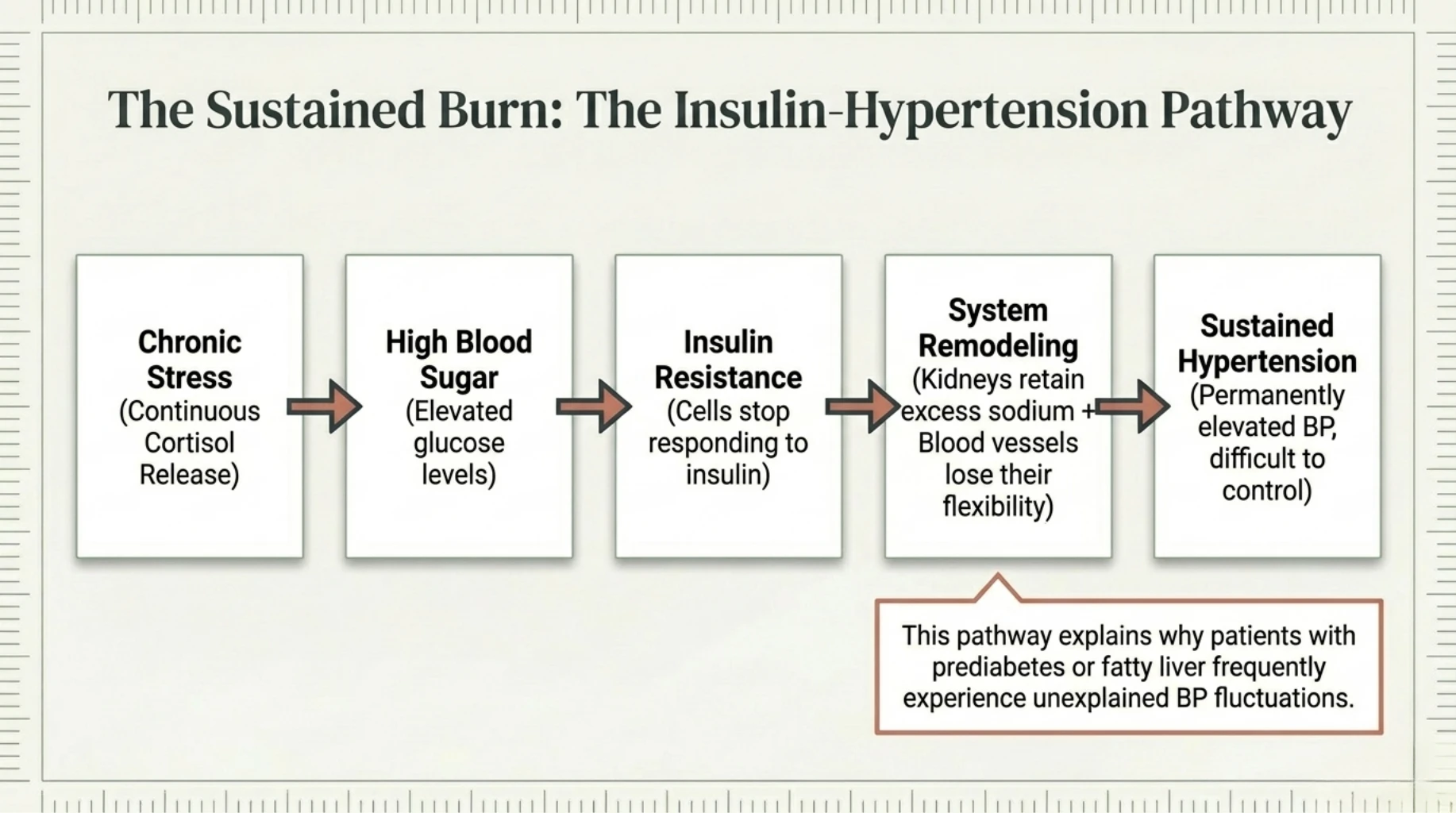
Another important pathway explaining how stress hormones affect blood pressure is through insulin resistance. Chronic stress increases cortisol, which raises blood sugar levels.
Over time, this leads to insulin resistance. Insulin resistance contributes to:
- Increased sodium retention by the kidneys
- Activation of the sympathetic nervous system
- Reduced flexibility of blood vessels
These changes directly increase blood pressure and make it more difficult to control. This is why many patients with prediabetes or fatty liver also experience BP fluctuations.
Hidden Mechanism 6: Emotional Eating and Dietary Imbalance
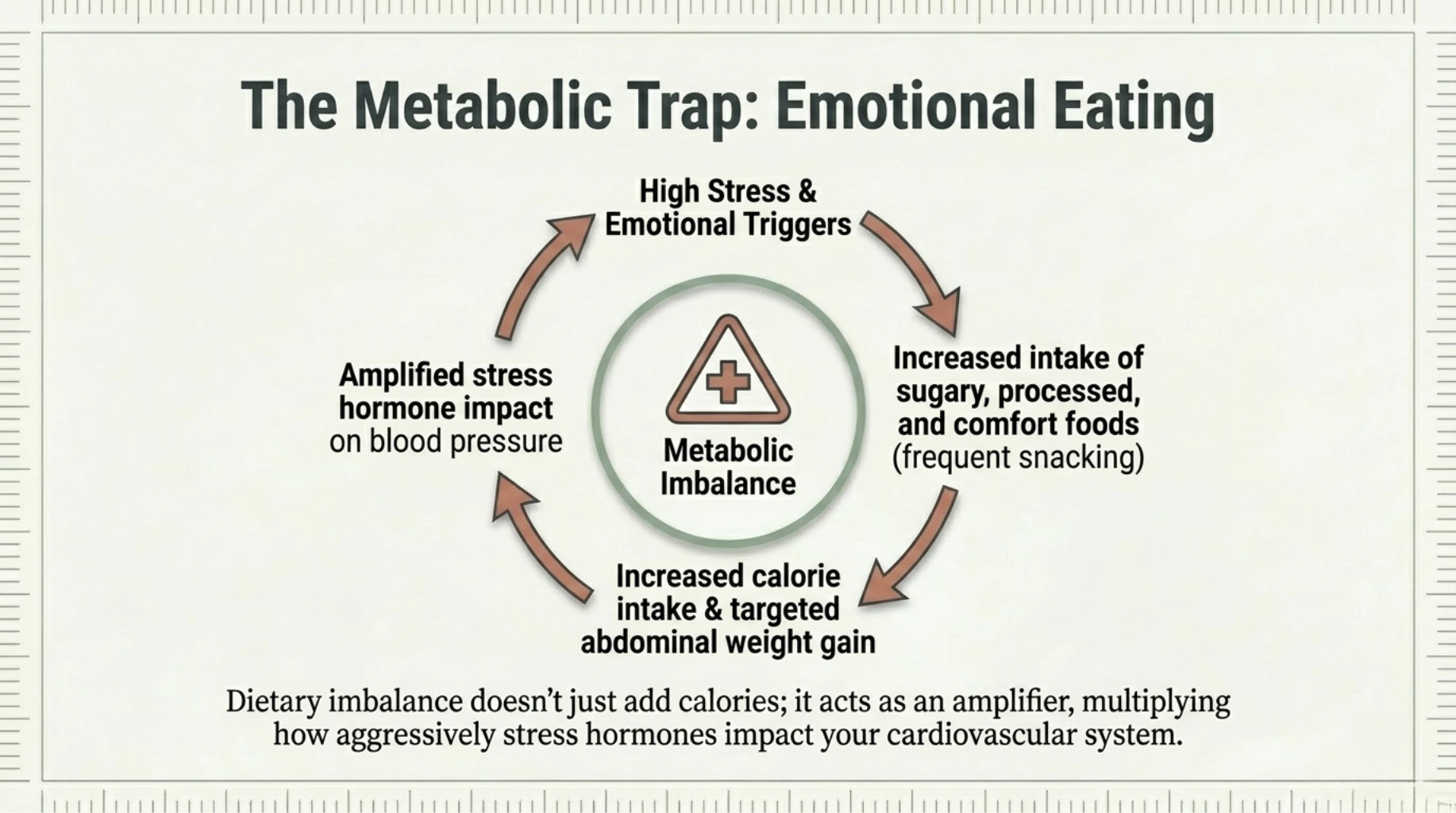
Stress often leads to emotional eating, which further worsens metabolic health. Common patterns include:
- Increased intake of sugary foods
- Frequent snacking
- Consumption of processed or comfort foods
These habits increase calorie intake and promote weight gain, especially around the abdomen. This indirectly amplifies how stress hormones affect blood pressure through metabolic imbalance.
Hidden Mechanism 7: Chronic Stress Creates a Continuous BP Elevation Cycle
Short-term stress causes temporary changes, but chronic stress creates a continuous cycle.
This cycle includes:
- Repeated hormone release
- Persistent vascular constriction
- Long-term elevation of blood pressure
Over time, this can convert intermittent BP spikes into sustained hypertension. This is why stress management is not optional—it is a core part of blood pressure control.
Why Stress-Related BP Changes Are Difficult to Detect
Stress-related BP fluctuations are often missed because they are not constant. Patients may have:
- Normal readings during clinic visits
- High readings during stressful situations
- Variable readings throughout the day
This makes diagnosis challenging and often delays treatment. Recognizing patterns is key to identifying how stress hormones affect blood pressure in real-life situations.
Key Insight So Far
If you look closely, stress does not act in isolation. It interacts with sleep, metabolism, diet, and lifestyle to influence blood pressure.
Understanding how stress hormones affect blood pressure helps identify these hidden triggers early.
How to Control Stress Hormones and Stabilize Blood Pressure
Now that you understand how stress hormones affect blood pressure, the next step is practical correction.
The goal is not to eliminate stress completely, but to reduce its impact on the body. Small, consistent lifestyle changes can significantly improve blood pressure stability.
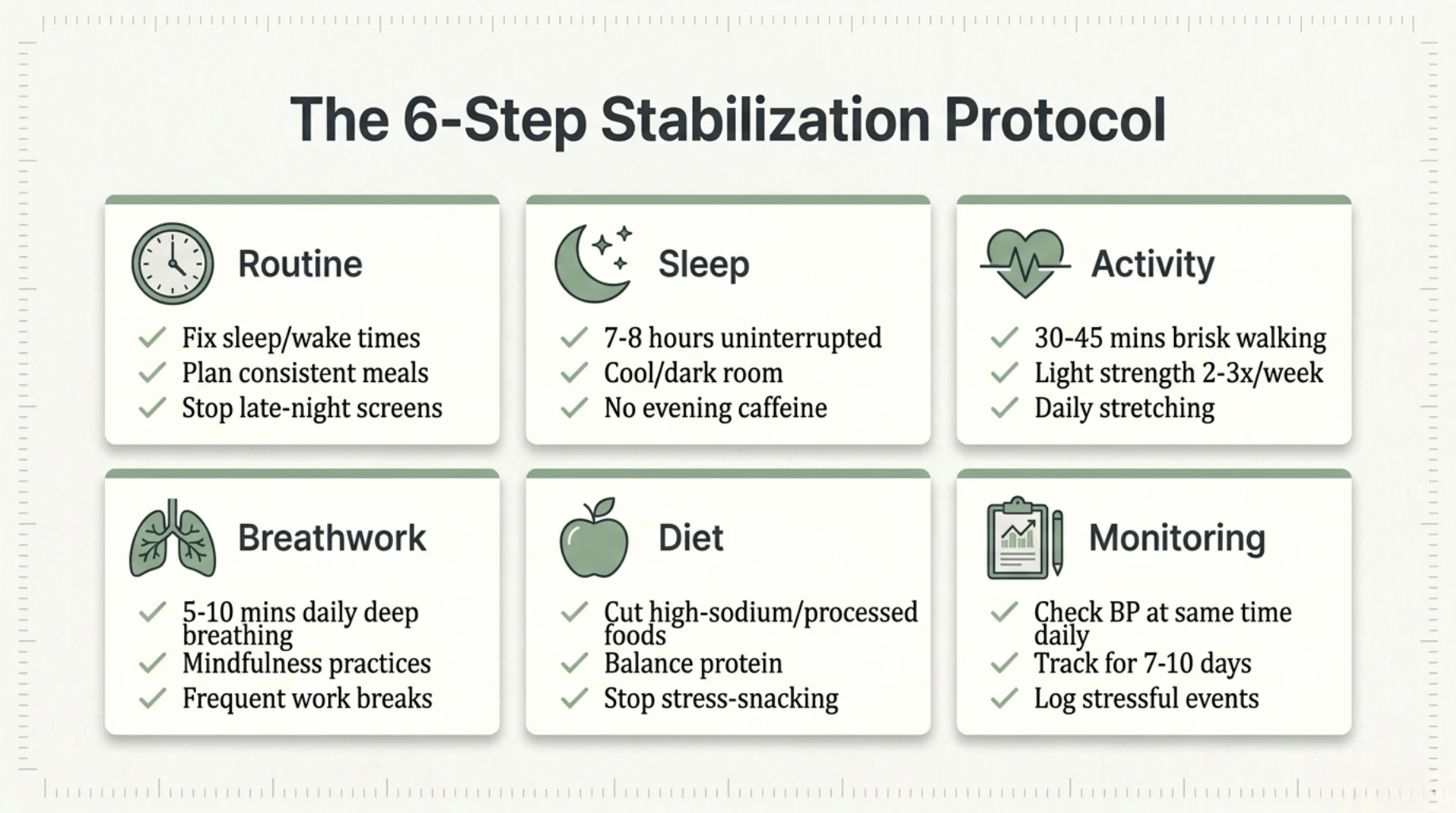
Step 1: Regulate Your Daily Routine
A predictable daily routine helps reduce stress hormone fluctuations.
- Maintain fixed sleep and wake times
- Avoid late-night screen exposure
- Plan meals at consistent intervals
This improves hormonal balance and reduces unnecessary BP spikes.
Step 2: Improve Sleep Quality
Sleep is one of the most powerful regulators of cortisol levels. Aim for:
- 7–8 hours of uninterrupted sleep
- A calm, dark sleeping environment
- Avoid caffeine after evening hours
Better sleep directly improves how stress hormones affect blood pressure over time.
Step 3: Add Daily Physical Activity
Exercise helps reduce stress hormone levels and improves vascular function. Simple activities are effective when done consistently:
- 30–45 minutes of brisk walking
- Light strength training 2–3 times per week
- Stretching or mobility exercises
Regular activity stabilizes both blood pressure and metabolic health.
Step 4: Practice Stress Reduction Techniques
You do not need complex methods. Simple techniques can be highly effective.
- Deep breathing exercises (5–10 minutes daily)
- Meditation or mindfulness practices
- Short breaks during work hours
These reduce sympathetic nervous system overactivity and lower BP fluctuations.
Step 5: Correct Dietary Triggers
Diet indirectly influences stress hormones and blood pressure. Focus on:
- Reducing processed and high-sodium foods
- Ensuring adequate protein intake
- Maintaining balanced meals
Avoid stress-related eating patterns like frequent snacking or high sugar intake.
Step 6: Monitor Blood Pressure Regularly
Tracking BP helps identify patterns related to stress and lifestyle.
- Check BP at the same time daily
- Record readings for at least 7–10 days
- Note stressful events or sleep changes
This helps correlate how stress hormones affect blood pressure in real-life situations.
When Should You Seek Medical Advice?
Lifestyle changes are effective, but medical evaluation is necessary in certain situations.
- Blood pressure consistently above 140/90 mmHg
- Frequent unexplained BP spikes
- Presence of diabetes, obesity, or heart risk factors
- Symptoms like headache, dizziness, or palpitations
Early consultation helps prevent long-term complications.
You can explore a structured approach here:
Lifestyle Modification Program
Key Take-Home Messages
- Stress hormones have a direct impact on blood pressure levels
- Repeated stress leads to frequent BP spikes and long-term risk
- Sleep, diet, and activity play a major role in controlling stress effects
- Early intervention can prevent progression to hypertension
- Consistency in lifestyle changes is more important than short-term fixes
Final Thoughts
Stress is an unavoidable part of modern life, but its effects on health can be controlled.
Understanding how stress hormones affect blood pressure allows you to take early action and prevent long-term complications.
Instead of ignoring occasional fluctuations, focus on identifying triggers and correcting them systematically.
If you need a personalized plan based on your lifestyle and reports, you can book a consultation here:
Book an Appointment
Disclaimer: This article is for educational purposes only and should not replace medical advice. Individual treatment should be based on clinical evaluation.

Written by Dr. Pankaj Kumar
General & Lifestyle Physician in Dwarka Sector 6, New Delhi · MBBS, DNB (Family Medicine), DNHE · 16 years of experience.
About the doctor →Book a consultation → Beyond Blood Sugar
 The 90-Day Prediabetes Turnaround
 The Indian Diabetes Diet Reset
 Eat to Beat Gout
 Why Is My Hair Falling?
 The 30-Day Inflammation Reset