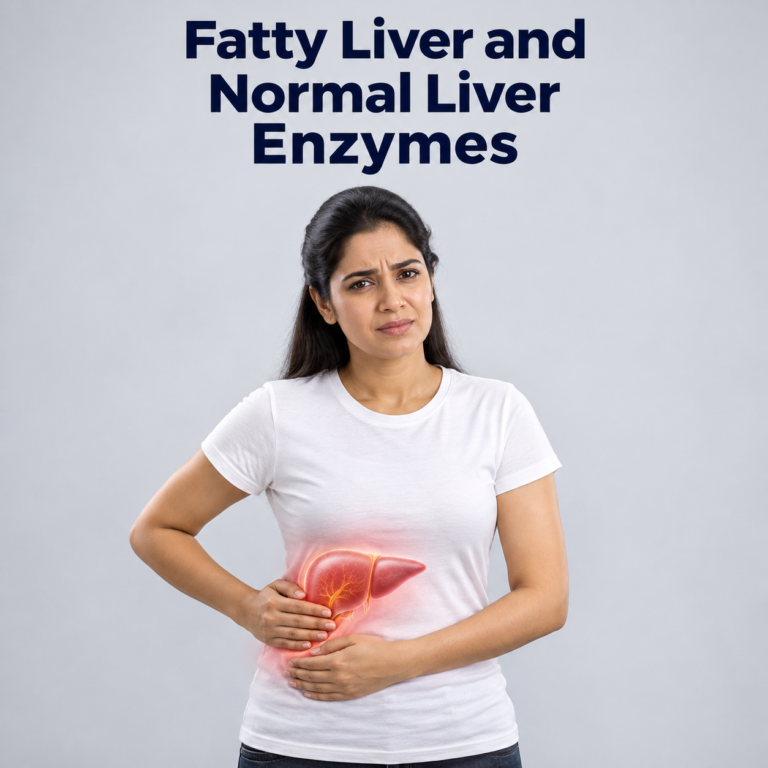
One of the most confusing things about fatty liver disease is that you may feel completely well while it is present. In fact, the absence of fatty liver symptoms does not reliably tell you whether there is fat in the liver or whether liver scarring has begun.
Metabolic dysfunction-associated steatosis liver disease, or MASLD, is the current name for much of what was previously called nonalcoholic fatty liver disease or NAFLD. Most people with MASLD are asymptomatic and are diagnosed after an ultrasound performed for another reason or after routine blood tests show abnormal liver enzymes. Normal liver enzymes, however, do not exclude the condition.
This is why waiting for pain, jaundice or obvious illness is not a good screening strategy. Current European guidance recommends looking for significant liver fibrosis in people with relevant cardiometabolic risk factors, abnormal liver enzymes or imaging evidence of liver fat, particularly when type 2 diabetes or obesity is present.
The important question is therefore not simply, “Do I have symptoms?” It is also, “Do I have risk factors that make fatty liver and liver fibrosis worth assessing?”
Can You Have Fatty Liver Without Symptoms?
Yes. You can have fatty liver with no symptoms at all.
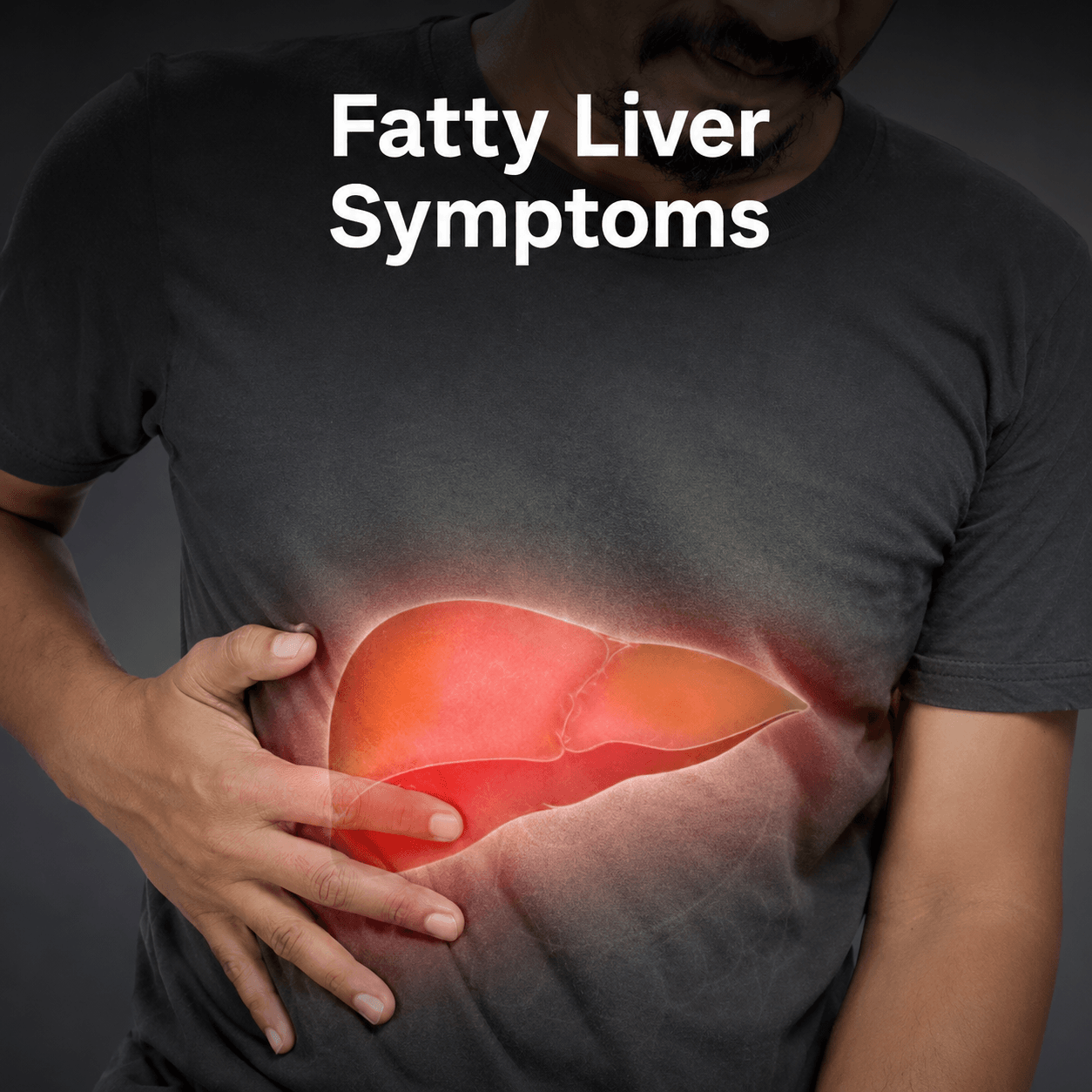
The NIDDK describes MASLD/NAFLD as usually a silent disease with few or no symptoms. When symptoms are present, tiredness and discomfort in the upper-right abdomen are among the possibilities, but neither symptom is specific enough to diagnose fatty liver.
Some people can even develop substantial liver disease before obvious symptoms appear. This is why metabolic risk, laboratory results and fibrosis assessment matter more than relying on how well you feel.

What Do Fatty Liver Symptoms Usually Look Like?
For most people, there are no characteristic early symptoms.
When symptoms do occur, they are often vague. Possible complaints include:
- persistent tiredness
- a general reduction in energy
- mild discomfort or heaviness in the upper-right abdomen
NIDDK lists fatigue and discomfort over the upper-right side of the abdomen among symptoms that may occur, while emphasising that MASLD is usually silent.
These symptoms are not diagnostic.
Fatigue can result from anemia, thyroid disease, sleep apnea, diabetes, poor sleep, depression, infection or many other conditions. Similarly, discomfort on the right side of the abdomen can come from the gallbladder, stomach, bowel, abdominal muscles or other structures.
That means someone with fatigue should not assume fatty liver is the cause simply because an ultrasound also shows liver fat.
The reverse is equally important: feeling energetic does not prove that your liver is healthy.
Why Fatty Liver Symptoms May Be Absent for Years
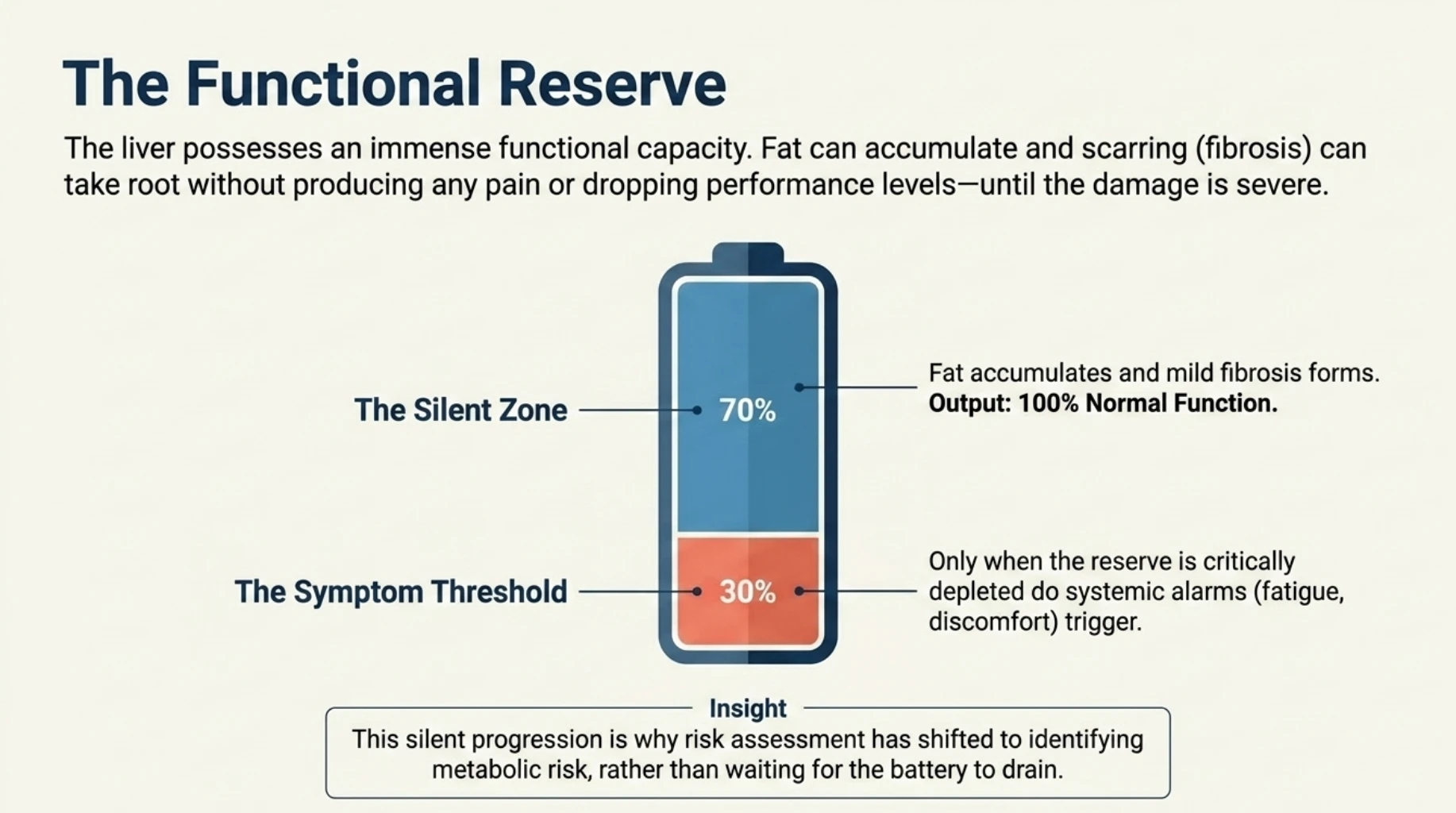
The liver has a substantial functional reserve. Fat can accumulate and fibrosis can begin without producing the type of pain or disability that immediately alerts a person that something is wrong.
AASLD notes that most people with MASLD are asymptomatic and are often identified through incidental liver-enzyme abnormalities or hepatic steatosis seen on imaging.
Symptoms also do not follow a predictable sequence in every patient. Some people with mild disease feel tired, while another person with more significant fibrosis may feel completely normal.
This silent progression is one reason liver-risk assessment has shifted toward identifying people at higher metabolic risk rather than waiting for liver-specific symptoms.
What Is Fatty Liver, or MASLD?
“Fatty liver” is a commonly used term for excess fat accumulating inside liver cells.
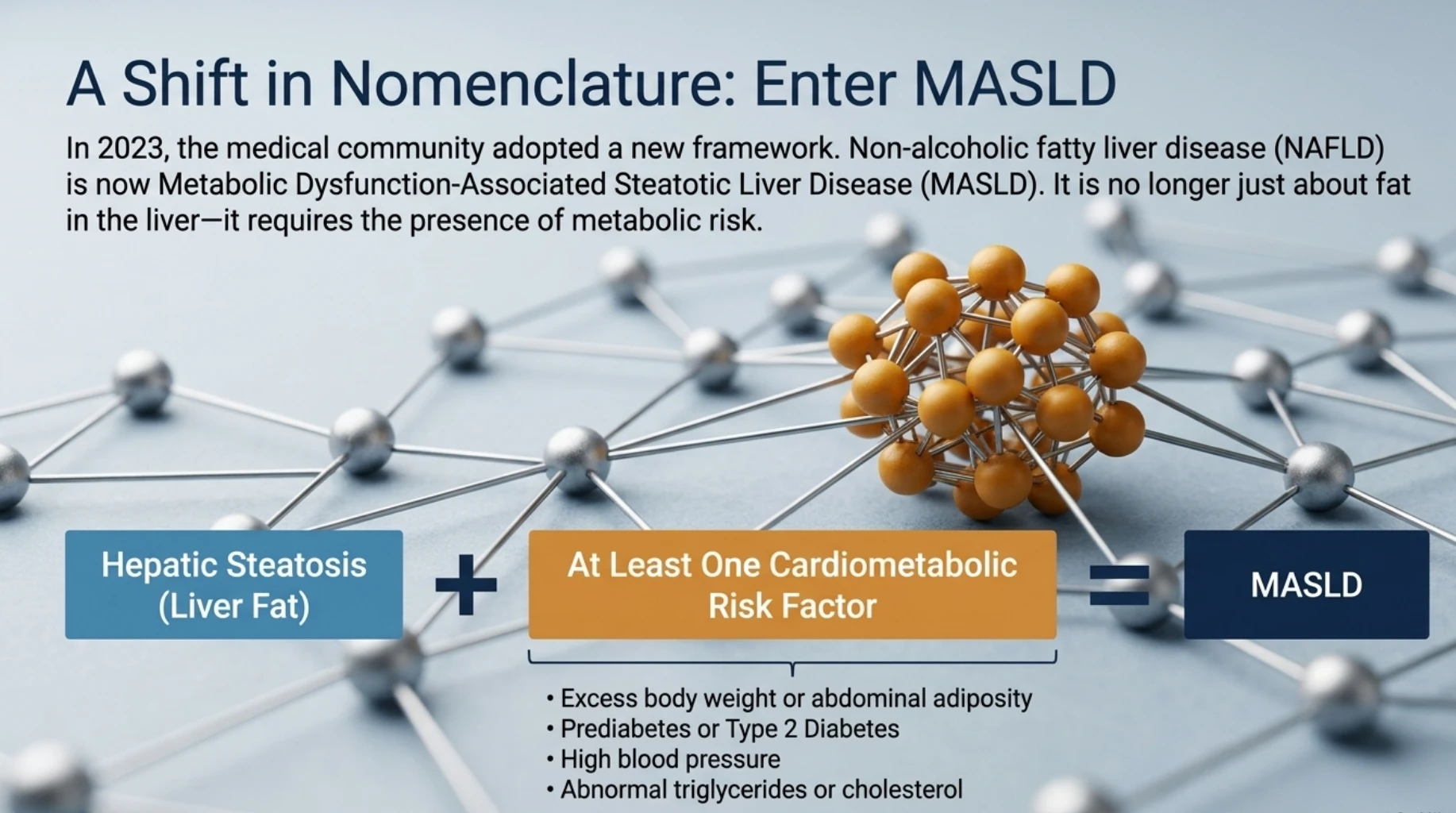
The terminology has changed in recent years. Under the international nomenclature adopted in 2023, metabolic dysfunction-associated steatosis liver disease (MASLD) describes hepatic steatosis in a person who also has at least one relevant cardiometabolic risk factor.
These metabolic risk factors include problems such as:
- excess body weight or abdominal adiposity
- prediabetes or diabetes
- high blood pressure
- abnormal triglycerides or cholesterol
MASLD can exist as liver fat without substantial inflammation, or it can progress to metabolic dysfunction-associated steatohepatitis (MASH), where liver-cell injury and inflammation are present. Fibrosis may then develop over time in some patients.
Not everyone with fatty liver progresses to cirrhosis.
The challenge is identifying the smaller group at higher risk of significant fibrosis rather than treating every ultrasound report as though it represents the same severity of disease. Current EASL guidance therefore emphasizes case-finding for fibrosis in people with metabolic risk factors or imaging evidence of liver fat.
Why Symptoms Do Not Tell You How Severe Fatty Liver Is
A common misconception is that mild symptoms mean mild disease and severe symptoms mean severe disease.
Fatty liver does not reliably behave this way.
Someone with significant liver fat may have no symptoms. More importantly, fibrosis can progress silently. AASLD specifically notes that patients with MASLD are commonly asymptomatic and that normal laboratory findings do not necessarily exclude the condition.
The clinically important issue is often not the amount of fat seen on an ultrasound but the amount of fibrosis, or scarring.
Fibrosis matters because advanced fibrosis and cirrhosis are much more closely linked to future liver complications than a simple description of “grade 1,” “grade 2” or “grade 3 fatty liver” on ultrasound.
This is why an ultrasound report should not be interpreted in isolation. Current international guidance recommends non-invasive fibrosis assessment in appropriate higher-risk patients rather than trying to judge disease severity from symptoms alone.
Can Fatty Liver Cause Fatigue?
Yes, fatigue can occur, but it is nonspecific.
NIDDK lists feeling tired among possible symptoms of MASLD/NAFLD. However, tiredness alone cannot establish that liver fat is causing the problem.
Consider someone who has:
- fatty liver on ultrasound
- obesity
- loud snoring
- daytime sleepiness
- high blood sugar
Their fatigue may be influenced by sleep apnea, diabetes, poor sleep, obesity, fatty liver or several of these factors together.
Another person may have fatty liver and iron-deficiency anemia. Treating the liver alone would not explain or correct all the fatigue.
Persistent tiredness therefore deserves a broader clinical assessment rather than the automatic conclusion that “my fatty liver is making me weak.”
The same principle applies when fatigue persists after liver enzymes improve. Liver enzymes and symptoms measure different things and should not be used interchangeably.
Can Fatty Liver Cause Pain on the Right Side?
Some people with fatty liver report mild discomfort or a dull sensation in the upper-right part of the abdomen, where the liver is located. NIDDK recognizes upper-right abdominal discomfort as a possible symptom.
However, severe or recurrent abdominal pain should not automatically be blamed on fatty liver.
Right-sided upper abdominal pain may also arise from:
- gallstones or gallbladder inflammation
- stomach or duodenal disease
- muscular pain
- bowel problems
- other liver conditions
Fatty liver is frequently discovered during an ultrasound ordered to investigate abdominal pain. The fact that the scan identifies liver fat does not automatically prove that the fat caused the pain.
This distinction prevents an incidental ultrasound finding from distracting attention from another problem that may need treatment.
Can Liver Enzymes Be Normal With Fatty Liver?
Yes.
This is an important reason why fatty liver symptoms and routine liver-enzyme results cannot be used as reliable screening tools on their own.
AASLD states that normal AST and ALT levels do not exclude MASLD. A person may therefore have liver fat—and in some cases clinically important liver fibrosis—even when a laboratory report does not flag ALT or AST as abnormal.
The opposite is also true. Elevated liver enzymes are not automatically caused by fatty liver.
Other possibilities include:
- alcohol-associated liver disease
- viral hepatitis
- medication-related liver injury
- autoimmune liver disease
- other metabolic or genetic liver conditions
For this reason, a diagnosis should consider alcohol intake, medicines and supplements, metabolic risk and alternative causes of liver disease rather than labelling every raised ALT as fatty liver. AASLD guidance specifically recommends evaluating alternative causes when hepatic steatosis is identified.
Who Is More Likely to Have Fatty Liver Without Knowing It?
The people most likely to benefit from risk assessment are often those who feel well but have metabolic risk factors.
NIDDK identifies several conditions associated with a higher likelihood of MASLD, including overweight or obesity, insulin resistance, type 2 diabetes, abnormal blood lipids and metabolic syndrome.
The risk pattern may include:
- abdominal obesity
- prediabetes
- type 2 diabetes
- high triglycerides
- low HDL cholesterol
- high blood pressure
- several metabolic abnormalities occurring together
Current EASL guidance recommends case-finding for MASLD-related fibrosis in people with cardiometabolic risk factors, particularly those with type 2 diabetes or obesity accompanied by additional metabolic risks.
You therefore do not need to feel ill for liver assessment to be relevant.
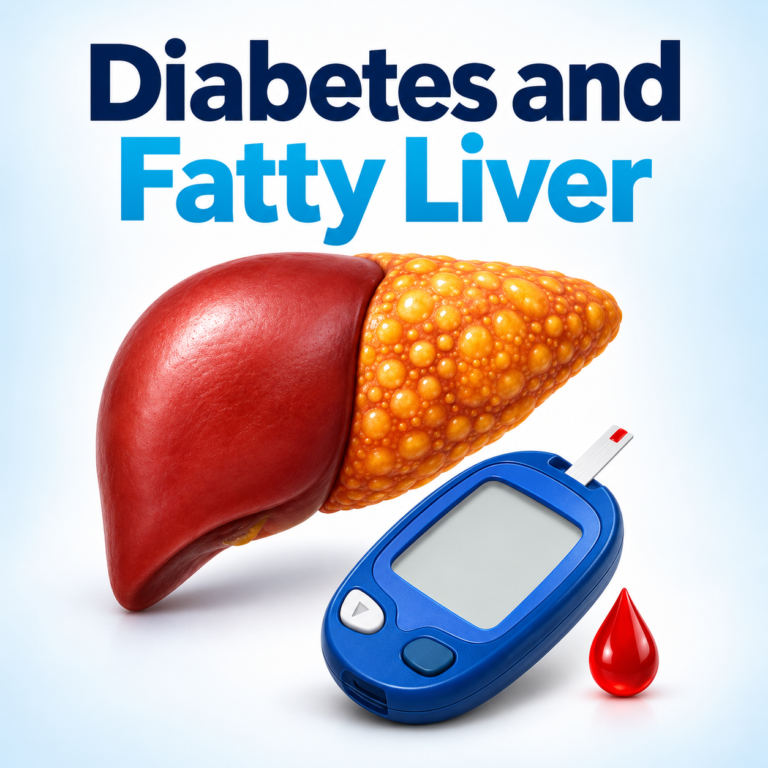
Diabetes, Prediabetes and Insulin Resistance Increase Liver Risk
The relationship between diabetes and fatty liver is particularly important.
People with type 2 diabetes have a much higher prevalence of MASLD than the general population and are also at increased risk of clinically significant liver fibrosis. A 2025 American Diabetes Association consensus report recommends fibrosis risk stratification in adults with prediabetes and type 2 diabetes, especially when obesity is also present.
This means a person with diabetes should not wait for MASLD symptoms such as fatigue or abdominal discomfort before thinking about liver health.
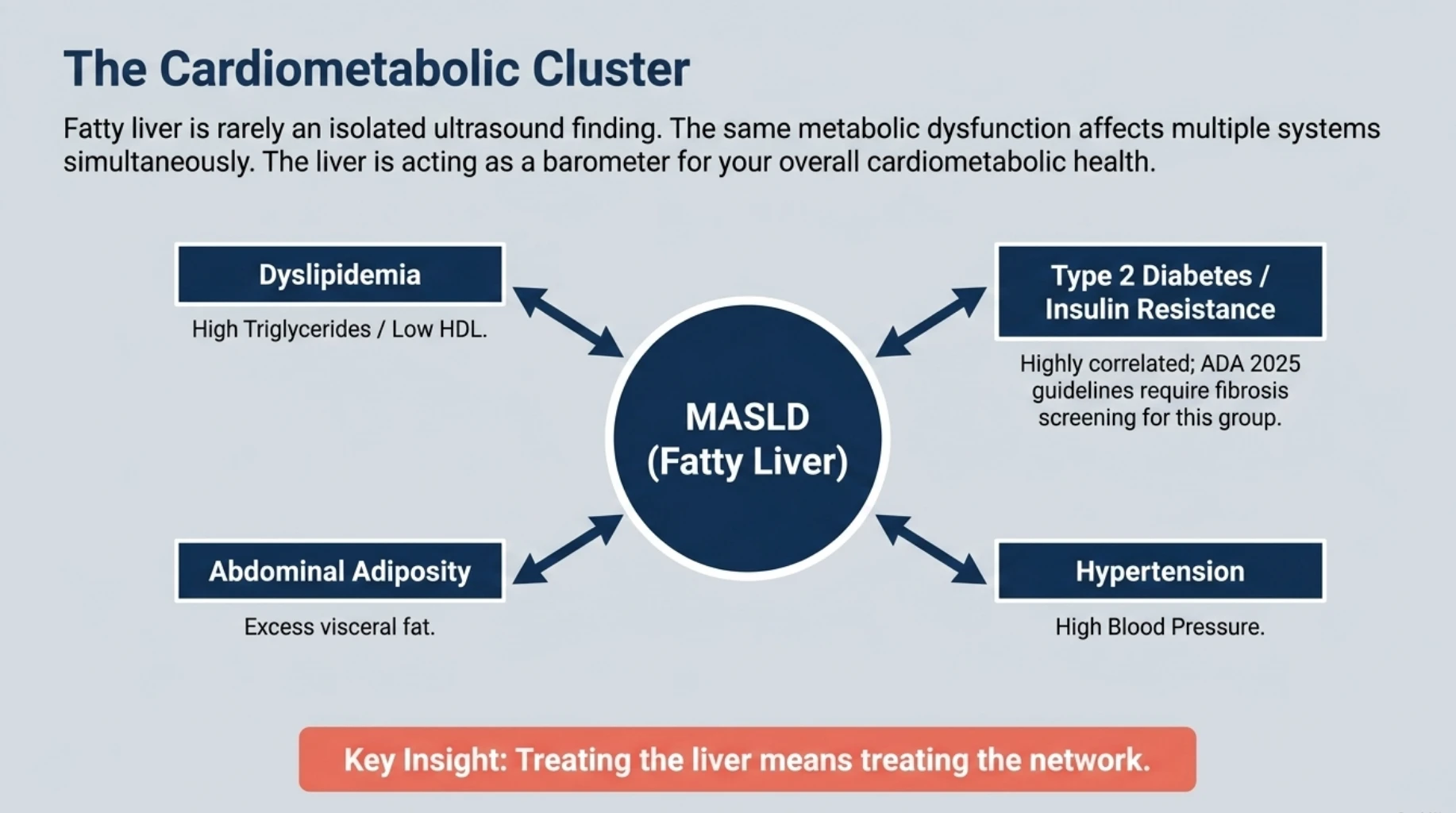
The same metabolic process may affect several systems at once. Abdominal obesity, high triglycerides, insulin resistance, hypertension and fatty liver commonly cluster together.
For this reason, fatty liver is often best viewed as part of overall cardiometabolic health rather than as an isolated ultrasound finding.
Why Fatty Liver Is Often Found Accidentally on Ultrasound
Many people first learn they have fatty liver after an abdominal ultrasound ordered for another reason.
The scan may have been requested for:
- abdominal discomfort
- gallstones
- kidney or urinary symptoms
- a general health check
- abnormal liver enzymes
- another unrelated abdominal concern
AASLD describes incidental hepatic steatosis on abdominal imaging as a common route to diagnosis because most patients do not have specific symptoms.
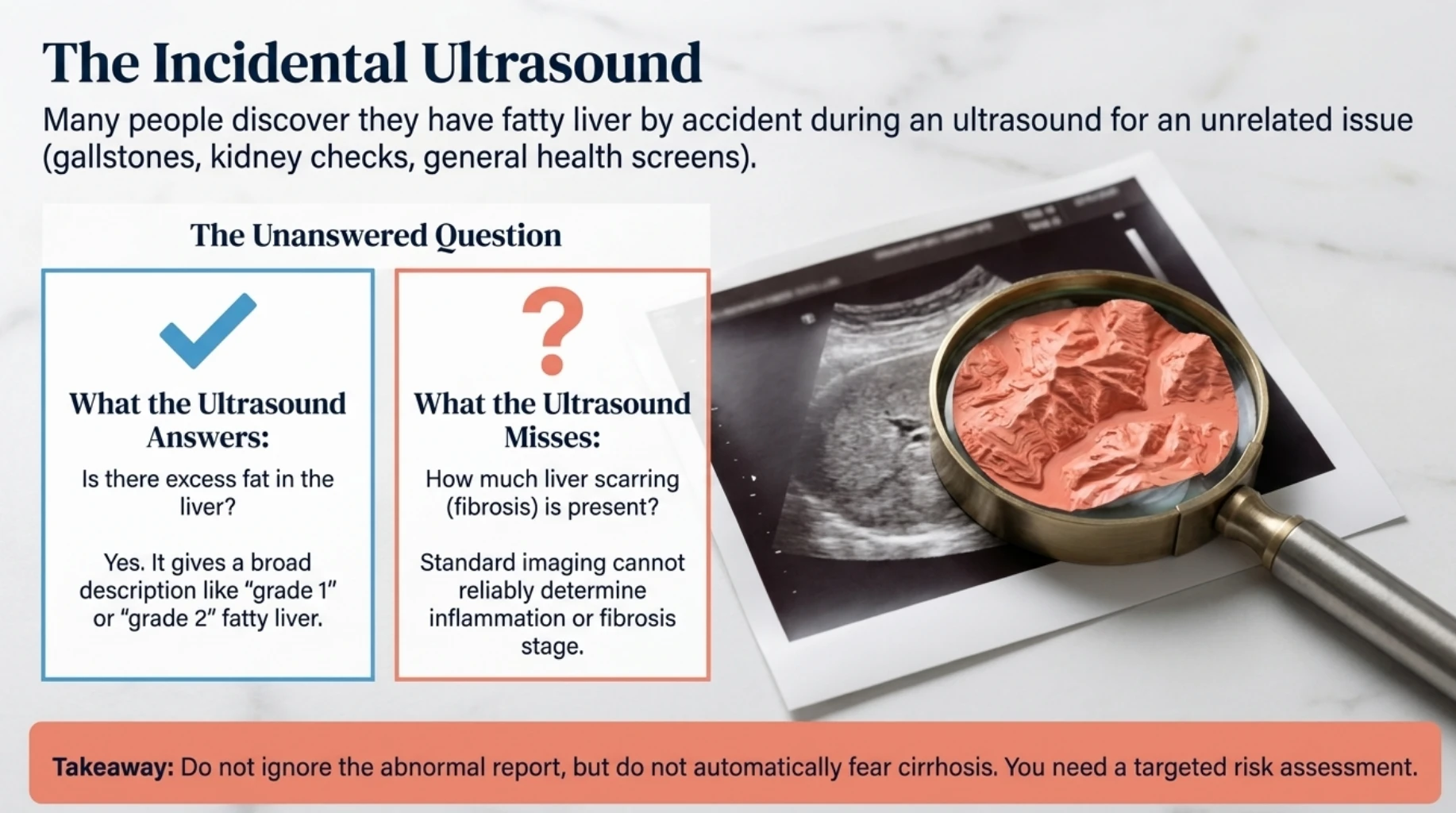
An ultrasound showing fatty liver answers one important question: there appears to be excess fat in the liver.
It does not fully answer another question:
How much liver scarring is present?
Standard imaging can identify steatosis but does not reliably determine the presence or stage of inflammation and fibrosis. Risk assessment may therefore require blood-based scores such as FIB-4 followed, when indicated, by liver-stiffness assessment such as transient elastography.
This distinction becomes especially important when someone feels completely healthy. The absence of symptoms should not cause an abnormal ultrasound report to be ignored, but neither should the report automatically create fear of cirrhosis.
Symptoms That May Suggest Advanced Liver Disease
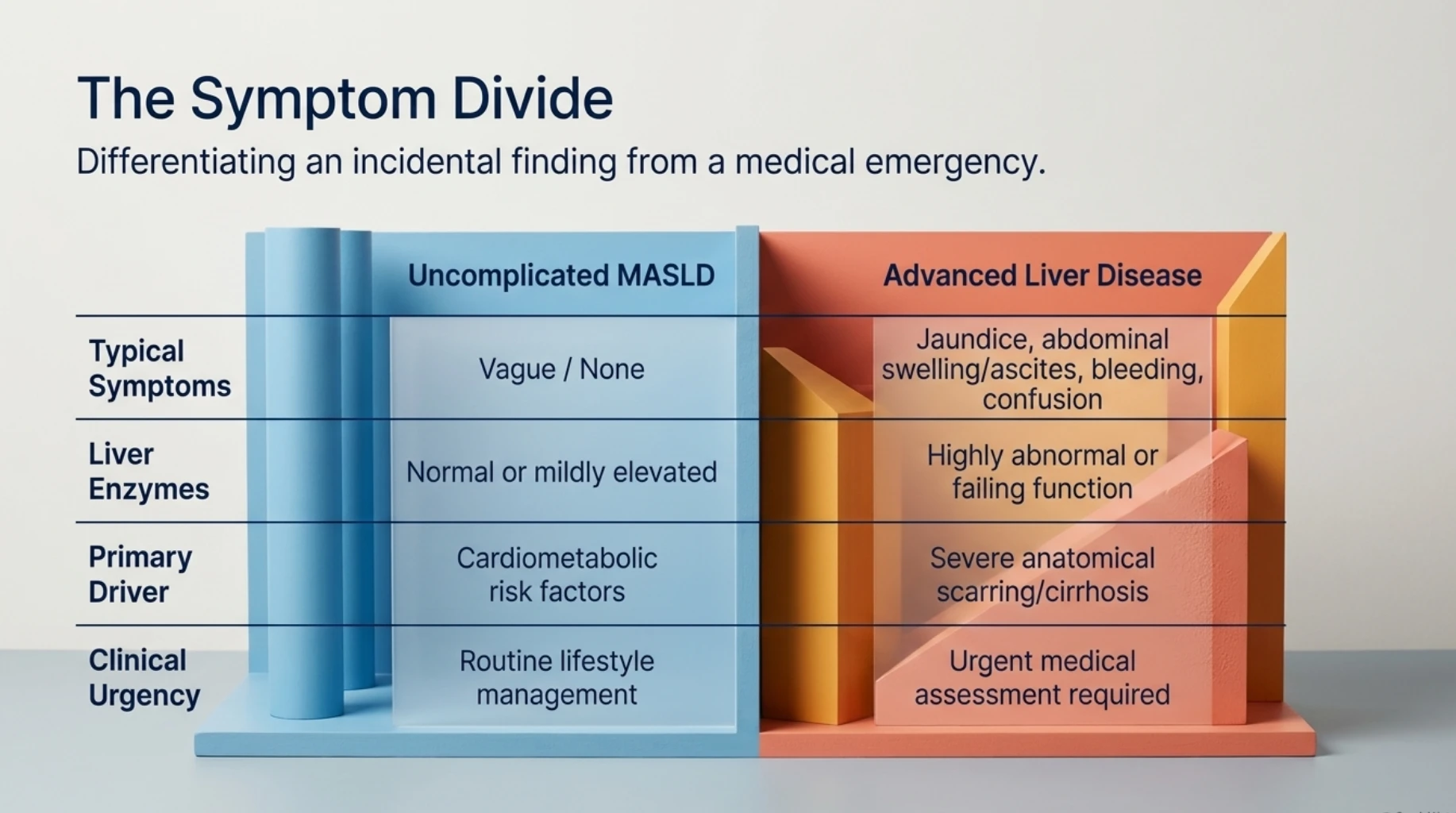
Most people with early MASLD do not develop obvious liver-specific symptoms. When symptoms such as jaundice, abdominal fluid accumulation or confusion appear, the concern shifts from uncomplicated fatty liver toward potentially advanced liver disease or cirrhosis.
Possible features of advanced liver disease include:
- yellowing of the skin or eyes
- swelling of the abdomen
- swelling of the ankles or feet
- easy bruising or bleeding
- unexplained muscle loss
- poor appetite
- unintentional weight loss
- severe or persistent itching
- confusion or unusual drowsiness
- vomiting blood or passing black stools
Cirrhosis itself may also remain silent during its earlier stages, with symptoms appearing only after substantial liver damage has occurred.
This is another reason not to use symptoms as a measure of liver fibrosis.
A person who feels completely well may still need fibrosis assessment because of diabetes, obesity or an abnormal liver scan. Conversely, someone with severe fatigue or abdominal discomfort does not automatically have advanced fibrosis.
Jaundice, Abdominal Swelling and Leg Swelling Need Attention
New jaundice, increasing abdominal swelling or persistent swelling in the legs requires medical assessment.
Abdominal swelling caused by fluid accumulation is called ascites, while swelling in the legs and ankles is called edema. Both can occur in advanced cirrhosis when the liver and portal circulation are significantly affected.
Confusion, altered behaviour or excessive sleepiness can occur with hepatic encephalopathy, a complication in which the diseased liver cannot adequately handle substances that affect brain function. Gastrointestinal bleeding from enlarged veins can present with vomiting blood or black stools and requires emergency hospital care.
These symptoms are very different from the silent fatty liver commonly detected on ultrasound.
Do not wait for them before assessing liver risk.
How Fatty Liver Is Evaluated When You Have No Symptoms
When fatty liver is discovered incidentally, the next question is not simply whether ALT is high.
A structured evaluation may include:
- weight and waist circumference
- blood pressure
- fasting glucose or HbA1c
- triglycerides and cholesterol
- liver enzymes
- complete blood count
- platelet count
- review of alcohol intake
- medicines and supplements
- diabetes and metabolic history
- consideration of other liver diseases when appropriate
Current EASL guidance recommends case-finding for liver fibrosis in people with cardiometabolic risk factors, abnormal liver enzymes or imaging evidence of steatosis, with particular attention to people with type 2 diabetes and those with obesity plus additional metabolic risks.
The objective is to identify people who may have clinically important fibrosis without sending every person with mild fatty liver directly for invasive testing.
FIB-4, FibroScan and Liver Fibrosis Risk
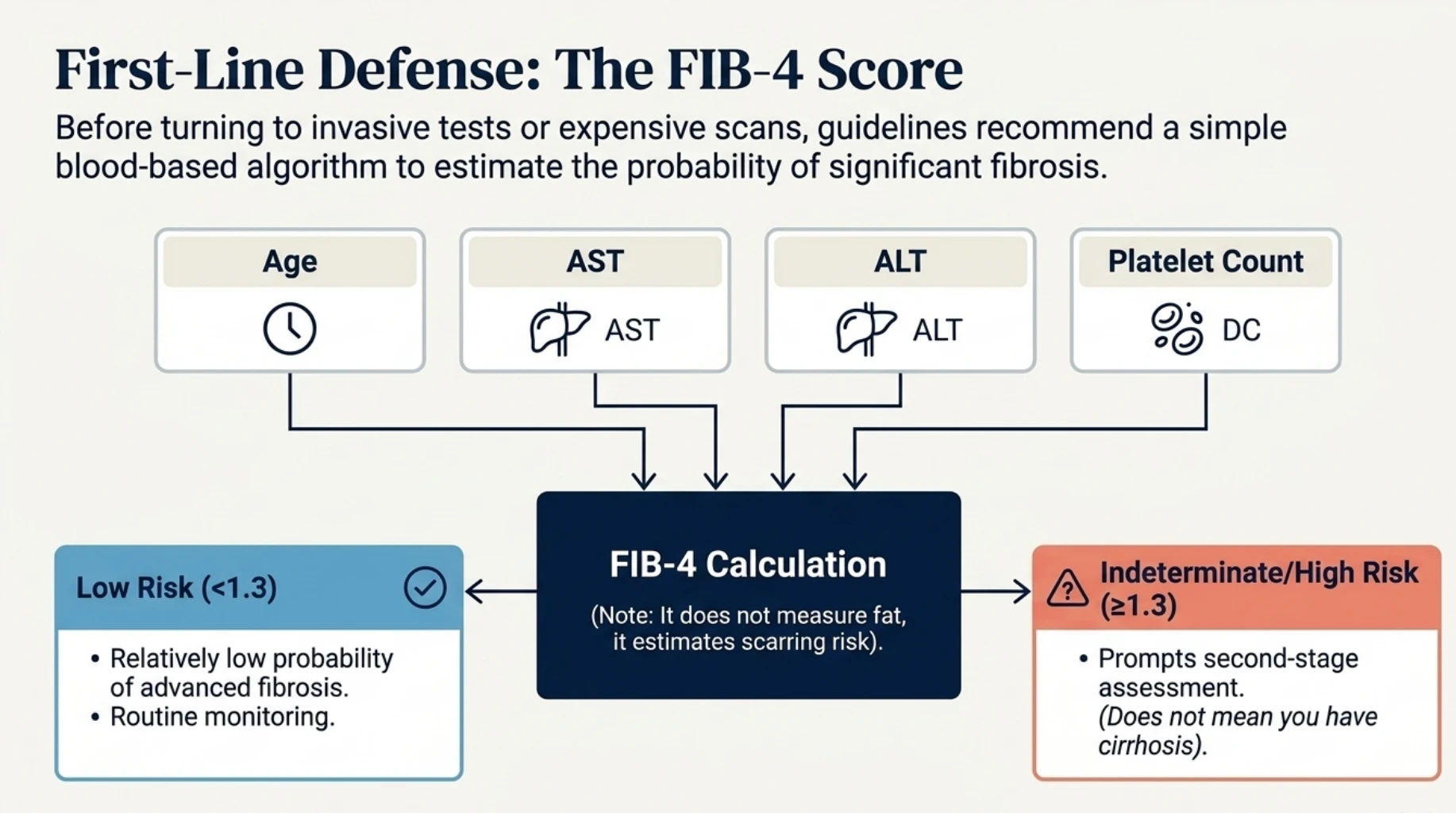
One of the most commonly used first-line tools is the FIB-4 score.
FIB-4 uses four pieces of information:
- age
- AST
- ALT
- platelet count
It does not directly measure liver fat. Instead, it helps estimate the probability that significant fibrosis may be present.
For many adults, a FIB-4 below 1.3 indicates a relatively low probability of advanced fibrosis, while a result of 1.3 or above generally prompts a second-stage assessment rather than automatically diagnosing fibrosis.
This distinction matters.
A FIB-4 of 1.5 does not mean that someone has cirrhosis. It means the first-line score has not confidently placed them in the low-risk group and another non-invasive test may be appropriate.
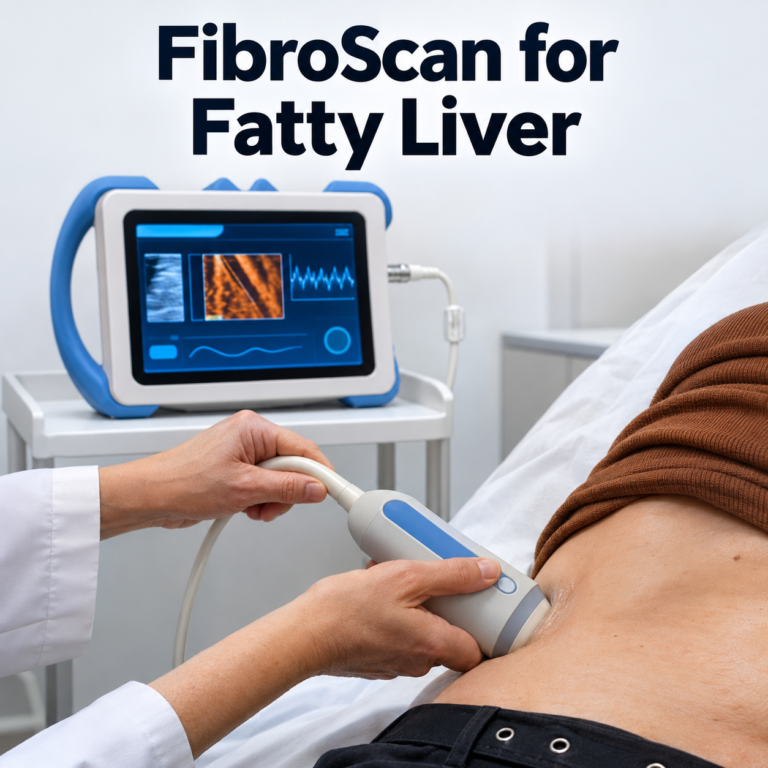
A second-stage test may include liver-stiffness measurement with vibration-controlled transient elastography, commonly known by the brand name FibroScan, or another validated non-invasive fibrosis test. The 2026 ADA Standards recommend additional liver-stiffness risk stratification in adults with prediabetes or type 2 diabetes when FIB-4 is 1.3 or higher.
FibroScan can provide information about liver stiffness and, depending on the device and protocol, an estimate of liver fat.
Neither FIB-4 nor FibroScan is perfect. Results should be interpreted in the clinical context rather than used as isolated diagnoses. AASLD guidance similarly recommends sequential non-invasive assessment rather than depending on a single test.
Does Everyone With Fatty Liver Need a FibroScan?
Not necessarily.
The need for FibroScan or another second-line fibrosis test depends on the person’s risk profile and initial assessment.
Someone who has mild steatosis on ultrasound, no diabetes, reassuring laboratory findings and a clearly low-risk FIB-4 may not need the same pathway as a person who has:
- type 2 diabetes
- obesity
- several metabolic risk factors
- persistently abnormal liver enzymes
- a higher FIB-4
- low platelet counts
- clinical features suggesting chronic liver disease
Guidelines increasingly recommend a stepwise approach: identify higher-risk patients using clinical factors and an inexpensive blood-based score, then use elastography or another secondary test when the initial assessment does not confidently exclude fibrosis.
This approach helps avoid two opposite mistakes: ignoring potentially important fibrosis because the patient feels well, and sending every person with an incidental “grade 1 fatty liver” for extensive testing.
Does Every Fatty Liver Ultrasound Need Treatment?
Every fatty liver finding deserves appropriate interpretation, but treatment intensity depends on the individual.
For many people with MASLD, management begins by addressing the metabolic factors driving liver fat:
- excess body weight
- abdominal obesity
- type 2 diabetes or prediabetes
- high triglycerides
- high blood pressure
- physical inactivity
Lifestyle intervention remains a cornerstone of MASLD treatment. AASLD educational guidance notes that roughly 5–10% weight reduction can improve liver fat, inflammation and fibrosis, although the response varies and larger sustained losses are generally associated with greater liver benefit.
The appropriate goal should therefore be sustainable rather than an aggressive crash diet.
Weight Loss Is Helpful, but Not Everyone Needs the Same Target
A person with substantial excess body fat may benefit from meaningful weight reduction. Someone who is already lean should not automatically be given the same calorie-restriction plan simply because an ultrasound shows fatty liver.
Management should consider:
- starting body weight
- waist circumference
- muscle mass
- diabetes status
- dietary pattern
- exercise level
- fibrosis risk
- other medical conditions
This is particularly relevant in Indian adults, where metabolic risk can occur at relatively modest BMI values. The liver should therefore be considered alongside waist size, glucose, triglycerides and overall metabolic health rather than BMI alone.
What Lifestyle Changes Help Fatty Liver?
Lifestyle care does not require a special “liver detox.”
A practical programme generally focuses on reducing excess energy intake, improving food quality and increasing physical activity. AASLD continues to identify lifestyle modification, including diet and exercise, as a central component of MASLD management.
Useful priorities may include:
- reducing sugary drinks
- limiting frequent sweets and desserts
- controlling large portions of calorie-dense foods
- increasing vegetables and fibre-rich foods
- including adequate protein
- reducing excessive saturated fat and ultra-processed foods
- walking regularly
- adding resistance exercise
- reducing prolonged sitting
- improving diabetes and blood-pressure control
Exercise can benefit metabolic and liver health even when weight loss is modest. AASLD educational material notes evidence supporting regular moderate physical activity as part of MASLD management.
Alcohol intake should also be discussed honestly because alcohol can contribute to steatosis liver disease, and the newer nomenclature specifically distinguishes MASLD from patterns in which greater alcohol exposure coexists with metabolic dysfunction.
Should You Take a Liver Supplement?
Do not assume that a supplement marketed as a “liver detox,” “fatty liver cleanse” or herbal liver tonic is necessary because an ultrasound shows steatosis.
Supplements do not replace:
- weight management
- diabetes control
- cholesterol management
- physical activity
- fibrosis assessment when indicated
Some herbal or nutritional products can themselves cause liver injury, so all supplements should be included when discussing medicines with a clinician.
Current guideline-based MASLD care focuses on cardiometabolic risk reduction and evidence-based treatment rather than routine detox products.
When Should You Arrange a Medical Review?
Arrange medical assessment when:
- an ultrasound reports fatty liver
- liver enzymes remain elevated
- you have type 2 diabetes or prediabetes
- obesity or abdominal obesity is present
- triglycerides are high
- several metabolic risk factors occur together
- previous testing suggests increasing fibrosis risk
- you are unsure how to interpret an ultrasound or FibroScan report
The 2025 American Diabetes Association consensus report specifically calls for liver-fibrosis risk stratification among adults with prediabetes and type 2 diabetes, particularly when obesity is also present.
More urgent assessment is appropriate when liver concerns occur with:
- jaundice
- rapidly increasing abdominal swelling
- marked leg swelling
- vomiting blood
- black stools
- confusion or altered consciousness
- severe persistent abdominal pain
- significant unexplained weight loss
These may reflect advanced liver disease or another acute problem and should not be managed as ordinary uncomplicated fatty liver.
Fatty Liver Assessment in Dwarka
An incidental fatty liver report should be interpreted in the context of metabolic risk and fibrosis probability rather than symptoms alone.
Dr. Pankaj Kumar can review:
- ultrasound findings
- liver-function tests
- platelet count
- FIB-4 where appropriate
- glucose and HbA1c
- triglycerides and cholesterol
- weight and waist circumference
- blood pressure
- medicines and supplements
- alcohol history
- diabetes and prediabetes
- need for FibroScan or specialist referral
The aim is to distinguish relatively low-risk steatosis from cases that deserve more detailed fibrosis assessment.
Dr. Pankaj Kumar
MBBS, DNB Family Medicine, Sir Ganga Ram Hospital
General & Lifestyle Physician
Special interest in Diabetes
Diet Plus Minus
13A, Pocket-2, Sector-6, Doctors Lane
Dwarka, New Delhi – 110075
India
Book an Appointment with Dr. Pankaj Kumar
Frequently Asked Questions
Can You Have Fatty Liver With No Symptoms at All?
Yes. Most people with MASLD have few or no symptoms, particularly during earlier stages. It is often discovered incidentally on imaging or during evaluation of abnormal liver tests.
What Are the Most Common Fatty Liver Symptoms?
When symptoms occur, fatigue and mild discomfort in the upper-right abdomen are among the reported possibilities. Neither symptom is specific enough to diagnose fatty liver.
Can Fatty Liver Be Serious if I Feel Completely Fine?
Yes. Symptoms do not reliably reflect fibrosis severity. This is why current guidelines recommend fibrosis case-finding in higher-risk groups rather than waiting for symptoms.
Can Fatty Liver Exist With Normal ALT and AST?
Yes. Normal transaminases do not reliably exclude MASLD or fibrosis. Risk assessment should consider metabolic factors and non-invasive fibrosis tools when appropriate.
Does Grade 1 Fatty Liver Mean Mild Liver Damage?
Not necessarily.
An ultrasound grade mainly describes the appearance of liver fat. It does not reliably stage fibrosis or determine whether MASH is present.
A person with “mild fatty liver” on ultrasound may have low fibrosis risk, but the fibrosis question should be assessed separately when relevant.
Can Fatty Liver Cause Right-Sided Abdominal Pain?
Fatty liver may occasionally be associated with mild upper-right abdominal discomfort, but gallbladder disease, gastrointestinal problems and musculoskeletal causes can produce similar symptoms.
Persistent or significant pain deserves its own evaluation.
What Is FIB-4?
FIB-4 is a non-invasive fibrosis-risk score calculated using age, AST, ALT and platelet count.
It is commonly used as a first-stage tool to identify people who are unlikely to have advanced fibrosis and those who need a second-stage assessment.
Does a High FIB-4 Mean I Have Cirrhosis?
No.
FIB-4 estimates risk; it does not diagnose cirrhosis by itself. An elevated or indeterminate result generally leads to further assessment with liver-stiffness testing or another validated method.
Do People With Diabetes Need Fatty Liver Screening?
People with type 2 diabetes are a particularly important high-risk group for MASLD and clinically significant fibrosis. The 2025 ADA consensus report recommends active fibrosis risk stratification in adults with type 2 diabetes and prediabetes, especially when obesity is present.
Can Fatty Liver Be Reversed?
Liver fat can decrease substantially when the metabolic factors driving it improve, particularly with sustained weight loss and better metabolic health. AASLD guidance identifies lifestyle intervention and weight reduction as central treatment strategies.
“Reversal” should not be interpreted as a guarantee that established advanced fibrosis or cirrhosis will completely disappear.
Should I Repeat an Ultrasound Every Six Months?
Not automatically.
Follow-up should be based on fibrosis risk, metabolic health and the specific clinical situation rather than repeating ultrasound at a fixed interval for everyone. Current MASLD guidance prioritizes fibrosis risk stratification using non-invasive tests in appropriate patients.
Can Fatty Liver Cause Swollen Feet?
Simple fatty liver usually does not explain significant leg edema. Swollen feet can occur with advanced cirrhosis, but heart, kidney, venous and medication-related causes are also common.
Persistent swelling should therefore be assessed rather than automatically blamed on fatty liver.
Author Box
Dr. Pankaj Kumar
MBBS, DNB Family Medicine, Sir Ganga Ram Hospital
General & Lifestyle Physician
Special interest in Diabetes
Dr. Pankaj Kumar provides general medical and lifestyle-based care at Diet Plus Minus in Dwarka, New Delhi. His clinical approach includes assessment of fatty liver in the context of diabetes, prediabetes, weight, blood pressure, lipids and broader metabolic health, with referral for specialist liver evaluation when appropriate.
Medical Disclaimer
This article provides general educational information and does not replace an individual medical consultation, diagnosis or treatment plan.
Fatty liver can coexist with other liver diseases, and an ultrasound report alone does not determine fibrosis stage. Blood tests, non-invasive fibrosis assessment and specialist review may be required depending on individual risk.
Seek urgent medical care for jaundice with significant illness, vomiting blood, black stools, confusion, rapidly increasing abdominal swelling or another acute deterioration.
Do not start supplements, stop prescription medicines or follow an extreme weight-loss diet based solely on an ultrasound report.
References
- European Association for the Study of the Liver, European Association for the Study of Diabetes, and European Association for the Study of Obesity. EASL–EASD–EASO Clinical Practice Guidelines on the Management of Metabolic Dysfunction-Associated Steatotic Liver Disease. Journal of Hepatology. 2024.
- Cusi K, Abdelmalek MF, Apovian CM, et al. Metabolic Dysfunction-Associated Steatotic Liver Disease in People With Diabetes: The Need for Screening and Early Intervention. A Consensus Report of the American Diabetes Association. Diabetes Care. 2025;48(7):1057–1077.
- American Diabetes Association Professional Practice Committee. Comprehensive Medical Evaluation and Assessment of Comorbidities: Standards of Care in Diabetes—2026. Diabetes Care. 2026. Includes current recommendations for FIB-4 and secondary liver-stiffness assessment in people with diabetes or prediabetes.
- American Association for the Study of Liver Diseases. Clinical Assessment and Management of Metabolic Dysfunction-Associated Steatotic Liver Disease. Current AASLD guidance and updates.
- American Association for the Study of Liver Diseases. Noninvasive Assessment of Patients With MASLD. Guidance on FIB-4 and secondary fibrosis testing.
- American Association for the Study of Liver Diseases. Steatotic Liver Disease: Cutting Through the Fat. 2025 clinical review of MASLD management and lifestyle intervention.
- National Institute of Diabetes and Digestive and Kidney Diseases. Symptoms & Causes of NAFLD/NASH. Notes that fatty liver disease is frequently silent and may cause only nonspecific fatigue or upper-right abdominal discomfort.
- National Institute of Diabetes and Digestive and Kidney Diseases. Symptoms & Causes of Cirrhosis. Describes manifestations of advanced liver disease including jaundice, ascites, edema, bleeding and cognitive changes.

Written by Dr. Pankaj Kumar
General & Lifestyle Physician in Dwarka Sector 6, New Delhi · MBBS, DNB (Family Medicine), DNHE · 16 years of experience.
About the doctor →Book a consultation → Beyond Blood Sugar
 The 90-Day Prediabetes Turnaround
 The Indian Diabetes Diet Reset
 Eat to Beat Gout
 Why Is My Hair Falling?
 The 30-Day Inflammation Reset