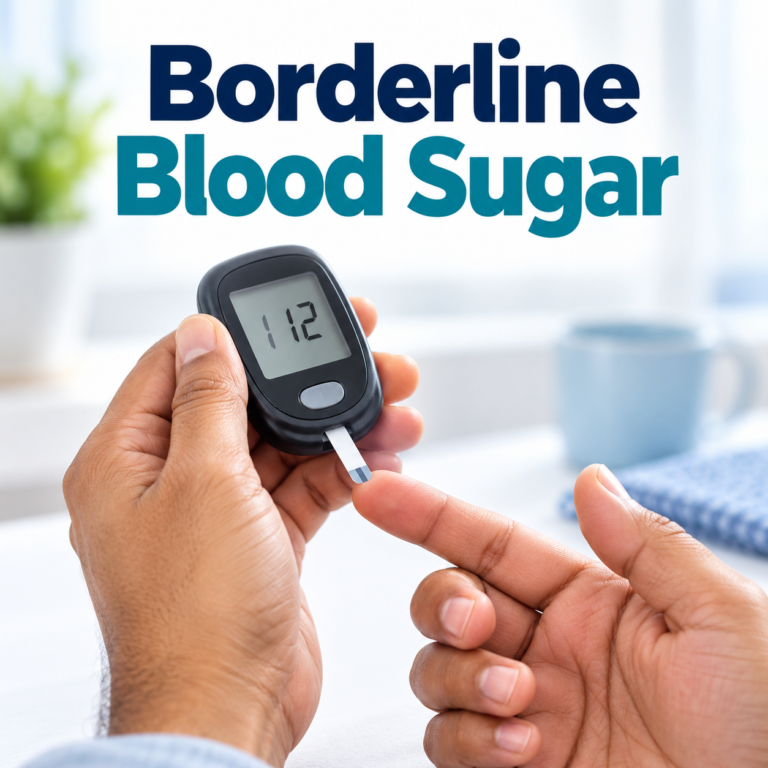
Insulin resistance is one of the most common hidden drivers behind prediabetes and type 2 diabetes. The difficult part is this: you can have insulin resistance for years while your fasting sugar looks normal. That is why I call it a silent stage.
In simple terms, insulin is a hormone that helps move glucose from the blood into muscle and other tissues. When insulin resistance develops, the body needs more insulin to do the same job. Over time, this silent compensation can fail, and then blood sugar starts rising.
If you are noticing belly fat, fatigue, cravings, or borderline reports, it is worth understanding insulin resistance early. Early assessment can identify modifiable risks; progression to diabetes is not inevitable.
On my website, I have also explained how central fat links strongly with insulin resistance and diabetes risk here: Why Belly Fat Is Dangerous.
What Insulin Resistance Actually Means
Insulin resistance means your liver, muscle, and fat cells respond less effectively to insulin. To keep blood sugar stable, the pancreas makes extra insulin. This results in high fasting insulin in many people, even before fasting glucose becomes abnormal.
That is why a person can feel “something is off” but still be told their sugar is fine. These symptoms have many possible causes and do not establish a diagnosis.
It also explains why insulin resistance often travels with a cluster of issues: abdominal obesity and insulin resistance, raised triglycerides, low high-density lipoprotein cholesterol, fatty liver, and rising blood pressure. This cluster is often called metabolic syndrome.
Why It Stays Silent for Years
Insulin resistance stays silent because the body compensates. The pancreas keeps pushing out more insulin for a long time. In many people, fasting glucose remains normal, and only post-meal spikes start showing up later. By the time fasting glucose is clearly high, insulin resistance has typically been present for a while.
Also, early symptoms do not feel like a “disease.” They feel like modern life: tiredness, weight gain, mood swings, sleep issues, cravings, and low motivation for exercise. So people normalize them.
Early Clues People Often Miss
Here are practical clues that commonly point toward insulin resistance. None of these proves it alone, but when several appear together, you should take it seriously.
- Belly fat gain even when overall weight is not very high
- Post-meal sleepiness or brain fog after carb-heavy meals
- Cravings for sweets or snacks, especially in the evening
- Skin darkening in neck folds or underarms (acanthosis-like changes)
- High triglycerides or low high-density lipoprotein cholesterol on reports
- Borderline fasting sugar (often labeled “just a little high”)
- Fatty liver on ultrasound, even in non-drinkers
If fatty liver is already present, it is very often part of an insulin resistance picture. Related reading: Non Alcoholic Fatty Liver Disease.
Who Is Most at Risk
Insulin resistance is more likely if you have any of the following:
- Family history of type 2 diabetes
- Abdominal obesity or rapid waistline increase
- Prediabetes stage reports in the past
- Polycystic ovary syndrome (PCOS) or irregular cycles
- Fatty liver, high uric acid, or high triglycerides
- Night shift work, chronic stress, or consistently poor sleep
- Very low physical activity and long sitting hours
If weight management is also a concern, you can review my structured approach here: Weight Loss Program.
Which Tests Help Assess Insulin Resistance Risk?
Assessment combines your medical history, waist measurement, blood pressure and appropriate blood tests. HbA1c, fasting plasma glucose or an oral glucose tolerance test can identify prediabetes or diabetes. These tests do not directly measure insulin resistance.
Insulin Resistance Tests Have Important Limits
Fasting insulin and HOMA-IR are used mainly in research and selected specialist assessments. Results vary between laboratories and there is no single diagnostic threshold suitable for everyone. They are not routine screening tests for every person with fatigue or weight gain. Triglycerides and HDL cholesterol provide cardiovascular risk information; the triglyceride-to-HDL ratio and TyG index cannot establish a diagnosis on their own.
How Insulin Resistance Can Progress to Diabetes
Insulin resistance progresses in stages. Initially, the pancreas compensates by producing more insulin. During this time, fasting glucose may remain normal.
As beta cell function gradually declines, glucose levels begin to rise. First, post-meal spikes increase. Then fasting glucose moves into the prediabetes stage. Eventually, overt type 2 diabetes develops.
This progression is not inevitable. It can be slowed or reversed with timely intervention.
Stress, Sleep, and Hormonal Drivers
Modern lifestyle plays a powerful role in insulin resistance. Chronic stress increases cortisol, which promotes glucose release from the liver and worsens insulin sensitivity.
Similarly, poor sleep reduces insulin sensitivity. Night shift work and irregular sleep cycles significantly increase risk.
Why Early Intervention Matters
The reason I emphasize insulin resistance so strongly is simple. Once diabetes develops, management becomes more complex. However, during the silent stage, lifestyle correction can restore insulin sensitivity in many individuals.
Small but consistent changes in weight, muscle mass, diet quality, and physical activity can dramatically improve metabolic markers.
If you have been told you are “borderline,” this is the time to act, not wait.
What I Recommend When Insulin Resistance Is Detected
When I diagnose insulin resistance, I focus on correcting the root drivers rather than reacting only to glucose numbers. The goal is to improve insulin sensitivity before diabetes develops.
1. Reduce Abdominal Fat Gradually
Even a 5 to 7 percent reduction in body weight can significantly improve insulin sensitivity. The emphasis is on waist circumference reduction, not crash dieting.
2. Prioritize Strength Training
Muscle tissue is a major glucose disposal site. Increasing muscle mass improves insulin sensitivity. Resistance training at least three times per week is highly effective.
3. Improve Carbohydrate Quality
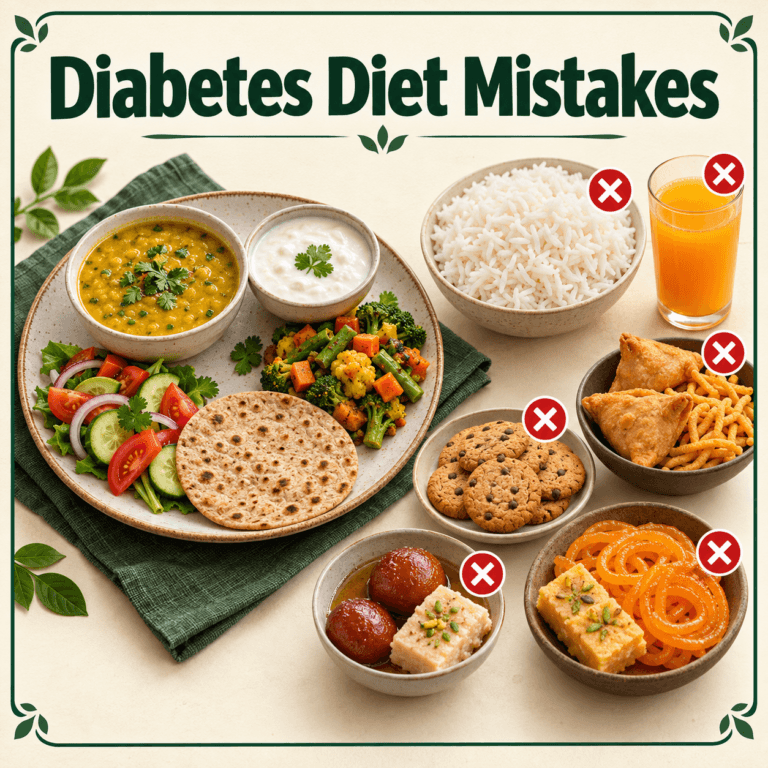
I advise reducing refined carbohydrates and ultra processed foods while increasing fiber rich whole foods. Stable blood glucose patterns reduce insulin demand.
4. Optimize Protein Intake
Adequate protein helps preserve muscle mass during fat loss and improves satiety. This supports sustainable metabolic correction.
5. Fix Sleep and Stress
Chronic stress and sleep deprivation worsen insulin resistance. Seven to eight hours of quality sleep and structured stress reduction are not optional extras; they are metabolic therapy.
6. Monitor Objective Markers
Follow up testing of fasting glucose, HbA1c, and lipid profile helps track progress. Numbers guide adjustments.
7. Medication Only When Necessary
In selected high-risk individuals, medication may be appropriate. Duration depends on ongoing benefit, risk and medical review. However, lifestyle reversal of insulin resistance remains the foundation.
If you want a structured metabolic evaluation, you can review my clinical background here:
About Dr Pankaj Kumar
or schedule a consultation directly.
When to Seek Immediate Medical Attention
While insulin resistance itself is usually silent, urgent medical review is required if you experience:
- Very high blood sugar readings above 250 mg/dL
- Excessive thirst with frequent urination
- Unexplained rapid weight loss
- Severe fatigue with blurred vision
These may indicate progression beyond the silent stage into overt diabetes.
Insulin resistance is the silent stage before diabetes. It may coexist with abdominal obesity and metabolic risk factors, but often produces no recognizable symptoms. Early testing and structured lifestyle correction can reduce the risk of progression to type 2 diabetes. Symptoms alone cannot diagnose insulin resistance, and treatment outcomes vary.
References
ADA Standards of Care 2026: Diagnosis and Classification; ADA Standards of Care 2026: Prevention or Delay of Diabetes.
Take the Next Step
If you suspect insulin resistance or want early metabolic screening, early action can reduce future diabetes risk.
Disclaimer: This article is for educational purposes only and does not replace individualized medical consultation.

Written by Dr. Pankaj Kumar
General & Lifestyle Physician in Dwarka Sector 6, New Delhi · MBBS, DNB (Family Medicine), DNHE · 16 years of experience.
About the doctor →Book a consultation → Beyond Blood Sugar
 The 90-Day Prediabetes Turnaround
 The Indian Diabetes Diet Reset
 Eat to Beat Gout
 Why Is My Hair Falling?
 The 30-Day Inflammation Reset