
Many adults notice that maintaining their weight becomes more difficult as they get older. Foods that once seemed harmless suddenly appear to contribute to weight gain, energy levels feel lower than before, and losing even a few kilograms requires considerably more effort.
As a result, people often conclude that they simply have a “slow metabolism.” While this explanation contains some truth, the reality is more complex. Metabolism changes gradually over time because of a combination of aging, lifestyle habits, body composition, sleep patterns, and overall health.
In modern urban environments, these changes are often accelerated by prolonged sitting, reduced physical activity, chronic stress, irregular sleep, and highly processed diets.

Understanding why metabolism changes is important because many contributing factors are modifiable. Although aging cannot be stopped, healthy lifestyle habits can significantly influence how efficiently the body continues to function over time.
What Is Metabolism?
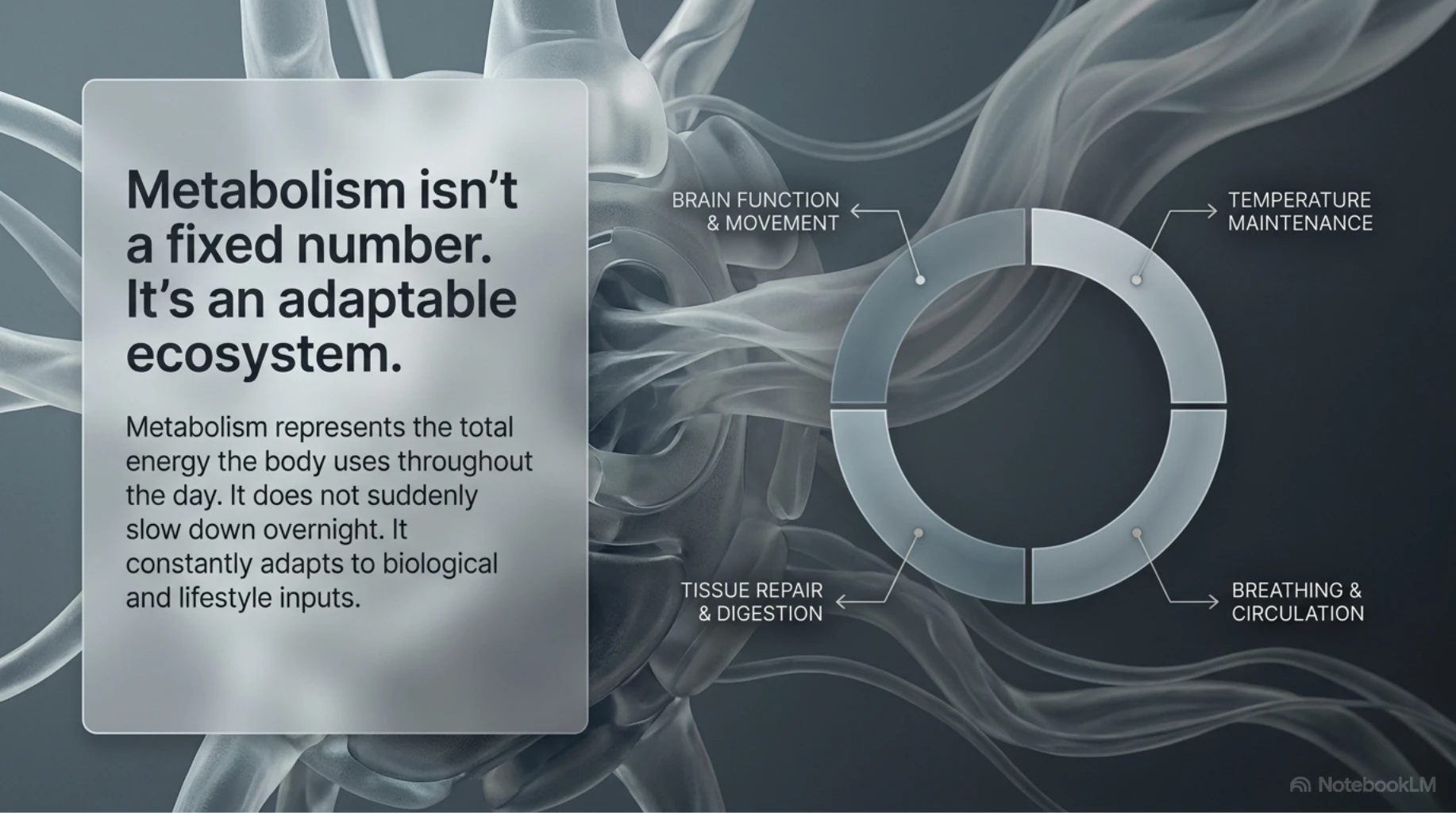
Metabolism refers to the collection of chemical processes that allow the body to produce energy and perform essential functions.
These processes help:
- Maintain body temperature
- Support breathing and circulation
- Build and repair tissues
- Digest food
- Power physical activity
- Support brain function
In simple terms, metabolism represents the energy the body uses throughout the day.
Contrary to popular belief, metabolism is not a fixed number that suddenly slows down overnight. Instead, metabolism changes gradually in response to multiple biological and lifestyle factors.
Reason 1: Muscle Mass Gradually Declines With Age
One of the most important reasons metabolism changes over time is the gradual loss of muscle mass. Muscle tissue is metabolically active, meaning it requires energy to maintain itself even while the body is at rest.
As adults become less physically active, they often begin losing muscle mass—particularly after their thirties and forties. This process may contribute to:
- Reduced energy expenditure
- Lower physical strength
- Difficulty maintaining body weight
- Reduced metabolic flexibility
The good news is that resistance training and adequate protein intake help preserve muscle mass throughout life.
Reason 2: Physical Activity Levels Decline
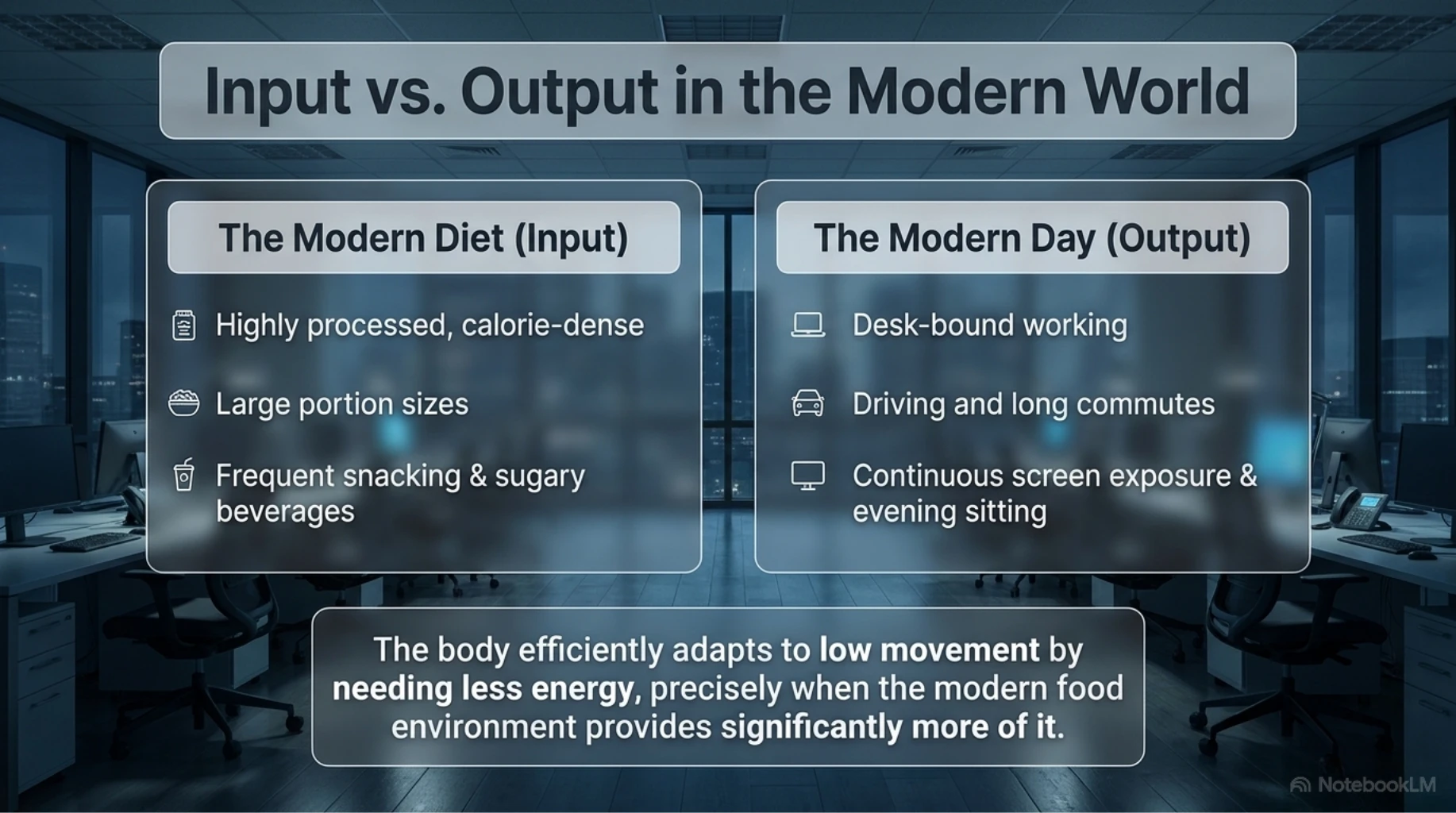
Modern lifestyles involve significantly less movement than previous generations. Many adults spend most of their day:
- Sitting at a desk
- Driving or commuting
- Using electronic devices
- Watching television in the evening
When daily movement decreases, total energy expenditure also declines. This is another major reason why metabolism changes with age and lifestyle.
The body adapts to the demands placed upon it. When movement becomes less frequent, the need for energy gradually decreases as well.
Reason 3: Sleep Patterns Become Less Consistent
Sleep influences several important hormones involved in metabolism and appetite regulation. Adults who regularly:
- Sleep fewer hours
- Maintain irregular sleep schedules
- Experience poor sleep quality
- Work rotating shifts
often experience changes in hunger, energy levels, and overall metabolic health.
Poor sleep does not automatically cause obesity or diabetes. However, persistent sleep disruption may make healthy weight management more difficult over time. This helps explain why metabolism changes are frequently observed alongside irregular sleep patterns and chronic fatigue.
Why Many People Believe Their Metabolism “Stopped Working”
It is common to hear statements such as:
- “I eat the same as I did at 25.”
- “I gain weight much more easily now.”
- “Nothing seems to work anymore.”
In many cases, the explanation is not one dramatic change but rather the cumulative effect of multiple small lifestyle factors that have developed over many years.
A combination of:
- Less movement
- Reduced muscle mass
- Poor sleep
- Higher stress
- Changing eating habits
often explains why body weight and energy levels gradually change with age.
Why Understanding Metabolism Matters
Understanding that metabolism changes naturally over time is empowering because it shifts the conversation away from blame.
Many people assume they have failed because they can no longer maintain the same body composition they had in their twenties. In reality, the body is simply responding to changing biological and lifestyle circumstances.
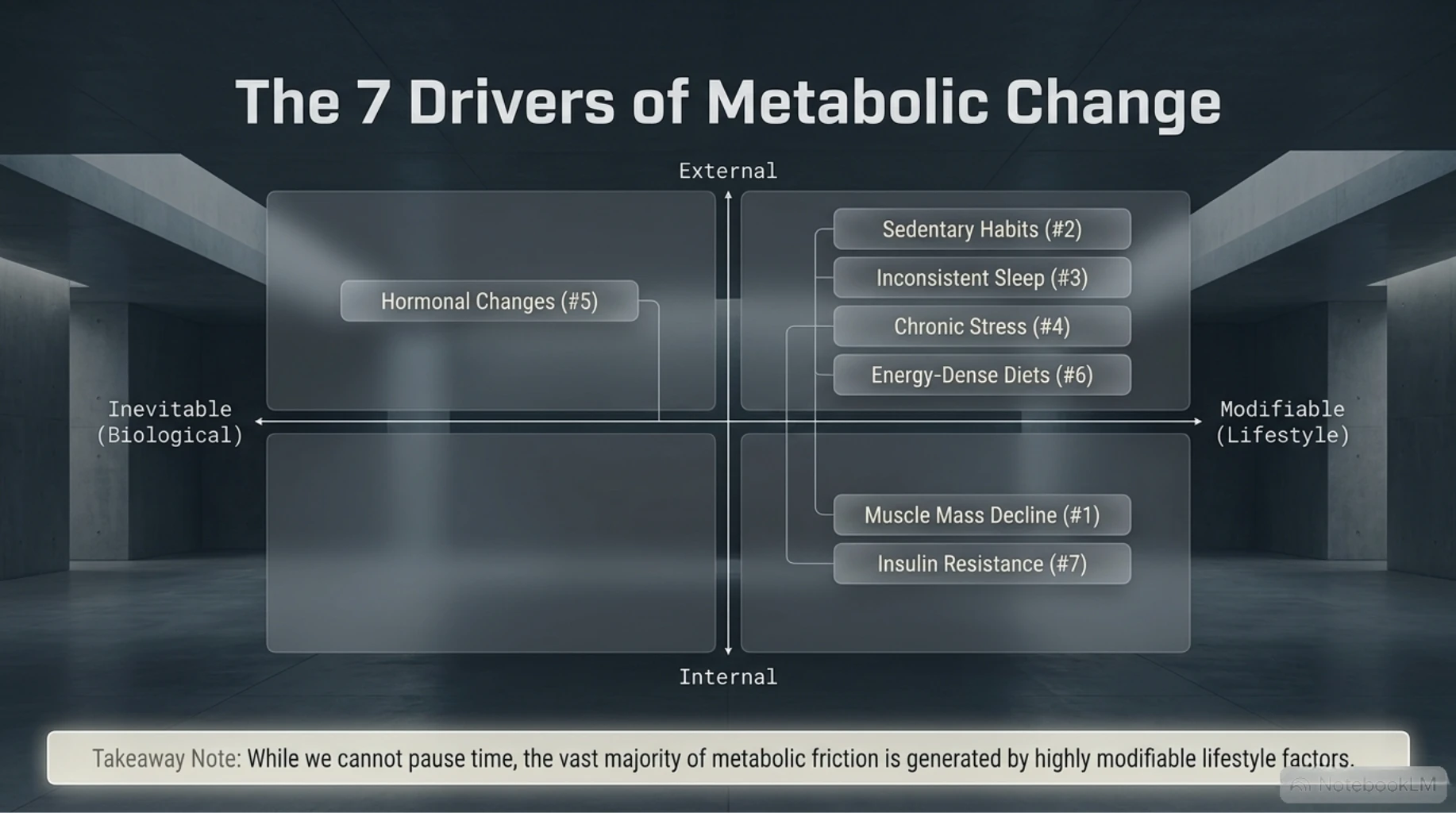
Reason 4: Chronic Stress Influences Metabolic Health
Stress is an unavoidable part of modern life, but prolonged stress can have significant effects on metabolism.
When the body experiences stress, it releases hormones that help prepare us to respond to challenges. In the short term, this response is beneficial. However, when stress becomes chronic, it may affect appetite, sleep quality, physical activity, and eating behaviours.
Many adults under persistent stress notice:
- Increased cravings for high-calorie foods
- Difficulty sleeping
- Reduced motivation to exercise
- Changes in body weight
This is another reason why metabolism changes over time. Lifestyle factors rarely occur in isolation, and stress often amplifies their effects.
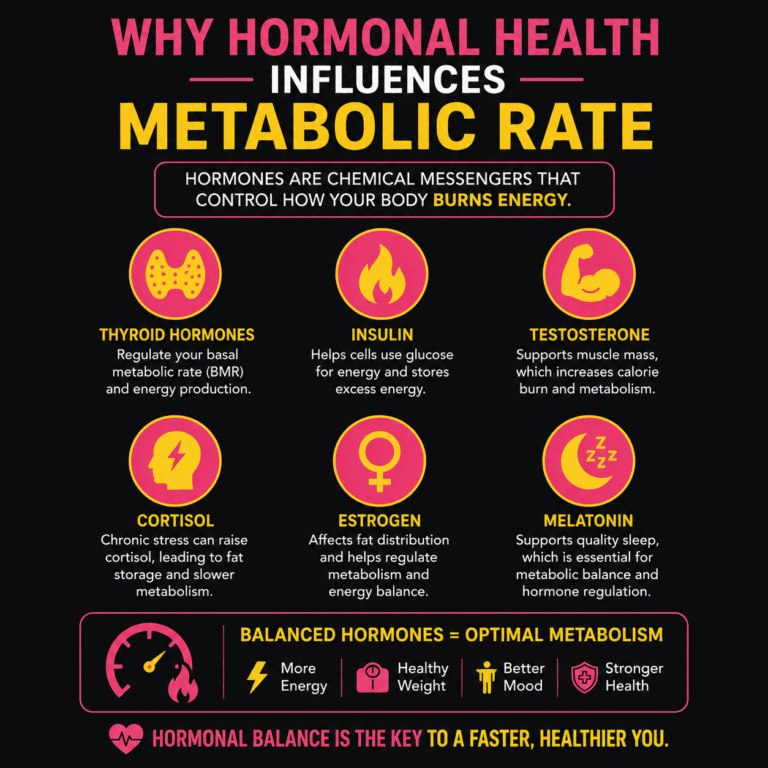
Reason 5: Hormonal Changes Occur Throughout Life
Hormones play an important role in regulating energy balance, appetite, muscle mass, and body composition. Both men and women experience hormonal changes as they age.
Examples include:
- Changes in sex hormones
- Alterations in appetite-regulating hormones
- Age-related shifts in body composition
- Changes associated with menopause
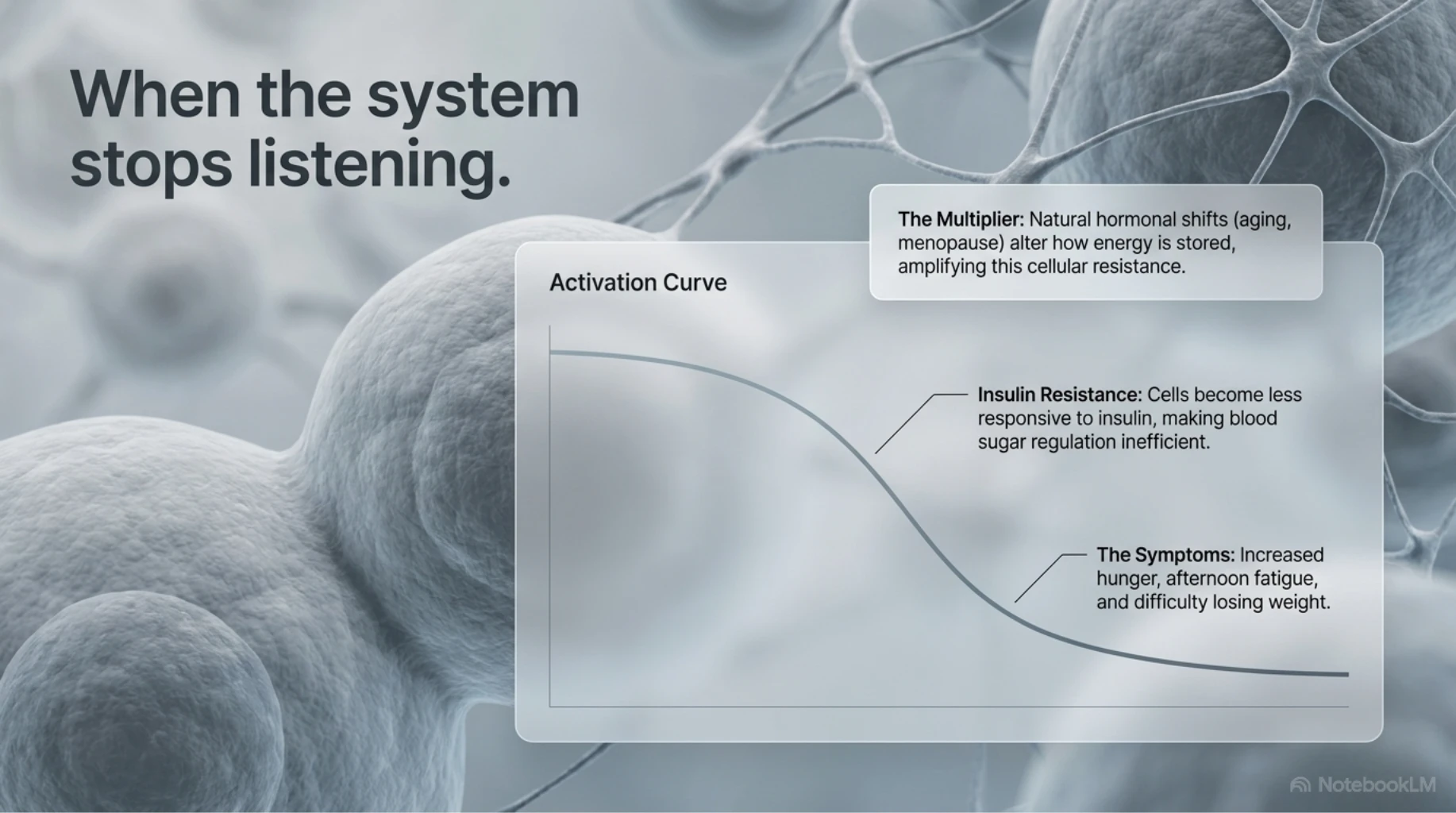
These hormonal adjustments do not necessarily cause dramatic weight gain by themselves, but they can influence how the body stores and uses energy. As a result, many adults begin noticing that maintaining the same lifestyle habits no longer produces the same results.
Reason 6: Modern Diets Are Often Energy Dense
One of the biggest differences between previous generations and modern adults is food availability. Highly processed foods are now widely accessible, affordable, and heavily marketed.
Many modern diets are characterised by:
- Large portion sizes
- Frequent snacking
- Sugary beverages
- Refined carbohydrates
- Ultra-processed foods
At the same time, physical activity levels have generally declined. This combination creates an environment where energy intake often exceeds energy expenditure, making it easier to gain weight over time.
Although food itself is not the enemy, dietary patterns have changed considerably, contributing to why metabolism changes are more noticeable today.
Reason 7: Insulin Resistance Becomes More Common
Insulin resistance is one of the most important metabolic changes seen in adults. When the body’s cells become less responsive to insulin, blood sugar regulation becomes less efficient.
Over time, insulin resistance may contribute to:
- Prediabetes
- Type 2 diabetes
- Fatty liver disease
- Abdominal obesity
- Metabolic syndrome
Many individuals with insulin resistance report:
- Increased hunger
- Afternoon fatigue
- Difficulty losing weight
- Gradual weight gain
Although not every adult develops insulin resistance, it is increasingly common in sedentary, sleep-deprived, and highly stressed populations.
Why Modern Lifestyle Accelerates These Changes
Modern lifestyles expose adults to several factors simultaneously:
- Less movement
- More sitting
- Poor sleep
- Chronic stress
- Easy access to calorie-dense foods
- Continuous screen exposure
Each factor may appear relatively minor on its own. However, when combined over many years, they create an environment that promotes metabolic dysfunction. This helps explain why discussions about obesity, diabetes, and metabolic syndrome have become increasingly common in recent decades.
Why Age Is Not the Only Explanation
Many people blame age for every metabolic change they experience. However, age is only one piece of the puzzle. Two people of the same age may have dramatically different metabolic health depending on:
- Physical activity levels
- Sleep quality
- Muscle mass
- Dietary habits
- Stress management
This is an important point because it highlights the role of lifestyle in supporting healthy ageing.
How to Support Your Metabolism as You Age
The encouraging news is that while aging is inevitable, many factors that influence metabolism are within our control.
The goal should not be trying to achieve the metabolism of a twenty-year-old forever. Instead, the focus should be on supporting the body’s changing needs through healthy and sustainable habits.
Understanding that metabolism changes naturally over time allows people to make realistic adjustments rather than becoming frustrated by unrealistic expectations.
Prioritize Strength Training
Preserving muscle mass is one of the most effective ways to support long-term metabolic health. Regular resistance training helps:
- Maintain muscle mass
- Improve physical strength
- Support insulin sensitivity
- Promote healthy aging
Contrary to popular belief, strength training is not only for athletes or younger adults. It is beneficial across nearly all age groups when performed safely and appropriately.

Eat Enough Protein
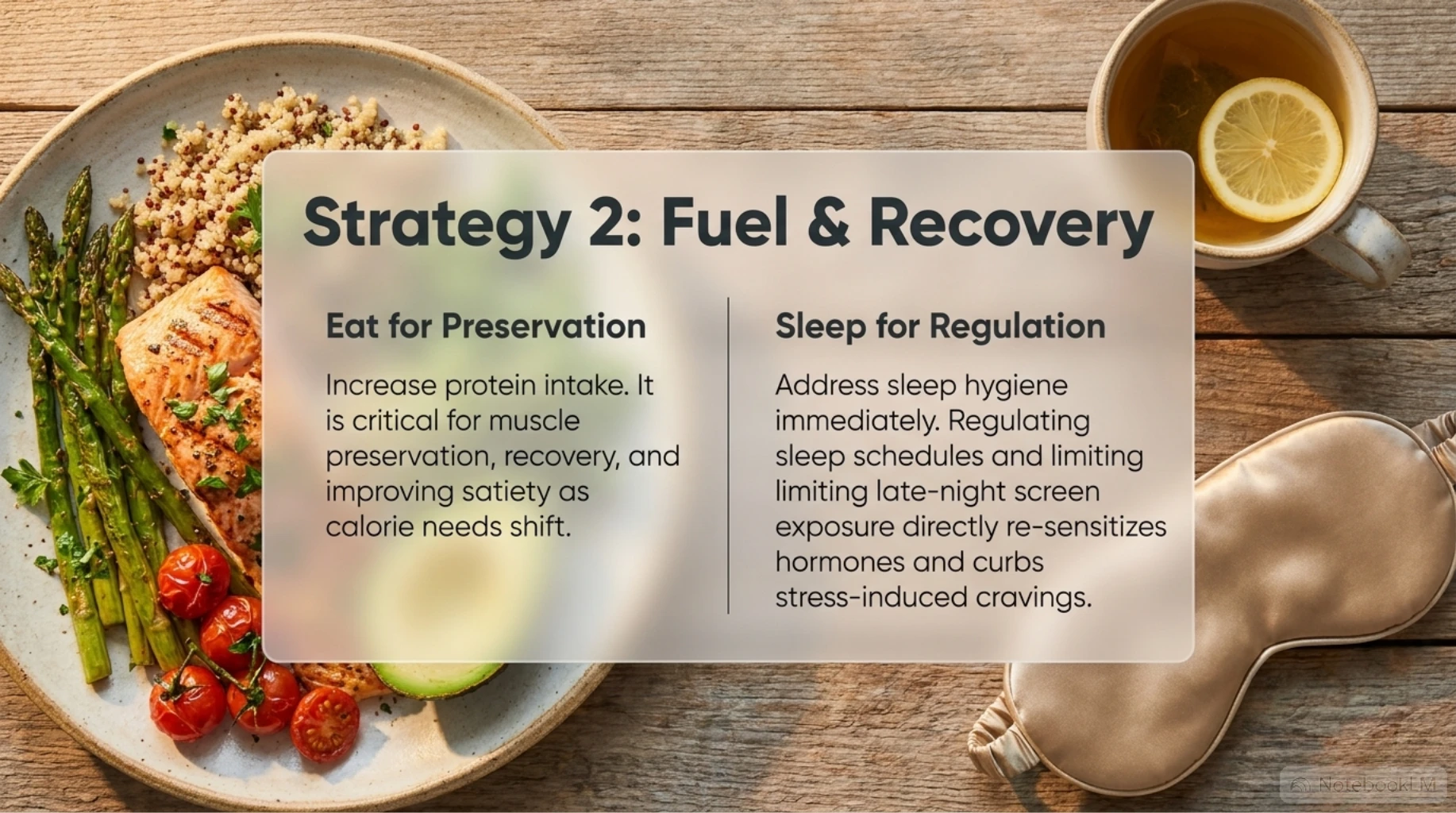
Protein plays a critical role in maintaining muscle mass and supporting recovery. Many adults consume significantly less protein than they realize, especially as they age.
Including adequate protein at meals may help:
- Support muscle preservation
- Improve satiety
- Assist with weight management
- Support recovery after exercise
Protein requirements vary according to age, activity level, and medical conditions, so individualized recommendations are often helpful.
Move More Throughout the Day
Exercise is important, but daily movement matters too. Simple activities such as:
- Walking regularly
- Taking the stairs
- Standing periodically during work
- Reducing prolonged sitting
can substantially increase daily energy expenditure over time. Remember that metabolism is influenced not only by gym sessions but also by how much the body moves throughout the day.
Improve Sleep Quality
Sleep supports recovery, hormone regulation, and overall metabolic health. Helpful habits include:
- Maintaining a regular sleep schedule
- Limiting late-night screen exposure
- Creating a comfortable sleep environment
- Addressing persistent sleep problems promptly
Better sleep often leads to improvements in energy levels, appetite regulation, and overall wellbeing.
Manage Stress Effectively
Completely eliminating stress is unrealistic, but managing it effectively is achievable. Helpful strategies may include:
- Regular physical activity
- Spending time outdoors
- Mindfulness practices
- Maintaining social connections
- Prioritizing adequate rest
Reducing chronic stress supports both physical and mental health and helps create an environment where healthier habits are easier to maintain.
Avoid Comparing Yourself to Your Younger Self
Many adults become discouraged because they compare their current body to how they looked twenty years earlier.
A more productive question is: “Am I healthier today than I would have been if I ignored my health completely?”
Healthy aging is not about maintaining the exact same body composition indefinitely. It is about preserving function, independence, and quality of life for as long as possible.
Consistency Matters More Than Perfection
Long-term metabolic health is rarely determined by one meal, one workout, or one bad night’s sleep. Instead, it reflects the habits that are repeated consistently over months and years.
This includes:
- Regular movement
- Balanced nutrition
- Adequate protein intake
- Good sleep hygiene
- Stress management
- Maintaining muscle mass
Small improvements practiced consistently often produce remarkable results over time.
Key Take-Home Messages
- Metabolism changes naturally with age, but lifestyle plays a major role in determining how significant those changes become.
- Muscle loss, physical inactivity, poor sleep, stress, and dietary habits all influence metabolic health.
- Modern lifestyles often accelerate metabolic changes through prolonged sitting and reduced movement.
- Strength training, adequate protein, good sleep, and regular physical activity support healthy aging.
- Consistency and sustainable habits are more important than quick fixes or extreme diets.
Final Thoughts
Many adults assume that weight gain, fatigue, and reduced energy are unavoidable consequences of getting older. While aging certainly influences the body, it is only part of the story.
In reality, metabolism changes because of a combination of biology, lifestyle, environment, and daily habits. The encouraging news is that many of these factors can be improved through practical and sustainable changes.
By preserving muscle mass, staying physically active, prioritizing sleep, and supporting overall metabolic health, it is possible to age well and maintain a high quality of life for many years to come.
If you would like a personalised assessment of your metabolic health, nutrition, and lifestyle habits, you can book a consultation here:
Book an Appointment
Disclaimer: This article is intended for educational purposes only and should not replace professional medical advice. Individual metabolic health varies according to genetics, medical conditions, medications, and lifestyle factors. Always consult a qualified healthcare professional for personalised advice.

Written by Dr. Pankaj Kumar
General & Lifestyle Physician in Dwarka Sector 6, New Delhi · MBBS, DNB (Family Medicine), DNHE · 16 years of experience.
About the doctor →Book a consultation → Beyond Blood Sugar
 The 90-Day Prediabetes Turnaround
 The Indian Diabetes Diet Reset
 Eat to Beat Gout
 Why Is My Hair Falling?
 The 30-Day Inflammation Reset