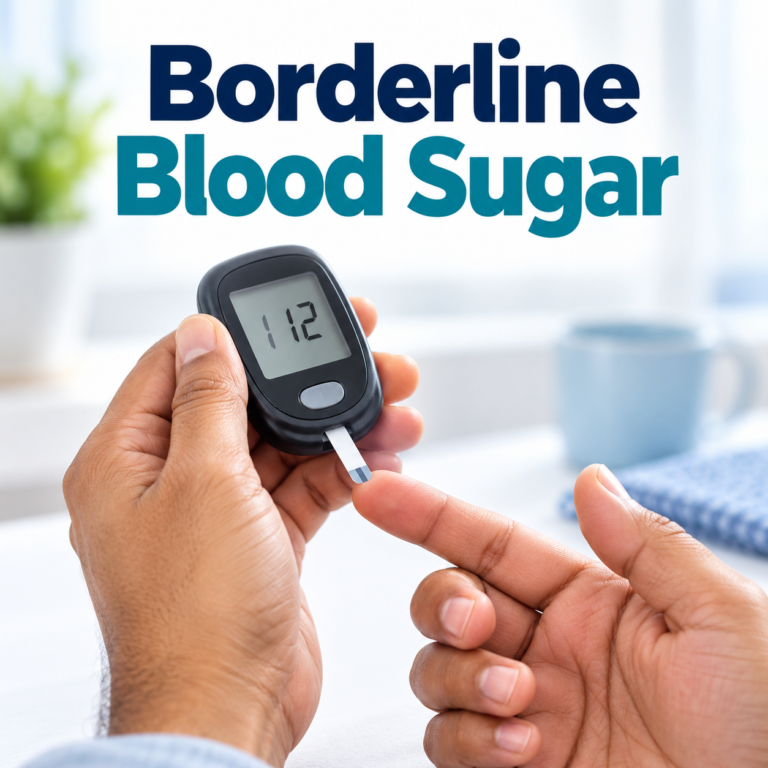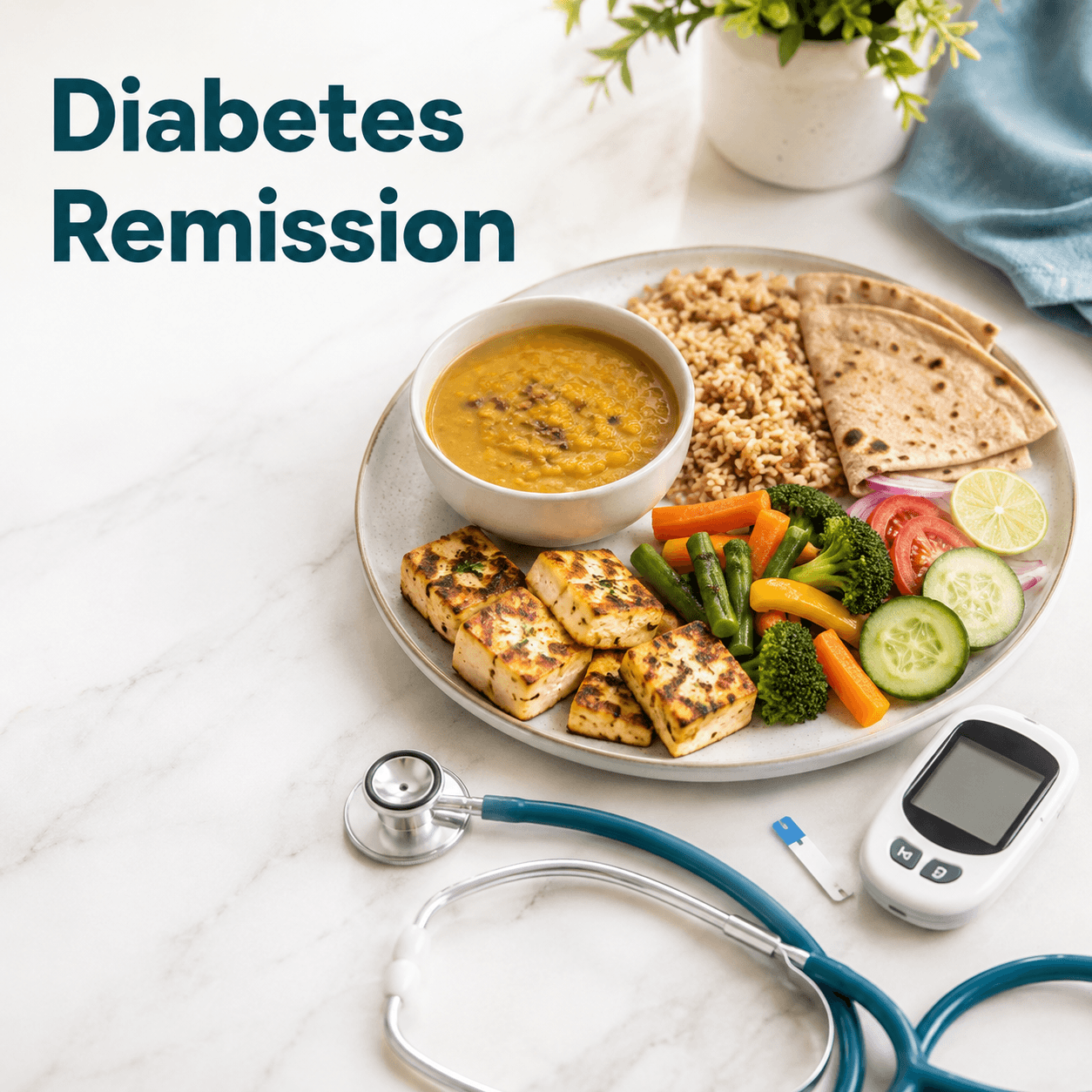
The idea of diabetes remission can be confusing. Some people hear that type 2 diabetes can be “reversed” and assume they are permanently cured. Others have been told that once diabetes develops, blood sugar can never return to the non-diabetes range without medication.
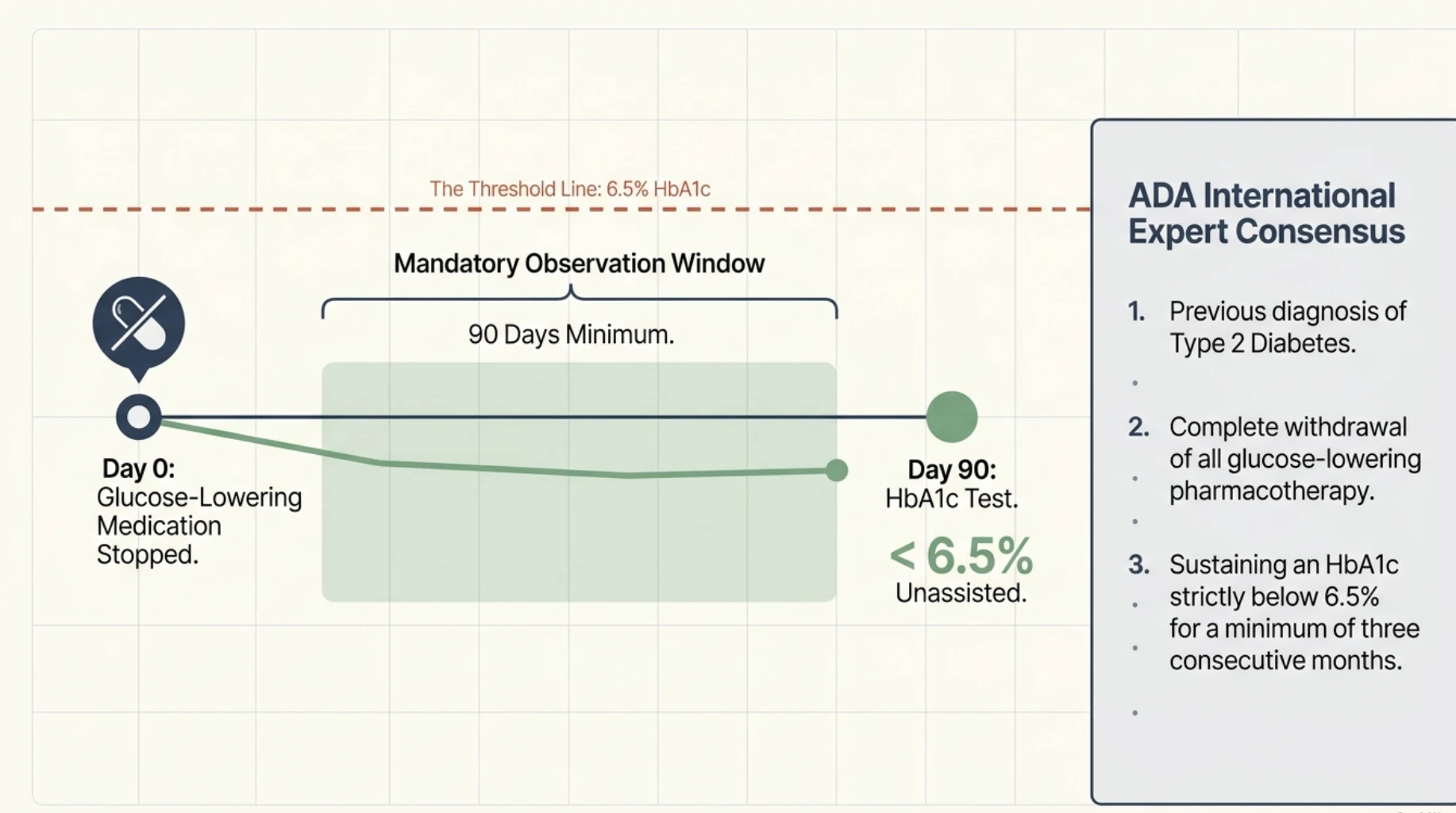
The evidence is more nuanced. Some people with type 2 diabetes can achieve glucose levels below the diabetes threshold and remain there without glucose-lowering medicines. An international expert consensus convened by the American Diabetes Association defined remission as an HbA1c below 6.5% that persists for at least three months after glucose-lowering medication has been stopped.
Remission is a meaningful clinical outcome, but it is not guaranteed, and it is not the same as permanent cure. Weight regain or progressive loss of pancreatic beta-cell function can cause diabetes to return. Long-term monitoring therefore remains necessary even when HbA1c has normalized.

This article explains what remission means, who may have a better chance of achieving it, and why sustainable weight management is often central to the process.
What Does Diabetes Remission Mean?
Diabetes remission means that a person with type 2 diabetes has an HbA1c below 6.5% for at least three months without taking glucose-lowering medication.
It does not mean that diabetes has been permanently cured. Blood sugar can rise again, particularly if weight is regained or metabolic health deteriorates. Remission therefore requires continued follow-up rather than discharge from diabetes care.
What Does Diabetes Remission Actually Mean?
The term “remission” was chosen deliberately by an international group of diabetes experts because it acknowledges both improvement and uncertainty.
For most adults, the usual criterion is:
- a previous diagnosis of type 2 diabetes
- HbA1c below 6.5%
- the result measured at least three months after stopping glucose-lowering medication
When HbA1c is unreliable because of a medical condition affecting red blood cells or hemoglobin, alternative glucose measurements may sometimes be considered clinically.
Simply having an HbA1c of 6.2% while continuing metformin, insulin, semaglutide or another glucose-lowering medicine does not meet the usual consensus definition of remission. The blood sugar may be excellently controlled, but the glucose-lowering effect of treatment is still present.
This distinction does not make good control less valuable. A person whose HbA1c improves substantially while taking medicine may have reduced their risk and improved their health even if they do not technically meet the definition of remission.
Diabetes Remission Is Not the Same as a Cure
The word “cure” implies that the condition has permanently disappeared and is unlikely to require further monitoring.
That is not how type 2 diabetes remission behaves.
In the five-year follow-up of the DiRECT weight-management trial, some participants maintained remission for several years, but remission became less common over time as maintaining substantial weight loss proved difficult. Among participants who continued into the extension study, 11 of 85—13%—were in remission at five years.
This does not mean remission is unimportant. It demonstrates that remission can be durable for some people while also showing why continued weight management and medical monitoring matter.
A person in remission can still have a history of diabetes-related metabolic risk. Blood pressure, cholesterol, kidney health, eye screening and other appropriate follow-up should not be abandoned simply because HbA1c has fallen below 6.5%. The international consensus specifically recommends continued observation after remission.
Why “Diabetes Reversal” Can Be a Misleading Term
“Diabetes reversal” is widely used online, but it does not have the same agreed clinical definition as remission.
The word can create the impression that type 2 diabetes has been permanently reversed and can never return. That is medically misleading.
The preferred clinical term is type 2 diabetes remission because it describes the current glucose status without promising permanent cure. The international consensus specifically favored “remission” as the most appropriate terminology.
Patients should therefore be cautious about programmes promising:
- permanent diabetes reversal
- guaranteed medication withdrawal
- cure within a fixed number of days
- remission regardless of diabetes duration
- guaranteed HbA1c targets
No responsible clinician can promise remission before assessing the individual.
Who May Achieve Diabetes Remission?
Remission is most relevant to type 2 diabetes. It does not describe the ordinary treatment goal for type 1 diabetes, where autoimmune destruction of insulin-producing cells means ongoing insulin therapy is generally required.
Not everyone with type 2 diabetes has the same probability of remission.
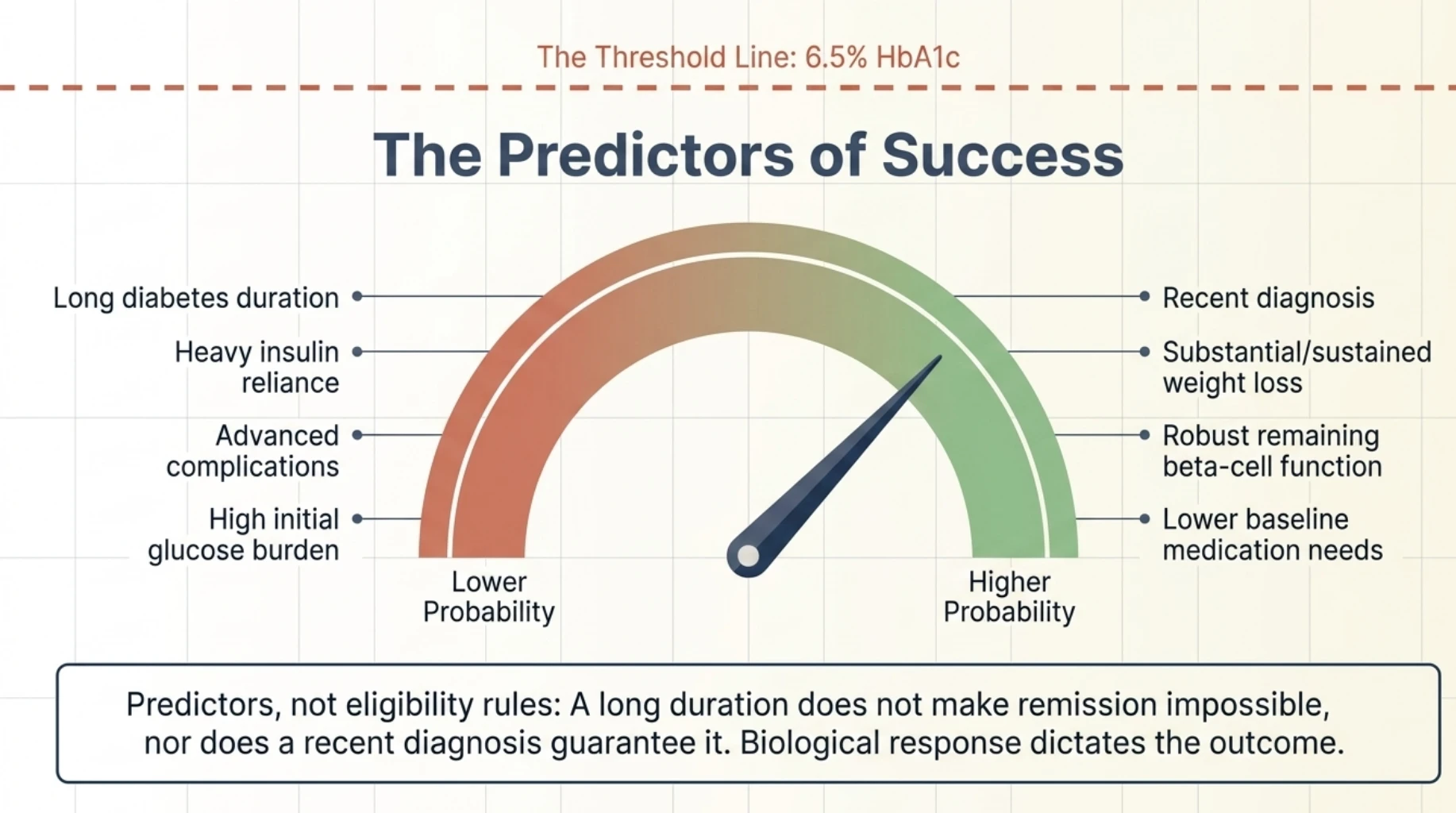
Factors associated with a better chance include:
- relatively recent diagnosis
- substantial and sustained weight loss when excess body fat is present
- better remaining pancreatic beta-cell function
- lower medication requirements
- lower baseline glucose burden in some studies
- ability to maintain the intervention over time
These are predictors, not eligibility rules. A person should not be told that remission is impossible merely because diabetes has been present for several years, nor should someone with recently diagnosed diabetes be promised that remission will occur.
The strongest consistent modifiable factor is substantial and sustained weight loss. The 2026 ADA Standards state that greater weight loss can produce substantial reductions in HbA1c and fasting glucose and may promote sustained diabetes remission in people with type 2 diabetes and overweight or obesity.
Type 2 Diabetes Remission Is More Likely Earlier in the Disease
Type 2 diabetes usually develops through a combination of insulin resistance and progressive difficulty producing enough insulin to meet the body’s needs.
Earlier in the disease, pancreatic beta cells may retain more capacity to recover function when metabolic stress is reduced. As diabetes continues for many years, that capacity may decline.
This helps explain why trials of intensive weight management have generally reported higher remission rates in people with relatively recent-onset type 2 diabetes. Reviews of remission evidence also identify shorter diabetes duration and better preserved beta-cell function as favorable features.
“Earlier” does not mean that everyone diagnosed within a particular number of years will achieve remission. It means the probability tends to be greater before substantial beta-cell dysfunction has accumulated.
This is one reason that newly diagnosed type 2 diabetes should not be treated as a minor problem to address “later.” Early weight, nutrition, physical-activity and medication decisions can influence long-term metabolic health.
Greater Sustained Weight Loss Improves the Chance of Remission
Among people with overweight or obesity, the amount of weight lost is strongly related to the probability of remission.
The 2026 ADA Standards describe modest weight loss as beneficial for glucose control while noting that larger losses can produce greater HbA1c improvement and increase the possibility of sustained remission.
A 2025 analysis of randomized weight-loss trials also found a strong graded relationship between percentage body-weight loss and remission: remission became substantially more common as the amount of weight lost increased.
This should not be interpreted as a promise that losing a specific percentage of weight will automatically produce remission. Two people losing the same amount can respond differently because diabetes duration, pancreatic function, fat distribution, genetics, medication use and other factors differ.
The key word is also sustained. Losing a large amount of weight temporarily and then regaining it may lead to recurrence of diabetes.
Why Weight Loss Can Put Type 2 Diabetes Into Remission
Type 2 diabetes is strongly linked to excess energy storage and insulin resistance in many people. When substantial excess weight is lost, insulin sensitivity often improves and the metabolic burden on the liver and pancreas can decrease.
The result may be:
- lower fasting glucose
- improved post-meal glucose
- lower HbA1c
- reduced need for glucose-lowering medication
- improved triglycerides and blood pressure
- in some people, remission
Current ADA guidance therefore treats weight management as a central component of type 2 diabetes care rather than an optional addition. Larger sustained weight loss can have a disease-modifying effect and may support remission.
The DiRECT trial is an important example. It used a structured primary-care weight-management programme in people with relatively recent type 2 diabetes. Earlier phases of the study demonstrated that remission was achievable in a substantial proportion of participants, while the later five-year follow-up showed that maintaining remission was strongly tied to maintaining weight loss.
This is why the aim should not be the fastest possible loss on the weighing scale. The clinically useful target is weight reduction that can be maintained while preserving nutrition, muscle and long-term adherence.
How Much Weight Loss May Be Needed?
There is no single weight-loss number that guarantees diabetes remission.
Some people achieve major glucose improvement with relatively modest weight loss, while others require a larger change before HbA1c falls below the diabetes threshold without medication.
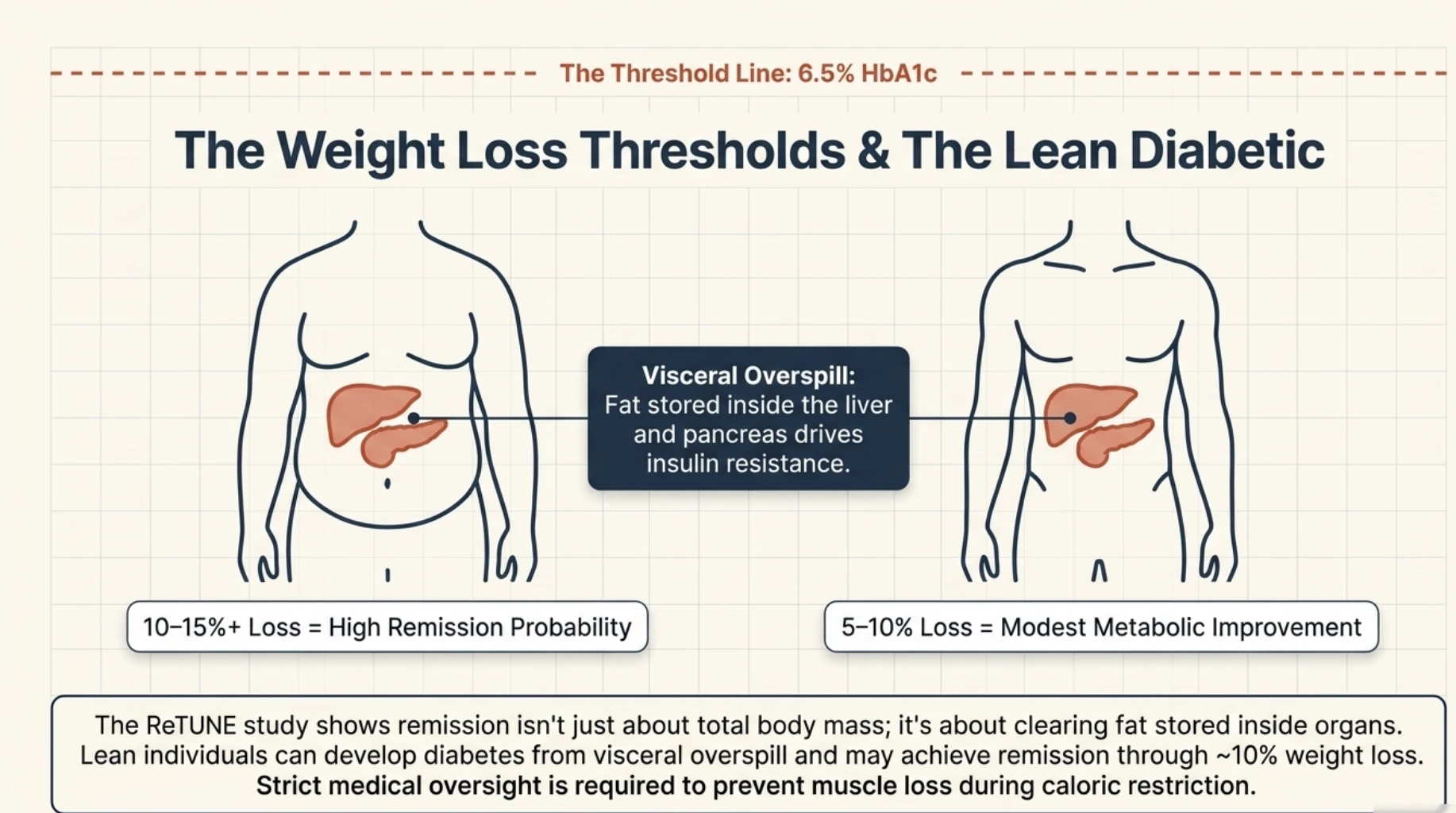
Current diabetes guidance recognizes that weight loss of around 5–10% can produce meaningful metabolic improvement, while losses of around 10–15% or more can have a greater disease-modifying effect and increase the possibility of remission.
For example, a person weighing 90 kg who loses 10% of body weight has lost approximately 9 kg. Whether that produces remission depends on far more than the number on the scale.
The weight-loss target should therefore take into account:
- starting BMI and waist circumference
- diabetes duration
- HbA1c
- current medicines
- muscle mass
- age
- kidney and liver health
- eating pattern
- ability to sustain the intervention
An extreme diet that produces rapid weight loss but substantial muscle loss, nutritional deficiency and rapid regain is not a successful remission strategy.
Diabetes Remission Through Weight Loss Is Not Guaranteed
This point is important enough to state clearly: diabetes remission through weight loss is possible, but it cannot be guaranteed.
Even in carefully designed clinical trials, not everyone who lost weight achieved remission. Some people have more advanced impairment of insulin production, longer diabetes duration or other biological factors that reduce the chance of returning below the diabetes threshold without medicine.
Failure to achieve remission should not be considered treatment failure.
Someone who lowers HbA1c from 9% to 6.8%, loses abdominal fat, becomes more active, improves blood pressure and needs less medication has achieved clinically important progress even though the HbA1c remains slightly above the remission threshold.
Good diabetes care should improve health—not create an all-or-nothing contest between “reversed” and “not reversed.”
Can Someone With Normal BMI Achieve Remission?
Yes, in selected people. Excess body weight is an important driver of type 2 diabetes for many patients, but BMI does not fully describe where fat is stored or how much fat an individual can metabolically tolerate.
A person can develop type 2 diabetes without having obesity. Visceral fat and fat stored in organs such as the liver and pancreas may still contribute to insulin resistance and impaired insulin secretion.
The small ReTUNE study examined people with type 2 diabetes who had a BMI below 27 kg/m². Its findings suggested that losing approximately 10% of body weight could produce remission in some participants despite their relatively low starting BMI.
This does not mean every lean person with diabetes should lose 10% of body weight.
For someone who is already lean, aggressive calorie restriction can cause:
- muscle loss
- weakness
- micronutrient deficiency
- reduced exercise capacity
- an unnecessarily low body weight
The first step should therefore be confirming that the diagnosis really is type 2 diabetes. Lean adults may sometimes have another form of diabetes, including autoimmune diabetes, pancreatic disease or a less common genetic form. Further evaluation may be appropriate when the presentation is unusual.
For Indian adults, BMI alone should never be used as the only measure of metabolic health. Waist circumference, body composition, family history, triglycerides, fatty liver and glucose pattern may provide additional information.
Does Taking Insulin Mean Remission Is Impossible?
No, but the likelihood of remission may be lower in people who have required insulin for a long time.
Insulin treatment itself does not make remission biologically impossible. However, needing insulin may indicate that the pancreas has less remaining capacity to produce enough insulin on its own, particularly when type 2 diabetes has been present for many years.
Factors that may reduce the probability of remission include:
- longer duration of diabetes
- higher medication requirements
- reduced pancreatic beta-cell function
- difficulty achieving substantial sustained weight loss
- advanced diabetes-related complications
These are probability factors, not absolute rules. Reviews of type 2 diabetes remission consistently identify shorter disease duration and better preserved beta-cell function as favorable characteristics.
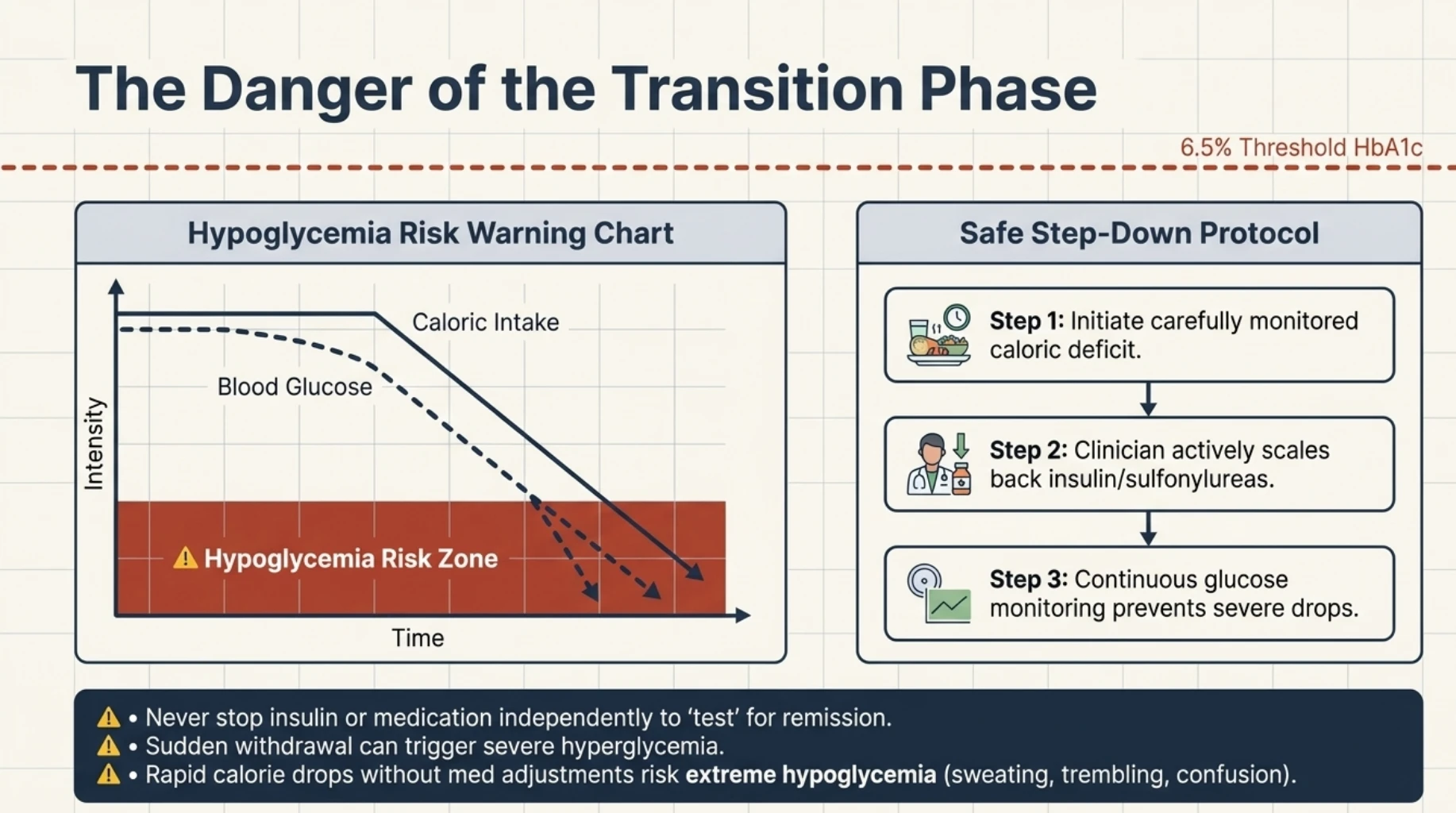
Insulin should never be stopped simply because someone wants to test whether they are “in remission.” Sudden withdrawal can cause severe hyperglycemia and, in susceptible people, dangerous metabolic complications.
Medication reduction should occur only when glucose readings, HbA1c and the overall clinical situation show that it can be done safely.
How Can Type 2 Diabetes Remission Be Achieved?
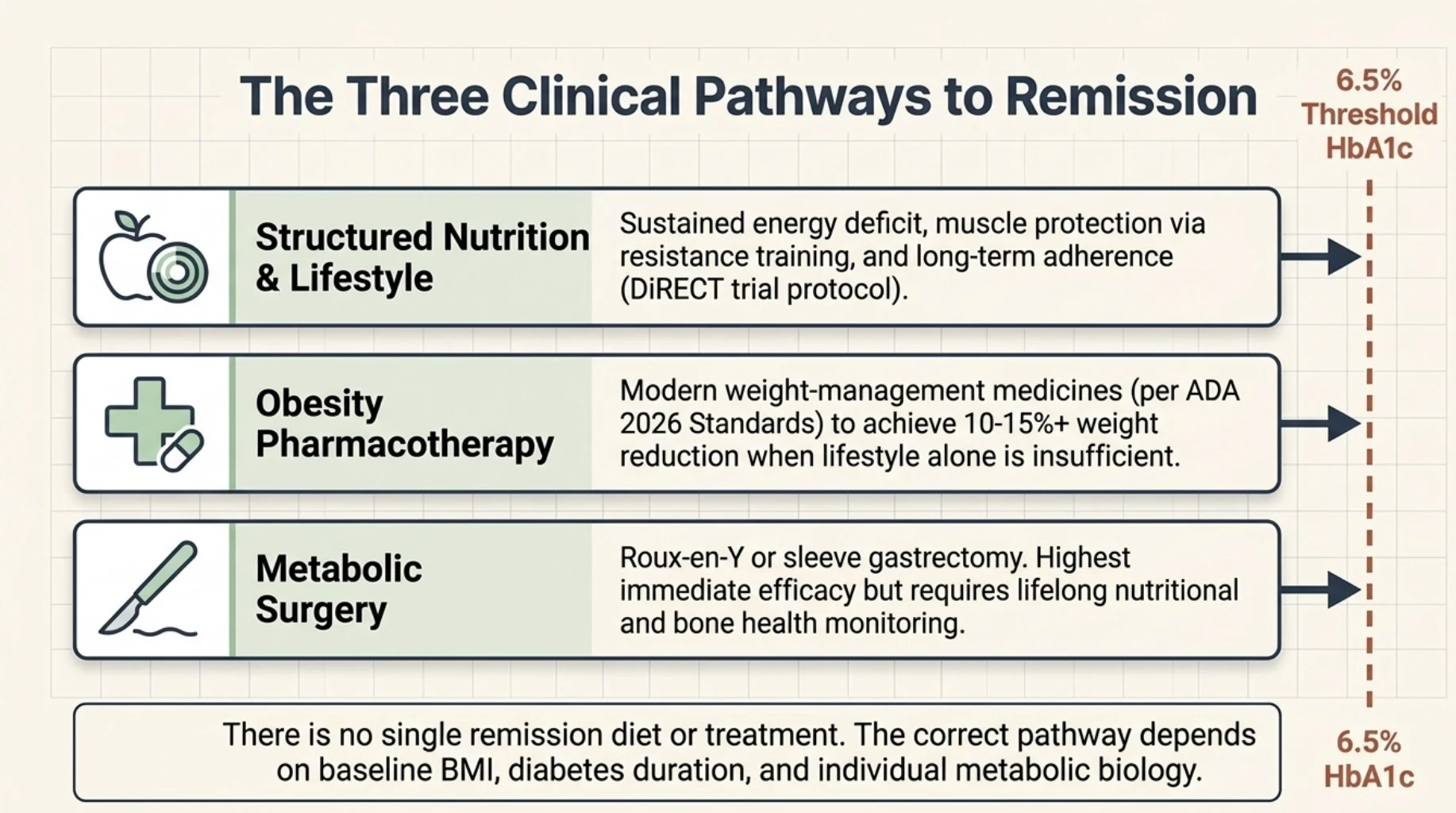
There is no single remission diet, supplement or treatment that works for everyone.
Current evidence supports several pathways that can produce sufficiently large metabolic improvement in selected people:
- structured dietary weight-loss programmes
- intensive lifestyle intervention
- obesity pharmacotherapy that produces substantial weight loss
- metabolic or bariatric surgery
The 2026 American Diabetes Association Standards recognize that substantial weight loss can have a disease-modifying effect in type 2 diabetes and that intensive lifestyle intervention and metabolic surgery can lead to remission in appropriate patients.
The appropriate route depends on BMI, diabetes duration, current glucose control, medicines, complications, eating behaviour, previous weight-loss attempts and individual preference.
Structured Nutrition and Weight Management
A remission-focused nutrition programme is not simply a “diabetic diet.”
The primary objective, when excess body fat is contributing to diabetes, is usually to create enough sustained energy deficit to produce meaningful weight loss while protecting muscle and nutritional adequacy.
A practical long-term plan may focus on:
- controlling total energy intake
- reducing oversized portions
- minimizing sugary beverages
- reducing frequent sweets and ultra-processed snacks
- improving protein intake
- increasing vegetables and dietary fibre
- controlling portions of rice, roti and other cereals
- avoiding excessive cooking oil and calorie-dense snacks
- increasing daily movement
- incorporating resistance exercise
There is no scientific requirement to permanently eliminate rice, roti, fruit or all carbohydrates to achieve remission.
Some clinical remission programmes have used an initial low-energy formula diet followed by structured food reintroduction. This approach produced substantial remission rates in the DiRECT trial, but it was delivered within a structured programme with medication management and follow-up. At five years, remission was much more likely among participants who had maintained meaningful weight loss, highlighting the importance of long-term weight maintenance rather than the initial diet alone.
A very-low-calorie programme should not be copied from the internet by someone taking insulin, sulfonylureas or other medicines that can cause hypoglycemia.
Diabetes Remission and Physical Activity
Exercise is valuable even when it does not produce large weight loss.
Regular activity can improve insulin sensitivity, physical fitness, blood pressure, glucose control and the ability to maintain lost weight. Resistance training is especially useful for protecting muscle during calorie restriction.
A remission plan may combine:
- brisk walking
- cycling or another aerobic activity
- resistance training
- walking after meals
- reduced prolonged sitting
- gradual increases in everyday movement
Physical activity alone may not produce the magnitude of weight loss required for remission in many people with obesity, but it remains an important part of maintaining metabolic improvement.
Can Weight-Loss Medicines Produce Diabetes Remission?
Modern obesity medicines can produce substantial weight loss and major improvements in glucose control for many people with type 2 diabetes. The 2026 ADA Standards include obesity pharmacotherapy as an important treatment option when lifestyle intervention alone does not achieve sufficient weight reduction.
However, there is an important terminology issue.
Under the international consensus definition, diabetes remission cannot normally be diagnosed while a person is continuing a glucose-lowering medicine, because the medication may be contributing to the HbA1c being below 6.5%.
This matters with medicines such as:
- GLP-1 receptor agonists
- dual GIP/GLP-1 receptor agonists
- SGLT2 inhibitors
- metformin
- other glucose-lowering treatments
Some of these medicines may be prescribed partly for weight, heart or kidney benefits rather than glucose alone. Nevertheless, if a drug has a glucose-lowering effect, it may be impossible to determine whether the person has medication-independent remission while treatment continues.
That does not mean treatment should be stopped merely to obtain a remission label.
For some people, continuing medication provides important cardiovascular, kidney, weight or glycemic benefits. Good long-term health is more important than meeting a terminology threshold.
Diabetes Remission Through Medication Is Still an Evolving Area
Research into pharmacologically assisted remission is growing. A 2025 systematic review described remission as an increasingly important treatment goal and noted that dietary, surgical and multimodal approaches have all been studied, while the role of pharmacological strategies continues to evolve.
For patients, the practical message is:
Do not stop an effective medicine simply to say that your diabetes is in remission.
The appropriate treatment goal should be decided according to cardiovascular risk, kidney health, weight, glucose control, side effects and individual preferences.
Metabolic Surgery and Diabetes Remission
Metabolic or bariatric surgery can produce substantial and sustained weight loss and may lead to type 2 diabetes remission in appropriately selected people with obesity.
Procedures include operations such as:
- sleeve gastrectomy
- Roux-en-Y gastric bypass
Surgery affects glucose through both weight loss and changes in gastrointestinal and hormonal physiology.
Long-term randomized evidence shows that metabolic surgery can provide greater glycemic improvement than medical and lifestyle treatment alone in selected adults with type 2 diabetes and obesity.
Long-term remission is not guaranteed. Diabetes can recur years after initially disappearing, particularly with weight regain or progressive decline in pancreatic function. Ten-year follow-up studies have documented both sustained remission and later recurrence.
Surgery also requires lifelong attention to:
- nutritional status
- vitamin and mineral supplementation
- protein intake
- bone health
- surgical complications
- weight regain
- metabolic monitoring
It should therefore be considered within an experienced multidisciplinary programme rather than treated as a quick cure for diabetes.
What Happens to Diabetes Medicines During a Remission Program?
Medication management is one of the most important safety issues during intensive weight loss.
Glucose may fall rapidly when calorie intake decreases substantially. Someone continuing the same dose of insulin or an insulin-stimulating medicine may develop hypoglycemia.
Symptoms of low glucose can include:
- sweating
- trembling
- sudden hunger
- dizziness
- palpitations
- confusion
- weakness
Medication may therefore need active adjustment during a structured programme.
The exact approach depends on:
- the medicine being used
- baseline HbA1c
- fasting and post-meal glucose
- kidney function
- food intake
- physical activity
- risk of hypoglycemia
Do not stop medication independently at the beginning of a diet.
Likewise, achieving a normal home glucose reading for several days does not establish remission. Under the consensus definition, HbA1c should remain below 6.5% for at least three months after withdrawal of glucose-lowering pharmacotherapy before remission is documented.
What Happens After Diabetes Remission?
Remission is not the end of diabetes follow-up.
Blood glucose can rise again if weight is regained, physical activity falls or pancreatic function declines. Maintaining the behaviours that produced remission is therefore central to keeping it.
Weight Maintenance Becomes the Main Goal
After substantial weight loss, the objective changes from creating an energy deficit to preventing regain.
This may require:
- regular weight monitoring
- continued portion awareness
- adequate protein
- strength training
- maintaining daily movement
- early action after small weight regain
- managing sleep and stress
- planned strategies for travel, festivals and restaurant meals
Waiting until 10 or 15 kg has returned makes management considerably harder than responding to the first few kilograms.
HbA1c Still Needs Monitoring
The international remission consensus recommends checking HbA1c at least yearly after remission has been established.
More frequent monitoring may be appropriate when:
- weight is increasing
- glucose readings are rising
- symptoms of diabetes return
- corticosteroids or another glucose-raising medicine is started
- pregnancy occurs
- another major illness develops
The exact frequency should be individualized.
Diabetes Complication Screening Should Continue
A history of diabetes does not disappear when HbA1c falls below the diagnostic threshold.
Previous periods of hyperglycemia may continue to influence long-term risk—a concept sometimes called metabolic memory. For this reason, the remission consensus recommends continued surveillance for diabetes complications, including retinal, kidney and foot assessment as clinically appropriate.
Blood pressure, cholesterol and cardiovascular risk also remain important.
A person should therefore not stop:
- eye screening
- kidney monitoring
- foot assessment
- blood-pressure follow-up
- cholesterol management
simply because diabetes is in remission.
What If Diabetes Comes Back?
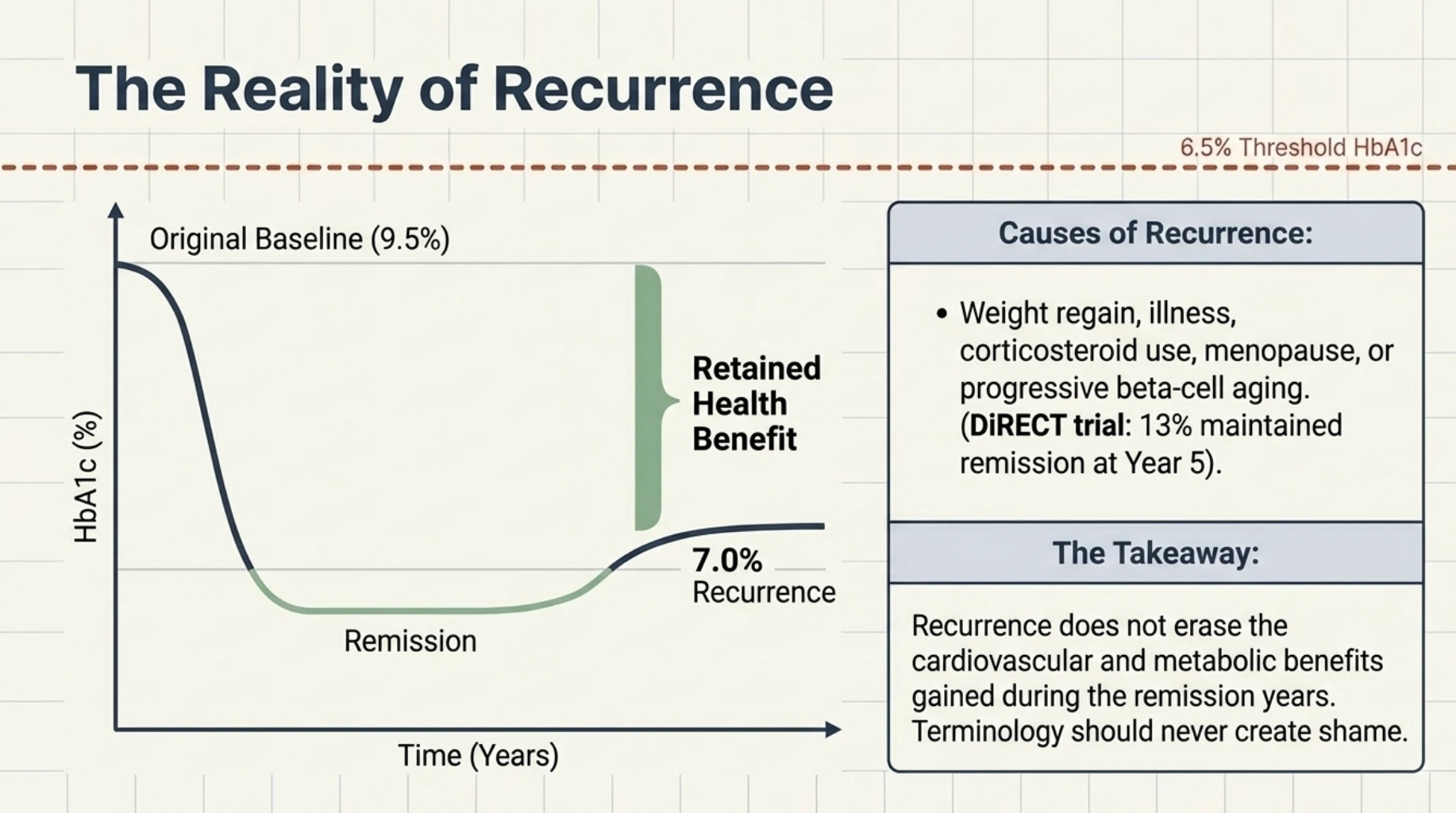
Recurrence does not erase the health benefit of the period spent with improved glucose and lower weight.
If HbA1c again reaches the diabetes range, the next step is to determine why.
Possible contributors include:
- weight regain
- reduced activity
- illness
- corticosteroid treatment
- progressive beta-cell dysfunction
- changes in diet
- menopause-associated body-composition changes
- another metabolic stressor
Management may involve renewing structured weight management, restarting medication or considering another treatment strategy.
The terminology should not create shame. Type 2 diabetes is a chronic metabolic condition with a tendency to recur.
The goal is effective long-term control—not maintaining the word “remission” at any cost.
Diabetes Remission Assessment in Dwarka
A remission-focused consultation should begin with determining whether remission is a realistic and medically appropriate goal.
Dr. Pankaj Kumar can review:
- duration of type 2 diabetes
- current HbA1c and glucose pattern
- diabetes medicines
- history of hypoglycemia
- weight and waist circumference
- previous weight-loss attempts
- kidney and liver health
- blood pressure and cholesterol
- food intake
- physical activity
- sleep
- associated fatty liver or metabolic conditions
The plan may then focus on safer weight reduction, glucose monitoring, muscle preservation and medication review rather than promising a fixed remission outcome.
Dr. Pankaj Kumar
MBBS, DNB Family Medicine, Sir Ganga Ram Hospital
General & Lifestyle Physician
Special interest in Diabetes
Diet Plus Minus
13A, Pocket-2, Sector-6, Doctors Lane
Dwarka, New Delhi – 110075
India
Book an Appointment with Dr. Pankaj Kumar
Frequently Asked Questions
Is Diabetes Remission the Same as Diabetes Reversal?
Not exactly. “Diabetes reversal” is an informal term without one universally accepted clinical definition.
Diabetes remission has a consensus definition: HbA1c below 6.5% for at least three months without usual glucose-lowering medication.
“Remission” is preferred because diabetes can return.
Is Diabetes Remission the Same as a Cure?
No.
A cure would imply that diabetes has permanently disappeared. Remission means glucose is currently below the diabetes threshold without glucose-lowering medication, but relapse remains possible.
Continued monitoring is therefore required.
What HbA1c Counts as Diabetes Remission?
The usual criterion is an HbA1c below 6.5% that persists for at least three months after glucose-lowering medication has been withdrawn.
When HbA1c is unreliable, alternative glucose measures may sometimes be used clinically.
Can I Be in Remission While Taking Metformin?
Under the usual consensus definition, remission cannot be formally diagnosed while a glucose-lowering medication such as metformin is continuing.
This does not mean metformin should be stopped. Continuing treatment may be clinically beneficial, and treatment decisions are more important than achieving a label.
Can Semaglutide or Tirzepatide Put Diabetes Into Remission?
These types of medicines can produce substantial weight loss and major improvement in glucose control in appropriate patients.
However, while a glucose-lowering medicine remains active, the standard consensus definition of medication-independent remission cannot usually be applied.
Never stop treatment simply to test for remission.
Can Someone With Type 1 Diabetes Achieve Remission?
The remission concept discussed in this article applies primarily to type 2 diabetes.
People with newly diagnosed type 1 diabetes may experience a temporary “honeymoon” period in which insulin requirements fall, but this is biologically different from type 2 diabetes remission and does not mean insulin can be safely discontinued.
Is Remission Possible After 10 Years of Type 2 Diabetes?
It may be possible for some people, but the probability generally falls as diabetes duration increases and pancreatic beta-cell function declines.
Shorter disease duration is consistently associated with a better chance of remission.
Individual assessment is more useful than applying a fixed cut-off.
Do I Need to Lose 15 kg to Achieve Remission?
Not necessarily.
There is no fixed kilogram target that guarantees remission. The amount needed depends on starting body weight, fat distribution, diabetes duration, pancreatic function and other factors.
Greater percentage weight loss is generally associated with a higher chance of remission, but the response varies between individuals.
Can a Slim Person Achieve Diabetes Remission?
Yes, some can.
The ReTUNE study showed that remission was possible in selected people with type 2 diabetes and BMI below 27 kg/m² after meaningful weight loss. However, this was a small study and does not justify aggressive weight loss in every lean patient.
The diagnosis and nutritional status should be reviewed carefully first.
Does Remission Mean I Can Eat Anything Again?
No.
Returning to the food and activity pattern that contributed to weight gain and diabetes may increase the chance of recurrence.
Remission should be viewed as a reason to maintain successful habits, not abandon them.
How Often Should HbA1c Be Checked After Remission?
The international consensus recommends testing at least once a year to confirm that remission is continuing.
More frequent testing may be appropriate when weight or glucose begins to rise.
Do I Still Need Eye and Kidney Checks After Remission?
Yes.
The consensus recommends continuing routine surveillance for potential diabetes complications because previous hyperglycemia may have lasting effects.
What Is More Important: Remission or Good Diabetes Control?
Good health outcomes are more important than the label.
A person who needs medication but has excellent HbA1c, healthy blood pressure, improved weight, good kidney function and low cardiovascular risk may be doing extremely well.
Remission is a valuable goal for suitable patients, but it should never become an all-or-nothing definition of success.
Author Box
Dr. Pankaj Kumar
MBBS, DNB Family Medicine, Sir Ganga Ram Hospital
General & Lifestyle Physician
Special interest in Diabetes
Dr. Pankaj Kumar provides general medical and lifestyle-based care at Diet Plus Minus in Dwarka, New Delhi. His approach to type 2 diabetes includes glucose assessment, medication review, weight management, nutrition, physical activity, fatty-liver risk and long-term cardiometabolic health.
Medical Disclaimer
This article provides general educational information and does not replace an individual medical consultation, diagnosis or treatment plan.
Diabetes medicines, including insulin, should never be stopped or reduced solely to determine whether remission has occurred. Significant dietary restriction or rapid weight-loss programmes can require medication adjustment to prevent hypoglycemia and other complications.
People who are pregnant, have type 1 diabetes, significant kidney or liver disease, a history of eating disorders or complex medical conditions require individualized medical and nutritional advice.
Seek urgent medical attention for persistent vomiting, severe dehydration, confusion, breathing difficulty, severe hypoglycemia or very high blood glucose with acute illness.
References
- Riddle MC, Cefalu WT, Evans PH, et al. Consensus Report: Definition and Interpretation of Remission in Type 2 Diabetes. Diabetes Care. 2021;44(10):2438–2444. The consensus defines remission as HbA1c below 6.5% for at least three months without usual glucose-lowering pharmacotherapy and recommends at least annual follow-up.
- American Diabetes Association Professional Practice Committee. Obesity and Weight Management for the Prevention and Treatment of Diabetes: Standards of Care in Diabetes—2026. Diabetes Care. 2026;49(Suppl 1):S166–S182.
- American Diabetes Association Professional Practice Committee. Diagnosis and Classification of Diabetes: Standards of Care in Diabetes—2026. Diabetes Care. 2026;49(Suppl 1):S27–S49.
- Lean MEJ, Leslie WS, Barnes AC, et al. Five-year follow-up of the randomized Diabetes Remission Clinical Trial (DiRECT). The Lancet Diabetes & Endocrinology. 2024.
- Taheri S, et al. Type 2 Diabetes Remission: A New Mission in Diabetes Care. Diabetes Care. 2024;47:47–51.
- Taylor R, et al. Remission of Type 2 Diabetes After Weight Loss in Normal-Weight People: The ReTUNE Study. Diabetes. 2022;71(Suppl 1).
- Courcoulas AP, et al. Long-Term Outcomes of Medical Management vs Bariatric Surgery in Type 2 Diabetes. 2024 randomized trial follow-up.
- Meira I, et al. Diabetes Remission After Bariatric Surgery: A 10-Year Follow-Up Study. 2025.
- Type 2 Diabetes Remission: A Systematic Review and Meta-analysis. Diabetes Care. 2025.

Written by Dr. Pankaj Kumar
General & Lifestyle Physician in Dwarka Sector 6, New Delhi · MBBS, DNB (Family Medicine), DNHE · 16 years of experience.
About the doctor →Book a consultation → Beyond Blood Sugar
 The 90-Day Prediabetes Turnaround
 The Indian Diabetes Diet Reset
 Eat to Beat Gout
 Why Is My Hair Falling?
 The 30-Day Inflammation Reset