
Many people expect physical tiredness after a demanding day. However, an increasing number of working adults experience something different. They may spend most of the day sitting at a desk, performing little physical activity, yet still feel completely exhausted by evening.
This exhaustion is often not physical. Instead, it is a form of mental fatigue that develops after prolonged periods of concentration, decision-making, multitasking, screen exposure, and continuous cognitive effort.

Mental fatigue has become increasingly common in modern workplaces because the human brain is now expected to process far more information than it did in previous generations.
Emails, messages, meetings, deadlines, notifications, reports, digital platforms, and constant connectivity create a work environment where the brain rarely receives opportunities for genuine recovery.
Understanding mental fatigue is important because it affects productivity, decision-making, energy levels, emotional wellbeing, and overall health.
What Is Mental Fatigue?
Mental fatigue is a state of reduced cognitive performance that develops after prolonged periods of mental effort.
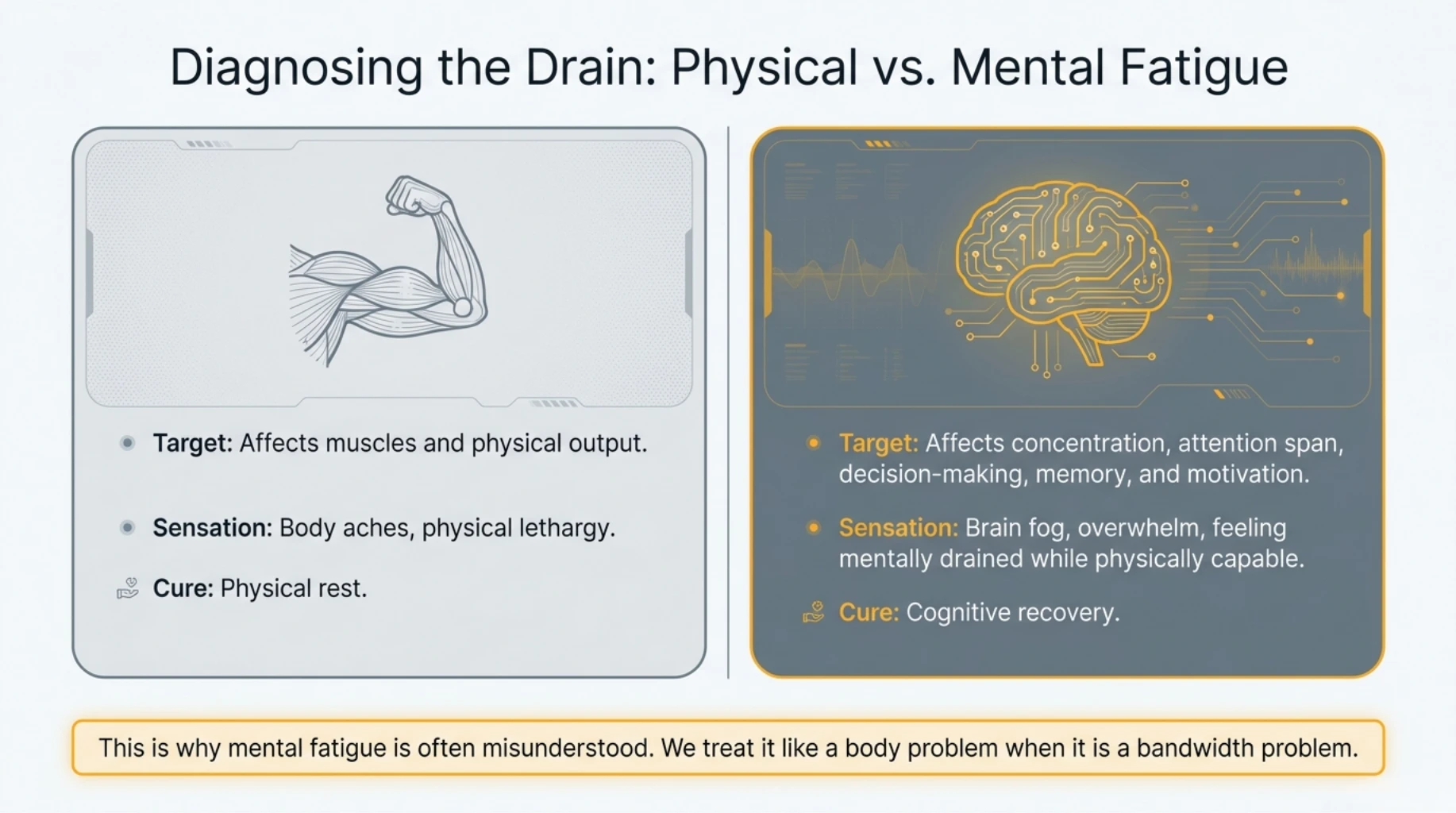
Unlike physical fatigue, which affects muscles and physical performance, mental fatigue primarily affects:
- Concentration
- Attention span
- Decision-making
- Memory
- Motivation
- Mental clarity
People experiencing mental fatigue often describe feeling mentally drained, overwhelmed, distracted, forgetful, or unable to focus effectively despite being physically capable of continuing work.
This is one reason why mental fatigue is often misunderstood and underestimated.
Why Mental Fatigue Has Become More Common
Modern work environments place unprecedented demands on cognitive function.
Many professionals spend most of the day:
- Responding to emails
- Attending meetings
- Managing multiple projects
- Switching between tasks
- Using digital devices continuously
Unlike physical work, cognitive work often lacks clear recovery periods. As a result, the brain remains engaged for prolonged durations without adequate mental rest.
Over time, this continuous cognitive load contributes significantly to mental fatigue.
Hidden Reason 1: Constant Decision-Making Drains Mental Energy
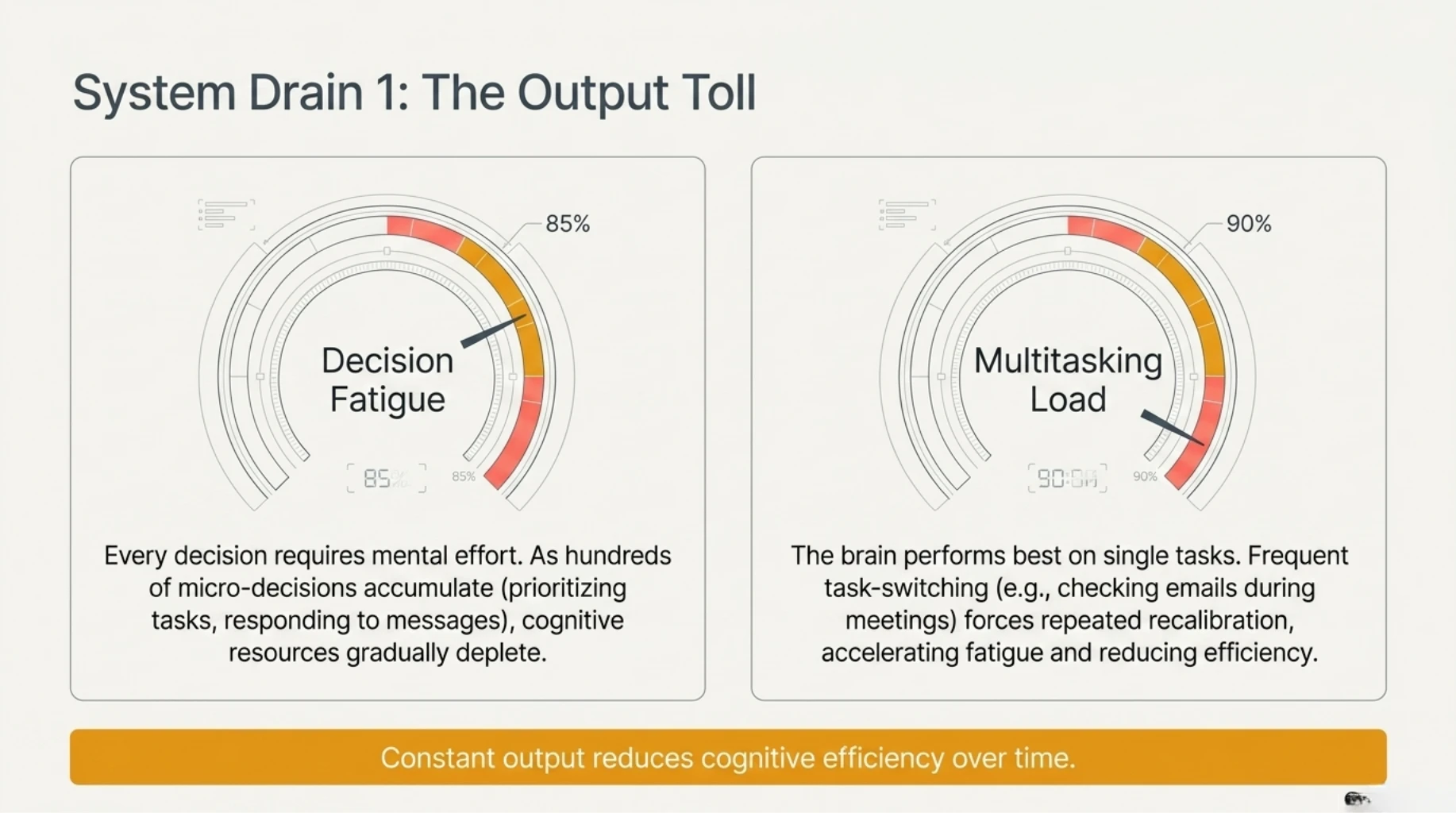
Every decision requires mental effort. During a typical workday, professionals make hundreds of decisions, many of which occur automatically without conscious awareness.
Examples include:
- Responding to messages
- Prioritizing tasks
- Managing schedules
- Solving problems
- Making work-related judgments
As decisions accumulate throughout the day, cognitive resources gradually become depleted. This phenomenon is sometimes referred to as decision fatigue and is a major contributor to mental exhaustion.
Many individuals notice that simple decisions become harder later in the day because mental resources have already been heavily utilized.
Hidden Reason 2: Multitasking Reduces Cognitive Efficiency
Many professionals believe multitasking improves productivity. However, the brain generally performs best when focusing on one task at a time.
Frequent switching between tasks forces the brain to repeatedly adjust attention and cognitive resources.
Examples include:
- Checking emails during meetings
- Responding to messages while working
- Switching between multiple software platforms
- Handling several projects simultaneously
This constant task-switching increases mental workload and accelerates fatigue.
Over time, multitasking often reduces efficiency while increasing perceived exhaustion.
Hidden Reason 3: Continuous Screen Exposure Overloads the Brain
Digital devices have transformed modern work, but they have also increased cognitive demands significantly.
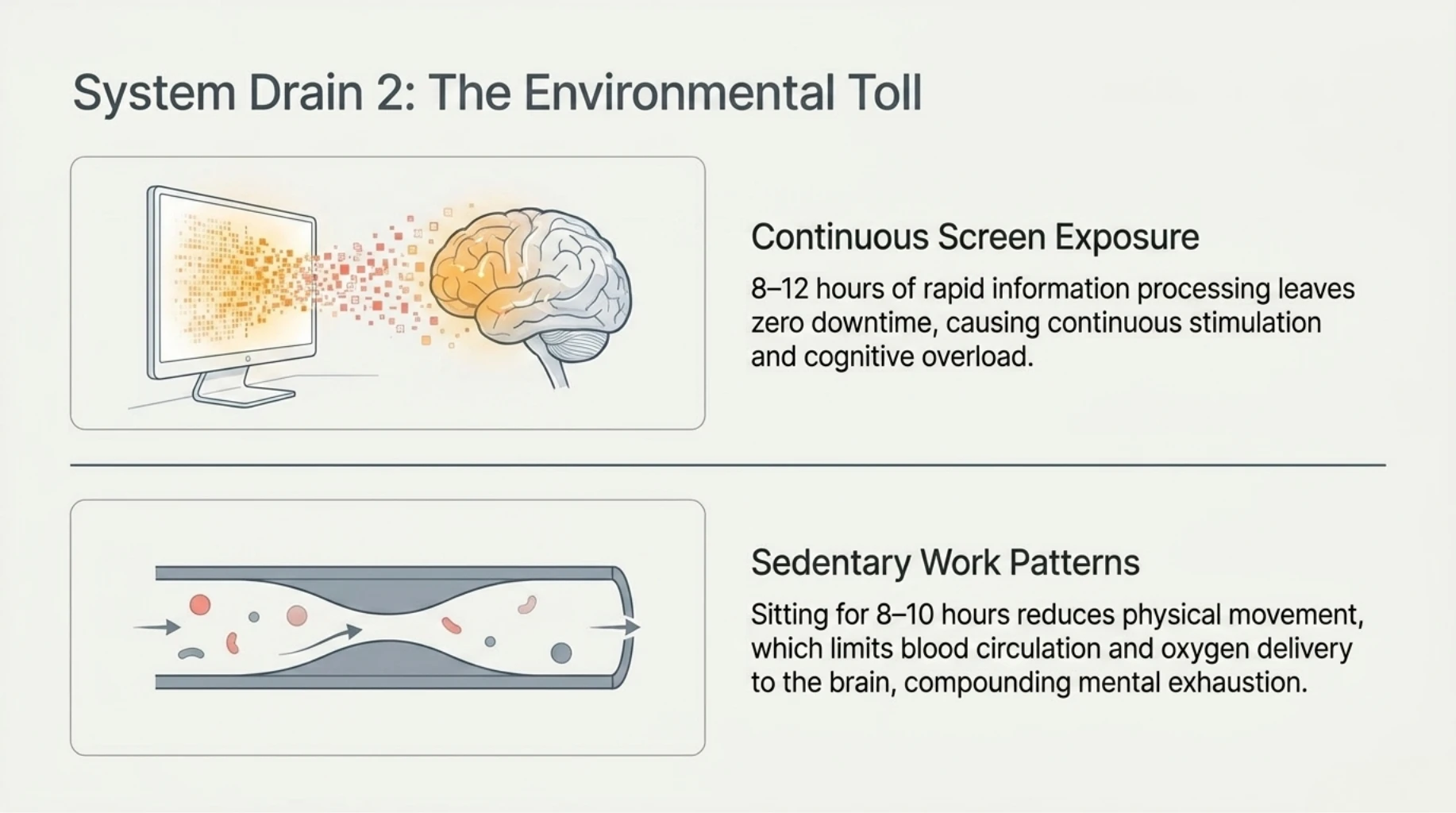
Continuous screen exposure requires the brain to process large amounts of information rapidly and repeatedly.
Many professionals spend:
- 8 to 12 hours on computers
- Additional hours on smartphones
- Evening leisure time on screens
As a result, the brain receives very little downtime throughout the day. This constant stimulation contributes significantly to mental fatigue, reduced concentration, and cognitive overload.
Why Mental Fatigue Often Feels Like Physical Exhaustion
Although mental fatigue originates in the brain, many individuals experience it as overall tiredness.
Common symptoms include:
- Low motivation
- Difficulty concentrating
- Brain fog
- Irritability
- Reduced productivity
- Feeling exhausted despite little physical activity
Because the symptoms resemble general tiredness, many people assume they simply need more sleep when the underlying issue may involve broader cognitive overload and inadequate recovery.
Why Mental Fatigue Should Not Be Ignored
Occasional mental tiredness is normal after demanding workdays.
However, persistent mental fatigue may gradually affect:
- Work performance
- Productivity
- Mood
- Stress tolerance
- Overall wellbeing
When mental fatigue becomes chronic, it often contributes to burnout, poor lifestyle choices, reduced physical activity, and worsening metabolic health.
Understanding mental fatigue helps identify these patterns before they begin affecting long-term health and quality of life.
Hidden Reason 4: Poor Sleep Reduces Cognitive Recovery
Sleep is the brain’s primary recovery mechanism.
During healthy sleep, the brain performs several important functions including memory consolidation, information processing, emotional regulation, and cognitive restoration.
When sleep quality becomes poor, the brain begins the next day with an incomplete recovery.
Many professionals technically spend enough hours in bed but still experience:
- Interrupted sleep
- Late-night screen exposure
- Poor sleep quality
- Irregular sleep schedules
As a result, cognitive performance gradually declines throughout the day.
This often appears as:
- Brain fog
- Poor concentration
- Reduced productivity
- Mental exhaustion
This is one of the most common contributors to mental fatigue in modern working adults.
Hidden Reason 5: Chronic Stress Keeps the Brain in Overdrive
The human brain is not designed to remain in a constant state of alertness.
However, many professionals spend most of the day dealing with:
- Deadlines
- Work pressure
- Financial concerns
- Performance expectations
- Continuous notifications
This ongoing psychological load keeps stress-response systems activated for prolonged periods.
Over time, chronic stress affects:
- Attention
- Memory
- Decision-making
- Emotional regulation
- Mental resilience
The result is a brain that feels continuously busy, even during periods of rest. Many individuals describe this as feeling mentally “switched on” all the time.
Hidden Reason 6: Sedentary Work Patterns Affect Brain Function
Most people associate physical activity with fitness, but movement also supports brain health.
Regular physical activity improves:
- Blood circulation
- Oxygen delivery to the brain
- Stress regulation
- Mood balance
- Cognitive performance
In contrast, prolonged sitting reduces movement throughout the day and may contribute to both physical and mental fatigue.
Many office workers spend eight to ten hours sitting continuously with very few movement breaks. Over time, this contributes to reduced energy, poorer concentration, and greater cognitive exhaustion.
Hidden Reason 7: Blood Sugar Fluctuations Affect Mental Performance
The brain relies heavily on a steady supply of glucose for optimal function. However, modern eating patterns often create large swings in blood sugar levels.
Common contributors include:
- Skipping meals
- Excess sugary foods
- Highly processed snacks
- Irregular eating schedules
When blood sugar rises and falls rapidly, individuals may experience:
- Reduced concentration
- Mental fogginess
- Irritability
- Reduced productivity
- Energy crashes
Many professionals mistake these symptoms for simple tiredness when blood sugar instability may be contributing significantly.
Information Overload Is a Modern Brain Challenge
One major difference between modern work and traditional work is the sheer volume of information that people must process daily.
Emails, reports, messages, meetings, dashboards, notifications, and digital platforms continuously compete for attention.
The brain must constantly:
- Filter information
- Prioritize tasks
- Process new inputs
- Store and retrieve information
This continuous cognitive demand increases mental workload significantly and contributes to ongoing mental fatigue.
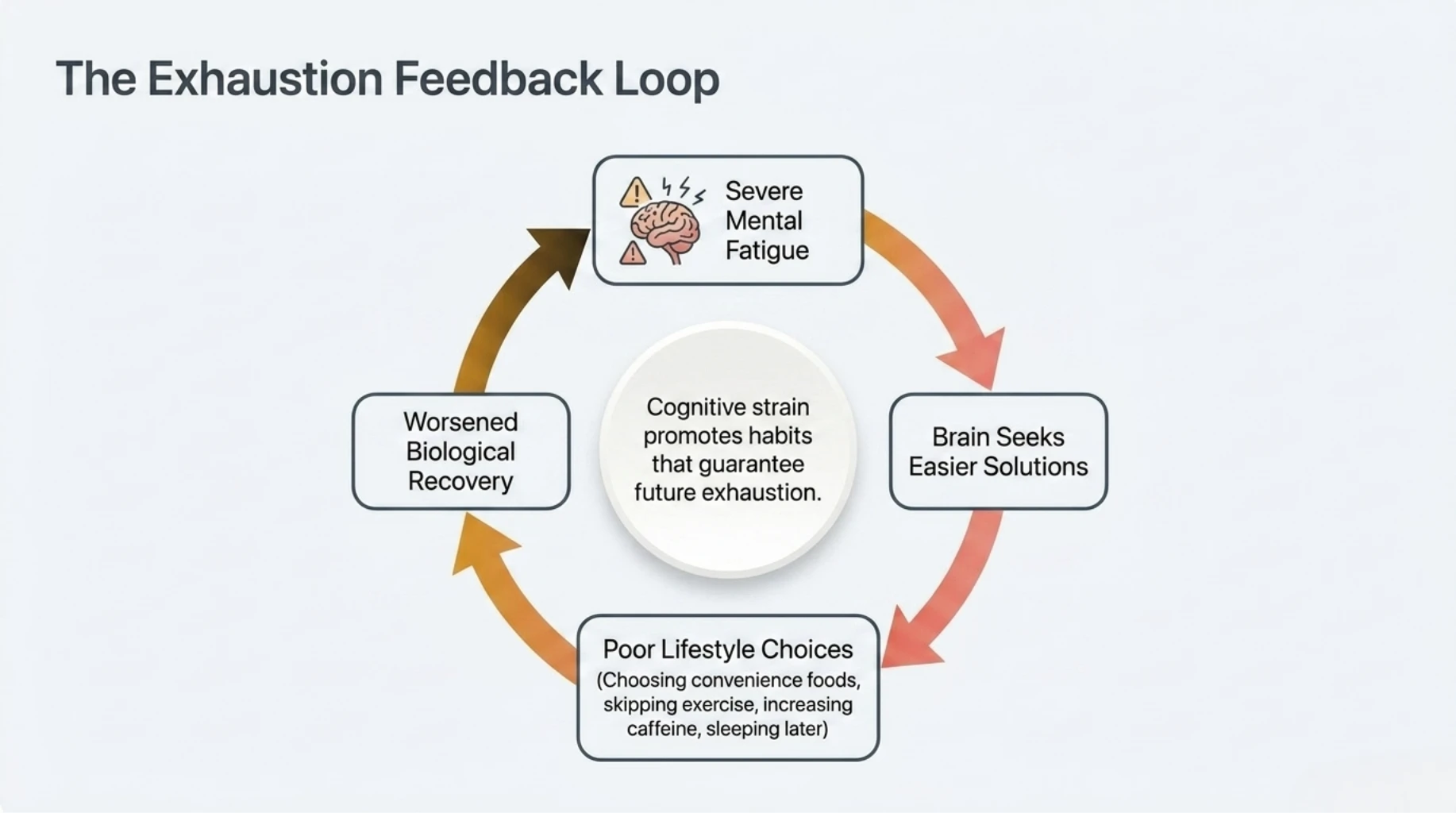
Why Mental Fatigue Often Leads to Poor Lifestyle Choices
An exhausted brain naturally seeks easier solutions.
When mental fatigue becomes severe, many individuals begin:
- Choosing convenience foods
- Skipping exercise
- Increasing caffeine intake
- Sleeping later
- Reducing healthy habits
Unfortunately, these choices often worsen recovery and create even greater fatigue over time. This creates a cycle where mental exhaustion promotes habits that further increase cognitive strain.
Why Mental Fatigue and Burnout Are Not the Same
Although they are related, mental fatigue and burnout are not identical. Mental fatigue is often temporary and improves with adequate recovery.
Burnout is typically more prolonged and may involve:
- Emotional exhaustion
- Reduced motivation
- Reduced work satisfaction
- Persistent stress overload
Recognizing mental fatigue early may help prevent progression toward more severe occupational exhaustion.
Why Recovery Matters as Much as Productivity
Modern culture often celebrates constant productivity, but sustained performance depends on adequate recovery.
The brain functions best when periods of intense focus are balanced with opportunities for mental restoration. Without recovery, cognitive performance gradually declines regardless of motivation or effort.
How to Reduce Mental Fatigue and Improve Cognitive Performance
The good news is that mental fatigue often improves significantly when recovery, lifestyle habits, and work patterns are optimized.
The goal is not eliminating all stress or avoiding challenging work. The objective is helping the brain recover efficiently so that productivity, focus, and mental wellbeing remain sustainable over the long term.
Understanding mental fatigue helps people recognize that constant exhaustion is not always a sign of weakness or poor motivation. In many cases, it is a biological signal that the brain requires better recovery.
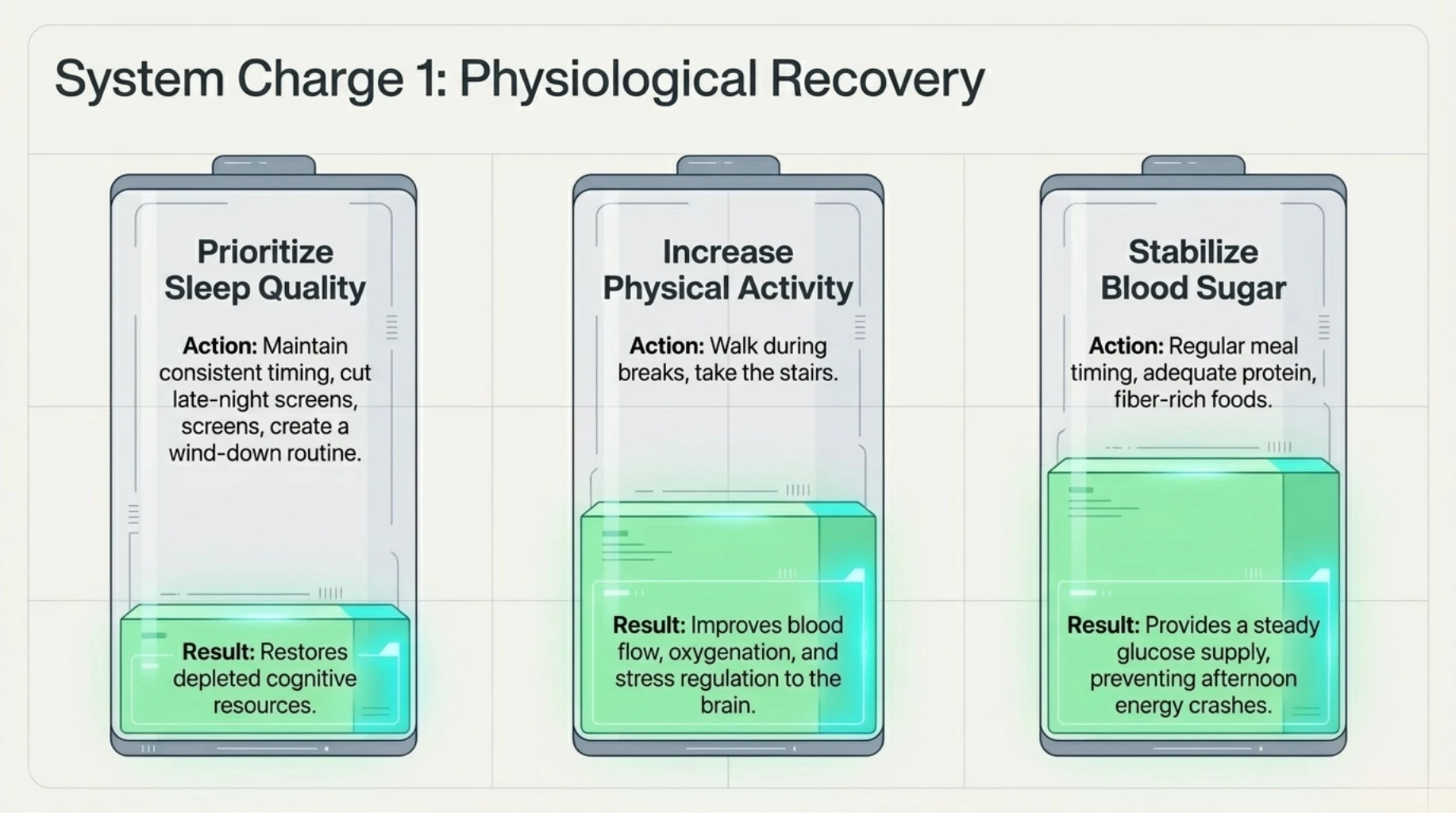
Prioritize Sleep Quality
Sleep remains the most important recovery tool for the brain. During sleep, the brain restores cognitive resources that are depleted throughout the day.
Healthy sleep habits include:
- Maintaining consistent sleep timing
- Reducing late-night screen exposure
- Avoiding excessive caffeine late in the day
- Creating a regular bedtime routine
Many individuals notice significant improvements in concentration, memory, and mental clarity after improving sleep quality.
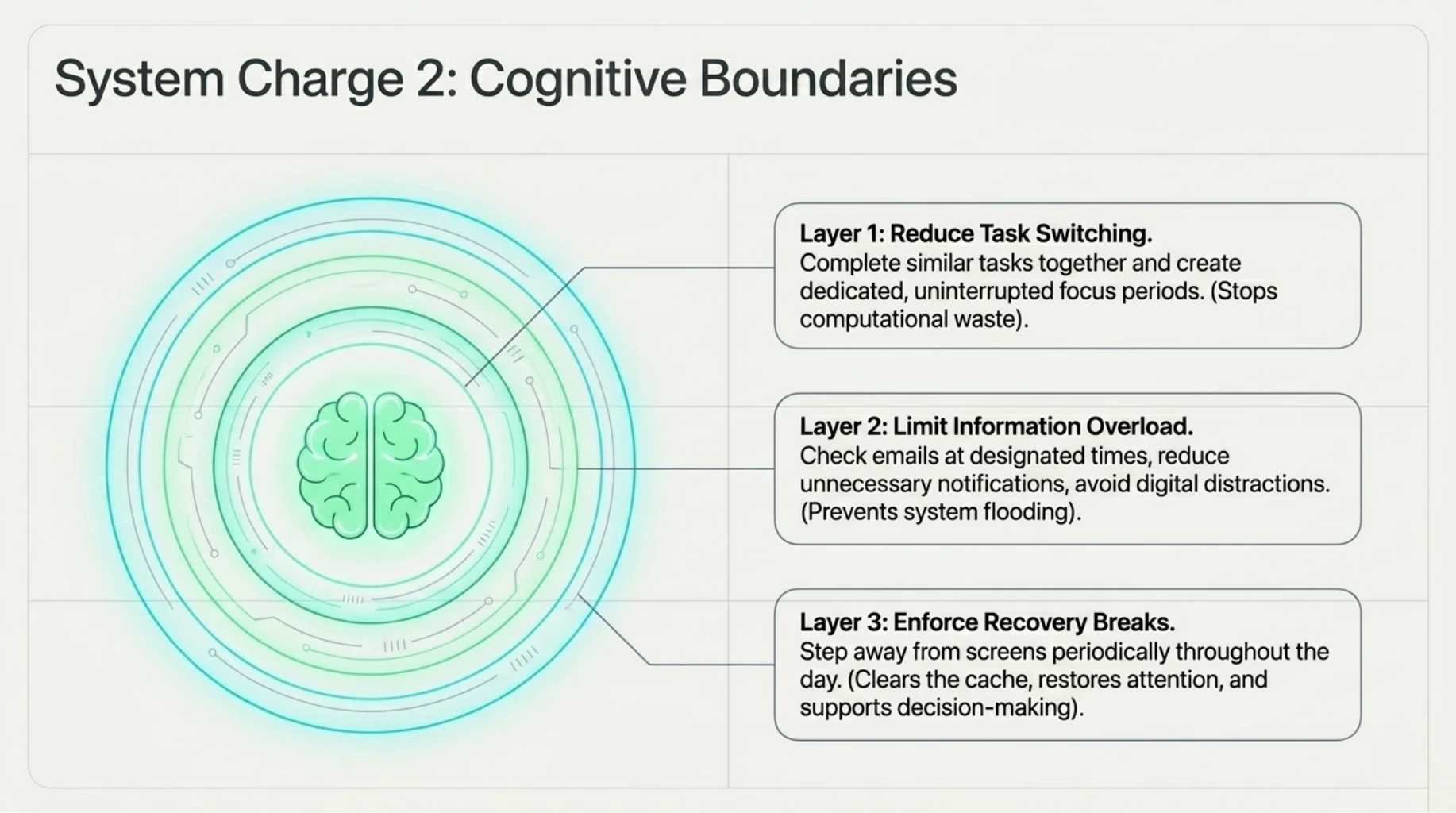
Reduce Continuous Task Switching
Multitasking often feels productive but frequently increases mental workload. Every time attention shifts from one task to another, the brain must expend additional cognitive energy.
Helpful strategies include:
- Completing similar tasks together
- Limiting unnecessary interruptions
- Reducing notification overload
- Creating dedicated focus periods
This allows the brain to work more efficiently and reduces cognitive exhaustion.
Take Short Recovery Breaks During the Day
Many professionals attempt to work continuously for long periods without meaningful breaks. However, mental performance often improves when the brain receives periodic recovery opportunities.
Short breaks can help:
- Restore attention
- Reduce mental overload
- Improve productivity
- Support decision-making
Even brief periods away from screens can help reduce cognitive strain.
Increase Physical Activity
Physical movement benefits the brain as much as it benefits the body.
Regular activity improves:
- Blood flow to the brain
- Stress regulation
- Mood balance
- Energy levels
- Cognitive performance
Simple habits such as walking during breaks, taking stairs, or engaging in regular exercise can significantly reduce mental fatigue over time.
This is particularly important for office workers who spend most of the day sitting.
Stabilize Blood Sugar Throughout the Day
The brain performs best when energy supply remains relatively stable. Highly processed foods, sugary snacks, and irregular meals often contribute to energy fluctuations that affect concentration and productivity.
Helpful strategies include:
- Regular meal timing
- Adequate protein intake
- Increasing fiber-rich foods
- Reducing excessive sugary foods
- Improving overall dietary quality
Stable energy levels often support better cognitive function and reduce afternoon energy crashes.
Manage Stress Before It Becomes Chronic
Stress itself is not always harmful. The problem develops when stress becomes continuous without adequate recovery.
Helpful stress-management strategies include:
- Regular physical activity
- Outdoor time
- Relaxation practices
- Healthy social interaction
- Better work-life boundaries
Reducing chronic stress often improves concentration, sleep quality, and emotional resilience simultaneously.
Limit Information Overload
Modern professionals are exposed to enormous amounts of information every day. While technology improves efficiency, excessive information consumption can overwhelm cognitive resources.
Helpful approaches include:
- Checking emails at designated times
- Reducing unnecessary notifications
- Prioritizing important tasks
- Avoiding excessive digital distractions
Creating a more focused work environment helps reduce cognitive burden and supports mental clarity.
Recognize Early Warning Signs of Mental Fatigue
Many individuals ignore early symptoms until productivity declines significantly.
Common warning signs include:
- Difficulty concentrating
- Frequent mistakes
- Brain fog
- Irritability
- Reduced motivation
- Mental exhaustion by evening
Recognizing these signs early allows corrective lifestyle changes before deeper burnout develops.
Long-Term Brain Performance Requires Recovery
High performance is not created by continuous effort alone.
The brain requires recovery periods to maintain:
- Focus
- Creativity
- Problem-solving ability
- Memory
- Productivity
Professionals who prioritize recovery often perform better over the long term than those who attempt to work continuously without rest.
Key Take-Home Messages
- Mental fatigue is increasingly common in modern work environments because of continuous cognitive demands
- Poor sleep, chronic stress, multitasking, and screen overload are major contributors
- Blood sugar instability and sedentary work patterns may worsen cognitive exhaustion
- Regular recovery breaks, movement, and better sleep support brain performance
- Long-term productivity depends as much on recovery as it does on effort
Final Thoughts
Understanding mental fatigue helps explain why many working adults feel exhausted despite performing little physical work. Modern work environments challenge the brain continuously through information overload, multitasking, decision-making, and constant digital engagement.
Without adequate recovery, cognitive resources gradually become depleted, leading to reduced concentration, lower productivity, emotional exhaustion, and declining wellbeing.
The earlier healthy recovery habits become part of daily life, the greater the long-term benefits for mental performance, productivity, stress resilience, and overall health.
If you want a personalized lifestyle and metabolic health assessment, you can book a consultation here:
Book an Appointment
Disclaimer: This article is for educational purposes only and should not replace medical advice. Individual treatment should be based on clinical evaluation.

Written by Dr. Pankaj Kumar
General & Lifestyle Physician in Dwarka Sector 6, New Delhi · MBBS, DNB (Family Medicine), DNHE · 16 years of experience.
About the doctor →Book a consultation → Beyond Blood Sugar
 The 90-Day Prediabetes Turnaround
 The Indian Diabetes Diet Reset
 Eat to Beat Gout
 Why Is My Hair Falling?
 The 30-Day Inflammation Reset