
Weight loss is often welcomed, particularly by someone who has previously struggled with excess weight. But when clothes become loose without a deliberate change in food intake, exercise or treatment, the change deserves attention.
Sudden weight loss without trying can be a symptom of an underlying medical problem. Diabetes, an overactive thyroid, digestive disease, infection, depression and other conditions can affect appetite, nutrient absorption or the way the body uses energy.
That does not mean every unexplained drop on the scale indicates serious disease. Weight also changes with hydration, bowel contents and the conditions under which it is measured. The important questions are how much weight has been lost, over what period, whether the trend is continuing and whether other symptoms are present.
This article focuses on unintentional weight loss in adults. It explains seven medical causes or groups of causes that may need evaluation, the warning symptoms that change the urgency, and what a useful assessment involves.
Do not automatically celebrate unexplained weight loss. If you are losing weight without trying, especially while becoming weaker, eating less or developing other symptoms, arrange a medical review. Being overweight at the start does not rule out illness or malnutrition.

What Counts as Sudden Weight Loss?
People use the word “sudden” differently. One person may notice a change over several days; another may discover that they have lost several kilograms over three months.
A rapid fall over a few days may largely reflect fluid loss, particularly during vomiting, diarrhea, dehydration or treatment that removes excess fluid. A persistent decline over weeks or months raises a different set of questions, including whether fat and muscle are being lost.
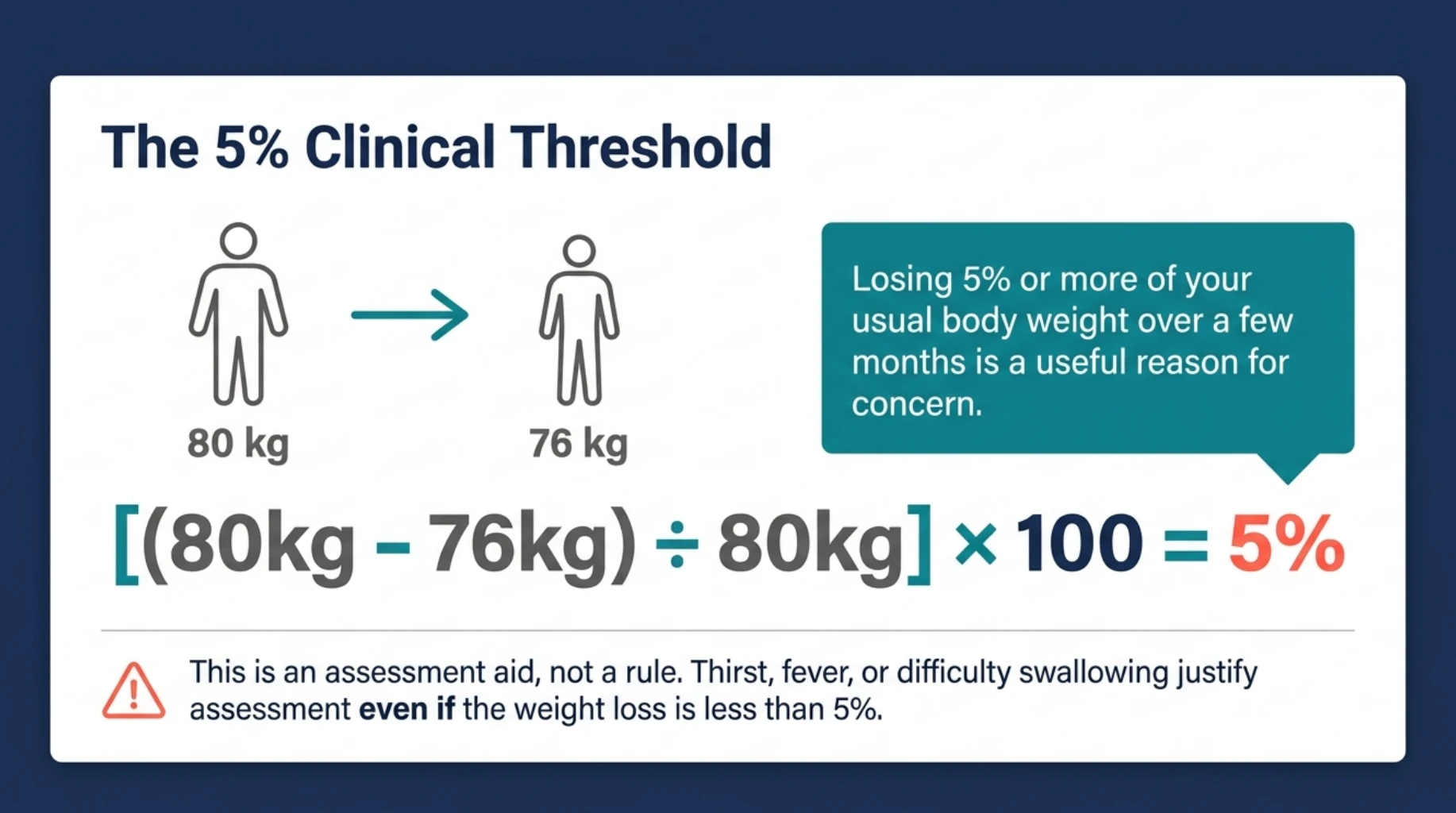
There is no single number below which unintentional weight loss is always harmless. Losing around 5% or more of your usual body weight over a few months is a useful reason for concern, but smaller losses can still matter when they are progressive or accompanied by symptoms.
How to Calculate the Percentage of Sudden Weight Loss
Subtract your current weight from your previous stable weight, divide the difference by your previous weight, and multiply by 100.
For example, a person whose weight falls from 80 kg to 76 kg has lost 4 kg, equivalent to 5% of their starting weight. At a starting weight of 60 kg, a loss of 3 kg represents the same percentage.
These examples are assessment aids, not instructions to wait until a threshold is reached. Thirst, frequent urination, persistent fever, difficulty swallowing or blood in the stool justify assessment even when the weight change is smaller.
When Does Sudden Weight Loss Need Urgent Care?
The accompanying symptoms often determine urgency more clearly than the number of kilograms lost.
Seek emergency assessment if weight loss occurs with confusion, fainting, severe breathlessness, significant bleeding, inability to keep fluids down or severe dehydration.
Particular concern arises when thirst and frequent urination are followed by vomiting, abdominal pain, deep or rapid breathing, or unusual drowsiness. This combination can occur in diabetic ketoacidosis, a medical emergency that may be the first presentation of diabetes.
Prompt medical review is also appropriate for continuing weight loss with persistent fever, night sweats, a prolonged cough, a new lump, jaundice, difficulty swallowing or a sustained change in bowel habits.
Cause 1: Diabetes With Significant Hyperglycemia
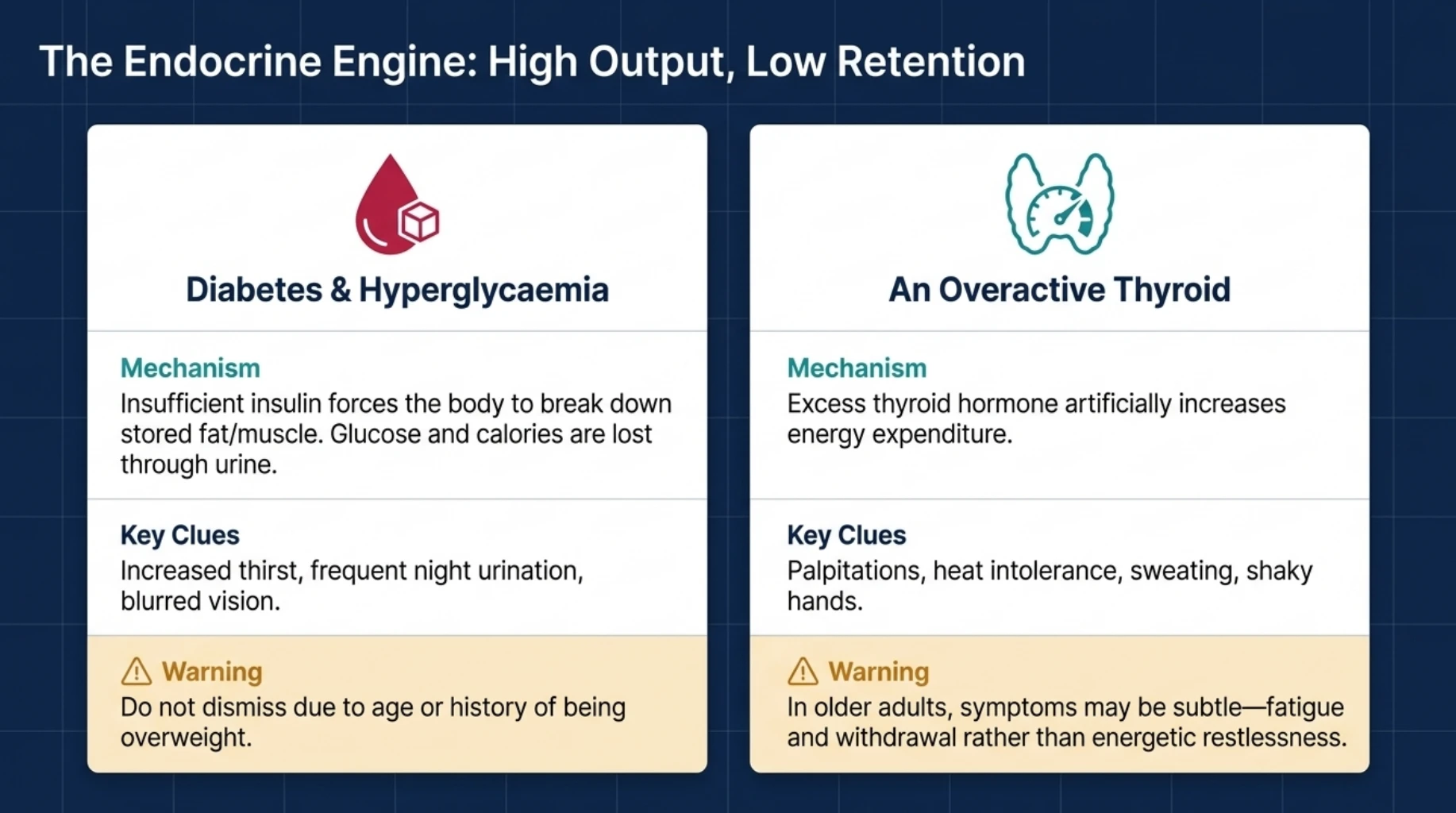
Diabetes can cause weight loss when blood glucose becomes markedly elevated, particularly when the body has insufficient effective insulin.
Glucose may be lost through the urine, carrying calories and water with it. When insulin deficiency is significant, the body also breaks down stored fat and muscle. The result can be weight loss despite continued eating or increased hunger.
Other clues include increased thirst, passing urine more frequently, waking repeatedly at night to urinate, tiredness and blurred vision. These symptoms warrant blood glucose assessment rather than assuming the weight change is beneficial.
Weight Loss With Thirst Should Not Wait for a Routine Checkup
If these symptoms are developing, seek prompt medical assessment. A doctor may check current blood glucose and, depending on the findings, ketones and other investigations. HbA1c can help assess longer-term glucose exposure, but an acutely unwell person needs immediate evaluation rather than waiting for a fasting appointment.
Diabetes-related weight loss can occur in adults as well as younger people. Age or a previous history of overweight should not be used to dismiss the possibility of clinically important insulin deficiency.
If vomiting, deep breathing, abdominal pain or drowsiness develops alongside thirst and frequent urination, go to the nearest emergency department.
Cause 2: An Overactive Thyroid
Hyperthyroidism occurs when the body has too much thyroid hormone. It can increase energy expenditure and cause weight loss even when appetite remains normal or increases.
Possible accompanying symptoms include palpitations, heat intolerance, sweating, shaky hands, sleep disturbance, more frequent bowel movements and muscle weakness.
Someone may notice that they are eating well but their weight is falling, their resting heartbeat feels unusually fast and ordinary activities leave their muscles tired. This pattern deserves thyroid assessment.
Older Adults May Have Less Obvious Thyroid Symptoms
Hyperthyroidism does not always produce an energetic or visibly restless appearance. Older adults may instead develop fatigue, reduced appetite or withdrawal from usual activities.
Testing commonly begins with TSH, followed by free T4 and sometimes T3 according to the result and clinical circumstances.
Excessive thyroid replacement can also contribute to symptoms. If you take levothyroxine, bring the dose and recent reports to your appointment. Do not independently stop or change treatment.
Cause 3: Digestive Disease and Poor Nutrient Absorption
Weight can fall when a person cannot eat enough comfortably, loses nutrients through persistent diarrhea or does not absorb food normally.
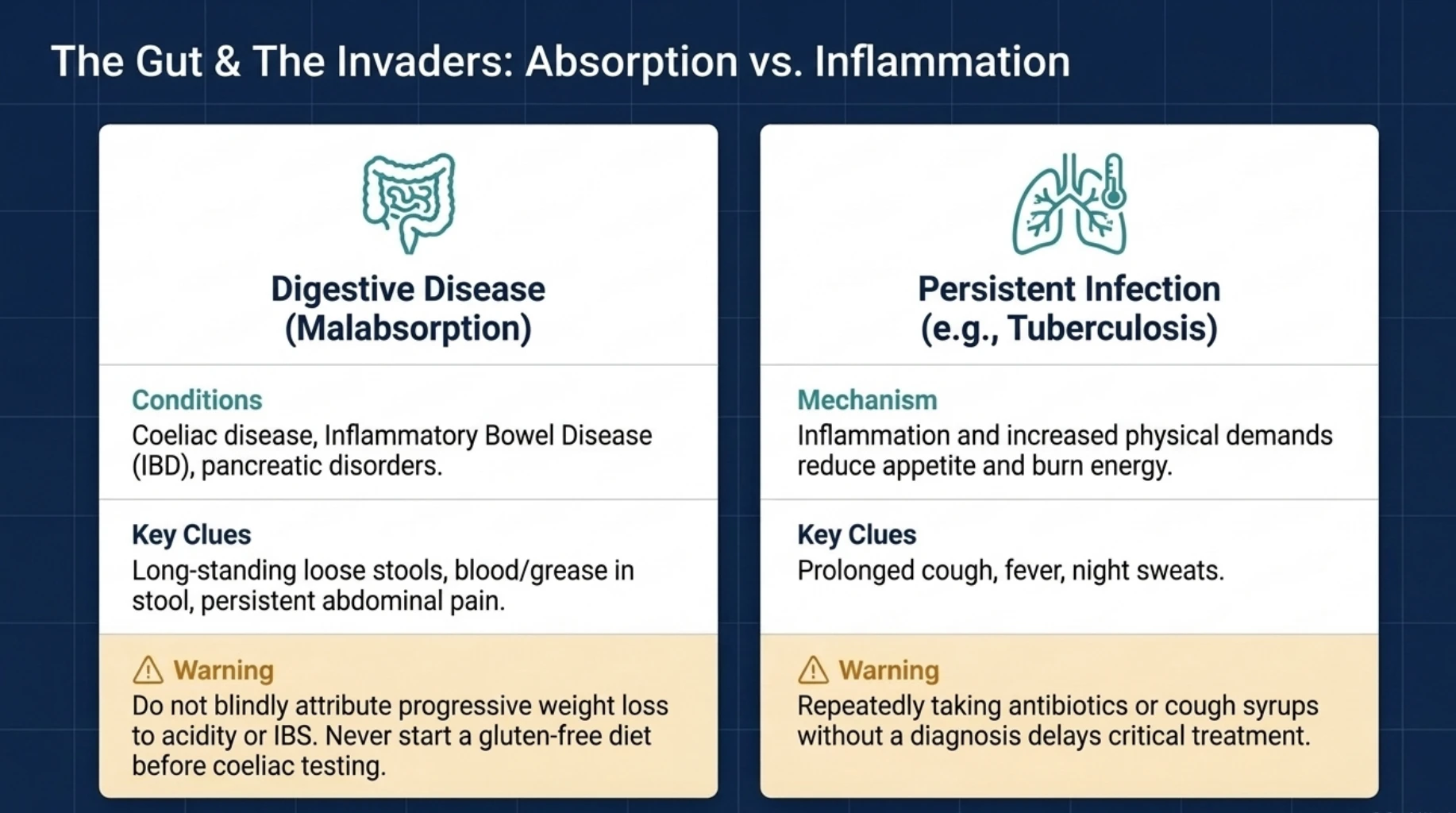
Possible explanations include coeliac disease, inflammatory bowel disease and disorders affecting pancreatic digestion. Persistent vomiting, swallowing difficulties and significant abdominal symptoms may reduce intake through other mechanisms.
The pattern helps guide the investigation. Long-standing loose stools, blood in the stool, greasy stools, persistent abdominal pain or symptoms of nutritional deficiency are relevant clues. They do not identify one diagnosis by themselves.
Do Not Attribute Progressive Weight Loss to “Acidity” or IBS Without Review
Common digestive symptoms are frequently managed with repeated antacids or dietary restrictions. However, progressive unintentional weight loss changes the assessment and should prompt reconsideration of the diagnosis.
If coeliac disease is suspected, discuss testing before starting a gluten-free diet. Removing gluten beforehand can make diagnostic tests less reliable.
Investigations may include selected blood tests, stool tests, endoscopy or specialist assessment. The choice depends on symptoms and examination; everyone with weight loss does not need every gastrointestinal test.
Cause 4: Persistent Infection, Including Tuberculosis
Persistent infections can reduce appetite and contribute to weight loss through inflammation and increased demands on the body.
In India, tuberculosis is an important possibility when unexplained weight loss accompanies a prolonged cough, fever, night sweats or relevant exposure. These symptoms need assessment, although none proves that TB is present.
TB commonly affects the lungs, but it can involve other parts of the body. The absence of a cough therefore does not exclude every form of the disease.
Weight Loss With Fever Needs a Diagnosis
Repeatedly taking antibiotics, cough medicines or appetite tonics can delay identification of the underlying condition. Evaluation may involve examination, chest imaging and appropriate diagnostic samples, depending on the suspected infection.
Tell your doctor about symptom duration, previous TB treatment, contact with someone with TB and medicines that suppress immunity. Other infections may also need consideration according to exposure and clinical findings.
A prolonged cough, persistent fever and unexplained weight loss should be assessed early rather than watched indefinitely.
Cause 5: Depression and Other Conditions That Reduce Food Intake
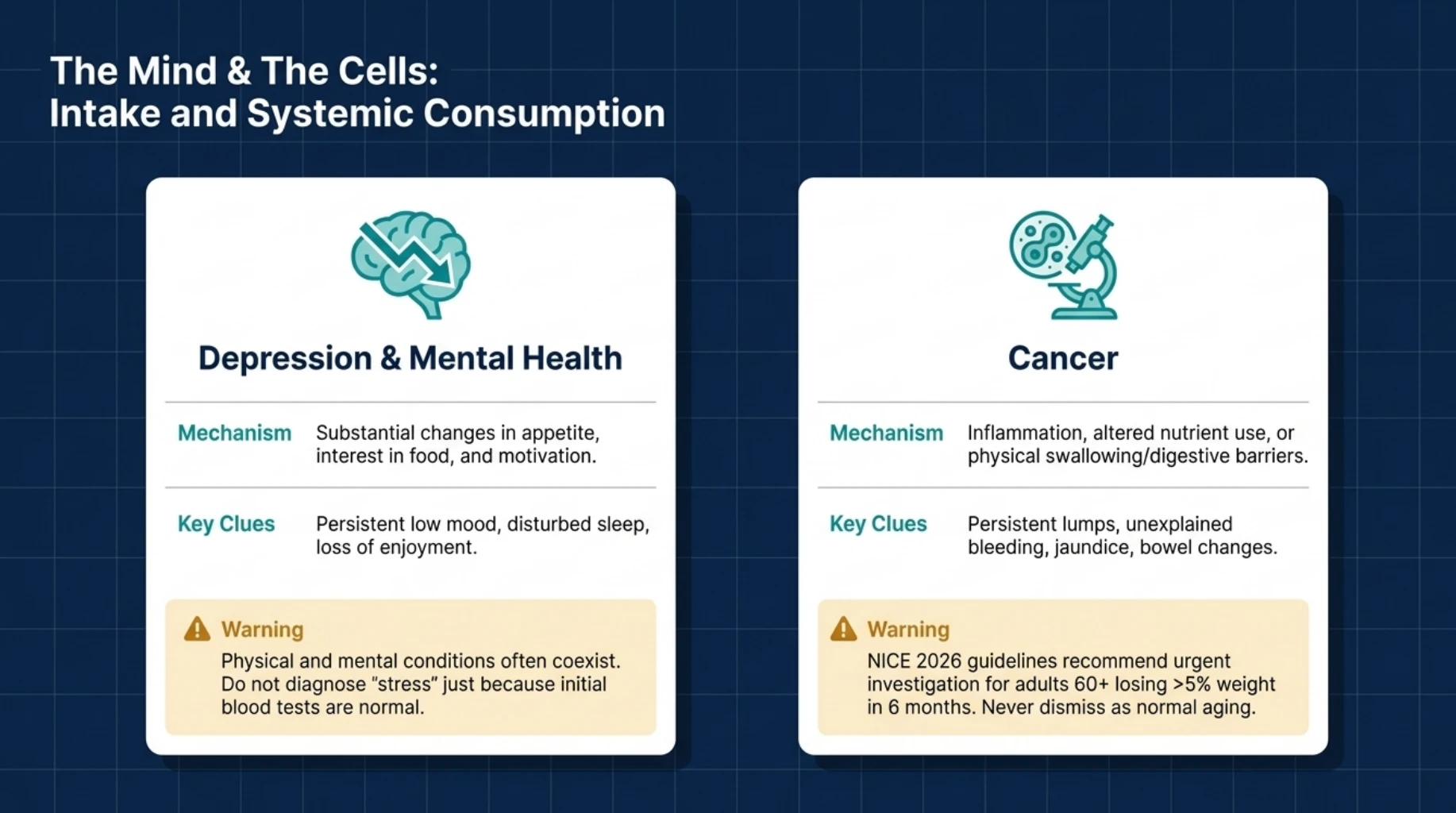
Depression can cause substantial changes in appetite, interest in food and day-to-day functioning. Some people eat more; others lose interest in meals and gradually lose weight.
Accompanying features may include persistent low mood, loss of enjoyment, disturbed sleep, poor concentration and reduced motivation. A person may describe physical symptoms before recognizing a change in mood.
Anxiety, bereavement and eating disorders can also affect intake. These possibilities deserve respectful assessment rather than an assumption that the person simply needs to “try harder” to eat.
Do Not Diagnose Stress Solely Because Initial Blood Tests Are Normal
Mental and physical conditions can coexist. A person with depression may also have diabetes, digestive disease or another condition contributing to weight loss.
Discuss mood, sleep, appetite and recent life events openly during the consultation. At the same time, persistent or progressive weight loss should receive appropriate physical assessment.
Problems obtaining or preparing food, social isolation and difficulty chewing or swallowing may also reduce intake, especially in older adults. These practical barriers need attention alongside any medical diagnosis.
Cause 6: Cancer
Cancer is one possible cause of unexplained weight loss, but weight loss alone cannot establish that diagnosis. Many other conditions can produce the same symptom.
Depending on the disease, weight may fall because of reduced appetite, swallowing or digestive difficulties, inflammation or changes in the body’s use of nutrients.
Concern increases when weight loss occurs with additional findings such as a persistent lump, unexplained bleeding, difficulty swallowing, jaundice, ongoing abdominal symptoms or a persistent change in bowel habits.
Age and Associated Symptoms Affect the Urgency of Investigation
The 2026 update to NICE guidance recommends urgent investigation or an appropriate referral pathway for people aged 60 and over with unexplained weight loss exceeding 5% within six months, after assessment for additional clues.
This is UK guidance rather than an Indian referral rule, but it supports an important clinical principle: substantial unexplained weight loss in an older adult should not be dismissed as normal ageing.
Younger adults also need assessment when symptoms are concerning. Do not wait for a particular age or percentage if there is progressive deterioration.
A doctor may select imaging, endoscopy or other investigations according to the findings. Broad tumor-marker panels are not a substitute for this assessment, and normal routine blood tests do not exclude every cancer.
Cause 7: Advanced Chronic Disease and Associated Muscle Loss
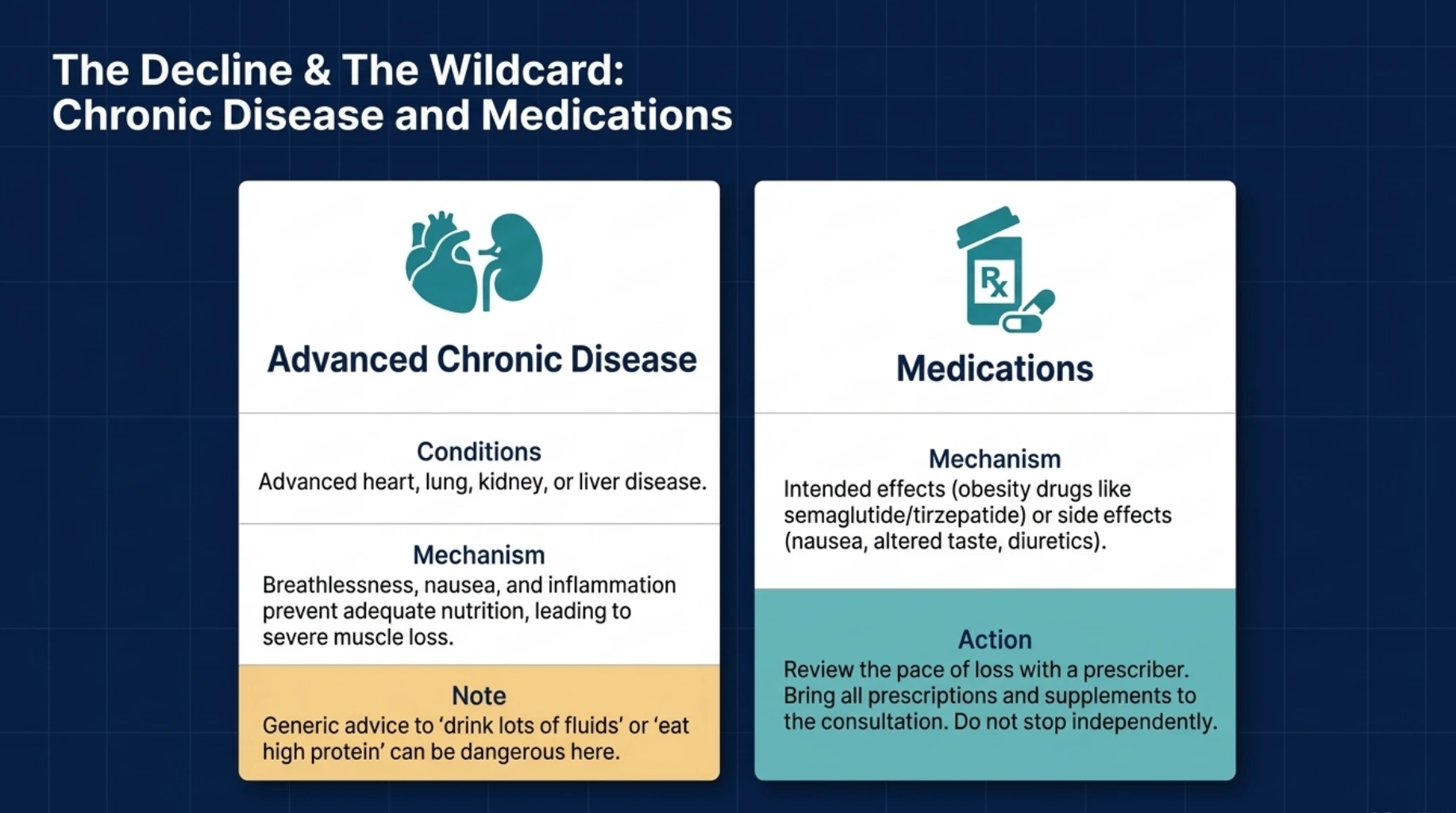
Advanced heart, lung, kidney or liver disease can contribute to unintentional weight loss. Reduced appetite, nausea, breathlessness, fatigue, inflammation and difficulty meeting nutritional needs may all play a part.
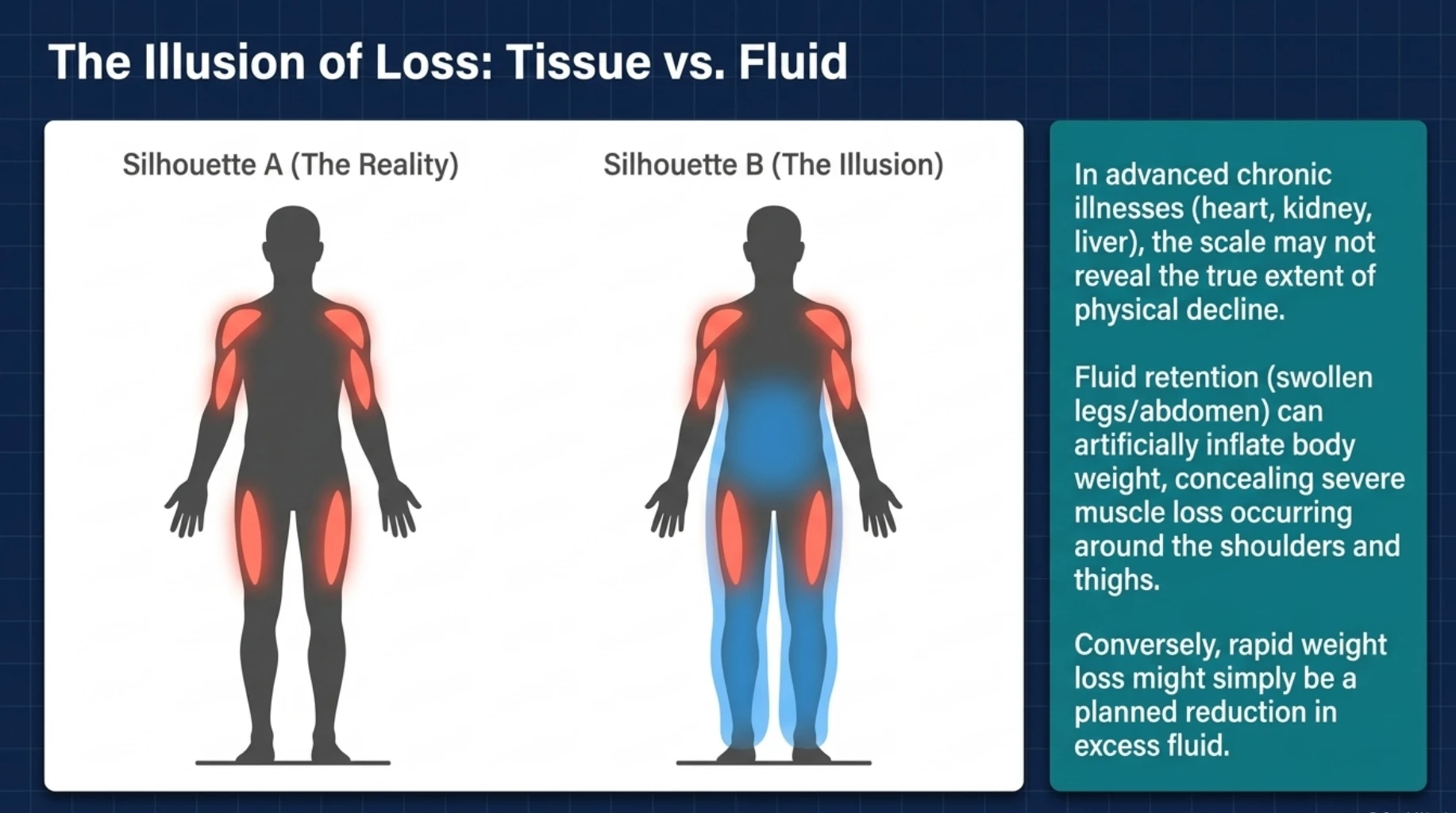
In some chronic illnesses, loss of muscle and physical function becomes particularly important. The scale may not reveal the full extent of this change because fluid retention can partly conceal tissue loss.
For example, someone may have swollen legs while becoming weaker and losing muscle around the shoulders or thighs. Conversely, a rapid fall in weight after treatment that removes excess fluid may represent a planned improvement in fluid balance.
Interpret Weight Changes Alongside Symptoms and Treatment
People with known chronic disease should report an unexpected downward weight trend, reduced appetite or declining strength to their treating doctor.
Nutrition advice must fit the condition. Generic instructions to drink large volumes of fluid or take high-protein supplements may be inappropriate for some people with advanced kidney, heart or liver disease.
The priority is to assess disease control, nutritional intake, muscle function and fluid status together.
Could Medicines Explain Sudden Weight Loss?
Medicines are another important consideration, even though they do not form a separate disease category in this list.
Weight reduction may be an intended effect of prescribed obesity treatment. Other medicines can reduce appetite, cause nausea or diarrhea, alter taste or remove excess fluid. The timing of a new prescription or dose increase is therefore useful information.
If you are taking semaglutide, tirzepatide or another weight-management medicine, the expected pace and tolerability of weight loss should be reviewed with the prescriber. Persistent vomiting, inability to eat adequately, dehydration or marked weakness needs assessment.
A medicine-associated explanation should not automatically close the investigation when symptoms are atypical or weight loss continues beyond expectations. Bring all prescription medicines, supplements and non-prescription products to the consultation.
Do not stop treatment independently or use someone else’s appetite stimulant to counteract the change.
How Does a Doctor Investigate Sudden Weight Loss?
The first task is to establish the actual trend. Previous clinic records, home measurements and changes in clothing size can help determine when weight began falling.
The consultation then explores appetite, swallowing, bowel habits, thirst, urine frequency, fever, pain, sleep, mood, activity and medication changes. Examination may identify dehydration, thyroid findings, enlarged lymph nodes, abdominal abnormalities, muscle loss or other clues.
The following examples show how symptom patterns can guide investigation. They are not a self-diagnosis checklist or a standard test package.
| Weight loss with | Possible concern | Assessment that may be considered |
|---|---|---|
| Thirst, frequent urination or blurred vision | Significant hyperglycemia or diabetes | Prompt glucose testing; ketones and further assessment if indicated |
| Palpitations, sweating, heat intolerance or tremor | Hyperthyroidism | TSH and appropriate thyroid hormone tests |
| Persistent diarrhea, abdominal pain or abnormal stools | Digestive disease or malabsorption | Selected blood and stool tests; specialist investigations when indicated |
| Prolonged cough, fever or night sweats | TB or another persistent illness | Chest assessment and targeted diagnostic testing |
| Low mood, loss of interest or markedly reduced intake | Depression or another contributor to undernutrition | Physical, nutritional and mental-health assessment |
| Bleeding, a persistent lump, jaundice or swallowing difficulty | A condition requiring urgent investigation | Targeted imaging, endoscopy or specialist referral |
| Known chronic disease and declining strength | Disease progression, undernutrition or muscle loss | Review of disease control, nutrition, medicines and fluid balance |
Which Blood Tests Are Usually Considered?
Depending on the history and examination, initial investigations may include a complete blood count, glucose or HbA1c, thyroid function, kidney function, electrolytes, liver tests and selected inflammatory markers. Urine testing may also be relevant.
Further investigations should follow the clinical question. Iron studies, coeliac testing, stool investigations, infection testing or imaging may be appropriate in particular circumstances.
There is no single blood test that explains every case of sudden weight loss. Equally, ordering every available test at once can create confusing incidental findings without addressing the most likely cause.
What If the First Tests Are Normal?
Normal initial results can be reassuring, but they need to be interpreted alongside the weight trend and symptoms.
If weight stabilizes and the assessment is reassuring, a doctor may arrange monitoring. If weight continues to fall, appetite remains poor or new symptoms develop, reassessment is necessary.
A clear follow-up plan matters. It should establish when weight will be checked again and which changes should prompt an earlier review.
What Should You Do While Waiting for Assessment?
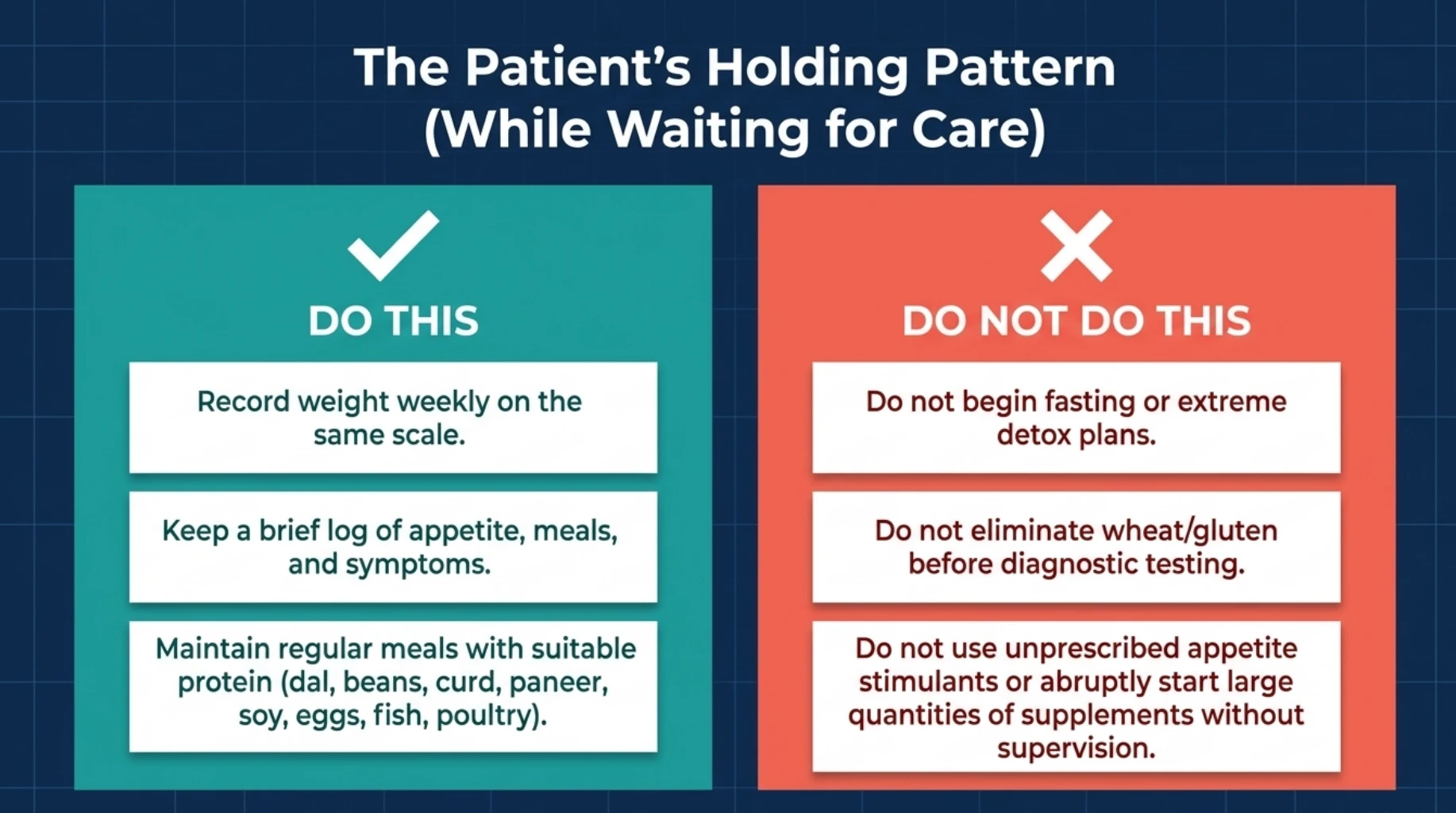
Record your weight approximately once a week using the same scale under similar conditions. If the change is rapid or you are unwell, seek assessment rather than spending additional time collecting measurements.
Keep a brief record of appetite, meals and accompanying symptoms. Include swallowing problems, vomiting, stool changes, thirst, fever, pain and recent medication changes.
If eating is comfortable, maintain regular meals and include suitable protein sources such as dal, beans, curd, paneer, soy, eggs, fish or poultry according to your preferences and medical needs. Smaller, more frequent meals may be easier when appetite is reduced.
Do not begin fasting, a detox plan or an increasingly restrictive diet while investigating unintentional weight loss. Avoid automatically eliminating wheat or multiple food groups before discussing whether diagnostic testing is needed.
Nutrition support can be useful, but it should accompany investigation of the cause. If you have eaten very little for several days, are markedly underweight or have lost substantial weight, seek supervised nutritional advice rather than abruptly starting large quantities of supplements.
Frequently Asked Questions About Sudden Weight Loss
How much unintentional weight loss should concern me?
A loss of around 5% or more of your usual weight over a few months is clinically important. However, continuing smaller losses or weight loss with warning symptoms also needs assessment. Do not wait to reach a numerical threshold if you feel unwell.
Does sudden weight loss always mean cancer?
No. Diabetes, hyperthyroidism, digestive disease, infection, depression, medicine effects and other conditions can cause weight loss. Cancer is one possibility that a doctor considers according to age, symptoms, examination and test results.
Why am I losing weight despite eating normally?
Possible explanations include significant hyperglycemia, hyperthyroidism, poor nutrient absorption or another illness. Sometimes intake has changed without being obvious. The associated symptoms and measured trend help guide assessment.
Can diabetes cause weight loss before diagnosis?
Yes. Weight loss can occur before diabetes is diagnosed, particularly when insulin deficiency is substantial. Thirst, frequent urination, tiredness and blurred vision are important clues. Vomiting, deep breathing or drowsiness requires emergency assessment.
Is weight loss normal as people get older?
Unintentional weight loss should not automatically be accepted as normal ageing. Older adults may have medical, nutritional, dental, swallowing, medication or social factors that need attention.
Should I take an appetite stimulant or weight-gain supplement?
Do not use an appetite stimulant without assessment. Supplements may help selected people meet nutritional needs, but they do not identify or treat the underlying cause. The choice should account for diabetes, kidney disease, swallowing difficulties and other conditions.
Which doctor should I see first?
A general physician or family physician is usually an appropriate starting point for stable, unexplained weight loss. They can assess the symptom pattern, organize initial investigations and arrange specialist referral when needed. Emergency symptoms require hospital assessment.
Sudden Weight Loss Assessment in Dwarka
Unexplained weight loss is best assessed through a careful medical history, examination and targeted investigations. The aim is to establish whether the change reflects diabetes, thyroid disease, reduced nutrition, infection, digestive illness or another condition.
Dr. Pankaj Kumar, General & Lifestyle Physician, provides assessment of unexplained weight changes and related medical symptoms at Kalpataru Multispeciality Clinic, Sector 6, Dwarka, New Delhi. Specialist referral is arranged when the clinical findings require it.
Losing weight without trying?
Bring previous reports, your medication list and any available weight records to your consultation.
Book an Appointment
WhatsApp for Appointment
In front of Dhanwantari Labs, Doctors Lane, Pocket 2, Sector 6, Dwarka, New Delhi.
About the Author
Dr. Pankaj Kumar
MBBS, DNB Family Medicine, DNHE
General & Lifestyle Physician
Dr. Pankaj Kumar is the founder of Diet Plus Minus and leads the Lifestyle Modification Program at Kalpataru Multispeciality Clinic, Dwarka. His clinical interests include general medical care, diabetes, obesity, thyroid concerns, fatty liver and related metabolic disorders.
Medical Disclaimer
This article provides general information for adults and does not replace an individual medical consultation, examination or treatment plan. The causes discussed are not exhaustive. Do not self-diagnose, stop prescribed medicines or start treatment based only on weight change. Severe or rapidly worsening symptoms require urgent assessment at the nearest hospital.
References
References include updated clinical guidance and current official patient resources. Where an original publication or update date is not clearly established, no recent publication date has been assumed.
- National Institute for Health and Care Excellence. Suspected cancer: recognition and referral. NG12. Non-site-specific symptoms, recommendation 1.13.2, updated 2026. Read the guidance.
- World Health Organization. Tuberculosis. Fact sheet. 2026. Read the fact sheet.
- Centers for Disease Control and Prevention. Symptoms of Diabetes. 2024. Read the resource.
- Centers for Disease Control and Prevention. Diabetic Ketoacidosis. 2024. Read the resource.
- National Institute of Diabetes and Digestive and Kidney Diseases. Hyperthyroidism (Overactive Thyroid). Read the resource.
- National Institute of Diabetes and Digestive and Kidney Diseases. Diagnosis of Celiac Disease. Read the resource.
- National Institute of Mental Health. Depression. Read the resource.
- NHS. Unintentional weight loss. Read the resource.
- NHS. Malnutrition: symptoms. Read the resource.

Written by Dr. Pankaj Kumar
General & Lifestyle Physician in Dwarka Sector 6, New Delhi · MBBS, DNB (Family Medicine), DNHE · 16 years of experience.
About the doctor →Book a consultation → Beyond Blood Sugar
 The 90-Day Prediabetes Turnaround
 The Indian Diabetes Diet Reset
 Eat to Beat Gout
 Why Is My Hair Falling?
 The 30-Day Inflammation Reset