Feeling tired after several late nights, a demanding week or an illness is common. Persistent fatigue is different. When low energy continues for weeks, affects work or exercise, or does not improve despite adequate sleep and rest, it deserves a closer look.
Fatigue is a symptom rather than a diagnosis. It can result from anemia, thyroid disease, poor-quality sleep, abnormal blood sugar, vitamin deficiency, kidney disease, heart or lung problems, depression or a prolonged response after infection. Lifestyle factors and medicines can contribute as well. Primary-care guidance therefore recommends using the history and examination to guide testing rather than ordering every possible blood test at once.
The aim is not to medicalize every period of tiredness. It is to recognize when ongoing fatigue has become sufficiently persistent or disruptive that an underlying condition should be considered.

When Should Persistent Tiredness Be Checked?
Arrange a medical consultation if tiredness has continued for several weeks without an obvious explanation, is interfering with normal daily activities, or occurs with symptoms such as unexplained weight loss, mood change or disturbed breathing during sleep. NHS guidance specifically recommends medical review when unexplained tiredness persists for a few weeks or begins affecting everyday life.
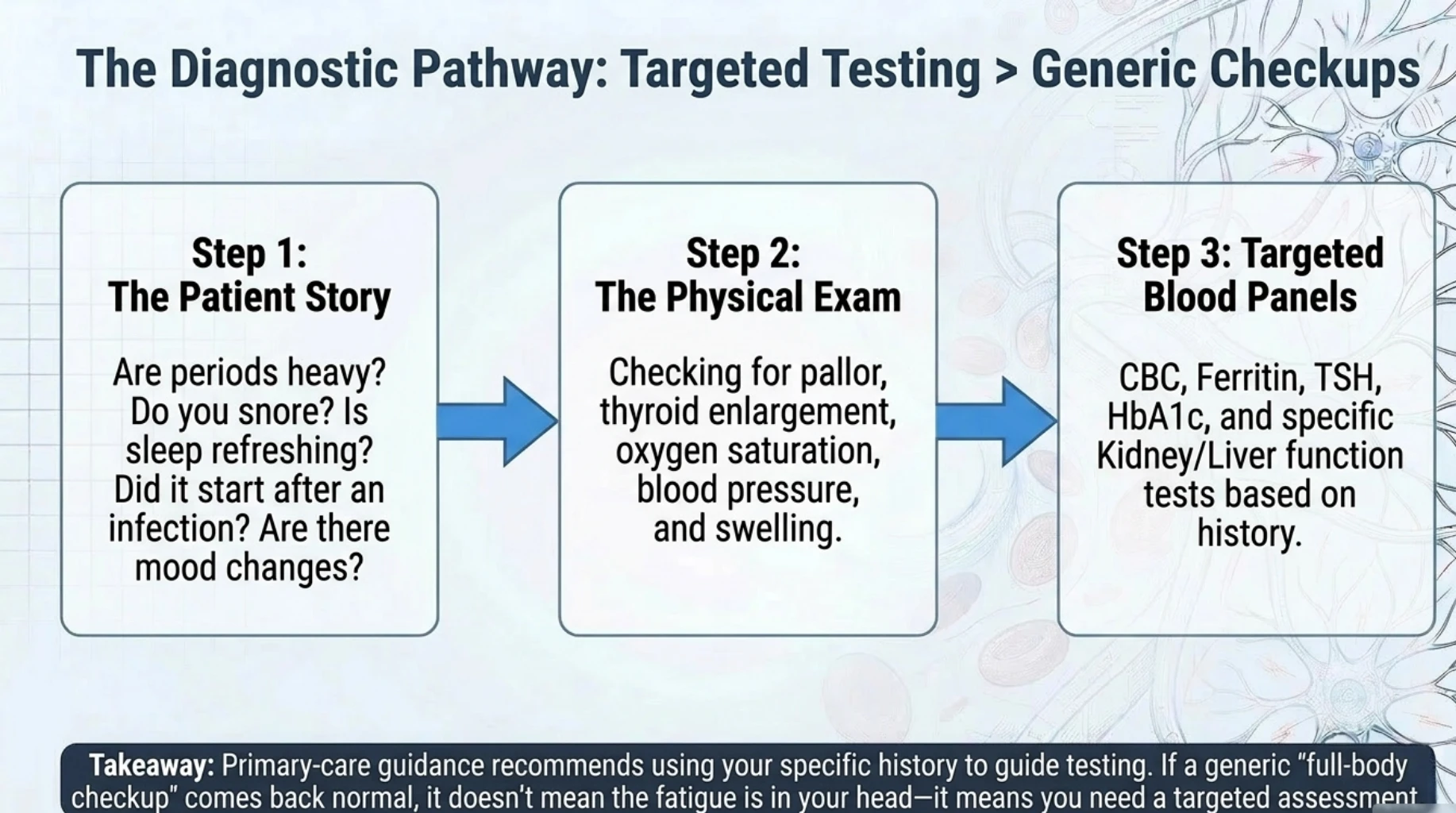
The correct evaluation depends on your symptoms. Not everyone needs thyroid tests, vitamin panels, cortisol levels and scans. A targeted assessment is more useful than a generic “full-body checkup.”
Why Persistent Fatigue Needs More Than More Sleep
Fatigue and sleepiness are related but not identical.
Sleepiness means you are struggling to remain awake and may doze off when sitting quietly. Fatigue is more often experienced as reduced physical or mental energy, heaviness, poor stamina or difficulty completing ordinary tasks.
Someone can sleep for eight hours and still feel fatigued because sleep quality is poor, anemia is reducing oxygen delivery, thyroid function is low or another illness is affecting energy production.
Likewise, a person sleeping only five hours because of work pressure may have a clear lifestyle explanation and may not need extensive medical testing immediately.
The first useful question is therefore not simply, “How many hours do you sleep?” A doctor may also ask whether sleep is refreshing, whether you snore, whether fatigue is worse on exertion, whether there is weight change, bleeding, breathlessness, fever, low mood or a recent infection. A structured history and examination usually determine which investigations are worthwhile.

Persistent Fatigue Versus Normal Tiredness
Normal tiredness generally improves when the triggering problem improves. After a few nights of adequate sleep, reduced workload or recovery from a short illness, energy starts returning.
Persistent fatigue becomes more concerning when:
- it continues despite adequate opportunity for sleep
- normal activities require much more effort than before
- exercise tolerance is falling
- concentration or memory is affected
- you wake feeling unrefreshed most mornings
- other symptoms are developing
- the fatigue has no clear explanation
- work, driving or daily responsibilities are becoming difficult
NHS guidance describes fatigue that is overwhelming and not relieved by ordinary rest or sleep as potentially requiring assessment for an underlying condition.
When Persistent Fatigue Needs Prompt Medical Attention
Fatigue alone is rarely an emergency. The accompanying symptoms determine urgency.
Seek prompt or urgent assessment when fatigue occurs with:
- new or worsening breathlessness
- chest pain or pressure
- fainting or near-fainting
- black stools or vomiting blood
- persistent high fever
- unexplained significant weight loss
- severe weakness that is rapidly progressing
- confusion or altered alertness
- marked swelling of the feet or legs
- very little urine
- new neurological weakness
- persistent vomiting or dehydration
Heart disease, severe anemia, significant kidney dysfunction and other systemic illnesses can cause fatigue together with breathlessness, dizziness or reduced exercise tolerance. For example, heart failure can produce tiredness along with breathlessness and fluid accumulation in the lower body.
The purpose of these warning signs is not to suggest that common fatigue is dangerous. They identify situations where waiting for routine self-care is inappropriate.
Cause 1: Anemia and Iron Deficiency
Anemia is one of the first medical causes worth considering when fatigue is accompanied by weakness, dizziness, headache, breathlessness or palpitations.
Hemoglobin in red blood cells carries oxygen from the lungs to the tissues. When there are too few healthy red blood cells or too little hemoglobin, oxygen delivery falls and ordinary activities may feel more tiring. NHLBI lists tiredness, weakness, breathlessness, headache and dizziness among common symptoms of anemia.
Iron deficiency is a common cause, but anemia has many possible explanations. These include:
- menstrual blood loss
- gastrointestinal bleeding
- low iron intake
- pregnancy
- vitamin B12 or folate deficiency
- chronic kidney disease
- chronic inflammation
- inherited blood disorders
A complete blood count is usually the starting test. Ferritin and other iron studies may then help determine whether iron deficiency is present.
Do not automatically start iron tablets simply because you feel tired. Excess iron can be harmful, and iron-deficiency anemia should prompt consideration of why iron has become deficient. NHLBI advises that iron treatment is appropriate for iron deficiency but that excessive iron can damage organs.
Heavy Periods and Hidden Blood Loss
In women who menstruate, heavy or prolonged periods are an important cause of iron deficiency. A person may gradually adapt to chronic blood loss and notice fatigue, reduced exercise capacity or hair shedding before recognizing how much energy has changed.
In adults without menstrual blood loss, unexplained iron-deficiency anemia may require assessment for gastrointestinal bleeding or another underlying cause rather than repeated supplementation alone.
Warning symptoms such as black stools, visible blood in stool, vomiting blood or fainting require prompt medical attention.

Cause 2: Hypothyroidism
Hypothyroidism occurs when the thyroid gland does not produce enough thyroid hormone. Because thyroid hormone helps regulate how the body uses energy, reduced thyroid function can cause tiredness and a general slowing of bodily processes.
Possible accompanying symptoms include:
- feeling unusually cold
- constipation
- dry skin
- gradual weight gain
- muscle aches or weakness
- menstrual changes
- slower thinking
- low mood
These symptoms overlap with many other conditions. Fatigue plus weight gain does not prove that the thyroid is responsible.
TSH is commonly used as the initial thyroid test, with free T4 or other tests added according to the result and clinical situation. Thyroid testing is particularly reasonable when fatigue occurs with compatible symptoms, known thyroid disease, pregnancy-related concerns or a previous abnormal TSH.
Do not start thyroid hormone based on symptoms alone, and do not increase levothyroxine simply because energy remains low. Both inadequate and excessive replacement can cause problems.
Persistent Fatigue With Weight Gain and Cold Intolerance
The combination of persistent fatigue, increasing weight, constipation and cold intolerance raises the possibility of hypothyroidism, but it remains nonspecific.
For example, poor sleep and reduced activity can cause both tiredness and weight gain. Perimenopause, depression and some medicines can produce a similar pattern.
The value of thyroid testing is therefore to confirm or exclude thyroid dysfunction rather than treating symptoms empirically. NIDDK notes that thyroid hormones influence energy use throughout the body, which explains why hypothyroidism can affect multiple organ systems.

Cause 3: Poor-Quality Sleep and Sleep Apnea
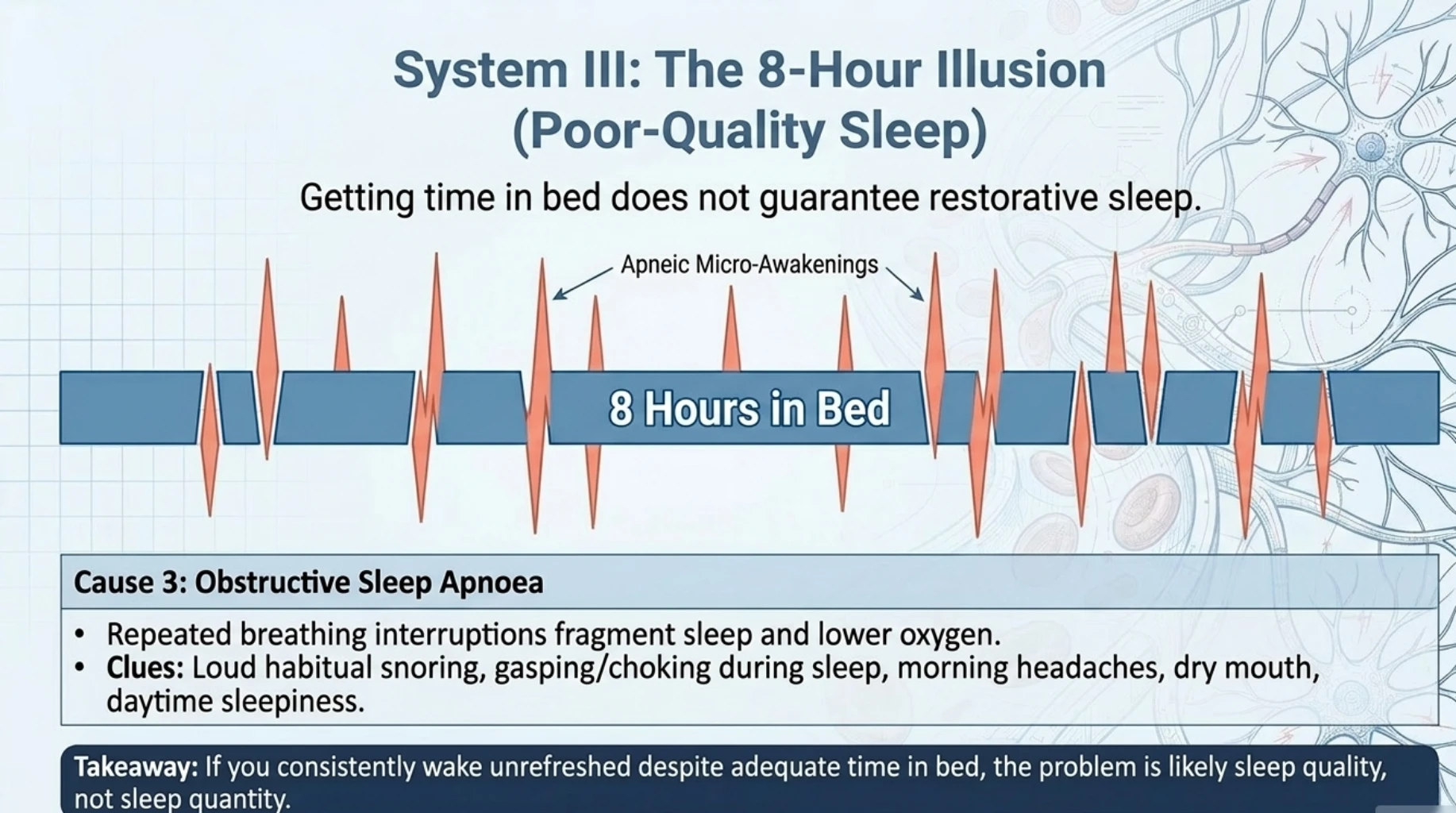
Getting seven or eight hours in bed does not guarantee restorative sleep.
Obstructive sleep apnea causes repeated interruptions in breathing during sleep. These episodes fragment sleep and may lower oxygen levels, leaving the person tired or sleepy during the day despite spending enough hours in bed. NHLBI lists daytime sleepiness, tiredness, impaired concentration and fatigue among recognized sleep-apnea symptoms.
Clues include:
- loud habitual snoring
- gasping or choking during sleep
- witnessed breathing pauses
- morning headache
- dry mouth on waking
- repeated night-time urination
- daytime sleepiness
- poor concentration
- falling asleep unintentionally
Sleep apnea is particularly important when fatigue coexists with obesity, high blood pressure or a large neck circumference, although people without obesity can also develop the condition.
Persistent insomnia and frequent night waking can produce a similar daytime problem. CDC guidance emphasizes that healthy sleep depends on quality as well as duration; feeling tired despite apparently adequate hours can indicate poor sleep quality.
Fatigue Despite Sleeping Seven or Eight Hours
If you consistently wake unrefreshed despite adequate time in bed, the problem may be sleep quality rather than sleep quantity.
Ask a partner whether you snore loudly, stop breathing or make choking noises at night. Review alcohol intake, shift work, restless legs, frequent urination and medicines that may disturb sleep.
A sleep study may be recommended when the history suggests obstructive sleep apnea or another sleep disorder. It is not required for every person with fatigue.
Cause 4: Diabetes and Abnormal Blood Sugar
Diabetes can cause fatigue, particularly when glucose remains significantly elevated.
Glucose is an important fuel, but high blood sugar does not mean that tissues are using that energy normally. Dehydration from frequent urination and the metabolic effects of poorly controlled diabetes can contribute to tiredness.
Other possible clues include:
- increased thirst
- frequent urination
- increased hunger
- blurred vision
- recurrent urinary or genital infections
- unexplained weight loss
The CDC lists fatigue among recognized symptoms of both type 1 and type 2 diabetes.
However, type 2 diabetes can remain asymptomatic for a long time. Fatigue alone is not a reliable way to diagnose it.
A fasting plasma glucose or HbA1c may be appropriate when fatigue occurs with diabetes risk factors, symptoms of high glucose, previous borderline reports or metabolic conditions such as obesity and fatty liver.
People already taking glucose-lowering medicines should also consider low blood sugar when episodes of weakness, sweating, trembling, dizziness or confusion occur, particularly around missed meals or exercise.
Cause 5: Vitamin B12 or Folate Deficiency
Vitamin B12 and folate are required for healthy blood-cell production, while vitamin B12 is also essential for normal nervous-system function.
Deficiency can cause:
- fatigue
- weakness
- breathlessness
- headache
- poor concentration
- sore tongue
- mouth ulcers
Vitamin B12 deficiency may additionally cause pins and needles, numbness, balance problems or memory changes—even before obvious anemia develops. NHS guidance notes that neurological symptoms can occur with B12 deficiency and may occasionally become irreversible if deficiency remains untreated.
Risk may be higher in people with impaired absorption, pernicious anemia, certain gastrointestinal conditions or some long-term medication use. Dietary intake can also matter, particularly when animal-source foods are very limited and the diet is not appropriately supplemented.
Vitamin B12 testing should therefore be targeted rather than added automatically to every fatigue panel.
An important practical point for Indian vegetarian patients is that tiredness should not automatically be labelled “B12 deficiency” simply because the diet is vegetarian. The diagnosis still requires appropriate clinical assessment and testing.
Cause 6: Kidney Disease
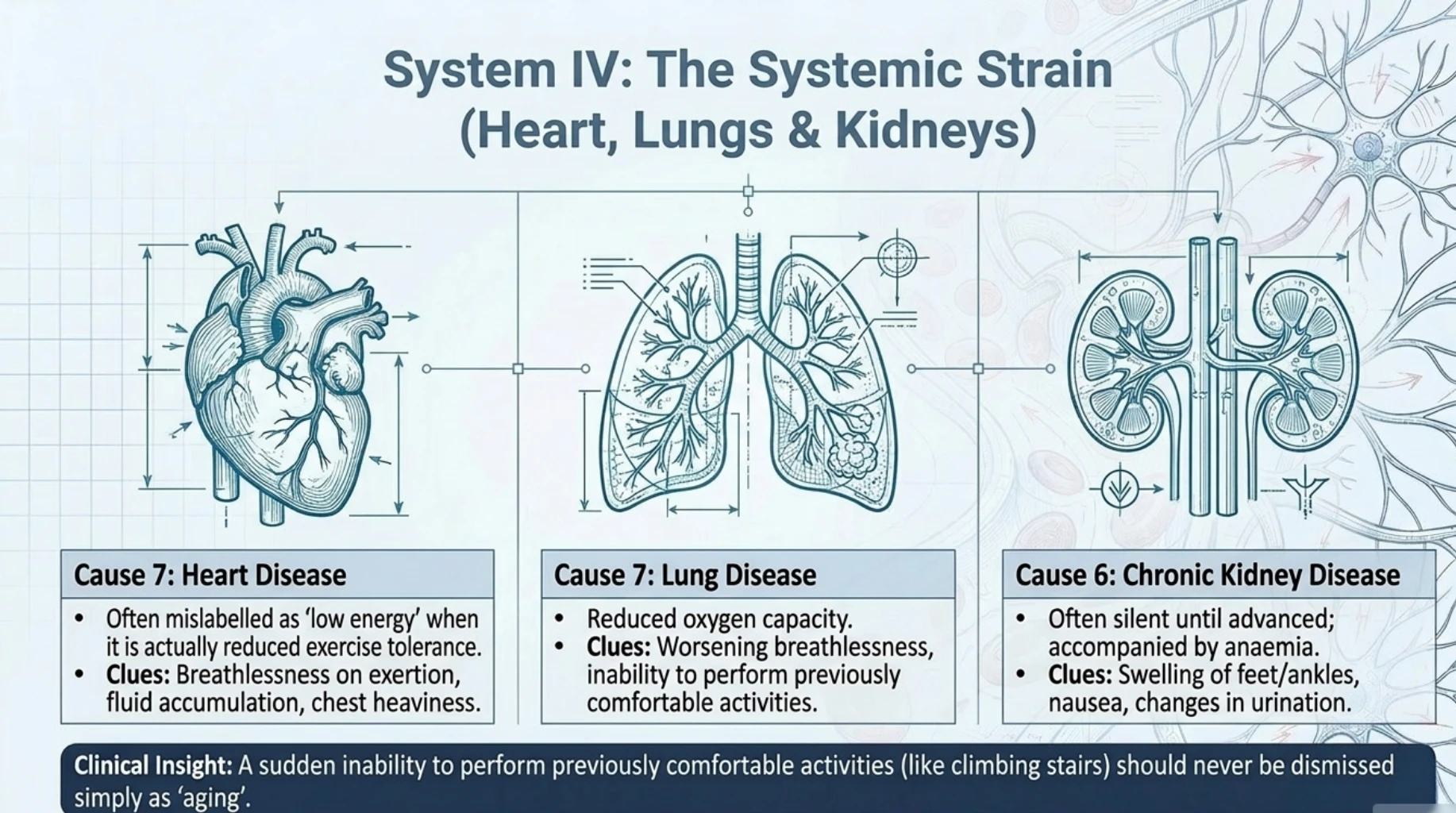
Chronic kidney disease can contribute to persistent fatigue, particularly as kidney function declines or when anemia develops alongside it. Early CKD may cause no symptoms at all, which is why diabetes, high blood pressure and abnormal urine protein are often more useful screening clues than tiredness alone.
As kidney disease becomes more advanced, possible symptoms can include:
- fatigue or weakness
- poor appetite
- nausea
- difficulty concentrating
- sleep disturbance
- swelling of the feet or ankles
- changes in urination
- shortness of breath
Anemia is also common in CKD and may cause tiredness, breathlessness, dizziness, weakness and reduced exercise capacity.
A kidney evaluation may include serum creatinine with estimated GFR, urine testing for albumin or protein, electrolytes and blood pressure. In people with diabetes, urine albumin and kidney-function monitoring are particularly important because diabetic kidney disease may remain silent until significant abnormalities are present. KDIGO’s 2024 guideline continues to classify and monitor CKD using both GFR and albuminuria rather than creatinine alone.
Fatigue should therefore not be used to diagnose kidney disease. It is one clue among many.
Cause 7: Heart or Lung Disease
Sometimes the problem described as “low energy” is actually reduced exercise tolerance.
A person may say, “I feel tired after walking,” when the more specific problem is breathlessness, chest heaviness, palpitations or an inability to perform activities that were previously comfortable.
Heart failure can cause fatigue together with shortness of breath and fluid accumulation. Symptoms may initially appear during ordinary activities such as climbing stairs and can later occur with dressing, walking across a room or lying flat.
Other cardiac causes may include:
- coronary artery disease
- heart-valve disease
- cardiomyopathy
- abnormal heart rhythms
- poorly controlled blood pressure
Cardiomyopathy, for example, may present with tiredness despite rest, breathlessness, dizziness, fainting, palpitations or swelling of the legs.
Lung conditions can also reduce exercise tolerance. Asthma, COPD, interstitial lung disease or prolonged respiratory illness may make normal activity require much more effort.
Persistent fatigue accompanied by breathlessness, chest discomfort, fainting, palpitations, blue or grey lips or rapidly worsening exercise tolerance deserves prompt assessment rather than being attributed to age or low fitness.
Depending on the pattern, evaluation may include oxygen saturation, ECG, chest imaging, spirometry, blood tests or echocardiography.
Cause 8: Depression and Other Mental-Health Conditions
Depression can cause genuine physical fatigue. It should neither be dismissed as “just psychological” nor diagnosed simply because routine blood tests are normal.
Recognized symptoms of depression include persistent low or irritable mood, reduced interest or pleasure, fatigue or lack of energy, poor concentration, altered sleep and changes in appetite or weight.
Some people primarily describe physical complaints such as:
- constant tiredness
- poor motivation
- heaviness
- sleep disturbance
- difficulty concentrating
- reduced productivity
- unexplained aches
They may not initially describe themselves as depressed.
Anxiety can also be exhausting when persistent worry, muscle tension, poor sleep and heightened alertness continue for weeks or months.
The opposite mistake is equally important: not every unexplained fatigue should be labelled stress, burnout or depression before reasonable medical causes have been considered.
A useful assessment considers physical and psychological health together. Anemia, thyroid disease, sleep apnea, chronic pain and depression can coexist, and one condition may worsen another.
If low mood, hopelessness, loss of interest or difficulty functioning has persisted, discuss it directly during the consultation rather than treating fatigue alone.

Cause 9: Chronic Infection, Post-Viral Fatigue or ME/CFS
Fatigue can continue after an acute infection even after fever and other initial symptoms have resolved.
Long COVID is one recognized example. CDC guidance lists fatigue that interferes with daily life, cognitive difficulty and post-exertional malaise among commonly reported Long COVID symptoms.
Persistent symptoms can also occur after other infections. CDC describes infection-associated chronic conditions in which fatigue, sleep disturbance, cognitive problems and worsening of symptoms after physical or mental effort may continue beyond the original illness.
When Persistent Fatigue Worsens After Activity
A particularly important pattern is post-exertional malaise, in which relatively small amounts of physical or mental activity trigger a delayed and disproportionate worsening of symptoms.
CDC describes this worsening as commonly beginning around 12–48 hours after exertion and potentially lasting for days or longer.
This feature is characteristic of myalgia encephalomyelitis/chronic fatigue syndrome, or ME/CFS. ME/CFS is more than simply being tired for a long time. It involves substantial reduction in previous activity levels, unrefreshing sleep and post-exertional worsening, often with cognitive or autonomic symptoms. Rest alone does not reliably resolve the illness.
People with suspected ME/CFS or significant post-viral fatigue should not be told simply to “push through” progressively increasing exercise regardless of symptoms. Activity needs to be individualized, especially when exertion predictably triggers prolonged deterioration.
Before diagnosing ME/CFS, other reasonable explanations for persistent fatigue should be evaluated.

Medicines Can Also Contribute to Fatigue
Medication review is an important but often overlooked part of fatigue assessment.
Medicines that may contribute to tiredness or drowsiness include some:
- antihistamines
- blood-pressure medicines
- sleeping medicines
- antidepressants
- anti-anxiety medicines
- pain medicines
- medicines that lower the heart rate
MedlinePlus lists several medication groups, including antihistamines, blood-pressure treatment and sleeping medicines, among possible contributors to fatigue.
For example, beta blockers can cause fatigue or dizziness in some people, particularly after treatment is started or the dose is changed.
This does not mean that an important medicine should be stopped.
Instead, review:
- when the fatigue began
- whether it followed a new prescription
- whether a dose was recently increased
- all over-the-counter medicines
- antihistamines and sleep aids
- herbal preparations and supplements
Stopping some medicines suddenly can be unsafe. Treatment changes should be made with the prescribing clinician.
How a Doctor Evaluates Persistent Fatigue
A useful fatigue consultation begins with the story, not a long laboratory package.
Important questions include:
- How long has the fatigue been present?
- Did it begin suddenly or gradually?
- Is it physical fatigue, sleepiness or both?
- Is sleep refreshing?
- Is there snoring or witnessed sleep apnea?
- Has weight changed unexpectedly?
- Are periods heavy?
- Is there breathlessness or chest discomfort?
- Is there fever or night sweating?
- Are bowel habits or appetite different?
- Is there numbness or tingling?
- Are there symptoms of depression or anxiety?
- Did fatigue begin after an infection?
- Does activity make symptoms much worse the following day?
- Which medicines and supplements are being taken?
The examination may include blood pressure, pulse, oxygen saturation and assessment for pallor, thyroid enlargement, swelling, heart or lung findings and other clues.
The purpose is to narrow the possibilities before ordering investigations.
Which Fatigue Blood Tests May Be Appropriate?
There is no single standard panel that every person with fatigue requires.
Depending on symptoms and risk factors, a doctor may consider:
- complete blood count
- ferritin or iron studies
- vitamin B12 or folate
- TSH, sometimes with free T4
- fasting glucose or HbA1c
- kidney function and electrolytes
- liver-function tests
- urine testing
- inflammatory markers in selected situations
Additional testing should be targeted.
For example, vitamin D, cortisol, autoimmune tests, infection screens or extensive hormone panels are not automatically necessary for everyone with tiredness.
Similarly, a normal “full-body checkup” does not automatically mean that symptoms are psychological. Sleep apnea, depression, post-viral illness and some cardiopulmonary conditions may require a different type of assessment.
What Can You Do While Waiting for Assessment?
If there are no warning symptoms, basic measures can improve common lifestyle contributors while the cause is being evaluated.
These include:
- keeping a regular sleep and wake time
- eating regular balanced meals
- avoiding very long gaps between meals
- maintaining adequate hydration
- reducing excess alcohol
- gradually increasing normal movement when tolerated
- avoiding repeated late nights
- reviewing excessive caffeine use
- recording symptoms and possible triggers
Do not respond to unexplained fatigue with extreme fasting, detox diets or multiple supplements.
If even mild activity repeatedly causes a prolonged worsening lasting into the next day or longer, avoid forcing a standard exercise-progression plan until post-exertional malaise has been assessed.
When Should You Arrange a Doctor Consultation?
Arrange an assessment when persistent fatigue:
- has lasted for several weeks without a clear reason
- is worsening
- limits work, walking or exercise
- does not improve despite adequate sleep
- is accompanied by unexplained weight change
- occurs with heavy menstrual bleeding
- is associated with breathlessness or palpitations
- occurs with numbness or balance problems
- follows a significant infection and is not improving
- comes with loud snoring or daytime sleepiness
- occurs with low mood or loss of interest
- began after starting a new medicine
More urgent assessment is appropriate for chest pain, severe breathlessness, fainting, confusion, black stools, vomiting blood, rapidly progressive weakness, severe dehydration or markedly reduced urine output.
Persistent Fatigue Assessment in Dwarka
Dr. Pankaj Kumar can evaluate persistent fatigue by reviewing symptoms, sleep, medicines, metabolic risk factors and relevant previous reports before deciding which investigations are appropriate.
The assessment may include consideration of anemia, thyroid disease, diabetes, kidney problems, sleep disorders and other medical causes, with specialist referral when required.
Dr. Pankaj Kumar
MBBS, DNB Family Medicine, Sir Ganga Ram Hospital
General & Lifestyle Physician
Special interest in Diabetes
Diet Plus Minus
13A, Pocket-2, Sector-6, Doctors Lane
Dwarka, New Delhi – 110075
India
Book an Appointment with Dr. Pankaj Kumar
The credentials, clinic details and booking pathway follow the approved website instructions.
Frequently Asked Questions
How Long Is Too Long to Feel Tired?
A few days of tiredness after inadequate sleep, heavy work or an acute infection is common. Medical review becomes more useful when unexplained fatigue continues for several weeks, is worsening or begins affecting normal activities.
Can Iron Deficiency Cause Fatigue Without Severe Anemia?
Yes. Iron deficiency can produce symptoms before anemia becomes severe, although fatigue is nonspecific. Ferritin and other iron studies may be appropriate when the history suggests iron deficiency.
Do not self-treat indefinitely with iron without establishing whether deficiency is present and why it developed.
Can Vitamin B12 Deficiency Cause Fatigue?
Yes. B12 deficiency can cause fatigue and anemia, and it may also produce numbness, tingling, balance difficulty or cognitive symptoms. Neurological problems can occur even when anemia is not prominent, which is one reason persistent neurological symptoms deserve assessment.
Can Thyroid Problems Cause Persistent Fatigue?
Yes. Hypothyroidism can cause tiredness, constipation, cold intolerance, weight gain and other symptoms. However, these symptoms overlap with many conditions, so thyroid disease should be confirmed through testing rather than symptoms alone.
Why Am I Tired Even After Eight Hours of Sleep?
The duration may be adequate while sleep quality is poor. Sleep apnea, repeated awakenings, alcohol, restless sleep and certain medicines can prevent restorative sleep.
Loud snoring, breathing pauses, morning headache or significant daytime sleepiness make sleep-disorder assessment particularly relevant.
Can Diabetes Cause Fatigue?
Yes, particularly when glucose is persistently high. Diabetes can also cause thirst, frequent urination, blurred vision, infections and unexplained weight loss.
However, type 2 diabetes may have no obvious symptoms, so blood testing is more reliable than fatigue alone.
Can Kidney Disease Cause Fatigue?
Yes. Advanced CKD and CKD-associated anemia can both contribute to fatigue. Kidney disease may also produce swelling, appetite changes, difficulty concentrating or changes in urination.
Can Depression Cause Physical Tiredness?
Yes. Fatigue and lack of energy are recognized symptoms of depression, along with changes in mood, sleep, concentration, interest and appetite.
The symptom is physical and real. At the same time, depression should not automatically be diagnosed before appropriate medical assessment.
Can Long COVID Cause Persistent Fatigue?
Yes. Fatigue, cognitive difficulty and worsening after physical or mental activity are among recognized Long COVID symptoms.
Is ME/CFS the Same as Being Chronically Tired?
No. ME/CFS is a specific chronic illness characterized by major loss of previous function, unrefreshing sleep and post-exertional worsening, with additional symptoms in many patients. Ordinary tiredness from inadequate sleep or overwork is not the same condition.
Should Everyone With Fatigue Take Vitamin D and B12?
No. Supplements should address a demonstrated deficiency, clear dietary risk or another clinical indication.
Taking several supplements without identifying the cause can increase cost, create side effects and delay appropriate assessment.
Author Box
Dr. Pankaj Kumar
MBBS, DNB Family Medicine, Sir Ganga Ram Hospital
General & Lifestyle Physician
Special interest in Diabetes
Dr. Pankaj Kumar provides general medical and lifestyle-based care at Diet Plus Minus in Dwarka, New Delhi. His approach includes evaluation of persistent fatigue, diabetes risk, thyroid concerns, blood pressure, weight, medicines, sleep and related metabolic-health problems, with specialist referral when appropriate.
Medical Disclaimer
This article provides general educational information and does not replace an individual medical consultation, examination, diagnosis or treatment plan.
Fatigue may occasionally accompany serious illness. Seek prompt or emergency care for chest pain, severe breathlessness, fainting, confusion, major bleeding, rapidly progressive weakness, significant dehydration or another acute medical concern.
Do not start high-dose supplements, stop prescription medicines or begin thyroid, iron or hormone treatment based only on symptoms.
References
- Kidney Disease: Improving Global Outcomes. KDIGO 2024 Clinical Practice Guideline for the Evaluation and Management of Chronic Kidney Disease. Kidney International. 2024;105(4S):S117–S314.
- National Institute of Diabetes and Digestive and Kidney Diseases. Anemia in Chronic Kidney Disease.
- National Heart, Lung, and Blood Institute. Heart Failure: Symptoms. 2022.
- National Heart, Lung, and Blood Institute. Cardiomyopathy: Symptoms. Updated 2024.
- National Institute of Mental Health. Depression: Signs and Symptoms.
- NICE. Myalgic Encephalomyelitis/Chronic Fatigue Syndrome: Diagnosis and Management. NG206. 2021.
- Centers for Disease Control and Prevention. Long COVID: Signs and Symptoms.
- Centers for Disease Control and Prevention. Long COVID Clinical Guidance: Post-Exertional Malaise.
- Centers for Disease Control and Prevention. Chronic Symptoms Following Infections. 2024.

Written by Dr. Pankaj Kumar
General & Lifestyle Physician in Dwarka Sector 6, New Delhi · MBBS, DNB (Family Medicine), DNHE · 16 years of experience.
About the doctor →Book a consultation → Beyond Blood Sugar
 The 90-Day Prediabetes Turnaround
 The Indian Diabetes Diet Reset
 Eat to Beat Gout
 Why Is My Hair Falling?
 The 30-Day Inflammation Reset