
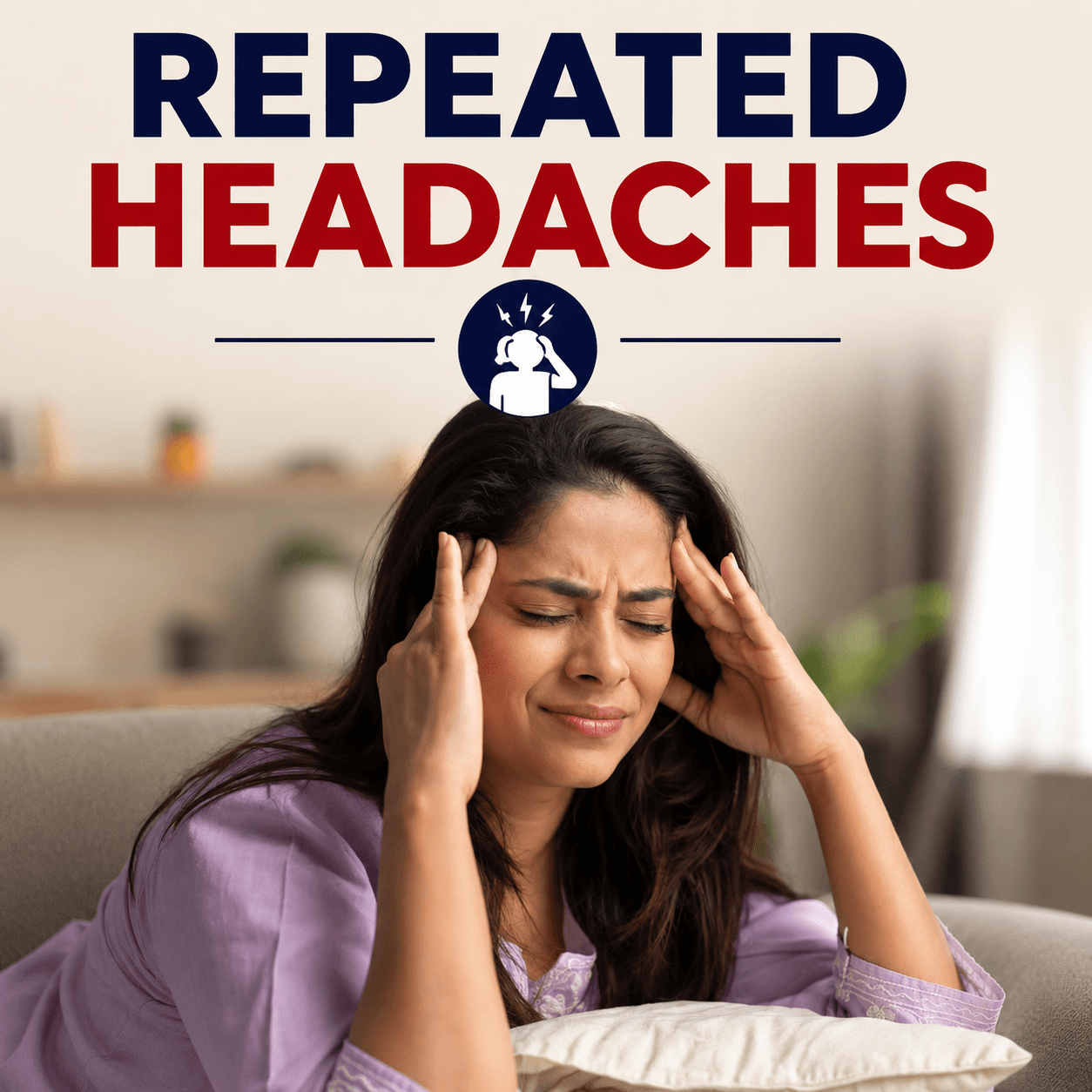
Headaches are among the most common health complaints worldwide. Almost everyone experiences them occasionally, especially during stressful periods, after poor sleep, or following a long day at work.
However, many busy adults experience repeated headaches and simply learn to live with them. They take a painkiller, drink another cup of coffee, rest briefly, and continue with their day without asking an important question: “Why do these headaches keep returning?”
In today’s fast-paced world, persistent symptoms are often normalized. People assume that headaches are an inevitable consequence of adulthood, work pressure, traffic, deadlines, and screen exposure.

While this may sometimes be true, repeated headaches should not always be dismissed as a minor inconvenience. In some cases, they may reflect underlying issues related to sleep, stress, dehydration, vision, blood pressure, lifestyle habits, or less commonly, more significant medical conditions.
The good news is that most causes of recurrent headaches are identifiable and, in many cases, manageable with appropriate lifestyle changes and medical evaluation when necessary.
What Are Repeated Headaches?
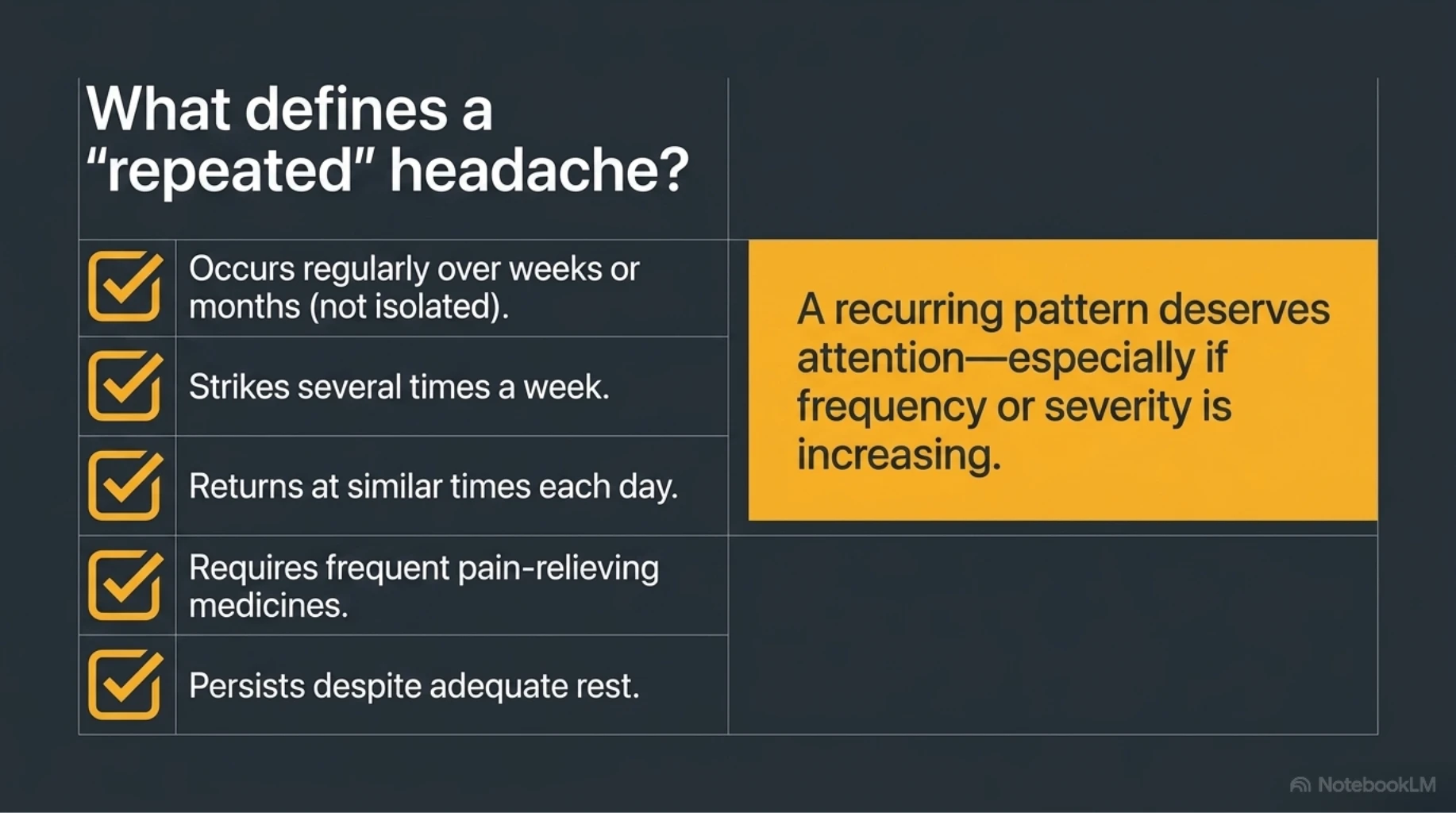
For the purpose of this discussion, repeated headaches refer to headaches that occur regularly over weeks or months rather than isolated episodes.
People experiencing repeated headaches may notice:
- Headaches several times a week
- Pain that returns at similar times each day
- Frequent need for pain-relieving medicines
- Headaches associated with work or stress
- Persistent discomfort despite adequate rest
Although occasional headaches are common, a recurring pattern deserves attention—particularly if the symptoms are increasing in frequency or severity.
Reason 1: Busy Lifestyles Encourage People to Ignore Symptoms
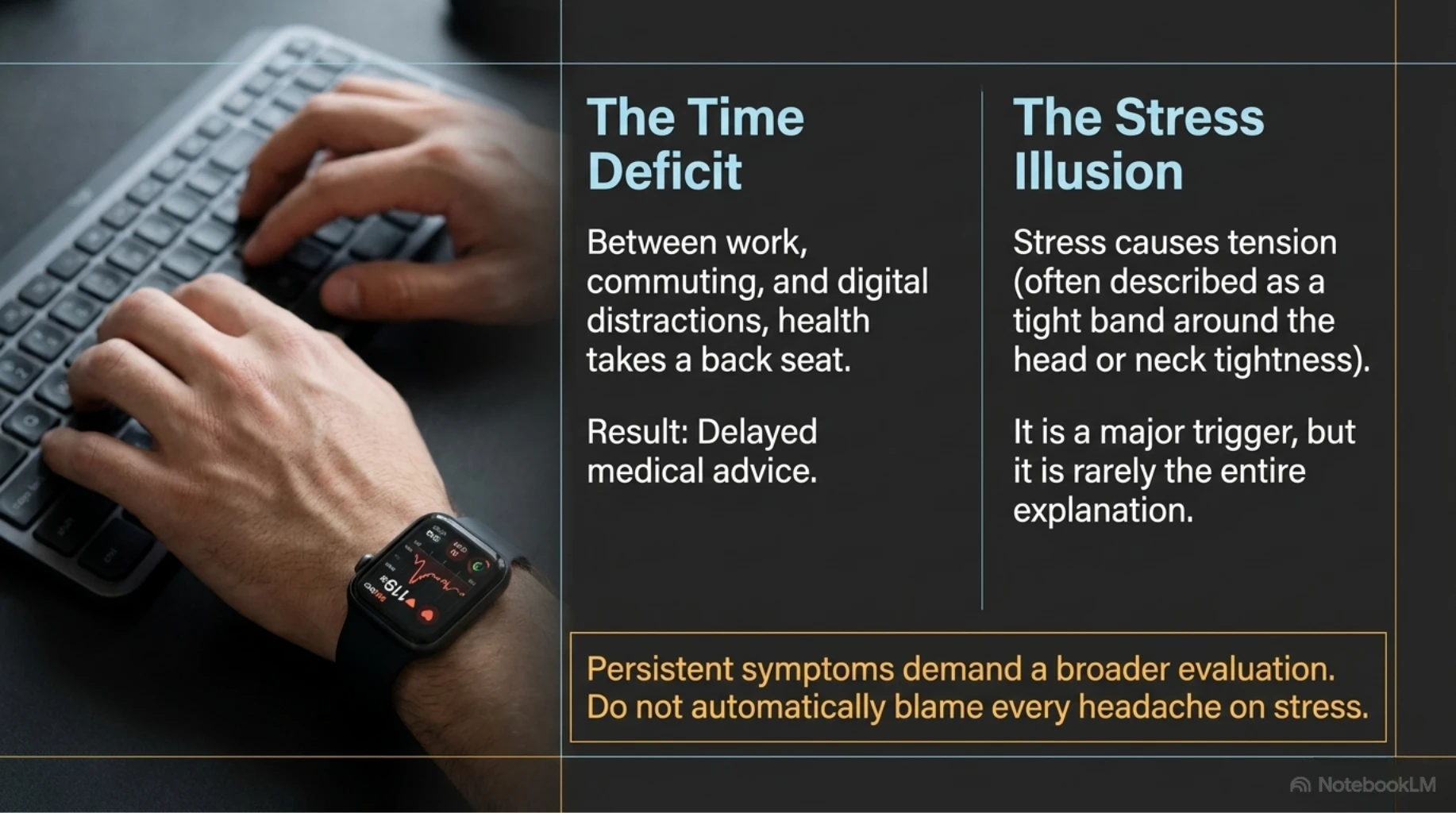
Modern adults are exceptionally busy. Between work responsibilities, family commitments, commuting, financial concerns, and digital distractions, many people simply do not have time to prioritize their own health.
As a result, they often delay seeking medical advice until symptoms become severe. Many individuals tell themselves:
- “It’s probably just stress.”
- “I’ll deal with it later.”
- “I’ve always had headaches.”
- “I’m too busy to see a doctor.”
Unfortunately, this mindset can delay the identification of conditions that may benefit from early intervention.
Reason 2: Stress Is Common—but Not Always the Entire Explanation
Stress is one of the most common triggers for headaches. Work pressure, financial concerns, inadequate sleep, and emotional stress can all contribute to muscle tension and changes in pain perception.
Stress-related headaches are often described as:
- A tight band around the head
- Pressure around the forehead
- Neck and shoulder tightness
- Discomfort that worsens during busy periods
However, while stress is common, it should not automatically be blamed for every case of repeated headaches. Persistent symptoms deserve a broader evaluation rather than assuming stress is always the cause.
Reason 3: Poor Sleep Frequently Contributes to Headaches
Sleep and headaches are closely connected. People who:
- Sleep irregularly
- Sleep fewer than the recommended hours
- Experience poor sleep quality
- Have untreated sleep disorders
are more likely to develop headaches.
Inadequate sleep affects pain sensitivity, cognitive performance, and overall recovery, making headaches more likely during the following day.
Many professionals experiencing repeated headaches are surprised to discover that improving their sleep habits significantly reduces symptom frequency.
Why Headaches Often Become Normalized
One reason headaches are frequently ignored is that they often develop gradually. Initially, they may occur only once or twice a month. Over time, they become weekly or even daily events.
Because the progression is slow, people adapt to the discomfort rather than questioning why it continues to occur. Unfortunately, normalization does not mean the symptom is harmless. It simply means the body has been sending the same message repeatedly without receiving sufficient attention.
Why Paying Attention Early Matters
Most cases of recurring headaches are not caused by serious disease. However, identifying the contributing factors early often leads to better outcomes.
The earlier lifestyle issues such as poor sleep, dehydration, stress, and excessive screen time are addressed, the easier it is to prevent headaches from becoming a persistent part of everyday life.
Reason 4: Dehydration Is Frequently Overlooked
One of the simplest and most overlooked causes of headaches is inadequate hydration.
Many adults begin their day with tea or coffee and remain busy for hours without drinking sufficient water. Air-conditioned offices, long commutes, and hot weather may further increase fluid loss.
Even mild dehydration can contribute to:
- Headaches
- Fatigue
- Difficulty concentrating
- Reduced physical performance
Because dehydration develops gradually, people often fail to recognize the connection between their symptoms and their fluid intake. It is not uncommon for individuals with repeated headaches to realize that they consume very little water throughout the day.
Reason 5: Excessive Screen Time and Poor Posture
Modern lifestyles involve unprecedented levels of screen exposure. Many professionals spend:
- 8–10 hours on computers
- Several additional hours on smartphones
- Extended periods in poor sitting positions
Continuous screen use can contribute to:
- Eye strain
- Neck muscle tension
- Shoulder tightness
- Reduced blinking
- Headaches associated with prolonged concentration
Poor posture often makes the problem worse by placing additional strain on the muscles of the neck and upper back. For many office workers, correcting workstation ergonomics and taking regular movement breaks significantly reduces headache frequency.
Reason 6: Underlying Health Conditions May Sometimes Be Responsible
Although lifestyle factors account for many headaches, underlying medical conditions should not be overlooked.
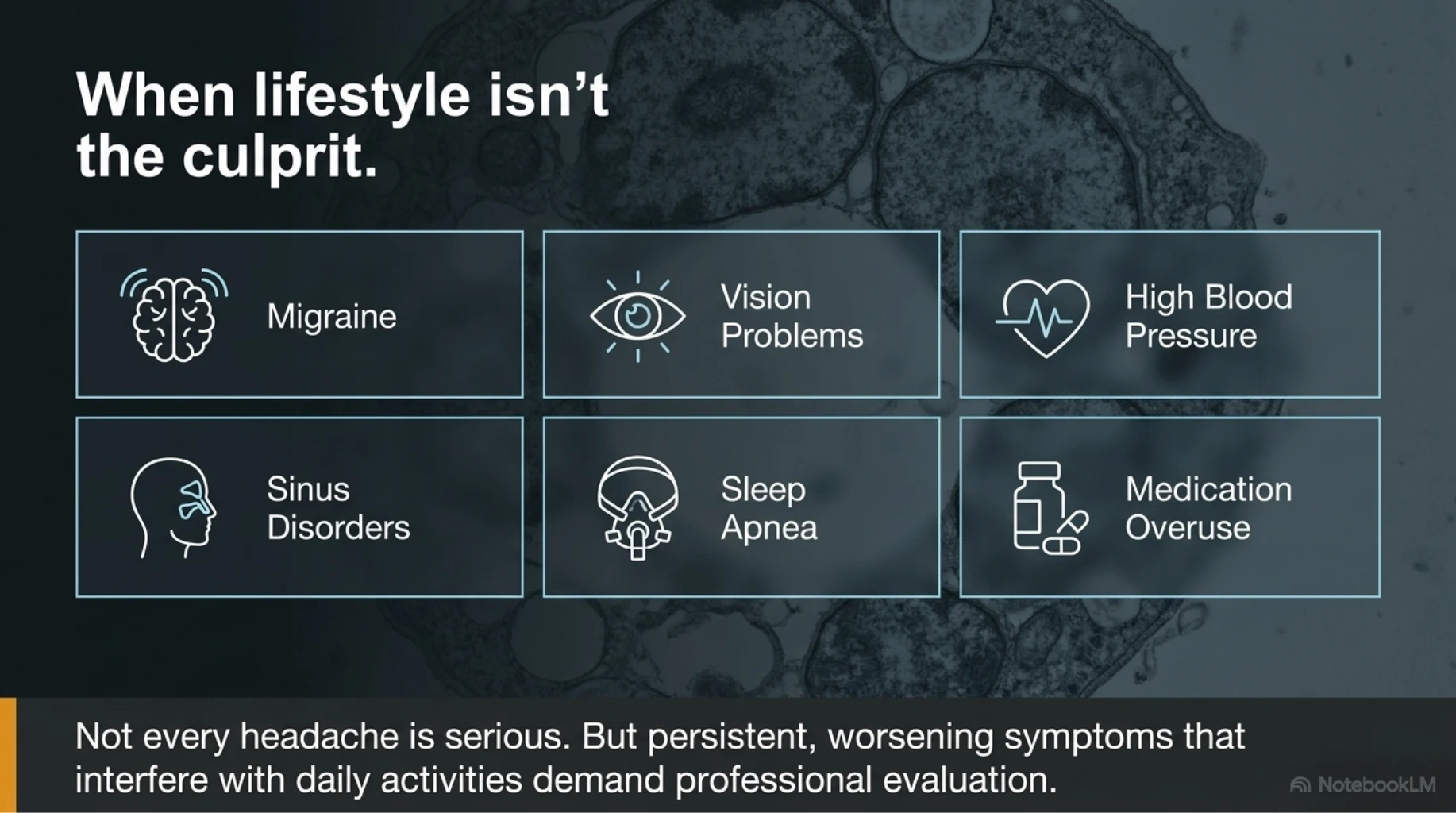
Potential contributors include:
- Migraine
- Vision problems
- Severely elevated blood pressure in an appropriate clinical context; most ordinary hypertension causes no headache
- Sinus disorders
- Sleep apnea
- Medication overuse
This does not mean every headache is serious. However, persistent or worsening symptoms deserve appropriate evaluation, particularly when they interfere with daily activities.
Adults experiencing repeated headaches should pay particular attention if the headaches are becoming more frequent, more severe, or are associated with additional symptoms.
When Should Headaches Prompt Medical Evaluation?
Most headaches are not medical emergencies. Nevertheless, certain warning signs should never be ignored. Seek emergency care at the nearest hospital if a headache occurs with:
- Sudden severe pain (“worst headache of your life”)
- Weakness or numbness
- Confusion or altered consciousness
- Vision loss or double vision
- Fever and neck stiffness
- Head injury
- Persistent vomiting
Similarly, headaches that change significantly in character or begin occurring more frequently warrant medical review.
Why Painkillers Are Not Always the Solution
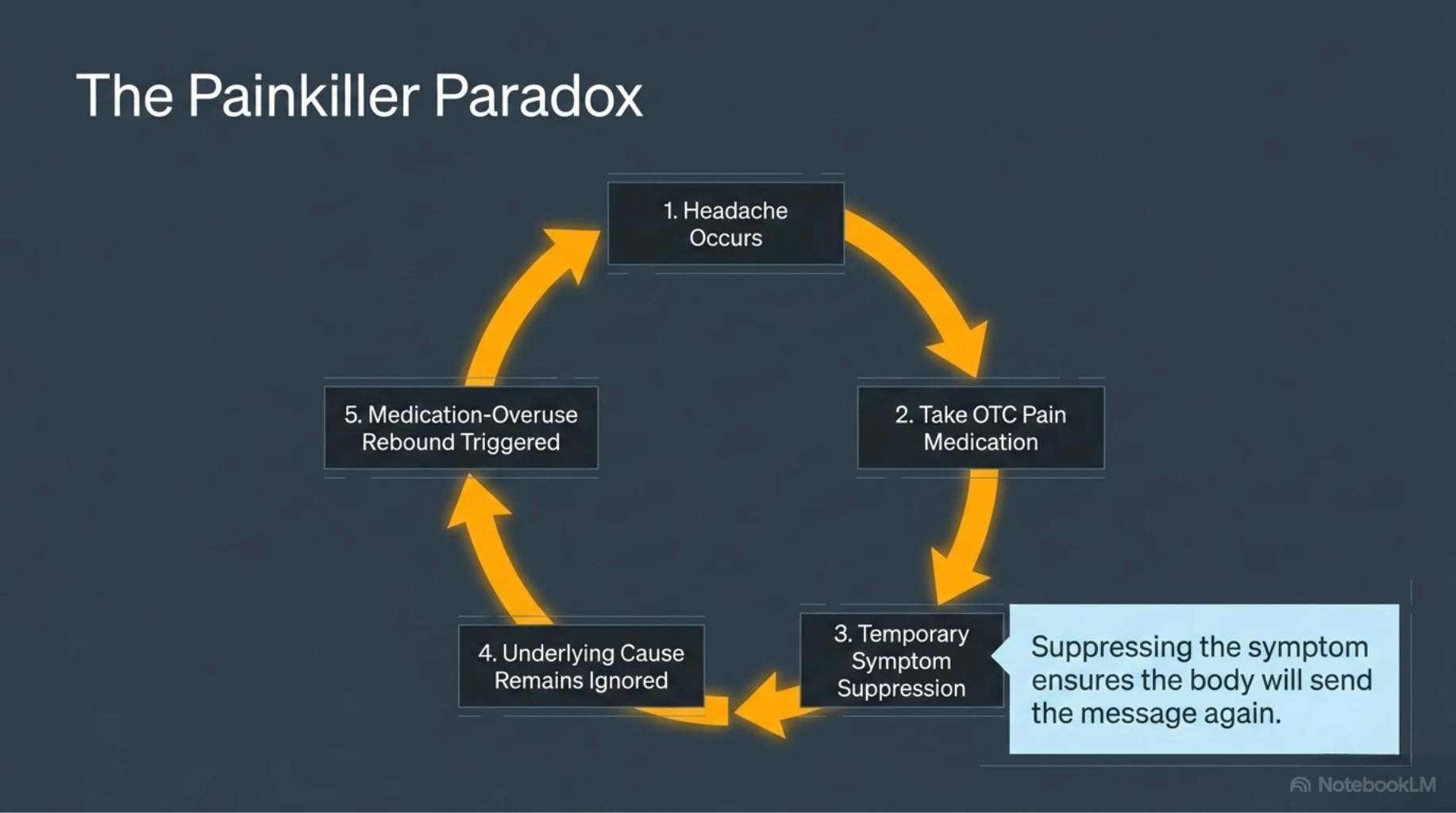
Many adults manage headaches with over-the-counter pain medications. While these medicines can provide temporary relief, they do not address the underlying cause.
In fact, excessive use of certain pain-relieving medicines may itself contribute to medication-overuse headaches. This is why understanding why headaches occur is often more important than simply suppressing the symptom repeatedly.
Headaches Can Reflect Overall Lifestyle Health
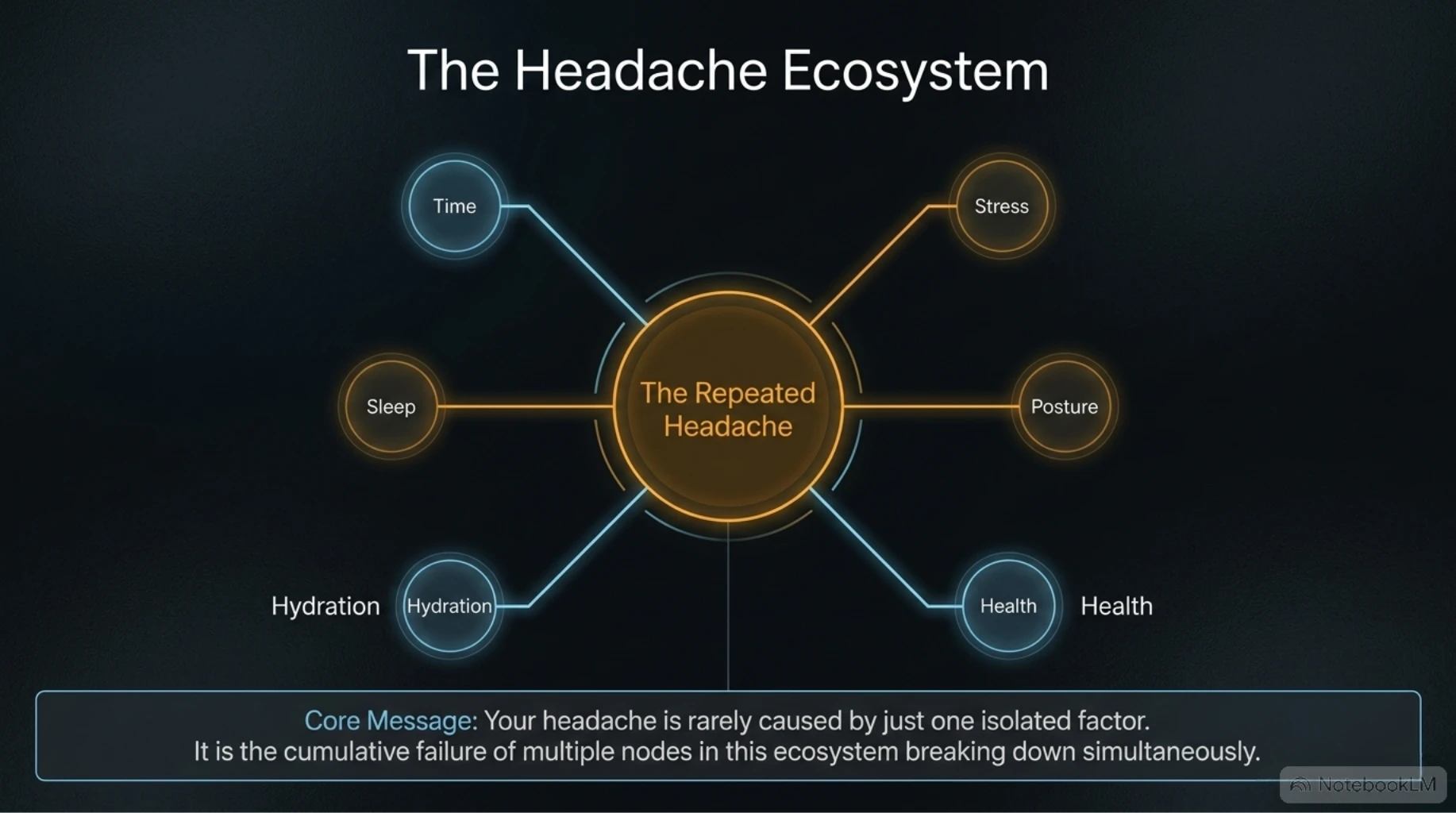
Headaches frequently occur alongside other lifestyle concerns, including:
- Poor sleep
- Stress
- Physical inactivity
- Dehydration
- Excessive caffeine intake
- Long working hours
Addressing these factors often produces benefits that extend beyond headache relief, including improvements in energy, mood, productivity, and overall wellbeing.
How to Reduce Repeated Headaches
The encouraging news is that many common causes of headaches are modifiable. Small improvements in daily habits often produce meaningful reductions in headache frequency and severity.
The goal is not eliminating every headache forever. Occasional headaches are a normal part of life. Instead, the objective is reducing persistent repeated headaches that interfere with work, sleep, and quality of life.
Prioritize Consistent Sleep
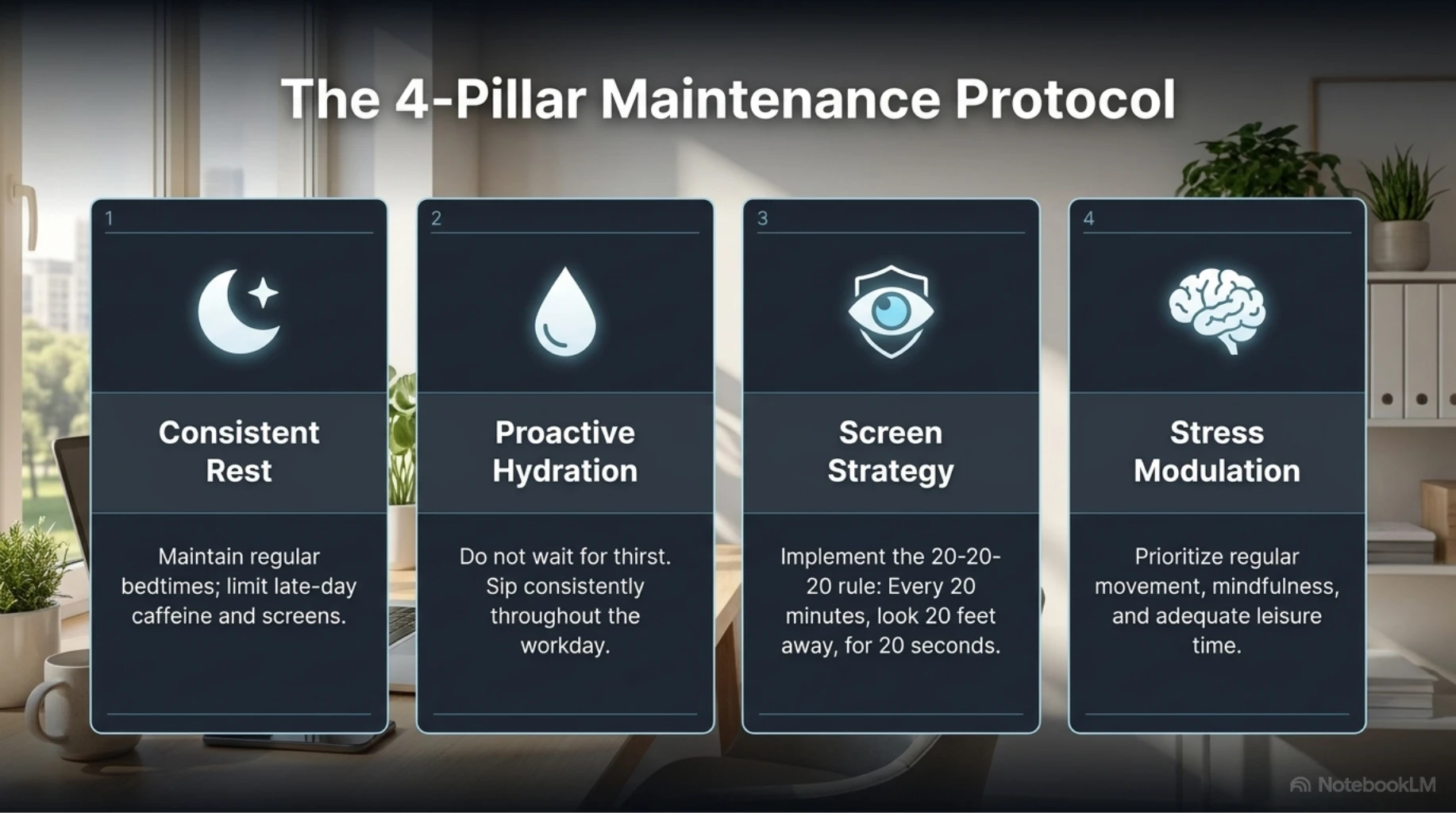
Sleep is one of the most important contributors to overall health and recovery. Helpful sleep habits include:
- Maintaining a regular bedtime.
- Limiting screen exposure before sleep.
- Avoiding excessive caffeine late in the day.
- Creating a comfortable sleeping environment.
Many individuals notice fewer headaches within a few weeks of improving sleep quality and consistency.
Stay Properly Hydrated
Hydration is simple, inexpensive, and frequently neglected.
Consider:
- Keeping a water bottle nearby during work.
- Drinking water regularly instead of waiting for thirst.
- Increasing fluid intake during hot weather.
- Reducing excessive dependence on sugary beverages.
People who experience headaches regularly are often surprised by the improvements that occur after maintaining better hydration habits.
Reduce Screen-Related Strain
Since screen exposure is now unavoidable for many professionals, the focus should be on reducing its impact.
Helpful strategies include:
- Taking short breaks every 30–45 minutes.
- Following the 20-20-20 rule for eye strain.
- Maintaining good posture.
- Optimizing workstation ergonomics.
These changes may reduce muscle tension, eye strain, and headache frequency over time.
Pay Attention to Stress Levels
Chronic stress affects both physical and mental wellbeing.
Stress management strategies may include:
- Regular physical activity
- Relaxation exercises
- Improved work-life balance
- Mindfulness or meditation
- Adequate leisure time
Reducing stress often improves not only headaches but also sleep quality, concentration, and energy levels.
Do Not Ignore Patterns
One of the most important questions to ask is:
“Is there a pattern to my headaches?”
For example:
- Do they occur after poor sleep?
- Do they happen after skipping meals?
- Are they worse during stressful periods?
- Do they occur after prolonged screen use?
Identifying patterns often provides valuable clues regarding the underlying cause.
When to Seek Medical Advice
If repeated headaches are:
- Increasing in frequency
- Becoming more severe
- Interfering with work or sleep
- Associated with neurological symptoms
- Not improving despite lifestyle changes
then a proper medical evaluation is appropriate.
Healthcare professionals may recommend further assessment depending on the individual’s age, medical history, and associated symptoms.
Consistency Matters More Than Quick Fixes
Many people search for one tablet, one supplement, or one home remedy that will permanently eliminate headaches.
In reality, long-term improvements usually result from a combination of:
- Good sleep habits
- Adequate hydration
- Stress management
- Regular physical activity
- Balanced nutrition
- Healthy screen habits
When these habits improve together, headaches often become less frequent and less disruptive.
Key Take-Home Messages
- Repeated headaches are common but should not always be considered normal.
- Stress, poor sleep, dehydration, and excessive screen use are frequent contributors.
- Persistent headaches deserve attention, particularly when symptoms are changing or worsening.
- Simple lifestyle changes can significantly reduce headache frequency in many individuals.
- Early medical evaluation is important when headaches are accompanied by red-flag symptoms.
Final Thoughts
Many busy adults accept repeated headaches as an unavoidable part of modern life. However, recurring symptoms are often the body’s way of drawing attention to an underlying issue—whether that issue is poor sleep, dehydration, stress, excessive screen exposure, or an undiagnosed medical condition.
The encouraging news is that many contributing factors are manageable. Paying attention to patterns, improving daily habits, and seeking medical advice when appropriate can make a significant difference in both symptom control and overall quality of life.
If you are experiencing persistent or unexplained headaches, remember that your body is sending a message. Listening to that message early is often the first step toward better health.
If you would like a personalised assessment of your lifestyle habits, sleep, stress, and metabolic health, you can book a consultation here:
Book an Appointment
Disclaimer: This article is intended for educational purposes only and should not replace professional medical advice. Persistent or severe headaches require evaluation by a qualified healthcare professional, especially if associated with neurological symptoms or other concerning features.
References and Further Reading
University Hospitals Sussex: Headaches, emergency department advice (2025); NHS: Headaches.

Written by Dr. Pankaj Kumar
General & Lifestyle Physician in Dwarka Sector 6, New Delhi · MBBS, DNB (Family Medicine), DNHE · 16 years of experience.
About the doctor →Book a consultation → Beyond Blood Sugar
 The 90-Day Prediabetes Turnaround
 The Indian Diabetes Diet Reset
 Eat to Beat Gout
 Why Is My Hair Falling?
 The 30-Day Inflammation Reset