

Why Feeling Hungry Soon After Eating Is More Common Than You Think
If you often wonder why do I feel hungry after eating, you are not alone. Many people experience hunger again within a short time after a meal. This can feel confusing, especially if you have just eaten enough food.
The reason lies not only in how much you eat, but also in how your body processes that food.
How Hunger Is Regulated in the Body
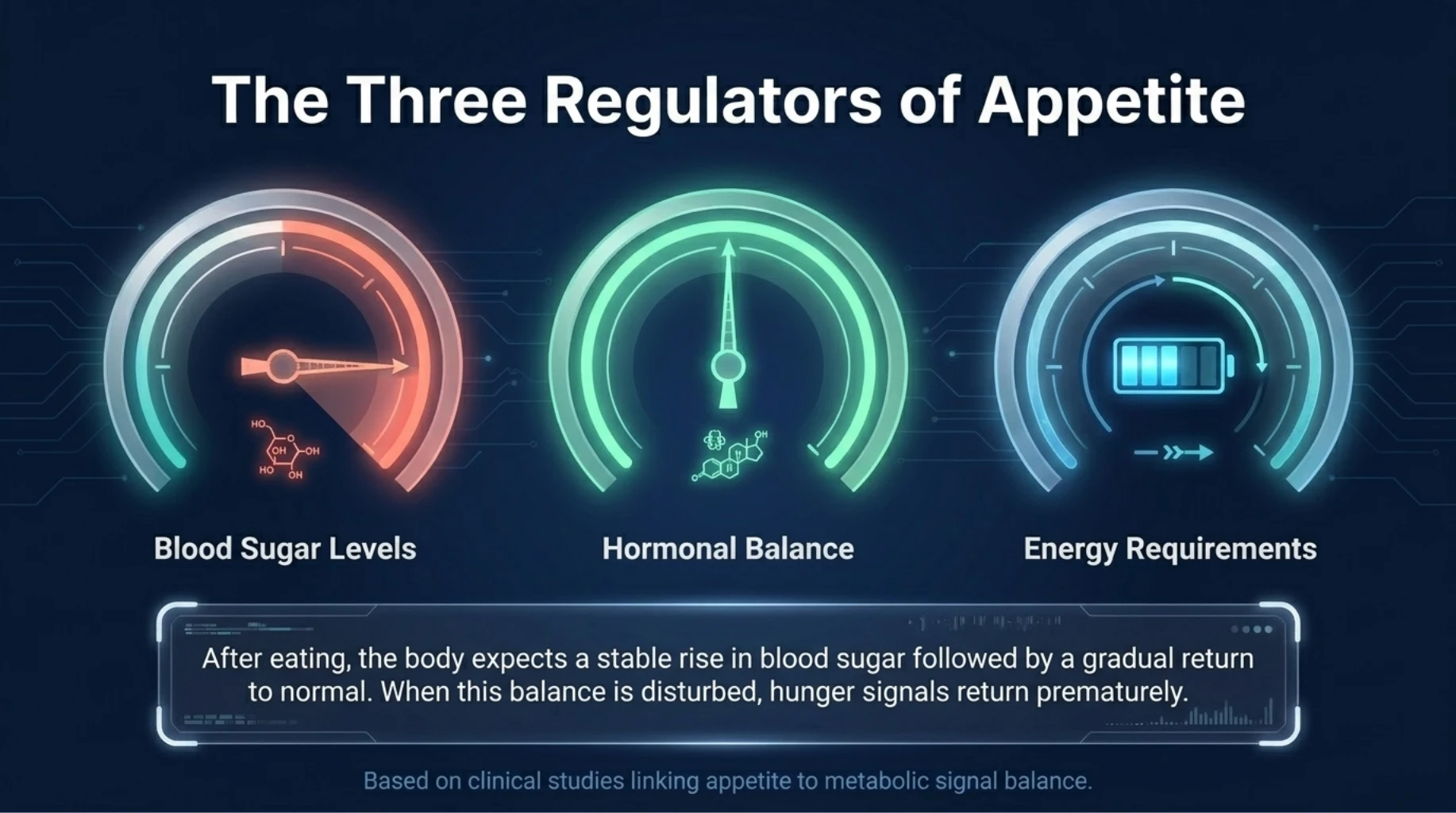
To understand why do I feel hungry after eating, it is important to know how hunger works. The body uses several signals to regulate appetite:
- Blood sugar levels
- Hormones like insulin, ghrelin, and leptin
- Energy requirements of the body
After eating, the body expects a stable rise in blood sugar followed by a gradual return to normal. A study highlights that appetite regulation is closely linked to metabolic signals and hormone balance. When this balance is disturbed, hunger signals may return sooner than expected.
Blood Sugar Changes Can Sometimes Contribute
Blood glucose normally rises after meals and then falls. Feeling hungry does not prove that your glucose has dropped abnormally or that you have insulin resistance. Large refined-carbohydrate meals may leave some people less satisfied, but meal size, protein, fibre, sleep and activity also matter. True hypoglycaemia requires appropriate assessment, particularly if hunger occurs with sweating, shaking, confusion or symptoms while taking glucose-lowering medicine.
How Meal Composition Affects Satiety
Another key factor in understanding why do I feel hungry after eating is what your meal contains. Meals lacking protein, fiber, and healthy fats are digested quickly and fail to keep you full.
Balanced meals help:
- Slow down digestion
- Stabilize blood sugar
- Provide sustained energy
A study highlights that macronutrient composition plays a significant role in satiety and hunger regulation.
Hormonal Factors That Influence Hunger
Hormones also play a major role in explaining why do I feel hungry after eating. Key hormones involved include:
- Ghrelin: Signals hunger
- Leptin: Signals fullness
- Insulin: Regulates glucose
If these hormones are not balanced, hunger signals may return earlier than expected. A study confirms that hormonal imbalance can affect appetite control and energy regulation.
Real-Life Patterns That Trigger Frequent Hunger
In daily life, why do I feel hungry after eating becomes clear when we observe common patterns:
- Eating high-sugar or refined foods
- Skipping protein in meals
- Irregular meal timing
- Frequent snacking throughout the day
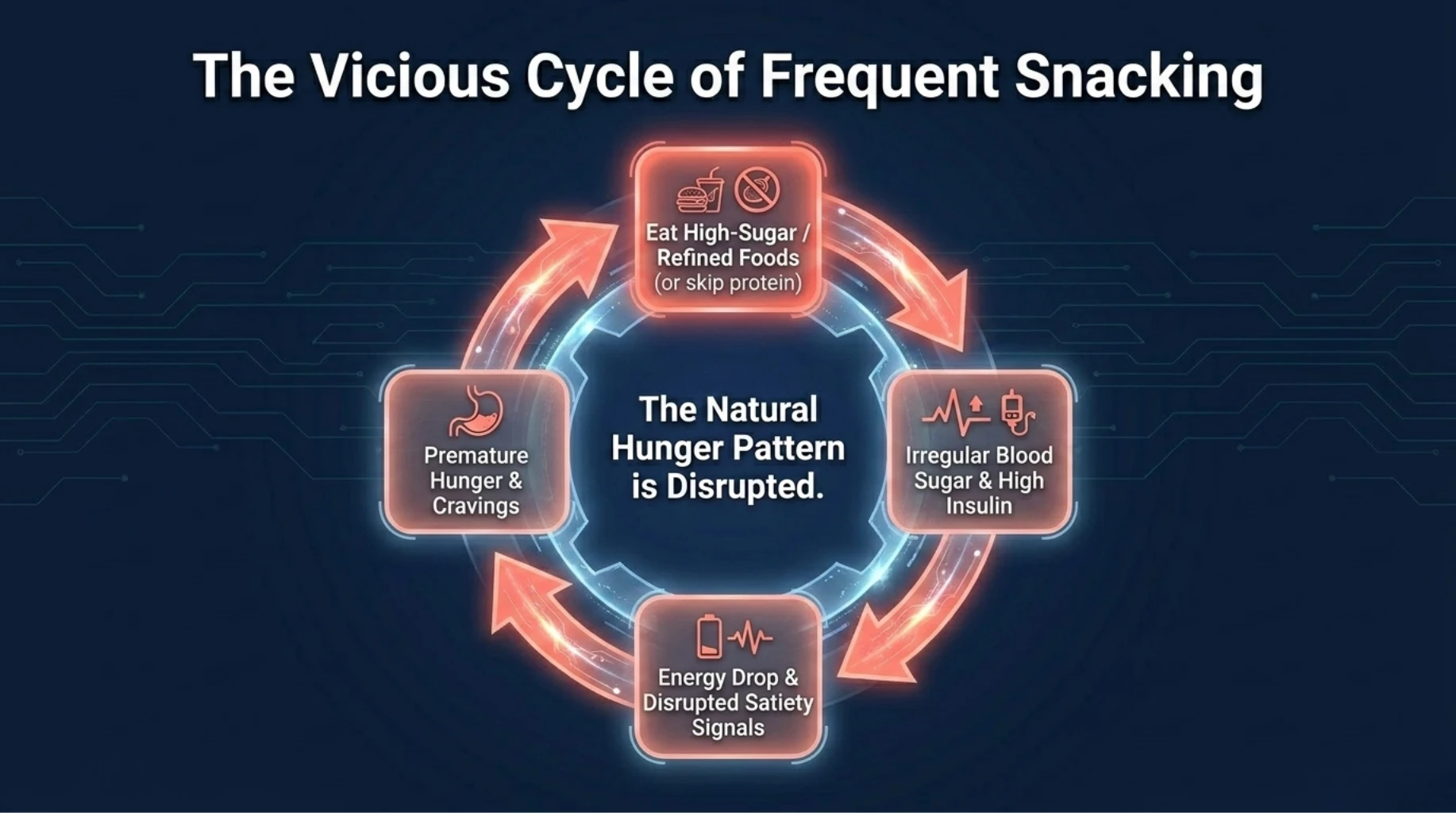
These patterns disrupt the body’s natural hunger and satiety signals.
Meal Type vs Hunger Response
| Meal Type | Effect on Hunger | Outcome |
|---|---|---|
| High Sugar Meal | Quick spike and drop | Early hunger |
| Balanced Meal | Stable glucose levels | Sustained fullness |
This comparison highlights why meal quality matters more than quantity alone.
What I Recommend in Clinical Practice
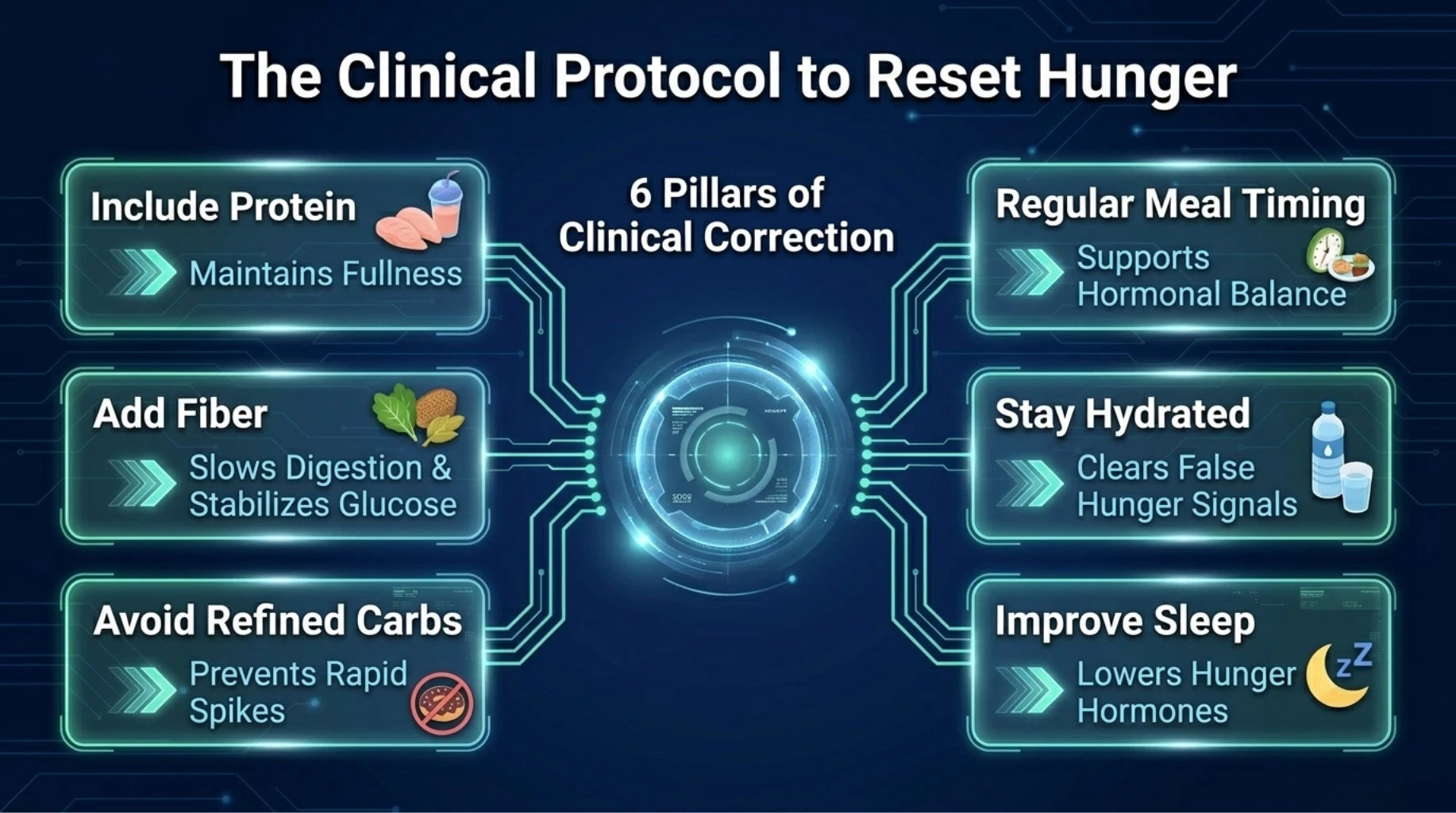
Understanding why do I feel hungry after eating becomes useful only when you apply practical changes. In clinical practice, the goal is to improve satiety and stabilize metabolism.
- Include protein in every meal: Helps maintain fullness for longer
- Add fiber-rich foods: Slows digestion and stabilizes glucose
- Choose carbohydrate quality and portions thoughtfully: Whole grains, pulses, vegetables and fruit can be part of a balanced plan
- Maintain regular meal timing: Supports hormonal balance
- Review whether snacks are needed: Choose a pattern that suits your appetite, activity and medicines; snacks are not inherently harmful
- Stay hydrated: Dehydration can mimic hunger
- Improve sleep: Poor sleep increases hunger hormones
For structured lifestyle correction: Lifestyle Modification Program.
For personalized consultation: Consultation Link.
Warning Signs That Should Not Be Ignored
While occasional hunger is normal, persistent patterns may indicate metabolic imbalance:
- Constant hunger despite eating adequate meals
- Frequent cravings for sweets
- Energy crashes during the day
- Difficulty managing weight
- Borderline blood sugar reports
A clinical reference highlights that persistent hunger patterns may be linked to metabolic and hormonal dysregulation.
Key Takeaway
Why do I feel hungry after eating is often related to blood sugar fluctuations, meal composition, and hormonal imbalance. Improving meal quality, timing, and lifestyle habits can help regulate hunger and support long-term metabolic health.
References
MedlinePlus: Increased appetite (reviewed 2024); NICE NG246: Overweight and obesity management (2025, updated 2026).
Take the Next Step
This information is for educational purposes only and should not replace professional medical advice. Always consult a qualified doctor for personalized care.
Eight Possible Reasons You Feel Hungry After Eating
Hungry After Eating: Was Your Meal Too Small?
A meal may look substantial but provide too little energy for your needs, especially after increased activity or skipped meals. Hunger is not a failure of willpower. Review the whole day before restricting portions further.
2. There Was Little Protein
A breakfast of tea and biscuits may be less sustaining than one containing curd, eggs, paneer, tofu or pulses. The right amount depends on your health and preferences.
3. The Meal Had Little Fibre
Vegetables, fruit, pulses and suitable whole grains add fibre and variety. Increase fibre gradually if you develop bloating.
4. You Are Sleeping Too Little
Short or disrupted sleep can make appetite harder to manage. Persistent daytime sleepiness or loud snoring deserves assessment.
5. Your Activity or Energy Needs Have Increased
A new exercise programme, recovery from illness or other changes can alter food requirements. Review your needs rather than assuming every increase in appetite is disease.
6. Stress or Eating Cues Are Playing a Part
Stress, boredom and readily available snacks can influence eating. Eating without distraction can help you notice satisfaction. Episodes of loss of control deserve supportive care, not blame.
7. Medicines Are Affecting Appetite
Some medicines, including corticosteroids and certain psychiatric treatments, may increase hunger. Discuss the timing with your prescriber; do not stop treatment yourself.
8. A Medical Condition Needs Assessment
Persistent excessive hunger, particularly with thirst, frequent urination or unexplained weight loss, warrants review for diabetes and other conditions. Palpitations, heat intolerance and weight loss may suggest an overactive thyroid. Severe weakness, confusion or fainting requires urgent medical attention.

Written by Dr. Pankaj Kumar
General & Lifestyle Physician in Dwarka Sector 6, New Delhi · MBBS, DNB (Family Medicine), DNHE · 16 years of experience.
About the doctor →Book a consultation → Beyond Blood Sugar
 The 90-Day Prediabetes Turnaround
 The Indian Diabetes Diet Reset
 Eat to Beat Gout
 Why Is My Hair Falling?
 The 30-Day Inflammation Reset