

Nausea after a semaglutide dose is very different from severe abdominal pain that persists for hours. Knowing that difference is important.
Most semaglutide side effects involve the digestive system. Nausea, vomiting, diarrhea, constipation, abdominal discomfort, indigestion and bloating are among the commonly reported problems. They are often most noticeable when treatment begins or the dose is increased. The current Wegovy prescribing information uses gradual dose escalation specifically to reduce gastrointestinal adverse reactions.
Serious complications are much less common, but they matter because symptoms such as persistent severe abdominal pain, significant dehydration, jaundice, major vision changes or difficulty breathing should not simply be treated as “normal GLP-1 side effects.”
Another important point is that semaglutide is available in different formulations, doses and indications. Side-effect percentages from one clinical trial therefore should not automatically be applied to every person taking semaglutide.
For example, in adult weight-management trials of weekly Wegovy 2.4 mg injection, nausea was reported in 44% of treated participants, diarrhea in 30%, vomiting and constipation in 24% each, and abdominal pain in 20%. These figures apply to that specific dose and trial population rather than every semaglutide user.
The useful question is not simply:
“Does semaglutide cause side effects?”
It is:
“Is what I am experiencing an expected effect that can be monitored, or is it a warning sign that needs medical attention?”
Which Semaglutide Side Effects Are Common?
The most common semaglutide side effects are gastrointestinal.
They include:
- nausea
- vomiting
- diarrhea
- constipation
- abdominal discomfort
- indigestion
- bloating
- belching
- reflux or heartburn
Headache, fatigue and dizziness are also reported with some semaglutide products. Current U.S. prescribing information for Wegovy lists these among commonly observed adverse reactions.
These symptoms are often uncomfortable but not dangerous when they are mild, short-lived and do not interfere substantially with eating or drinking.
Medical review becomes more important when:
- vomiting keeps recurring
- you cannot maintain fluid intake
- abdominal pain is severe or persistent
- urine output falls
- symptoms continue rather than improving
- there is jaundice or fever
- vision suddenly changes
- low blood sugar is occurring
- swelling of the face or difficulty breathing develops
Current prescribing information specifically advises contacting a healthcare professional for severe or persistent gastrointestinal symptoms because semaglutide has been associated with severe gastrointestinal adverse reactions in some patients.

Why Does Semaglutide Cause Digestive Side Effects?
Semaglutide is a GLP-1 receptor agonist.
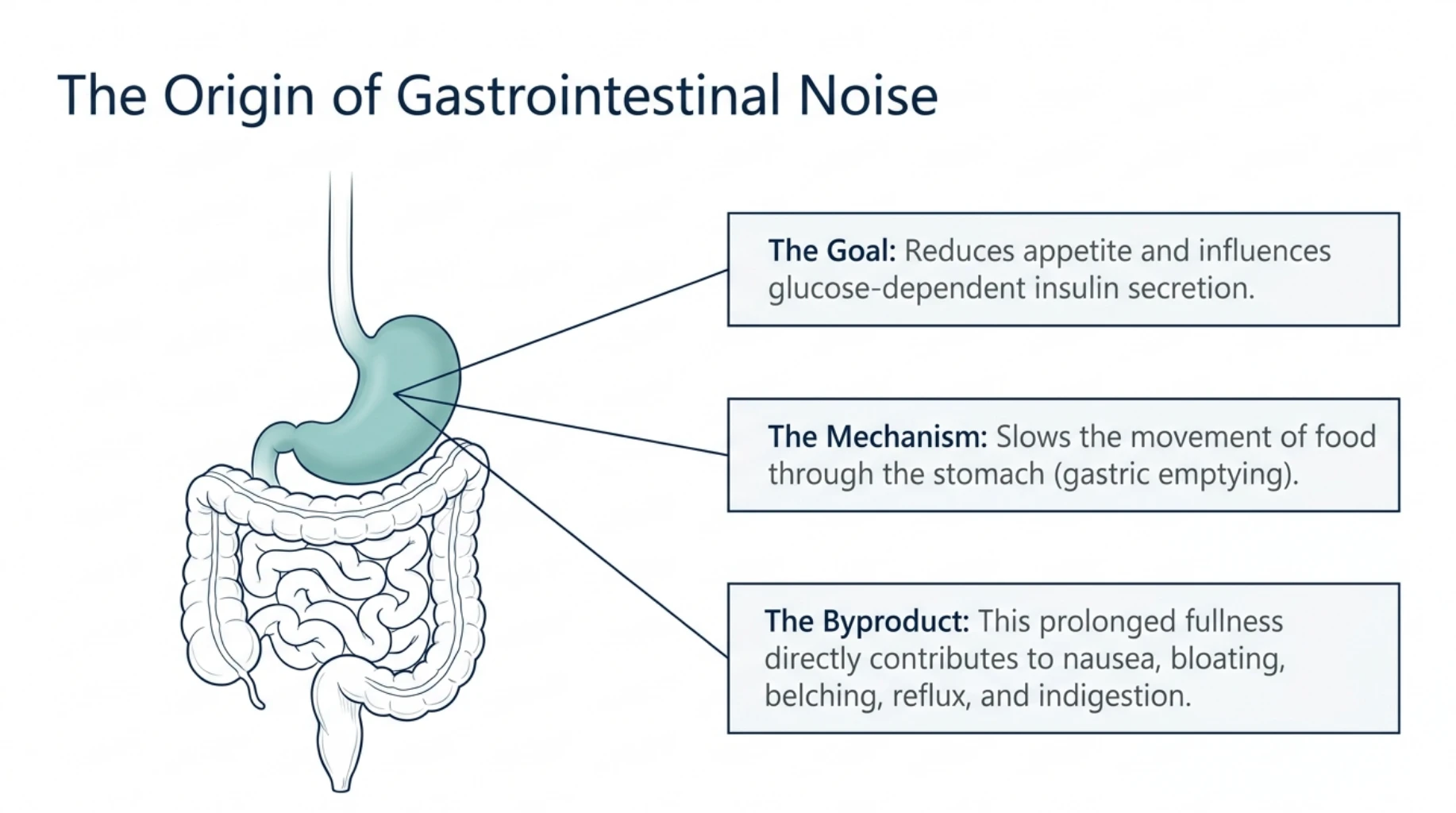
Its effects include reducing appetite, influencing glucose-dependent insulin secretion and slowing the movement of food through the stomach. The slowed gastric emptying contributes to fullness but can also contribute to nausea, bloating, belching and other digestive symptoms.
This is part of the reason semaglutide doses are generally increased gradually rather than starting immediately at a full maintenance dose.
Digestive symptoms also tend to vary considerably between people.
One patient may notice only mild fullness for a day after an injection. Another may develop nausea after each dose increase. Someone else may tolerate nausea but develop troublesome constipation.
The dose that produces the greatest weight loss or glucose reduction is not automatically the best dose if the person cannot tolerate it safely.
Semaglutide Side Effects Are Often More Noticeable During Dose Escalation
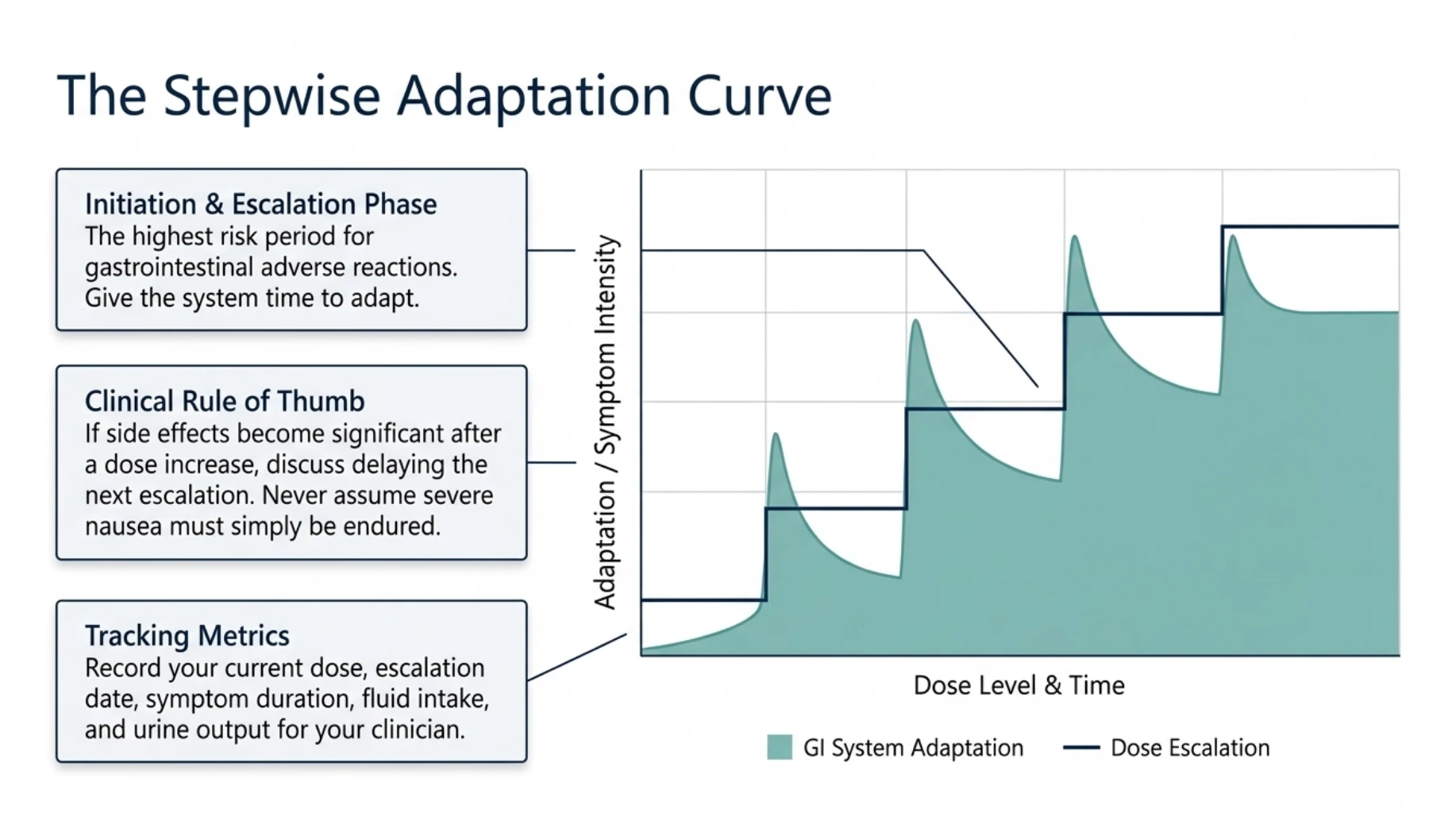
Dose escalation gives the gastrointestinal system time to adapt.
Current Wegovy prescribing information explicitly states that the starting dose should be increased stepwise to reduce gastrointestinal adverse reactions and allows consideration of delaying dose escalation when a dose is not tolerated.
That does not mean patients should create their own dosing schedule.
If side effects become significant after a dose increase, discuss the symptoms before taking the next escalation rather than assuming that severe nausea or vomiting must simply be endured.
Useful details to record include:
- current dose
- when the dose was increased
- how long symptoms last
- whether you can eat and drink
- frequency of vomiting or diarrhea
- whether constipation is severe
- urine output
- associated abdominal pain
This information can help distinguish tolerable adjustment symptoms from a problem requiring treatment modification or investigation.
Common Side Effect 1: Nausea
Nausea is one of the best-recognized effects of semaglutide.
In the adult weight-reduction trials included in the current Wegovy prescribing information, nausea occurred in 44% of participants receiving the 2.4 mg weekly injection compared with 16% receiving placebo.
That does not mean everyone taking semaglutide has a 44% chance of nausea. The frequency varies according to dose, formulation, indication and study population.
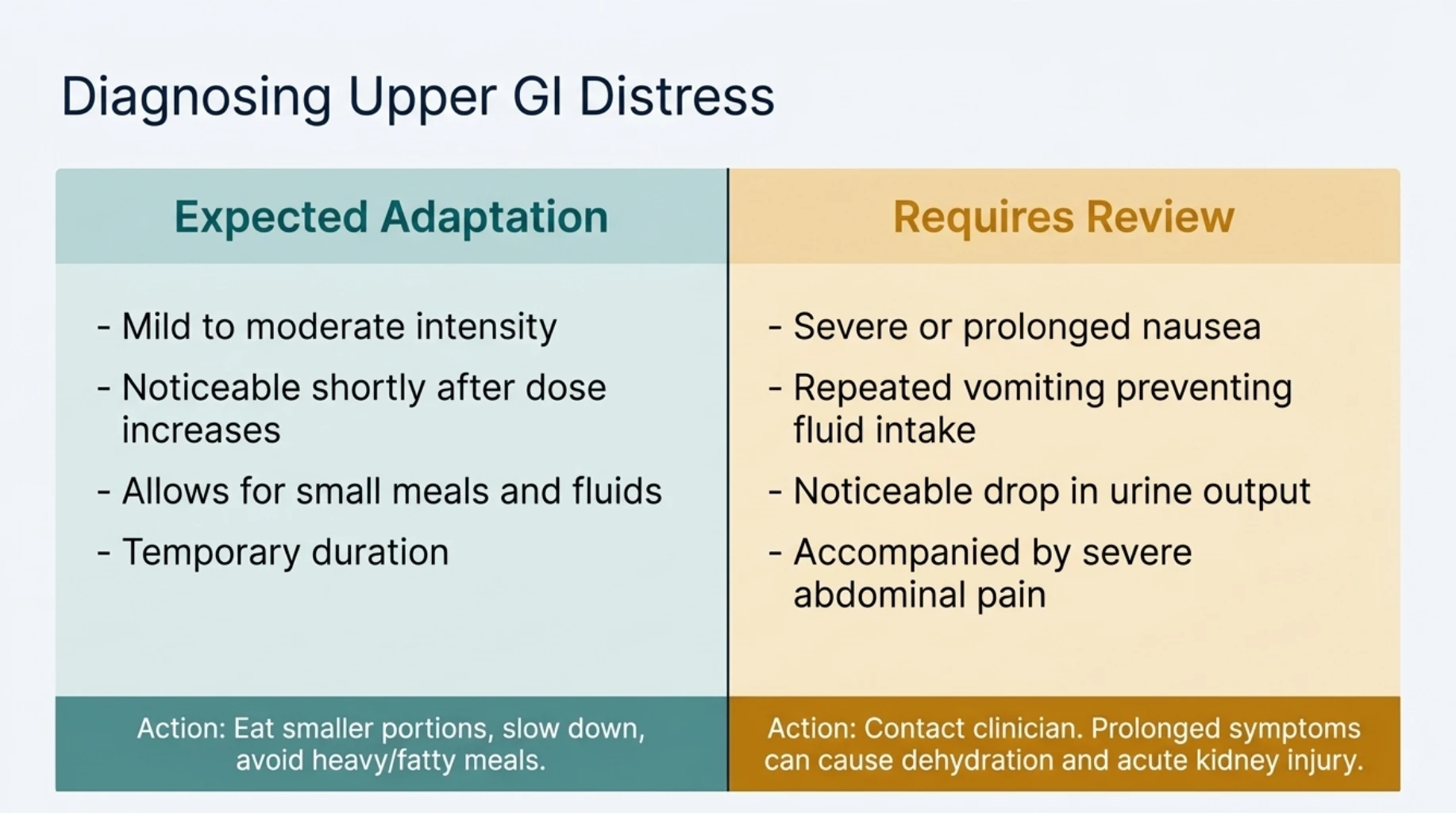
For many people, nausea is:
- mild to moderate
- more noticeable after starting treatment
- more noticeable after increasing the dose
- temporary
Some practical eating adjustments may help when symptoms are mild.
These can include:
- eating smaller portions
- stopping when comfortably full
- eating more slowly
- avoiding unusually heavy meals
- reducing very fatty meals when they worsen symptoms
- maintaining adequate fluid intake
The aim is not to stop eating.
Repeatedly skipping meals because of severe nausea can contribute to weakness, inadequate nutrition and dehydration.
When Semaglutide Nausea Needs Medical Review
Nausea deserves more attention when it becomes persistent or prevents adequate food and fluid intake.
Contact your clinician if:
- nausea is severe
- it continues for an extended period
- you repeatedly vomit
- you cannot drink enough fluid
- you feel increasingly weak or dizzy
- urine output falls
- significant abdominal pain develops
The current prescribing information warns that gastrointestinal adverse reactions can sometimes become severe and that prolonged nausea, vomiting or diarrhoea can cause dehydration and contribute to acute kidney injury.
Nausea together with persistent severe abdominal pain should not automatically be regarded as an ordinary medication effect because pancreatitis and gallbladder disease need consideration.
Common Side Effect 2: Vomiting
Vomiting is also a recognized semaglutide adverse effect.
In the same adult Wegovy 2.4 mg injection trials, vomiting occurred in 24% of treated participants compared with 6% receiving placebo.
One isolated episode may not require urgent care if you recover quickly and can drink normally afterwards.
Repeated vomiting is different.
The main concerns are:
- dehydration
- electrolyte disturbance
- inability to take other medicines
- kidney injury
- an underlying gastrointestinal complication
- pancreatitis or gallbladder disease when significant pain is present
Do not judge severity only by the number of times you vomit.
Someone who has vomited twice but cannot keep any fluid down and is becoming faint may require more attention than someone who had several brief episodes but is now drinking and urinating normally.
Semaglutide-associated gastrointestinal fluid loss has been linked to reports of acute kidney injury, including cases requiring dialysis. Most reported cases occurred in people experiencing nausea, vomiting or diarrhea that led to dehydration.
If vomiting persists, contact your clinician rather than repeatedly taking the next dose without review.
Common Side Effect 3: Diarrhea
Diarrhea is another common gastrointestinal effect.
In adult Wegovy 2.4 mg injection weight-reduction trials, diarrhea occurred in 30% of participants receiving semaglutide compared with 16% receiving placebo.
Mild diarrhea that settles may simply need observation and attention to fluid intake.
The problem becomes more significant when diarrhea is:
- frequent
- prolonged
- associated with repeated vomiting
- causing dizziness
- accompanied by reduced urination
- associated with severe abdominal pain
Older adults and people with kidney disease may be particularly vulnerable to the consequences of fluid loss.
Do not assume every episode is caused by semaglutide either.
Food-borne illness, viral gastroenteritis, other medicines and intestinal disorders can occur while someone is taking semaglutide. Fever, blood in the stool or severe persistent abdominal pain should prompt consideration of other causes.
Common Side Effect 4: Constipation
Semaglutide can produce the opposite bowel problem as well.
Constipation was reported in 24% of adults receiving weekly Wegovy 2.4 mg injection in the weight-loss trials included in the current prescribing information.
Mild constipation may improve with:
- adequate hydration
- dietary fibre where tolerated
- vegetables and whole foods
- regular physical activity
However, dramatically increasing fibre while drinking very little fluid can sometimes make symptoms worse.
Constipation deserves medical review when it becomes severe or is accompanied by:
- persistent vomiting
- marked abdominal distension
- severe abdominal pain
- inability to pass stool or gas
- inability to tolerate food or fluids
Semaglutide products carry a warning about severe gastrointestinal adverse reactions, and Wegovy is not recommended for patients with severe gastroparesis.
Someone with known severe gastric-emptying problems should therefore discuss that history before treatment rather than waiting for significant symptoms to occur.
Common Side Effect 5: Abdominal Discomfort, Bloating and Indigestion
Not all gastrointestinal symptoms are nausea or bowel changes.
People may also experience:
- abdominal discomfort
- bloating
- indigestion
- belching
- reflux
- excessive fullness
- gas
In Wegovy adult weight-loss trials, abdominal pain was reported in 20%, dyspepsia in 9%, abdominal distension and belching in 7%, flatulence in 6% and gastro-esophageal reflux disease in 5% of treated participants.
Mild fullness after a smaller-than-usual meal may reflect the medication’s effect on appetite and gastric emptying.
Severe pain is different.
The location, intensity and duration matter.
Pain that is persistent, severe or radiates toward the back requires assessment for pancreatitis. Right-upper abdominal pain accompanied by fever, jaundice or other gallbladder symptoms may require investigation for gallstones or cholecystitis.
Do not use the phrase “stomach side effect” to explain every new abdominal symptom simply because semaglutide has recently been started.
Can Semaglutide Cause Fatigue, Dizziness or Headache?
Yes, these symptoms are reported, although they are less characteristic than gastrointestinal problems.
In adult Wegovy weight-management trials:
- headache was reported in 14%
- fatigue in 11%
- dizziness in 8%
among participants receiving the 2.4 mg weekly injection.
However, these symptoms can arise indirectly as well.
For example, dizziness and weakness may occur because someone is:
- eating substantially less
- dehydrated after vomiting or diarrhea
- experiencing low blood pressure
- developing hypoglycemia because of other diabetes medicines
Semaglutide itself has also been associated with hypotension and orthostatic hypotension in a small proportion of patients in weight-management trials, sometimes in association with gastrointestinal fluid loss.
This is why new dizziness should not simply be labelled a medication side effect without considering hydration, blood pressure and glucose.
When Gastrointestinal Side Effects Become Too Severe
There is a difference between expected digestive discomfort and symptoms that make continuing treatment unsafe without review.
Current prescribing information reports that severe gastrointestinal adverse reactions occurred more frequently with Wegovy than placebo in weight-loss trials. For the 2.4 mg weekly injection, severe gastrointestinal events occurred in 4.1% of treated adults compared with 0.9% receiving placebo.
Contact your prescribing clinician promptly if you are experiencing:
- repeated vomiting
- persistent diarrhea
- inability to drink adequately
- severe constipation
- significant abdominal distension
- persistent severe abdominal pain
- markedly reduced urine output
- progressive dizziness or weakness
Do not assume the correct response is simply to “push through” until the body adapts.
A clinician may need to consider:
- whether symptoms are medication-related
- whether dehydration has developed
- whether another gastrointestinal condition is present
- whether the next dose escalation should be delayed
- whether treatment needs to be modified or stopped
Severe abdominal symptoms may also require investigation for pancreatitis or gallbladder disease rather than merely adjusting the dose.
Serious Warning 1: Pancreatitis
Acute pancreatitis is uncommon but important.
Semaglutide prescribing information warns that acute pancreatitis—including serious forms—has been observed with GLP-1 receptor agonists.
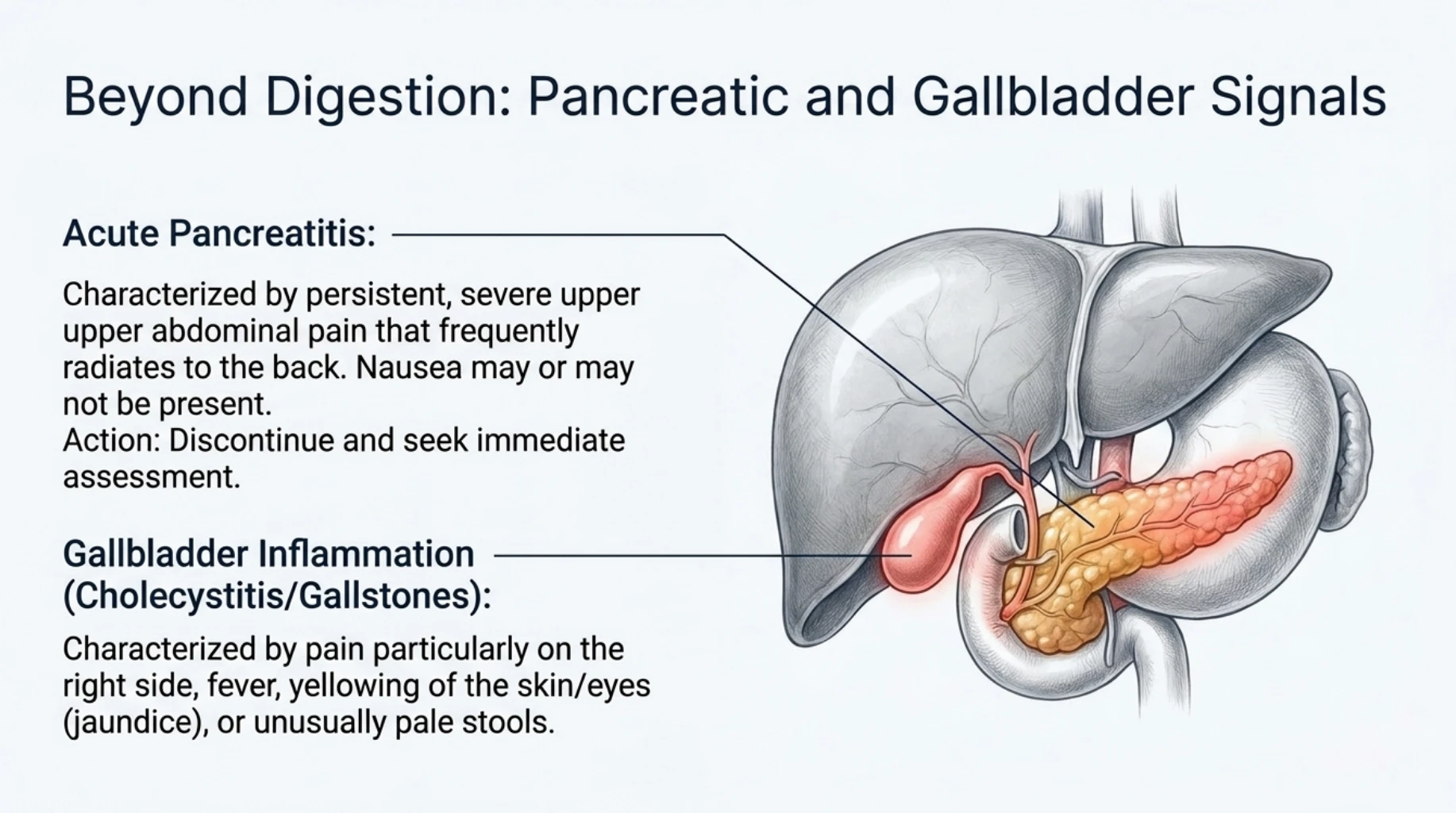
The key symptom is persistent or severe abdominal pain, sometimes radiating to the back. Nausea or vomiting may accompany the pain but does not have to be present.
This is different from mild nausea or fullness after eating.
Severe Abdominal Pain Radiating to the Back Needs Attention
Seek prompt medical assessment if you develop:
- severe persistent upper abdominal pain
- pain spreading toward the back
- substantial abdominal pain with repeated vomiting
- pain that does not settle as ordinary digestive discomfort would
The current prescribing information advises discontinuing Wegovy if pancreatitis is suspected and starting appropriate medical management.
Patients should not attempt to confirm pancreatitis themselves from symptoms alone. Gallbladder disease, ulcers and other abdominal conditions can produce overlapping symptoms.
The important point is that persistent severe abdominal pain should not be normalized as an expected semaglutide side effect.
Serious Warning 2: Gallstones or Gallbladder Inflammation
Semaglutide treatment is associated with an increased occurrence of gallbladder problems such as gallstones (cholelithiasis) and inflammation of the gallbladder (cholecystitis).
In current Wegovy prescribing information, gallstones occurred in 1.6% of adults receiving injectable Wegovy in weight-reduction trials compared with 0.7% receiving placebo. Cholecystitis occurred in 0.6% versus 0.2%, respectively. Rapid or substantial weight loss itself can increase gallstone risk, but the prescribing information notes that gallbladder events remained more frequent with Wegovy even after accounting for the amount of weight lost.
Possible warning symptoms include:
- persistent or significant pain in the upper abdomen
- pain particularly on the right side
- fever
- yellowing of the skin or eyes
- unusually pale or clay-coloured stools
These symptoms deserve medical review rather than being dismissed as indigestion.
Not every episode of upper abdominal discomfort means gallstones. Acidity, gastritis, pancreatitis and other abdominal conditions can produce overlapping symptoms.
Gallbladder assessment may involve an examination, blood tests and ultrasound when clinically indicated.
Serious Warning 3: Dehydration and Kidney Injury
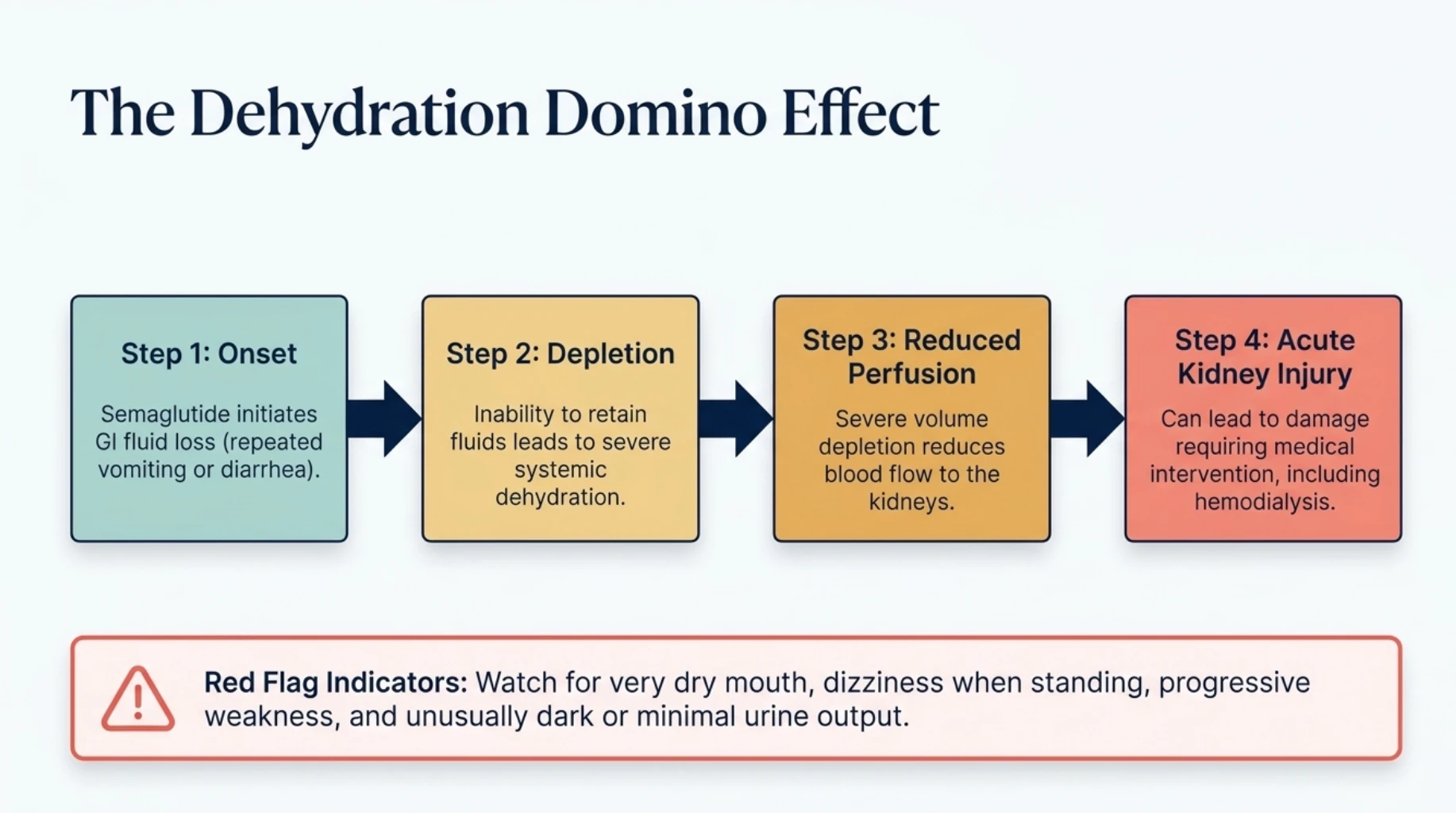
Nausea, vomiting and diarrhea can become medically important when they cause substantial fluid loss.
Current semaglutide prescribing information includes reports of acute kidney injury due to volume depletion, including post marketing cases requiring hemodialysis. Most reported events occurred in people whose gastrointestinal symptoms caused dehydration.
The concern is therefore often indirect:
semaglutide → persistent vomiting or diarrhea → dehydration → reduced kidney perfusion
Contact your clinician when gastrointestinal symptoms persist, particularly if you notice:
- difficulty drinking enough fluid
- very dry mouth
- progressive weakness
- dizziness when standing
- markedly reduced urination
- unusually dark urine
People who already have kidney disease, take diuretics or have another reason to become dehydrated may require closer assessment.
Adequate hydration is important when gastrointestinal symptoms are mild, but people who have heart failure, advanced kidney disease or prescribed fluid restrictions should not simply consume very large amounts of fluid without individual guidance.
Repeated vomiting with minimal urine output deserves prompt medical assessment.
Serious Warning 4: Severe Allergic Reaction
Serious allergic reactions to semaglutide are uncommon but have been reported.
Current prescribing information includes anaphylaxis and angioedema among serious hypersensitivity reactions. A previous serious allergic reaction to semaglutide is a contraindication to further use of the product.
Seek urgent medical help if semaglutide is followed by:
- swelling of the face, lips, tongue or throat
- difficulty breathing
- difficulty swallowing
- a severe widespread rash
- fainting or severe dizziness
These are not ordinary digestive side effects.
A small local injection-site reaction is different from rapidly developing facial or airway swelling.
Low Blood Sugar: Who Is Most at Risk?
Semaglutide lowers glucose, but significant hypoglycemia is particularly important when it is combined with medicines that can independently cause low blood sugar.
The main examples are:
- insulin
- sulfonylureas
Current Wegovy labeling states that the risk of hypoglycemia increases when semaglutide is used with insulin or an insulin secretagogin such as a sulfonylurea. Dose adjustment of those medicines may sometimes be required.
Possible symptoms of low glucose include:
- sweating
- shaking
- hunger
- dizziness
- weakness
- palpitations
- blurred vision
- confusion
- unusual drowsiness
If you have diabetes, discuss how frequently glucose should be checked when semaglutide is started or the dose changes.
Do not independently stop insulin because semaglutide has been prescribed.
Similarly, do not assume every episode of weakness or dizziness represents hypoglycemia. Measuring glucose when possible is much more informative than relying on symptoms alone.
Semaglutide and Diabetic Retinopathy: When Vision Changes Matter
People with type 2 diabetes and existing diabetic retinopathy deserve particular attention when glucose improves rapidly.
In a two-year cardiovascular-risk trial cited in current Wegovy labeling, diabetic-retinopathy complications occurred in 3% of semaglutide-treated participants versus 1.8% receiving placebo. The absolute difference was larger among people who already had diabetic retinopathy at baseline.
One proposed explanation is not that lowering glucose is harmful overall, but that rapid improvement in glucose control can temporarily worsen pre-existing diabetic retinopathy in susceptible people. Current labeling therefore recommends monitoring people with a history of diabetic retinopathy.
Tell your clinician if you already have:
- diabetic retinopathy
- previous retinal laser treatment
- retinal injections
- significant diabetic eye disease
Arrange prompt eye assessment for new or worsening visual symptoms rather than waiting until the next routine diabetes appointment.
Sudden Vision Loss Needs Urgent Assessment
There is another eye concern that should be distinguished from diabetic retinopathy.
In 2025, the European Medicines Agency concluded that non-arteritic anterior ischemic optic neuropathy (NAION) is a very rare adverse effect of semaglutide, potentially affecting up to 1 in 10,000 users. WHO subsequently issued a safety alert, and UK regulators updated advice in 2026.
NAION typically presents with sudden, often painless loss or marked deterioration of vision, commonly affecting one eye.
Sudden partial or complete vision loss while taking semaglutide requires urgent ophthalmological assessment. EMA guidance states that semaglutide should be discontinued if NAION is confirmed.
Do not wait several days to see whether sudden vision loss improves.
What About the Thyroid Cancer Warning?
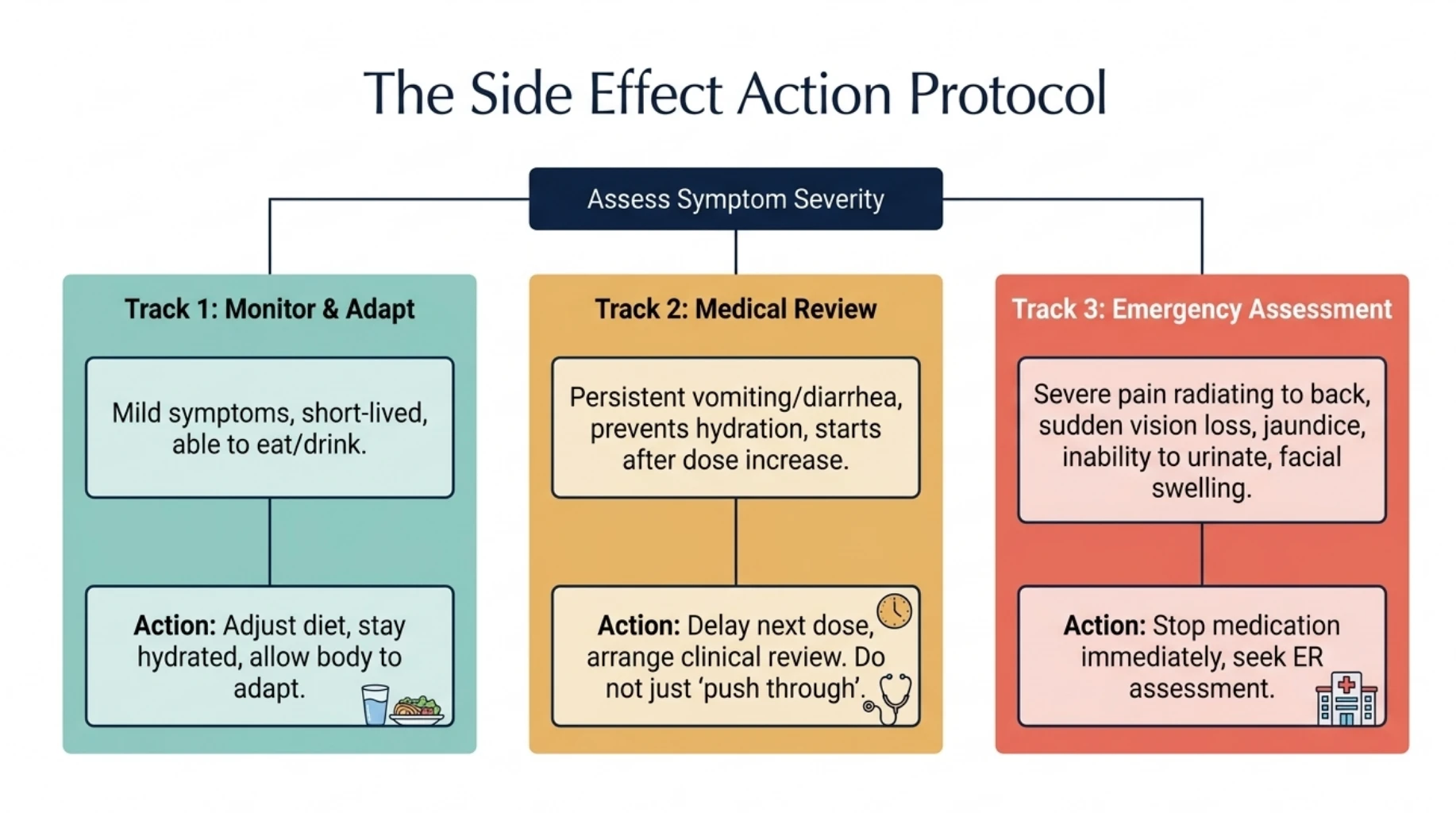
Current U.S. semaglutide prescribing information carries a boxed warning regarding thyroid C-cell tumors.
Semaglutide caused thyroid C-cell tumors in rodents. It remains unknown whether it causes medullary thyroid carcinoma, or MTC, in humans.
Wegovy and Ozempic are contraindicated in people with:
- a personal history of medullary thyroid carcinoma
- a family history of medullary thyroid carcinoma
- Multiple Endocrine Neoplasia syndrome type 2, or MEN 2
This warning should not be misinterpreted to mean that every person with ordinary hypothyroidism, Hashimoto’s thyroiditis or a common benign thyroid nodule is automatically unable to use semaglutide.
The warning is specifically concerned with MTC and MEN 2.
Current labeling also states that routine calcitonin measurement or routine thyroid ultrasound has uncertain value for detecting MTC early in people taking semaglutide and may lead to unnecessary investigations.
A new neck lump, persistent hoarseness, difficulty swallowing or another concerning thyroid symptom should nevertheless be medically assessed.
Tell Your Doctor Before Surgery or Deep Sedation
Semaglutide delays gastric emptying.
This has created an important anesthesia-related safety issue because food or liquid may remain in the stomach despite standard fasting.
Rare post marketing cases of pulmonary aspiration during general anesthesia or deep sedation have been reported with GLP-1 receptor agonists. Current Wegovy and Ozempic prescribing information therefore advises patients to tell healthcare professionals about semaglutide before planned surgery or procedures requiring deep sedation.
Do not decide for yourself how many days to stop semaglutide before surgery.
The current labeling states that available evidence is insufficient to determine whether temporarily withholding the medicine or modifying fasting instructions reliably reduces aspiration risk.
The correct plan depends on:
- the procedure
- the type of anesthesia
- gastrointestinal symptoms
- semaglutide formulation and dosing
- individual aspiration risk
Tell the surgeon, anesthetist, dentist or procedural team before the procedure date so they can provide appropriate instructions.
Pregnancy and Semaglutide
Semaglutide used for weight reduction is not appropriate during pregnancy.
Current Wegovy labeling advises discontinuing treatment when pregnancy is recognized for people using it for weight reduction or cardiovascular-risk reduction. Because semaglutide remains in the body for a prolonged period, the label also recommends stopping it at least two months before a planned pregnancy.
Ozempic prescribing information similarly advises discontinuation at least two months before a planned pregnancy.
If pregnancy occurs while you are taking semaglutide, contact the prescribing clinician rather than simply waiting for your next routine appointment.
Breastfeeding recommendations can vary according to formulation and indication. Current Wegovy labeling, for example, distinguishes between oral tablets and subcutaneous semaglutide, so individual product information and clinical circumstances should be reviewed.
Should You Stop Semaglutide Because of Side Effects?
Not every side effect means semaglutide must be permanently stopped.
Mild nausea, constipation or transient digestive symptoms may sometimes improve with time, dietary adjustments or a slower clinically supervised dose-escalation plan.
However, continuing through severe symptoms without advice can be unsafe.
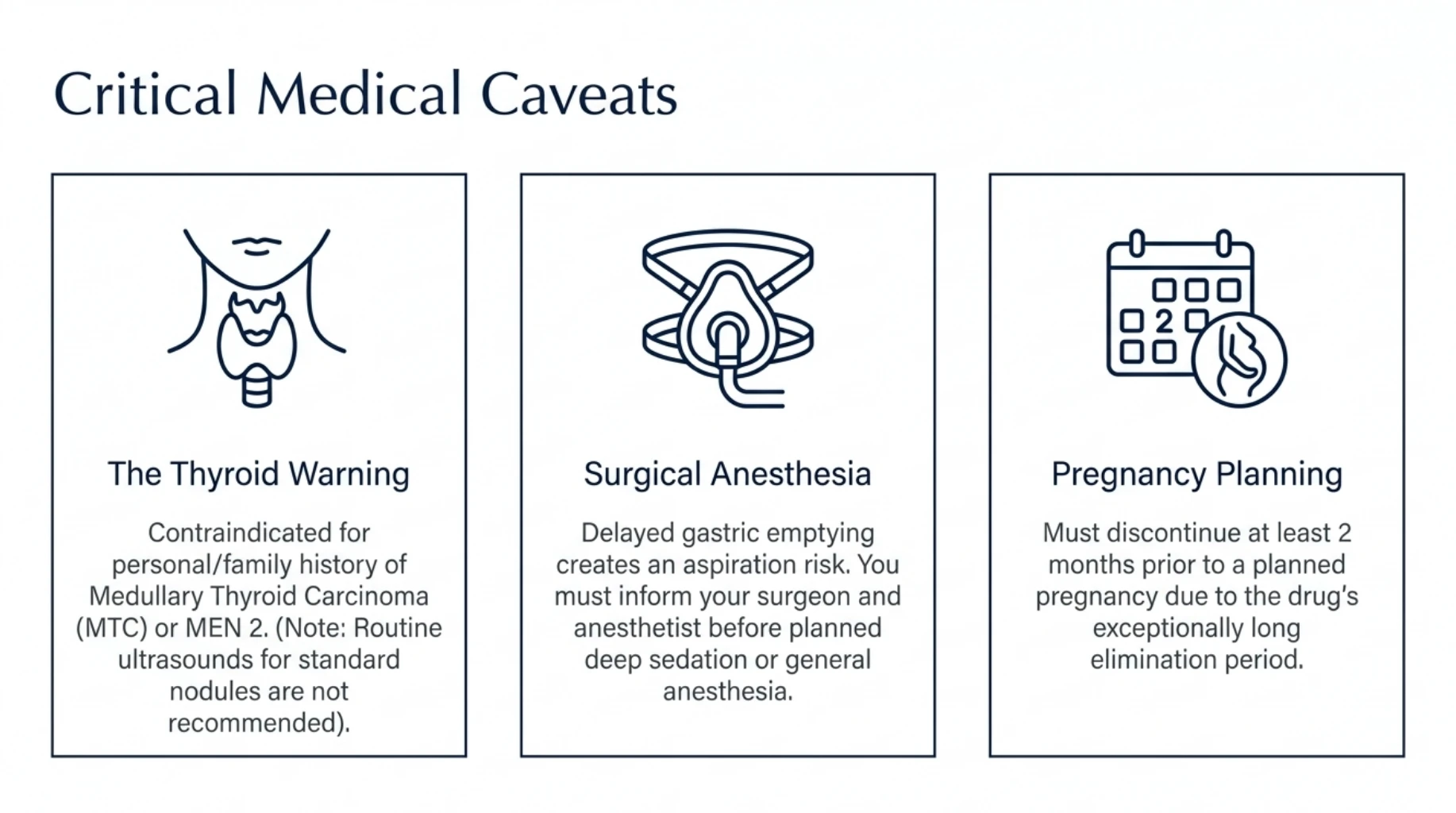
Contact the prescribing clinician before the next planned dose when you have:
- repeated vomiting
- persistent diarrhea
- severe constipation
- difficulty maintaining hydration
- worsening abdominal pain
- side effects that significantly limit eating or daily activity
More urgent assessment is needed for:
- severe persistent abdominal pain
- jaundice with abdominal pain or fever
- severe dehydration
- serious allergic symptoms
- severe or recurrent hypoglycemia
- sudden major visual loss
Do not halve, double, skip repeatedly or restart at a different dose based on online advice.
If several doses have been missed, the correct restart plan may depend on the formulation and how long treatment has been interrupted. Product-specific instructions should be followed.
When Should You Arrange a Medical Review?
Arrange a routine or early medication review when semaglutide side effects:
- persist instead of gradually improving
- begin after a dose increase
- interfere with normal eating
- repeatedly cause vomiting or diarrhea
- cause troublesome constipation
- are associated with dizziness or low blood pressure
- occur alongside insulin or sulfonylurea treatment
- make you consider stopping the medication
It is also worth reviewing treatment if you have:
- existing diabetic retinopathy
- kidney disease
- previous gallbladder disease
- severe gastrointestinal disease
- planned surgery or deep sedation
- plans for pregnancy
Emergency or urgent assessment is appropriate for severe persistent abdominal pain, major dehydration, anaphylaxis, severe hypoglycemia or sudden loss of vision.
Semaglutide Side-Effect Review in Dwarka
If semaglutide has been prescribed for diabetes or weight management and side effects are becoming difficult to interpret, a medical review can help distinguish expected gastrointestinal symptoms from problems that require investigation or treatment modification.
Dr. Pankaj Kumar can review:
- current semaglutide product and dose
- timing of dose escalation
- nausea, vomiting or bowel symptoms
- hydration
- other diabetes medicines
- hypoglycemia risk
- kidney-function reports
- gallbladder symptoms
- diabetic-retinopathy history
- other prescription medicines
- weight and nutritional intake
- whether further investigation or specialist referral is appropriate
The aim is to use medication safely while avoiding both unnecessary discontinuation and inappropriate persistence through significant adverse effects.
Dr. Pankaj Kumar
MBBS, DNB Family Medicine, Sir Ganga Ram Hospital
General & Lifestyle Physician
Special interest in Diabetes
Diet Plus Minus
13A, Pocket-2, Sector-6, Doctors Lane
Dwarka, New Delhi – 110075
India
Book an Appointment with Dr. Pankaj Kumar
Frequently Asked Questions
How Long Does Semaglutide Nausea Last?
There is no fixed duration.
Nausea is often more prominent during treatment initiation or dose escalation and may become less troublesome as treatment continues. Persistent or severe nausea, particularly when it interferes with hydration or nutrition, deserves medical review.
Is Vomiting Normal on Semaglutide?
Vomiting is a recognized adverse effect, but repeated or severe vomiting should not be considered something you simply have to tolerate.
Persistent vomiting can lead to dehydration and kidney injury.
Can Semaglutide Cause Constipation?
Yes.
Constipation is among the common gastrointestinal adverse reactions reported with semaglutide. Severe constipation associated with persistent abdominal distension, vomiting or significant pain requires assessment rather than routine self-treatment.
Can Semaglutide Cause Gastroparesis?
Semaglutide delays gastric emptying and can produce gastrointestinal symptoms. Current Wegovy and Ozempic labeling states that these medicines are not recommended in people with severe gastroparesis.
Persistent severe fullness, vomiting or inability to eat normally should be reviewed.
Does Semaglutide Cause Pancreatitis?
Acute pancreatitis has been observed in people receiving GLP-1 receptor agonists, including semaglutide, and is included as a serious warning in current prescribing information.
Severe persistent abdominal pain, particularly when radiating to the back, needs prompt assessment.
Can Semaglutide Cause Gallstones?
Yes.
Gallstones and gallbladder inflammation occurred more frequently with semaglutide than placebo in weight-management trials. Rapid weight loss itself can also increase gallstone risk.
Can Semaglutide Damage the Kidneys?
Semaglutide is associated with reports of acute kidney injury, but many cases occurred in the setting of dehydration from nausea, vomiting or diarrhea.
Persistent gastrointestinal fluid loss therefore deserves attention.
Does Semaglutide Cause Low Blood Sugar?
The risk is particularly important when semaglutide is combined with insulin or a sulfonylurea.
People using these combinations may require closer glucose monitoring and medication review.
Can Semaglutide Affect the Eyes?
Yes, in more than one way.
Rapid improvement in glucose can temporarily worsen diabetic retinopathy in susceptible people with type 2 diabetes. In addition, European regulators have classified NAION as a very rare semaglutide adverse effect.
Any sudden major loss of vision requires urgent assessment.
Does Semaglutide Cause Thyroid Cancer?
Semaglutide caused thyroid C-cell tumors in rodents, but whether it causes MTC in humans remains unknown. Current U.S. labeling therefore carries a boxed warning and contraindicates treatment in people with a personal or family history of MTC or MEN 2.
This is not the same as saying semaglutide is proven to cause ordinary human thyroid cancer.
Do I Need Regular Thyroid Ultrasounds While Taking Semaglutide?
Not solely because you take semaglutide.
Current Wegovy prescribing information states that routine thyroid ultrasound or calcitonin screening is of uncertain value for early detection of MTC and may cause unnecessary investigations.
Does Semaglutide Increase Suicide Risk?
Current evidence has changed regulatory guidance on this question.
In January 2026, the U.S. FDA stated that its comprehensive review did not identify an increased risk of suicidal ideation or behaviour with GLP-1 receptor agonists and requested removal of the corresponding warning from affected products. Wegovy’s U.S. label records removal of that warning in February 2026.
New or severe mental-health symptoms still deserve appropriate medical care regardless of the medicine being used.
Should Semaglutide Be Stopped Before Surgery?
Do not make that decision independently.
Semaglutide delays gastric emptying, and rare aspiration events have been reported during procedures using general anesthesia or deep sedation. Current labeling advises telling the procedural and anesthesia team that you use semaglutide, while noting that evidence is insufficient to establish one universal withholding strategy.
How Long Before Pregnancy Should Semaglutide Be Stopped?
Current semaglutide labeling generally recommends stopping treatment at least two months before a planned pregnancy because of its long elimination period.
What Semaglutide Side Effect Should Worry Me Most?
There is no single answer, but symptoms needing particularly prompt attention include severe persistent abdominal pain, repeated vomiting with dehydration, major allergic symptoms and sudden significant visual loss.
The severity and associated symptoms matter more than whether a reaction appears on a side-effect list.
Conclusion: Know Which Semaglutide Side Effects Are Expected—and Which Are Not
Most semaglutide side effects are gastrointestinal.
Nausea, diarrhea, vomiting, constipation, fullness, abdominal discomfort and indigestion commonly occur, particularly during dose escalation. Mild symptoms may improve as treatment continues.
The important safety skill is recognizing when the pattern changes.
Persistent severe abdominal pain may indicate pancreatitis. Upper abdominal pain with jaundice or fever can suggest gallbladder disease. Repeated vomiting and diarrhea can cause dehydration and kidney injury. People taking insulin or sulfonylureas may face greater hypoglycemia risk, while sudden significant visual loss requires urgent eye assessment.
Semaglutide can be an effective medicine when appropriately prescribed, but side effects should not be managed by either extreme—stopping treatment for every mild episode of nausea or continuing despite severe symptoms because they are assumed to be “normal.”
If semaglutide side effects are persistent, severe or interfering with hydration, nutrition or daily functioning, review them with the prescribing clinician before making your own dose changes.
Author Box
Dr. Pankaj Kumar
MBBS, DNB Family Medicine, Sir Ganga Ram Hospital
General & Lifestyle Physician
Special interest in Diabetes
Dr. Pankaj Kumar provides general medical and lifestyle-based care at Diet Plus Minus in Dwarka, New Delhi. His clinical approach includes diabetes care, weight management, medication review and assessment of treatment-related side effects, with specialist referral when appropriate.
Medical Disclaimer
This article provides general educational information and does not replace an individual medical consultation, examination, diagnosis or prescription.
Semaglutide products differ by formulation, dose and approved indication. Always follow the prescribing information and instructions provided for your specific product.
Do not start, stop, increase, reduce or restart semaglutide—or alter insulin or another diabetes medicine—solely on the basis of information in this article.
Seek urgent medical attention for severe persistent abdominal pain, significant dehydration, serious allergic symptoms, severe hypoglycaemia or sudden loss of vision.
References
- Wegovy (semaglutide) Prescribing Information. Current U.S. labeling, revised June 2026. Covers gastrointestinal adverse reactions, pancreatitis, gallbladder disease, hypoglycaemia, kidney injury, hypersensitivity, diabetic retinopathy, thyroid C-cell tumour warning, aspiration risk and pregnancy precautions.
- Ozempic (semaglutide) Prescribing Information. Current U.S. labeling, revised May 2026. Includes warnings regarding pancreatitis, retinopathy, hypoglycemia with insulin or insulin secretagogues, volume-depletion kidney injury, severe gastrointestinal reactions, hypersensitivity, gallbladder disease and aspiration during anesthesia or deep sedation.
- European Medicines Agency Pharmacovigilance Risk Assessment Committee. PRAC Concludes Eye Condition NAION Is a Very Rare Side Effect of Semaglutide Medicines. 2025. Classifies NAION as very rare and recommends urgent assessment for sudden deterioration of vision.
- World Health Organization. The Use of Semaglutide Medicines and Risk of Non-Arteritic Anterior Ischemic Optic Neuropathy (NAION). Medical product safety alert, 2025.
- Medicines and Healthcare products Regulatory Agency. Semaglutide: Risk of Non-Arteritic Anterior Ischemic Optic Neuropathy. Drug Safety Update, February 2026.
- U.S. Food and Drug Administration. FDA Requests Removal of Suicidal Behavior and Ideation Warning From GLP-1 Receptor Agonist Medications. January 2026. FDA reported that its review did not identify an increased risk of suicidal ideation or behaviour with GLP-1 receptor agonists.
- MedlinePlus. Semaglutide Injection: Drug Information. Updated 2026. Includes patient guidance regarding pancreatitis, diabetic retinopathy, severe stomach problems, gallbladder and kidney disease, pregnancy, surgery and hypoglycemia.

Written by Dr. Pankaj Kumar
General & Lifestyle Physician in Dwarka Sector 6, New Delhi · MBBS, DNB (Family Medicine), DNHE · 16 years of experience.
About the doctor →Book a consultation → Beyond Blood Sugar
 The 90-Day Prediabetes Turnaround
 The Indian Diabetes Diet Reset
 Eat to Beat Gout
 Why Is My Hair Falling?
 The 30-Day Inflammation Reset